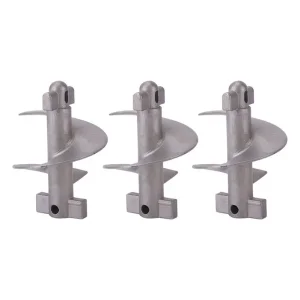
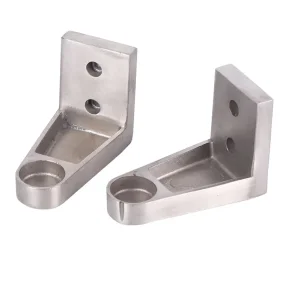
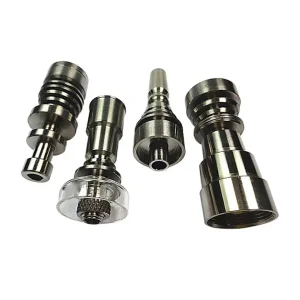
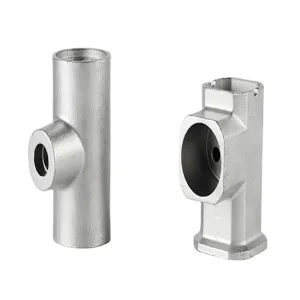
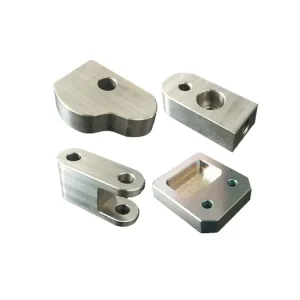
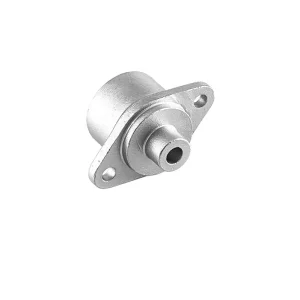
Explore our high-performance steel alloy castings and precision CNC components manufactured under ISO 9001 and IATF 16949 quality protocols.
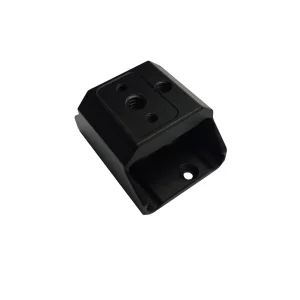
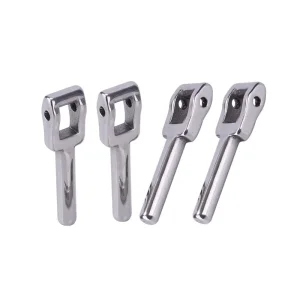
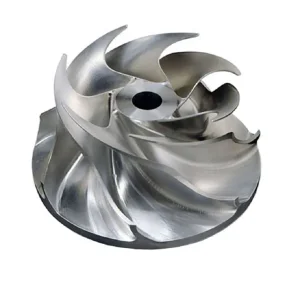
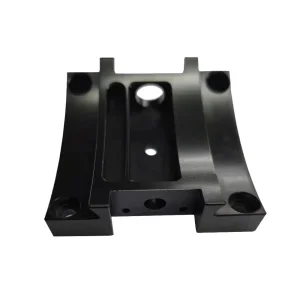
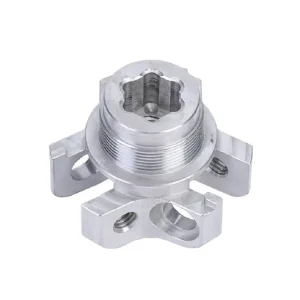
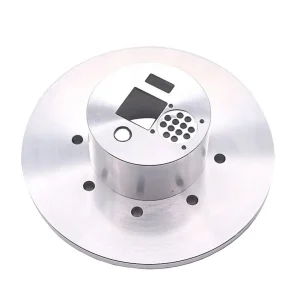
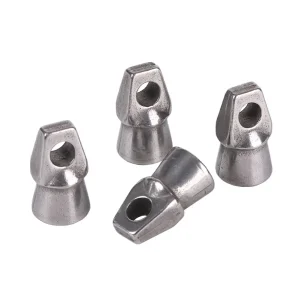
Dongguan SX Technology Co., Ltd has very rich experience in precision casting, CNC machining and assembly. Our products are used in machinery, automobiles, marine, ships, equipment, valves and pumps, electronic appliances, packaging, watches, construction, chemical industry and other industries.
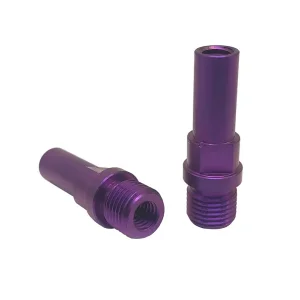
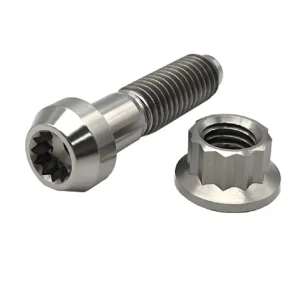
The most commonly used materials for investment casting are stainless steel and carbon steel. And the most commonly used materials for CNC machining include titanium alloy, stainless steel, carbon steel, aluminum alloy, copper alloy, cemented carbide, etc. We have advanced manufacturing equipment and technology and are able to respond quickly to your needs.
As global engineering standards rise, investment casting (lost-wax casting) remains the premier methodology for producing components with complex geometries, close dimensional tolerances (ISO 8062-3 DCTG4-6), and exceptional surface finishes (Ra 3.2μm or better). Steel alloys represent the backbone of this industry.
Modern engineering is transitioning from sub-assembly weldments to monolithic net-shape castings. Key sectors such as marine systems, pump-valve equipment, aerospace, and medical engineering rely on high-integrity alloyed castings to reduce assembly times, lower component weight, and improve raw material yield ratios.
From austenitic stainless steels (304, 316L) offering superior pitting corrosion resistance in maritime environments, to carbon steels (WCB, LCC) for high-pressure valves, and specialized alloy steels (4140, 8620) engineered for high wear resistance. Choosing the exact grade dictates mechanical capabilities, heat-treatment response, and cost-efficiency.
Procurement heads and system designers do not just seek a foundry; they seek design-for-manufacturability (DFM) verification, rapid prototyping via SLA/SLS wax patterns, raw material traceability, non-destructive testing (NDT), and integrated CNC machining services to receive fully finished components.
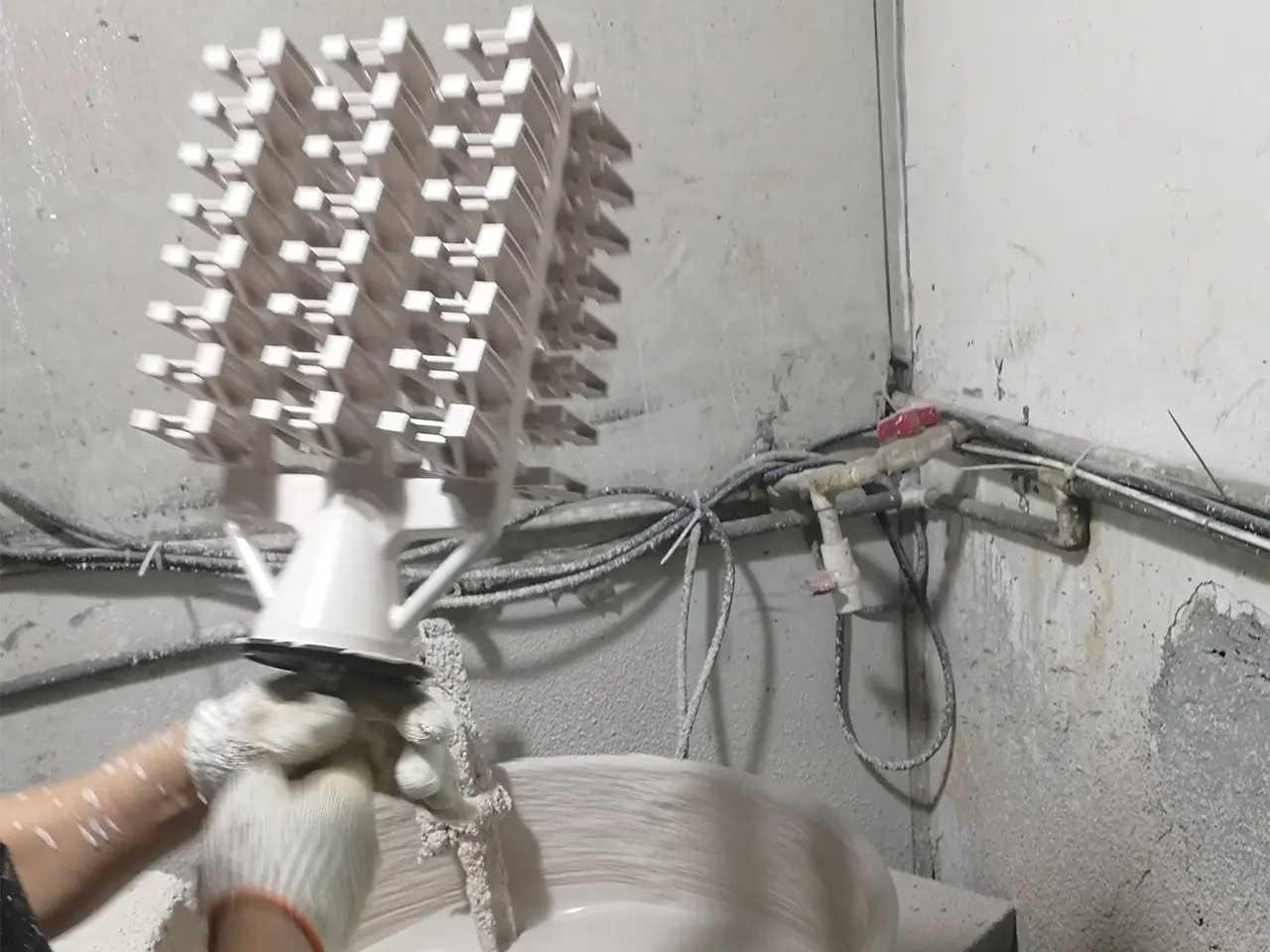
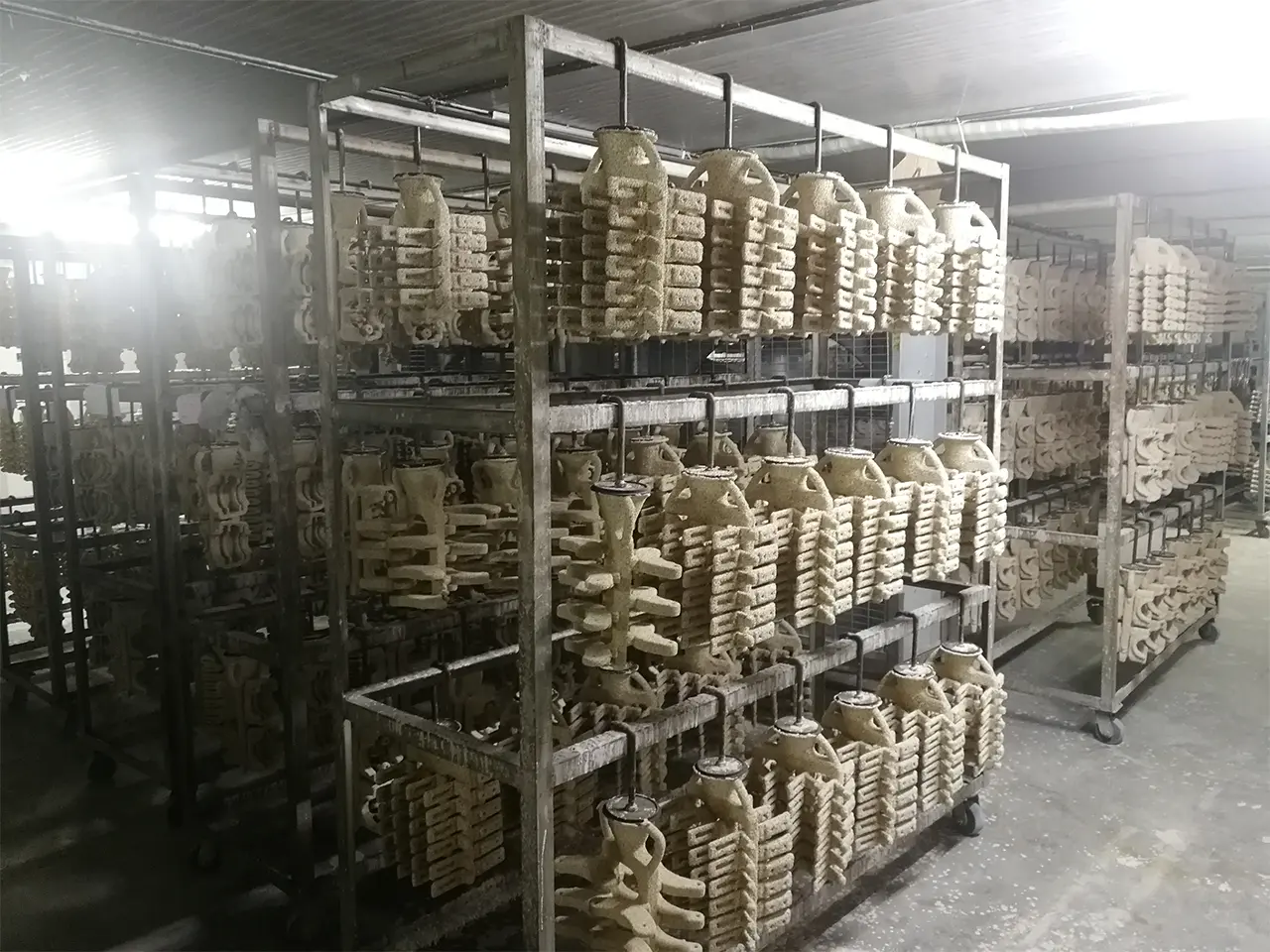
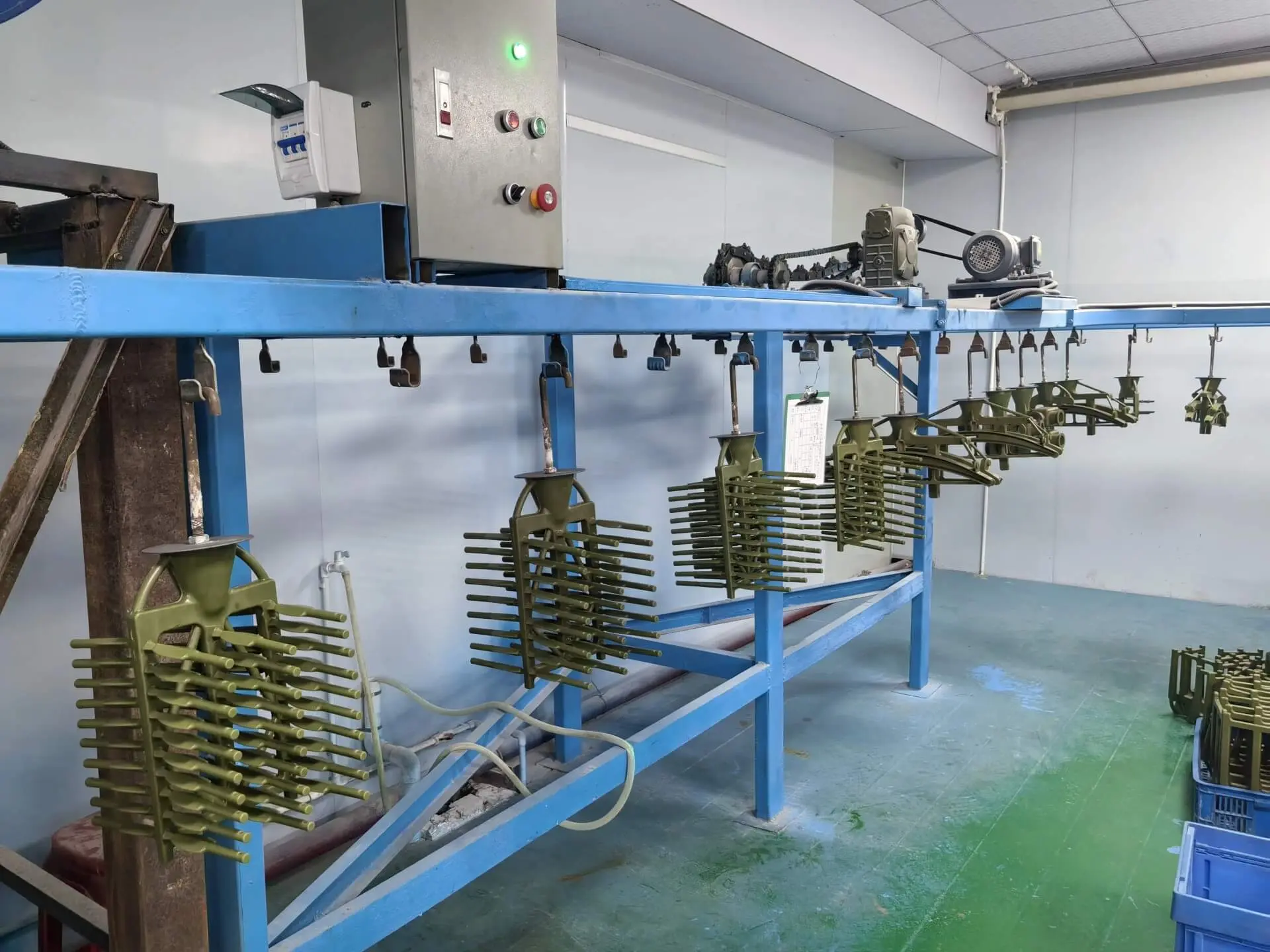
Take a virtual tour of our modern precision investment casting, mold building, and CNC machining departments. Our workshop combines traditional lost-wax precision with multi-axis automated CNC technology.
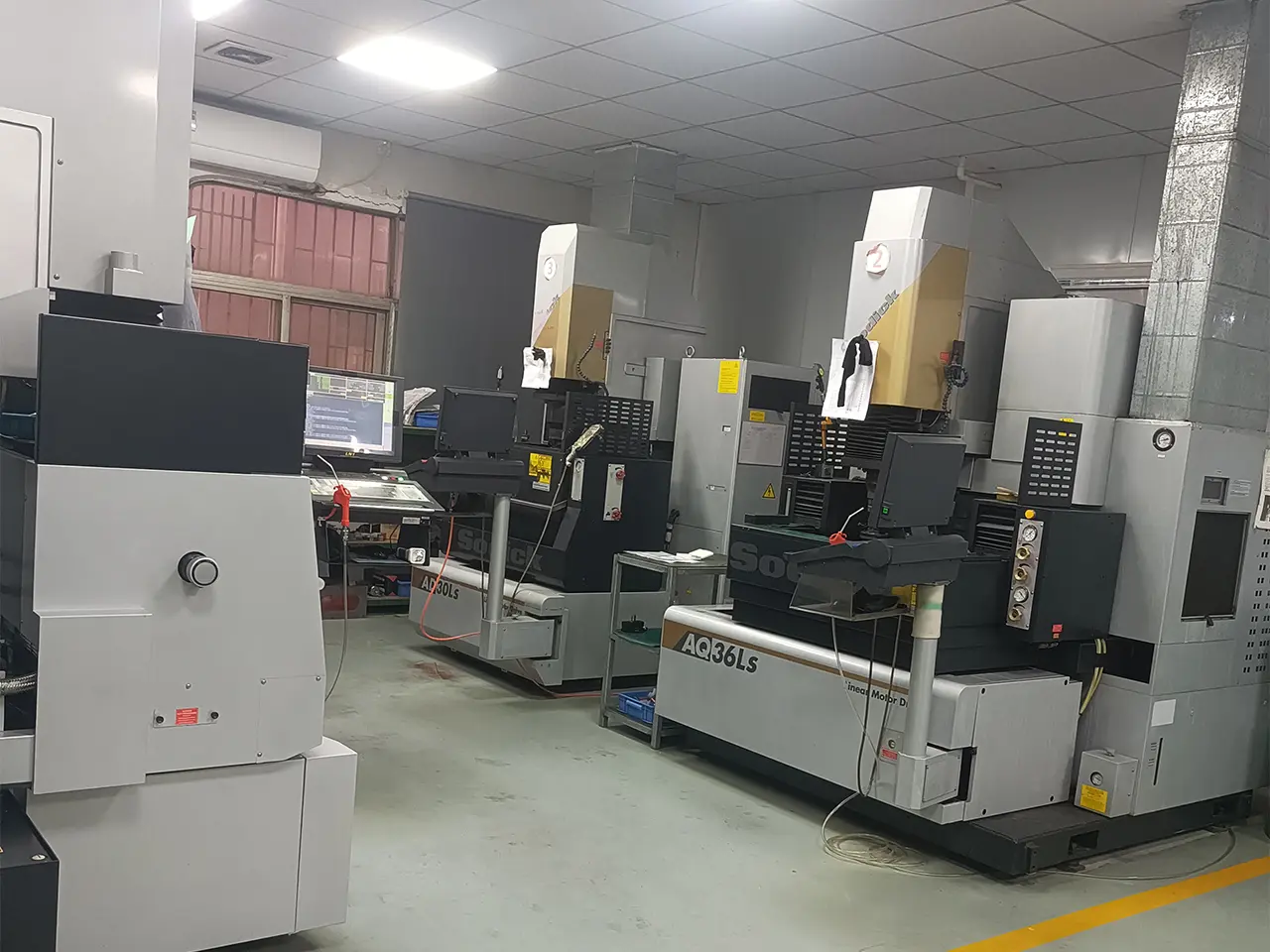
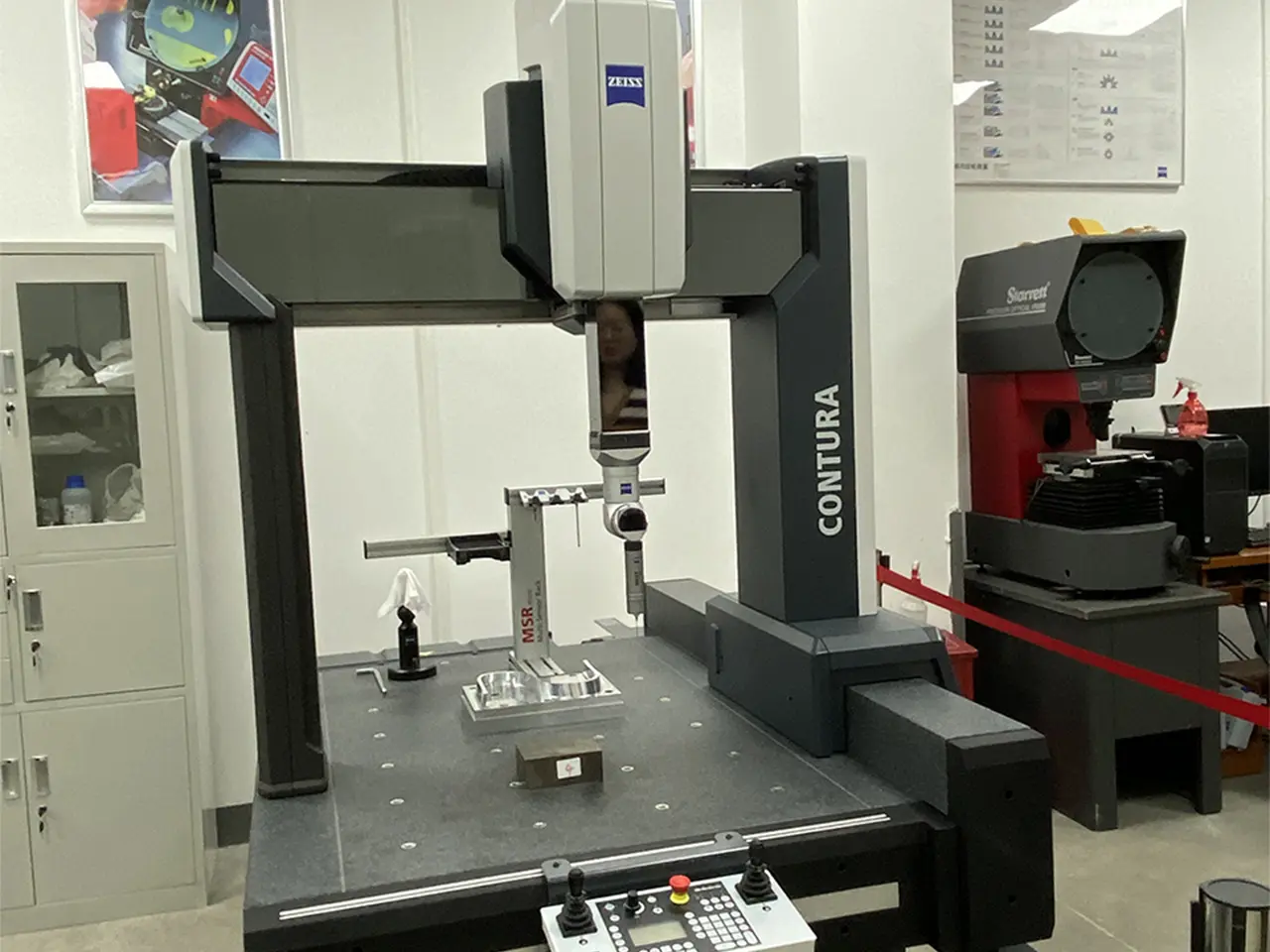
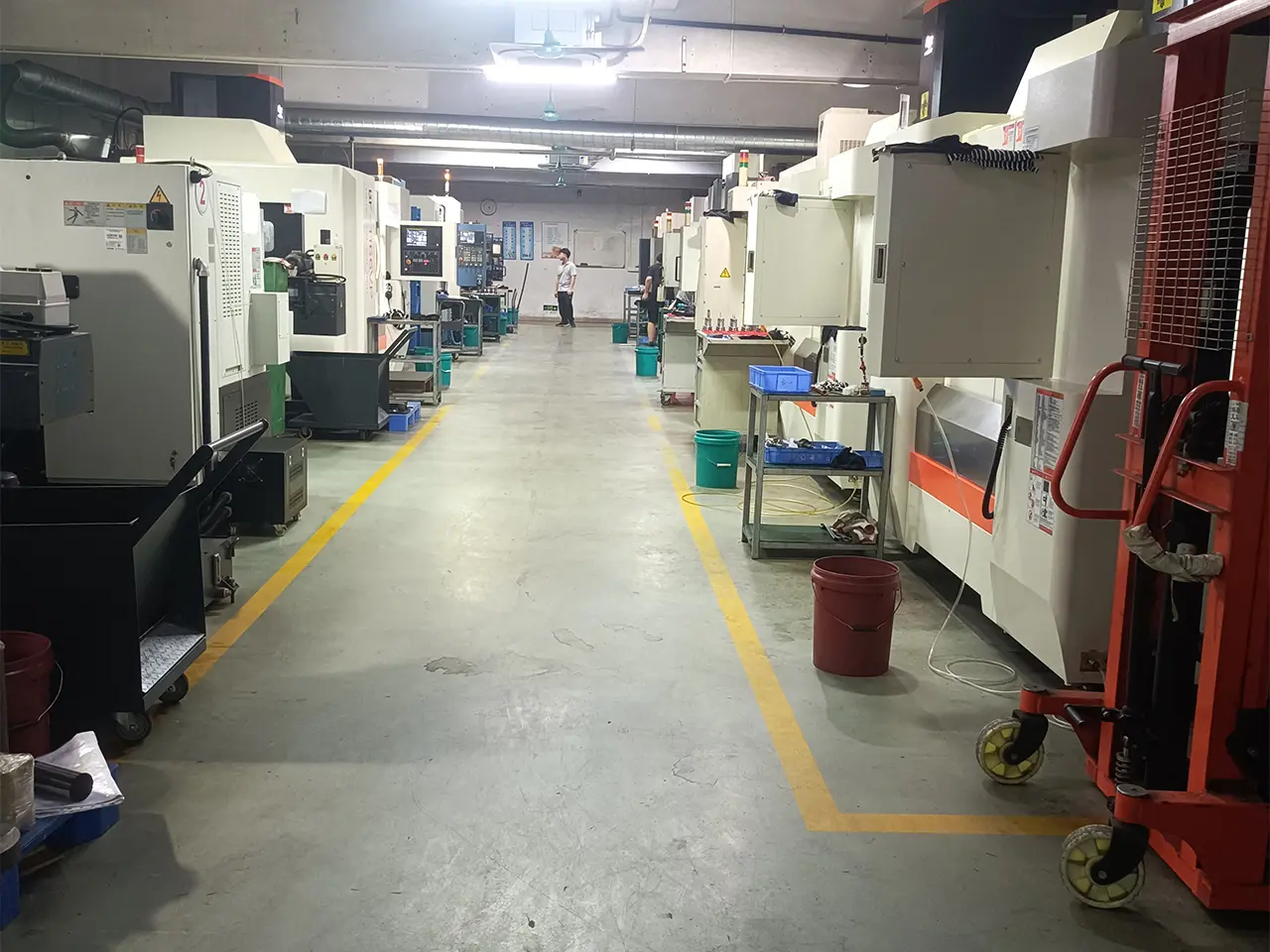
To remain at the vanguard of the alloy casting industry, our strategic blueprint incorporates advanced metallurgical engineering and digital toolsets.
By employing CAE computational software (such as ProCAST and FLOW-3D), we simulate the mold-filling process, solidification kinetics, and thermal stresses. This eliminates shrinkage cavities, air entrapment, and hot tearing defects before manufacturing hard tooling.
For rapid prototyping and low-volume production runs, we leverage SLA (Stereolithography) and SLS (Selective Laser Sintering) polymer/wax printing. This cuts down tooling lead times from weeks to days, allowing developers to execute functional testing seamlessly.
Integrating six-axis industrial robotics into our ceramic slurry dipping and sanding stages ensures absolute consistency in shell thickness. This reduces structural deformation during dewaxing and pouring phases, ensuring highly repeatable tolerances.
The cluster dynamic of Dongguan’s industrial ecosystem allows Dongguan SX Technology Co., Ltd to streamline the entire production lifecycle. Unlike isolated foundries, our facility operates in close proximity to premium alloy suppliers, rapid tooling specialists, heat-treatment providers, and surface-finishing experts.
This integrated spatial proximity translates directly into:
To support international buyers, our technical sales engineers operate on overlapping time zones. All physical and chemical reports, dimensions, and compliance certificates are issued in standardized English.
Standards Compliance: ASTM A743, ASTM A216, DIN EN 10283, JIS G5121.
Material Traceability: EN 10204 3.1 Material Certificate, Chemical Spectroscopy (OES), Mechanical Performance Tests.
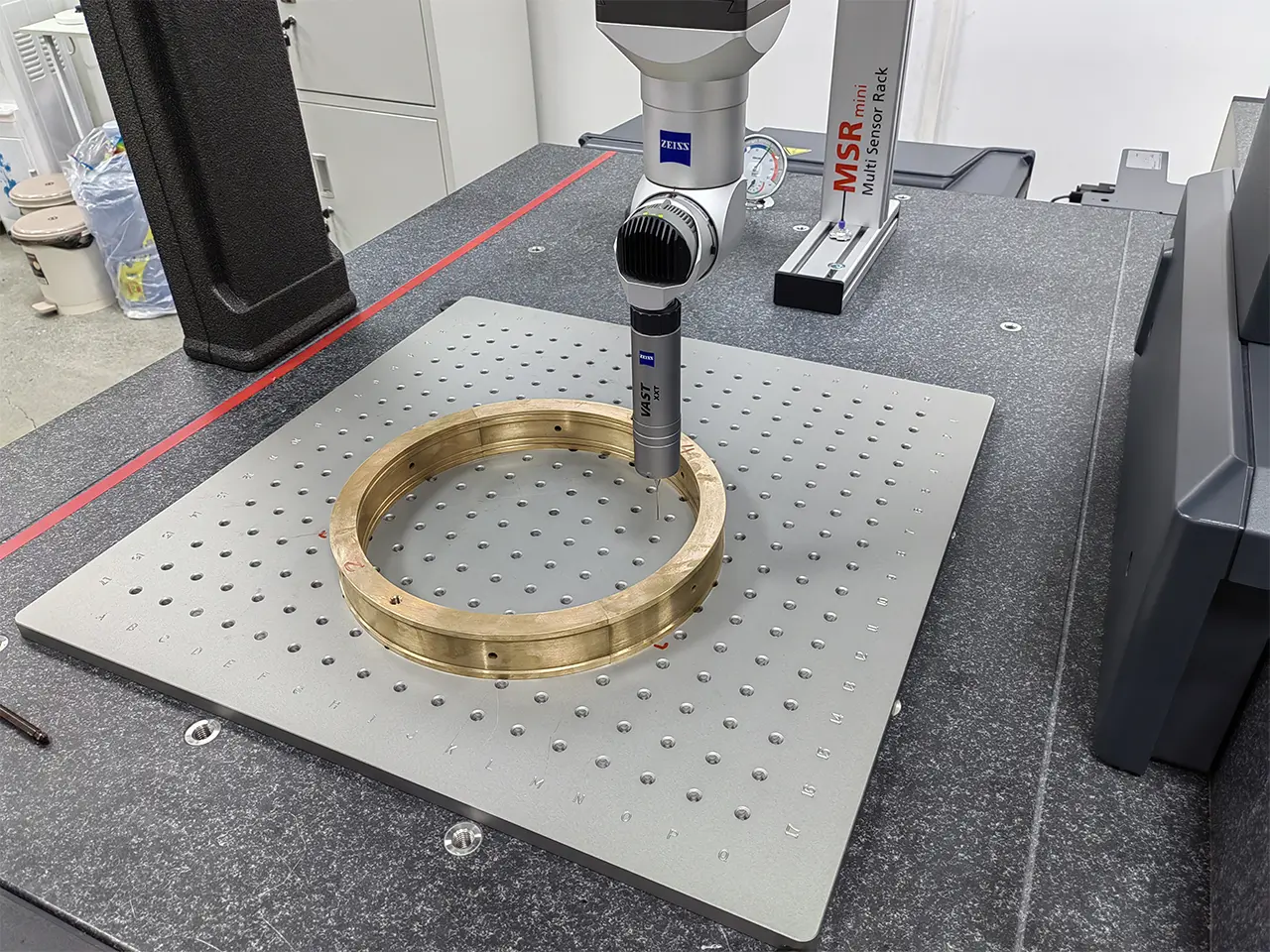
We have professional testing equipment and professional QC personnel, and we adhere to strict tolerances and quality standards for the products we produce. Due to our insistence on strict quality requirements, we have been praised by many customers.
Quality is the cornerstone of the manufacturing industry. We firmly believe that only by controlling quality well can we survive, develop, and get better and better. Therefore, we have been working in this industry unremittingly since 2014 and continue to improve the company's team and improve the company's production capacity.
Our castings are engineered to execute tasks under high mechanical stress, extreme thermal variations, and highly corrosive atmospheres.
Propeller hubs, impellers, marine brackets, and valve manifolds cast in Duplex Stainless Steel (like Grade 2205) or super-austenitic grades. These parts resist pitting corrosion, stress corrosion cracking, and cavitation in saltwater environments.
High-pressure gate valve components, pump impellers, and strainers cast in ASTM A216 WCB Carbon Steel or CF8M Stainless Steel. Castings undergo non-destructive radiographic testing (RT) to ensure void-free fluid pathways.
Miniaturized aesthetic lock components, structural hinge brackets, and electronics housings. Utilizing investment casting allows thin walls, complex interior channels, and mirror-polished surface options.
Get rapid answers to technical design questions regarding alloy selections, manufacturing constraints, and pricing.
Standard investment casting processes achieve linear tolerances conforming to ISO 8062-3 DCTG6 (approx. ±0.15mm per 25mm). By refining mold designs, temperature control, and applying post-cast calibration or precision CNC machining, we can hold critical tolerances to DCTG4 (±0.05mm or better).
We utilize a multi-step Non-Destructive Testing (NDT) regime. This includes Liquid Penetrant Inspection (LPI) or Magnetic Particle Testing (MPI) for surface micro-cracks, and Radiographic Inspection (X-ray) or Ultrasonic Testing (UT) to locate internal shrinkage voids, gas porosity, or slag inclusion.
Yes. We regularly cast precipitation hardening grades such as 17-4PH (SUS630) and duplex alloys like CD4MCu / 2205. Our induction melting furnaces and strict chemistry control via optical emission spectroscopy ensure all alloying elements (Chromium, Nickel, Molybdenum, Copper) align with raw material specifications.
Typically, the minimum wall thickness is 1.5mm for carbon and stainless steel, depending on the geometry of the component. For thin-walled sections with smaller surface areas, we can occasionally achieve 1.0mm by pre-heating the ceramic molds to improve melt fluidity during pouring.
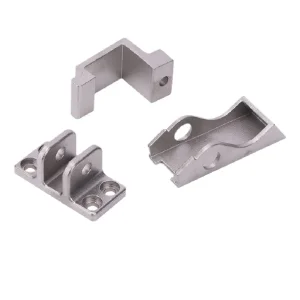
Review our custom precision catalog, matching optimized designs to direct industrial requirements.
 SX Machining