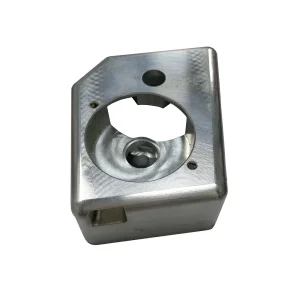
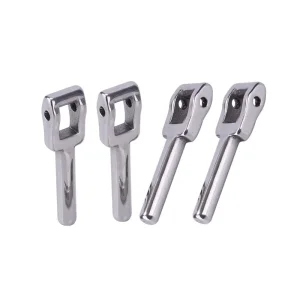
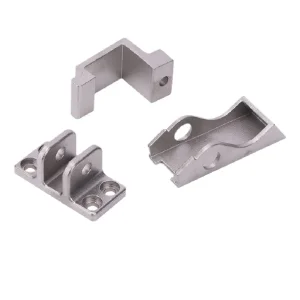
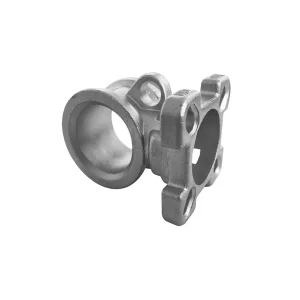
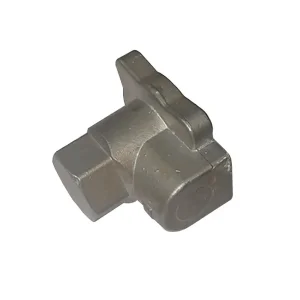
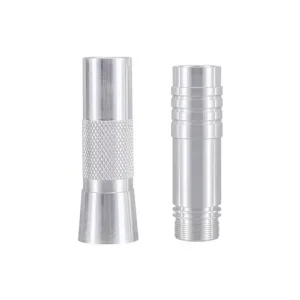
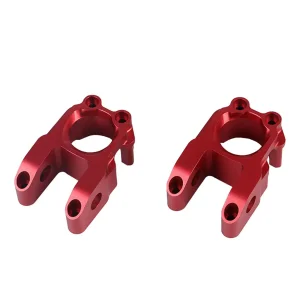
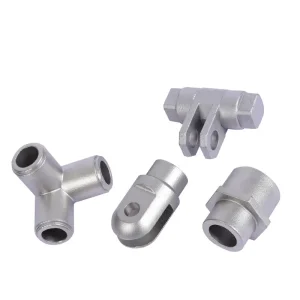
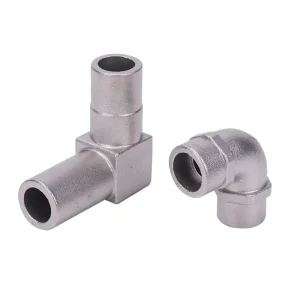
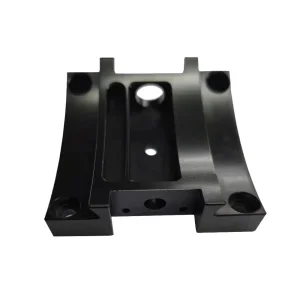
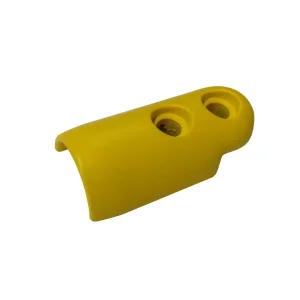
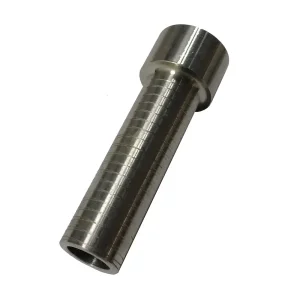
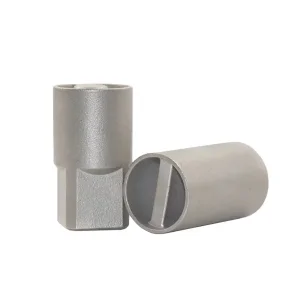
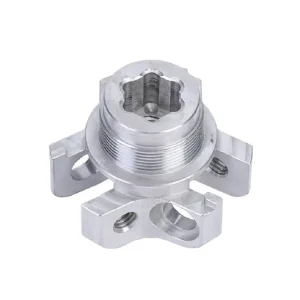
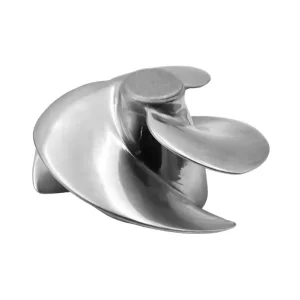
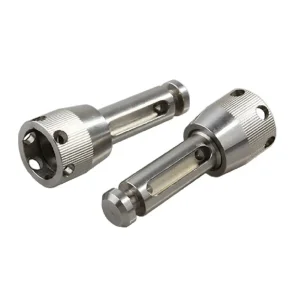
Explore our advanced CNC machining and custom investment casting solutions designed to meet rigorous industrial tolerances.
The global investment casting industry is undergoing a significant technological shift. Modern engineering applications demand increasingly complex geometries, lighter structures, and higher metallurgical integrity. Traditional sand casting methods are systematically being replaced by investment casting (lost-wax process) because of its exceptional dimensional precision, smooth surface finish, and minimal waste generation.
Key market drivers include the rapid expansion of aerospace technology, deep-water marine exploration, safety-critical automotive systems, and corrosive-resistant chemical processing. Industries are no longer accepting rough casting blanks; they demand integrated solutions where investment casting companies supply near-net-shape parts that undergo high-precision multi-axis CNC machining, ensuring drop-in ready assembly components.
Additionally, advanced software simulation of molten metal flow during the casting process ensures zero-defect internal solidification. This scientific approach to gating and venting design minimizes porosity, optimizes microstructure grain sizes, and yields superior mechanical properties under high-stress conditions.
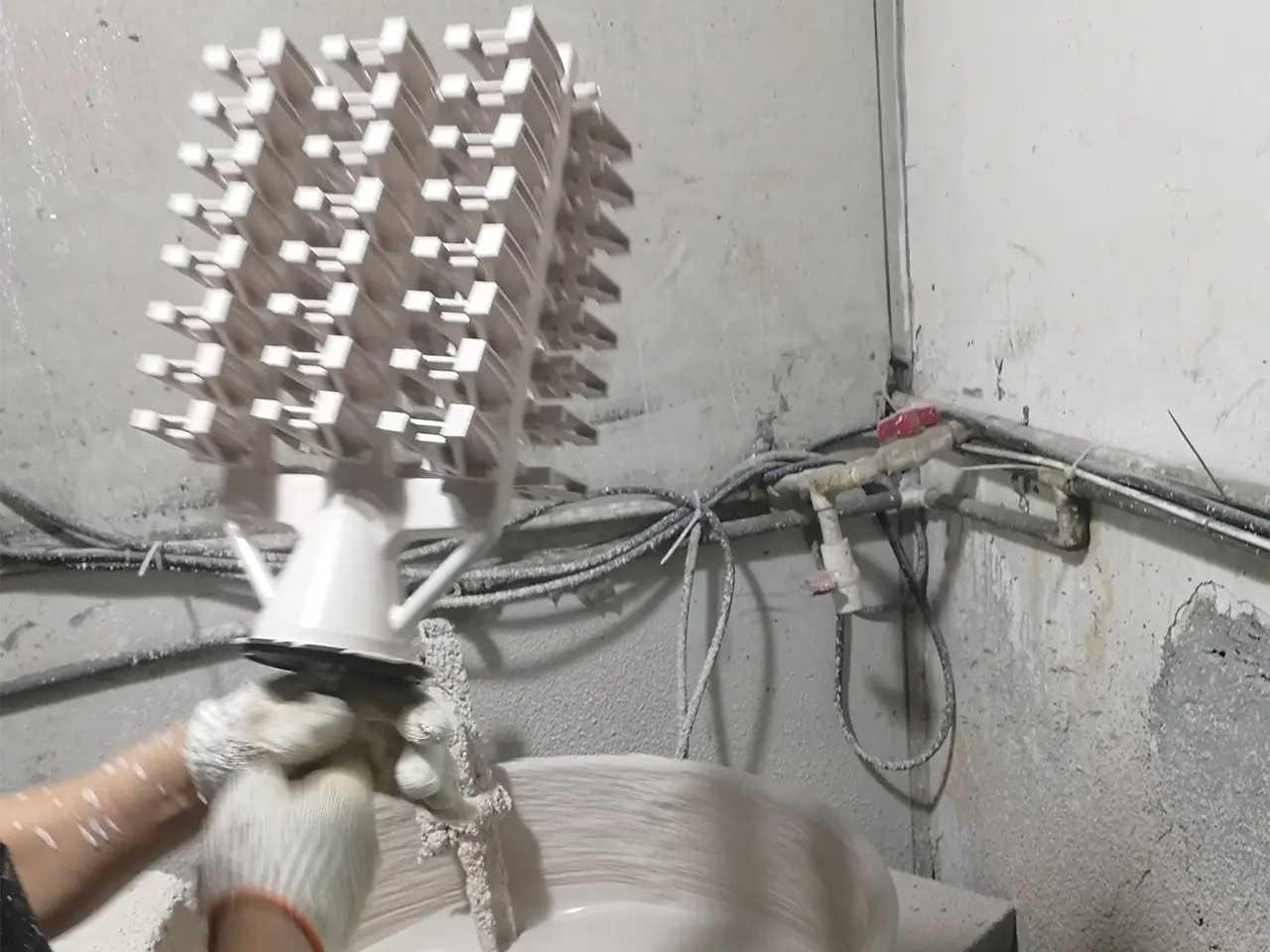
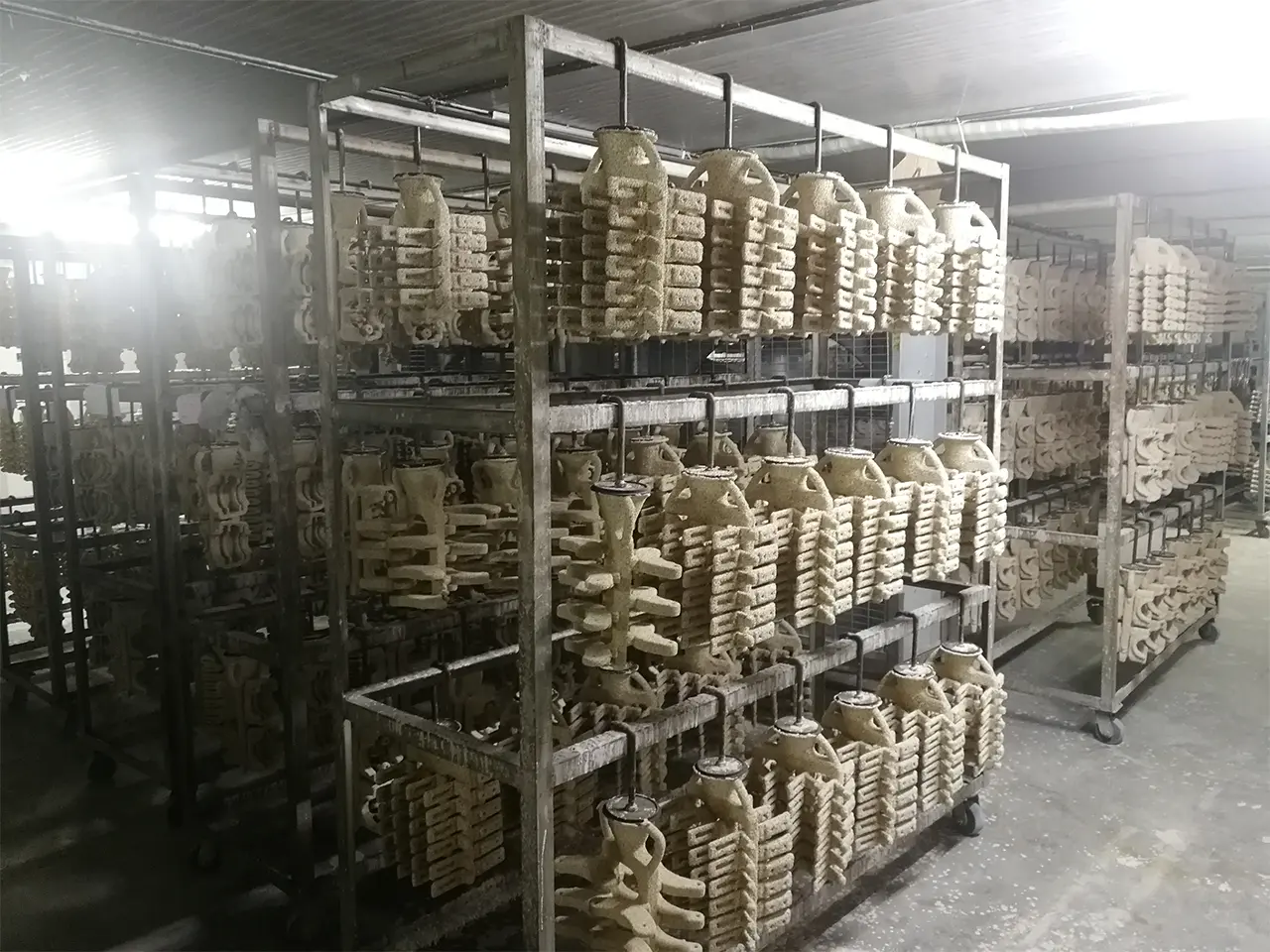
Today's precision investment casting relies heavily on automated silica sol binding technologies. Unlike older water glass techniques, modern silica sol casting maintains excellent dimensional stability even at elevated sintering temperatures, ensuring strict tolerance control from the first run to large-volume production batches.
What global procurement departments seek when choosing long-term strategic investment casting suppliers.
Procurement teams demand robust risk-diversification strategies. Selecting suppliers with fully integrated, in-house capabilities—spanning tooling design, casting, thermal treatment, precision CNC finishing, and non-destructive testing (NDT)—dramatically reduces lead times, prevents multi-vendor finger-pointing, and guarantees predictable delivery schedules.
Industrial components must survive harsh operating environments, whether as subsea marine valves or heavy-duty bus suspension brackets. Suppliers must verify material chemistry using optical emission spectrometers and guarantee mechanical performance through tensile strength, yield strength, impact testing, and hardness monitoring.
Strategic suppliers must be highly proficient in casting and machining a wide range of metals, including premium grades of stainless steel (such as 304, 316, 316L, and duplex steels), tough carbon steels, high-strength aluminum alloys, and corrosion-resistant titanium. Multi-material flexibility allows for consolidated purchasing from a single manufacturing partner.
Combining advanced automation with unparalleled cost structures and logistical superiority.
The concept of "China Factory 4.0" is not merely about cost-efficient labor; it is about smart manufacturing ecosystems. China's industrial clusters offer an unparalleled concentration of raw material sources, specialized surface treatment plants, rapid prototyping tooling centers, and highly integrated logistics hubs. This local synergy dramatically accelerates turnaround times compared to fragmented Western supply lines.
By leveraging digital manufacturing, Chinese foundries execute instant design changes via CAD/CAM software, matching casting mold flow simulations to multi-axis CNC path files in real time. This minimizes manual intervention and establishes an unbroken digital thread from concept design to final inspection. The result is a resilient supply chain that delivers high-complexity parts faster and at a much lower Total Cost of Ownership (TCO).
Dongguan SX Technology Co.,Ltd has built a reputation for outstanding expertise in precision casting, custom CNC machining, and comprehensive system assembly. Our products serve as vital components across a diverse range of sectors, including machinery, automobiles, marine systems, ships, general equipment, high-pressure valves and pumps, electronic appliances, packaging machinery, precision watches, modern construction, and chemical industries.
In our casting operations, the most commonly utilized materials include various grades of stainless steel and carbon steel, ensuring excellent tensile strength and corrosion resistance. Our CNC machining facilities process an extensive range of metals, including advanced titanium alloys, stainless steel, carbon steel, lightweight aluminum alloys, copper alloys, and cemented carbide.
We are equipped with advanced manufacturing systems and lean production processes, enabling us to respond quickly to custom configurations, engineering revisions, and urgent scheduling needs.
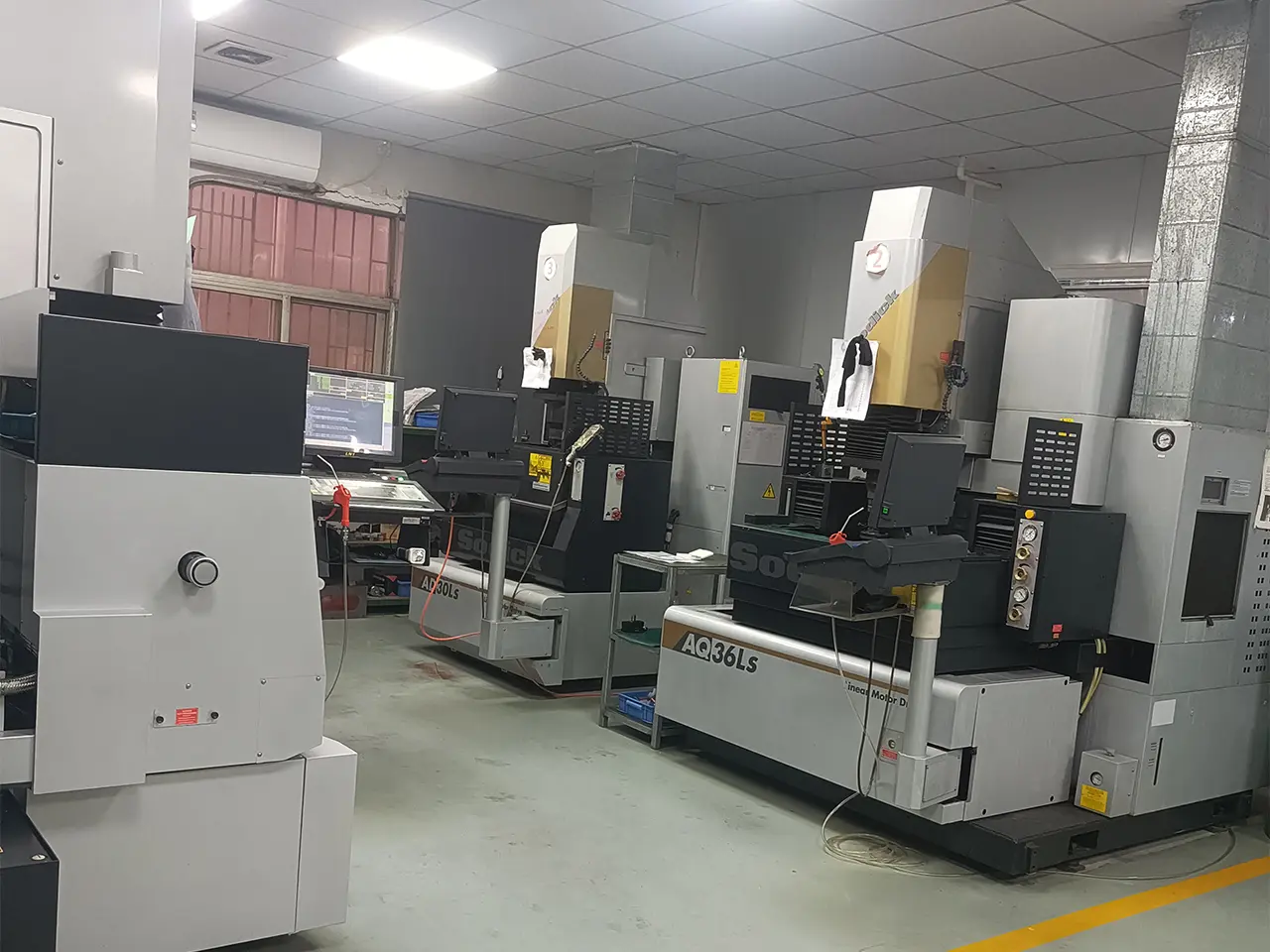
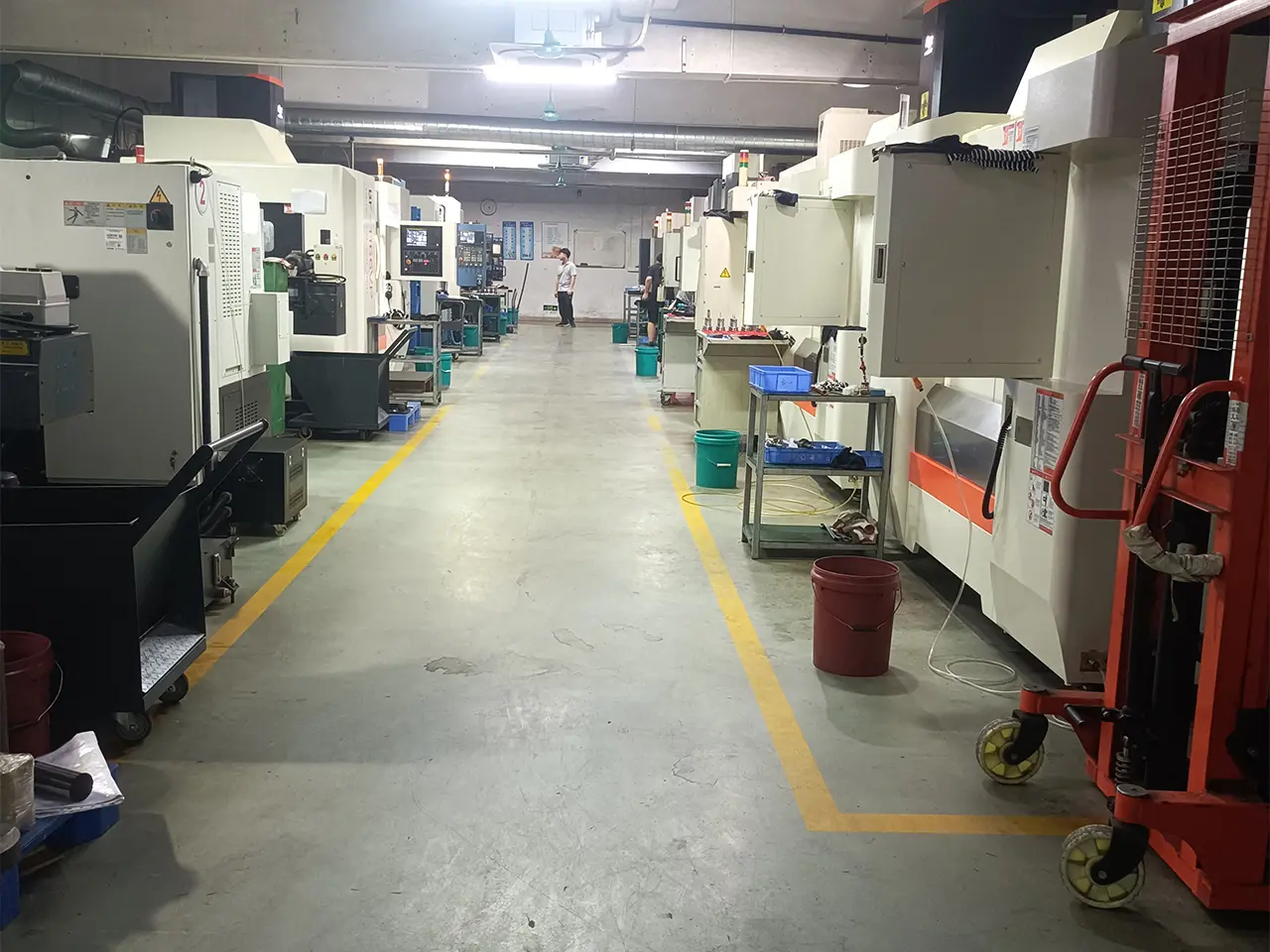
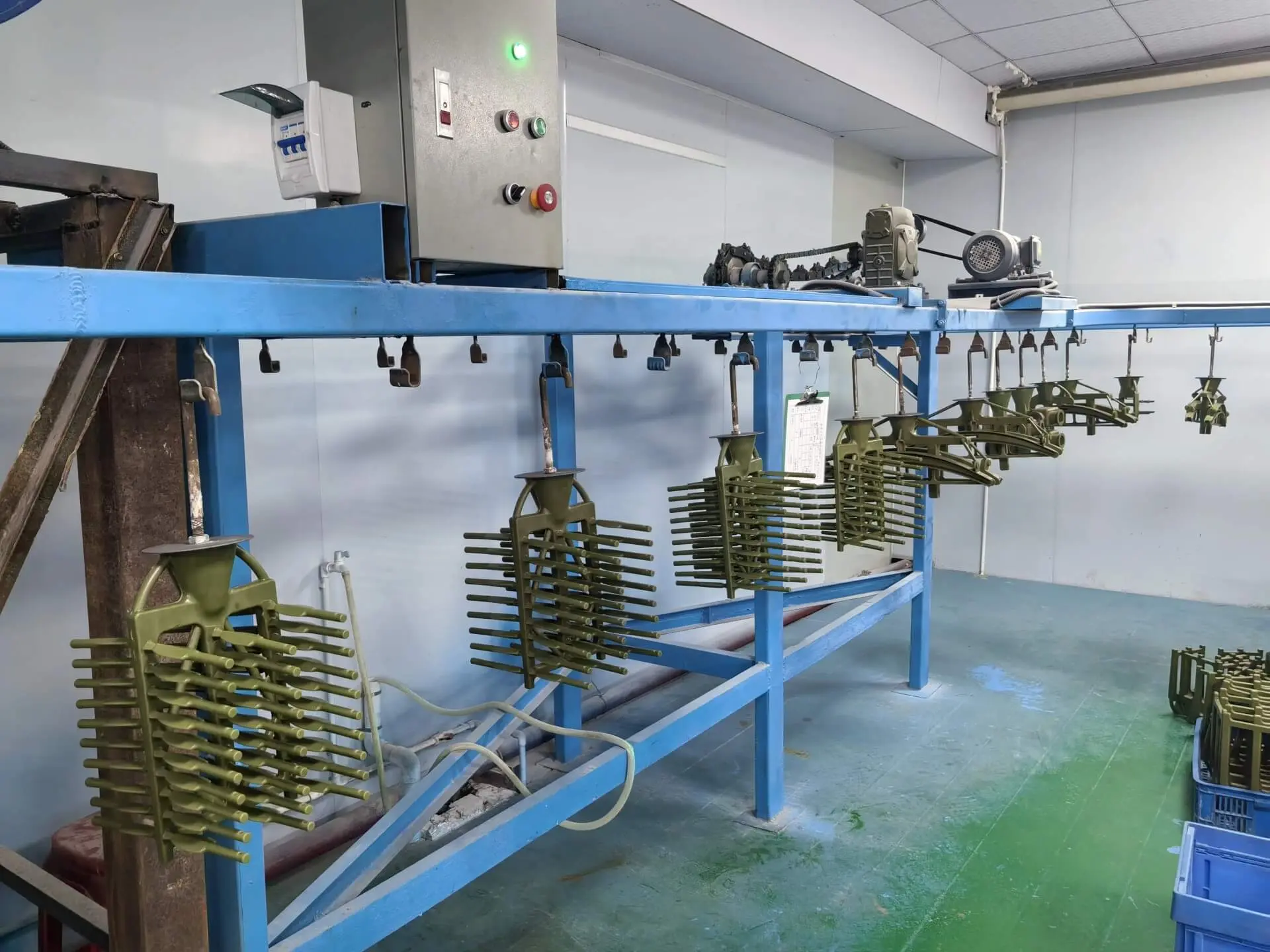
Our advanced workshop features cutting-edge casting lines and modern machining systems to ensure precision manufacturing.
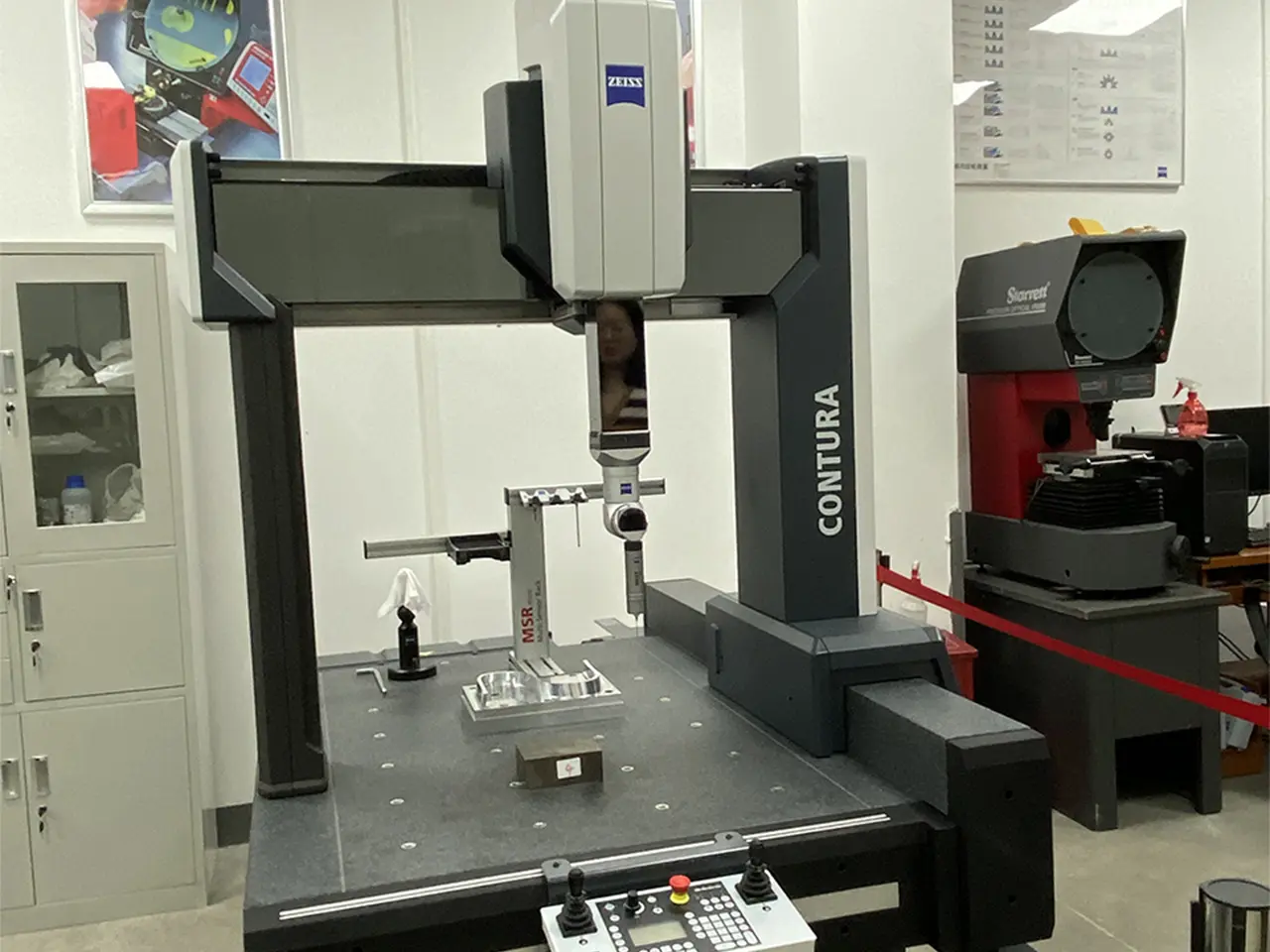
Quality is the cornerstone of the manufacturing industry. We firmly believe that only by controlling quality well can we survive, develop, and get better and better.
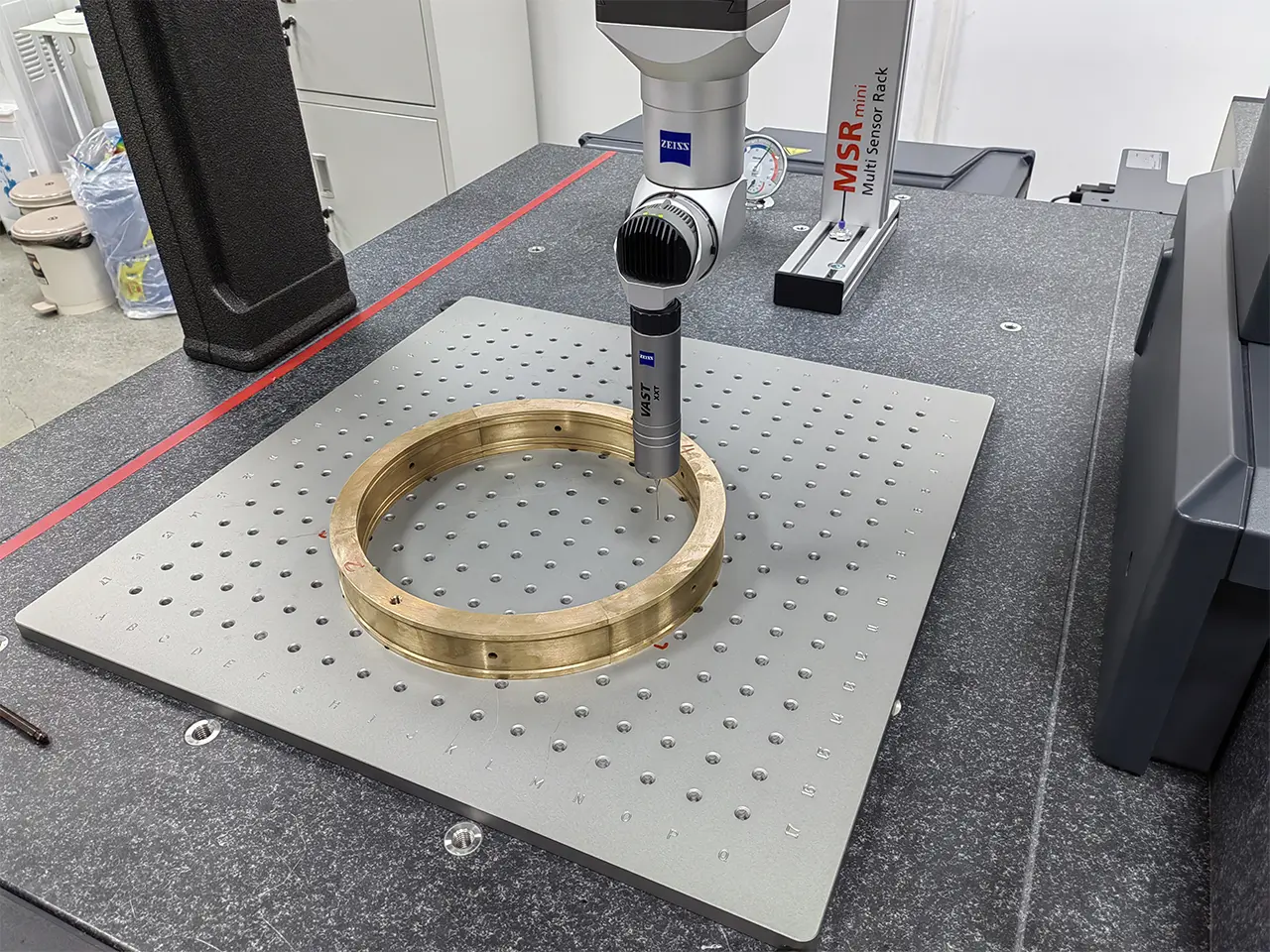
At Dongguan SX Technology Co.,Ltd, we maintain professional testing equipment and a dedicated QC team who enforce strict dimensional tolerances and mechanical standards for every component we produce. Due to our rigorous approach to quality assurance, we have received outstanding feedback and praise from clients worldwide.
We have worked tirelessly in this industry since 2014, consistently upgrading our team's skills, investing in testing equipment, and expanding our production capabilities. Our comprehensive testing procedures verify material chemical properties, dimensions, surface finishes, and structural integrity, preventing defects from leaving our facility.
How we match specific alloys to physical environments to ensure peak mechanical performance.
Ocean water and offshore spray present extreme chloride corrosion challenges. We cast brackets and valves using premium 316/316L Stainless Steel and duplex alloys. Our silica sol casting produces smooth surfaces that prevent pitting and crevice corrosion, while precise CNC machining guarantees watertight seals in marine assemblies.
For safety-critical automotive parts, such as cast bus armrests and suspension bracket assemblies, we cast using high-ductility Carbon Steel or lightweight Aluminum Alloys. These parts are then precision CNC-milled to achieve dimensional consistency, ensuring they integrate seamlessly into assembly lines.
Handling aggressive chemicals under high pressure requires valves with zero internal porosity. Our casting process undergoes strict metallurgical control to eliminate internal gas pockets, and CNC-turned threads ensure leak-proof seals for hazardous operations.
Answers to technical questions from engineers and procurement specialists.
Our extended line of custom-engineered hardware, precision CNC-turned parts, and heavy-duty structural fittings.
 SX Machining