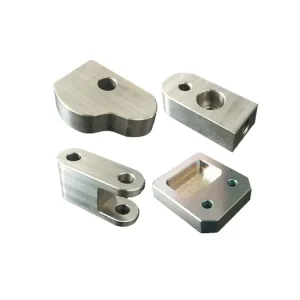
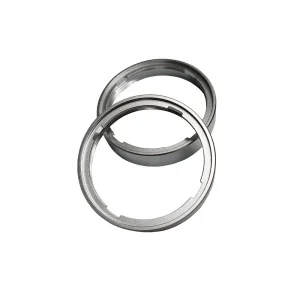
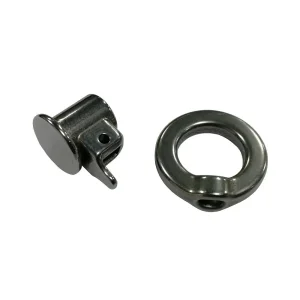
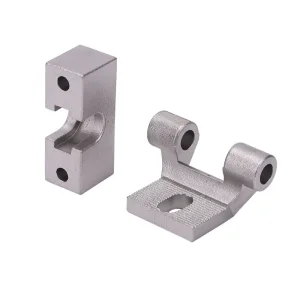
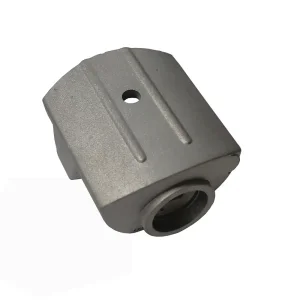
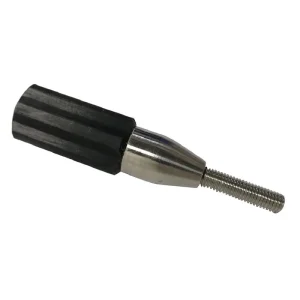
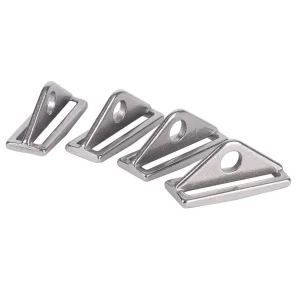
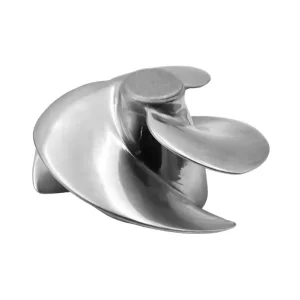
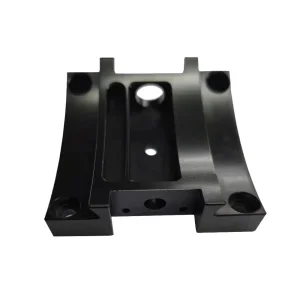
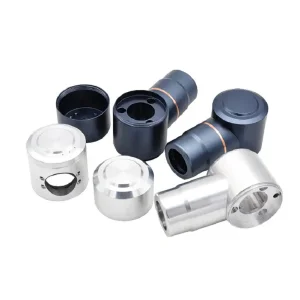
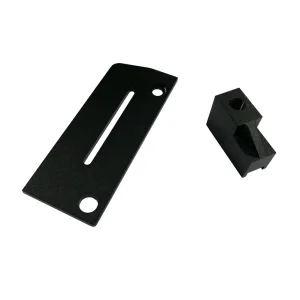
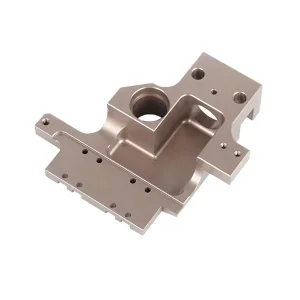
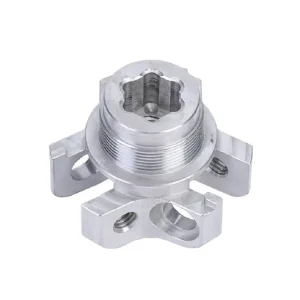
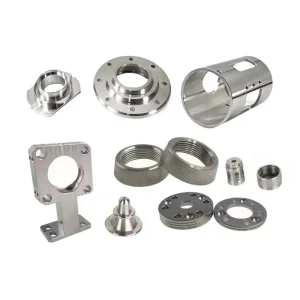
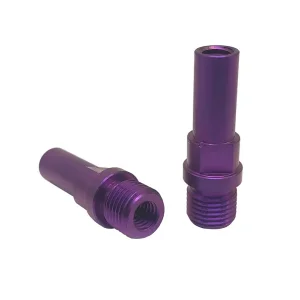
Established in the heart of China's advanced manufacturing center, Dongguan SX Technology Co.,Ltd has amassed decades of engineering expertise in precision casting, CNC machining, and mechanical sub-assembly execution. We support mission-critical applications across global markets including defense aerospace, automotive engineering, heavy industrial marine, pump and valve fluid-control networks, subsea extraction, smart home robotics, instrumentation, and medical devices.
Our material-science and engineering capability handles a complex spectrum of raw alloys. For precision investment casting, we utilize premium grades of stainless steel and carbon steel. In the CNC finishing domain, our capabilities cover advanced high-temperature alloys, ultra-tough titanium alloys (including Grade 5 Ti-6Al-4V), high-yield carbon steels, architectural and marine aluminum alloys, specialty copper and brass alloys, and ultra-dense cemented carbide tool-steels.
Equipped with multi-axis CNC lathes, integrated Swiss turning centers, state-of-the-art milling systems, and complete vacuum-casting operations, we quickly scale from rapid prototyping to full-volume production runs.
Global industrial procurement teams balance lead times, dimensional tolerances, material integrity, and regulatory compliance. Shixin CNC processes mitigate volatility through manufacturing reliability.
Every batch of titanium, aerospace-grade aluminum, or duplex stainless steel is accompanied by verifiable mill test reports (MTRs) and chemical analysis certification to prevent counterfeit material risks.
By pairing raw investment casting with post-cast CNC turning and multi-turret live tooling, we achieve geometric tolerances as tight as ±0.005mm in a single setup, eliminating dimensional stack-up errors.
Our hybrid processes—casting near-net shapes followed by precision lathe finishing—minimize raw material waste. This delivers lower component costs on high-value alloy production runs.
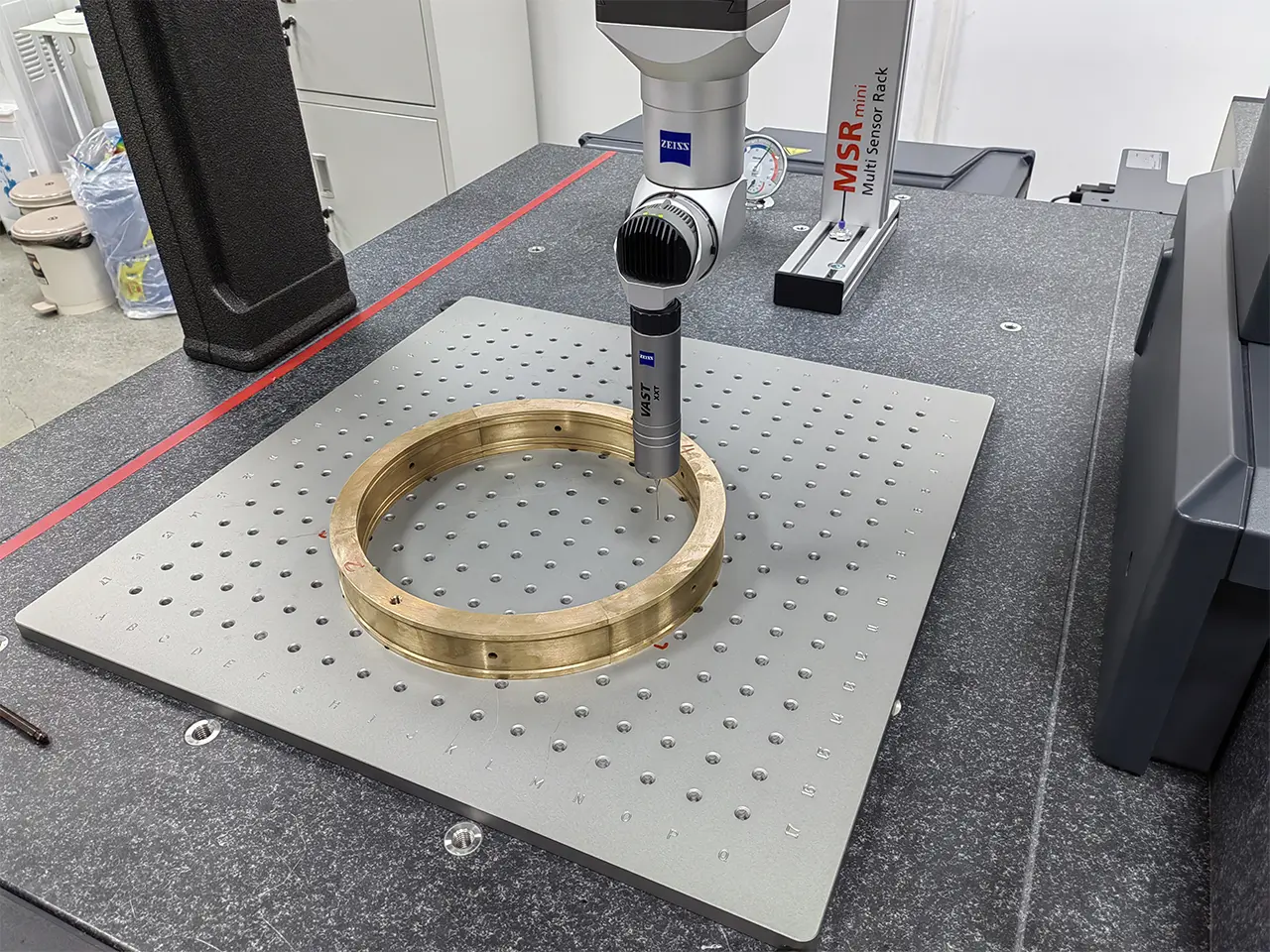
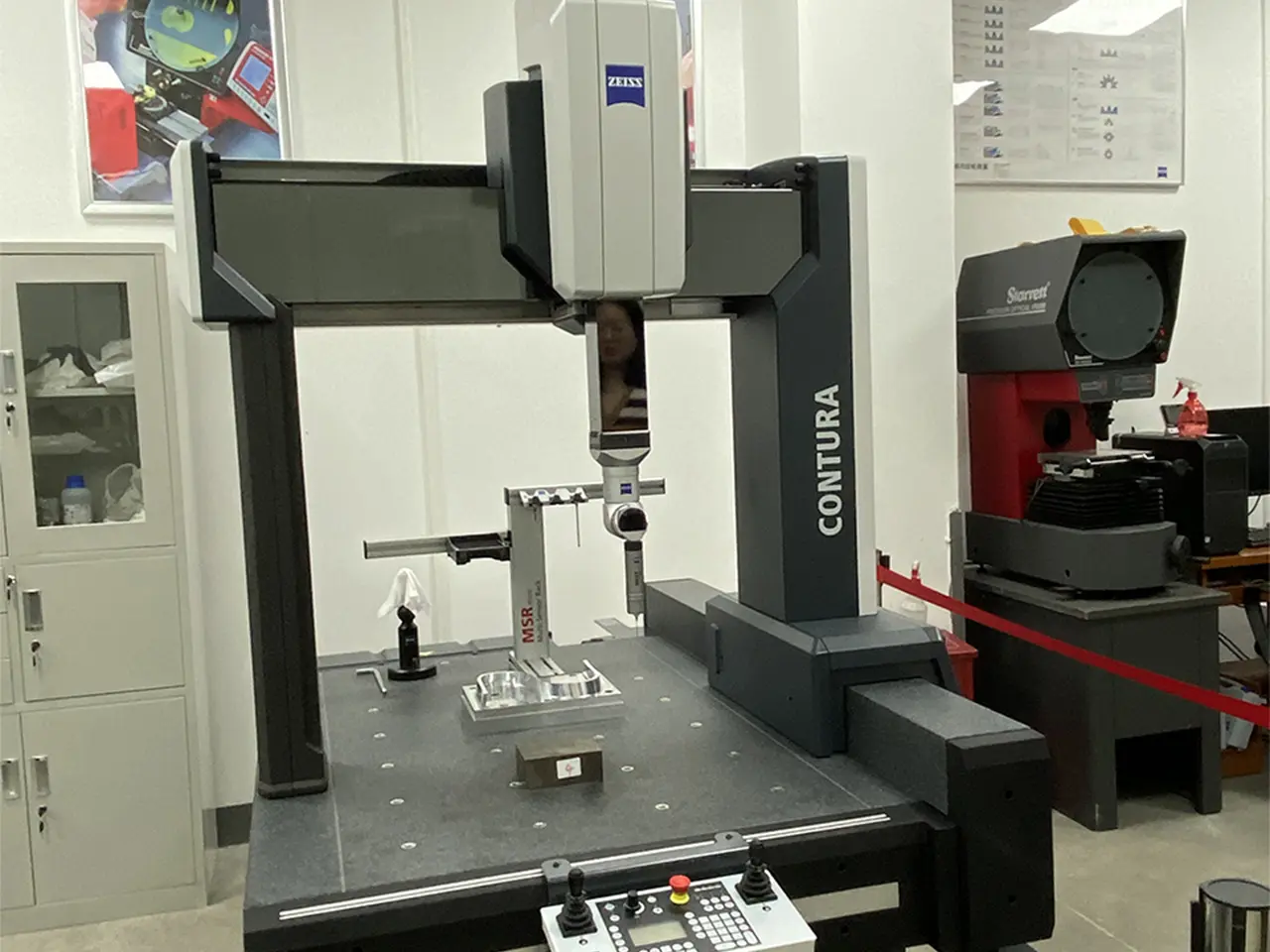
We operate advanced testing equipment and support QC procedures, adhering to strict tolerances and quality standards for every part. Due to our rigorous quality requirements, we have established long-term partnerships with customers worldwide.
Quality is the cornerstone of the manufacturing industry. Only by maintaining control over manufacturing accuracy and material performance can a machining partner support clients through market fluctuations. We have operated continuously in this industry since 2014, expanding our team, upgrading our multi-axis CNC machinery, and refining our inspection capabilities.
Our quality assurance workflow covers every phase of manufacturing, including Incoming Quality Control (IQC) for raw casting materials, In-Process Quality Control (IPQC) during lathe machining, and final 100% inspection (FQC/OQC) utilizing coordinate measuring machines (CMM), optical contour projectors, digital surface roughness testers, thread profile gauges, and ultrasonic testing equipment.
| Material Category | Common Industrial Grades | CNC Lathe Machinability Index | Optimized Applications |
|---|---|---|---|
| Titanium Alloys | Ti-6Al-4V (Grade 5), Grade 2 | Low to Moderate (Highly abrasive, low thermal conductivity) | Medical implants, aerospace fasteners, mountain bike performance modifications, chemical marine valves. |
| Stainless Steel | SS304, SS316L, 17-4 PH, Duplex | Moderate (Requires rigid setups and high-pressure coolant) | Marine fittings, precision casting housings, fluid pumps, food processing parts, electronic sensor enclosures. |
| Carbon & Tool Steels | 1045, 4140, Cemented Carbide | High to Very High (When annealed) | Heavy machinery gears, structural axles, wear-resistant sleeves, tooling dies. |
| Aluminum Alloys | 6061-T6, 7075-T6, 5052 | Outstanding (Generates clean chip loads) | Smart home structural frames, aircraft brackets, electronic heat sinks, automotive intakes. |
| Copper & Brass | C36000 Free-Cutting Brass, Bronze | Excellent | Electrical connectors, marine bushings, hydraulic fittings, low-friction sleeve bearings. |
Our facility houses advanced multi-axis CNC machines and casting production lines, operated by specialized engineers to maintain part consistency.
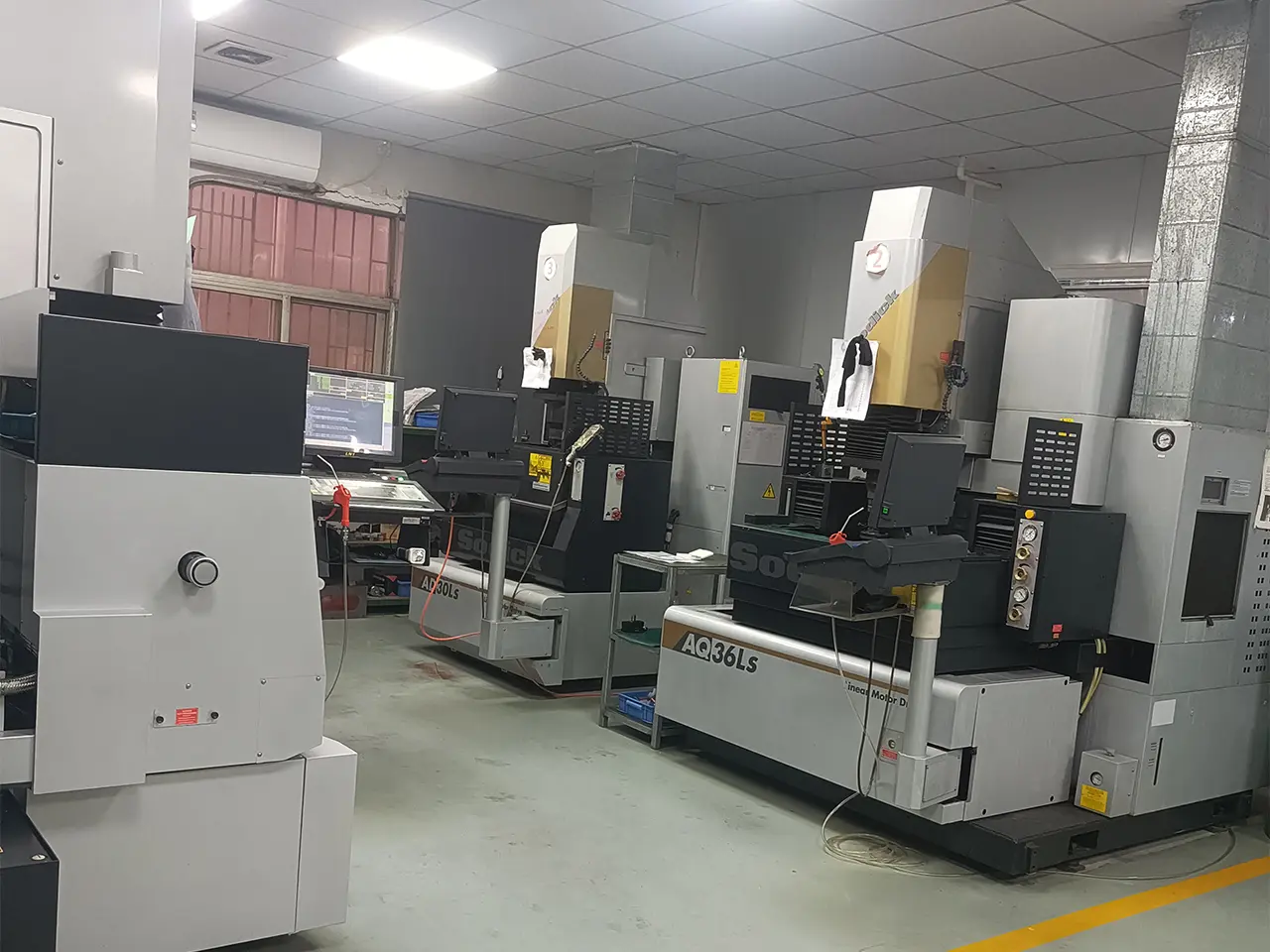
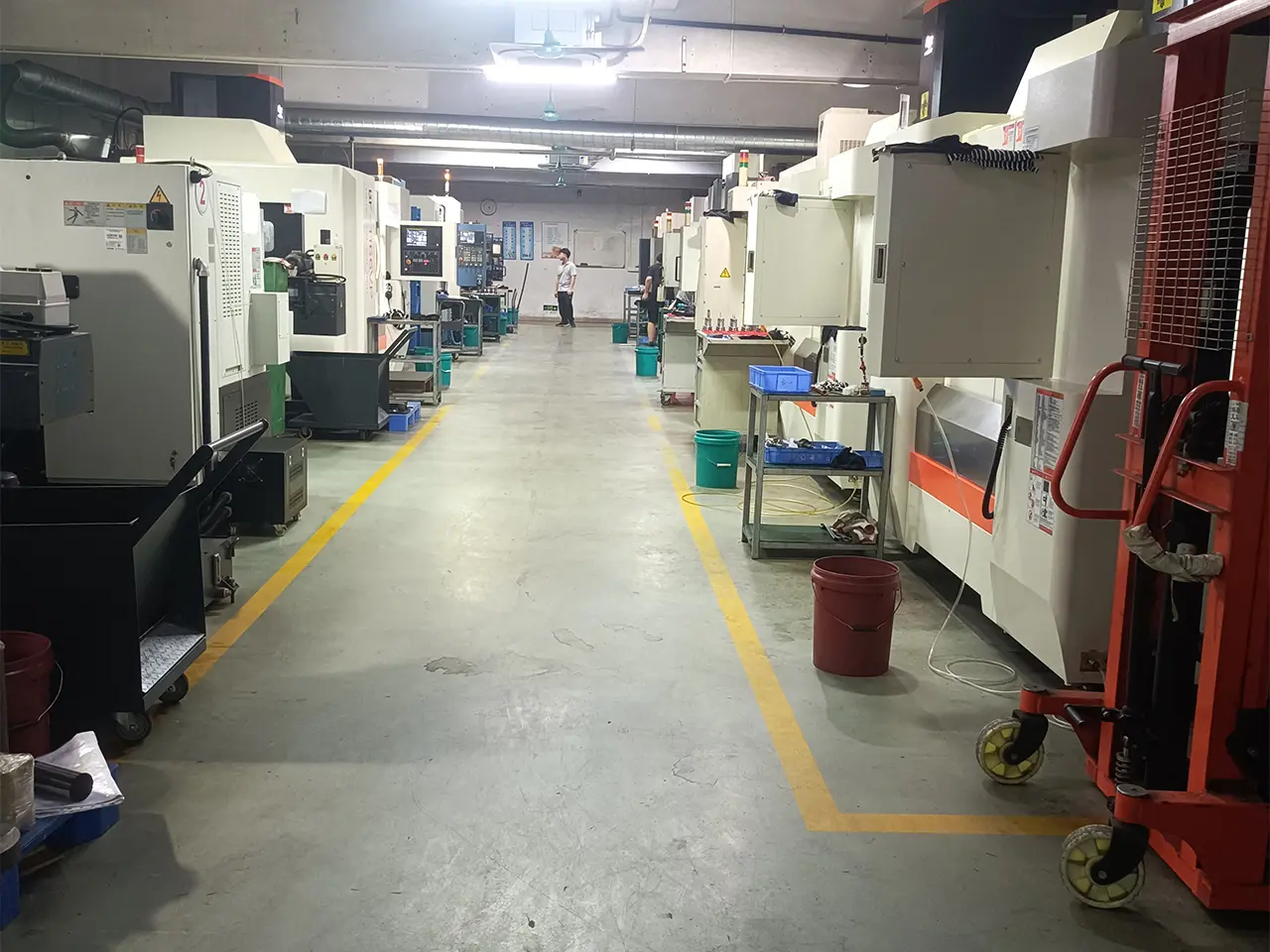
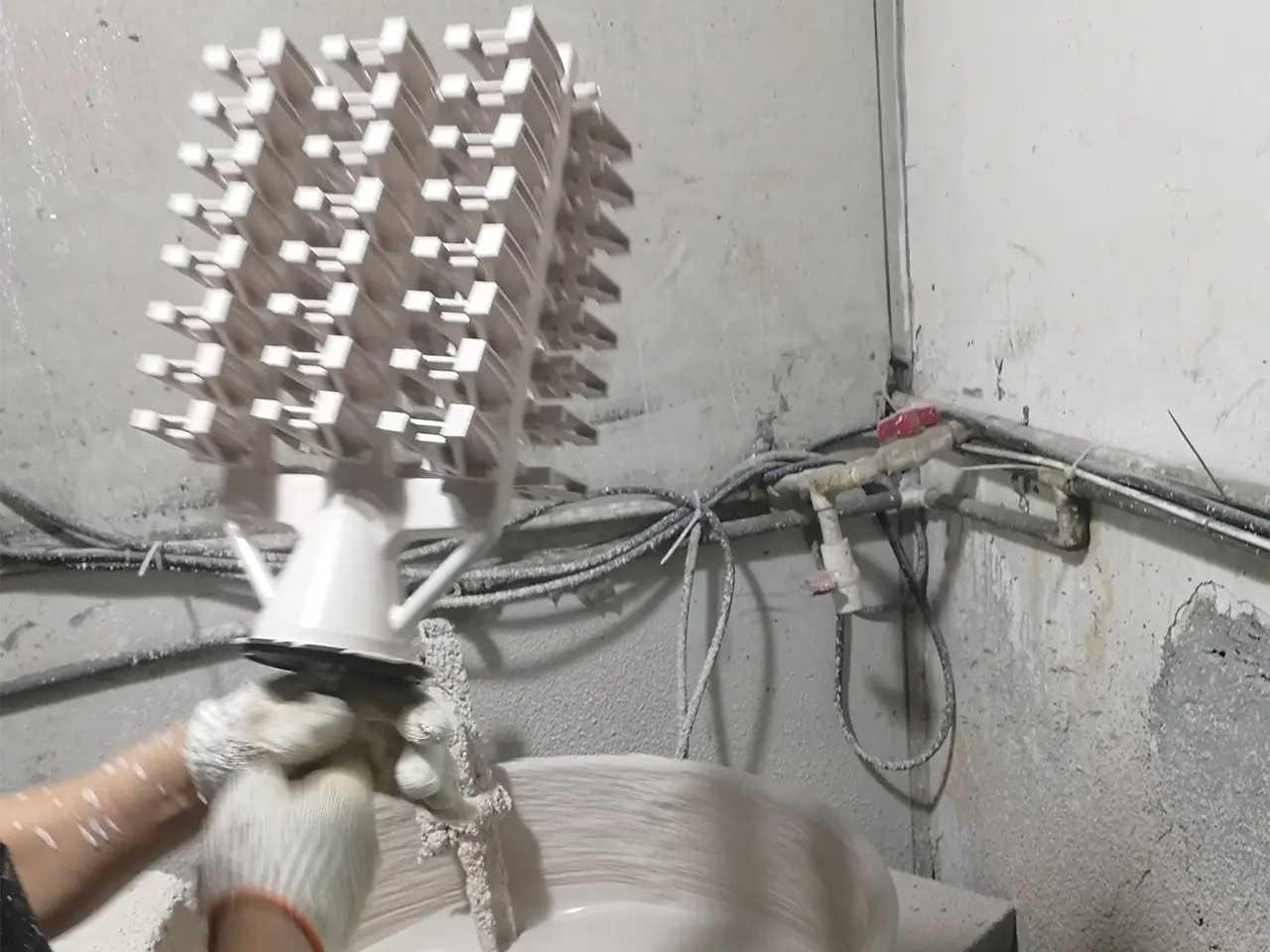
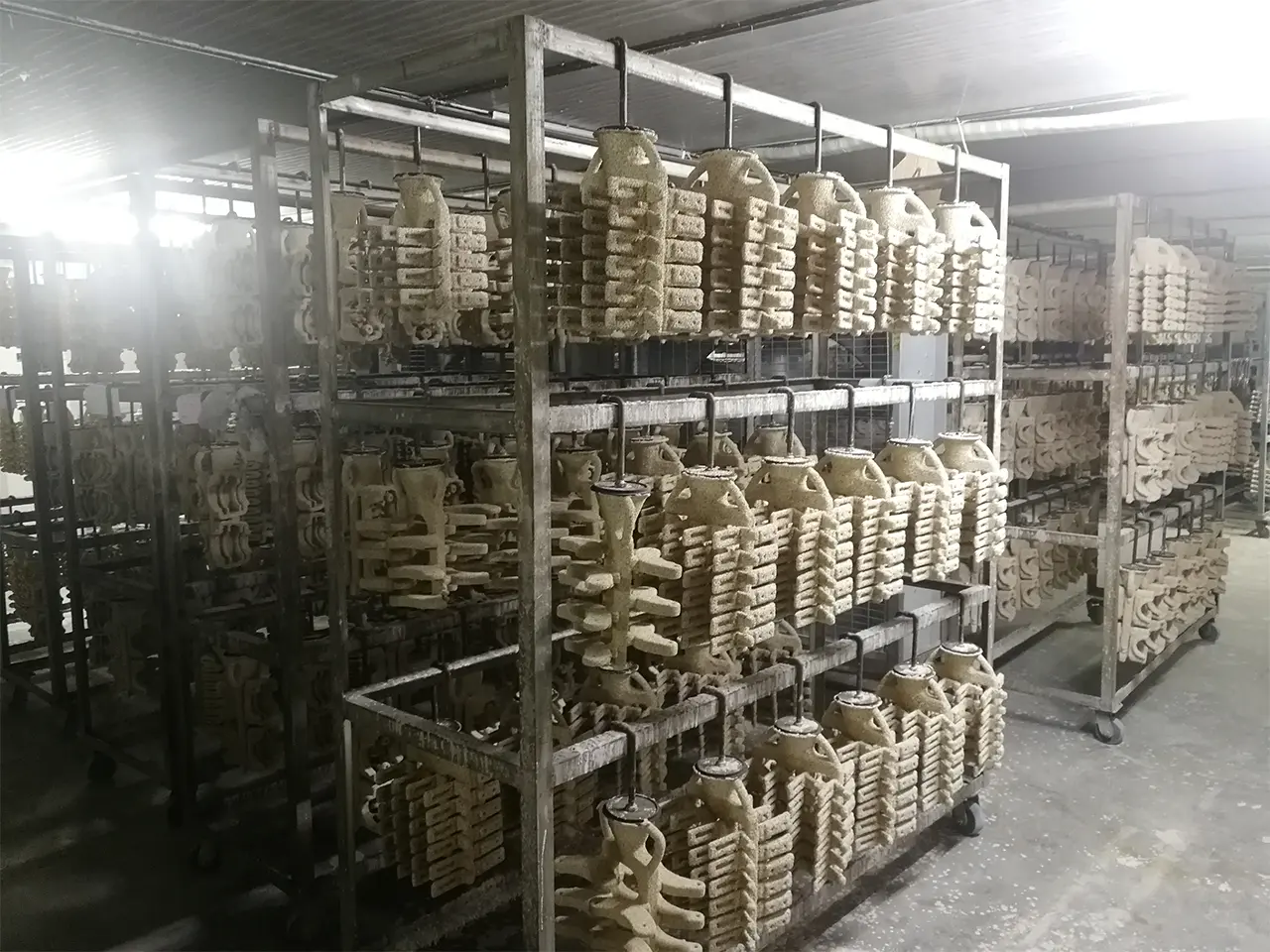
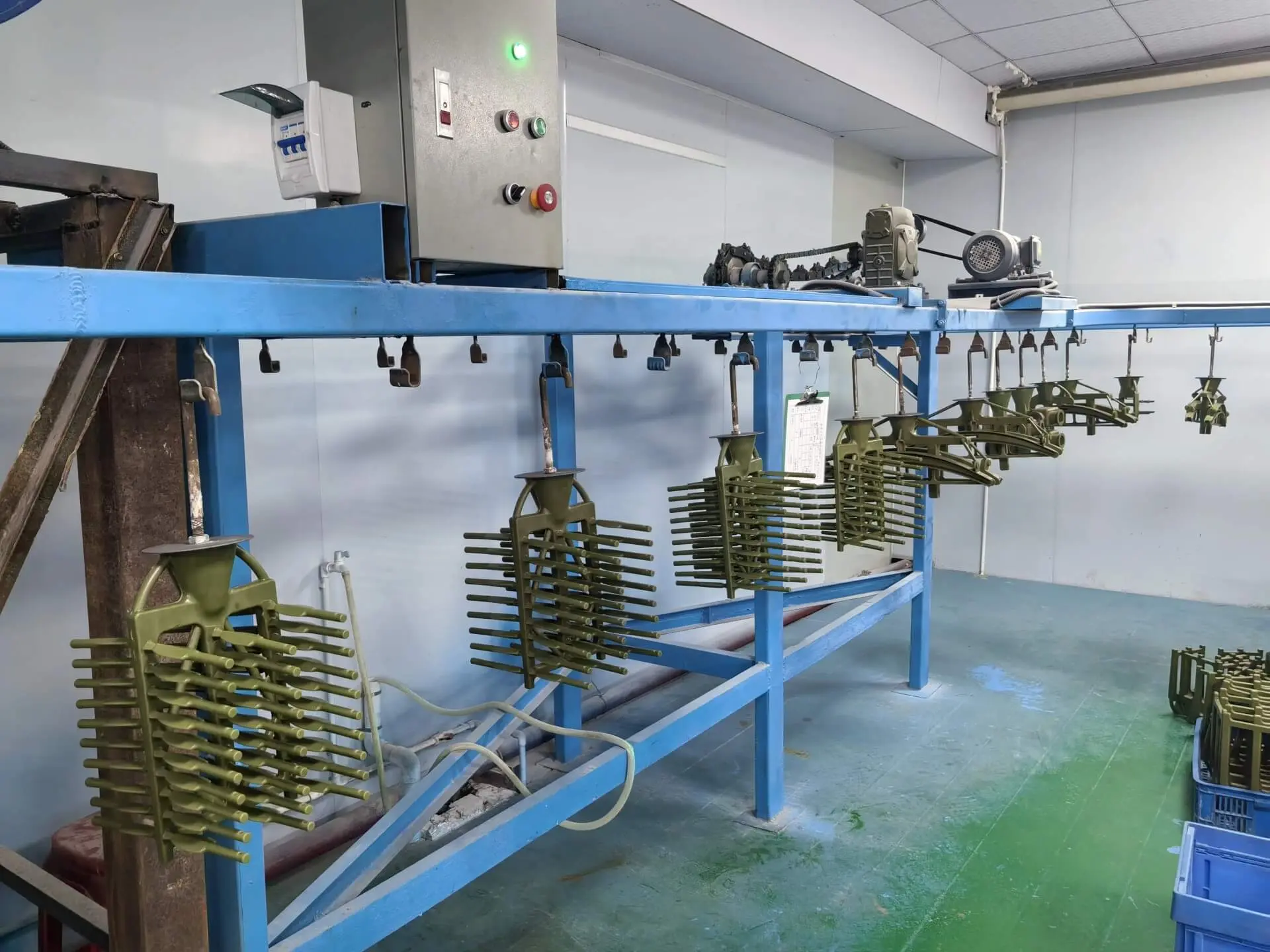
Expanding the use of integrated Swiss turning centers to combine lathe turning, drilling, and cross-milling into a single continuous setup, reducing cycle times.
Implementing smart sensory probes and in-machine tool wear compensation loops to maintain target tolerances during long-run production campaigns.
Adopting advanced coolant filtration systems, high-efficiency chip shredding, and optimized alloy recycling streams to minimize environmental impact.
We regularly maintain linear tolerances of ±0.005mm for CNC turned components and circular run-outs of less than 0.01mm, depending on the material thermal expansion coefficient and geometry. For raw precision castings, general tolerances adhere to international standard casting levels before secondary machining operations.
All materials undergo spectrometer chemistry validation prior to manufacturing. In addition to sourcing raw materials from certified domestic and international mills, we provide comprehensive Mill Test Certifications, including heat treat charts, tensile strength analyses, and chemical compositions.
This combination is recommended for complex components featuring internal cavities, organic shapes, or heavy cross-sections that require high-precision sealing surfaces, threads, or critical bores. Near-net-shape casting minimizes material removal and reduces tool wear, while final CNC lathe operations achieve required fit tolerances.
For standard CNC machining and turning projects, lead times range from 2 to 3 weeks for prototypes, and 4 to 6 weeks for production runs. If the component requires custom tooling design for lost-wax precision casting, development times may require 6 to 8 weeks, depending on complexity.
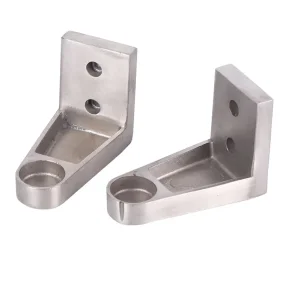
 SX Machining