Dongguan SX Technology Co., Ltd (Shixin)
Established in 2014, Dongguan SX Technology Co., Ltd (popularly known as Shixin) has accumulated deep expertise in precision investment casting, multi-axis CNC machining, and complex component assembly. Over the last decade, we have structured our engineering systems around the rigorous needs of diverse sectors, including machinery manufacturing, automotive, marine & offshore engineering, packaging, consumer electronics, watches, valve and pump assemblies, construction, and petrochemical equipment.
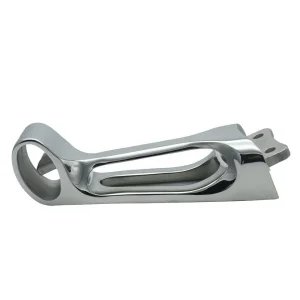
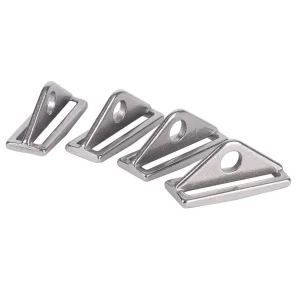
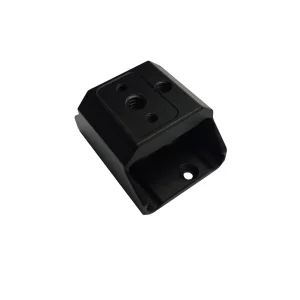
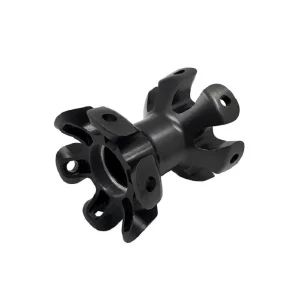
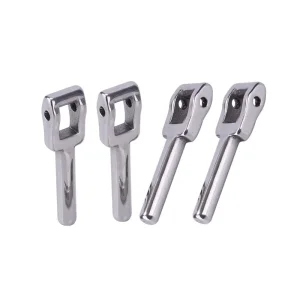
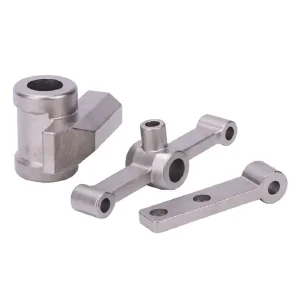
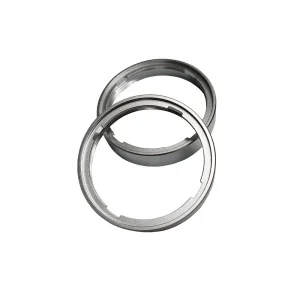
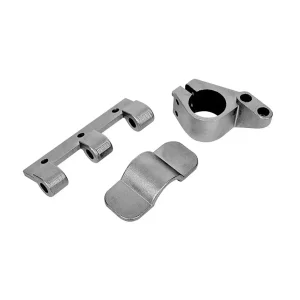
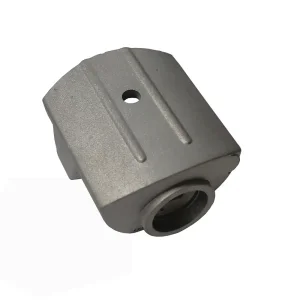
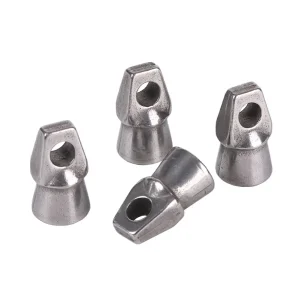
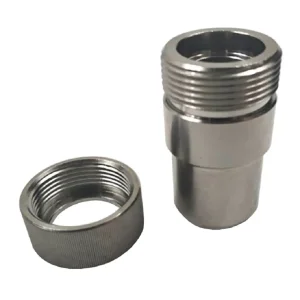
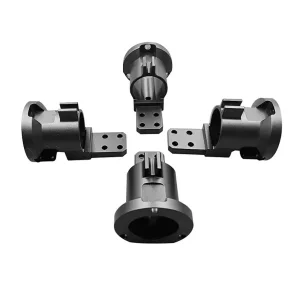
Our core capabilities focus on two manufacturing pillars: Precision Investment Casting (predominantly utilizing high-grade stainless steel and carbon steel alloys) and Multi-Axis CNC Machining. For CNC applications, our material range includes high-tensile titanium alloys, stainless steel, carbon steel, lightweight aluminum alloys, copper and brass alloys, and cemented carbide.
Equipped with advanced multi-axis CNC centers and an integrated, high-capacity foundry, we possess the metallurgical and structural engineering capabilities to rapidly transition projects from design evaluation (DFM) to scale-up production.
Overcoming Cross-Border Supply Chain Bottlenecks
For global procurement managers, purchasing custom machined and cast parts internationally often presents risks related to communication delays, regulatory gaps, and quality disputes. SX Technology mitigates these challenges through specialized cross-border project management protocols:
All materials sourced by our facility undergo chemical composition validation. We provide full material test reports (MTRs), compliant with REACH, RoHS, and conflict-free mineral declarations. Our quality system ensures clear batch traceability from the raw billet or casting pour to the finished component.
Before starting production, our English-speaking engineering team runs detailed DFM simulations. We analyze draft angles, wall thickness, thermal expansion characteristics of specific alloys, and toll path optimization to prevent structural defects, reduce machining cycle times, and lower client cost.
To reduce cargo handoff errors, we offer comprehensive logistics structures, including FOB, CIF, and Delivered Duty Paid (DDP) shipping. Our custom packaging and rust-preventative coatings ensure that high-tolerance components remain protected from humidity and mechanical vibration during ocean and air transit.
Explore Our Shixin Production Workshop
Our facility features a state-of-the-art layout designed to minimize processing waste while maintaining strict environmental and production safety standards. Below is an overview of our machining and quality assurance facilities:
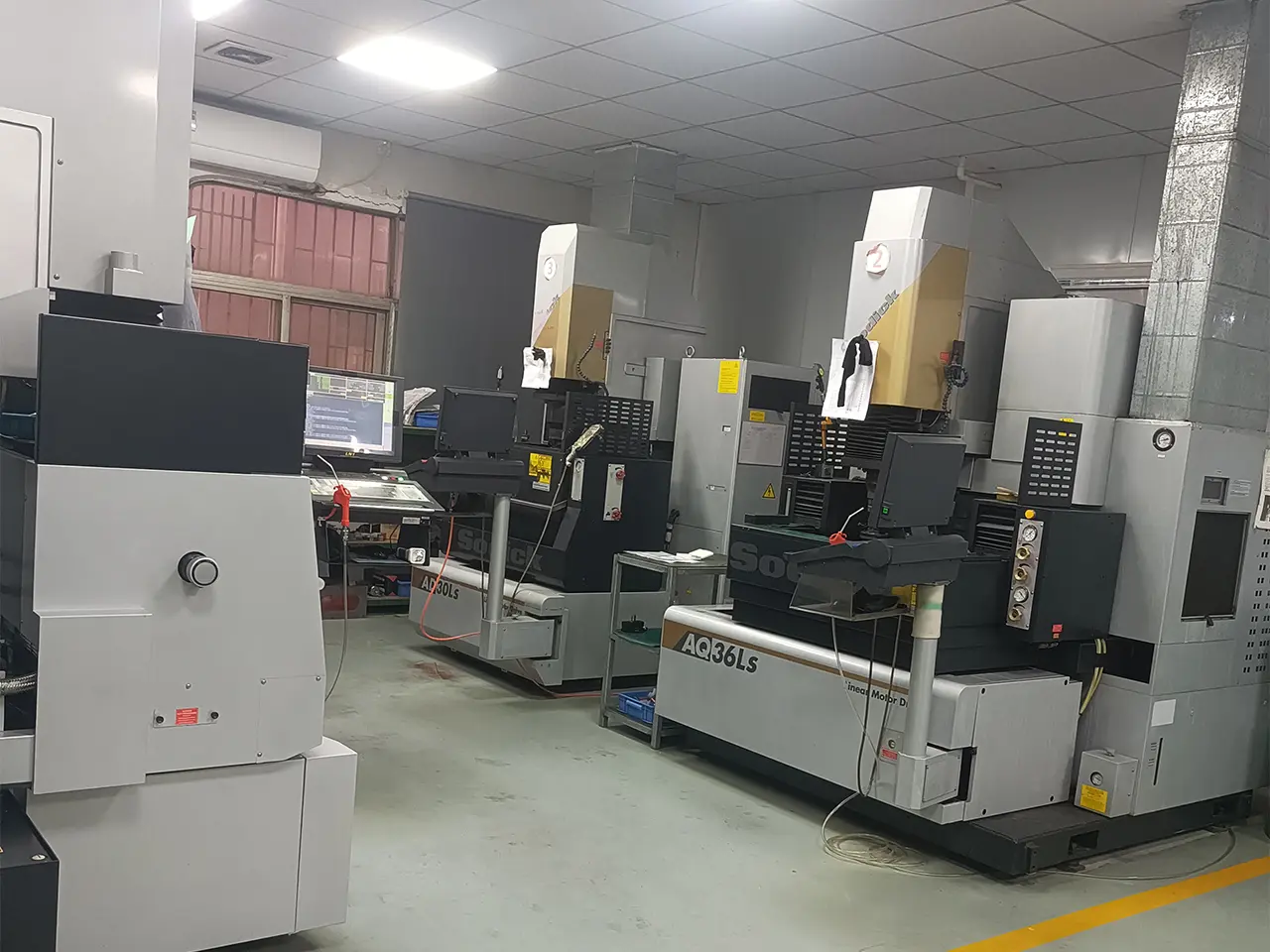
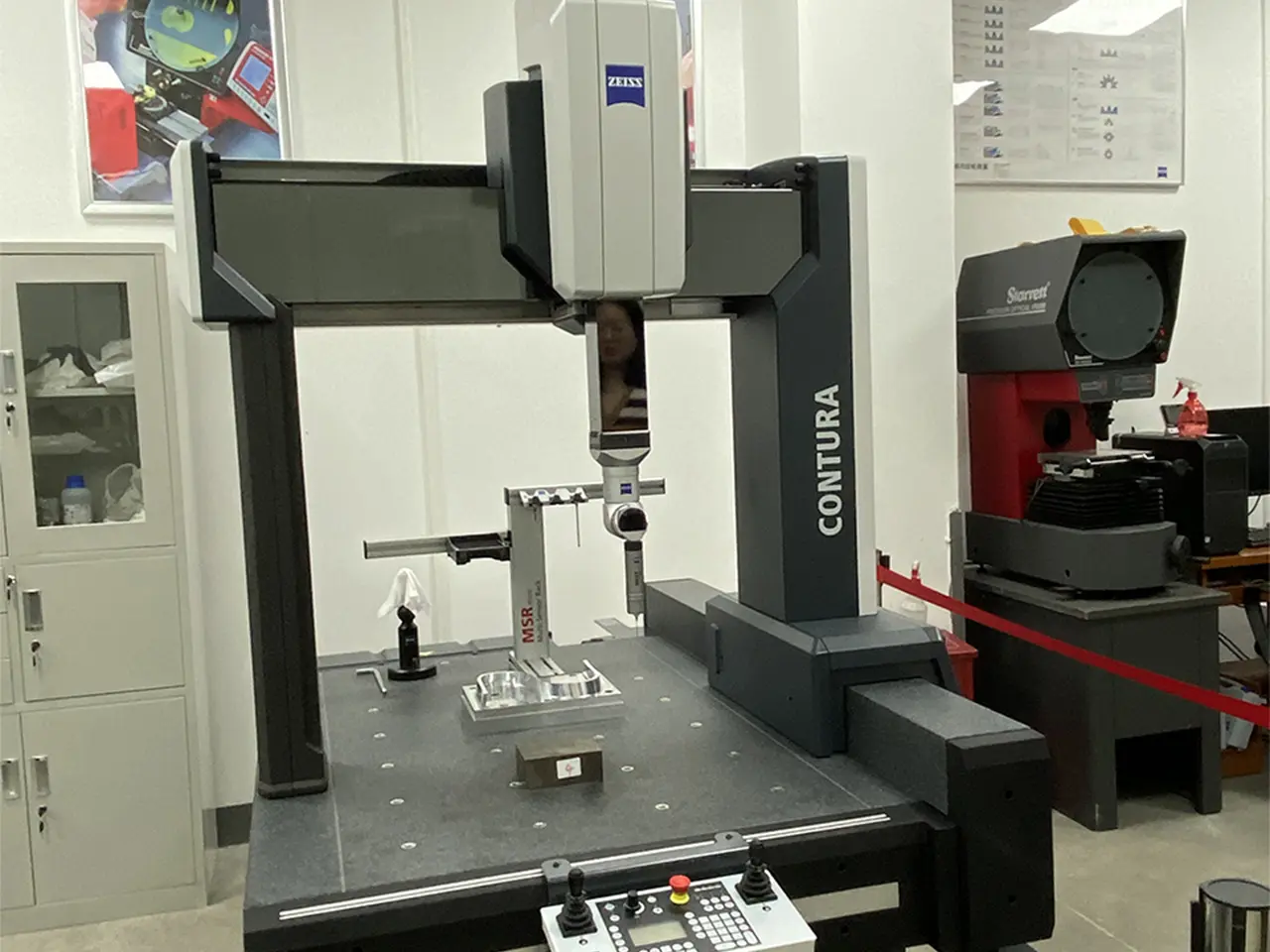
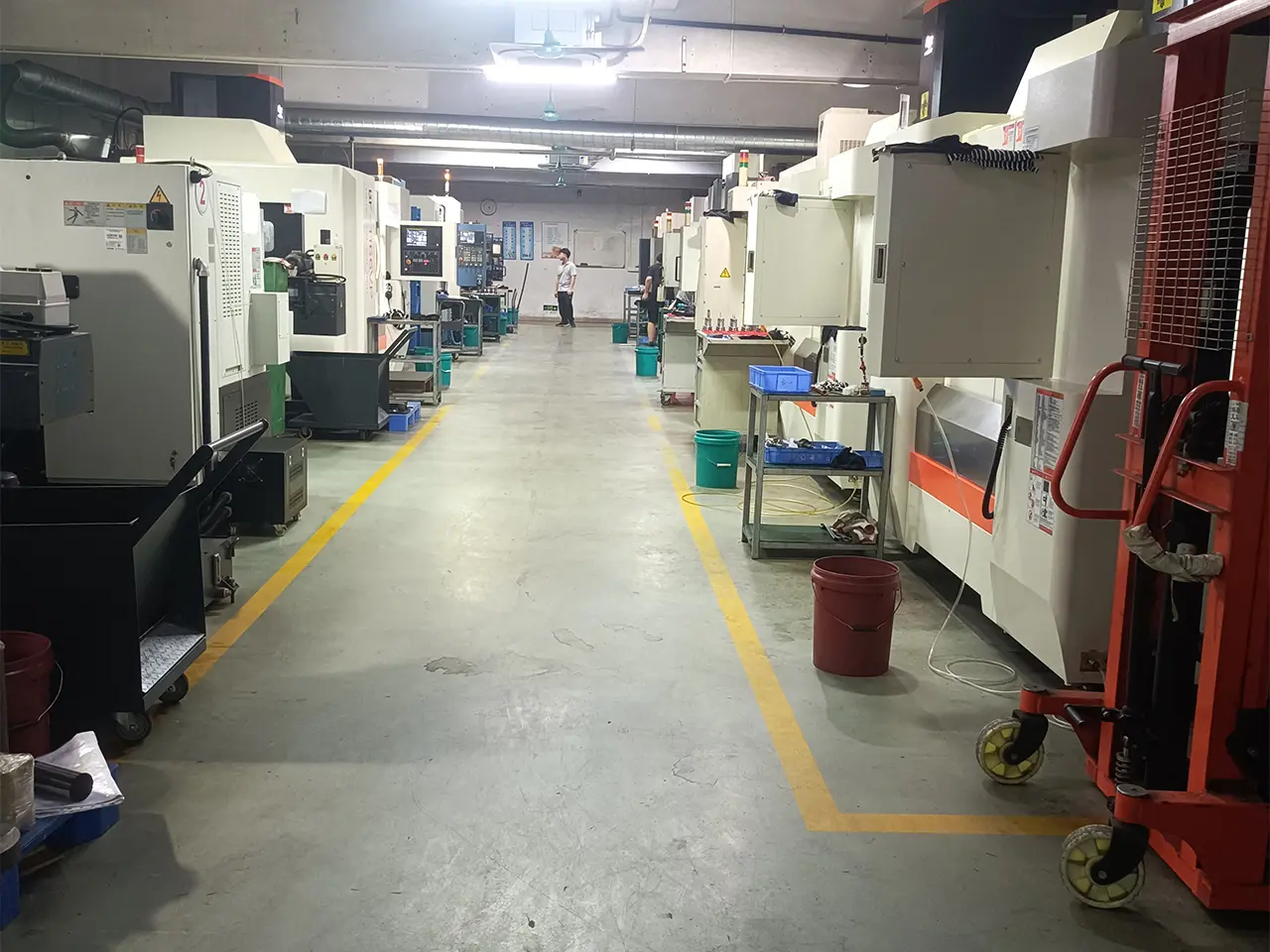
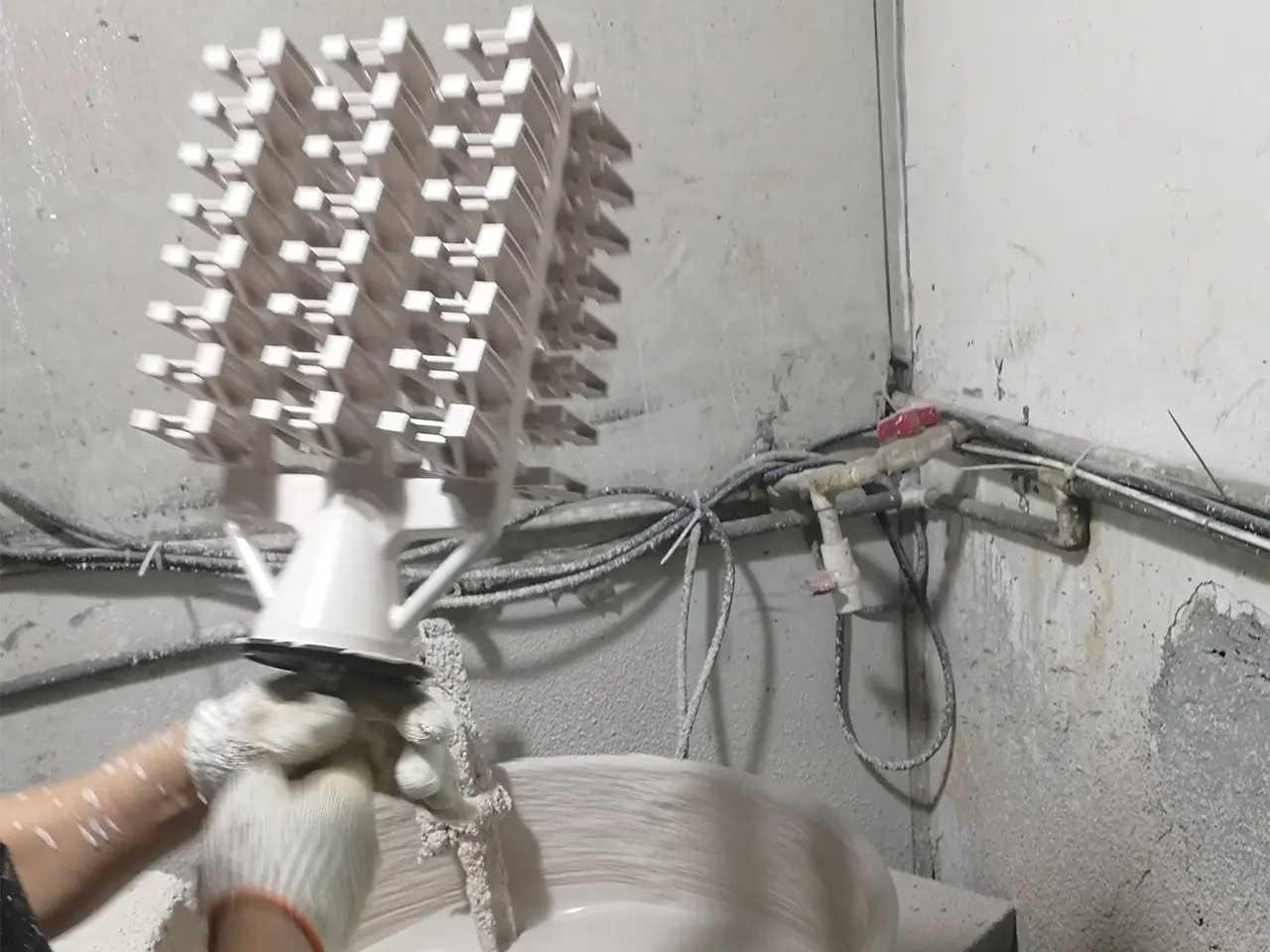
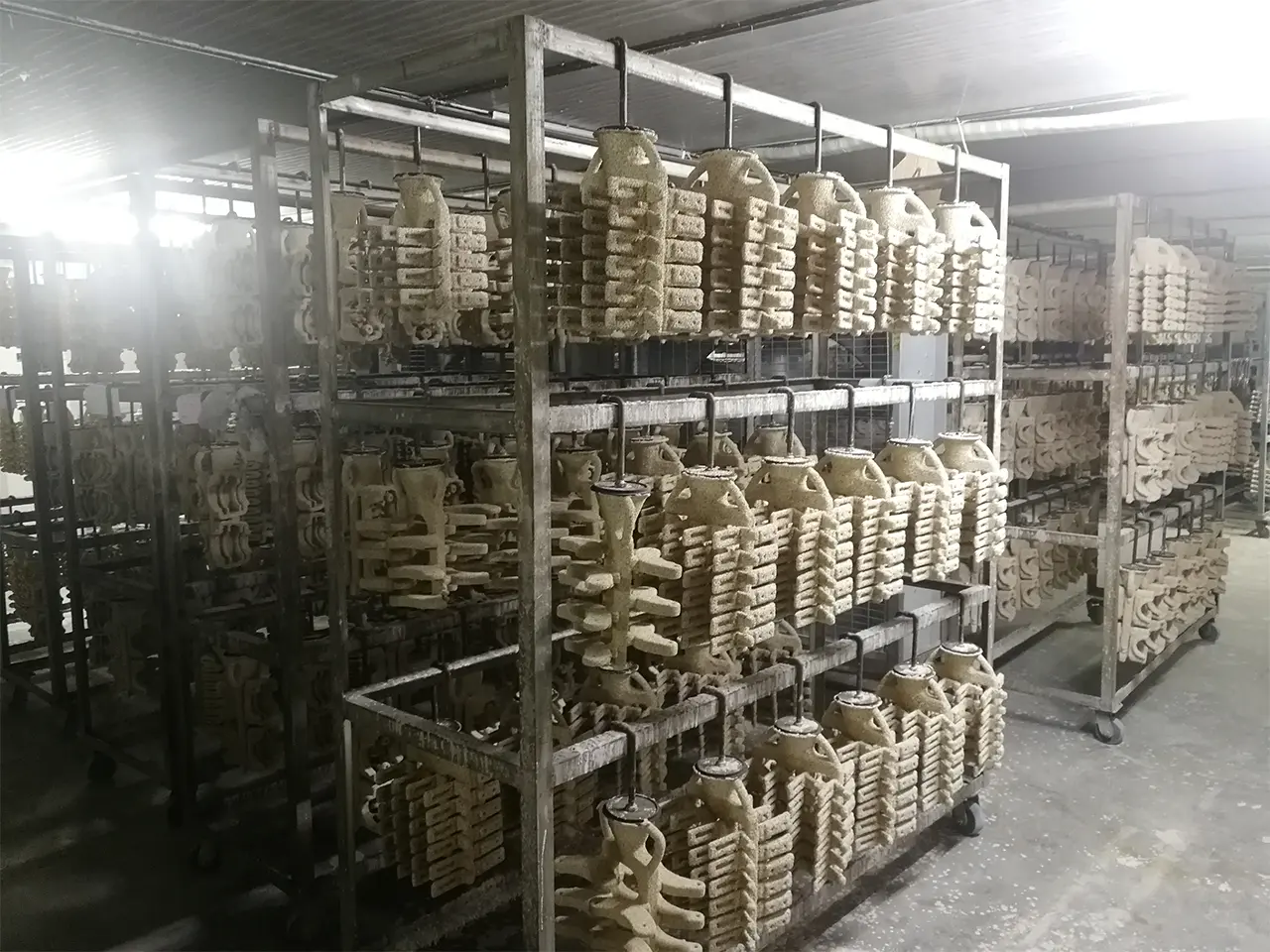
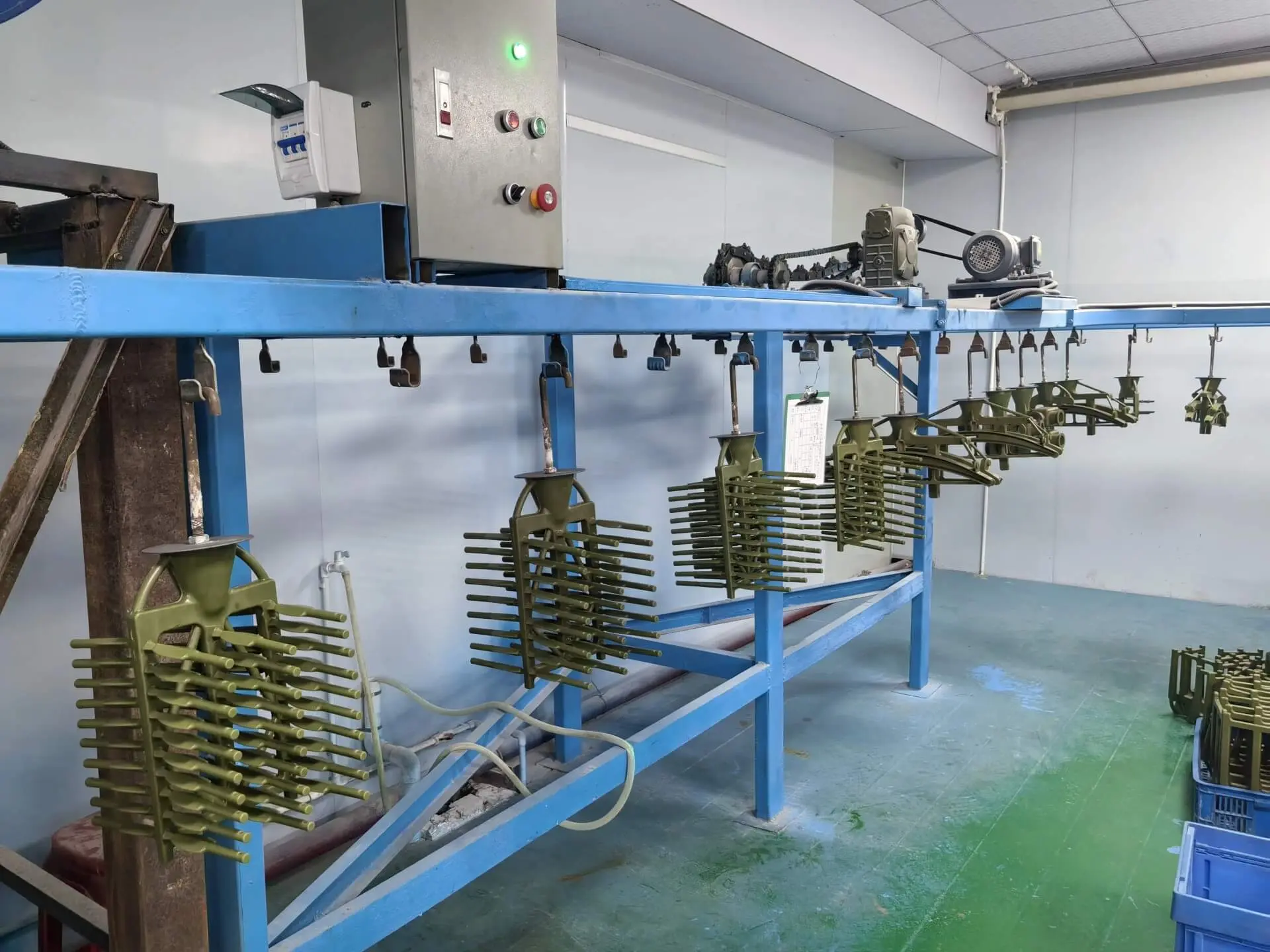
Quality is the cornerstone of the manufacturing industry. We firmly believe that only by controlling quality well can we survive, develop, and get better and better. Therefore, we have been working in this industry unremittingly since 2014, continuously improving our team and expanding our production capacity.
Our quality department is independent of our production team. To guarantee strict tolerances, we utilize a range of inspection equipment, including:
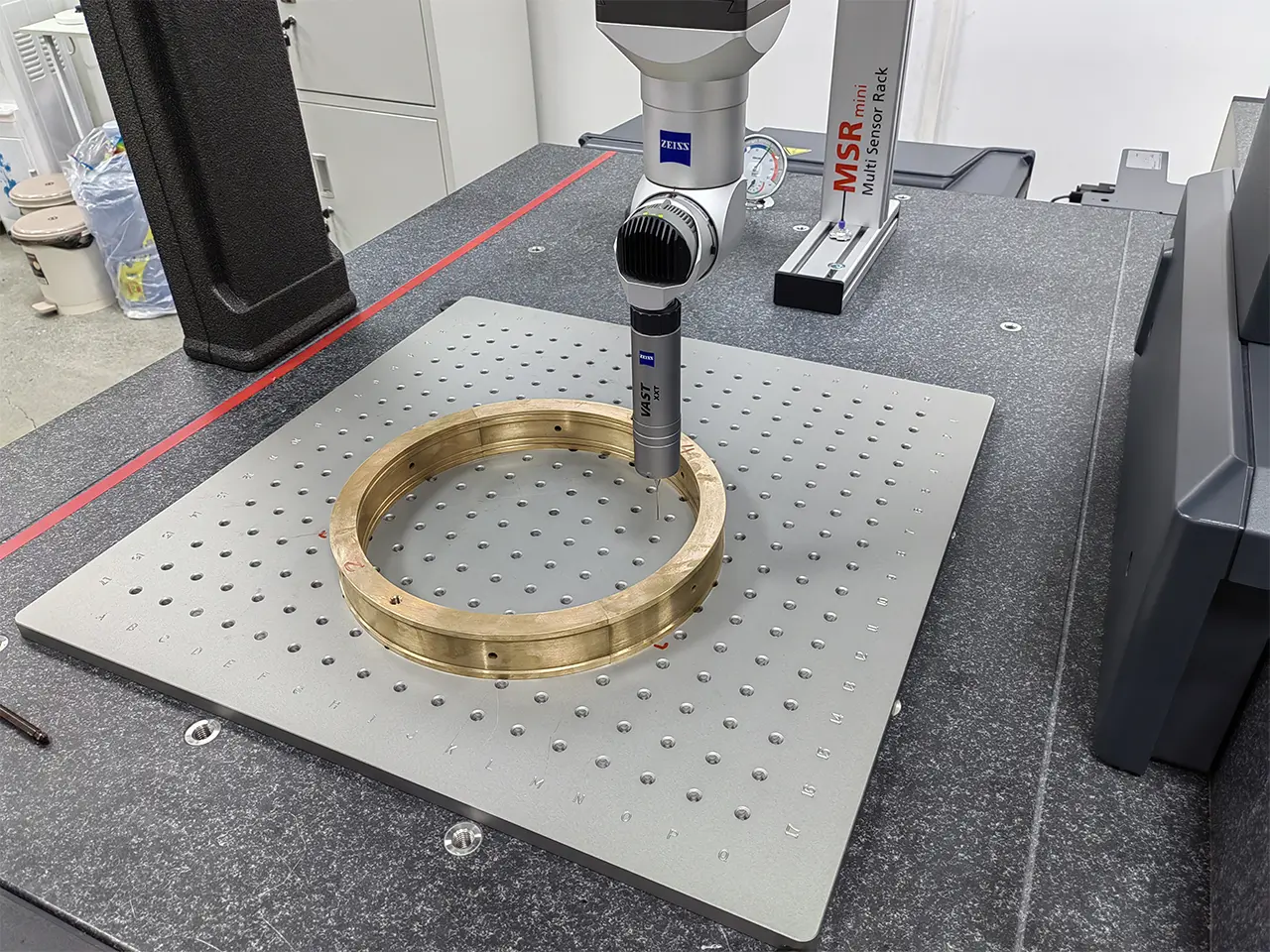
Why Dongguan Remains the Premier Hub for Precision Manufacturing
Choosing a manufacturing partner in Dongguan, China offers distinct supply chain advantages. Our region features a highly concentrated cluster of raw material suppliers, specialized surface treatment operations, and convenient logistics hubs. This local network provides unique benefits for international procurement managers:
Our facility is located near certified plating, heat-treating, and anodizing partners. We coordinate complex processes like vacuum heat treatment, hard anodizing, passivation, and PVD coating locally. This reduces transit times, avoids extra shipping costs, and keeps lead times predictable.
Dongguan’s metal markets provide fast access to diverse alloys, including specialty titanium and high-temp superalloys. Purchasing these raw materials locally helps us secure competitive pricing. This keeps raw material costs stable, even during periods of global market volatility.
Dongguan's localized supply chain allows us to quickly scale up production. We can rapidly adapt tooling setups and shift resources between departments to meet tight deadlines. This agility helps us keep projects on schedule, even when specifications change mid-production.
Technical capabilities across alloys and casting/machining methods
Our production floor handles a wide range of materials. We select specific fabrication methods based on the mechanical requirements, chemical exposure, and temperature range of the final application:
| Material Group | Specific Alloys Handled | Primary Manufacturing Method | Typical Applications | Key Mechanical Properties |
|---|---|---|---|---|
| Stainless Steel | 304, 316, 316L, 17-4 PH, Duplex 2205 | Investment Casting & CNC Machining | Marine hardware, valves, food processing machinery | High corrosion resistance, high tensile strength |
| Titanium Alloy | Grade 2, Grade 5 (Ti-6Al-4V) | High-Precision CNC Machining | Medical implants, aerospace fittings, high-end watches | Excellent strength-to-weight ratio, biocompatibility |
| Carbon & Tool Steel | 1020, 1045, 4140, 8620, D2, H13 | Lost-Wax Casting & Precision Turning | Automotive transmission parts, tooling inserts, heavy gearboxes | Excellent wear resistance, high hardness after heat treatment |
| Aluminum Alloy | AL6061-T6, AL7075-T6, AL5052 | 5-Axis CNC Milling | Consumer electronics enclosures, structural brackets | Lightweight, highly machinable, excellent anodizing surface finish |
| Copper & Brass | C36000, Phosphor Bronze, Beryllium Copper | CNC Turning & Swiss Machining | Electrical connectors, marine bushings, fluid valves | High electrical conductivity, low friction coefficient |
| Cemented Carbide | Tungsten Carbide (various grades) | Specialized EDM & CNC Grinding | Industrial cutting tools, high-wear nozzles, dies | Extreme hardness, thermal stability under high load |
The Integration of AI, Smart Machining, and Green Foundry Processes
The precision metal component industry is undergoing a digital transformation. Simple subtractive machining is transitioning toward automated production environments. Key trends driving this shift include:
Strategic guidelines for engineering and purchasing departments
Procuring custom components involves more than just comparing unit costs. Experienced purchasing managers evaluate total cost structures over a product's lifecycle. We work closely with our partners to optimize these costs in several ways:
For complex geometries, machining a component from a solid billet can result in significant material waste and high machining times. Pouring a near-net-shape investment casting and finishing only the critical tolerances on a CNC machine helps reduce waste and lower unit costs.
Over-specifying tight tolerances (e.g., calling for ±0.005mm where ±0.05mm is sufficient) increases scrap rates and inspection times. We review custom blueprints to ensure critical fits are prioritized, while non-critical dimensions are optimized for efficient production.
Designing parts that fit within standard bar stock or plate sizes helps avoid custom mill runs. This lowers material costs, speeds up prototyping stages, and makes production schedules more predictable.
Technical Answers to Common Global Procurement Questions
Casting allows for complex internal geometries using wax cores, which is ideal for organic shapes, and yields isotropic mechanical properties (uniform strength in all directions). However, casting can contain micro-porosity. CNC machined parts, made from extruded or forged billets, feature higher density and structural homogeneity, resulting in better tensile strength and fatigue resistance. For critical applications, we often combine the two: casting the base shape, and then CNC machining high-stress regions to achieve the required tolerances and mechanical performance.
For cast stainless steels, we implement post-cast thermal heat treatments, such as solution annealing, to dissolve secondary phases and relieve internal casting stresses. For machined titanium, we monitor heat generation during cutting. Titanium’s low thermal conductivity can trap heat at the cutting edge, which can lead to part distortion. We address this by using high-pressure through-spindle coolant systems and specialized carbide tools. This manages thermal expansion during machining and maintains tight dimensional stability across production runs.
We require 3D CAD files (STEP, IGES, or Parasolid formats) for geometry evaluation, alongside detailed 2D drawings (PDF or DWG) that specify critical tolerances, surface finishes (Ra values), thread specifications, material grades, and heat treatment requirements. Providing the estimated annual volume (EAV) and target batch sizes helps our engineering team select the most cost-effective manufacturing method during our DFM review.
At Dongguan SX Technology, we prioritize intellectual property protection. We sign non-disclosure agreements (NDAs) before receiving design drawings. We also use secure, access-controlled local servers to store all customer data. Production files are shared only with the specific engineers and machinists working on the project. We do not display custom parts in public galleries or marketing materials without written permission from the client.
Submit your CAD blueprints today for a Design for Manufacturability (DFM) review and a detailed production quote within 24 hours.
Consult Our Engineers SX Machining