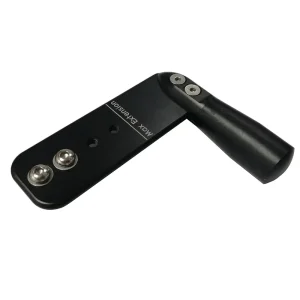
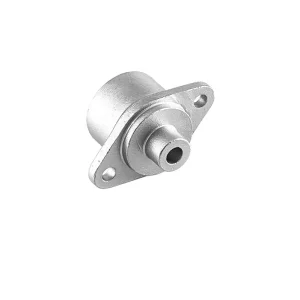
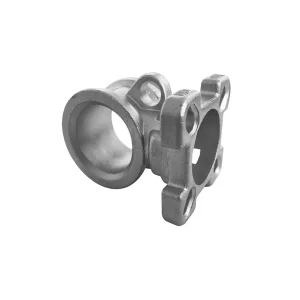
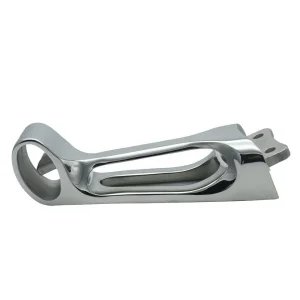
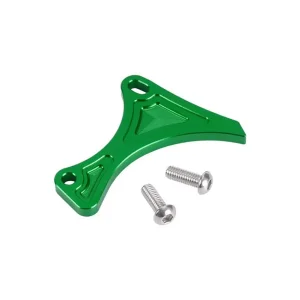
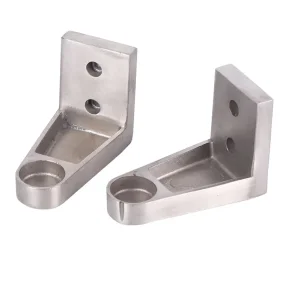
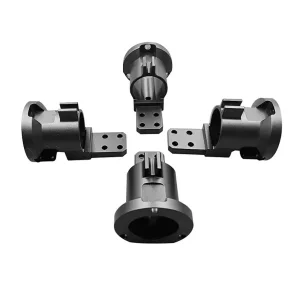
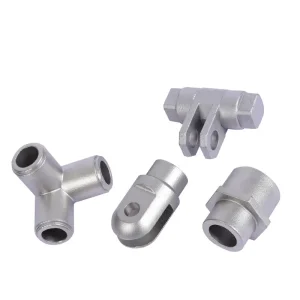
The global manufacturing footprint is experiencing a historic transformation. Industrial designers, process engineers, and supply chain directors no longer view custom metal casting as a static, ancient trade. Today, it stands as an optimized science sitting at the crossroads of advanced metallurgical thermodynamics and high-precision CNC machining. The demand for near-net-shape configurations with minimal machining allowance, zero internal gas porosity, and refined dendritic structures has forced a technological revolution.
By blending traditional investment casting (lost-wax method) with 5-axis computer numerical control machining, modern factories can achieve dimensional accuracies that were once considered impossible. This seamless orchestration of metallurgy and subtractive engineering minimizes lead times, saves precious raw alloys, and guarantees optimal mechanical characteristics under intense fatigue loads.
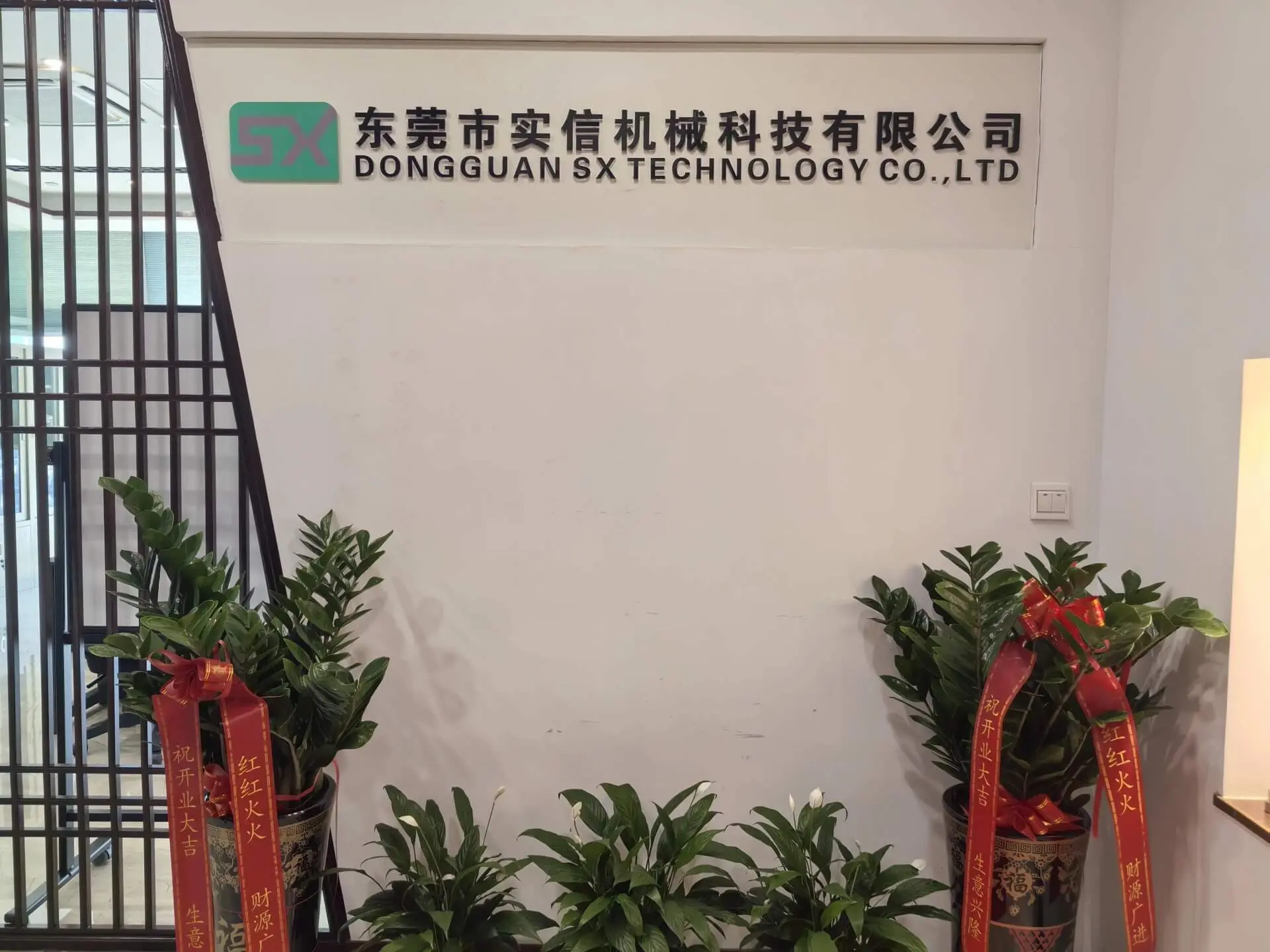
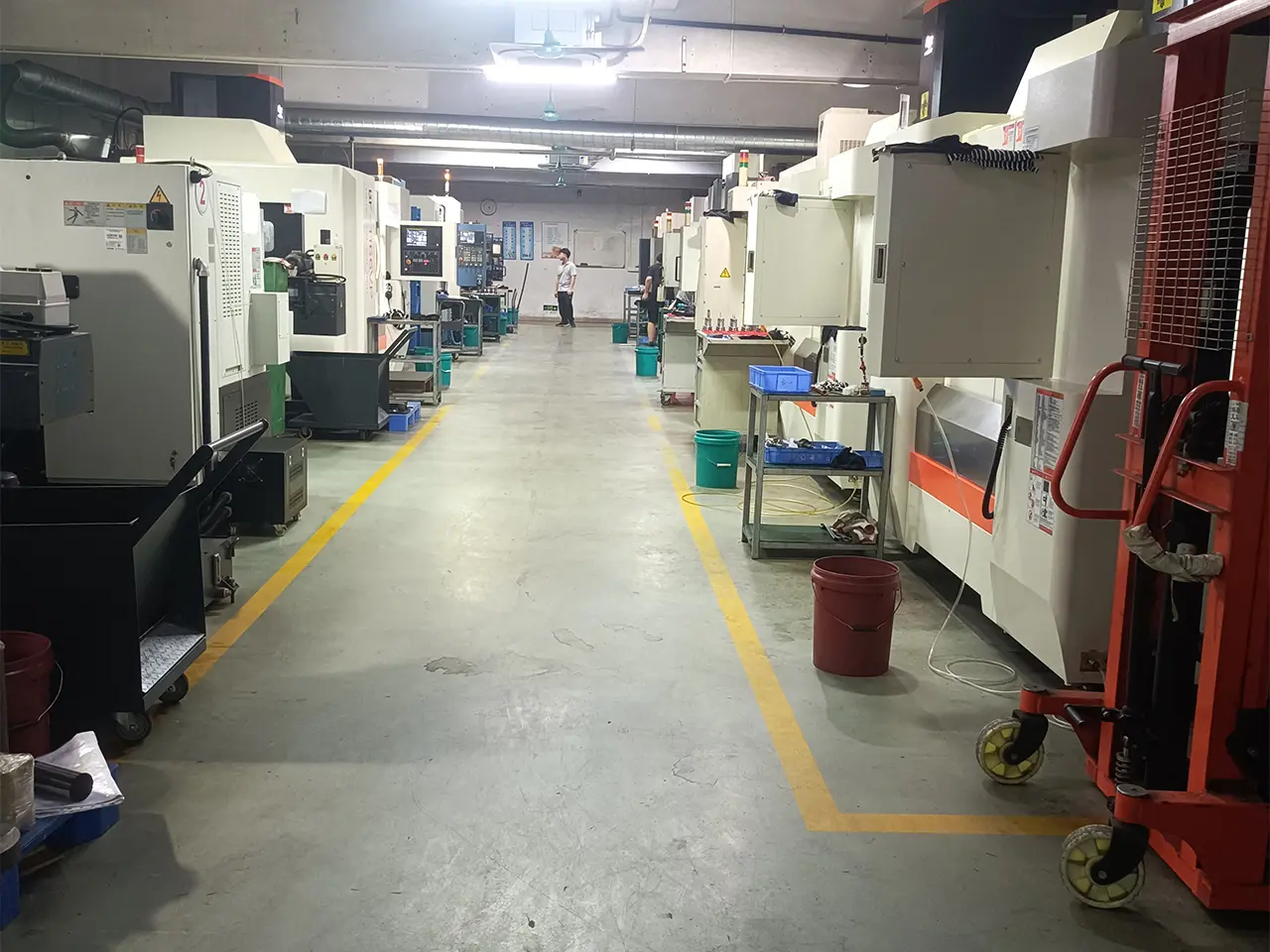
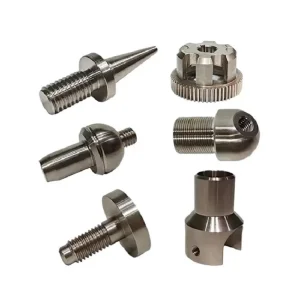
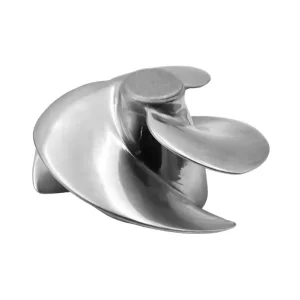
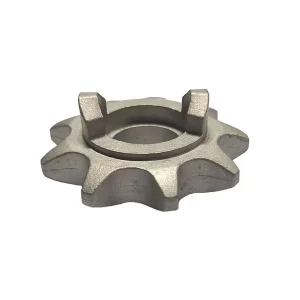
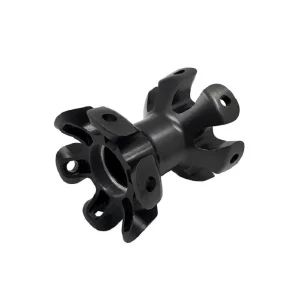
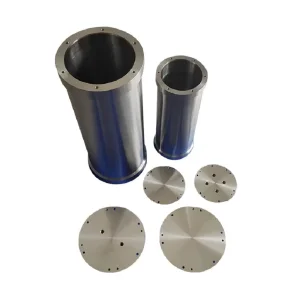
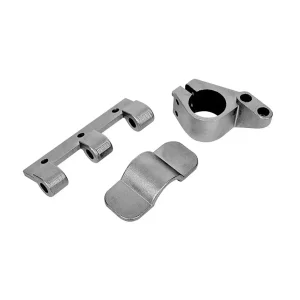
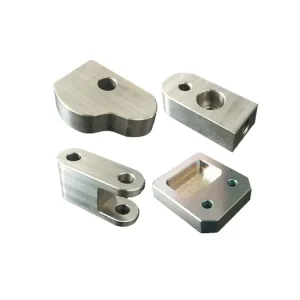
Dongguan SX Technology Co.,Ltd has very rich experience in precision casting, CNC machining and assembly. Our products are used in machinery, automobiles, marine, ships, equipment, valves and pumps, electronic appliances, packaging, watches, construction, chemical industry and other industries. The most commonly used materials for investment casting are stainless steel and carbon steel. And the most commonly used materials for CNC machining include titanium alloy, stainless steel, carbon steel, aluminum alloy, copper alloy, cemented carbide, etc. We have advanced manufacturing equipment and technology and are able to respond quickly to your needs.
Modern geopolitics and maritime logistics demand diversified, highly reliable manufacturing partners. Smart sourcing teams look for integrated facilities in industrial clusters like Dongguan that offer single-roof casting-to-machining pipelines, mitigating transit damage and multi-vendor delays.
By minimizing the delta between the raw cast dimension and the final blueprint geometry, manufacturers slash material waste by up to 40%. In high-value materials like titanium alloys and custom stainless steels, this generates massive cost-efficiency gains.
From pressure-retaining subsea pump housings to ultra-light structural members in medical wheelchairs, castings must withstand dynamic fluid pressures and mechanical stresses, requiring specialized microstructural verification protocols.
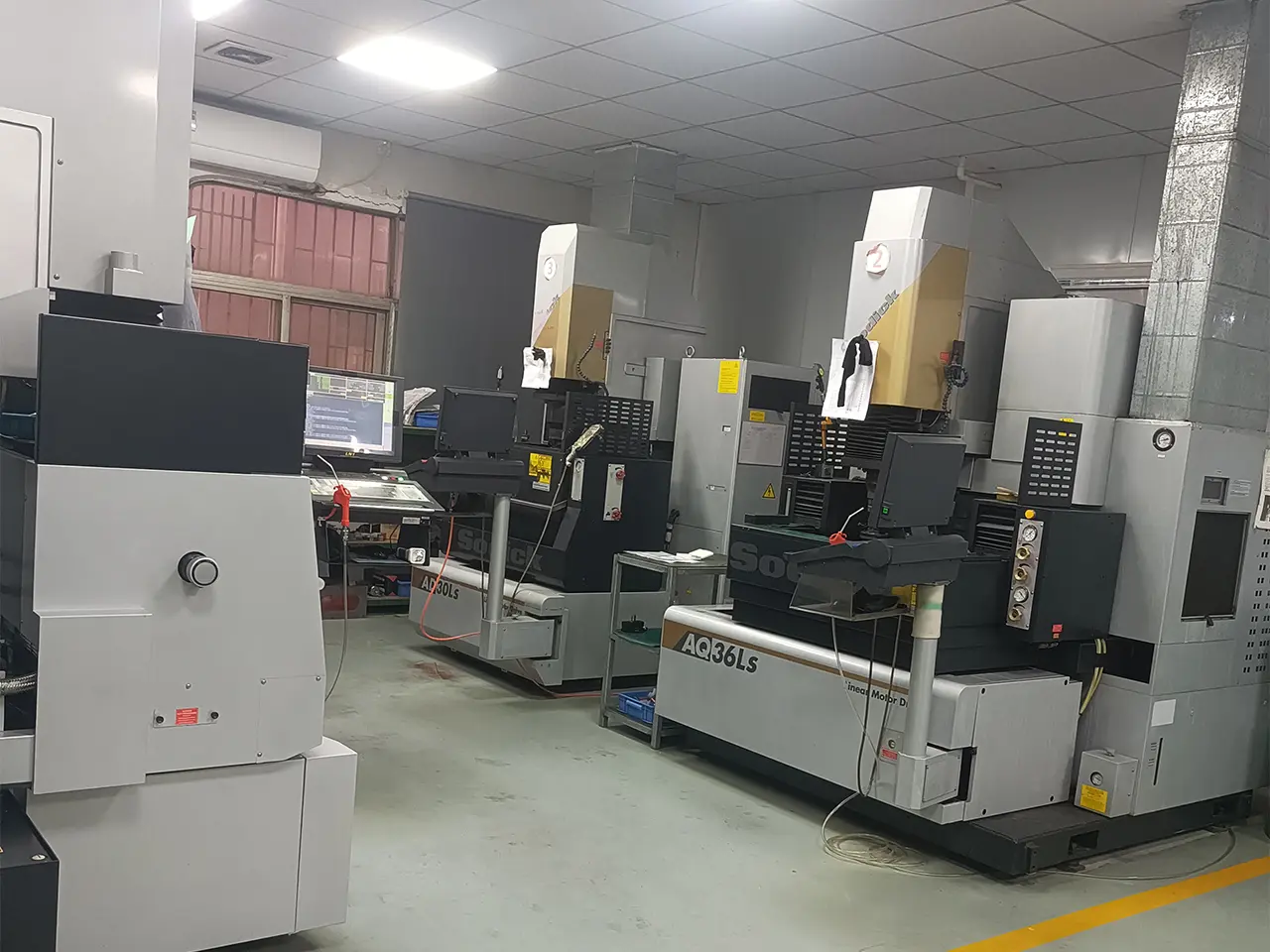
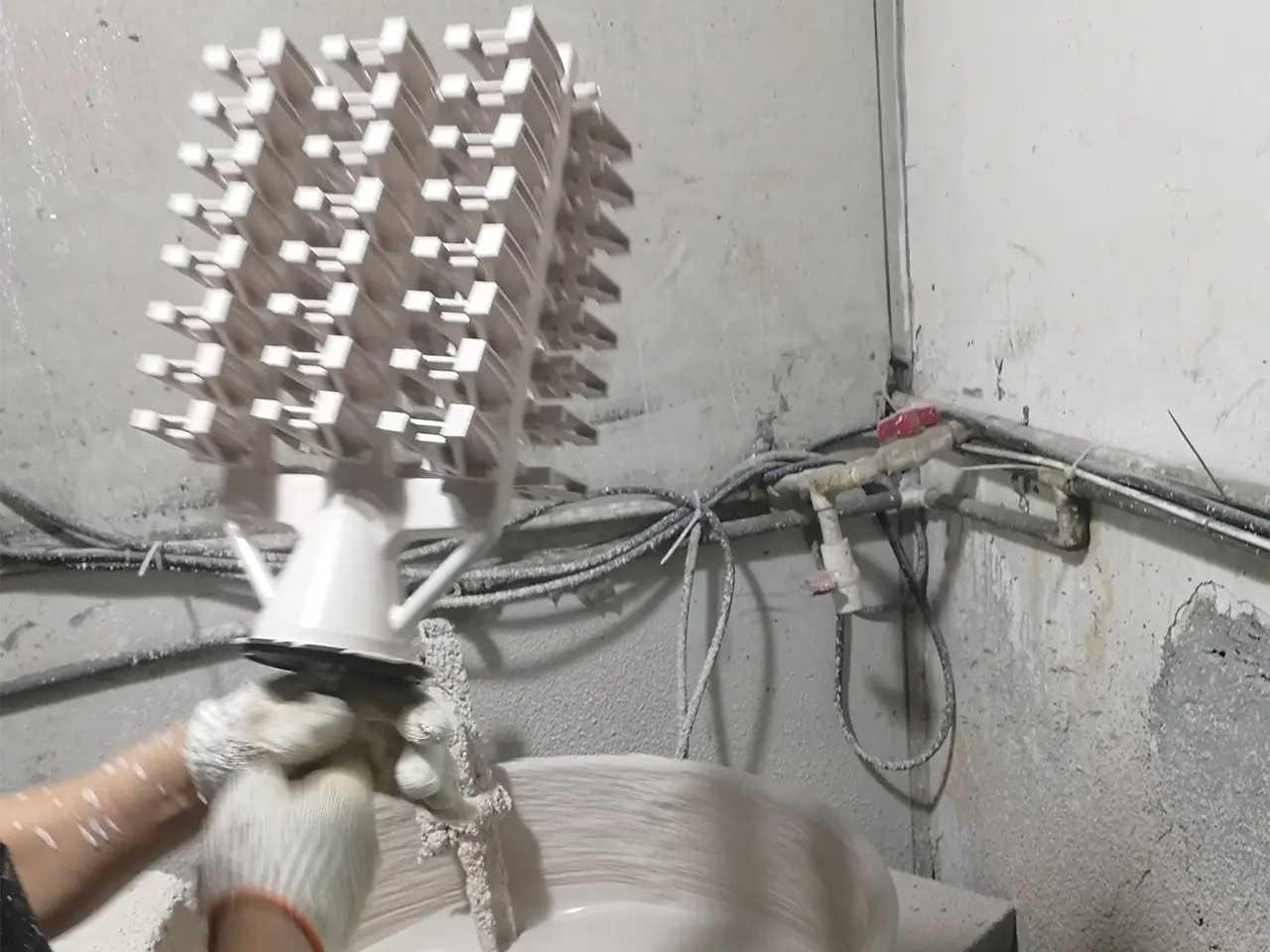
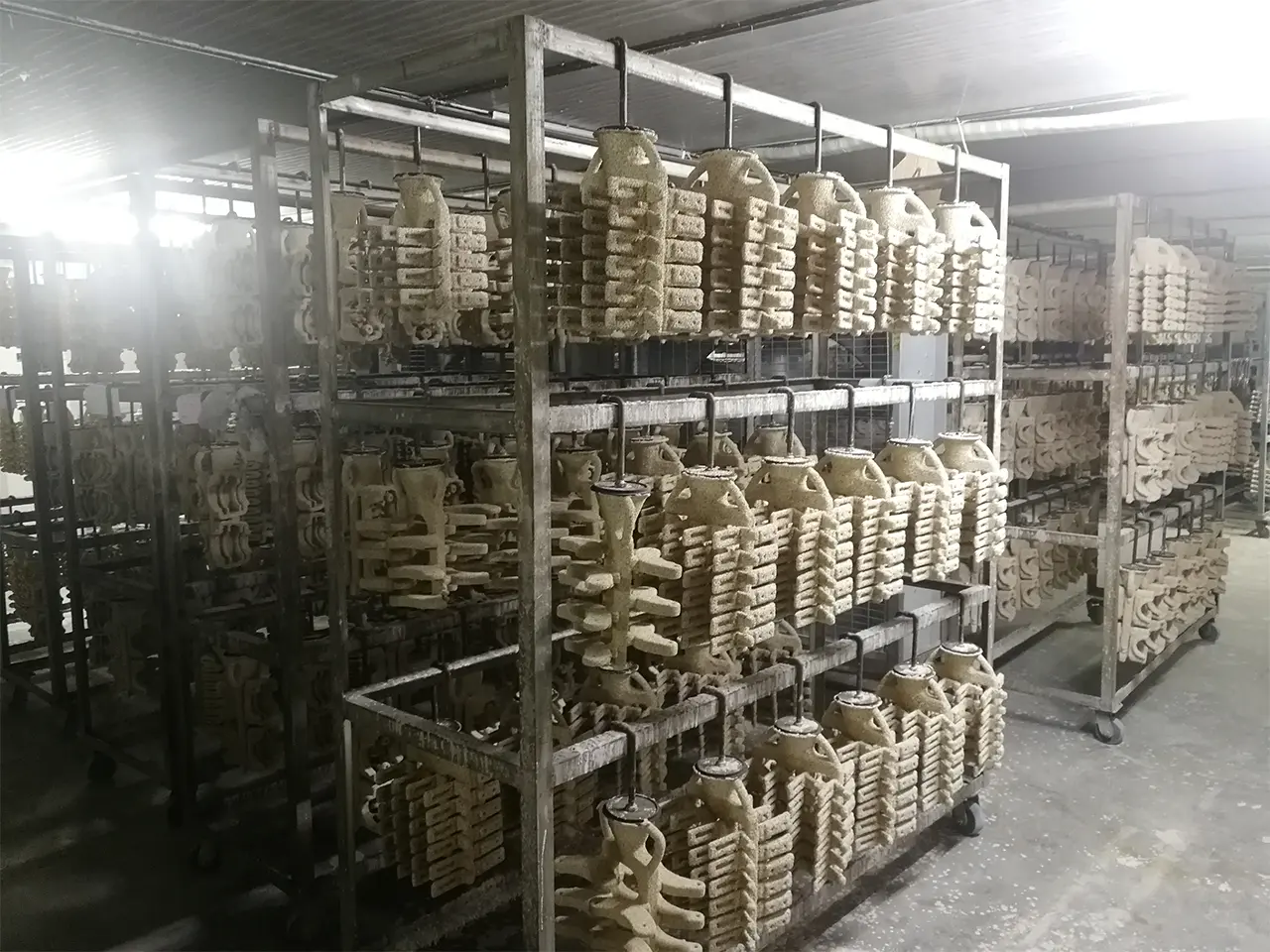
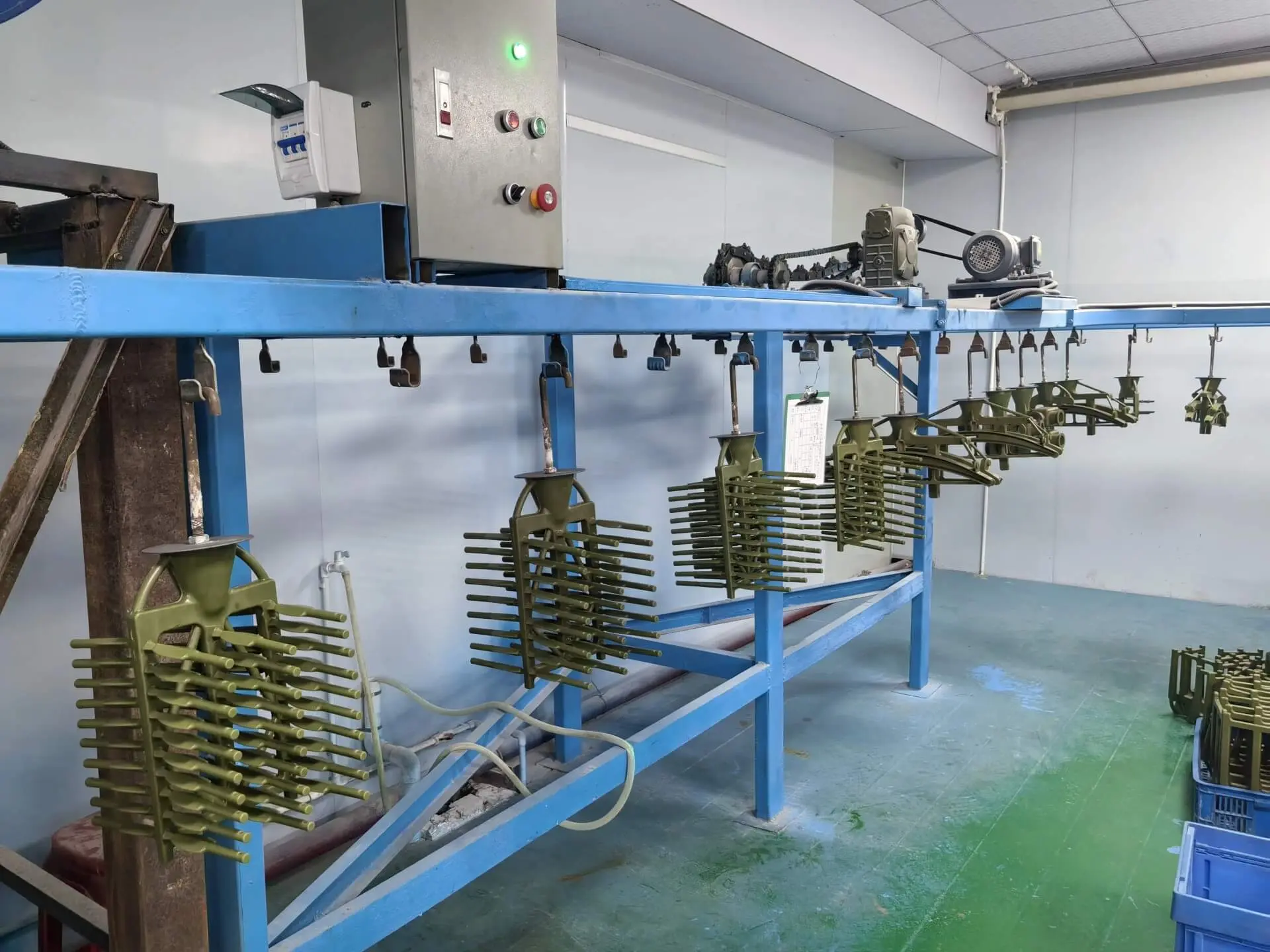
Utilizing high-end thermal analysis software allows our engineers to preview molten metal flow patterns and solidification cooling rates inside custom molds. By anticipating hot spots and potential contraction voids, we strategically position gates, runners, and risers to produce internally sound, high-density castings.
Proper post-cast thermal modification is crucial for relieving inner stresses and aligning metallic grain configurations. Our standard facility capabilities include solution annealing, precipitation hardening, normalizing, and quenching. These custom processes guarantee target tensile strengths and optimal yield properties.
To slash project startup times for low-volume runs, we integrate direct 3D printing of PMMA/wax models or sand casting molds. This allows designers to bypass traditional tooling steps entirely, letting them test complex geometries in real metals within days rather than weeks.
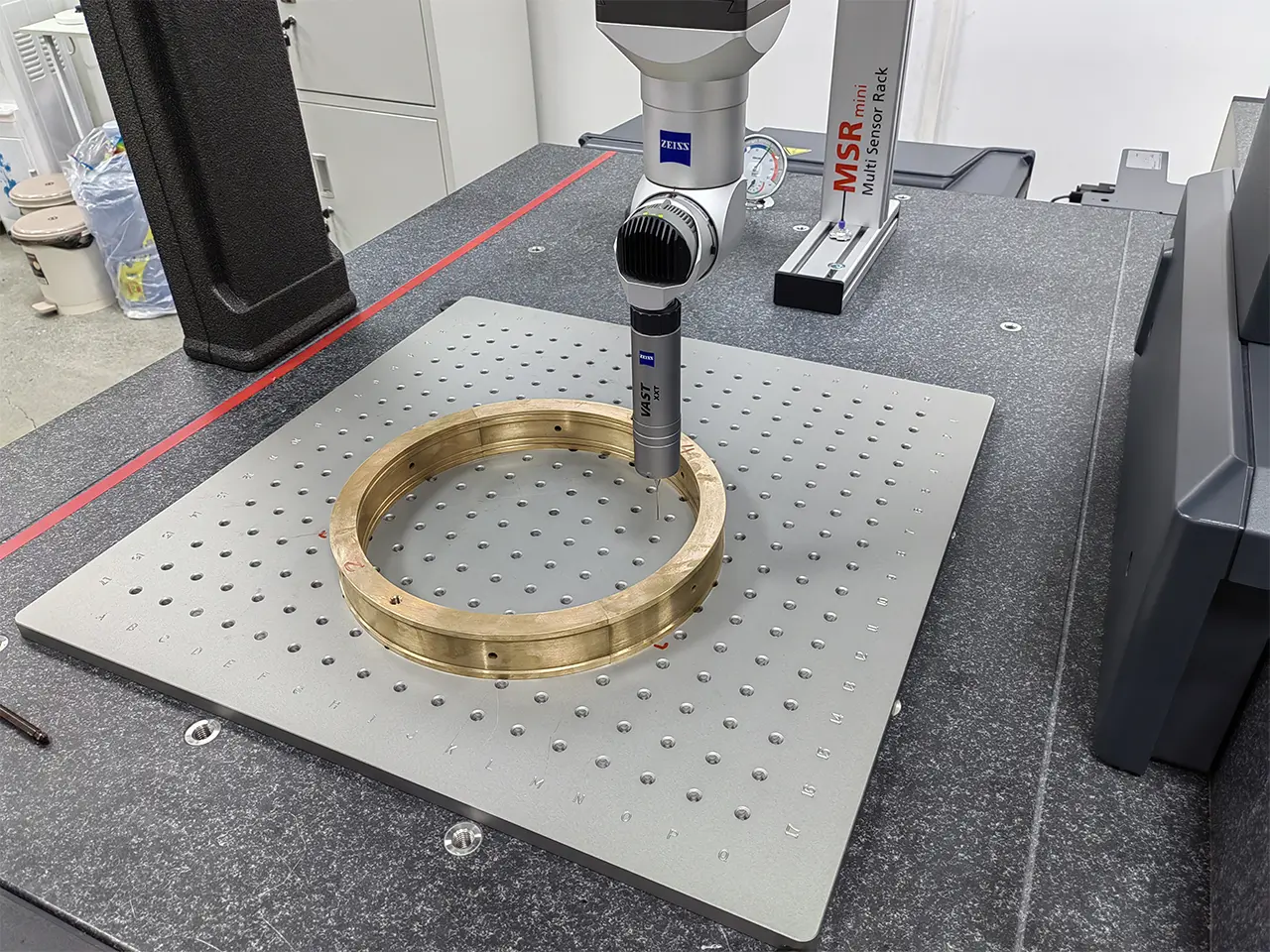
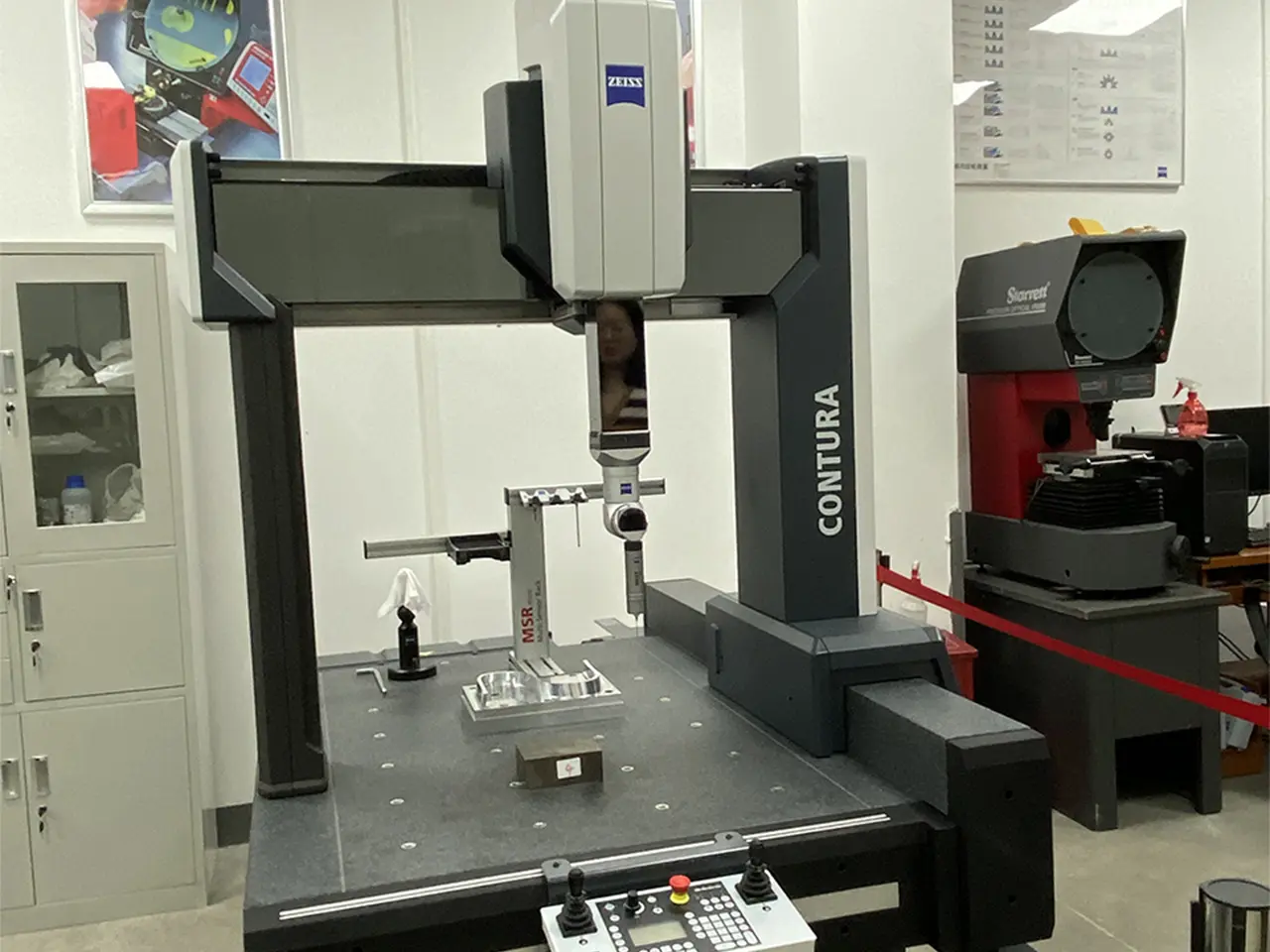
We have professional testing equipment and professional QC personnel, and we adhere to strict tolerances and quality standards for the products we produce. Due to our insistence on strict quality requirements, we have been praised by many customers. Quality is the cornerstone of the manufacturing industry. We firmly believe that only by controlling quality well can we survive, develop, and get better and better. Therefore, we have been working in this industry unremittingly since 2014 and continue to improve the company's team and improve the company's production capacity.
Oceanic environments require marine accessories that resist aggressive chloride pitting. We cast and machine ASTM standard duplex and super-duplex stainless steel hardware. This guarantees components withstand continuous salt spray and heavy physical loads without stress-corrosion cracking.
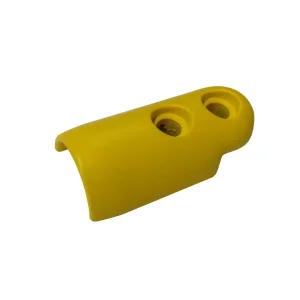
We supply precision wheelchair structural components utilizing high-integrity, lightweight alloys. Our manufacturing process focuses on eliminating internal cast voids, ensuring components maintain high yield strength under repetitive dynamic loads for patient safety.
Valves, actuator housings, and pumps handle high pressures and corrosive fluids. Our advanced casting methods control wall thickness variations, ensuring uniform pressure distribution. Critical seating faces are finished to sub-micron accuracy via multi-axis CNC milling.
We control gas porosity by degassing the molten metal prior to pouring. We use high-precision ceramic filters inside runners to catch non-metallic inclusions, and implement solidification software simulation. This ensures the cooling front starts away from the hot spots, pushing shrink voids into the risers instead of the final part.
Generally, standard investment castings align with ISO 8062-3 linear dimensional casting tolerance grades CT4 to CT6. For features requiring tighter tolerances (such as bearing surfaces or O-ring grooves), we perform secondary CNC machining. This achieves tolerances within the ±0.005mm range on our multi-axis milling centers.
Titanium alloys (especially Ti-6Al-4V) provide an exceptional strength-to-weight ratio alongside excellent galvanic corrosion resistance. Under extreme hydrostatic pressures and high salinity, titanium maintains its mechanical properties, eliminating structural breakdown risks common in conventional steels.
For investment casting, we primarily work with stainless steel and carbon steel. In our CNC machining department, we process titanium alloys, stainless steel, carbon steel, aluminum alloys, copper alloys, and cemented carbides.
We use spark-discharge Optical Emission Spectrometers (OES) to analyze alloy batches prior to casting. This ensures the correct ratio of alloying elements (such as nickel, chromium, molybdenum, and carbon content) is verified before the metal is poured.
 SX Machining