Precision Industrial Engineering Solutions

Custom Screw Machining Parts Service & Products

High-Precision Custom CNC Parts Showcase

Engineered to exact CAD specifications and validated through strict micro-metrology, exploring our featured high-demand components.
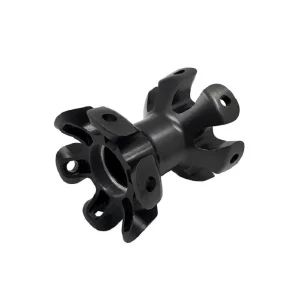
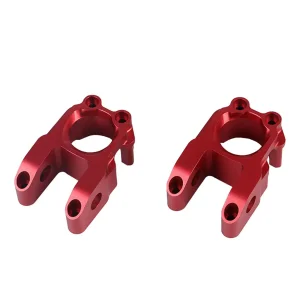
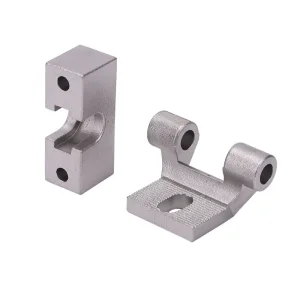
Custom CNC Machining for Complex Geometry Parts Service
Custom CNC Machining for Complex Geometry Parts Service, Supplier
View Details
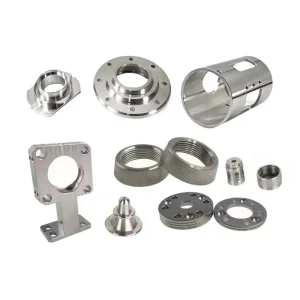
Custom aluminum auto parts CNC machining
View Details
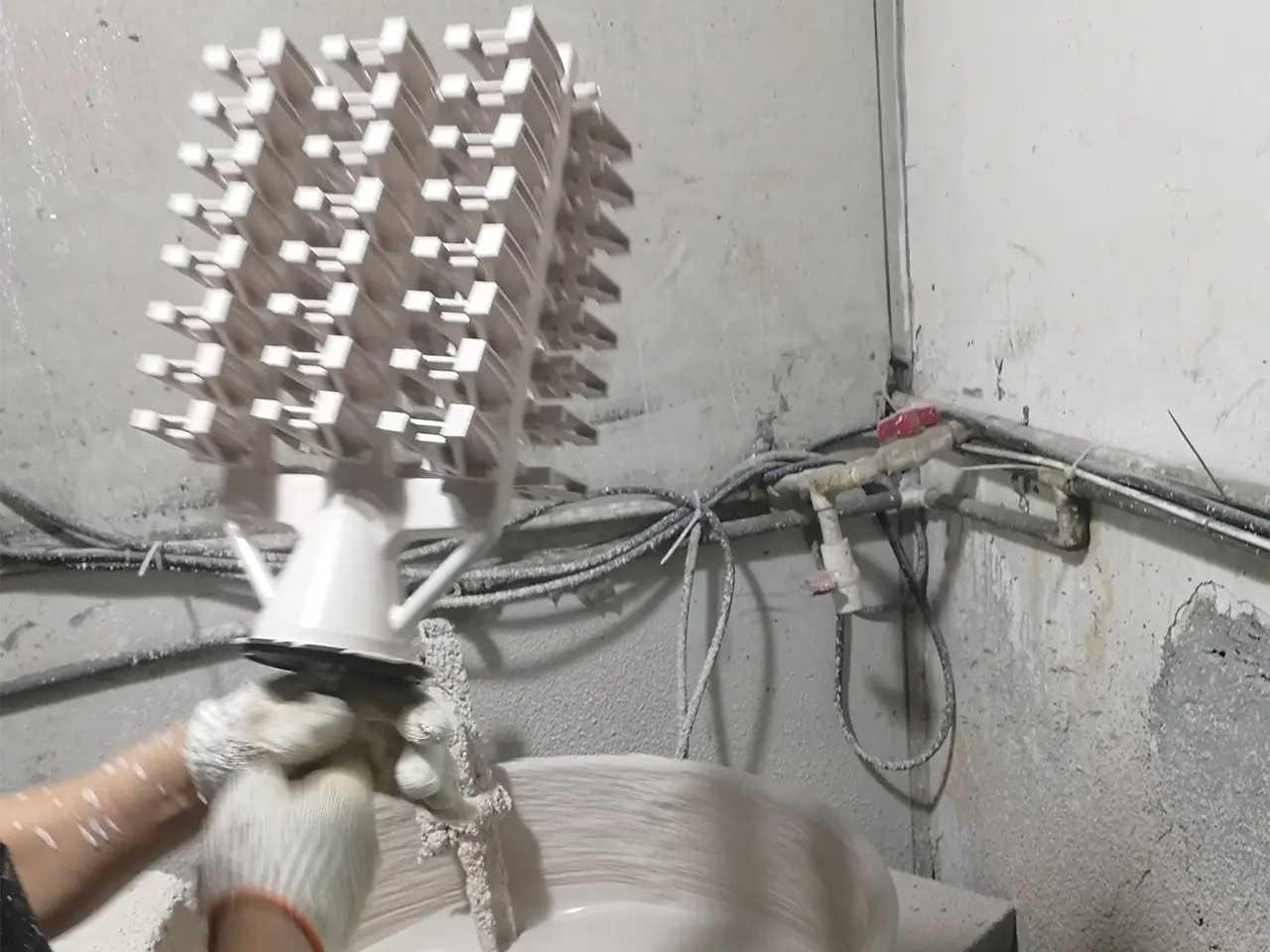
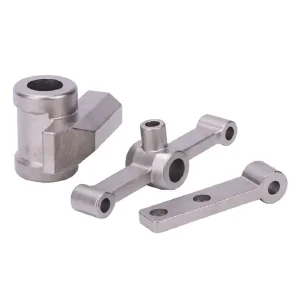
Custom Mechanical Hardware Parts Precision Casting Processing
View Details
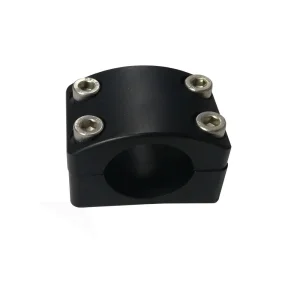
Custom Metal Parts CNC Turning Services
View Details
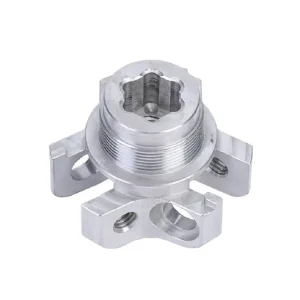
OEM Providing Custom Machining Services for Complex Parts Products
OEM Providing Custom Machining Services for Complex Parts Products, Product
View Details
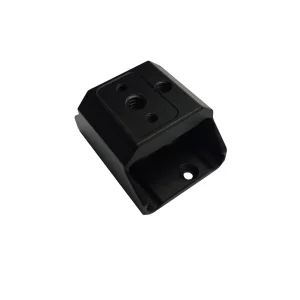
Custom Aluminum Machining Parts For The Electronics Industry
View Details
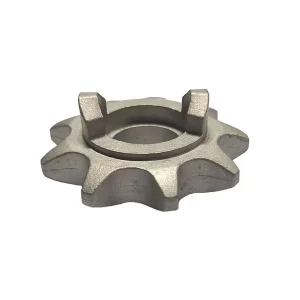
OEM Steel Precision Casting Gear Parts Service
OEM Steel Precision Casting Gear Parts Service, Factory
View Details
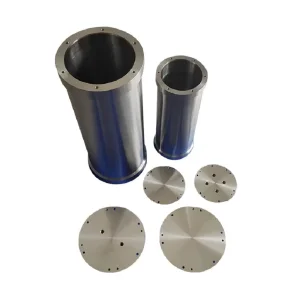
Custom Titanium alloy parts for deep-sea equipment
Custom Titanium alloy parts for deep-sea equipment Supplier, Factories
View Details

Global Commercial & Industrial Landscape of Screw Machining

Understanding market dynamics, tolerance demands, and technical evolution across modern manufacturing supply chains.

The global manufacturing sector is currently experiencing a profound paradigm shift, driven by the demands of next-generation hardware across the automotive, medical, electronics, and aerospace sectors. At the heart of this physical evolution is the micro-turned component. The market for custom screw machining parts is no longer defined by simple, repetitive lathe operations. Today, it represents a convergence of advanced multi-axis CNC kinematics, material science, and real-time metrology control.

Modern commercial applications necessitate components that can withstand extreme environments—ranging from the high pressures of deep-sea oil exploration to the high thermal stress of electric vehicle (EV) battery terminals and localized aerospace propulsion valves. The global screw machining industry is responding by integrating sub-spindle machining, live tooling, and CNC Swiss-type configurations to manufacture parts with complex internal and external geometries in a single setup. This reduces cumulative fixturing errors and guarantees absolute concentricity, lowering the Total Cost of Ownership (TCO) for OEM procurement teams worldwide.

±0.005mm
Precision Tolerances
2014
Established Growth
100%
ISO Metrology Q.C.
50+
Industries Supported

The Strategic Advantage of China's Screw Machining Ecosystem

How regional vertical integration, advanced machinery, and optimization algorithms drive unprecedented production efficiency.

China’s precision manufacturing sector, specifically concentrated in the industrial powerhouse of Dongguan, has transitioned from low-cost manufacturing to high-end, capital-intensive engineering excellence. The local industrial clusters provide a major geographic advantage: raw material suppliers, specialized surface treatment plants, thermal processing hubs, and advanced shipping ports operate in physical proximity. This creates a hyper-efficient supply chain where procurement lead times are minimized.

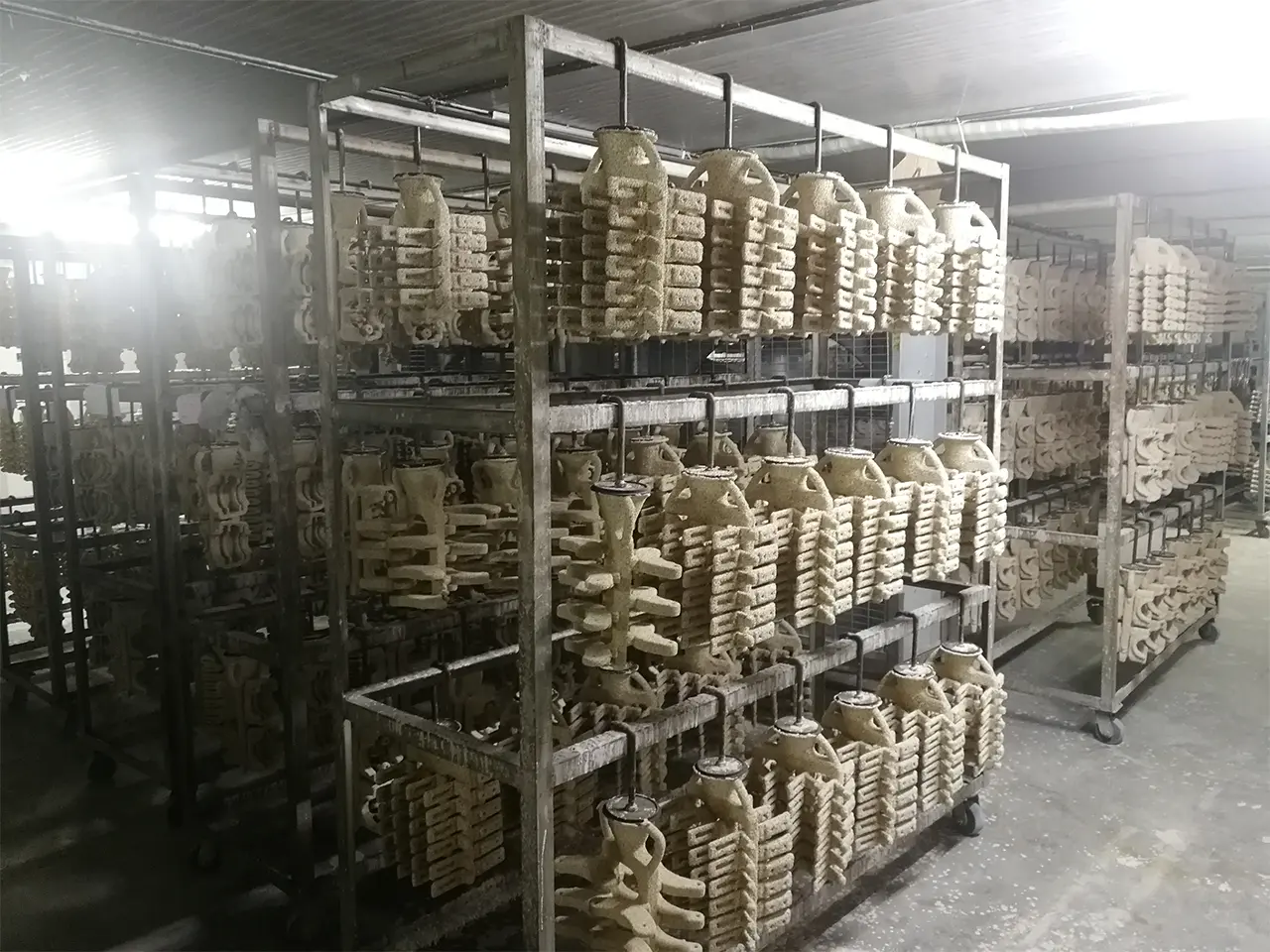
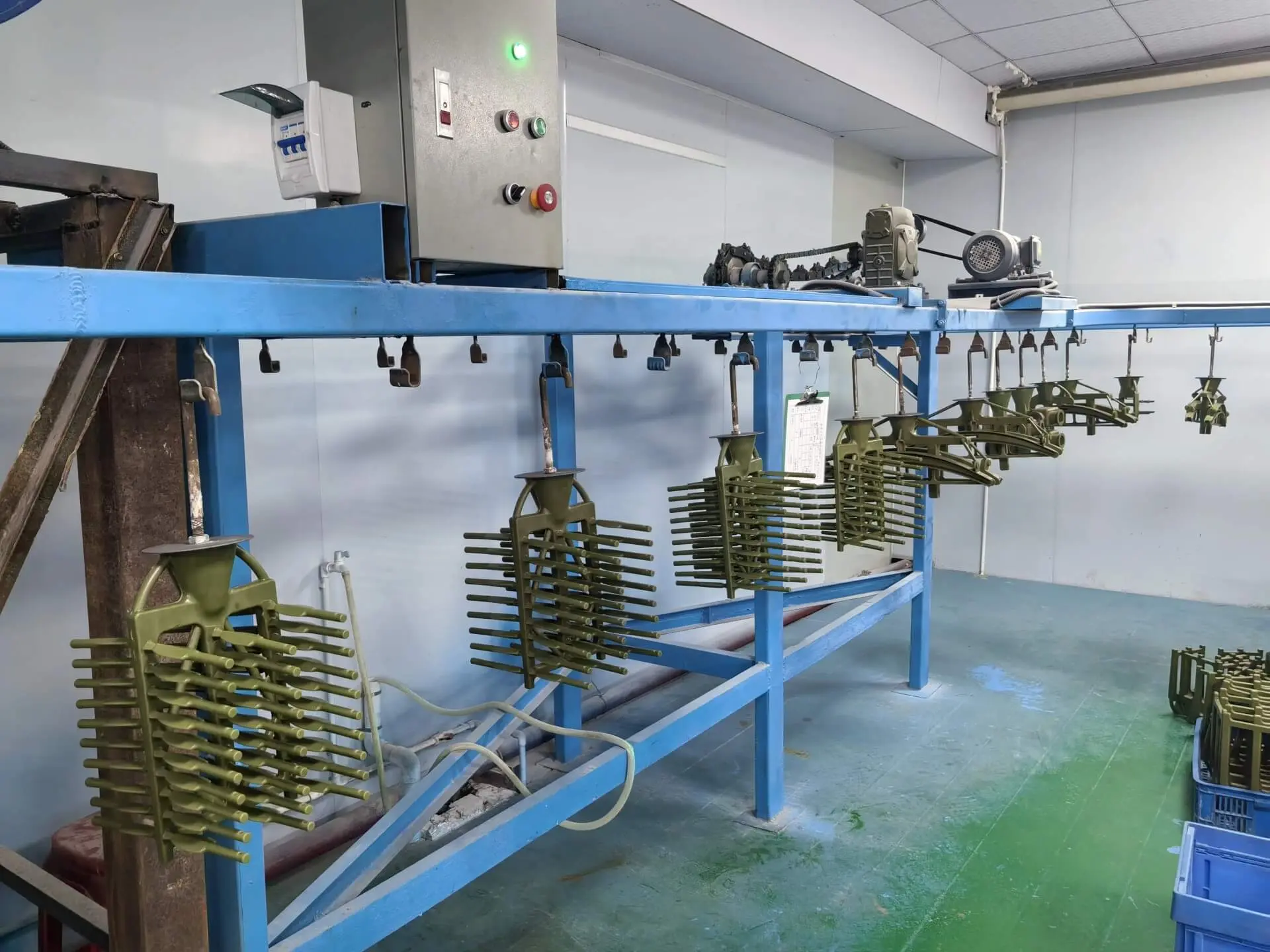
At Dongguan SX Technology Co.,Ltd, we capitalize on this integrated ecosystem. Our proximity to material processors and tool makers allows us to transition from digital CAD files to physical prototyping in record times. Our engineers leverage advanced CAM software toolpath algorithms to optimize chip evacuation rates and cycle times, passing these cost savings directly onto global buyers. Furthermore, our ability to perform precision casting and high-speed CNC turning under one roof means complex hybrid assemblies can be developed seamlessly, bypassing external transport delays.
  • Localized Metallurgy Access: Immediate sourcing of specialized titanium, stainless steel, and aerospace-grade alloys.
  • Advanced CNC Tooling Libraries: Custom insert geometry ground locally within days to match unique threads or grooves.
  • Optimized Scale Dynamics: Scalable high-volume production lines that handle runs from hundreds to millions of units.
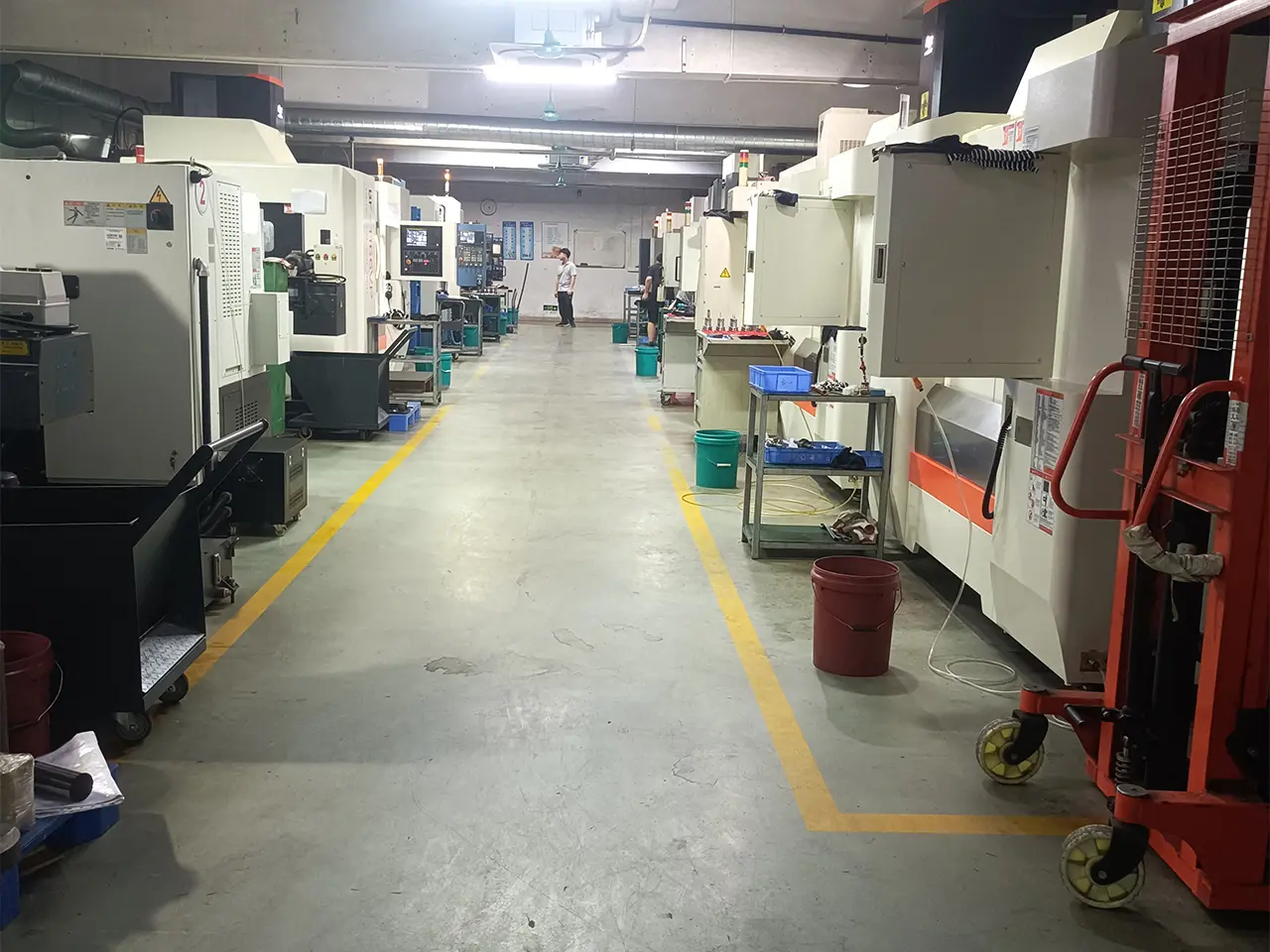
Dongguan SX Technology Manufacturing Facility

Dongguan SX Technology Co.,Ltd: Authoritative Capabilities

A decade of engineering experience in precision casting, custom CNC machining, and strategic multi-sector component assemblies.

Dongguan SX Technology Co.,Ltd has very rich experience in precision casting, CNC machining and assembly. Our products are used in machinery, automobiles, marine, ships, equipment, valves and pumps, electronic appliances, packaging, watches, construction, chemical industry and other industries. The most commonly used materials for investment casting are stainless steel and carbon steel. And the most commonly used materials for CNC machining include titanium alloy, stainless steel, carbon steel, aluminum alloy, copper alloy, cemented carbide, etc. We have advanced manufacturing equipment and technology and are able to respond quickly to your needs.

Our legacy is built on the rigorous application of geometric dimensioning and tolerancing (GD&T) principles. Since our inception, we have realized that the modern procurement manager does not just buy a piece of metal—they buy reliability, traceability, and consistent performance. Whether you are searching for custom titanium alloy parts for deep-sea instrumentation or lightweight aluminum auto components, our engineering team designs and manufactures with strict adherence to material certs and structural integrity protocols.

Shixin Production Workshop & Machine Tool Assets

Take a look inside our facility showing multi-axis CNC centers, Swiss-type automatic turning machines, and advanced casting structures.
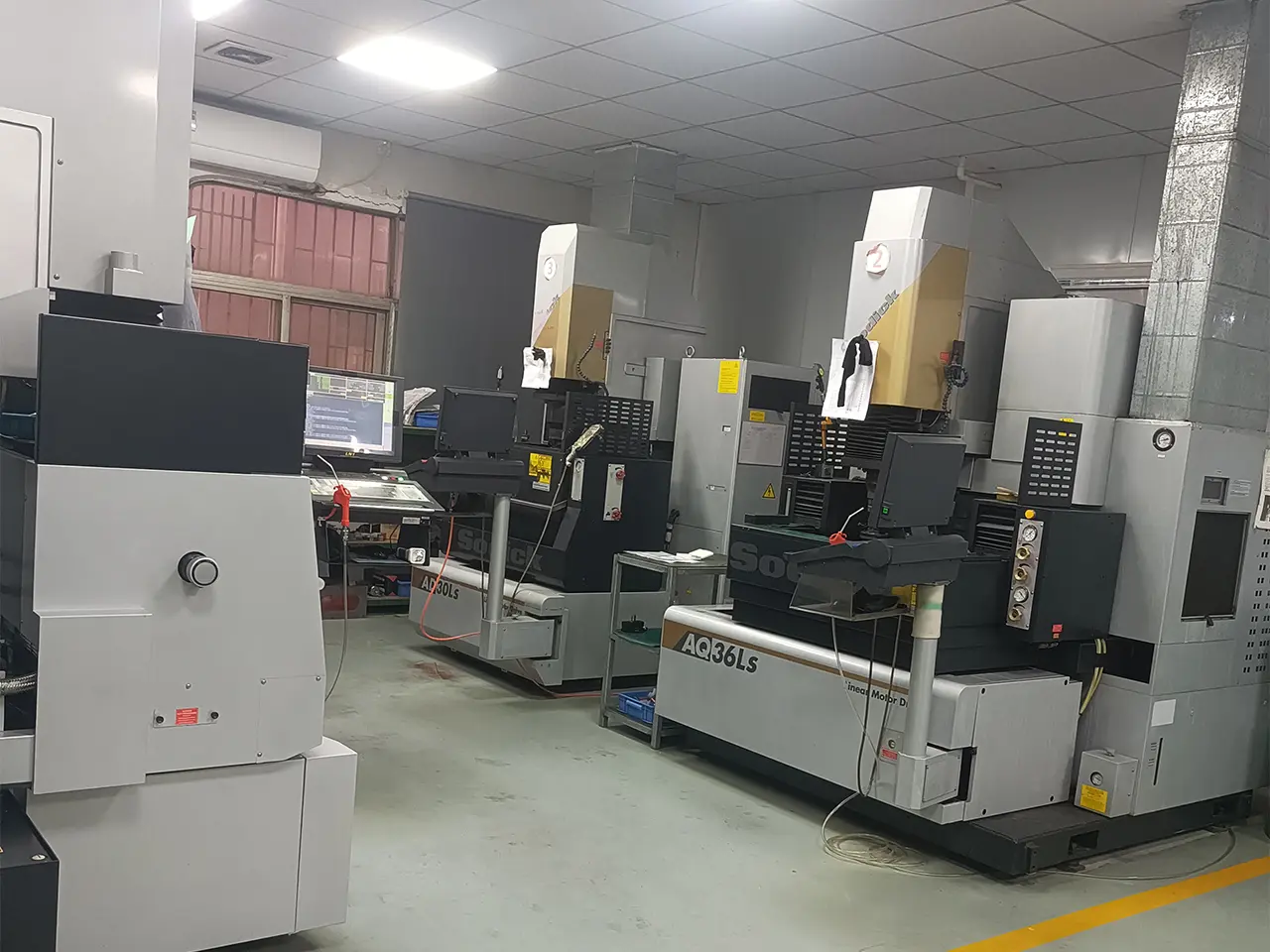
Shixin CNC turning and machining center workshop view 1
Shixin CNC milling automatic equipment view 2
High precision testing and production line area 3
Shixin lathe and turning precision machinery view 4
Automatic screw machining cell setup view 5
Finished parts inspection and packaging room view 6

Absolute Quality Control & Metrology Standards

Zero-defect manufacturing protocols backed by precision instruments and systematic testing.

We have professional testing equipment and professional QC personnel, and we adhere to strict tolerances and quality standards for the products we produce. Due to our insistence on strict quality requirements, we have been praised by many customers. Quality is the cornerstone of the manufacturing industry. We firmly believe that only by controlling quality well can we survive, develop, and get better and better. Therefore, we have been working in this industry unremittingly since 2014 and continue to Improve the company's team and improve the company's production capacity.

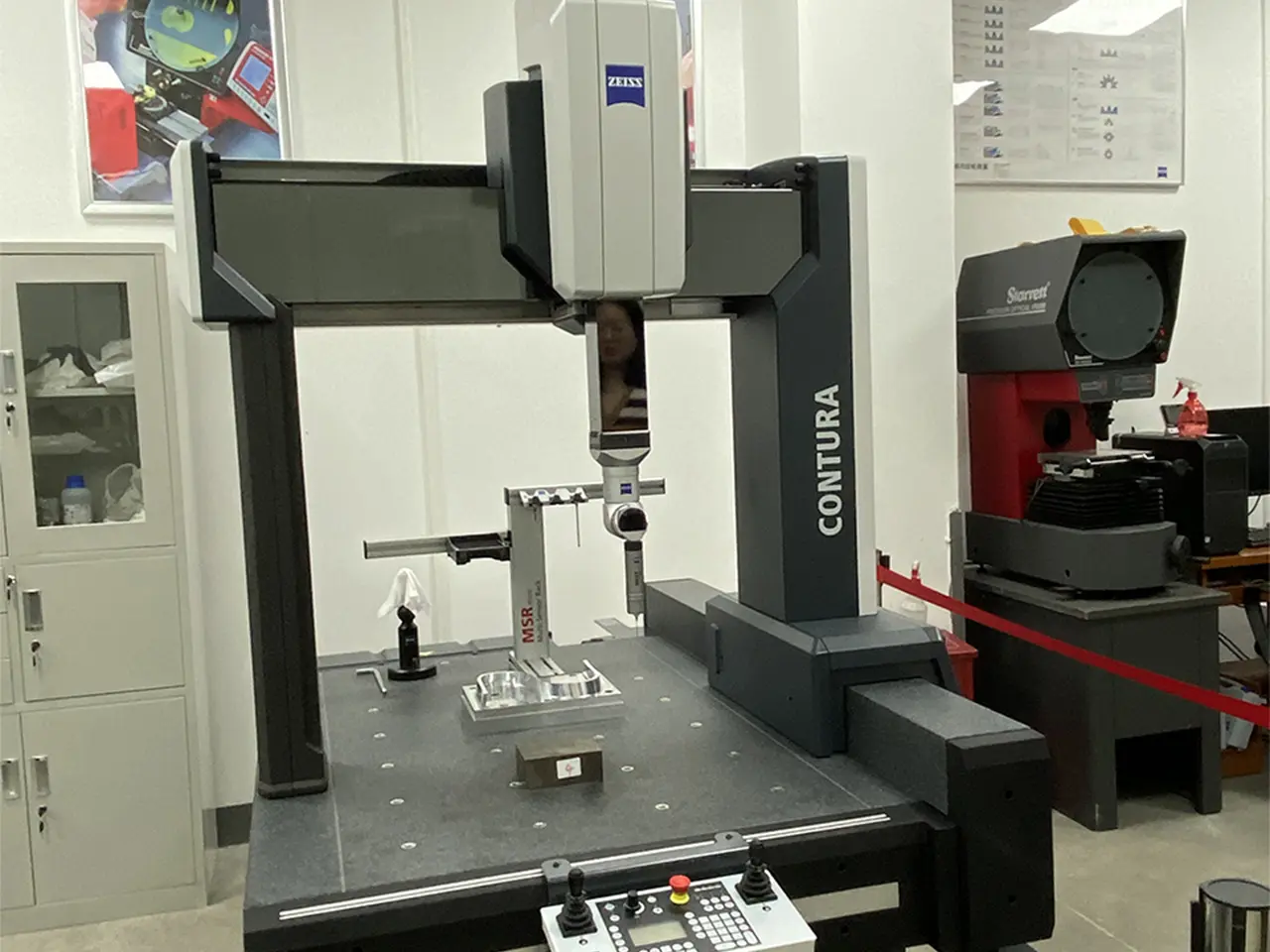
Our quality control protocols extend far beyond simple physical caliper checks. The Shixin quality lab operates continuous temperature-controlled coordinate measuring machines (CMM), optical project comparators, material hardness testers, and digital roughness gauges. Every batch of custom screw machining parts undergoes rigorous validation processes, including raw material chemical verification (spectrometer analysis), first-article inspection (FAI), in-process inspection at regular spindle-hour intervals, and final statistical process control (SPC) auditing. This multi-layered defense guarantees that every critical dimension, concentricity requirement, and surface finish (Ra) target is met before dispatch.
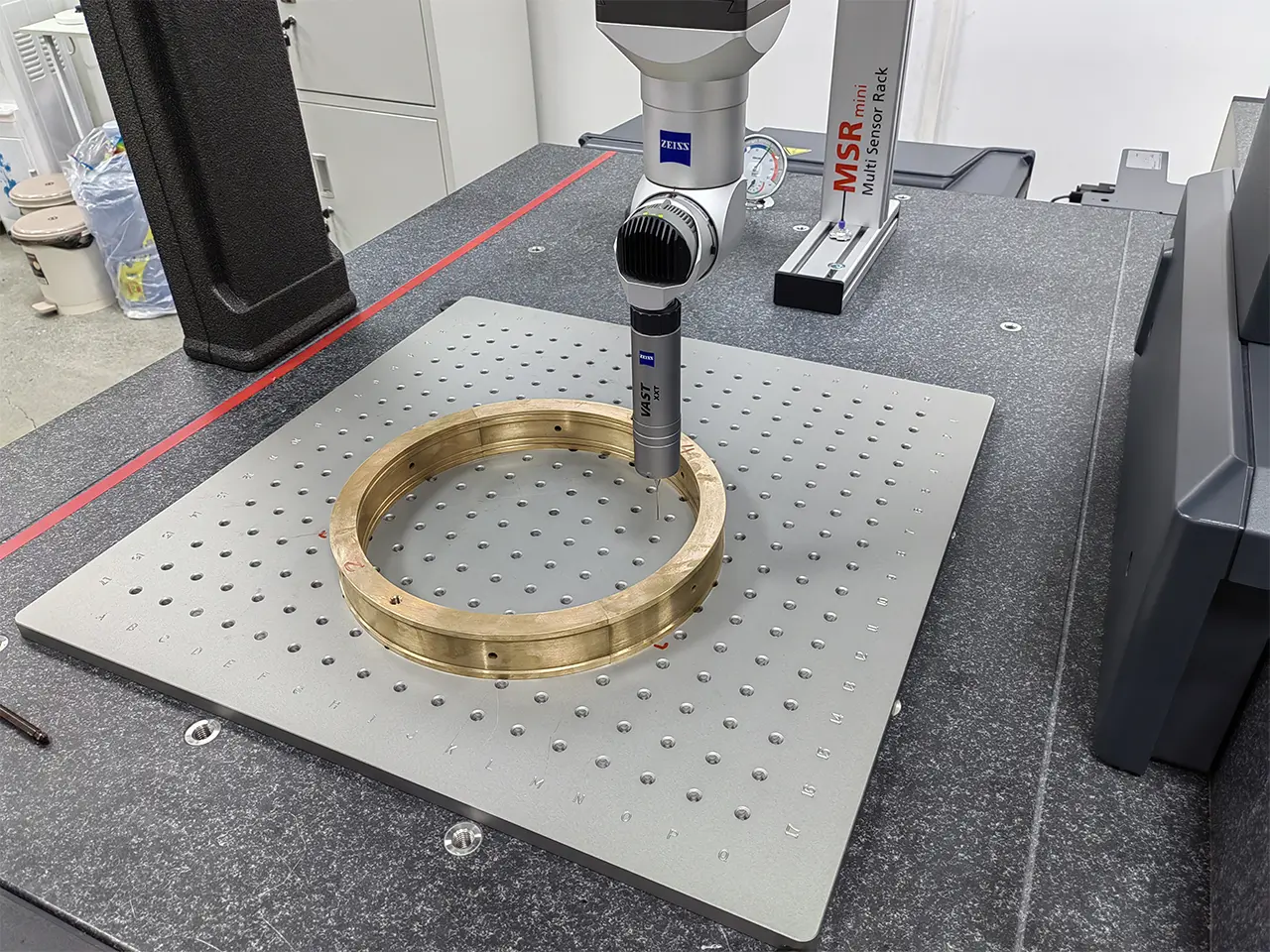
Shixin testing equipment and QC laboratory inspection

The Evolution & Future Trends of Precision Machining

How AI-driven tools, advanced kinematics, and sustainable materials shape the future of manufacturing.

1. Swiss CNC Kinematics

Traditional turning relies on static stock feed. Modern Swiss-type machining feeds the raw bar stock through a guide bushing past a fixed tool, eliminating part deflection and ensuring flawless aspect-ratio turning for long, thin parts.

⚙️

2. AI-Optimized CAM Toolpaths

Computational software algorithms analyze geometries to construct trochoidal toolpaths that prevent tool chatter, optimize chip thinning, and minimize heat build-up, ensuring maximum tool life and surface finish consistency.

♻️

3. High-Performance Metallurgy

Global shifts toward green energy require components that resist oxidation and chemical degradation in extreme setups. We specialize in processing complex alloys like Titanium Grade 5 and Duplex Stainless Steel 2205.

Specialized Casting & Precision CNC Components

Browse our advanced range of stainless steel investment castings and multi-axis CNC turned products designed for demanding fields.
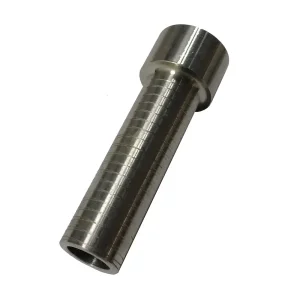
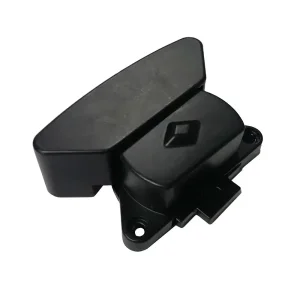
Custom Stainless Steel CNC turning Parts
View Details
Custom Automotive Investment Castings
View Details
China High precision non-standard OEM stainless steel investment casting parts
China High precision non-standard OEM stainless steel investment casting parts Manufacturers, Products
View Details
Custom Non-standard custom metal CNC machining components Manufacturer
Custom Non-standard custom metal CNC machining components Manufacturer, Factory
View Details
Custom Stainless steel precision casting parts for marine projects
Custom Stainless steel precision casting parts for marine projects Product, Factories
View Details
Custom Metal Casting Parts for Outdoor Sports Equipment
View Details
OEM Stainless steel cast bus armrest bracket Manufacturers
OEM Stainless steel cast bus armrest bracket Manufacturers, Supplier
View Details
Custom Non-Standard Metal Precision Casting Components
View Details

Industrial FAQ & Engineering Technical Reference

Actionable engineering advice and design for manufacturability (DFM) details for custom screw machined components.

What distinguishes Swiss-type automatic lathes from traditional multi-spindle screw machines?
The fundamental difference lies in the support of the workpiece during the cutting action. On a Swiss-type CNC machine, the bar stock is fed through a guide bushing, meaning that cutting tools always operate within fractions of a millimeter from the support point. This minimizes deflection, allowing parts with large length-to-diameter ratios (exceeding 20:1) to be turned to tolerances of ±0.005 mm. Traditional multi-spindle automatic screw machines, on the other hand, feed the stock out of a collet without a sliding guide bushing, making them faster for shorter, simpler parts but less suitable for long, ultra-precise geometries.
How can procurement teams reduce the piece-part cost of custom screw machined products?
First, maximize the tolerance bands where possible—specifying a ±0.01mm tolerance on a non-critical diameter where ±0.05mm is sufficient dramatically increases cycle time and inspection overhead. Second, avoid square internal corners; design parts with radii that match standard round turning tools to avoid secondary operations. Third, standardize raw material selections. Choosing highly machinable grades (such as SS303 instead of SS316, or C36000 brass) reduces tool wear and optimizes feed speeds, saving significant machine-hour costs.
What are the primary materials processed for high-stress marine and aerospace applications?
For marine engineering, we focus on Stainless Steel 316L, Super Duplex, and Titanium Alloys (such as Ti-6Al-4V Grade 5) because of their resistance to chloride stress corrosion cracking. For high-speed mechanical gear systems and structural linkages, we utilize high-tensile alloy steels, Carbon Steel (like 12L14 for free-cutting characteristics), and high-grade aluminum alloys (like 7075-T6 for high strength-to-weight ratios).
What surface treatment capabilities does Shixin support post-machining?
We provide a comprehensive range of finish operations including chemical passivation for stainless steel (to remove free iron from surfaces), anodizing (Type II and Type III hard coat) for aluminum components, zinc/nickel plating, electropolishing for medical-grade finishes, case hardening, gas nitriding, and PVD coating for wear-resistant components. All treatments are validated by coating thickness testing and salt-spray testing where required.
How does Shixin manage dimensional quality control on high-volume runs?
We implement statistical process control (SPC) using real-time variable control charts. In addition to First-Article Inspections, our operators execute hourly audits on critical characteristics using calibrated air gauges, laser micrometers, and thread-ring gauges. Our metrology lab is equipped with multi-sensor CMM systems to run automatic measurement routines, guaranteeing that batch deviations are caught and corrected at the machine tool controller before parts leave the nominal target range.
Why choose Dongguan SX Technology Co.,Ltd over local domestic vendors?
We provide a unified pathway from casting to finish-machining. While many domestic machine shops must outsource castings to secondary foundries, we perform both precision investment casting and CNC Swiss machining in-house. This gives us full control over the structural grain boundary, material integrity, and dimensional layout of the part from the liquid steel stage to the final micrometer-finished component, ensuring reliable performance and faster delivery.
What files are required for an RFQ submission, and what is your average response time?
We accept standard 3D CAD files (STEP, IGES, Parasolid) alongside 2D engineering drawings (PDF, DWG) which specify tolerances, thread parameters, and surface finish metrics. Our technical engineering division reviews submissions and provides comprehensive RFQ proposals detailing manufacturing steps, lead times, and shipping terms within 24 to 48 hours.
How do you support prototype and small-batch development cycles?
We recognize that modern product lifecycles require design flexibility. Our dedicated prototype cell has CNC systems set up specifically to process small-batch orders (10 to 500 units) quickly, helping engineers validate physical models, perform structural stress tests, and refine their products before starting high-volume runs.