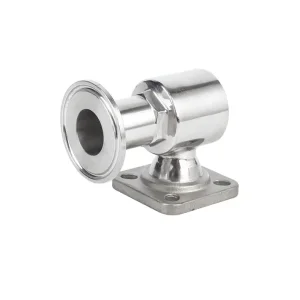
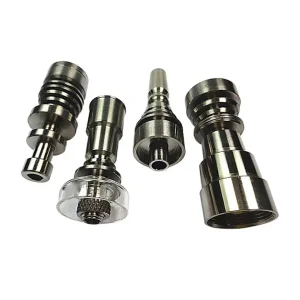
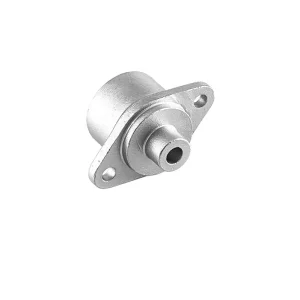
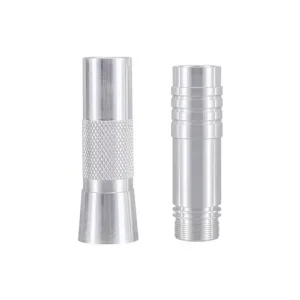
In the modern industrial landscape, stainless steel investment casting remains an irreplaceable process for manufacturing intricate, high-tolerance components. Historically rooted in the ancient lost-wax method, contemporary investment casting has undergone a digital transformation. The integration of computer-aided design (CAD), simulation software, and automated robotic dipping systems has elevated the precision of this age-old craft.
Today, global commercial and industrial sectors demand materials that can withstand aggressive chemical corrosion, extreme temperatures, and high mechanical fatigue. Stainless steel variants, such as austenitic (304, 316), duplex, and martensitic grades, offer the necessary chemical composition and microstructural stability. From deep-sea drilling platforms to pharmaceutical reactors, investment castings provide net-shape or near-net-shape components that reduce the need for extensive post-process machining, minimizing raw material waste and energy usage.
As global supply chains adapt to geopolitical shifts and cost volatility, procurement managers look for manufacturers that possess comprehensive capabilities: combining precision casting, complex thermal treatment, and CNC finishing under one roof. This synergy is essential to meet strict lead-time schedules and satisfy rigorous regulatory requirements.
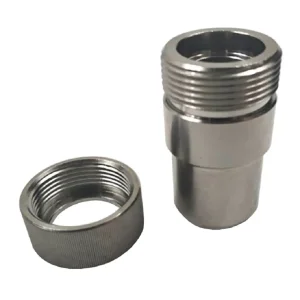
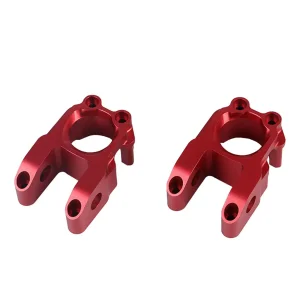
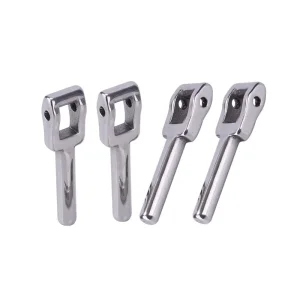
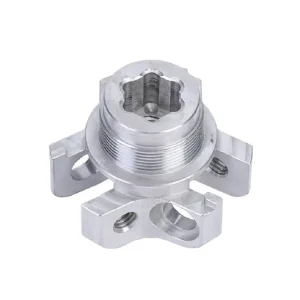
Dongguan SX Technology Co.,Ltd (often recognized as Shixin) has accumulated exceptionally rich experience in precision casting, CNC machining, and full-scale assembly. Our comprehensive, end-to-end production ecosystem is designed to deliver bespoke components utilized in machinery, automobiles, marine, ships, equipment, valves and pumps, electronic appliances, packaging, watches, construction, chemical industries, and many other high-stakes applications.
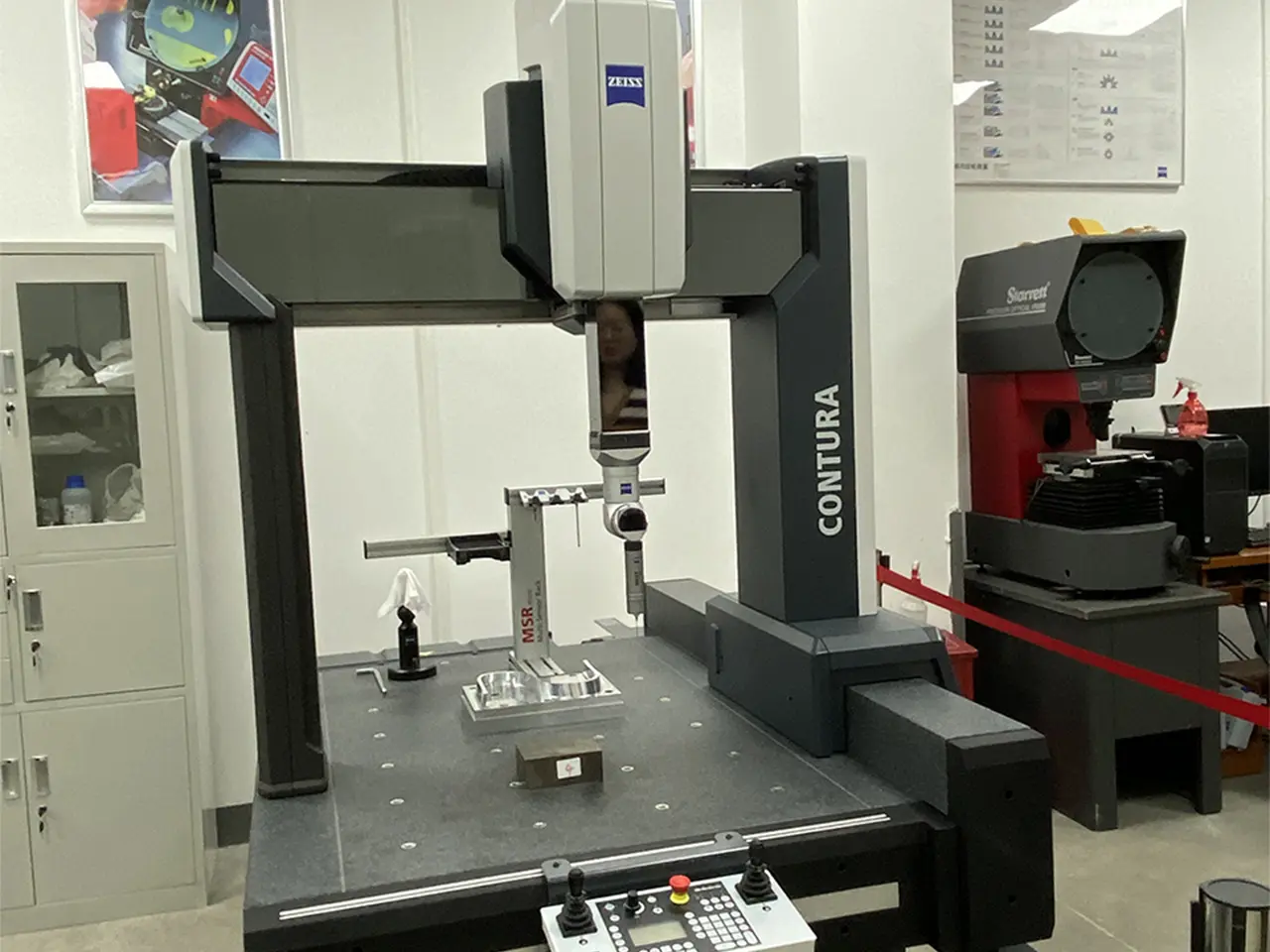
For investment casting processes, our structural metallurgical focus is centered on stainless steel and carbon steel. In parallel, our high-precision CNC machining division works with an array of premium materials, including titanium alloys, stainless steel, carbon steel, aluminum alloys, copper alloys, and cemented carbides. Armed with advanced manufacturing machinery, professional metrology labs, and optimized process control, we respond rapidly to complex technical requests, guaranteeing that your products match your design specifications down to the micrometer.
Our facilities utilize optimized automated tooling, constant-temperature shell drying lines, vacuum melting ovens, and CNC machining centers to maintain structural integrity and dimensional consistency.
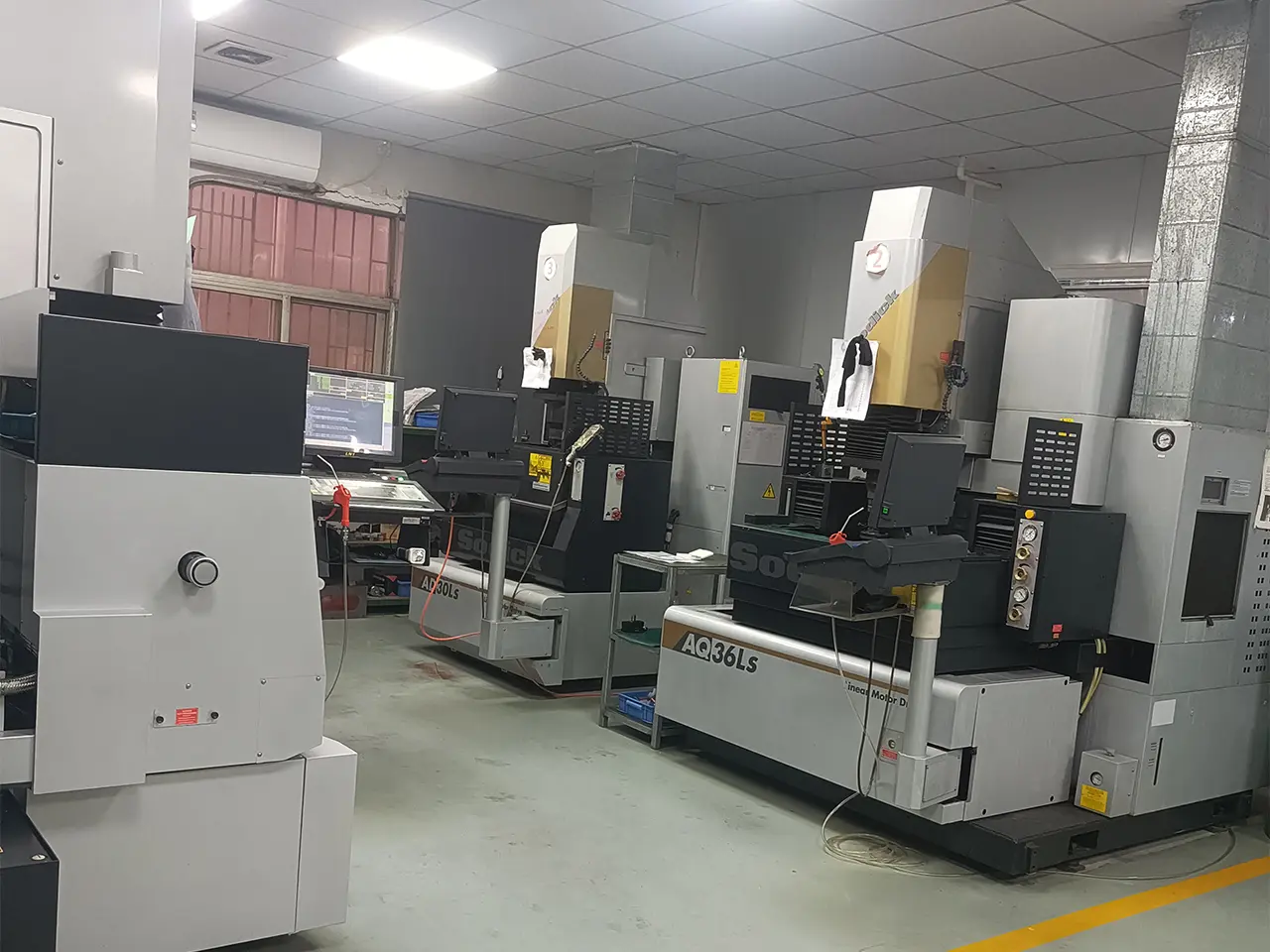
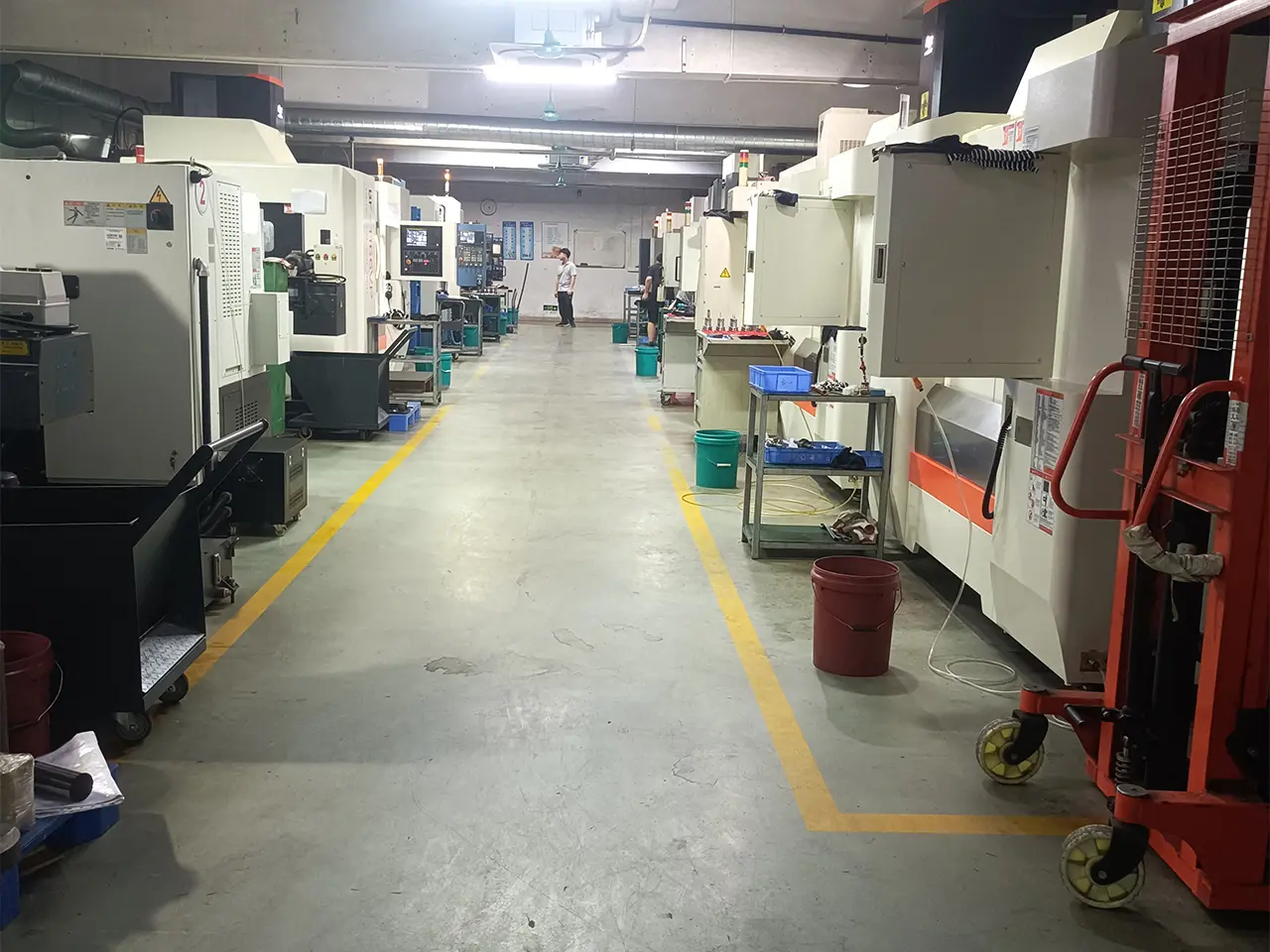
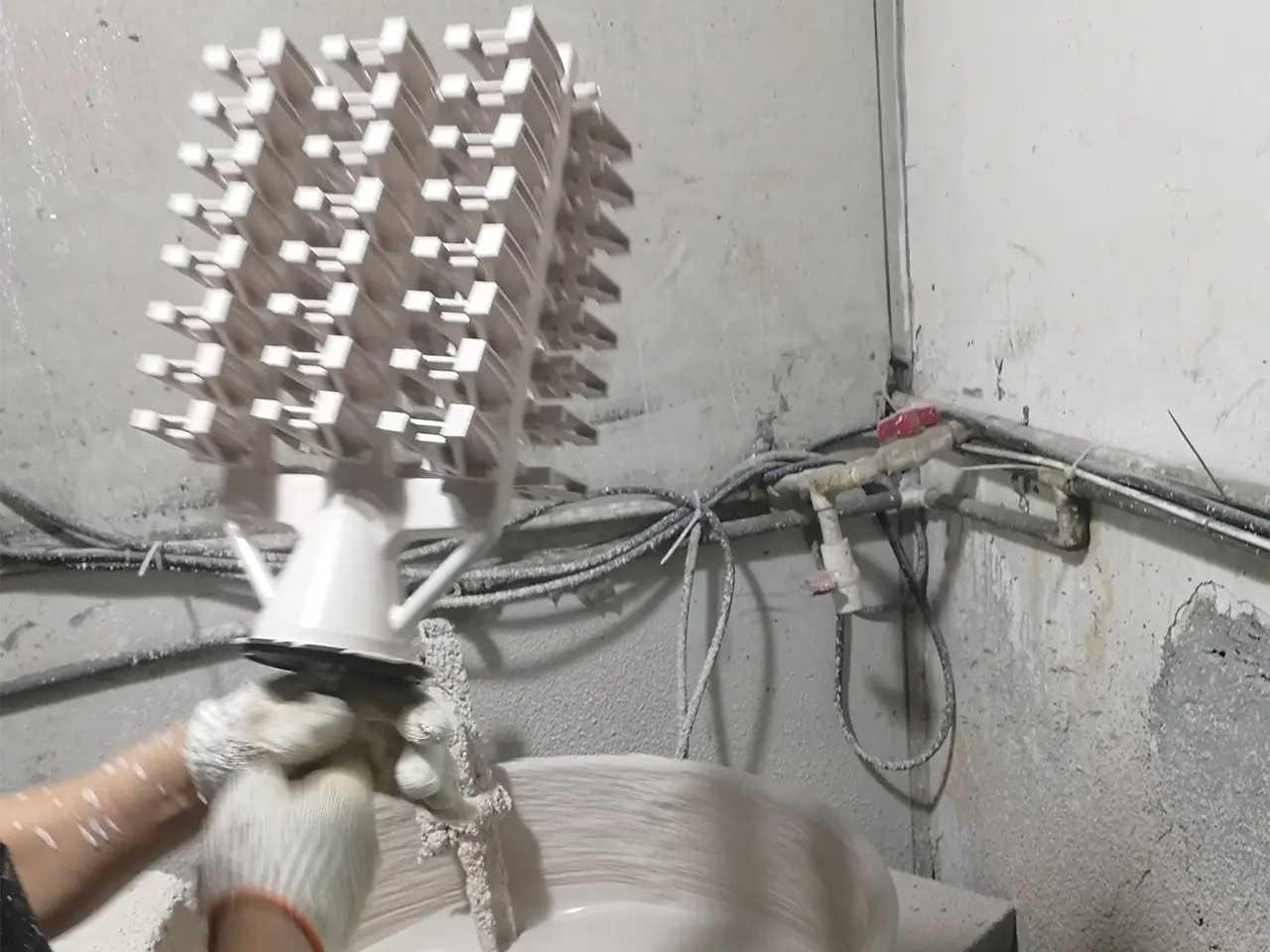
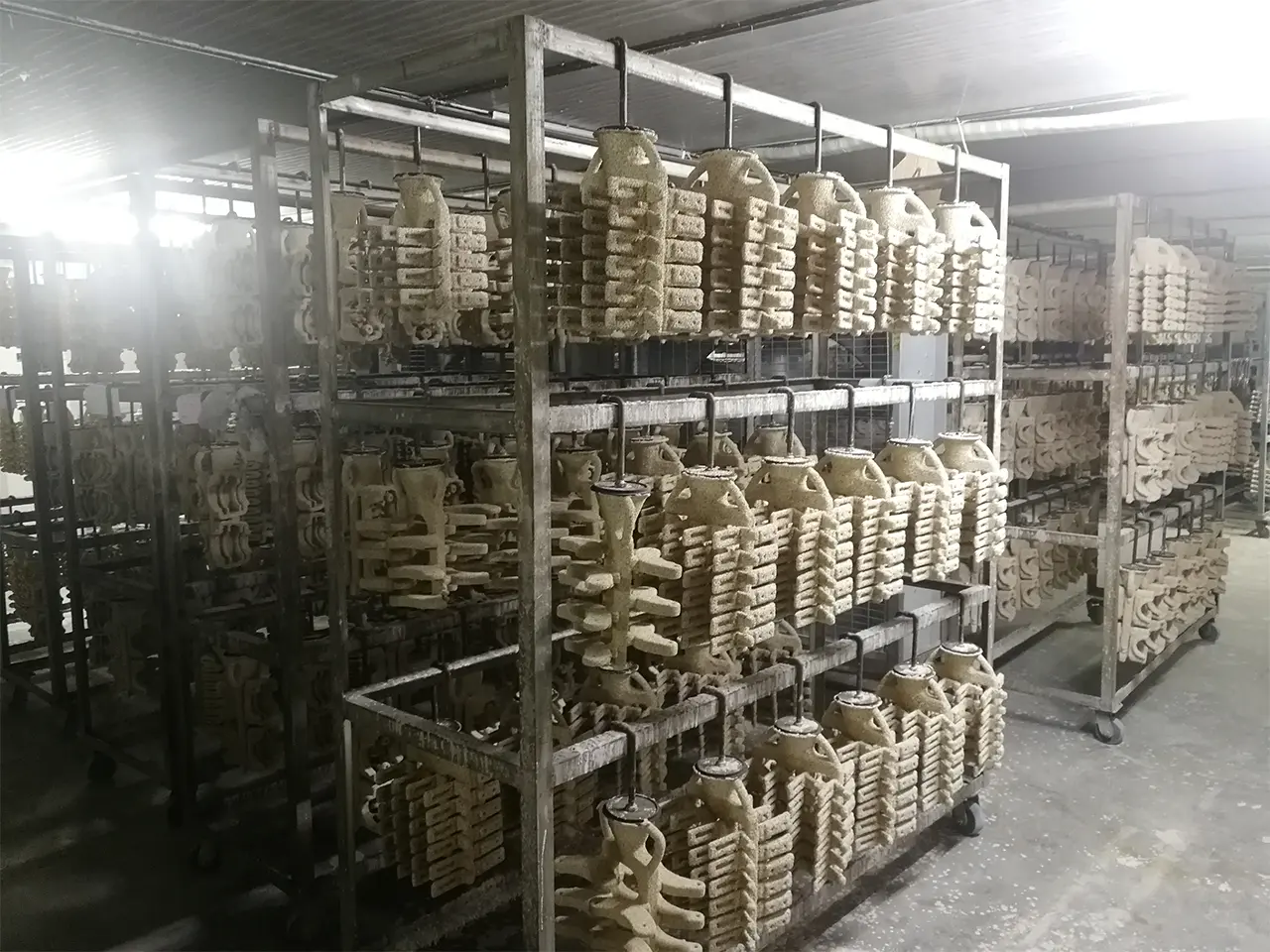
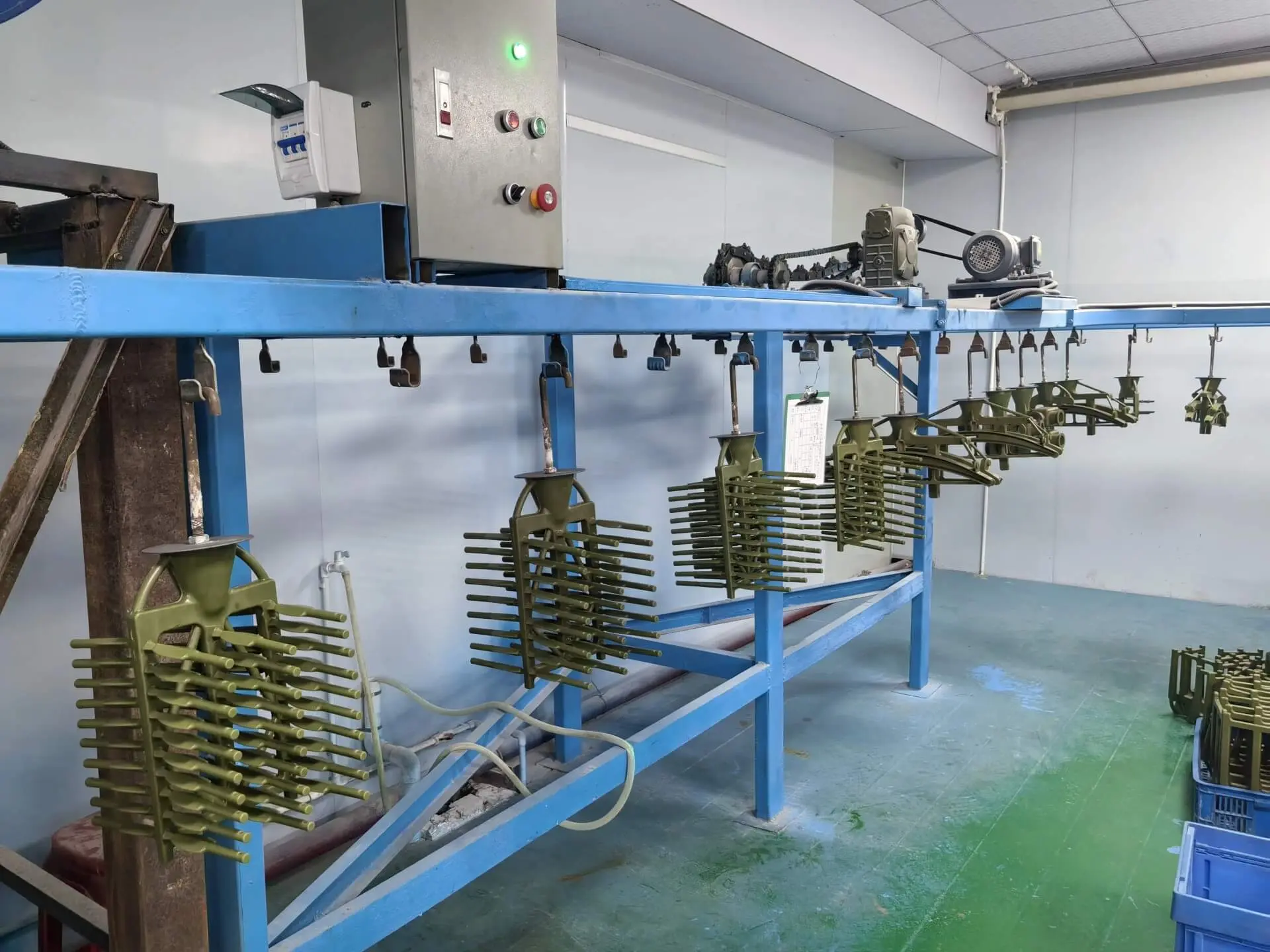
How Dongguan Shixin integrates digitized raw material forecasting, automated production scheduling, and optimized shipping hubs to build a modern supply chain.
By integrating design review, mold building, investment casting, thermal heat treatment, and precision CNC milling under one roof, we eliminate intermediate handling delays and decrease lead times by up to 30%.
We operate strict spectrographic material analysis. Whether you require ASTM, DIN, JIS, or GB compliance, every batch of stainless steel is fully documented with chemical composition and physical properties reports.
Our strategic location in Dongguan links our facility with direct access to shipping ports in Shenzhen and Guangzhou, enabling flexible logistics and reliable supply chains to withstand unexpected macro bottlenecks.
Stainless steel castings serve across diverse, demanding operating environments. We customize structural components based on specific local environmental stresses.
Deep-sea offshore structures, propeller shafts, mooring blocks, and deck hardware must endure high chloride concentrations. We use CF8M (316 equivalent) and Duplex stainless steel to resist pitting, crevice corrosion, and mechanical cavitation under constant load.
High-strength interior bus armrests, structural brackets, exhaust manifolds, and turbochargers. Precision investment castings offer optimal strength-to-weight ratios, ensuring vehicle safety while reducing unnecessary weight.
Pump housings, impellers, gate valve bodies, and chemical process piping connections. High temperature and chemical resistance must be coupled with void-free microstructure to prevent gas-leakage or structural failures under high pressures.
Quality is the cornerstone of the manufacturing industry. We firmly believe that only by controlling quality well can we survive, develop, and grow. Therefore, we have been working in this industry unremittingly since 2014, refining the company's team capabilities and improving our production technology.
We employ professional testing equipment and expert QC personnel, adhering to strict dimensional tolerances and microstructural quality standards for every part we produce. Our quality control procedure consists of:
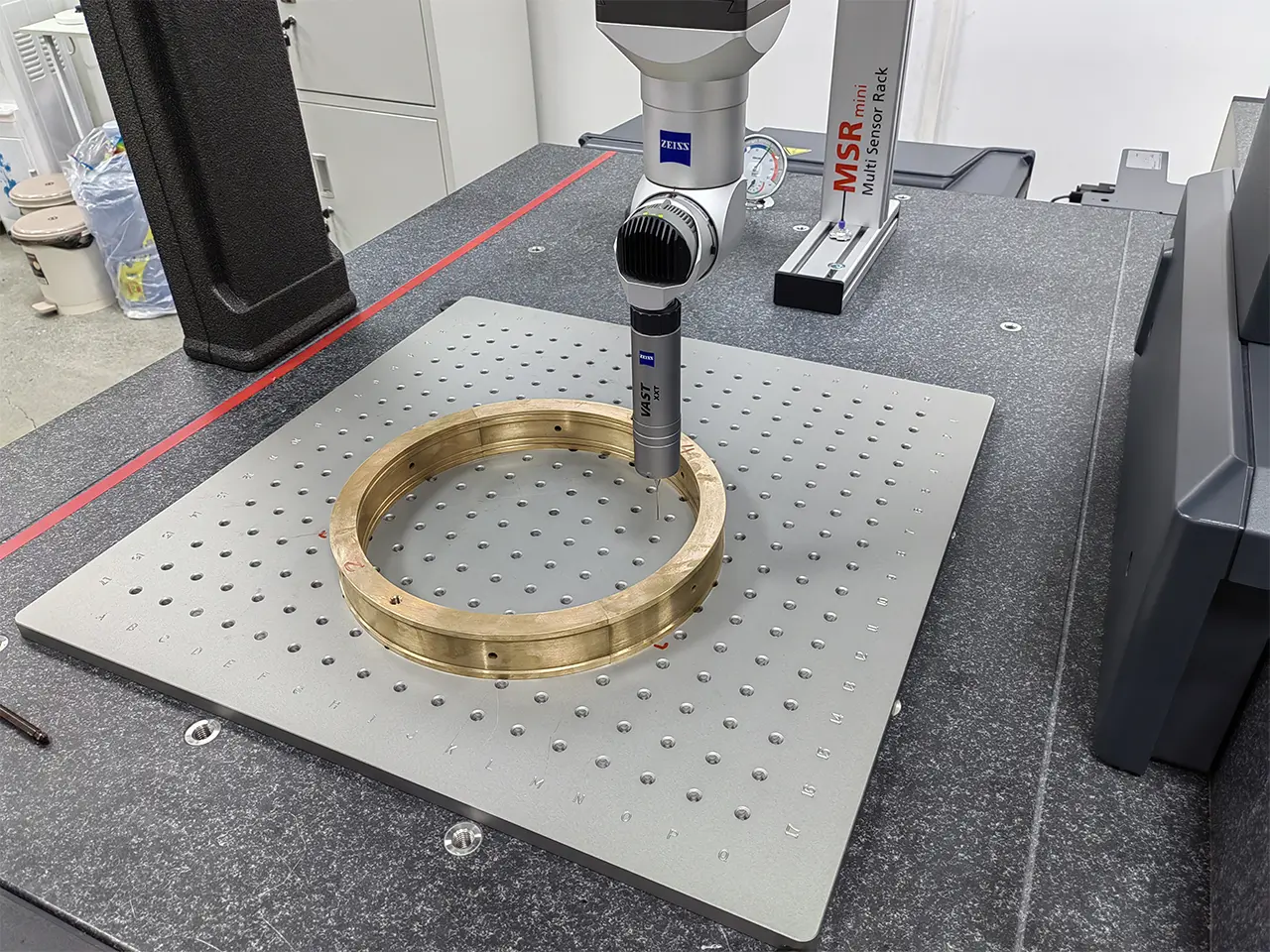
Expert insights on design limits, material selection, casting tolerances, and post-casting treatments.
Typically, linear tolerances for stainless steel investment casting follow the VDG P690 or ISO 8062 guidelines. For most castings, a tolerance of ±0.1mm to ±0.2mm per 25mm is standard. However, features requiring higher precision are finalized using secondary CNC milling or grinding, where tolerances can be held to ±0.005mm.
Duplex stainless steels (such as 2205) feature a mixed microstructural phase of austenite and ferrite (approx. 50/50). This structure yields double the yield strength of standard austenitic 316L and provides superior resistance to stress corrosion cracking, localized pitting, and chloride environments, making it ideal for marine and heavy chemical applications.
Silica sol casting delivers significantly better surface finishes (Ra 3.2 to 6.3μm vs. Ra 12.5μm) and dimensional accuracy. While water glass casting has a lower initial production cost, silica sol allows for the creation of intricate thin-walled structures and complex features, reducing final machining times.
We use mold flow simulation software to design optimal gating systems, risers, and vents. During casting, strict pouring temperature ranges and vacuum systems are utilized. Post-pour, components can undergo Hot Isostatic Pressing (HIP) or comprehensive non-destructive testing (such as ultrasonic or X-ray inspection) to verify structural integrity.
 SX Machining