Decoding the Search Intent of Procurement Engineers Seeking Local Foundries vs. Overseas Powerhouses
When engineering directors and procurement leads search for a "steel casting near me" supplier, they are rarely looking for just a geographical proximity. In the modern industrial framework, this query signifies a demand for reduced logistical lead times, rapid prototyping loops, clear real-time technical communication, and risk-mitigated supply chains. However, local foundries in high-cost regions face structural bottlenecks including strict local environmental limits, lack of comprehensive downstream CNC machining facilities, and high labor costs that limit production scalability.
This is where the combination of local technical representation and highly efficient global manufacturing clusters comes in. By partnering with advanced production factories, global buyers can balance localized project management with specialized mass production. The current global market trends show that foundries offering integrated, turnkey services—combining design support, simulation-assisted casting, multi-axis CNC finishing, and metrological validation—consistently outperform traditional raw-casting shops.
Modern steel casting is no longer a simple foundry process. High-performance fields like aerospace, marine exploration, deep-sea oil and gas, and transport infrastructure require strict adherence to chemical specifications and mechanical properties. Choosing the right partner requires assessing their ability to control microstructures, perform non-destructive testing (NDT), and provide full metallurgical traceability.
In this whitepaper, we analyze how specialized manufacturing centers leverage cost advantages and end-to-end processing to deliver high-quality components worldwide, meeting the quality standards required by international buyers.
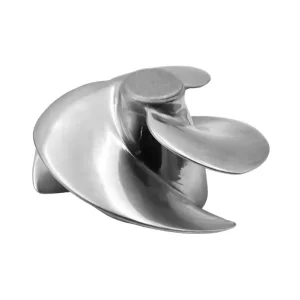
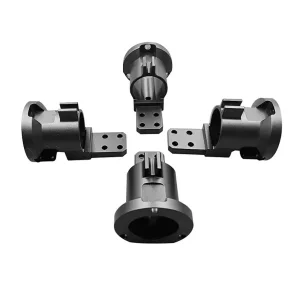
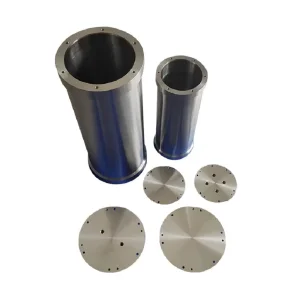
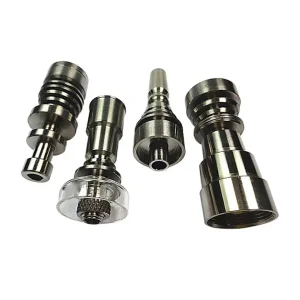
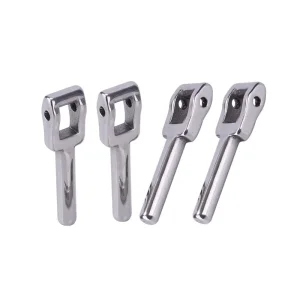
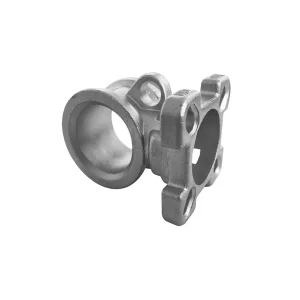
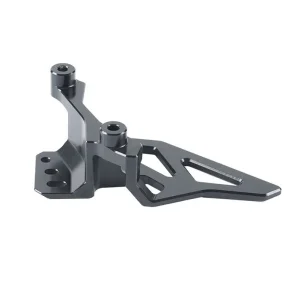
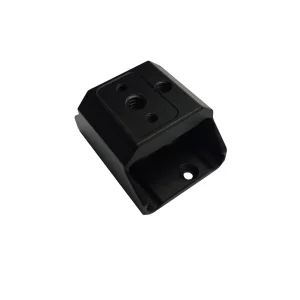
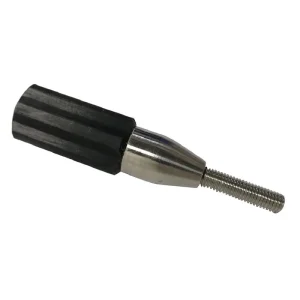
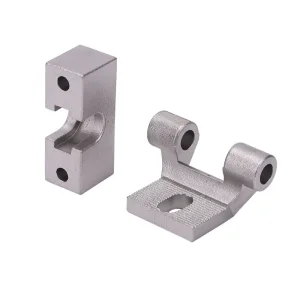
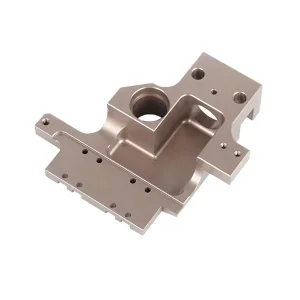
Dongguan SX Technology Co.,Ltd has very rich experience in precision casting, CNC machining and assembly. Our products are used in machinery, automobiles, marine, ships, equipment, valves and pumps, electronic appliances, packaging, watches, construction, chemical industry and other industries.
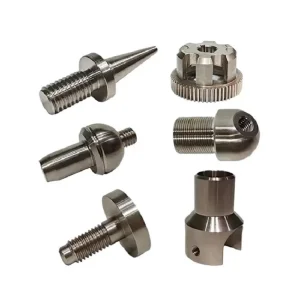
The most commonly used materials for investment casting are stainless steel and carbon steel. And the most commonly used materials for CNC machining include titanium alloy, stainless steel, carbon steel, aluminum alloy, copper alloy, cemented carbide, etc. We have advanced manufacturing equipment and technology and are able to respond quickly to your needs.
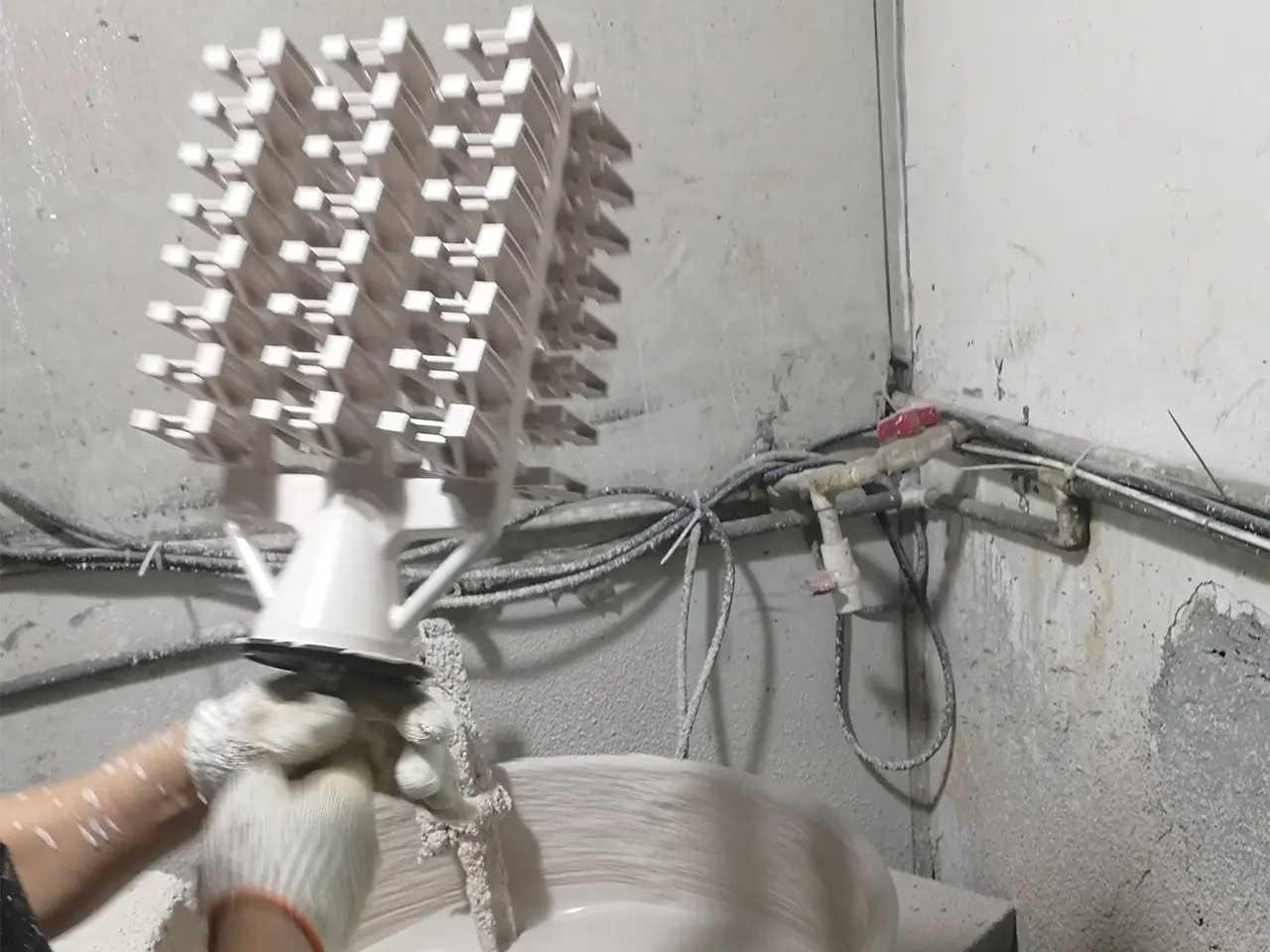
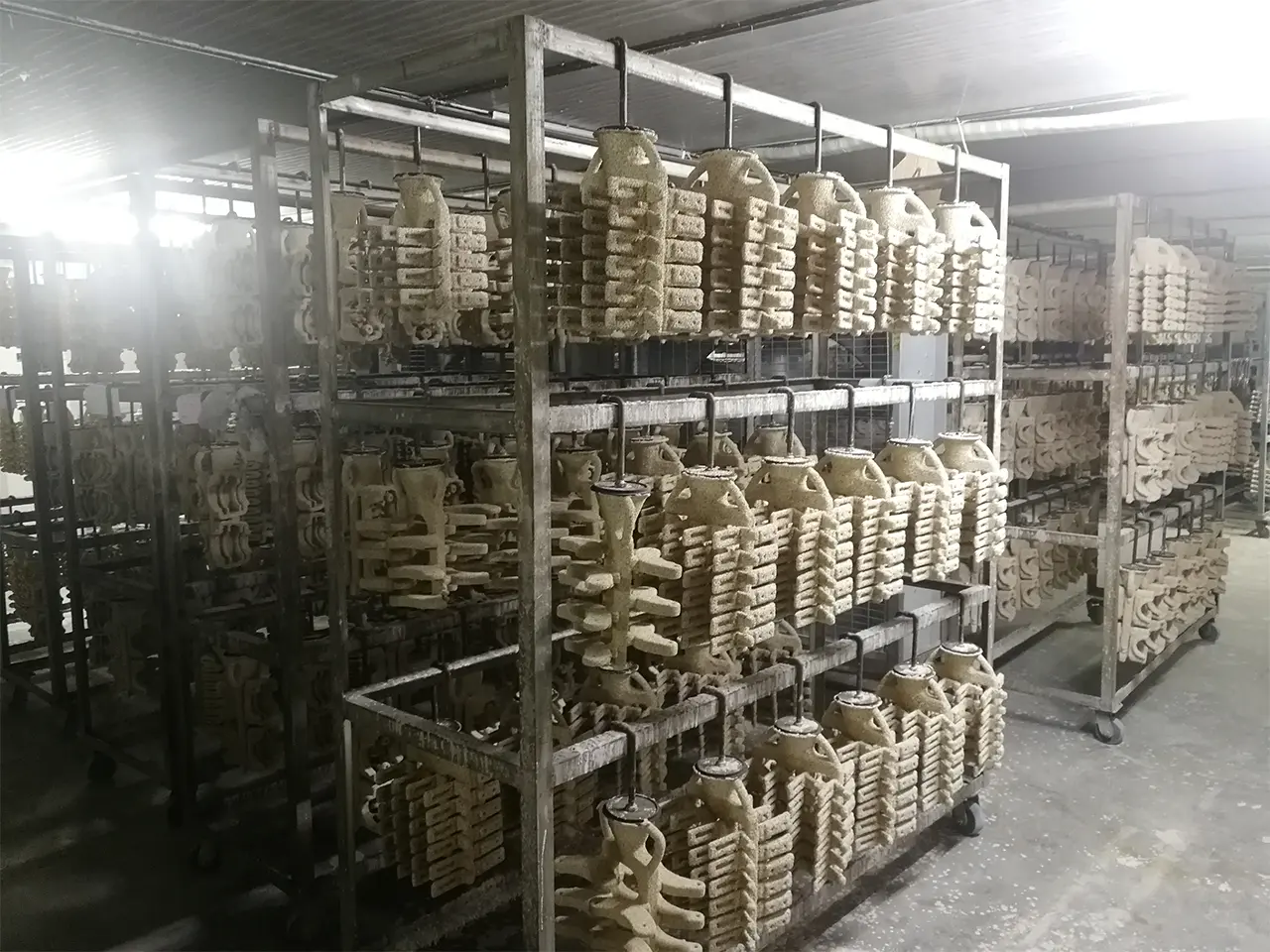
By using wax patterns and ceramic shell investment casting technologies alongside modern post-processing, we ensure our components meet tight dimensional tolerances and surface finish requirements. This allows us to serve as a reliable offshore supplier that delivers quality on par with local foundries.
Analyzing the Synergy of Advanced Tooling, Raw Sourcing, and Streamlined Supply Chains
Southern China, and specifically the Pearl River Delta industrial cluster, has built a highly integrated manufacturing ecosystem. When a project moves from design to physical part, the proximity of material suppliers, heat-treatment providers, and specialized laboratory testing services saves significant lead time. A local Western supplier might wait weeks for a specialty alloy melt or third-party radiographic testing. In contrast, Chinese precision casting hubs complete these steps locally within days.
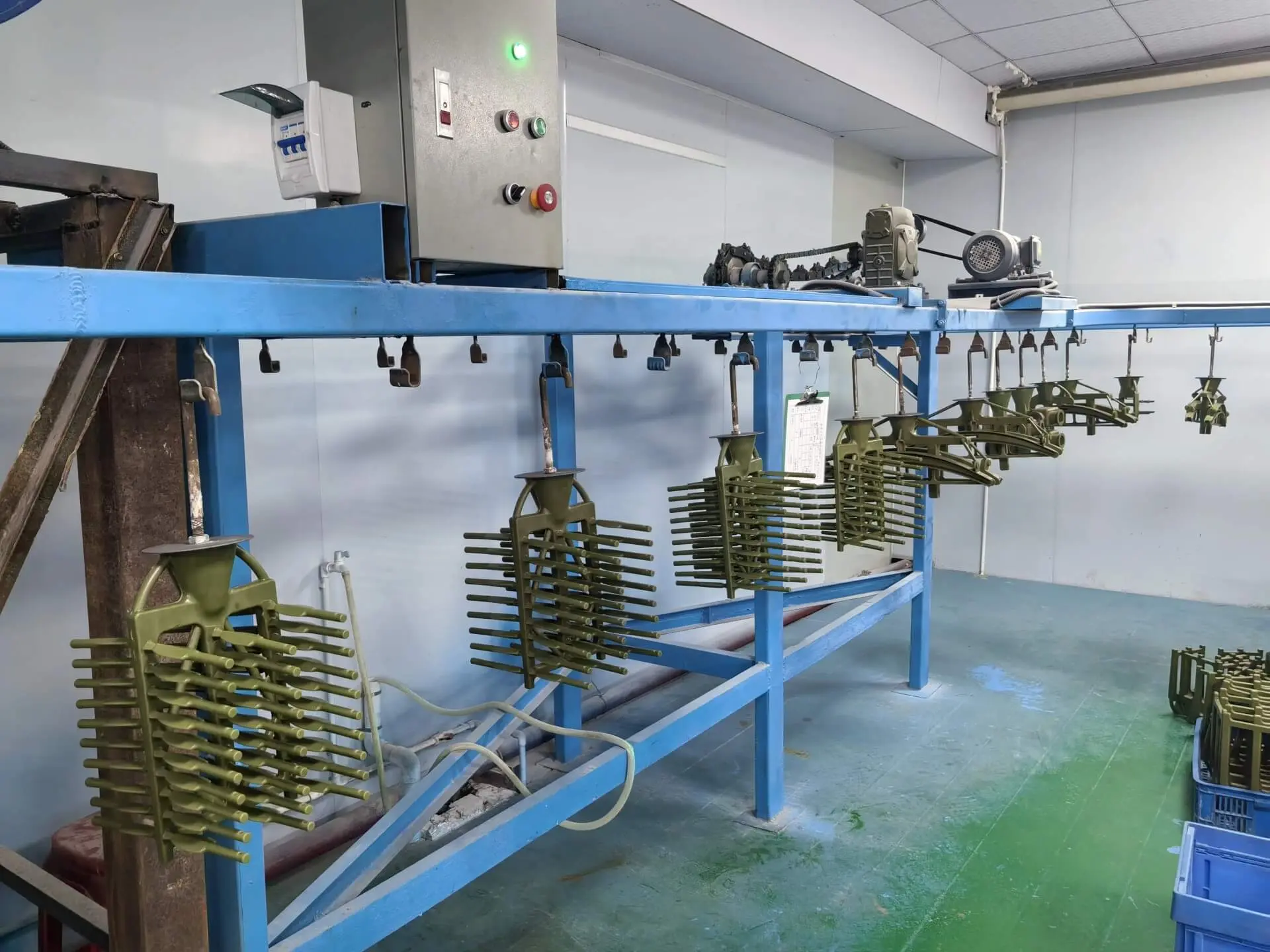
Additionally, the integration of CNC finishing with foundry operations is standard practice here. Historically, buyers had to source casting from one shop and ship it to a separate machine shop for precision tolerances. This added logistics costs and created quality issues when casting defects were found during machining. Dongguan SX Technology offers an integrated process under one roof, reducing scrap rates and clarifying quality responsibility.
From an engineering perspective, this regional synergy allows for cost-effective tooling fabrication. Using multi-cavity tool geometries and aluminum or steel molds allows foundries to offer prototypes quickly and scale up to high-volume production with low capital investments. This is why international procurement teams utilize offshore partners for series production, maintaining a reliable supply chain while managing costs.
Furthermore, local raw material supply chains provide reliable access to alloying elements. Whether processing standard ASTM A351 CF8M stainless steel or specialized titanium alloys for deep-sea equipment, these foundries maintain access to certified materials, ensuring consistent mechanical properties across production lots.
Inside our manufacturing and machining facility in Dongguan, China
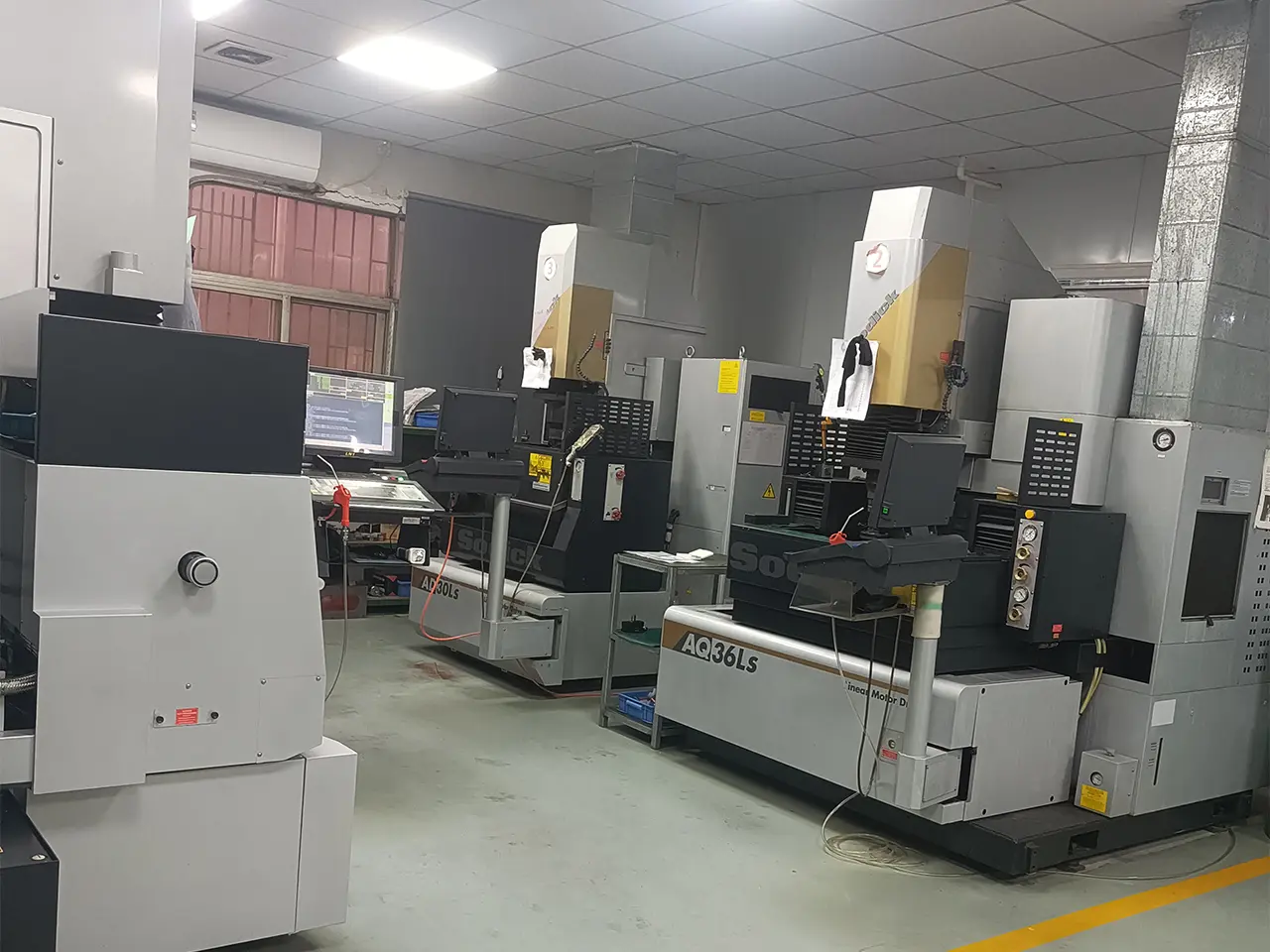
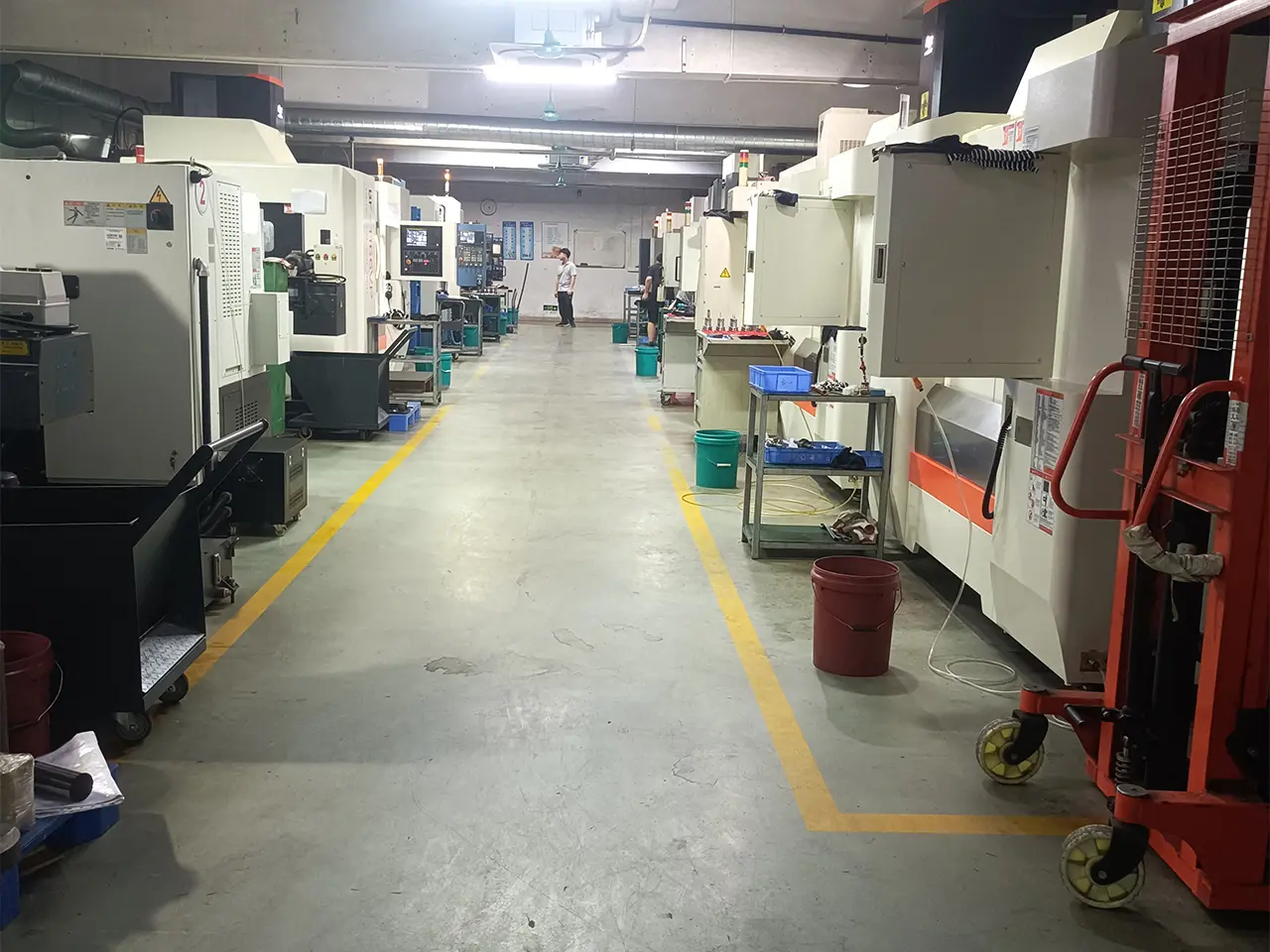
How Custom Castings and Precision Machined Parts Perform in Demanding Environments
Marine applications demand materials that withstand salt-water corrosion and high pressure. Custom titanium alloy components and marine-grade stainless steels (such as CF3M/316L) provide the necessary corrosion resistance for subsea valves, offshore piping, and deep-sea exploration equipment.
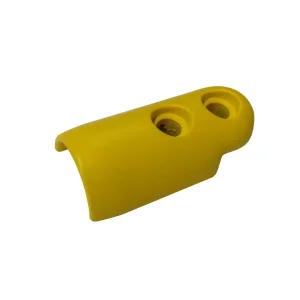
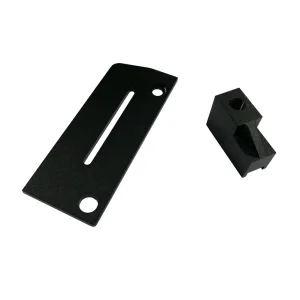
Automotive and public transit vehicles require components that balance structural durability with weight efficiency. Our manufacturing of parts like stainless steel bus armrest brackets highlights the combination of clean surface aesthetics with strong mechanical load capacity.
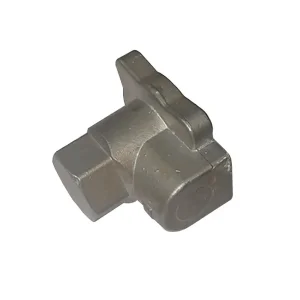
Industrial valves must contain high pressures without leaking. Investment cast valve bodies, caps, and gates offer uniform wall thickness and minimal internal defects, outperforming sand-cast alternatives under pressure cycling tests.
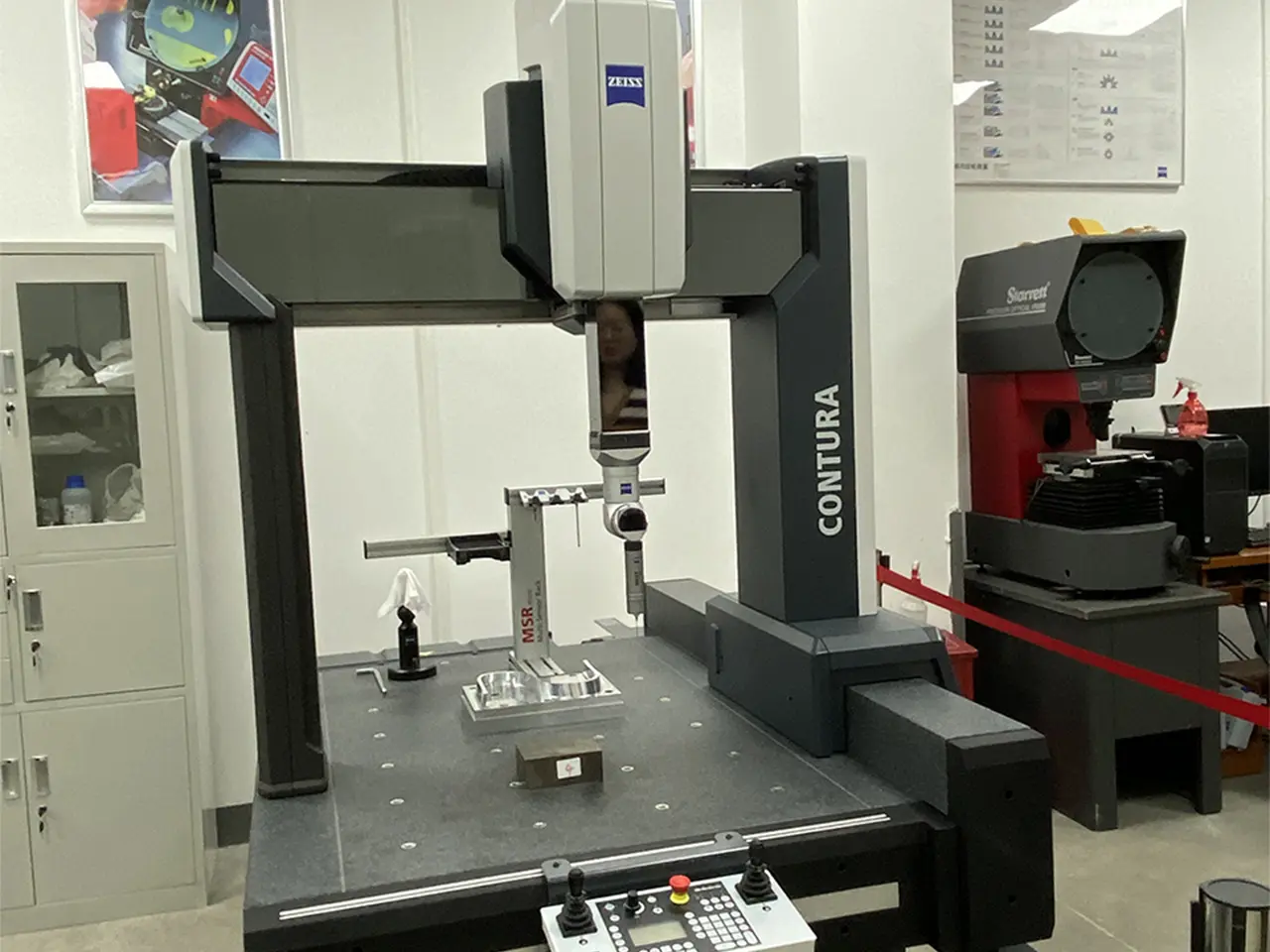
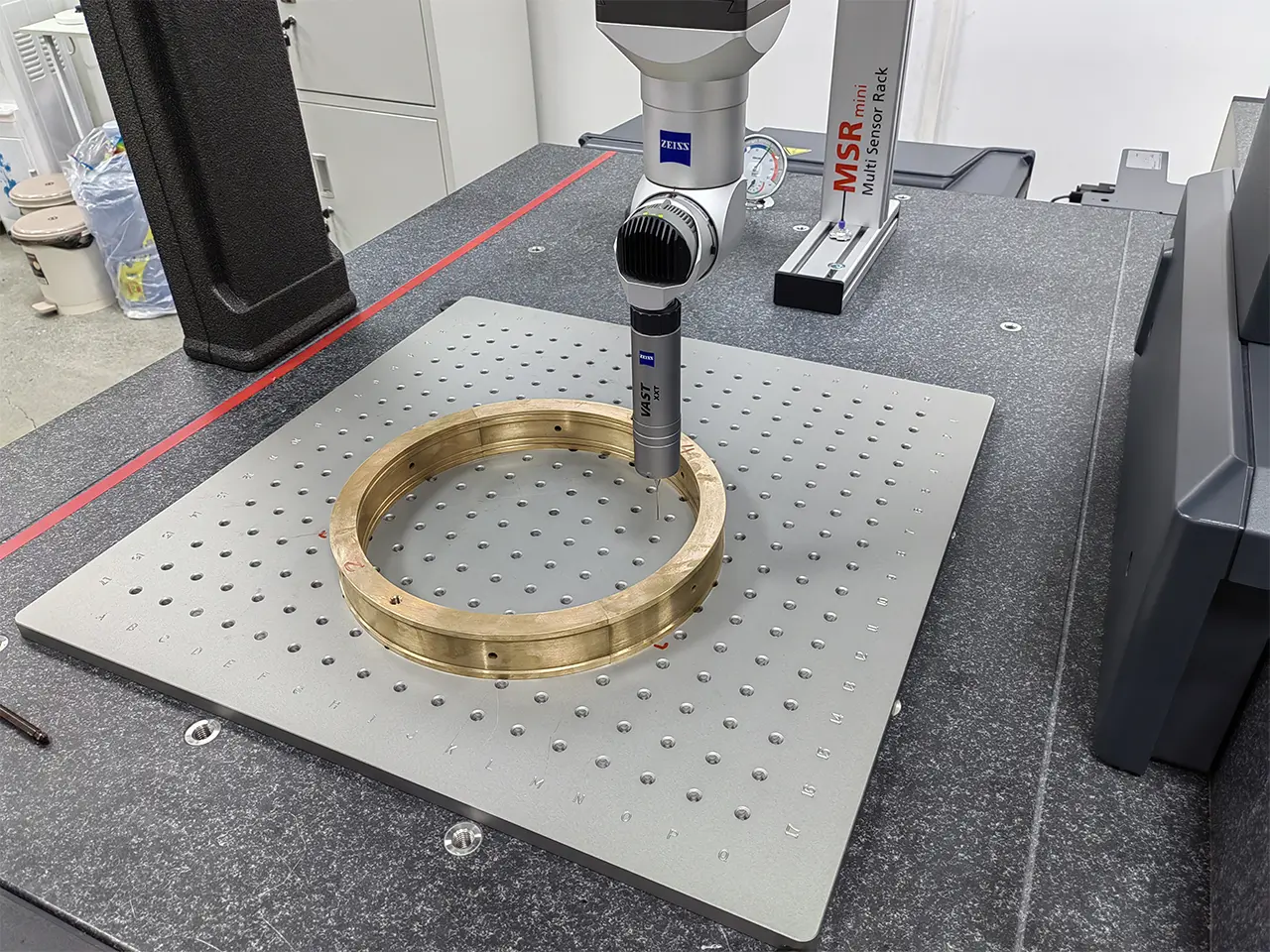
We have professional testing equipment and professional QC personnel, and we adhere to strict tolerances and quality standards for the products we produce. Due to our insistence on strict quality requirements, we have been praised by many customers.
Quality is the cornerstone of the manufacturing industry. We firmly believe that only by controlling quality well can we survive, develop, and get better and better. Therefore, we have been working in this industry unremittingly since 2014 and continue to improve the company's team and improve the company's production capacity.
Our quality department uses optical emission spectrometers for chemical analysis, Coordinate Measuring Machines (CMM) for dimensional verification, and ultrasonic and liquid penetrant testing for non-destructive inspection. Every production batch is delivered with material test reports and dimensional inspection logs, ensuring compliance with specifications before parts ship.
Digital Integration, Sustainability, and Advanced Materials
The metal casting and machining industry is undergoing significant changes driven by digitalization and sustainability requirements. The integration of solidification simulation software (such as Magmasoft or ProCAST) allows engineers to analyze casting designs before cutting tool steel. By modeling fluid flow, heat transfer, and phase transitions, we can locate hot spots and potential shrinkage defects early, adjusting gates and risers to prevent issues.
Environmental standards also drive process optimization. Modern foundries use energy-efficient induction furnaces, sand reclamation systems, and closed-loop water systems to reduce waste. These measures cut production costs and help OEMs meet scope-3 emission targets within their supply chains.
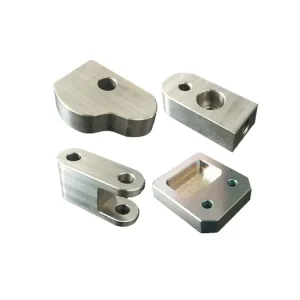
Another key trend is the growing demand for hybrid manufacturing. Combining precision casting with 5-axis CNC machining allows for complex geometries that were previously too expensive to produce. By casting near-net shapes and finishing critical mating faces via CNC milling, we minimize material waste and machining time. This approach is highly effective for high-value alloys like titanium, where reducing raw stock waste directly lowers overall part costs.
Looking ahead, the use of automated optical inspection and digital twin technologies will continue to improve traceability. The future of custom casting lies in providing fully documented, high-precision components that integrate directly into customers' assembly lines.
Expert Answers to Common Engineering Questions on Tolerances, Materials, and Logistics
Our standard investment casting process achieves tolerances within ISO 8062 CT6 to CT8 levels. For critical features, post-casting CNC machining allows us to reach tolerances as tight as ±0.005 mm, matching precision mechanical requirements.
We test melt chemistry using optical emission spectrometers before pouring. For internal integrity, we offer non-destructive testing (NDT), including X-ray imaging, ultrasonic testing, and dye penetrant inspection, verifying the absence of internal shrinkage and gas porosity.
By combining tool design, mold making, casting, heat treatment, and CNC machining in one location, we reduce the transit delays common when using multiple suppliers. Typical prototype lead times range from 3 to 4 weeks, with series production shipped within 6 to 8 weeks.
For subsea environments, we recommend either super duplex stainless steels (e.g., SAF 2507) or titanium alloys (e.g., Ti-6Al-4V Grade 5). These materials provide high strength-to-weight ratios and resist pitting and crevice corrosion in chloride-rich environments.
 SX Machining