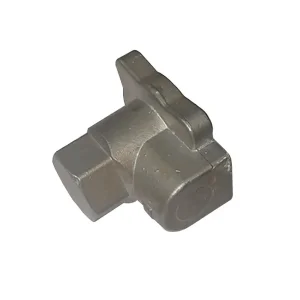
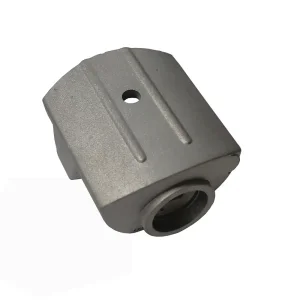
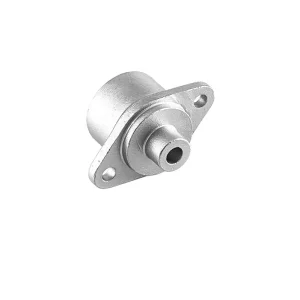
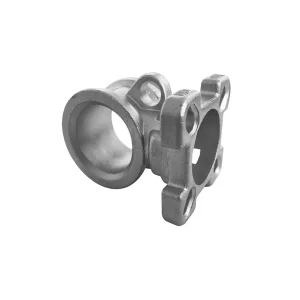
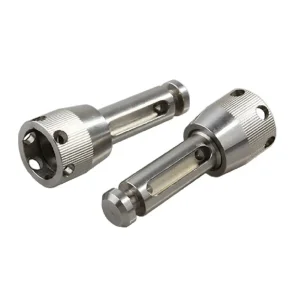
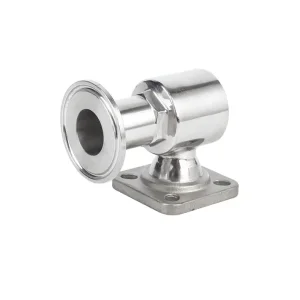
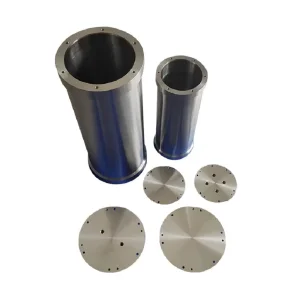
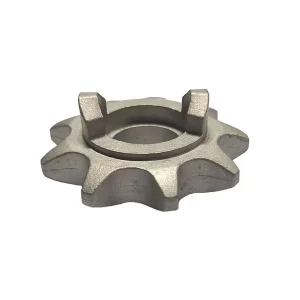
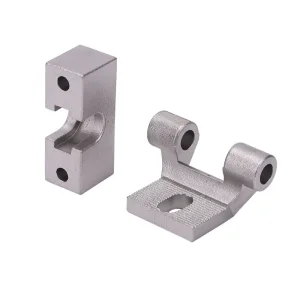
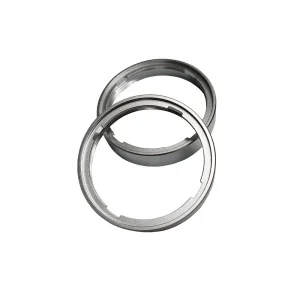
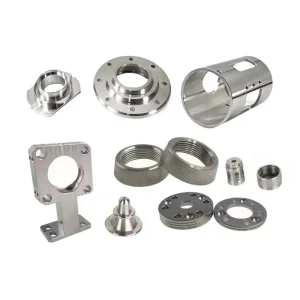
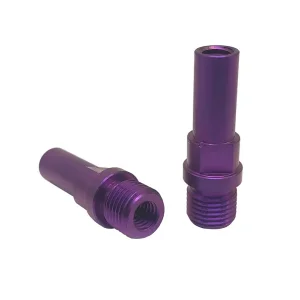
In modern manufacturing, the boundary between design conceptualization and physical execution has narrowed significantly. Today's industrial components demand mechanical properties that can withstand harsh operating environments—ranging from deep-sea exploration where pressures exceed 100 MPa to high-temperature aerospace systems where thermal stress is extreme. Achieving these requirements requires the application of lost-wax investment casting and high-speed multi-axis CNC machining.
For procurement managers and systems designers, selecting a production partner involves evaluating their ability to minimize material waste, eliminate micro-porosity, and guarantee dimensional accuracy across production runs. Standard casting processes often suffer from volumetric shrinkage and chemical segregation, which can compromise material reliability. Our processes address these issues by combining advanced casting design with precision machining.
Dongguan SX Technology Co.,Ltd is a manufacturer specializing in precision casting, CNC machining, and comprehensive system assemblies. Over the past decade, we have developed our capabilities to supply critical metallic components across several industries, including automotive, marine engineering, flow control (valves and pumps), electronic enclosures, and instrumentation.
We handle a wide range of materials to meet diverse application requirements. Our investment casting division focuses primarily on stainless steel (austenitic, martensitic, and duplex grades) and carbon steels, which are selected for their durability and corrosion resistance.
For subtractive manufacturing and post-cast finishing, our CNC machining facility processes hard-to-machine metals, including titanium alloys (Ti-6Al-4V), cemented carbides, copper alloys, and high-strength aluminum alloys. By combining engineering expertise with modern production equipment, we are positioned to support our partners from prototype stage through to series production.
Located in Dongguan, the heart of southern China’s manufacturing cluster, our production facility utilizes specialized supply chains and raw material access to offer cost-competitive manufacturing. Our facility integrates digital planning, automated wax injection, and robotic slurry coating lines to maintain consistency across large-volume production runs.
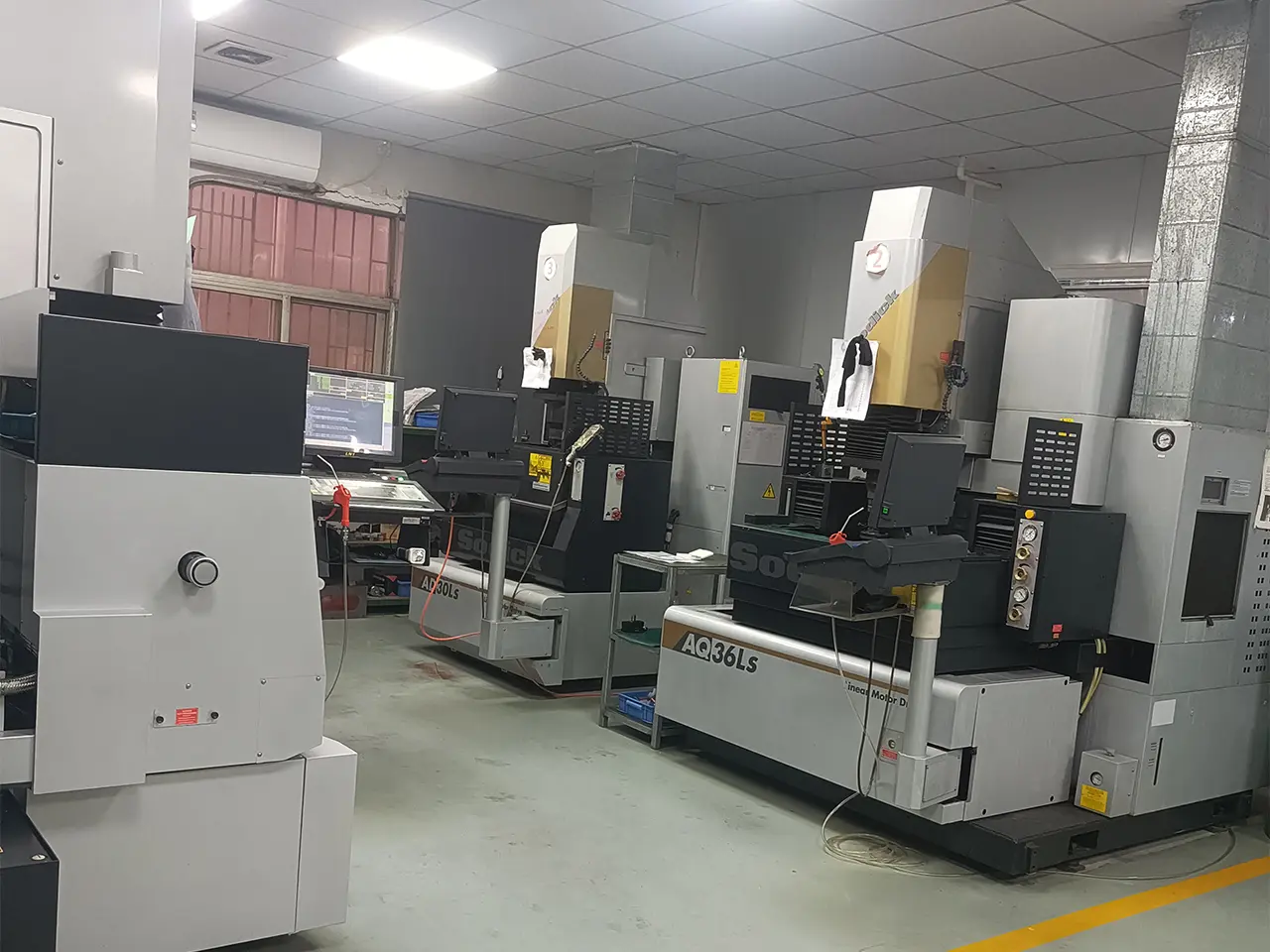
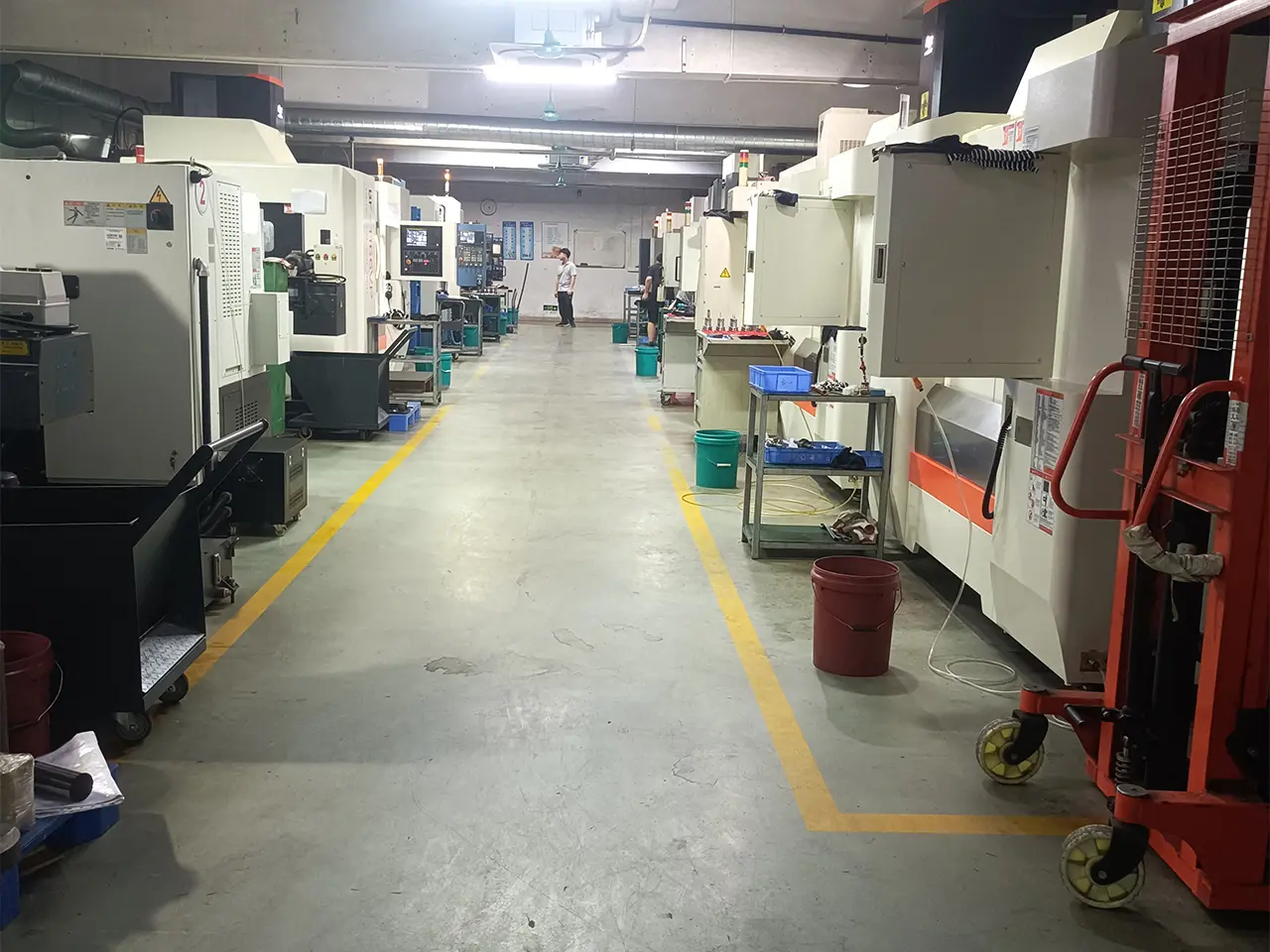
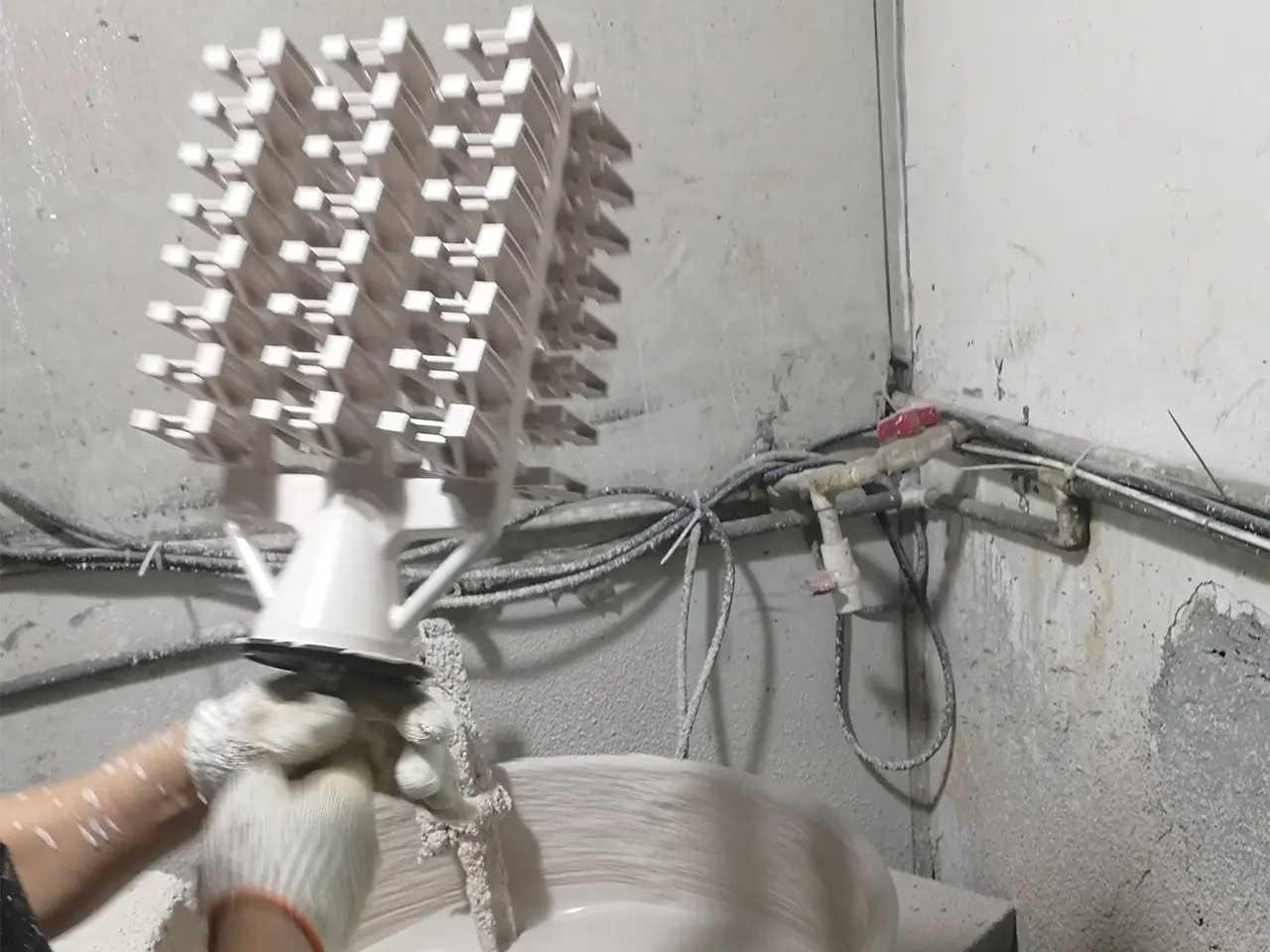
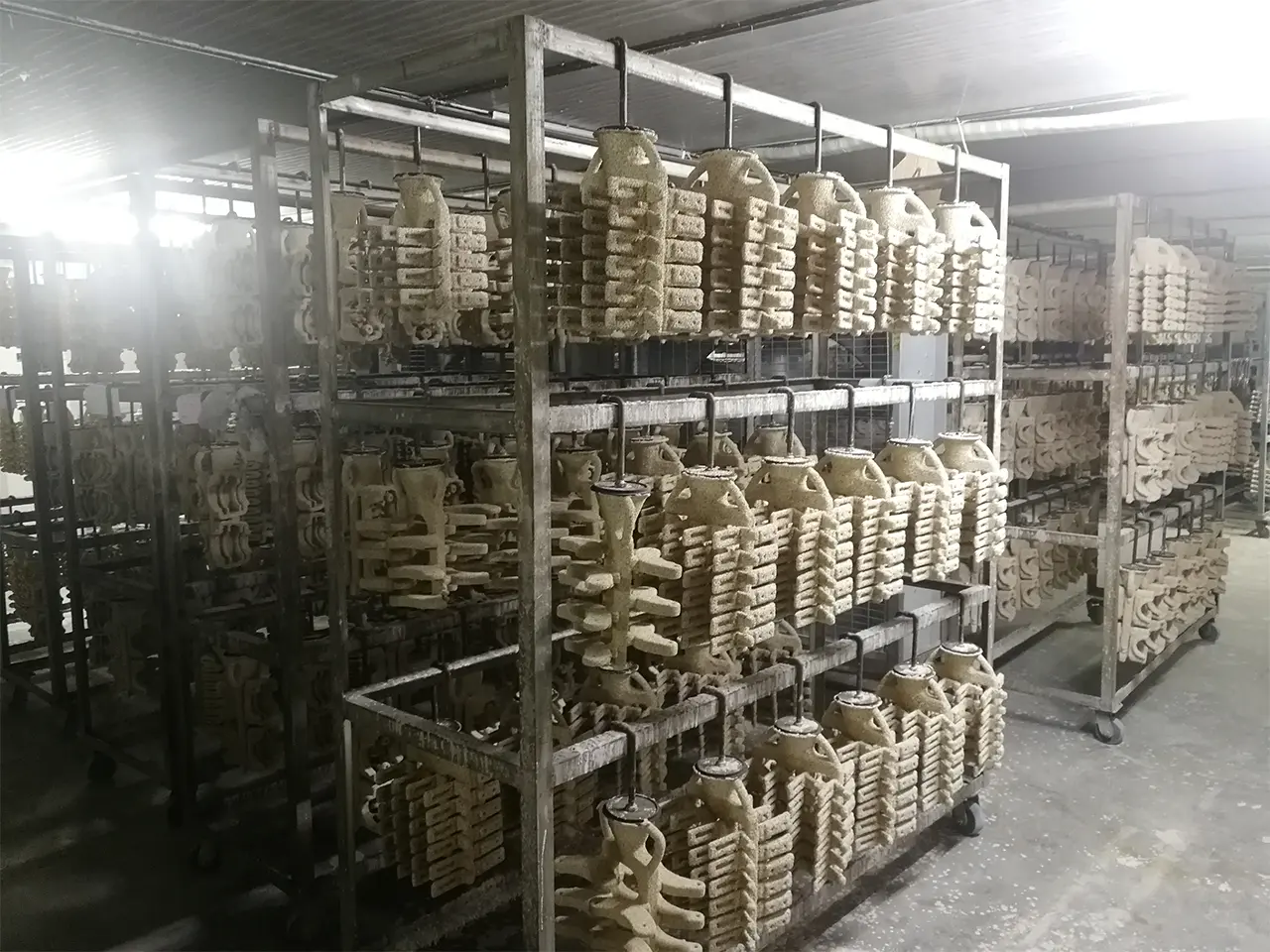
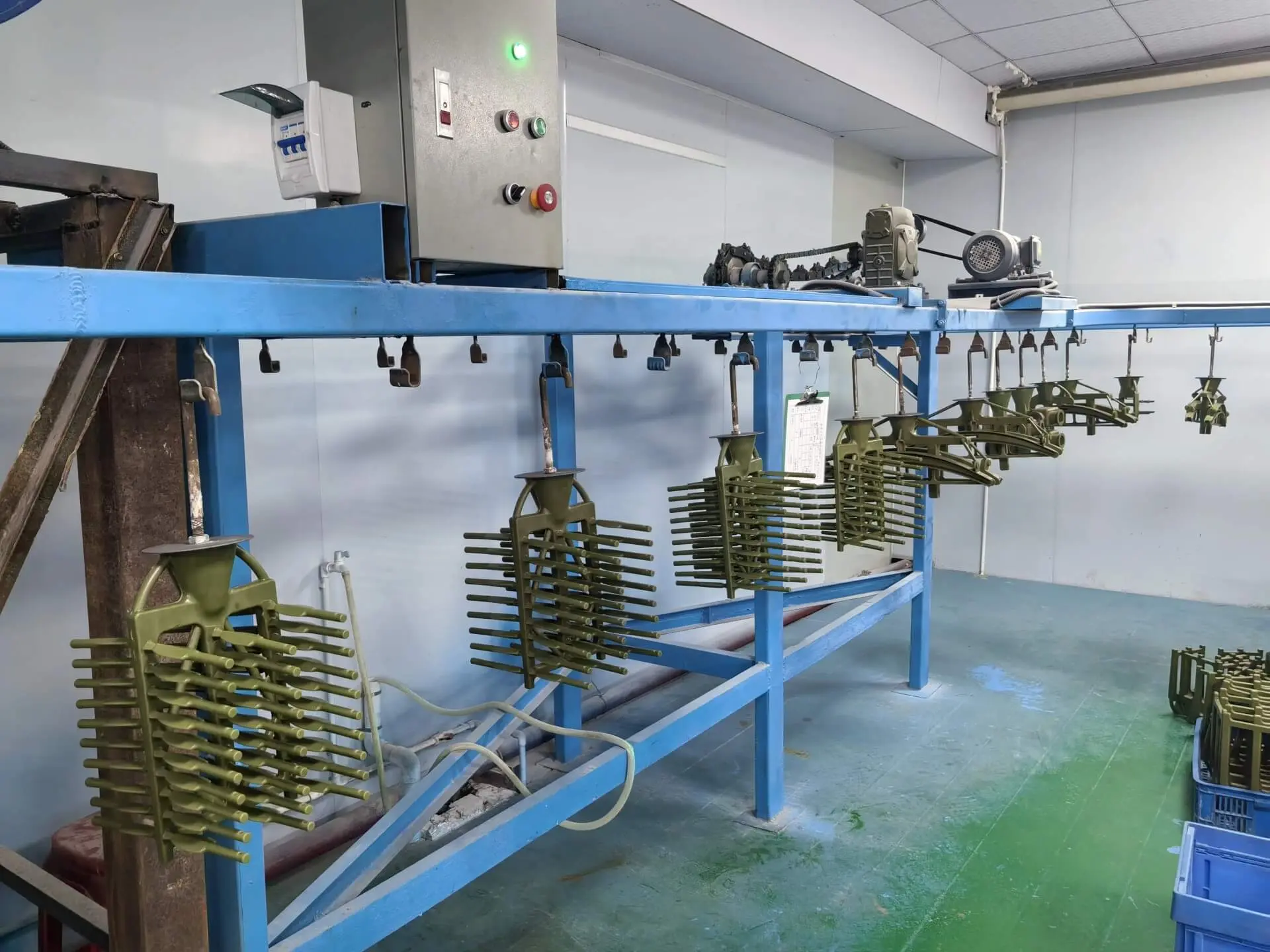
To manage risks from global shipping disruptions and material cost fluctuations, we maintain a raw metal inventory buffer and run integrated tooling lines. The proximité of regional raw material vendors allows us to compress production schedules compared to manufacturers in less consolidated industrial areas. Our workflow transitions from initial 3D CAD analysis (using solidification simulations to prevent casting shrinkage voids) to final high-speed CNC finishing.
The performance of any casting or machined component is fundamentally determined by its chemical composition and grain structure. We work with clients to match applications with the appropriate metallic grade:
Known for its corrosion resistance, we cast and machine stainless steel for marine environments, sanitary pump housings, and offshore oil and gas equipment. 17-4 PH provides high strength through precipitation hardening.
Featuring high strength-to-weight ratios and bio-compatibility, titanium is machined using specialized cutting tool geometries and coolant setups to prevent heat buildup and work-hardening.
Often used for heavy-duty structural parts, fasteners, and gears. We apply heat treatments, including normalizing, carburizing, and tempering, to achieve the required hardness and wear resistance.
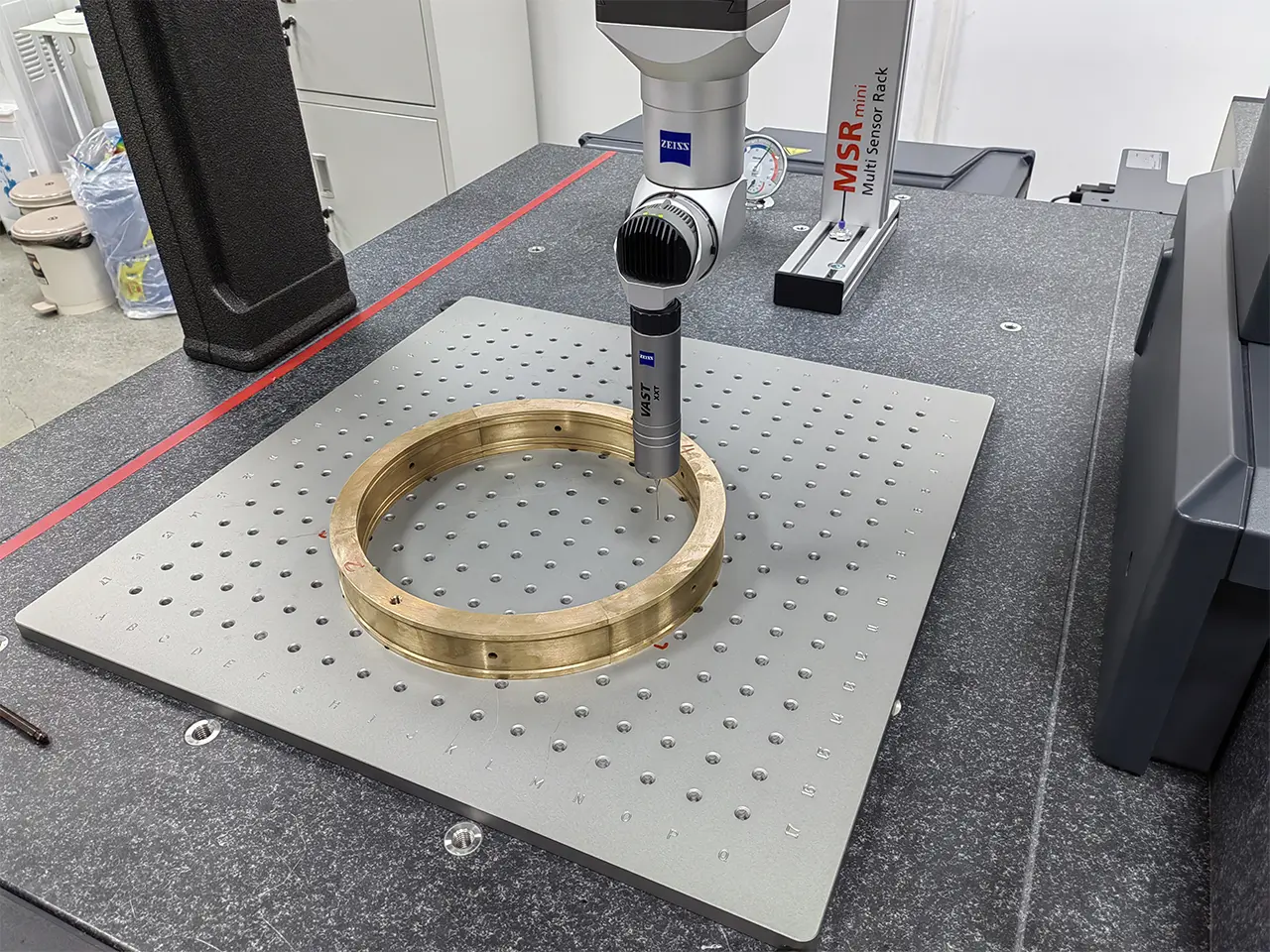
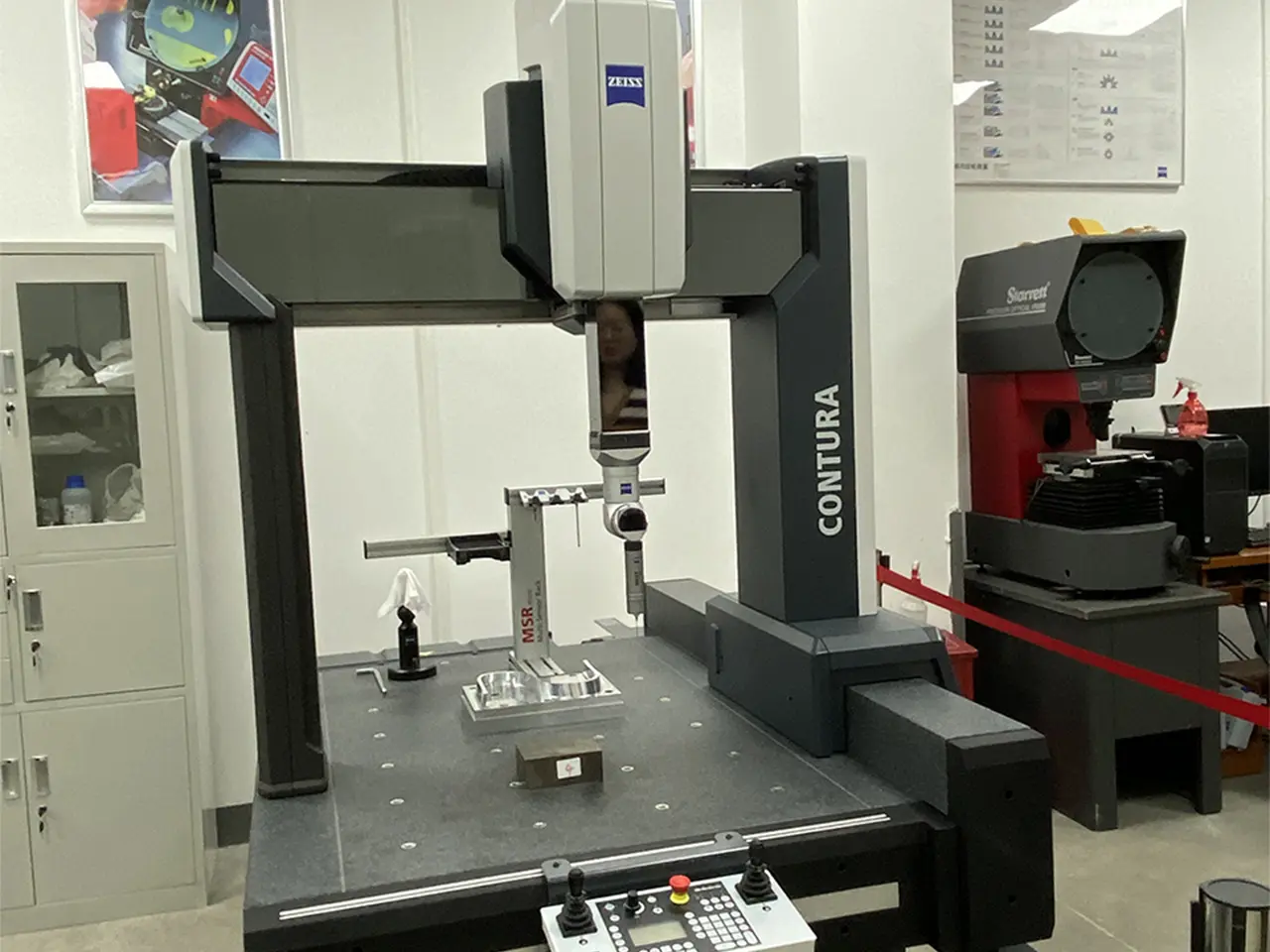
Our quality control protocols are integrated into each stage of production. Since 2014, we have invested in inspection equipment and trained our QC team to support the requirements of international clients.
Our inspection capabilities include:
By documenting each step of production, we maintain traceability for all components. This system helps prevent out-of-specification parts from reaching assembly stages.
Industrial operating environments require customized engineering solutions. Below is an overview of how we address requirements across different sectors:
Components operating in seawater must resist chloride stress-corrosion cracking. We cast marine-grade duplex stainless steels and titanium alloys to produce propeller shafts, subsea sensor housings, and valves.
We supply the automotive sector with lightweight aluminum CNC-machined structural mounts and cast engine components that balance weight savings with fatigue resistance.
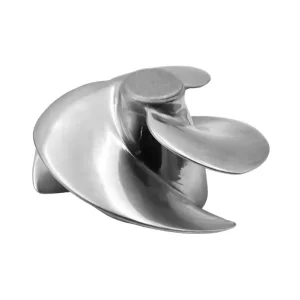
Our investment casting process is designed to produce complex internal geometries and smooth flow passages for pump impellers, minimizing cavitation risks.
Managing a global supply chain requires balancing the unit cost of parts with logistics, tariffs, and potential quality risks. Our team supports international buyers by offering clear pricing, coordinated logistics options (FOB, CIF, DDP), and detailed packing solutions.
By integrating casting and CNC machining in a single facility, we eliminate the need for cross-factory transit between cast houses and machining shops. This reduces logistics overhead, minimizes damage risks, and streamlines quality accountability. When you work with us, you have a single point of contact for the entire manufacturing process.
Operating globally requires compliance with regional environmental and safety regulations. We work to align our manufacturing with environmental standards, implementing waste treatment processes and reducing energy consumption where possible.
For technical drawings, we support conversion between international standard systems, including ASME, DIN, JIS, and ISO. Our engineers verify that material grades specified in the West have equivalents in China's metallurgical catalogs, or we import specific alloys when required by your application.
As industrial components become more complex, we continue to upgrade our technology to meet new manufacturing demands. Our technical roadmap focuses on:
Combining 3D-printed sand molds with traditional investment casting allows us to quickly produce prototype designs without requiring expensive metal tooling.
Expanding our 5-axis machining capacity allows us to finish complex geometries in fewer setups, improving dimensional accuracy.
We are working to introduce QR-code-based batch tracking, allowing customers to scan a finished part to access its material chemistry report and inspection logs.
 SX Machining