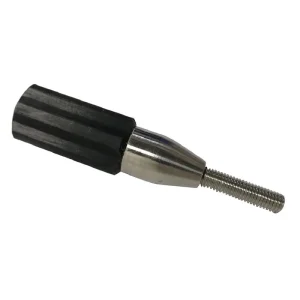
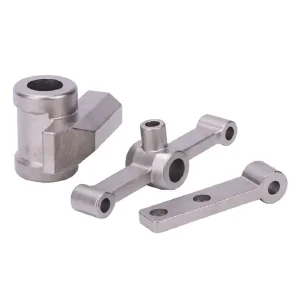
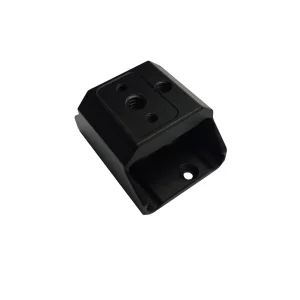
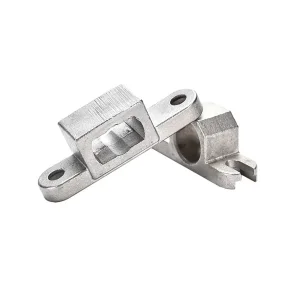
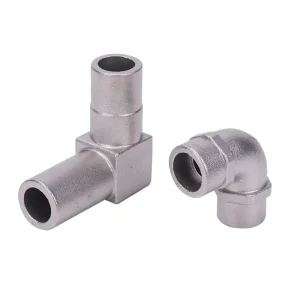
Explore our elite range of customized CNC machined components and high-integrity investment casting solutions manufactured under ISO 9001:2015 control guidelines.
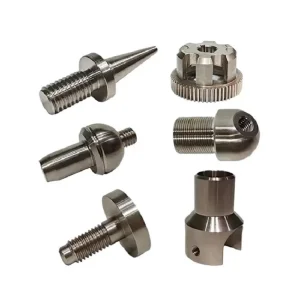
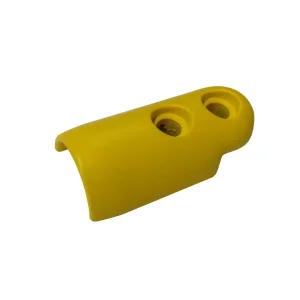
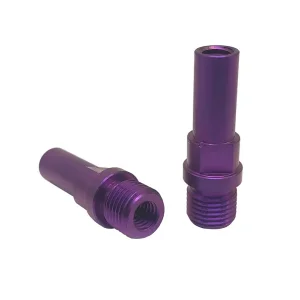
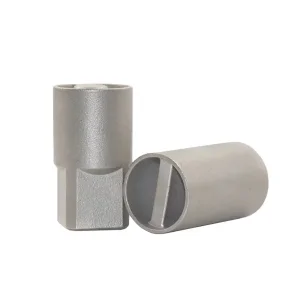
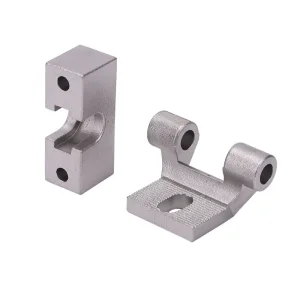
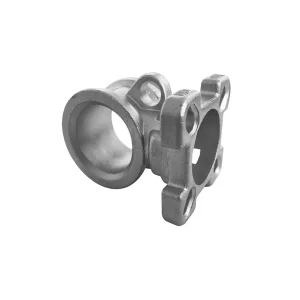
In modern industrial design, select engineering decisions carry as much commercial and technical weight as selecting the optimal primary manufacturing route. The choice between Investment Casting and Subtractive CNC Machining shapes not only the structural integrity of the final mechanical component but also establishes long-term constraints on lead times, material waste, assembly overheads, and the total cost of ownership (TCO).
While many general handbooks simplify this choice to a basic trade-off—"casting for complex geometries, machining for high tolerances"—modern advances in metallurgy and tooling require a far more nuanced paradigm. Engineering and purchasing leads must analyze factors such as isotropic vs. anisotropic mechanical grain behavior, dendritic solidification kinetics, phase transformation during post-cast heat treatments, and tool path accessibility configurations.
At Dongguan SX Technology Co., Ltd., we run advanced operations for both high-grade precision investment casting (lost wax method) and multi-axis CNC milling and turning. This dual capability allows us to offer neutral, engineering-first recommendations based on objective performance data and manufacturing realities.
| Evaluation Parameter | Investment Casting Process | Precision CNC Machining |
|---|---|---|
| Primary Mechanics | Molten alloy injected into ceramic shells via sacrificial wax patterns. Near-net shape output. | Subtractive removal of stock material from billets, forgings, or bar stocks using computerized toolpaths. | Dimensional Tolerance | Typically ISO 8062 CT4 to CT6. Linear tolerances around ±0.1mm to ±0.3mm without post-processing. | Extremely tight. Achieves IT6 to IT7 tolerances easily (down to ±0.005mm for precision features). |
| Surface Texture ($R_a$) | Typically $3.2\mu m$ to $6.3\mu m$ ($125\mu in$ to $250\mu in$) depending on slurry chemistry. | Typically $0.8\mu m$ to $3.2\mu m$ ($32\mu in$ to $125\mu in$); can be polished or turned down to $0.2\mu m$. |
| Material Utilization | High efficiency (up to 90%). Gates, runners, and risers can be recycled and remelted. | Medium to Low. Can generate 50% to 90% chip waste (swarf) on complex geometries. |
| Grain Flow & Integrity | Isotropic microcrystalline structure. Potential for micro-porosity without proper mold design. | Anisotropic structures aligned along the rolling/drawing direction of the raw billet. High fatigue life. |
| Initial Capital Investment | Moderate to High. Requires dedicated tooling dies for wax injection. | Low to Moderate. CAM programming and workholding fixtures replace expensive metal dies. |
| Break-Even Threshold | Optimal for medium to high volume production runs (typically >500 to 1,000 units). | Ideal for prototyping, low-volume pilot batches, and custom, non-standard components. |
Mapping the shift in manufacturing choices under macroeconomic shifts, green agendas, and supply chain volatility.
Global supply networks have moved from lean "just-in-time" strategies to "just-in-case" resilience. High-quality casting and machining hubs like Dongguan combine casting foundry lines and CNC machining centers in one location, removing logistics steps, import tariffs, and assembly errors.
Reducing carbon output is now a core target. Investment casting saves raw materials on complex shapes, using less energy than machining away large solid blocks of steel. CNC machining responds by recycling aluminum and titanium swarf and using smart toolpaths to cut energy use.
The line between these two options has blurred. The modern standard is a hybrid workflow: casting a near-net-shape piece to form complex curves, followed by 5-axis CNC machining to finish tight interfaces, bearing surfaces, and threaded holes. This approach saves raw material while maintaining micron-level precision.
How distinct engineering alloys react physically to thermal and mechanical shaping paths.
In casting, stainless steel exhibits high fluidity and excellent reproduction of complex contours. However, shrinkage kinetics demand expert riser positioning to prevent internal voids. In machining, stainless steel is prone to work hardening. This requires high rigidity, constant feed rates, and specialized coolant strategies to protect tools.
Titanium is highly reactive in its molten state, requiring specialized vacuum investment casting to prevent oxygen embrittlement. CNC machining is often preferred for precision titanium components. Using sharp cutting geometry and low surface speeds avoids heat buildup and structural issues.
Carbon steel is a versatile option. Cast carbon steel provides strong, structural parts for daily industrial hardware at a low cost. For custom, high-wear components like gear teeth, CNC machining from raw steel billets provides the high fatigue resistance and structural consistency needed.
Machined aluminum (such as AL6061-T6 or AL7075) is the primary choice for consumer electronics housings due to its thermal conductivity and smooth surface finish. Copper alloys are cast for heavy-duty marine pumps and valve fittings, where corrosion and wear resistance are critical.
Founded in 2014, Dongguan SX Technology Co., Ltd. has built a reputation for high-precision manufacturing. We specialize in investment casting, CNC machining, and complex mechanical assembly, serving global partners across critical industries.
Our work spans high-performance sectors including aerospace, automotive, marine, chemical processing, medical instrumentation, fluid control valves, and consumer electronics. By combining precision casting and high-speed CNC milling under one roof, we support our clients from prototyping through to mass production.
Whether you require casting solutions for marine environments or multi-axis CNC machining for titanium medical components, our engineering team ensures all parts meet your exact specifications and quality standards.
A look inside our manufacturing workshops. We use modern, automated processes to maintain close tolerances and consistent product quality.
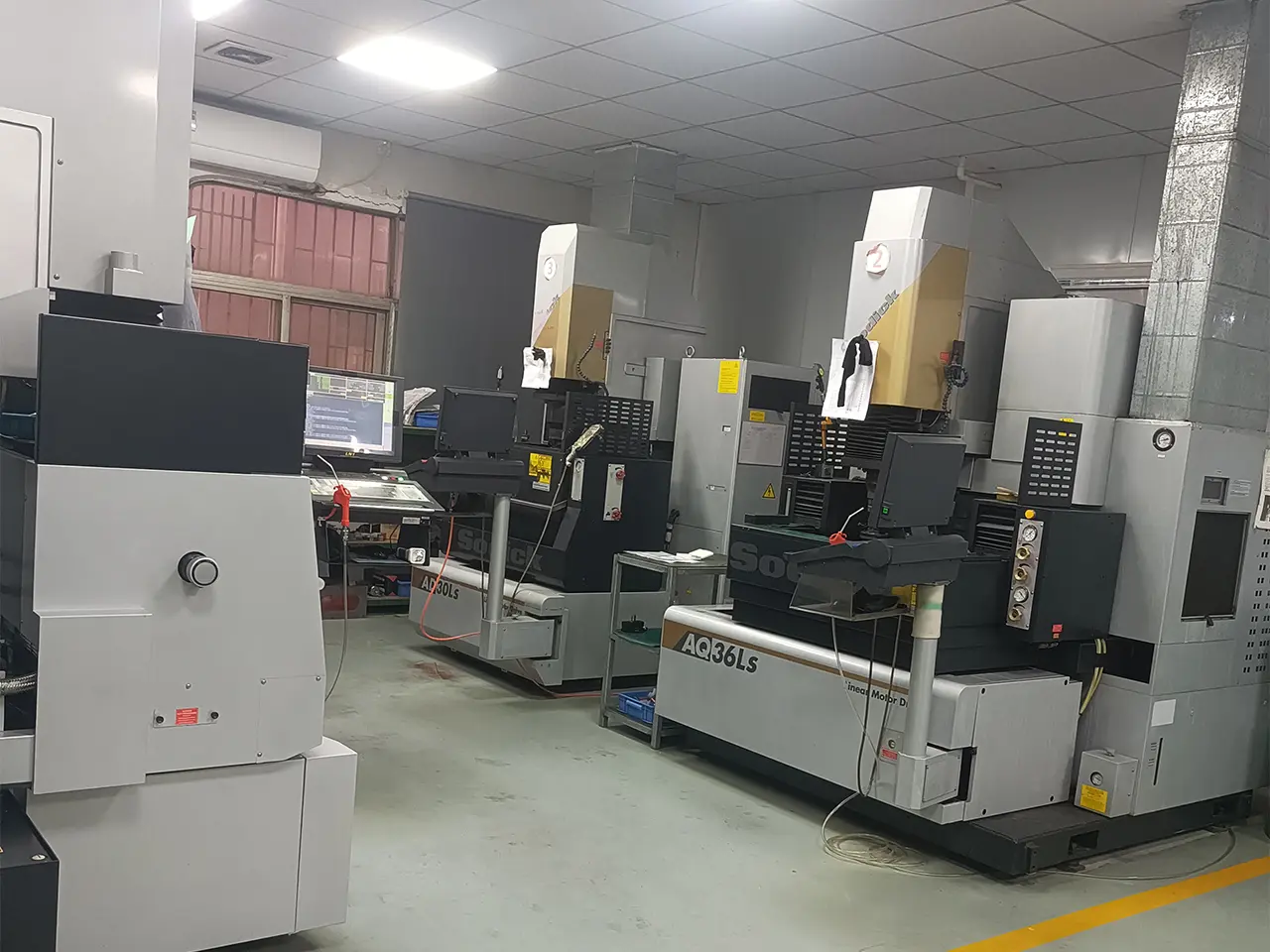
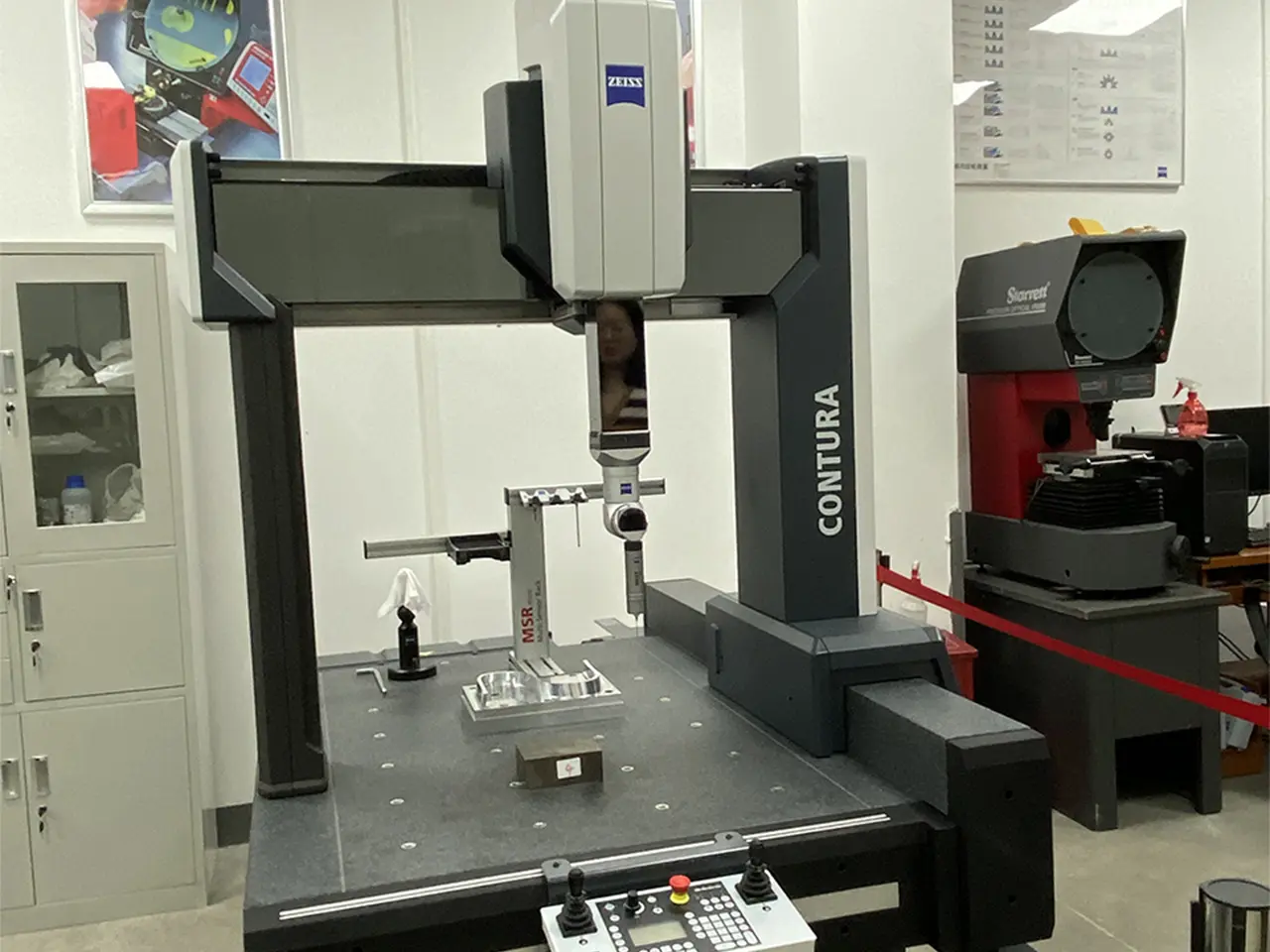
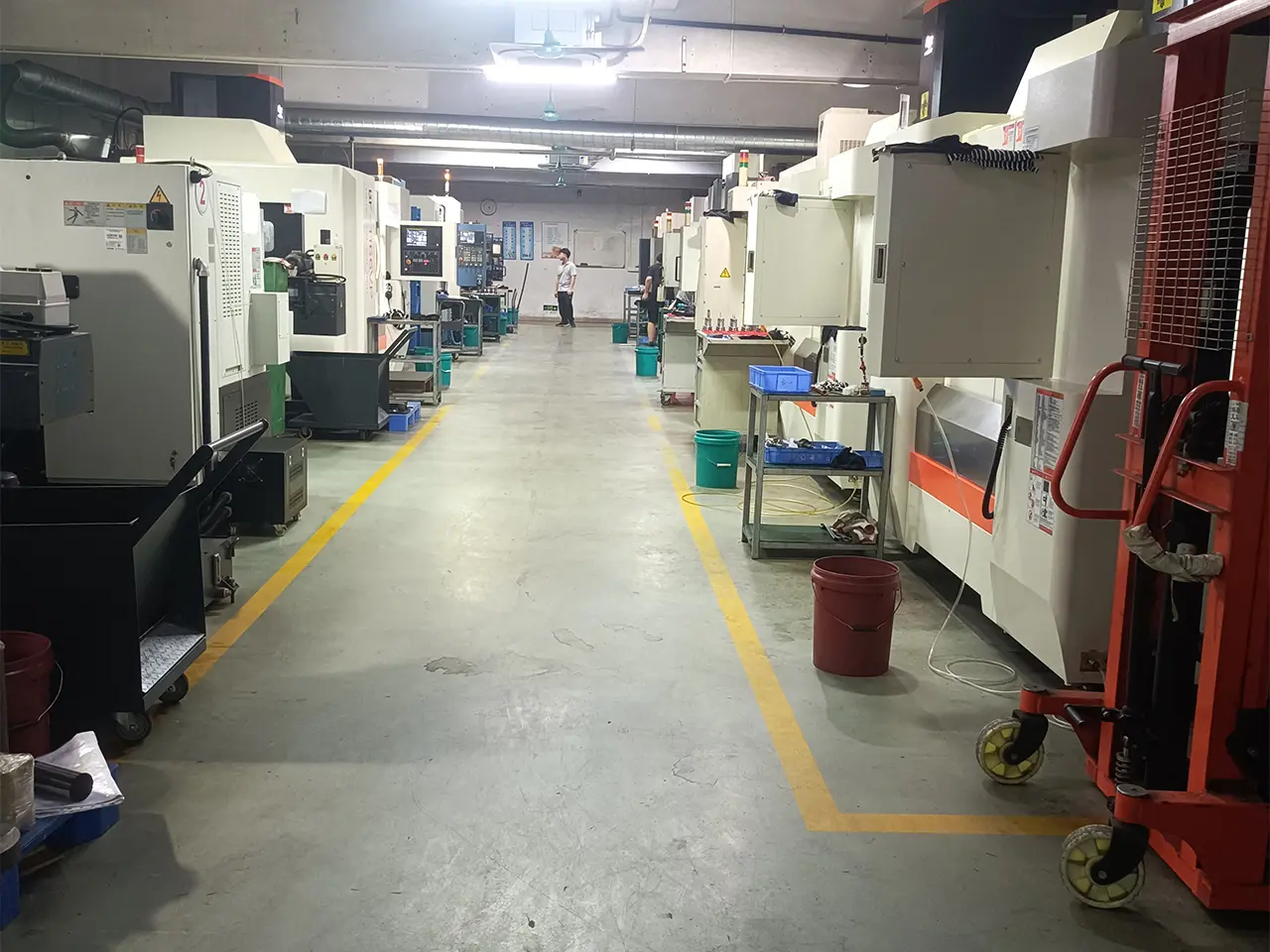
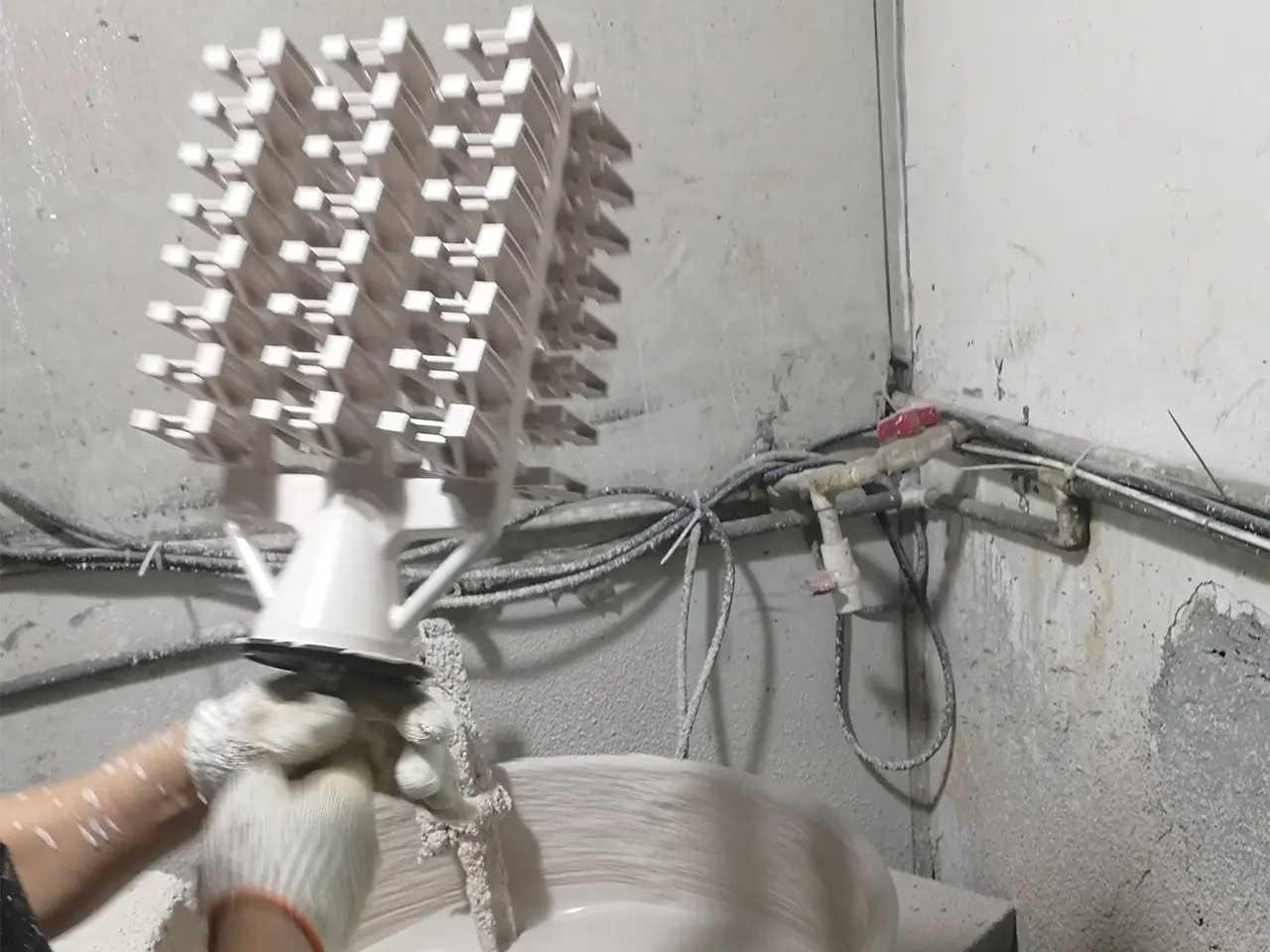
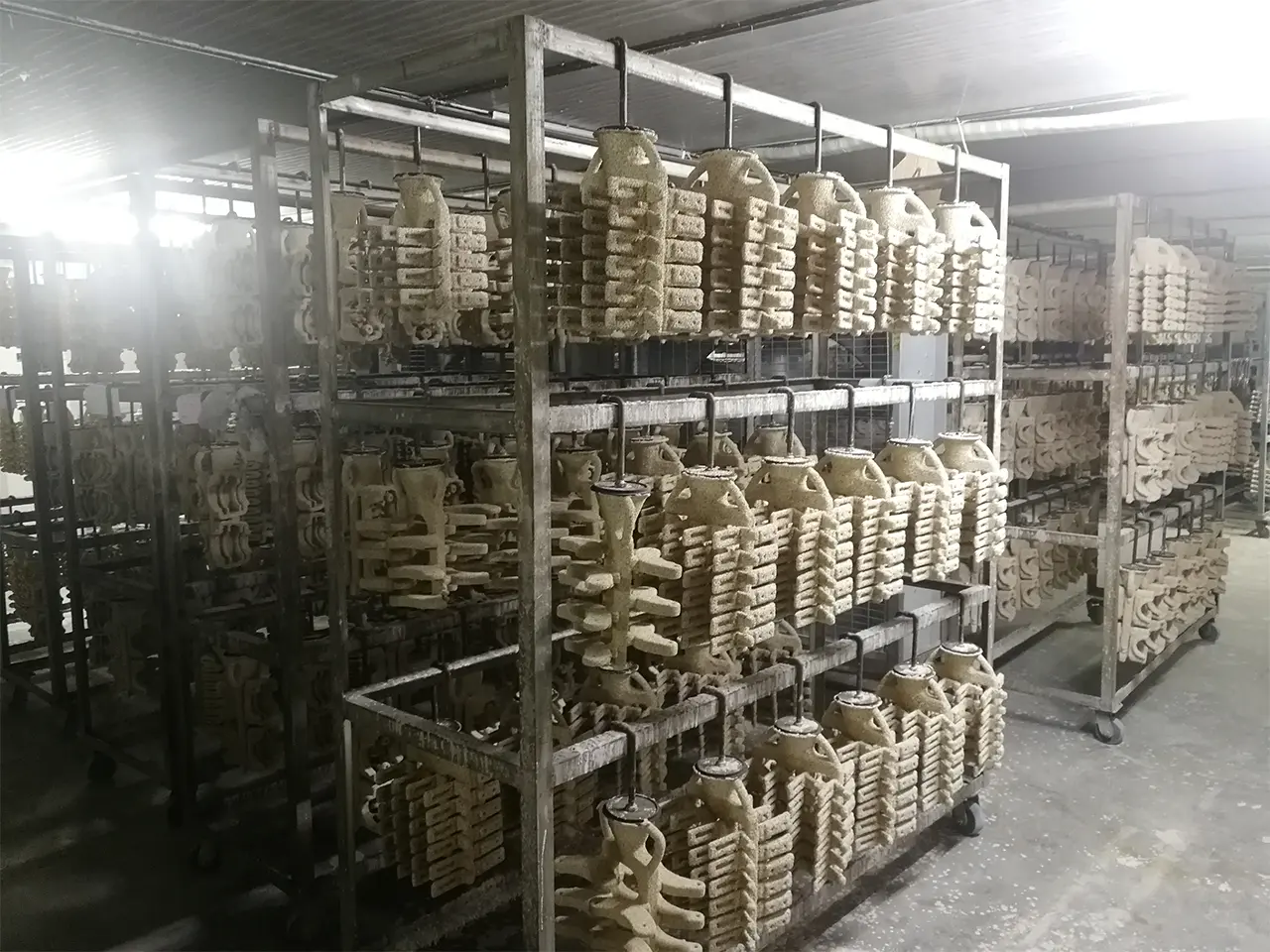
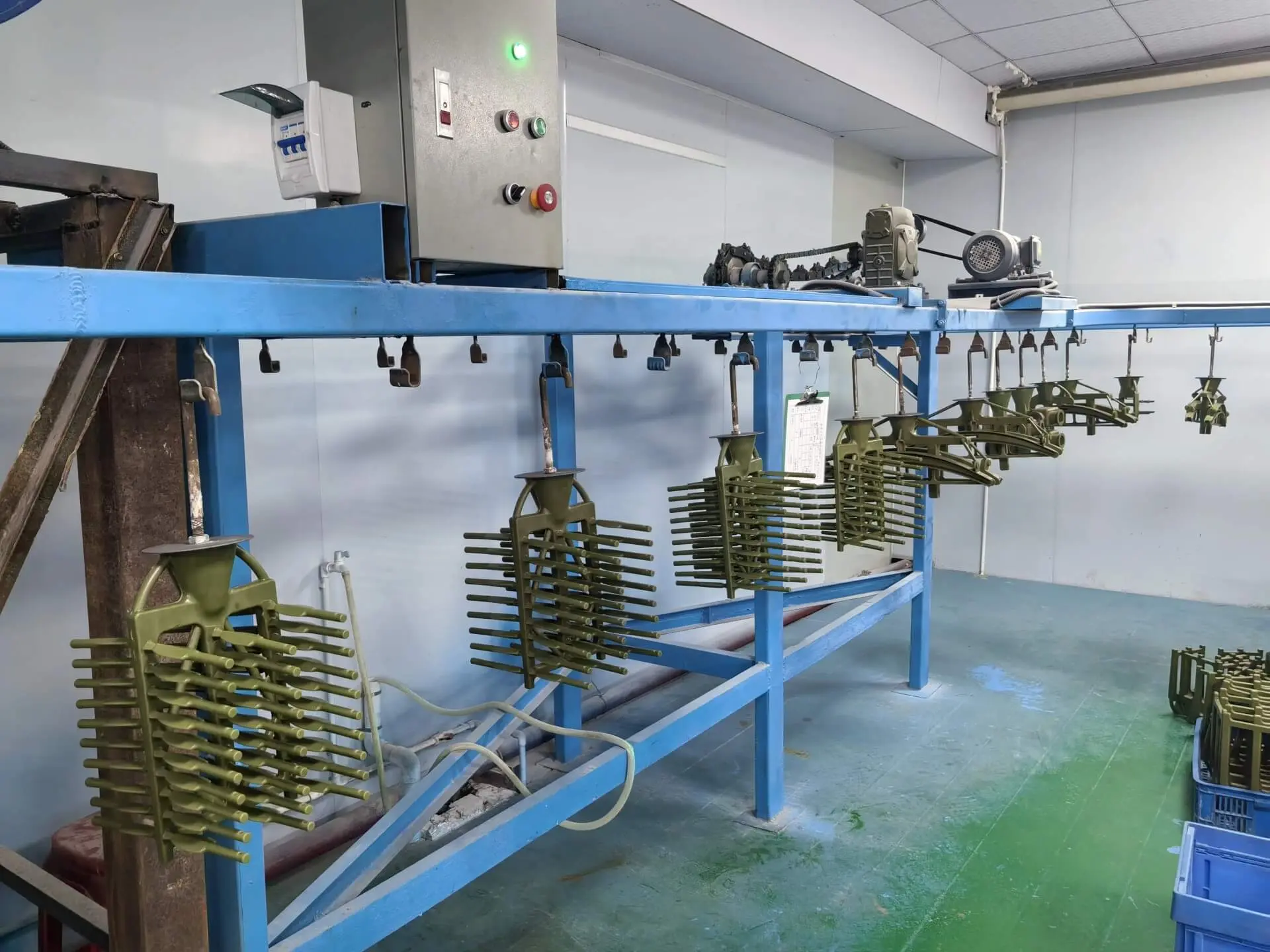
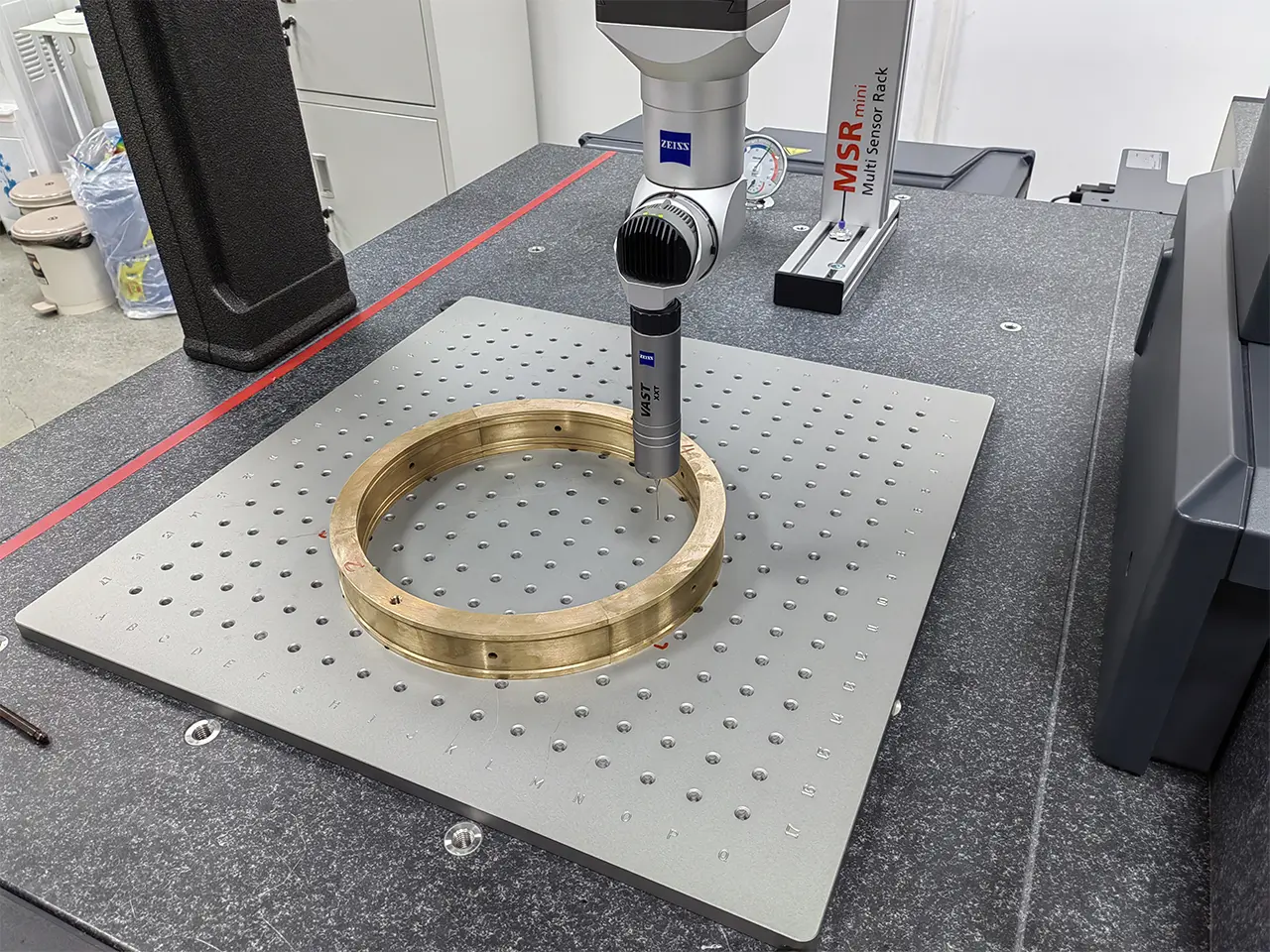
At Dongguan SX Technology, quality control is central to our manufacturing process. We run a dedicated inspection department staffed by experienced technicians and equipped with calibrated testing machinery.
Our quality checks include coordinate measuring machines (CMM) for dimensional verification, optical comparators for profile analysis, spectrometers for chemical analysis of each melt lot, and non-destructive testing (NDT) to check for internal cast porosity.
Through systematic quality planning and control, we minimize process variation and ensure that every batch of parts matches your drawings and engineering specifications.
Where casting and machining technologies are heading to meet the next generation of industrial demands.
We are integrating machine learning algorithms into our CAM pipelines. Predictive toolpaths adjust cutting parameters in real-time based on force feedback, extending tool life and achieving more consistent surface finishes on complex machined parts.
By simulating liquid metal flow, thermal cooling rates, and solidification behaviors before building tooling dies, we can optimize gate placement and minimize internal porosity in our cast components.
To support sustainable manufacturing, we are expanding our scrap recycling systems. Closed-loop processing allows us to sort, clean, and reuse machining chips and casting gates, reducing material consumption and costs.
Direct answers to technical questions about selecting casting and machining processes.
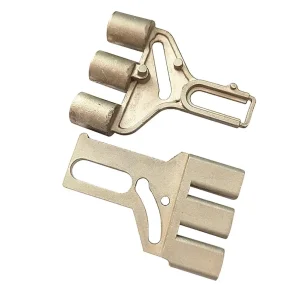
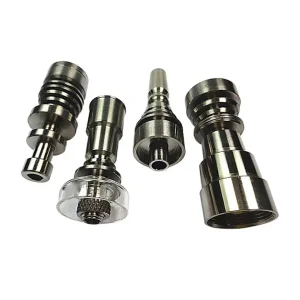
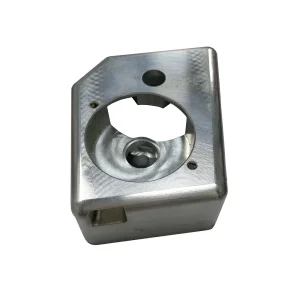
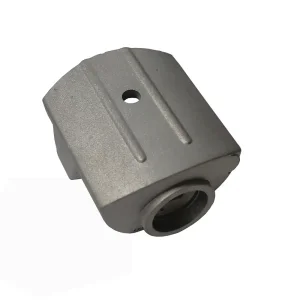
Select from our range of structural components, titanium fasteners, and custom machined parts built for industrial applications.
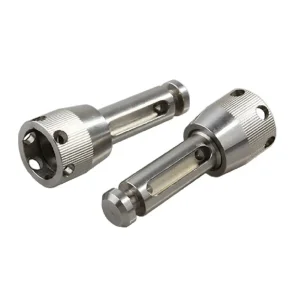
 SX Machining