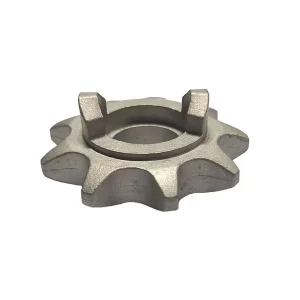
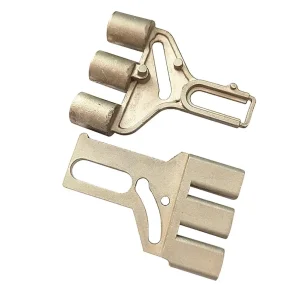
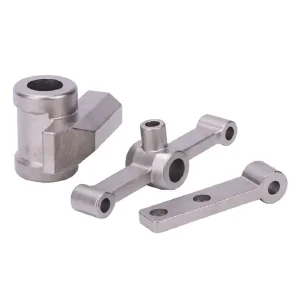
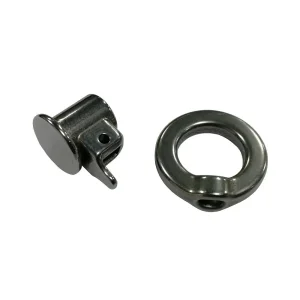
Explore our engineering components designed to withstand severe stress, corrosive elements, and high wear across global industries.
A comprehensive technical deep-dive into metallurgy, alloy compositions, and structural mechanical optimizations.
Unlike standard carbon steels, Low Alloy Steel Castings are precisely engineered with specific alloying elements (totaling from 1.5% to 5% by weight). By carefully controlling elements like Chromium, Nickel, Molybdenum, and Manganese, we customize the microstructural transformation of the castings to fulfill strict engineering specifications:
Through our rigorous chemical control processes, we ensure that every cast component delivers high yield-to-tensile ratios, allowing engineers to minimize weight while maintaining maximum structural safety factors.
| Alloy Grade | Yield (MPa) | Tensile (MPa) | Elongation |
|---|---|---|---|
| ASTM A148 (90-60) | ≥ 415 | ≥ 620 | ≥ 20% |
| ASTM A217 (WC6) | ≥ 275 | ≥ 485 | ≥ 20% |
| ASTM A487 (4A) | ≥ 515 | ≥ 725 | ≥ 17% |
| Custom High Tensile | ≥ 690 | ≥ 850 | ≥ 15% |
How our heavy-duty casting designs solve reliability bottlenecks in challenging operating environments worldwide.
Components like track pads, high-impact excavator shrouds, and drive tumblers are subjected to abrasive wear and impact loads. Our low alloy castings deliver the durability required to prevent costly downtime.
Corrosive ocean floor systems require castings that exhibit zero-defect structures under hundreds of atmospheres. Our vacuum-tested alloy castings undergo ultrasonic inspection to ensure long-term structural integrity.
Supplying critical boiler elements and pressure-containing steam casings. Working with grades like ASTM A217 WC6/WC9, we provide parts that resist creep and deformation in temperatures exceeding 500°C.
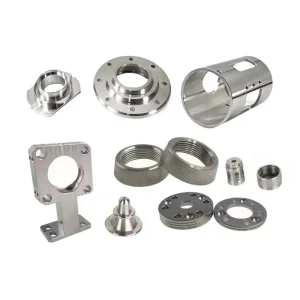
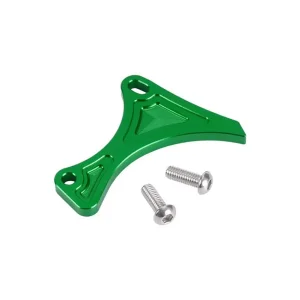
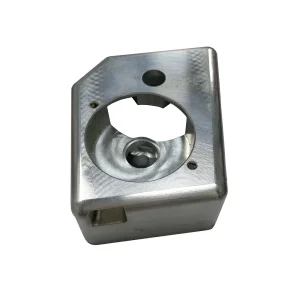
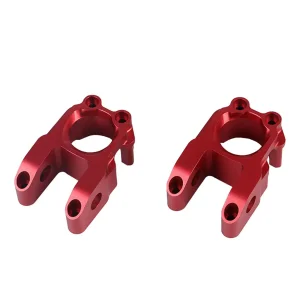
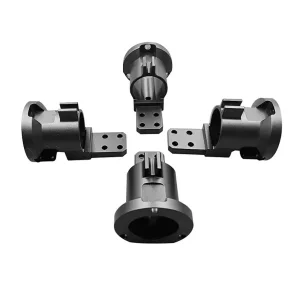
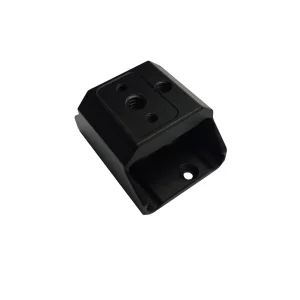
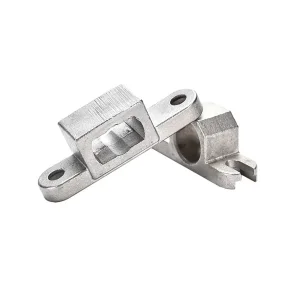
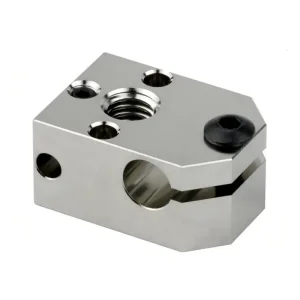
Dongguan SX Technology Co.,Ltd has very rich experience in precision casting, CNC machining and assembly. Our products are used in machinery, automobiles, marine, ships, equipment, valves and pumps, electronic appliances, packaging, watches, construction, chemical industry and other industries.
The most commonly used materials for investment casting are stainless steel and carbon steel. And the most commonly used materials for CNC machining include titanium alloy, stainless steel, carbon steel, aluminum alloy, copper alloy, cemented carbide, etc. We have advanced manufacturing equipment and technology and are able to respond quickly to your needs.
Integrating numerical simulation, grain control, and robotic automation to drive the future of high-integrity steel casting.
By simulating thermal flows and solidification processes before pouring, we identify potential shrinkage porosity zones, optimize risering designs, and achieve internal integrity on complex designs.
Implementing precision ladle additions of Niobium (Nb) and Vanadium (V) combined with proprietary thermal cycle controls to achieve exceptionally fine-grained, micro-homogeneous alloy matrices.
Transitioning cast blanks to our CNC shop floor for finishing. Combining precision casting and high-speed CNC milling ensures close tolerances and high production efficiency.
A closer look inside our advanced manufacturing facility, where raw concepts transform into precision components.
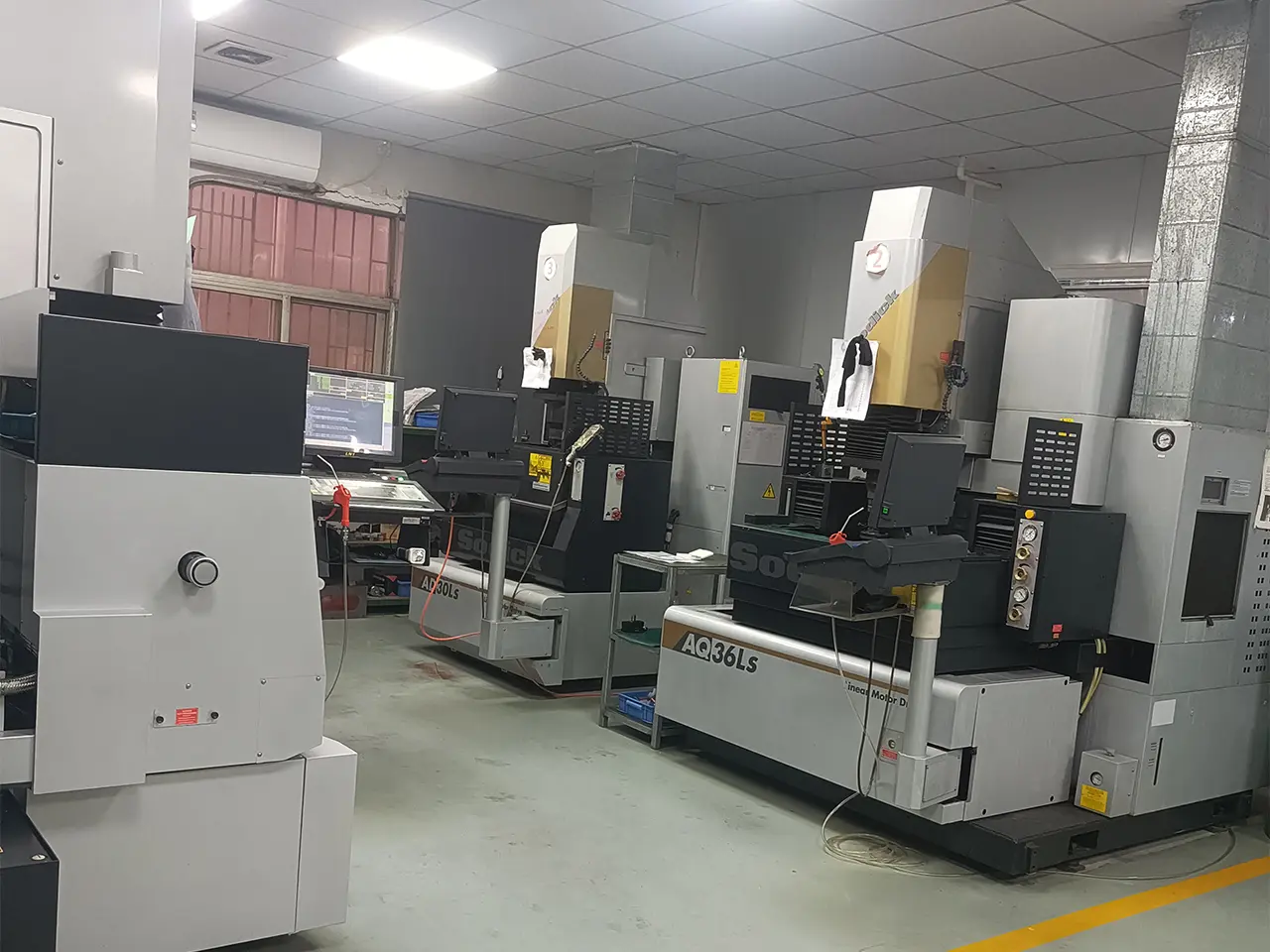
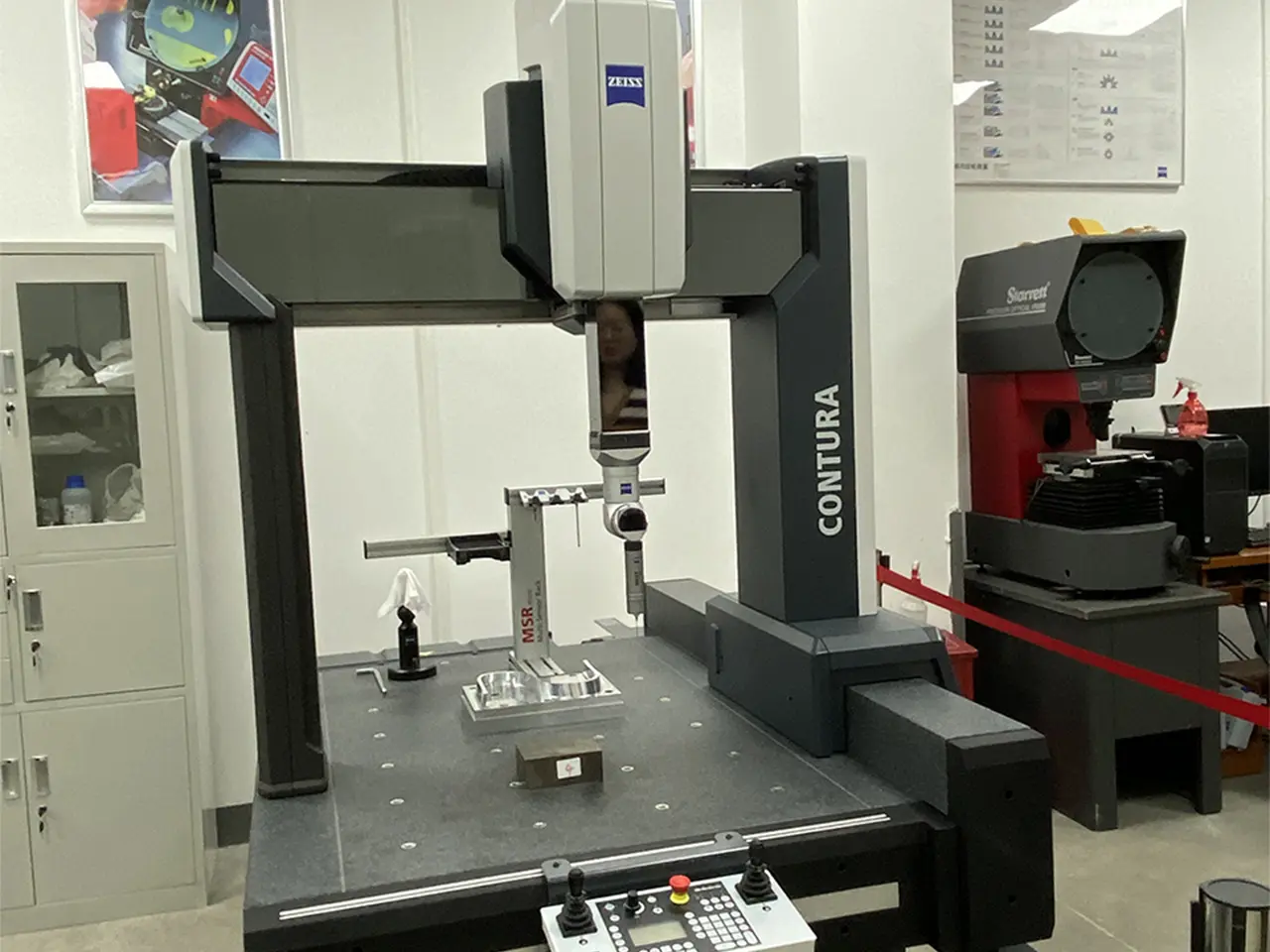
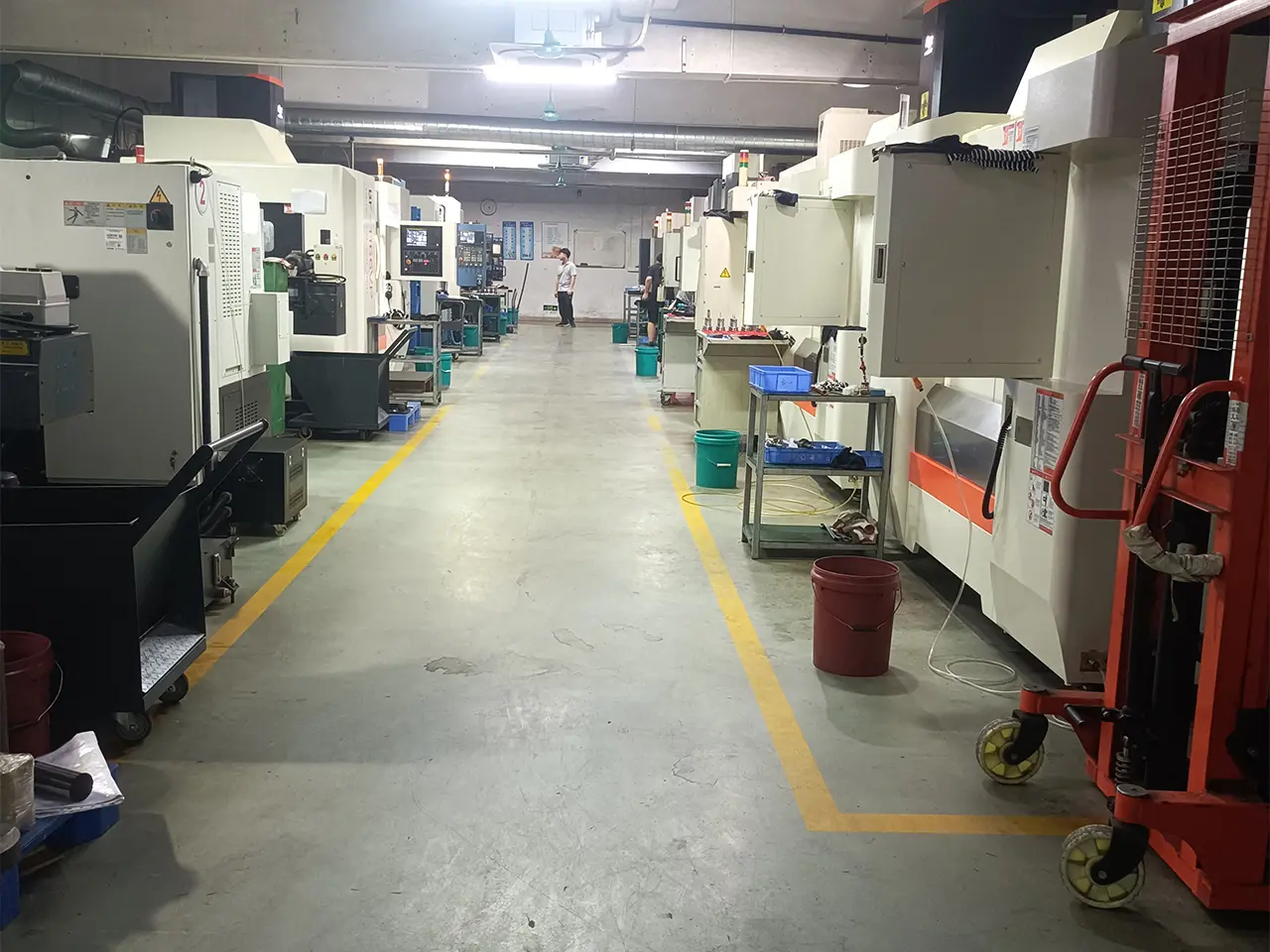
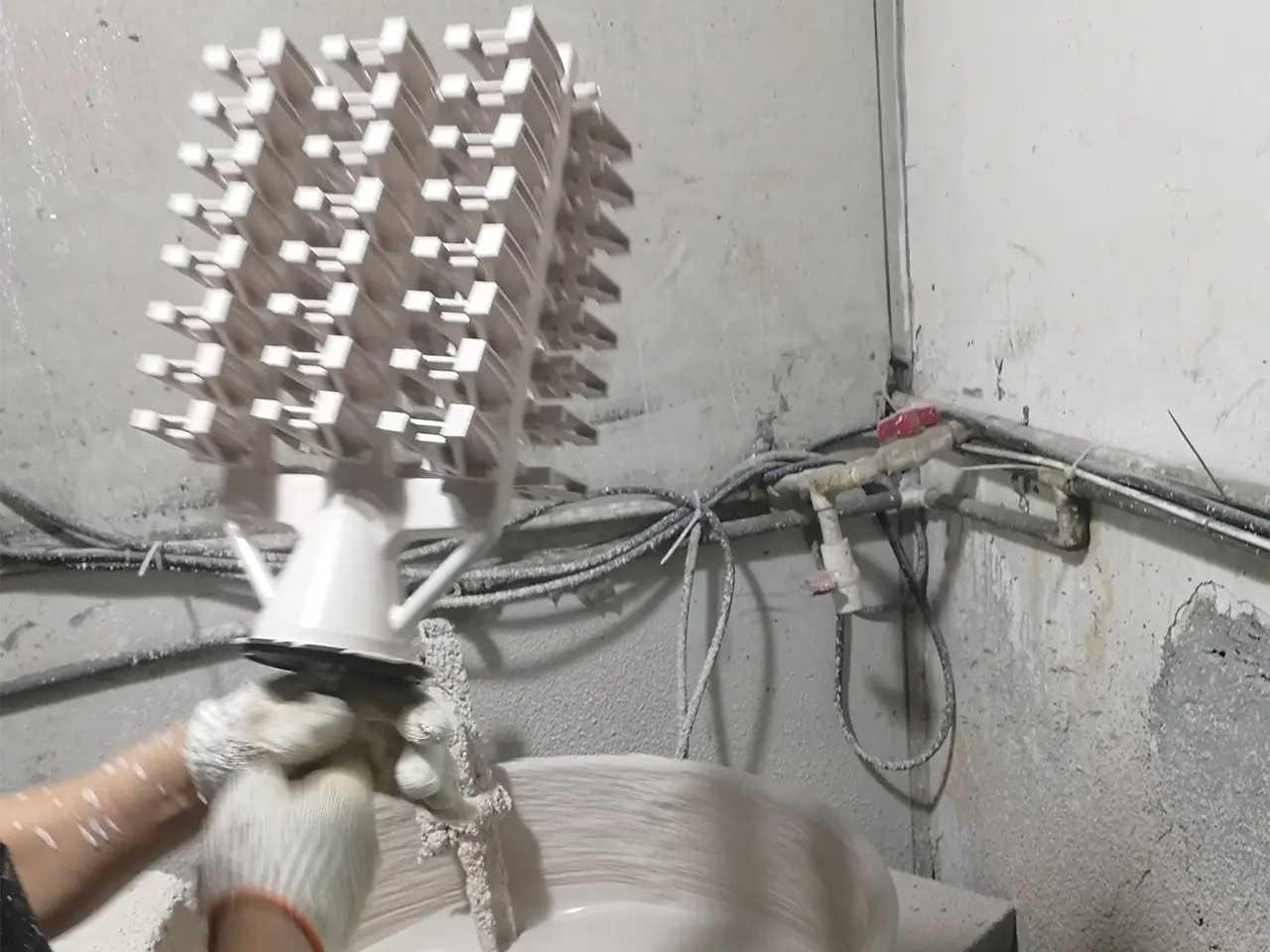
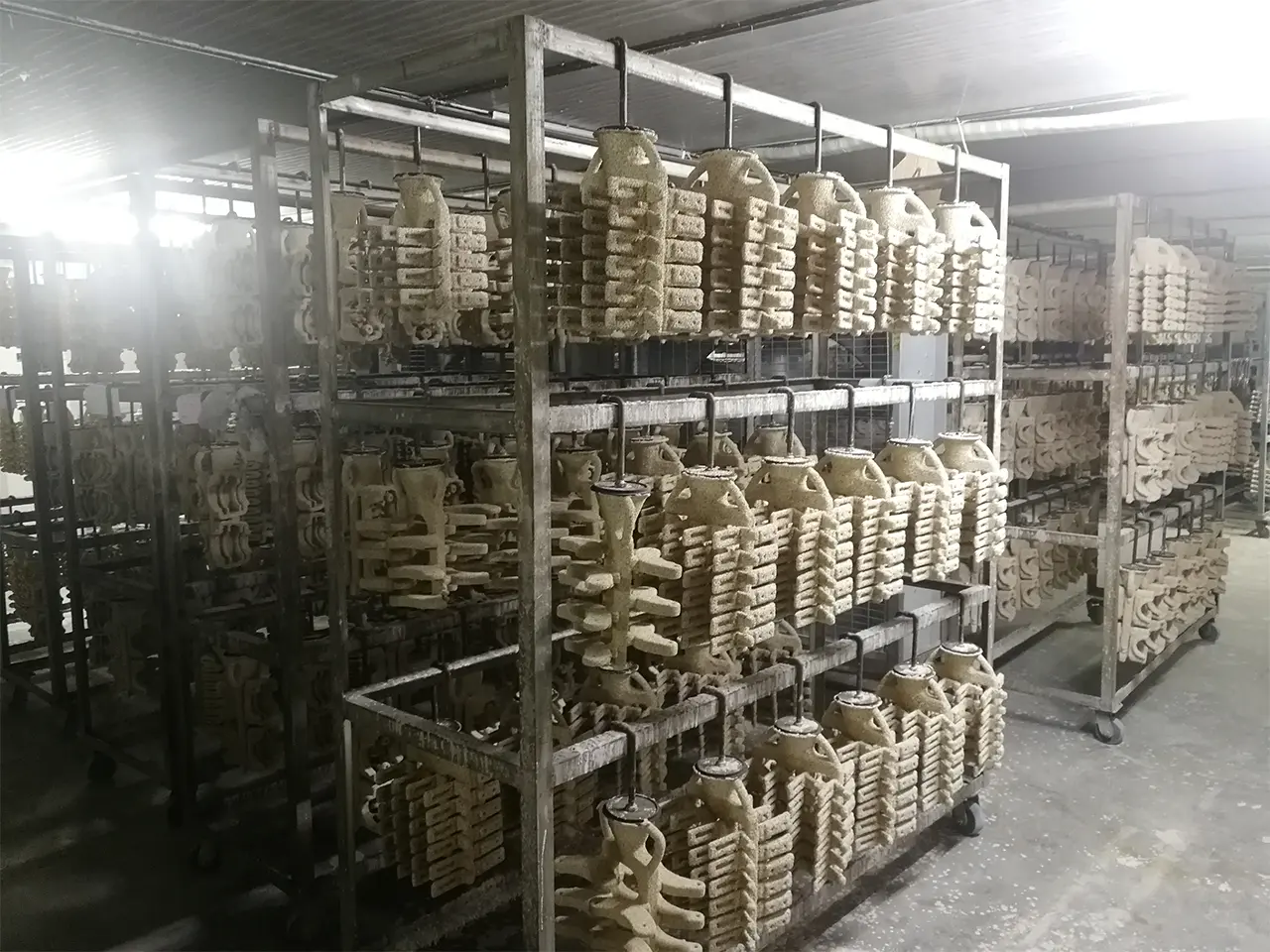
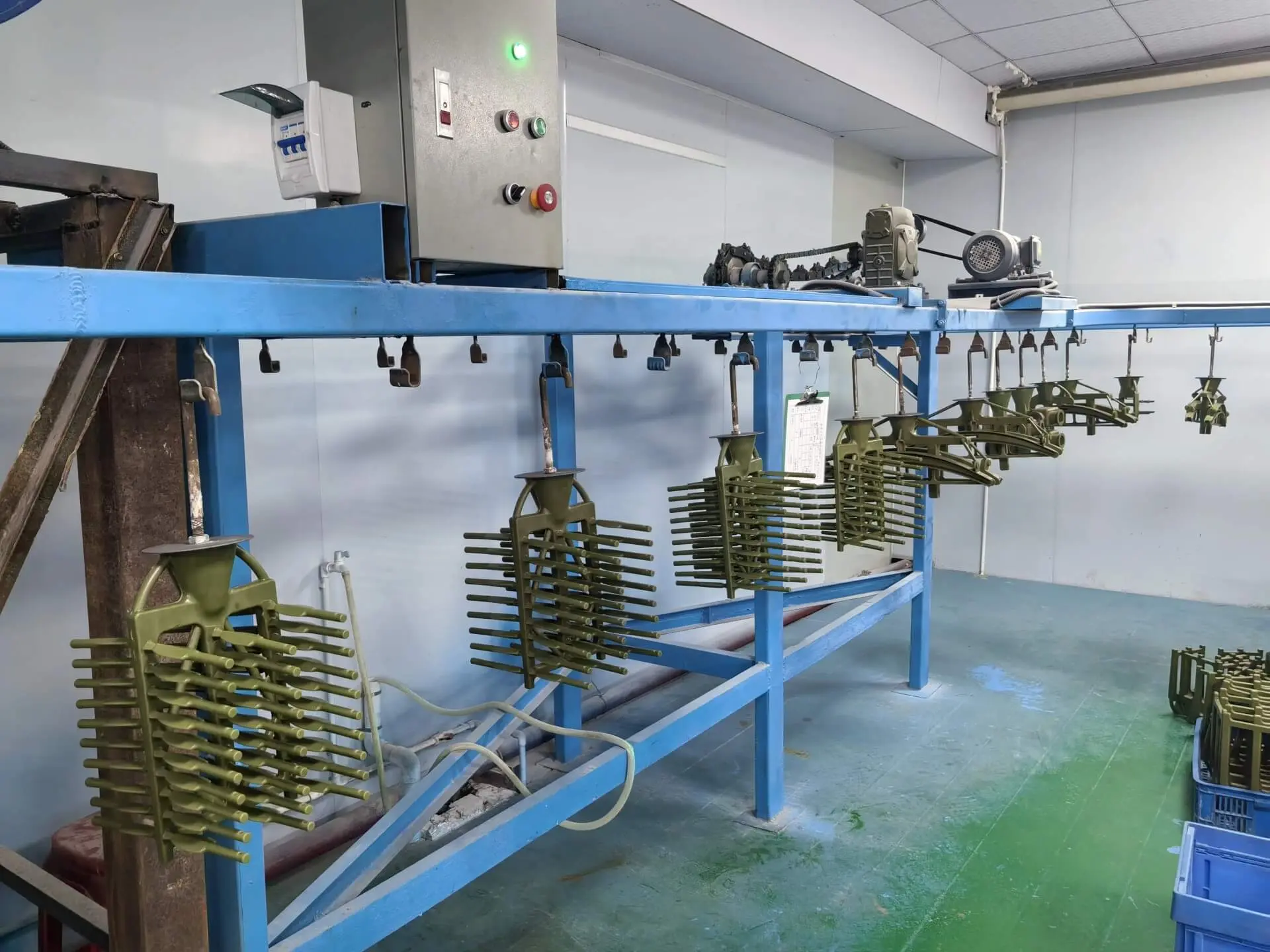
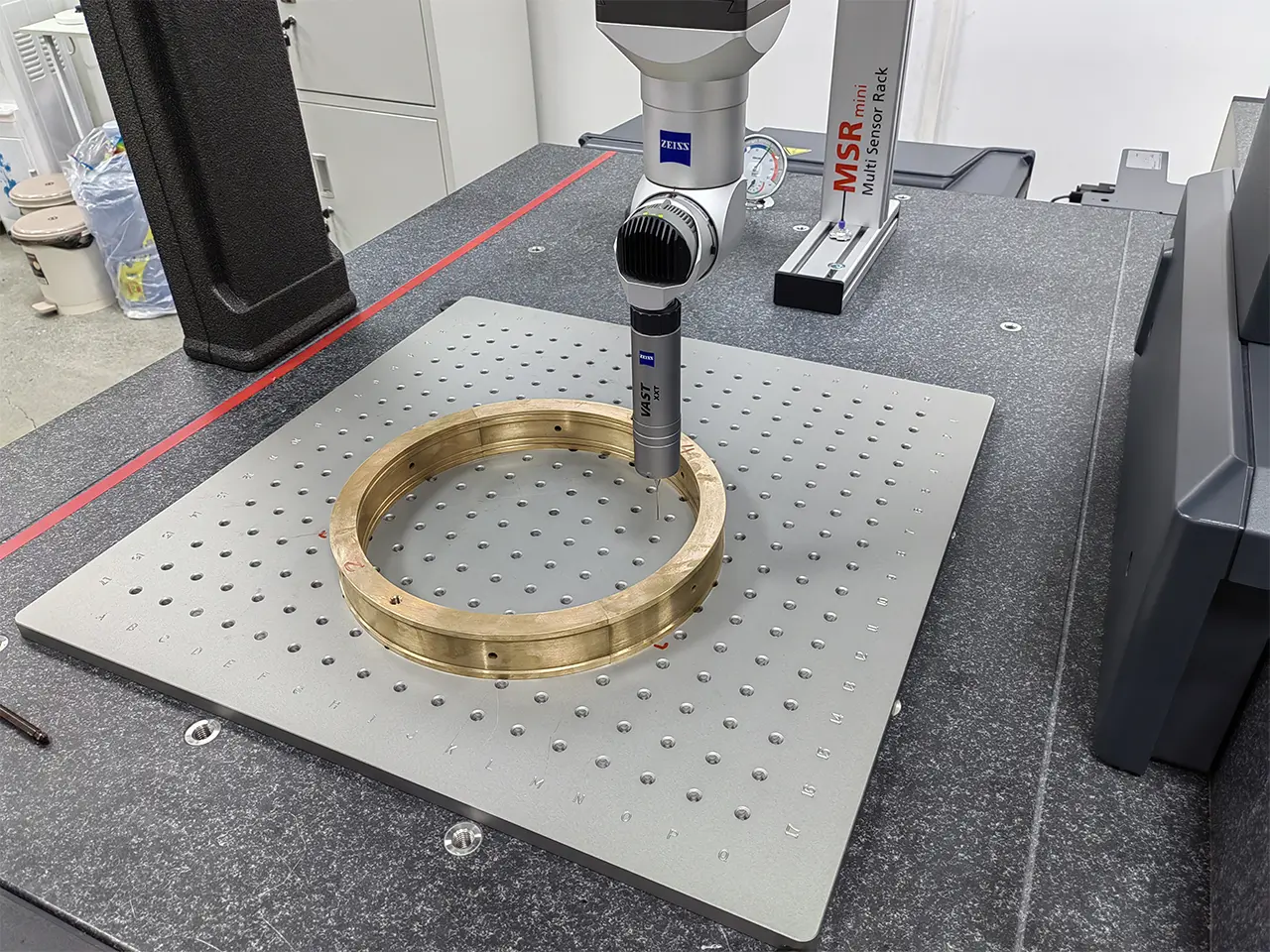
We have professional testing equipment and professional QC personnel, and we adhere to strict tolerances and quality standards for the products we produce. Due to our insistence on strict quality requirements, we have been praised by many customers.
Quality is the cornerstone of the manufacturing industry. We firmly believe that only by controlling quality well can we survive, develop, and get better and better. Therefore, we have been working in this industry unremittingly since 2014 and continue to improve the company's team and improve the company's production capacity.
Providing design-for-manufacturability (DFM) advice, regional compliance, and cross-border logistics to meet demanding industry requirements.
All low alloy castings conform to international specifications such as ASTM, ASME, DIN, EN, and ISO. Material Test Reports (MTR) are provided for every batch, confirming chemical composition and mechanical properties.
Our engineering team collaborates with you during the early design stage to optimize parting lines, draft angles, and wall thicknesses, reducing production cycle times and saving machining costs.
We work with international logistics providers to coordinate container transport, custom clearances, and duty-paid deliveries directly to your warehouses or job sites.
A major heavy transportation equipment supplier needed to replace fabricated weldments in their high-load axle frames, which were prone to fatigue cracking. We redesigned the parts as single-piece investment castings using ASTM A148 Grade 105-85 Low Alloy Steel.
Fatigue life increased by 230%, weight reduced by 14%, and raw material yield optimized.
Cast shapes completed with post-casting tempering and high-precision CNC boring for critical pin tolerances.
Tested with 100% Magnetic Particle Inspection and Ultrasonic verification to guarantee zero defects.
Technical insights to help procurement managers and engineers make informed decisions.
Carbon steel relies almost exclusively on carbon concentration to establish hardness and tensile strength, which can limit weldability and ductility at higher strengths. Low alloy steel castings introduce elements such as Nickel, Chromium, Molybdenum, and Manganese. This micro-alloying process significantly improves depth of hardenability, wear resistance, low-temperature toughness, and fatigue life without requiring high carbon levels that make welding difficult.
We perform optical emission spectrometry (OES) analysis directly on samples from the ladle before pouring. We match chemical composition with standards like ASTM, DIN, or JIS. The analysis results are logged by batch and provided to the customer in the Mill Test Certificate (MTC).
For precision components requiring fine surface finish and close dimensional tolerances (e.g., valve bodies, impellers, and complex gear parts), we use the lost wax investment casting process. This method helps minimize post-casting machining costs.
Depending on the required mechanical properties, we perform normalizing, annealing, liquid quenching, and tempering. For high-wear applications, tempering adjustments help balance hardness with fatigue and impact resistance.
Yes. Our integrated machine shop features multi-axis CNC milling, turning, and boring centers. This allows us to deliver ready-to-assemble components with dimensional tolerances within 0.005mm.
Select from our comprehensive list of metal fabrication and machining solutions to support your engineering requirements.
 SX Machining