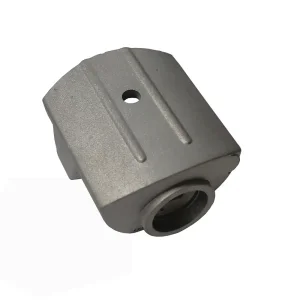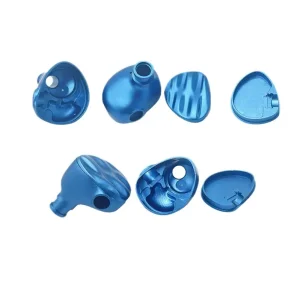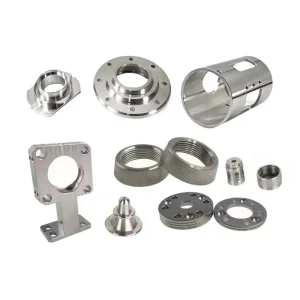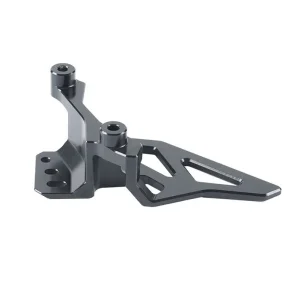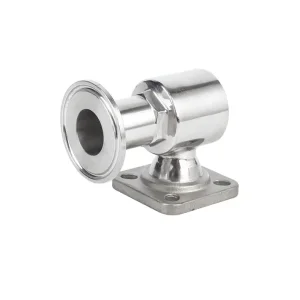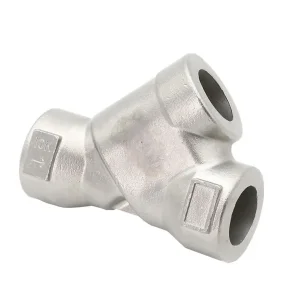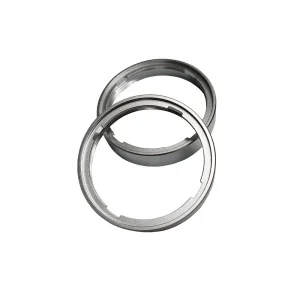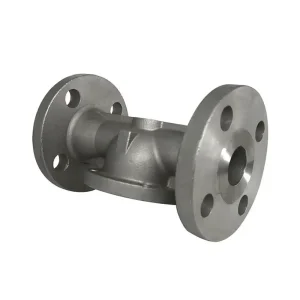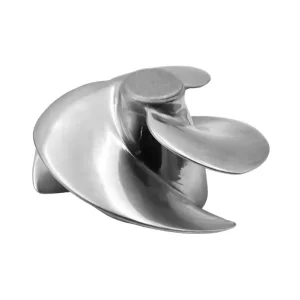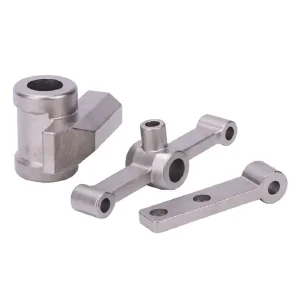
Dongguan SX Technology Co., Ltd. (also recognized under Shixin Production Workshops) is a pioneering engineering enterprise establishing industry standards since 2014. With decades of composite experience in precision lost wax investment casting, high-precision CNC machining, and complex assembly, we provide unified mechanical solutions to critical global markets.
We work with sophisticated alloys: stainless steels, carbon steels, titanium alloys, structural aluminum, copper alloys, and high-performance cemented carbides. Serving industries such as aerospace, medical equipment, deep-sea exploration, fluid control systems, automotive engineering, watches, and smart home systems, we ensure components strictly match demanding structural designs.
Silica sol investment casting represents the absolute peak of modern lost wax manufacturing technology. While the water glass casting process is used for low-precision agricultural components, silica sol binders utilize colloidal silica. This substance maintains chemical stability at extreme temperature phases, ensuring the structural shell maintains its exact form without micro-deformation during molten metal pouring.
Achieves an original surface roughness of Ra 3.2 to Ra 6.3 μm without machining. This reduces secondary finishing procedures, conserving raw materials and shortening manufacturing cycles.
Conforms to ISO 8062 CT4 to CT6 levels. Excellent for components requiring complicated internal structures, thin walls (down to 1.5mm), and precise detail transfer.
Optimized for stainless steel varieties (304, 316, 316L, 17-4 PH) and complex carbon steels. Prevents decarburization of surface zones, preserving mechanical properties.
Understanding the mechanical and physical variance between primary casting methods is vital for procurement agents and engineering teams looking to optimize part lifetime costs.
| Performance Metrics | Silica Sol Casting Process (Shixin Quality Standard) | Traditional Water Glass Casting |
|---|---|---|
| Dimensional Tolerance | CT4 - CT6 (Extremely High Precision) | CT7 - CT9 (Moderate Precision) |
| Surface Roughness (Ra) | Ra 3.2 - 6.3 μm (Polished mold finish) | Ra 12.5 - 25 μm (Rough textured finish) |
| Binder Material Composition | Colloidal Silica (Pure high-purity SiO2) | Sodium Silicate solution (Industrial glass chemistry) |
| Maximum Linear Tolerance Deviation | ± 0.1 mm to ± 0.3 mm depending on size scale | ± 0.5 mm to ± 1.0 mm depending on size scale |
| Tooling Lifetime (Metallic Moulds) | Extended (Aluminum/Steel Mould CNC Milled) | Moderate (Soft tooling or rapid tooling molds) |
| Complex Cavity Feasibility | Excellent (Utilizes soluble wax cores for undercuts) | Highly Limited (Typically simple structural drafts only) |
In the contemporary industrial geography, global sourcing is vulnerable to macro disruption. Our facility in Dongguan, Guangdong province, operates as a modernized production node. This localized cluster contains material refineries, rapid prototyping units, heat treatment specialists, and surface finish processing plants within a 50-kilometer radius.
By using Dongguan's advanced logistics infrastructures, we protect clients from component supply delays. Our operations incorporate a vertical production loop: we perform structural finite element analysis (FEA), run molten metal flow simulations, design the tooling molds, cast components, and execute final CNC machining in-house.
Through this unified process, Shixin limits cross-handling errors, guarantees trace component records, and decreases shipping preparation times by up to 35% compared to multi-vendor supply models.
From initial digital blueprint modeling to critical final inspections, Shixin manages every process step to ensure zero structural failures.
3D files are analyzed using solidification simulation software. Tooling molds are machined using high-precision CNC equipment.
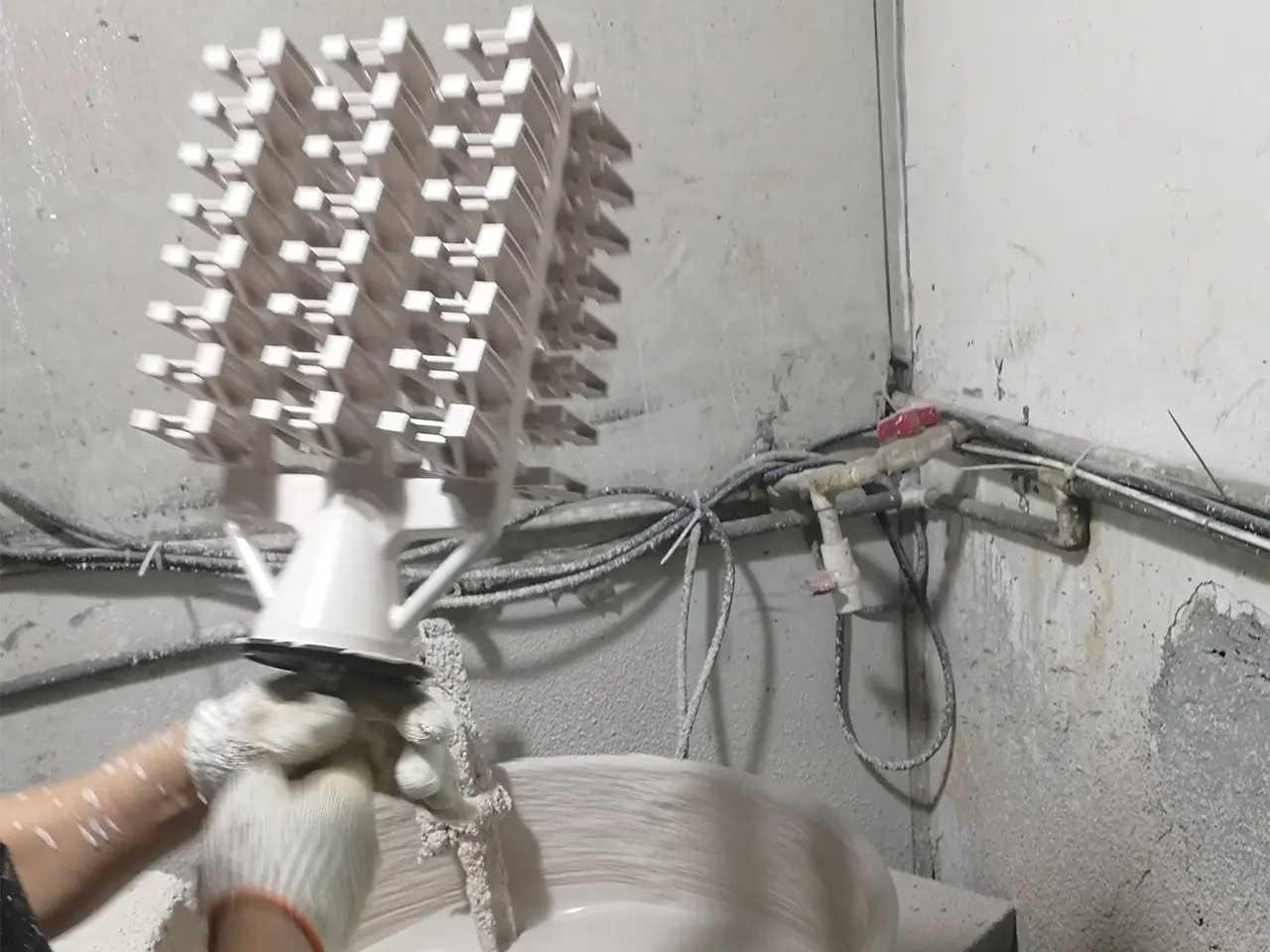
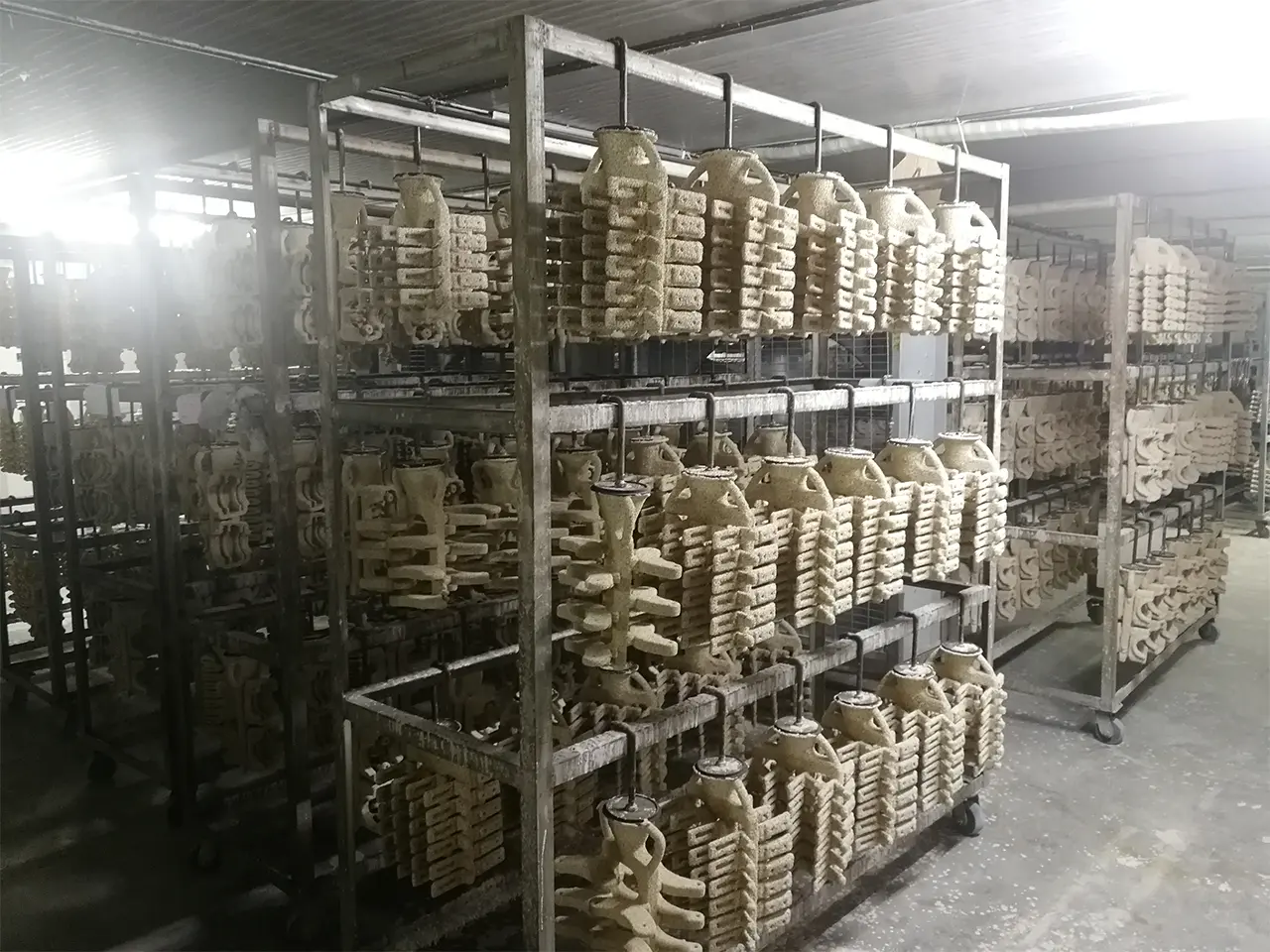
Wax models are systematically dipped in high-grade colloidal silica slurry. Shell layers cure under climate-controlled conditions.
Shells are dewaxed via steam autoclave and sintered at 1000°C. Superheated molten alloy is poured in under strict temperature control.
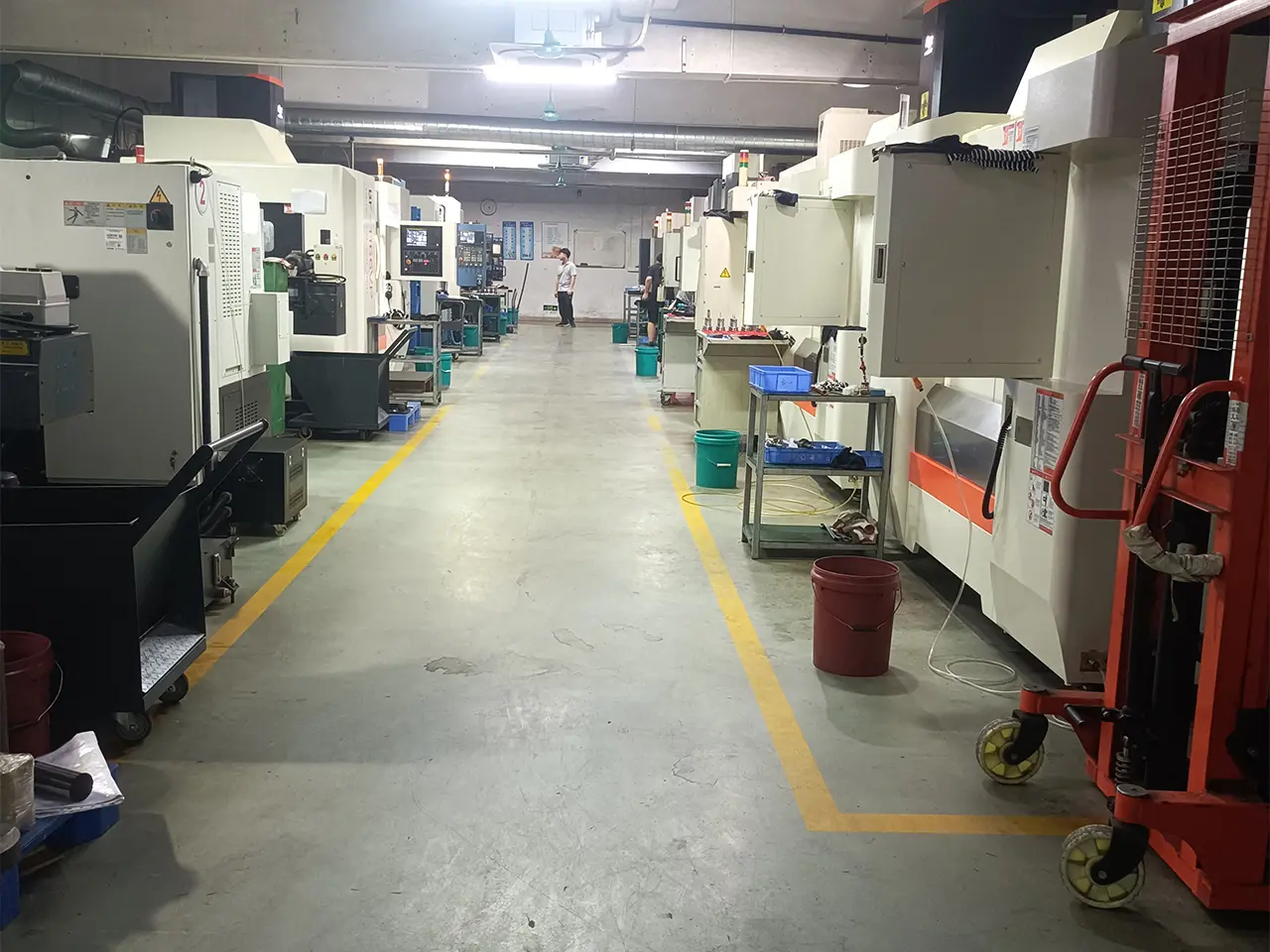
Sprues are mechanically cut. Features requiring close tolerances are machined on our multi-axis CNC centers.
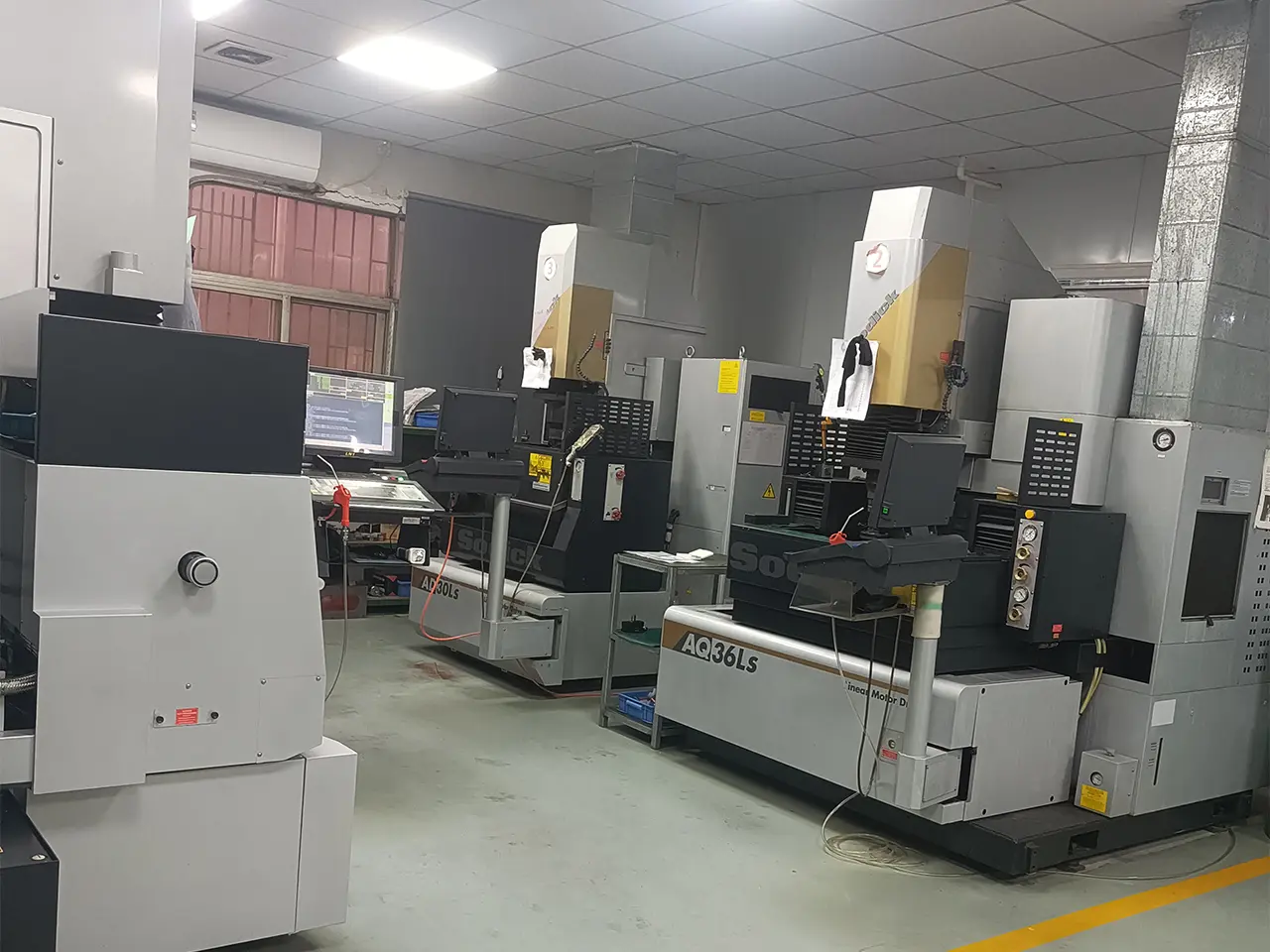
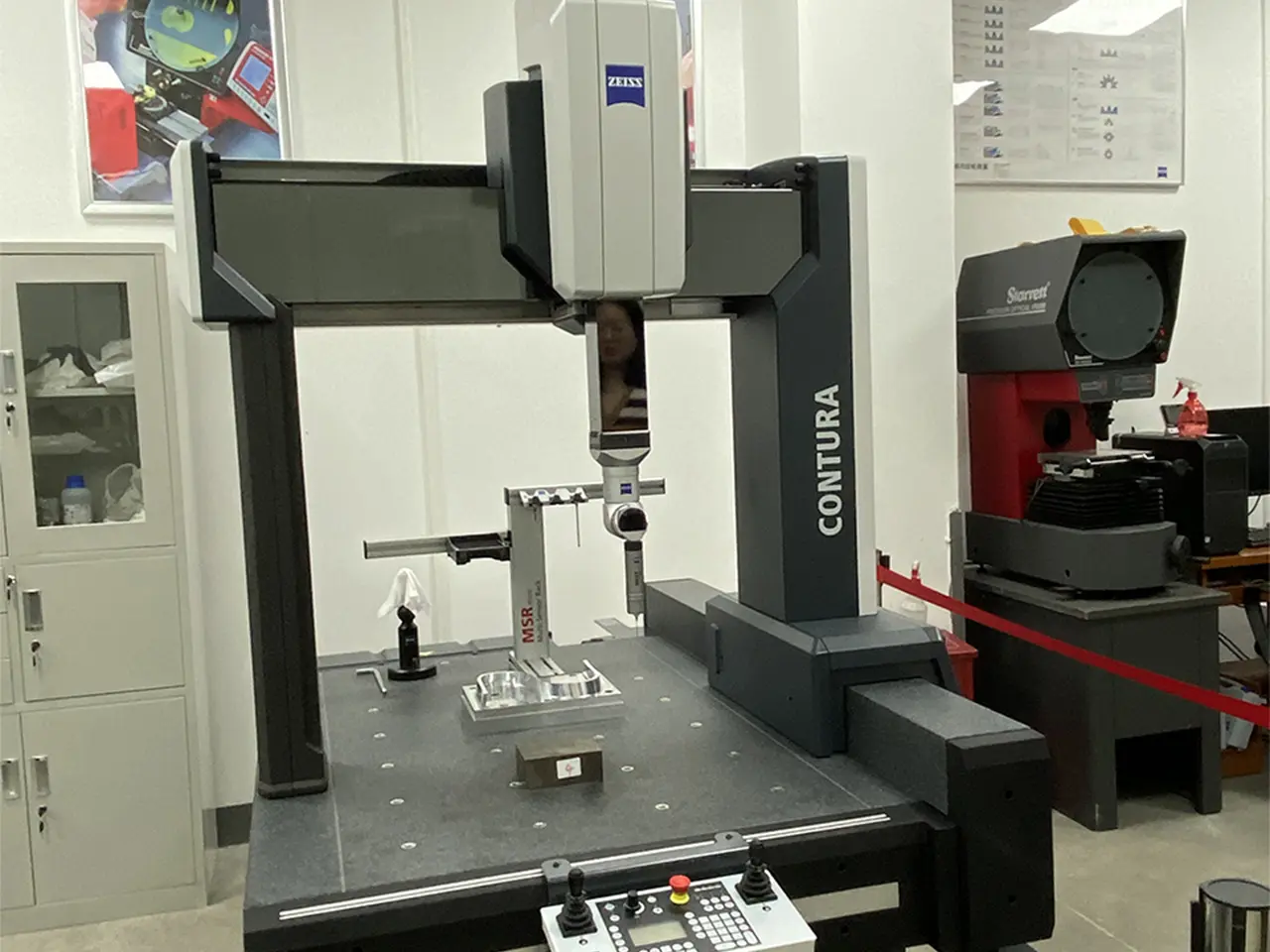
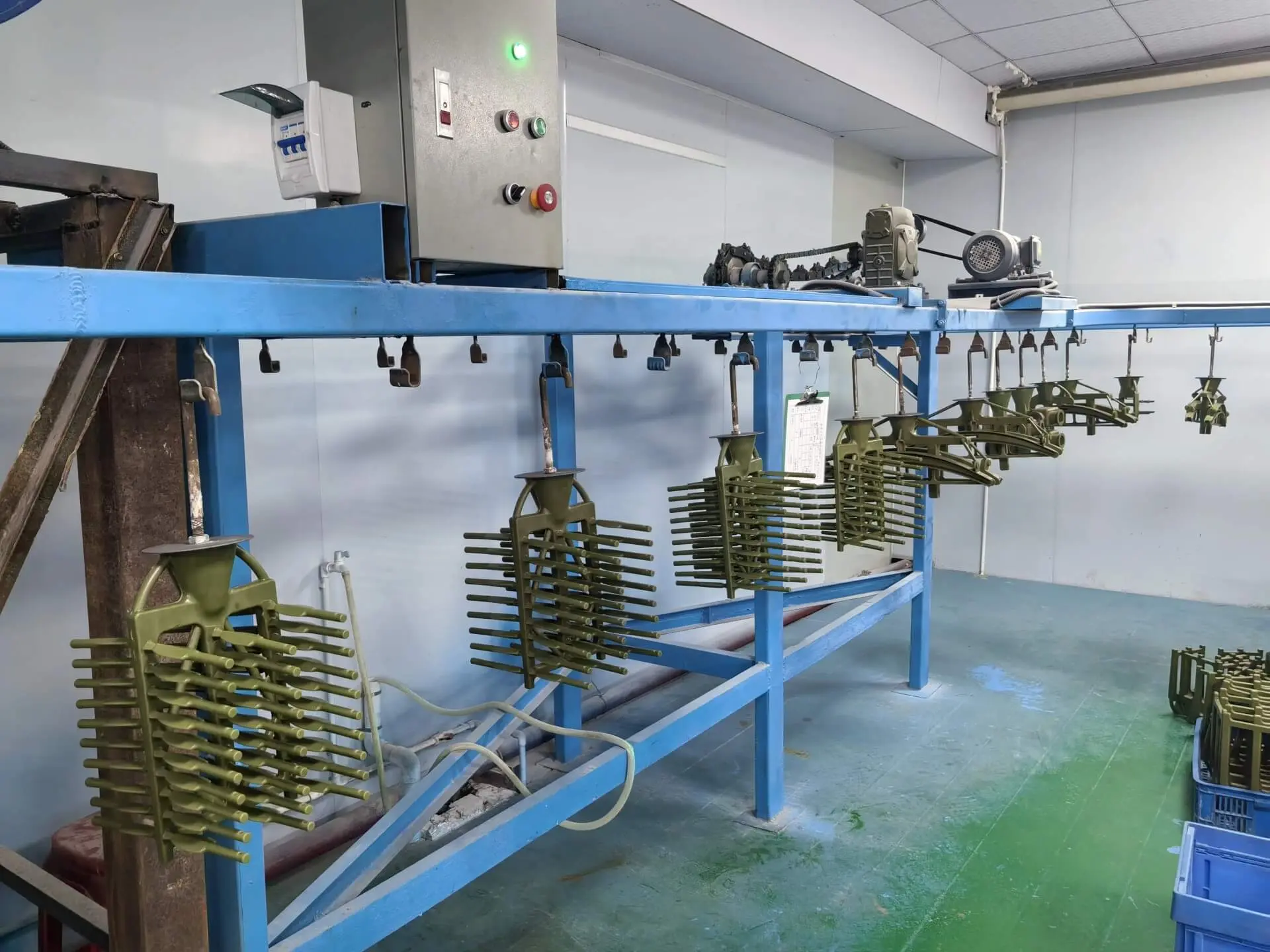
Our workshops are equipped with modern production machinery, climate-monitored shell drying facilities, and dedicated machining departments.
Selecting the correct raw materials is critical to ensure parts survive severe stress, thermal variations, and corrosive environments. At Dongguan SX Technology Co., Ltd., we combine casting capabilities with precision CNC machining to expand engineering limits.
Our foundry and machining centers process a wide variety of engineering metals, including:
Our combined experience in both investment casting and high-precision CNC machining allows us to optimize geometries. We cast near-net shapes to save material, then machine critical sealing faces and threaded holes to tolerances of ±0.005mm.
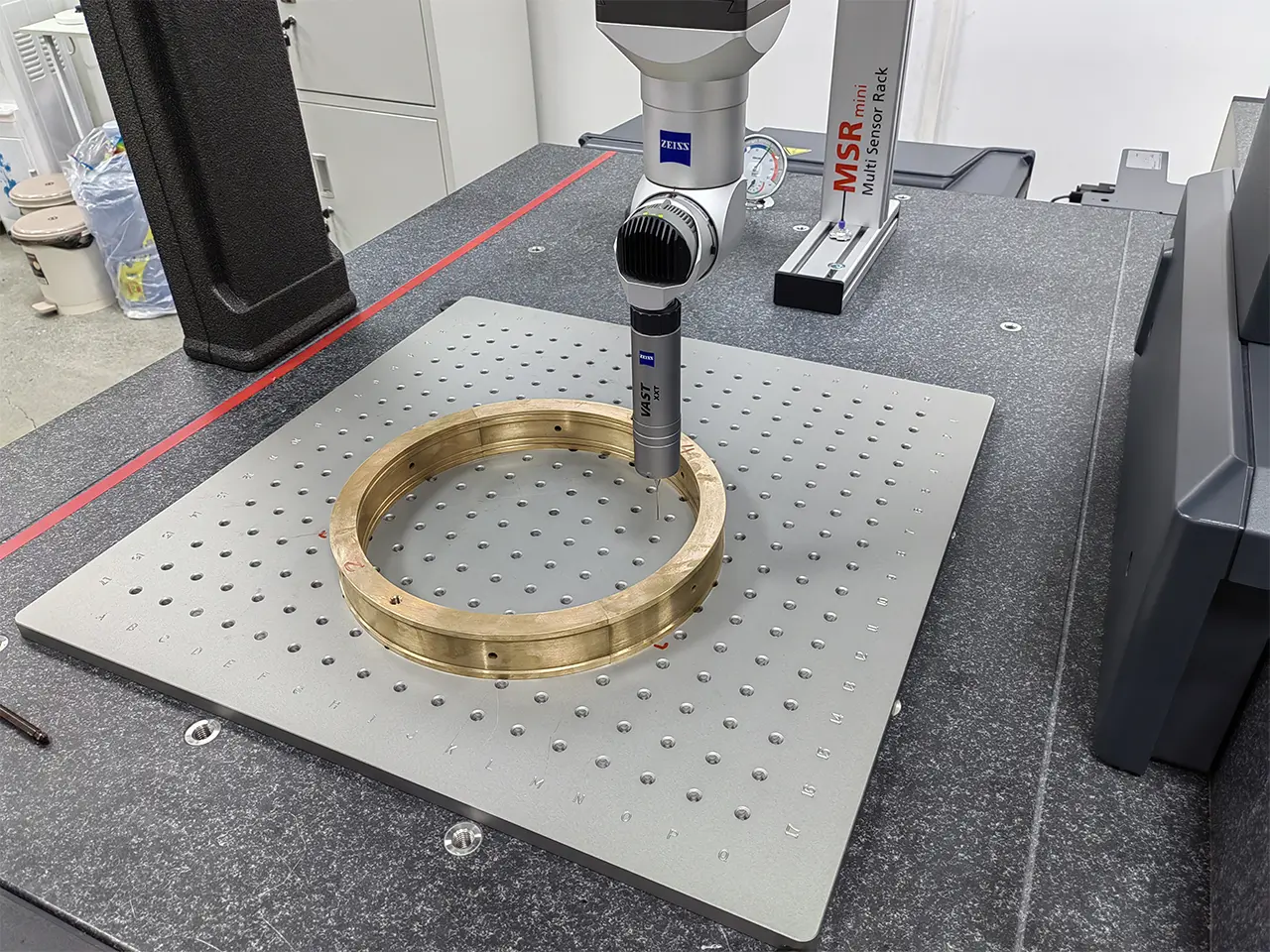
At Shixin, quality control is the core of our business model. Since our foundation in 2014, we have invested in professional inspection equipment and experienced QC technicians to verify that each component meets standard dimensions.
Our quality checks monitor raw alloy composition, melt dynamics, dimensional stability, and surface profiles. We use spectrometer testing to confirm the exact material composition before casting, and perform coordinate measuring machine (CMM) inspections on finished CNC parts.
We work with international standards (ASTM, DIN, JIS, ISO) to verify that every component is suitable for field installation.
We manufacture critical industrial components customized for various operating environments, from marine deep-sea equipment to precision smart homes.
Conditions: Extreme hydrostatic pressures (up to 6000 meters deep) and high saltwater corrosion.
Solution: Custom cast Grade 5 Titanium alloys and Super Duplex Stainless Steel castings. Used for underwater sensory pods, thruster shrouds, and hydraulic connection ports.
Conditions: Chemical erosion, high pressures, and thermal fluctuations.
Solution: Silica sol investment cast 316L stainless steel valve bodies, impellers, and pump housings. Precise internal channels minimize turbulence and fluid shear stress.
Conditions: High daily usage, aesthetic requirements, and close mechanical fits.
Solution: Net-shape cast and polished zinc/aluminum housings, custom hinges, and internal locking brackets. High surface finishes allow direct coating and chrome plating.
Find answers to typical questions about our ODM Silica Sol Casting operations, tolerances, material choices, and lead times.
For standard parts, our tooling development and sample production typically takes 15 to 25 working days. This timeline includes CAD file verification, solidification simulation testing, CNC mold machining, sample pouring, heat treatment, post-machining, and CMM dimension validation. Once the initial sample is approved, high-volume production times are decided by raw material availability and total order size.
Every casting run undergoes a strict quality check. We use optical emission spectrometers to confirm material chemistry before pouring. Internal structural checks are performed via non-destructive testing (NDT), such as industrial X-ray imaging and ultrasonic inspections, to detect internal shrinkage, gas pockets, or micro-cracks. Physical properties are validated using tensile strength testers and hardness testing equipment.
Yes. Our specialty is managing integrated production projects. We cast complex features using near-net-shape silica sol investment processes, and then machine close-tolerance zones (such as bearing holes, alignment surfaces, and precision threads) on our multi-axis CNC milling and turning centers. This dual-method approach allows us to achieve tolerances down to ±0.005mm.
For structural parts, the minimum cast wall thickness is 1.5mm. This depends on the specific alloy selected, the flow characteristics of the molten metal, and the overall dimensions of the component. Thin-walled areas must be positioned correctly within the gate system to ensure complete mold filling without cold shut defects.
We work with varied production scales. While investment casting is cost-effective for medium to high volume runs due to initial tooling investments, we also support engineering development phases, custom modifications, and low-volume trials. We review project needs individually to choose the best production approach for each client.
Silica sol casting has a higher initial unit cost due to the higher grade materials used for the slurry shells and the longer drying times required. However, it delivers better dimensional control and a smoother surface finish (Ra 3.2-6.3 μm). This reduces the need for secondary machining, grinding, and surface preparation. When looking at total finished costs, silica sol casting is often more cost-effective for complex, high-precision industrial parts.
 SX Machining