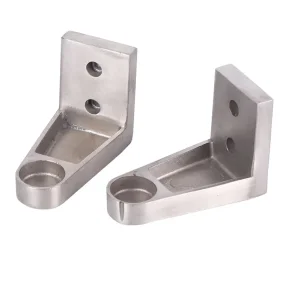
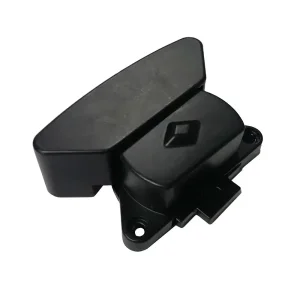
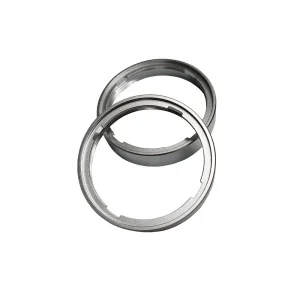
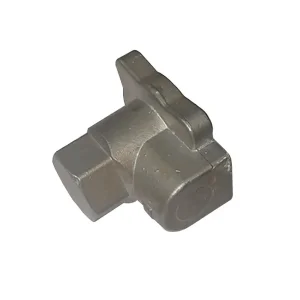
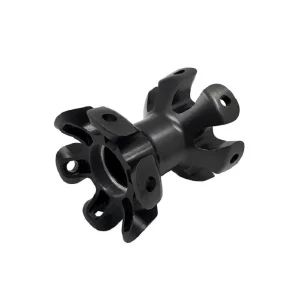
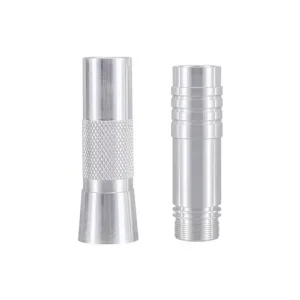
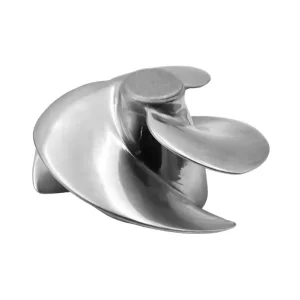
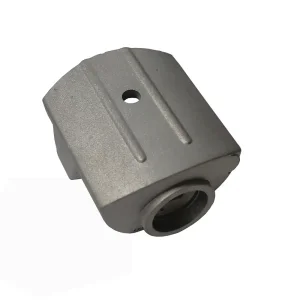
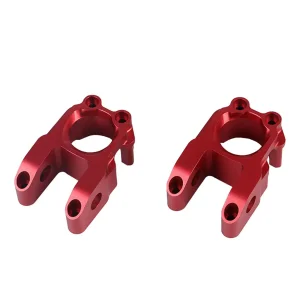
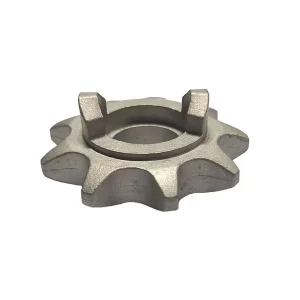
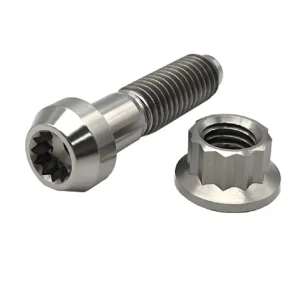
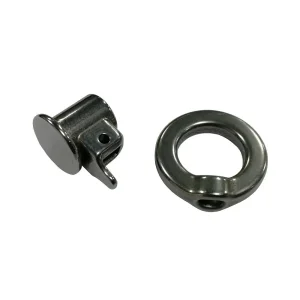
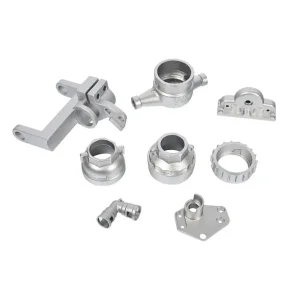
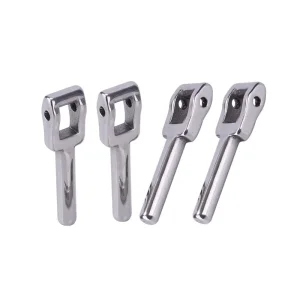
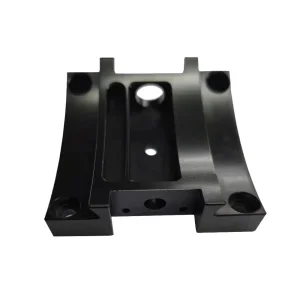
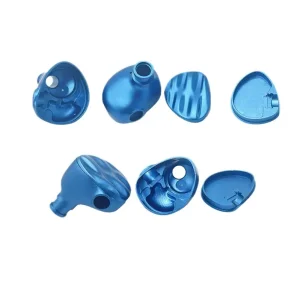
Explore our structural components engineered for extreme environments, heavy industry machinery, marine engineering, and micro-electronics.
Deep-dive research into macroeconomic developments, global supply chains, and demanding industrial applications.
The manufacturing ecosystem is currently undergoing a paradigm shift towards low-volume high-mix (LVHM) production models. Within this transition, precise cast prototypes act as the vital bridge between concept approval and serial manufacturing. High-integrity industries, such as aerospace, medical equipment, and automotive, cannot afford structural failures, making physical prototype testing a crucial milestone.
Globally, the demand for cast prototypes is driven by the need to validate mechanical isotropic properties. Unlike additive manufacturing (3D printing) or direct machining from wrought materials, investment casting produces unique metallurgical grain patterns. These structural behaviors must be analyzed during pre-clinical or pre-commercial stress testing. From critical valve components in deep-sea oil pipelines to suspension elements in electric vehicles, precise casting delivers functional validity that other processes simply cannot replicate.
For international supply chain managers, the key challenge is balancing speed with architectural compliance. The procurement of raw materials, implementation of accurate tooling models, and rigorous post-cast CNC machining require highly integrated ecosystems. Consequently, businesses are moving away from fragmented vendor structures and turning toward single-source providers who manage the entire lifecycle from casting to final micro-machining.
How Dongguan SX Technology Co.,Ltd leverages regional industrial intelligence and advanced equipment arrays.
In the global map of advanced manufacturing, Dongguan represents a critical nexus. The city boasts an unmatched concentration of raw material processors, heat-treatment centers, and surface plating providers. This allows Dongguan SX Technology Co.,Ltd to execute rapid iterations on precise cast prototypes in timeframes that Western manufacturers struggle to match.
Our organization has cultivated rich expertise in precision casting, CNC machining, and complex assembly processes. We process an extensive range of alloys to meet diverse engineering challenges:
We primarily utilize Stainless Steel (such as 316L, 304, and Duplex Alloys) for exceptional corrosion resistance, alongside Carbon Steel (such as 1020, 1045) for robust structural components and industrial load bearing.
Our advanced machining capabilities cover high-performance alloys including Titanium Alloy, Stainless Steel, Carbon Steel, Aluminum Alloy, Copper Alloy, and Cemented Carbide for exceptional hardness and thermal resistance.
Beyond producing raw components, our engineering teams offer complete downstream services, including sub-assembly, specialized surface treatments, and localized packaging for end-use integration.
Equipped with advanced casting furnaces, shell-building environmental chambers, multi-axis CNC machines, and high-performance coordinate measuring machines (CMM), we respond quickly to demands across industries including machinery, automobiles, marine, ships, instrumentation, valves and pumps, electronic appliances, packaging, watches, construction, and chemical engineering.
A visual overview of our casting facilities, raw materials, machining centers, and inspection processes.
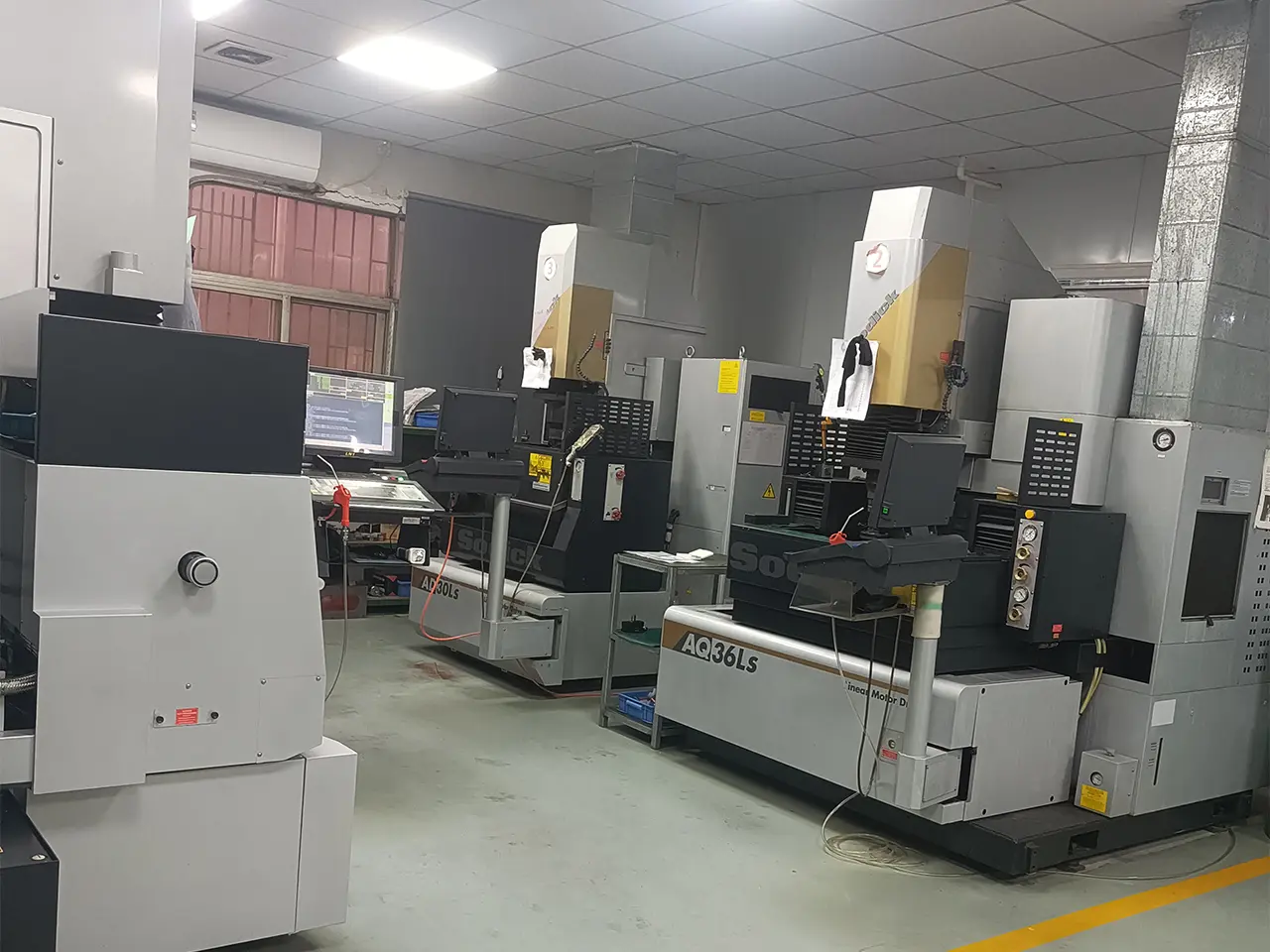
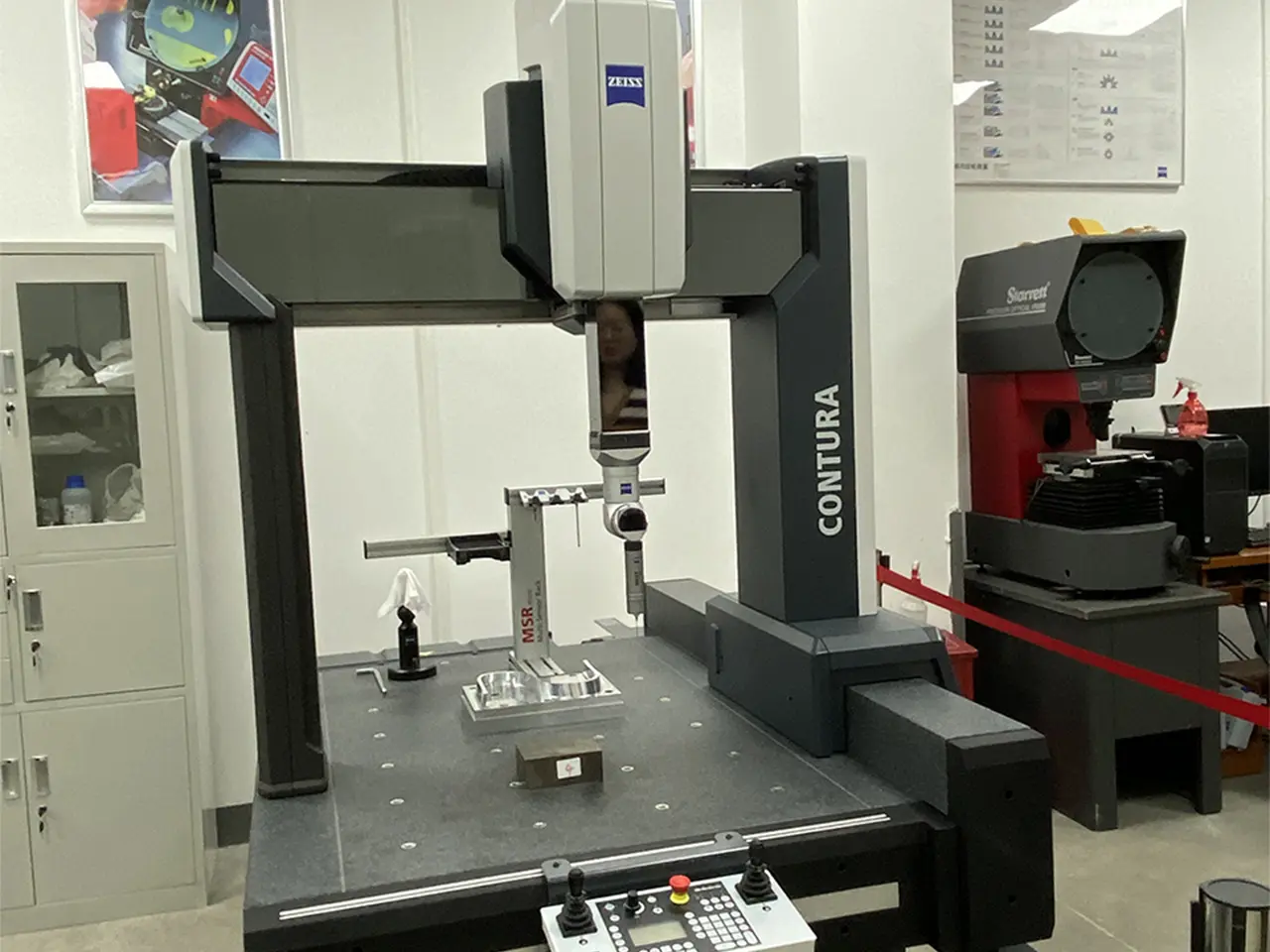
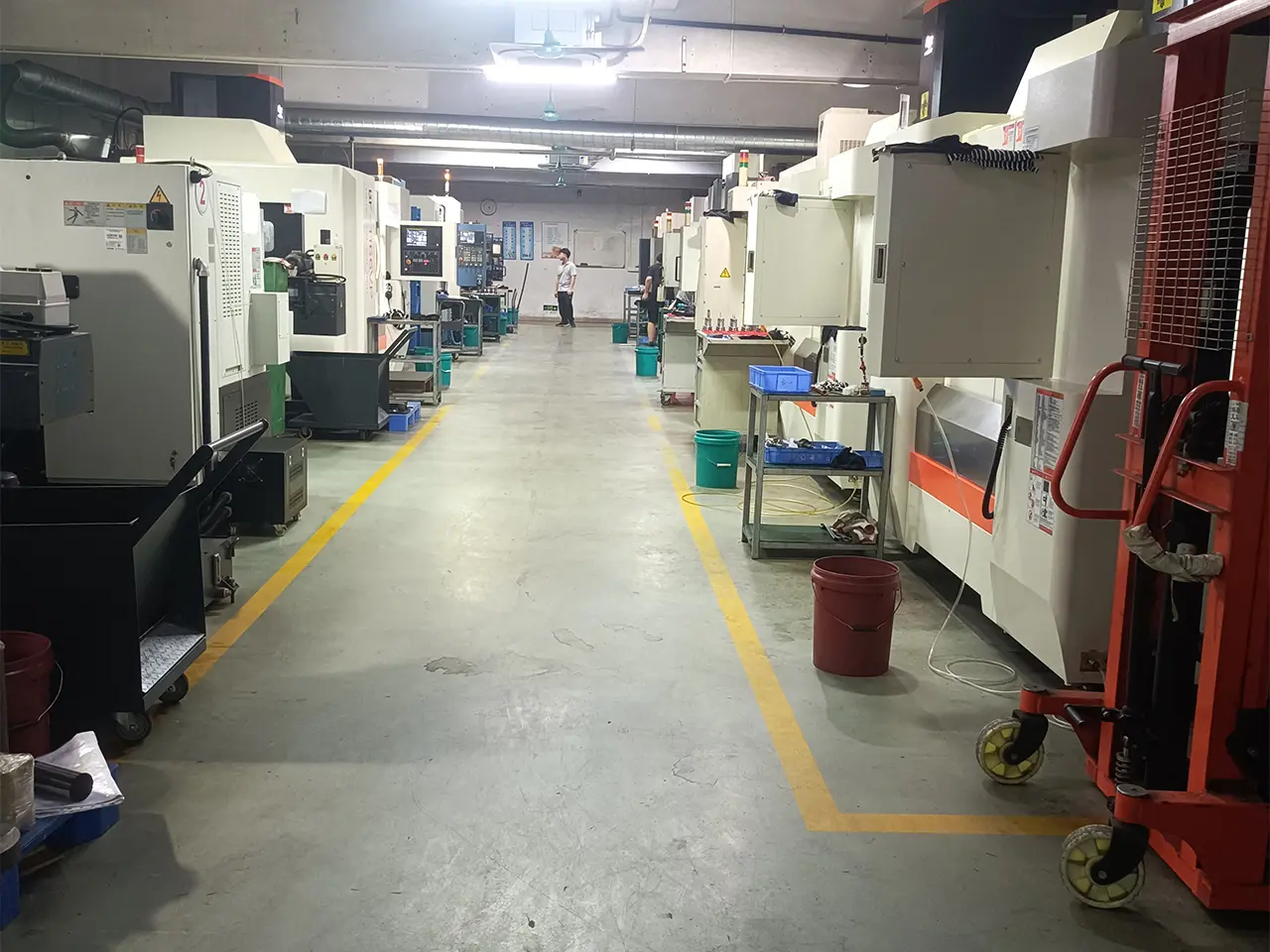
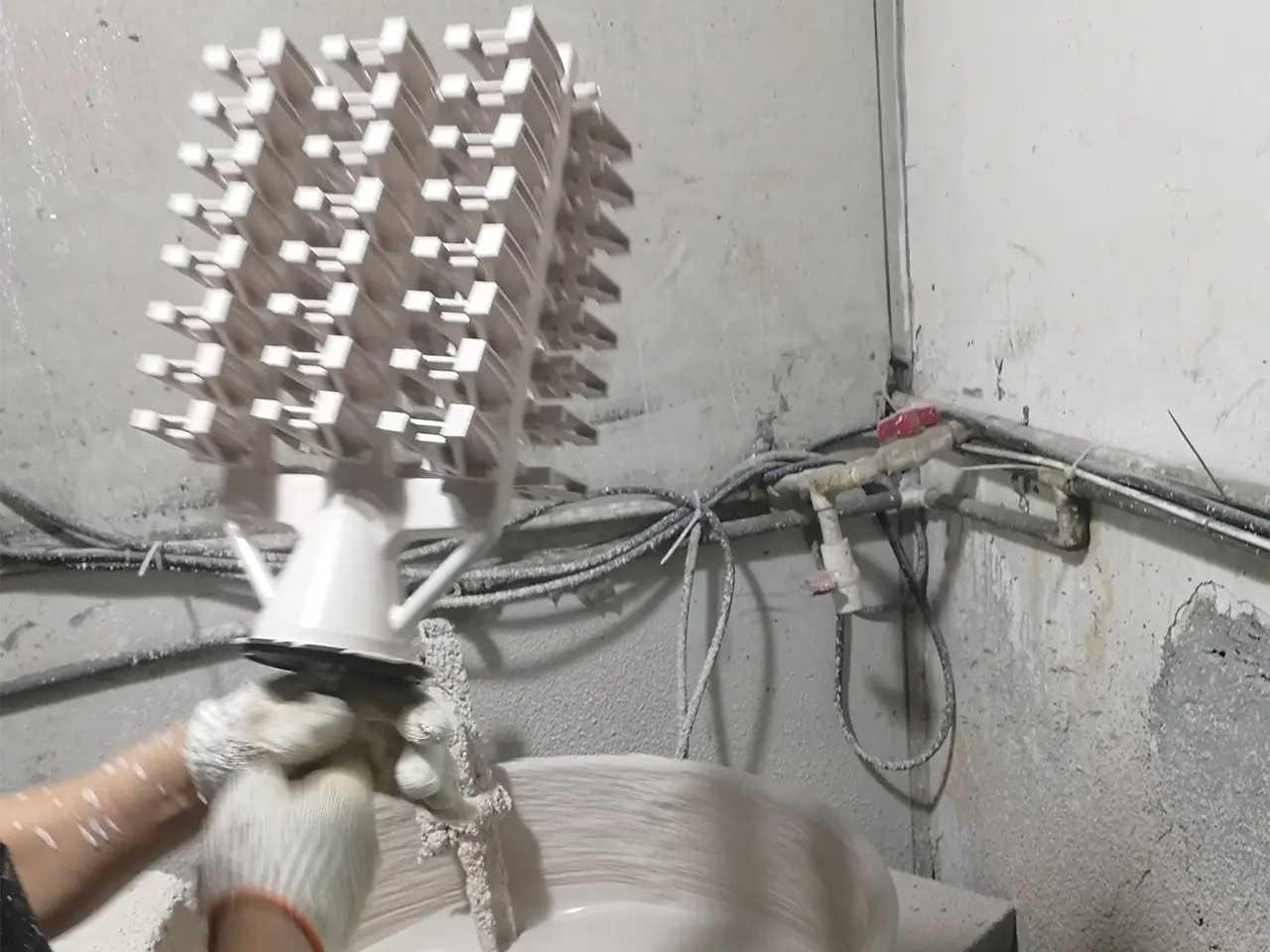
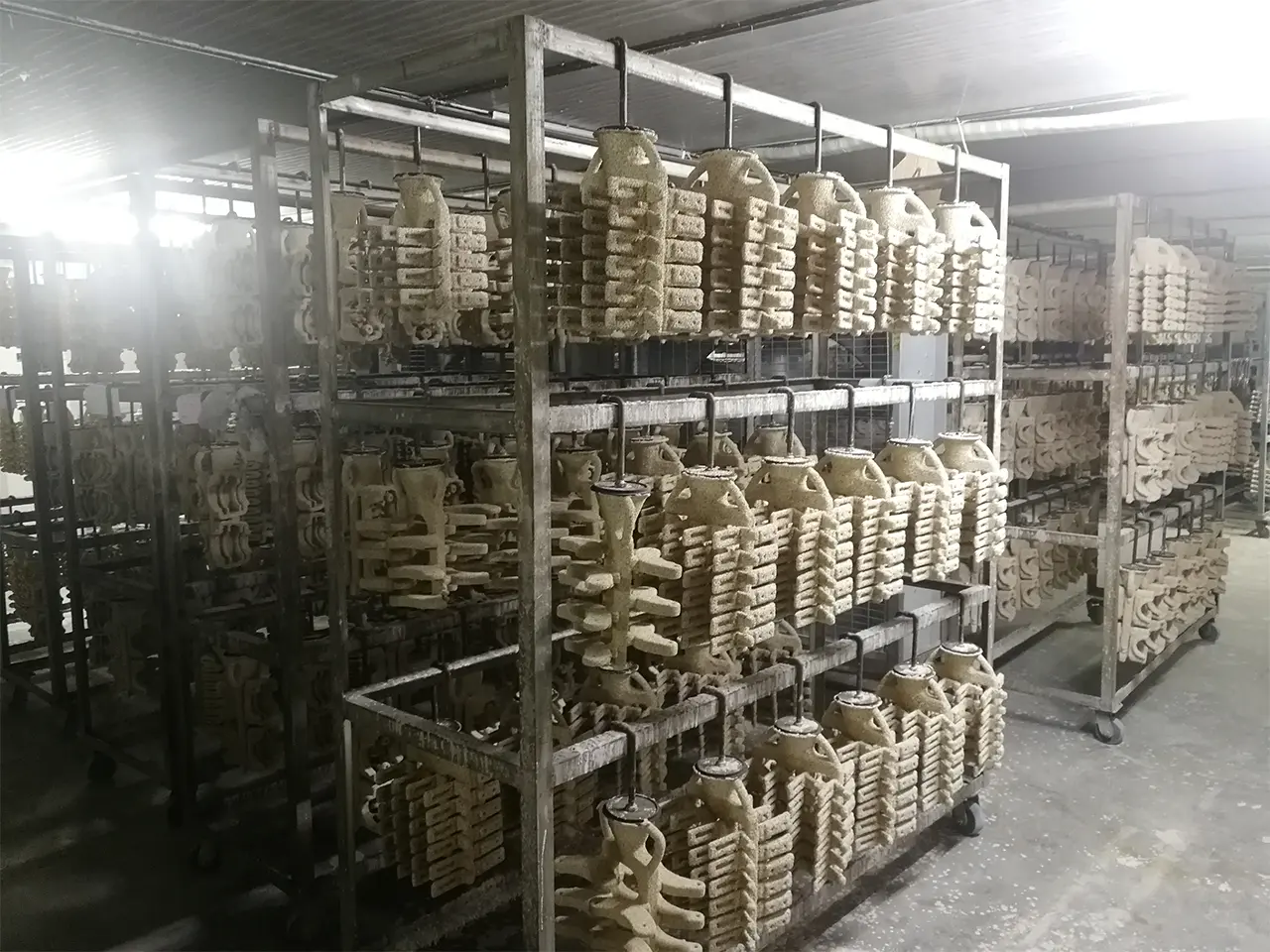
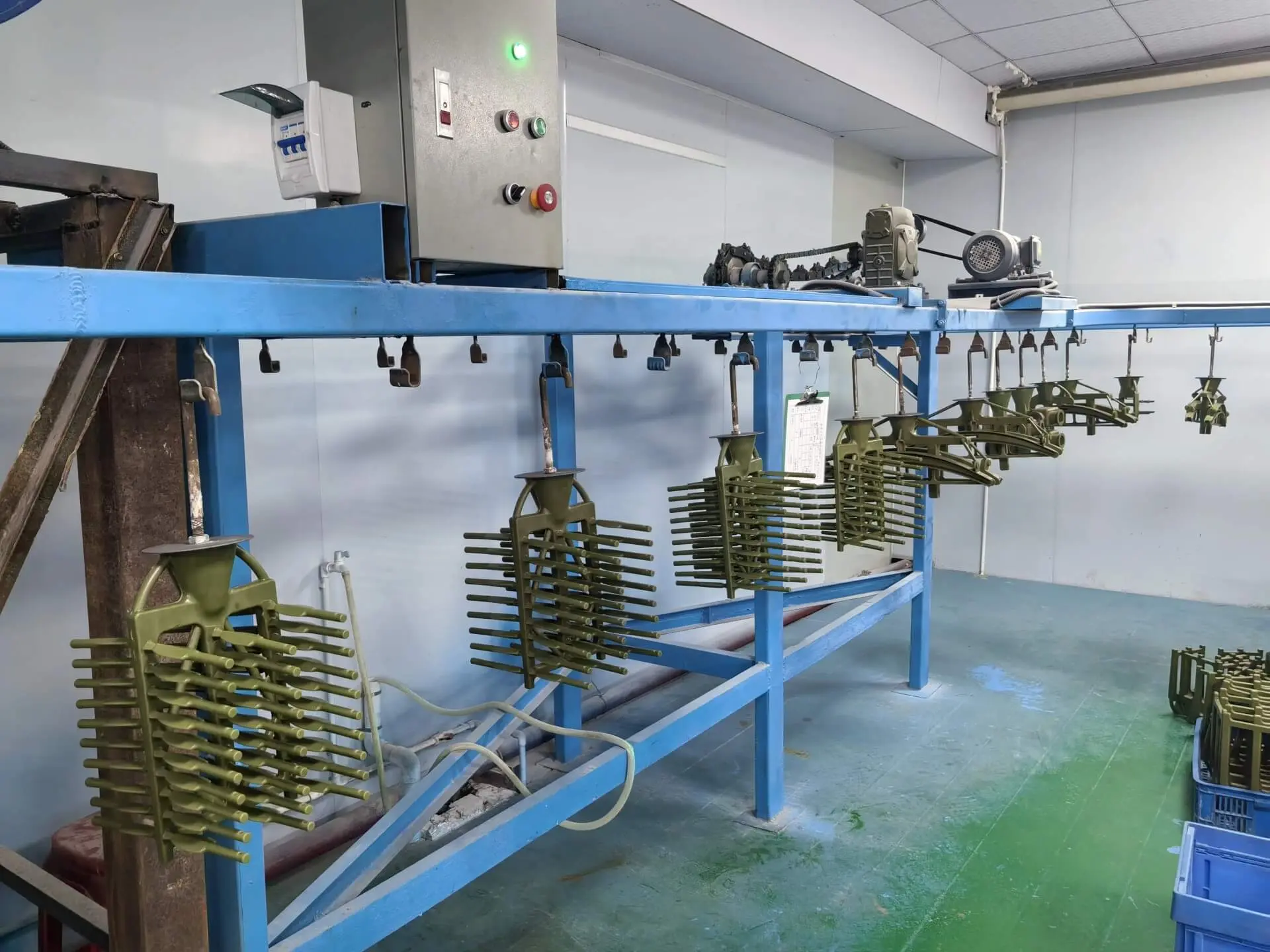
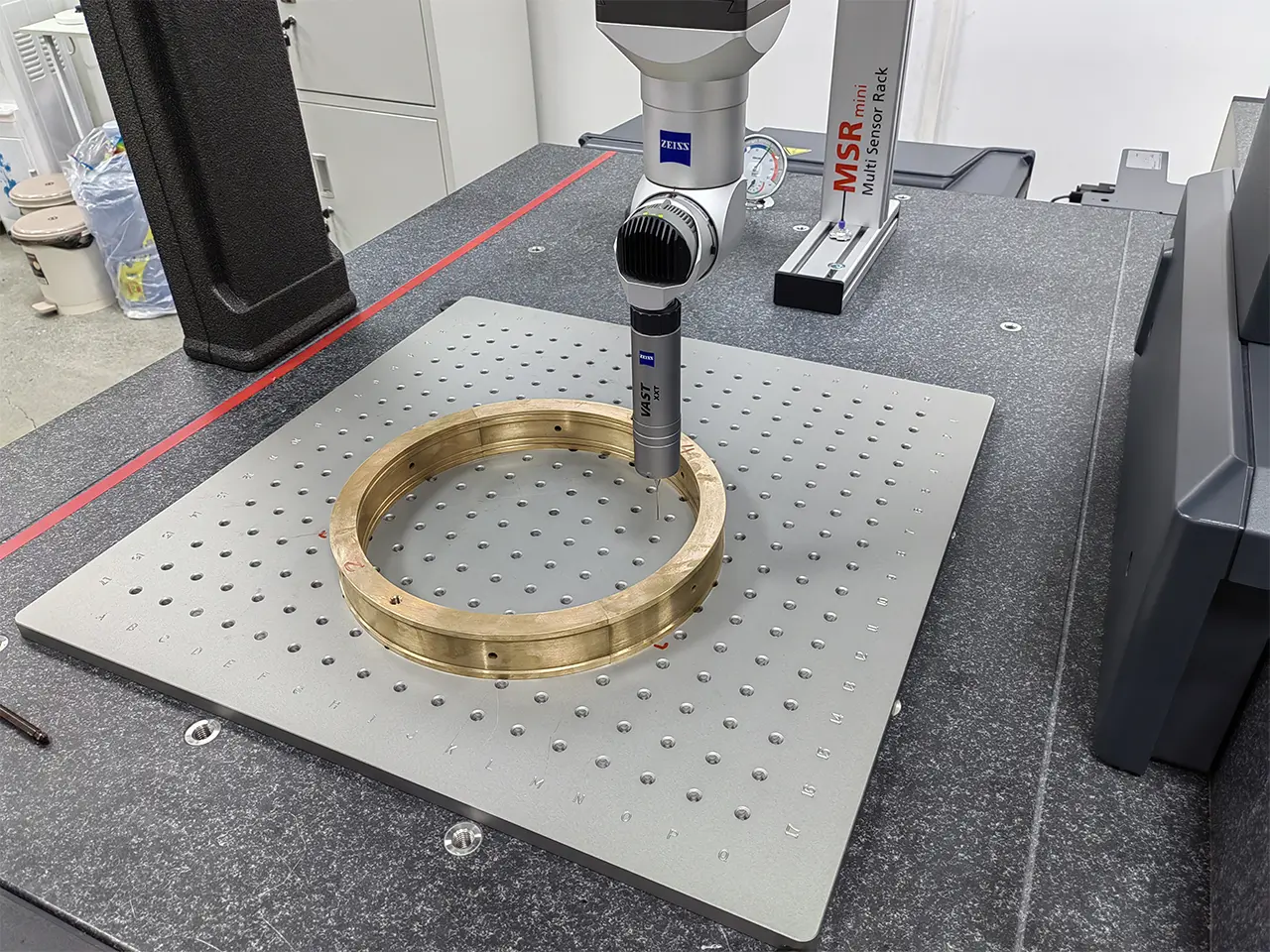
We have professional testing equipment and professional QC personnel, and we adhere to strict tolerances and quality standards for the products we produce. Due to our insistence on strict quality requirements, we have been praised by many customers.
Quality is the cornerstone of the manufacturing industry. We firmly believe that only by controlling quality well can we survive, develop, and get better and better. Therefore, we have been working in this industry unremittingly since 2014 and continue to improve the company's team and improve the company's production capacity.
Our quality control workflow includes:
Understanding the applications of precise casting and modern engineering projections.
Marine environments represent one of the most punishing settings for structural components. High salinity, constant pressure fluctuations, and electrochemical corrosion demand materials with specialized microstructure properties. The investment casting of stainless steel (including duplex and super-duplex variants) is crucial for pump impellers, propellers, and valve actuators. When combined with tight-tolerance CNC machining, these parts ensure long-term, fail-safe performance on open ocean installations and deep-sea vessels.
The electronics and smart home sectors require miniature structural metal components. Lost wax casting is ideally suited for this application, offering a combination of fine details, thin-walled designs, and excellent surface finishes. We deliver high-precision chassis, lock cylinders, and camera brackets that balance lightweight designs with high structural durability, matching the needs of modern smart home devices.
As the automotive sector transitions to electric powertrains, reducing vehicle weight is essential to maximizing range. Aluminum and magnesium cast prototypes enable engineers to quickly test suspension knuckles, motor casings, and battery tray supports. Our fast prototyping service helps automotive R&D teams iterate designs, execute crash testing, and move parts into mass production faster.
| Parameters | Rapid Investment Casting Prototypes | Full CNC Machining from Block | 3D Metal Printing (SLM) |
|---|---|---|---|
| Lead Time (1-10 units) | 10 - 15 Days | 3 - 7 Days | 2 - 5 Days |
| Structural Integrity | Excellent (Isotropic grain) | Excellent (Wrought properties) | Moderate (Anisotropic structure) |
| Geometric Complexity | Very High (Complex internal channels) | Limited (Requires tool path access) | Extremely High |
| Surface Quality (Ra) | 3.2 - 6.3 μm (Before post-machining) | 0.8 - 1.6 μm | 12.5 - 25 μm |
| Material Versatility | Broad range of castable alloys | Virtually any machinable metal | Limited powder availability |
Answers to technical questions from global procurement and design engineers.
Explore our high-durability products engineered for offshore marine projects, titanium machining, and industrial machinery.
 SX Machining