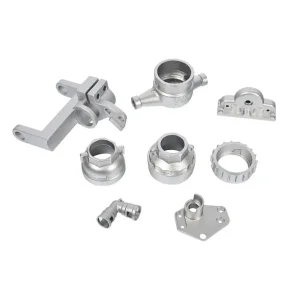
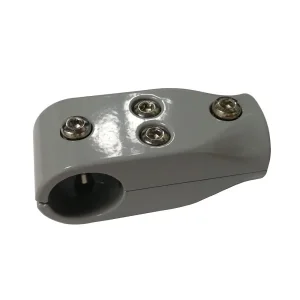
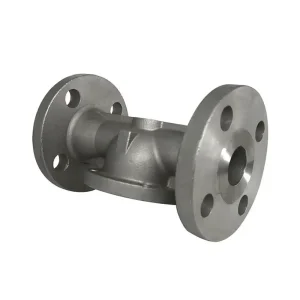
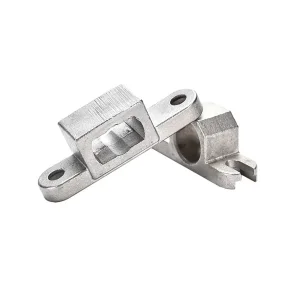
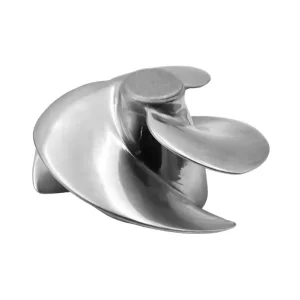
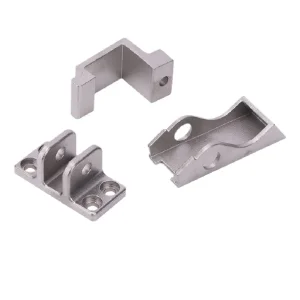
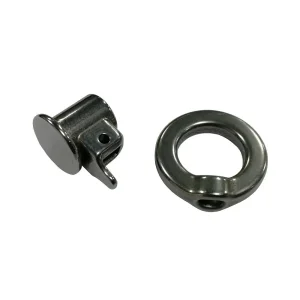
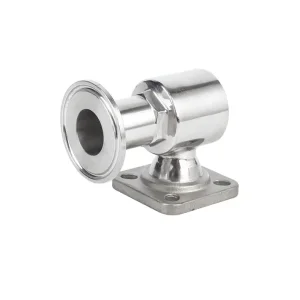
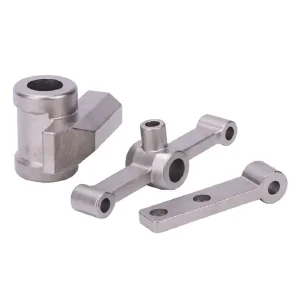
Established in 2014, Dongguan SX Technology Co., Ltd. has accumulated nearly a decade of rich industrial experience in high-precision investment casting, multi-axis CNC machining, and complex component assembly.
We serve critical industries including modern automotive manufacturing, aerospace, marine engineering, marine vessels, heavy-duty industrial valves & pumps, electronics, chemical instrumentation, precision packaging, timepieces, and high-safety construction structures. Our engineering prowess covers both traditional and high-difficulty alloys:
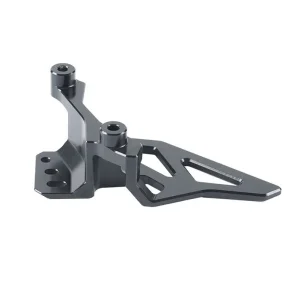
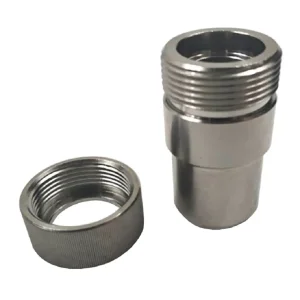
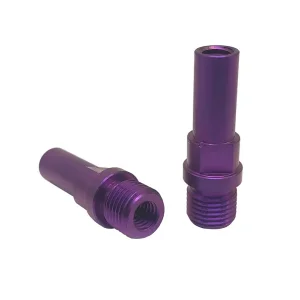
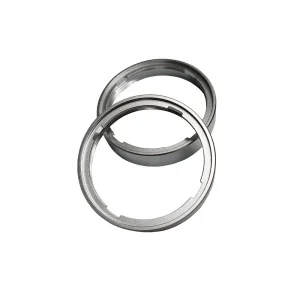
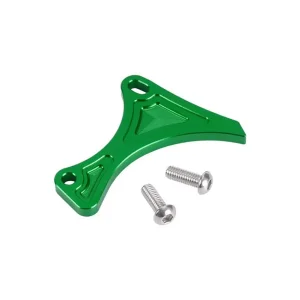
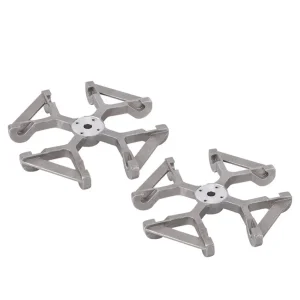
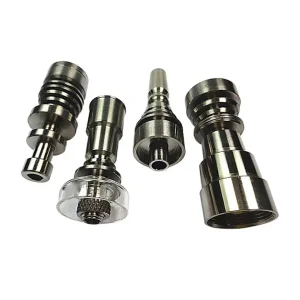
In the era of dynamic engineering, OEM Aluminum Machining Parts serve as the bedrock for modern product development. By combining physical lightweighting properties with the design flexibility of multi-axis CNC milling and turning, global organizations achieve faster production cycles and unmatched performance gains.
Optimized selections ranging from Al6061-T6 for structural strength to Al7075-T6 for aerospace grade stress handling, ensuring components stand up to real-world mechanical loads.
Advanced tooling strategies and high spindle-speed machining profiles enable rapid conversion from digital raw CAD files directly into finished components.
Allows for subsequent post-processing steps such as bead-blasting, hard anodizing (Type II/III), chemical conversion coating, and powder coating for long-term corrosion prevention.
Collaborating with a China-based CNC machining expert like Dongguan SX Technology Co., Ltd. provides clear financial and structural benefits to global procurement teams.
Dongguan sits at the heart of the world’s most dense precision manufacturing ecosystem. This proximity guarantees instantaneous supply chains for specialty alloys, raw material sourcing, professional surface treatments, heat treatments, and dynamic tooling development.
By leveraging local supply chain agility, we mitigate production bottle-necks and maintain price-competitiveness, even for complex geometries and low-volume, high-mix custom production runs.
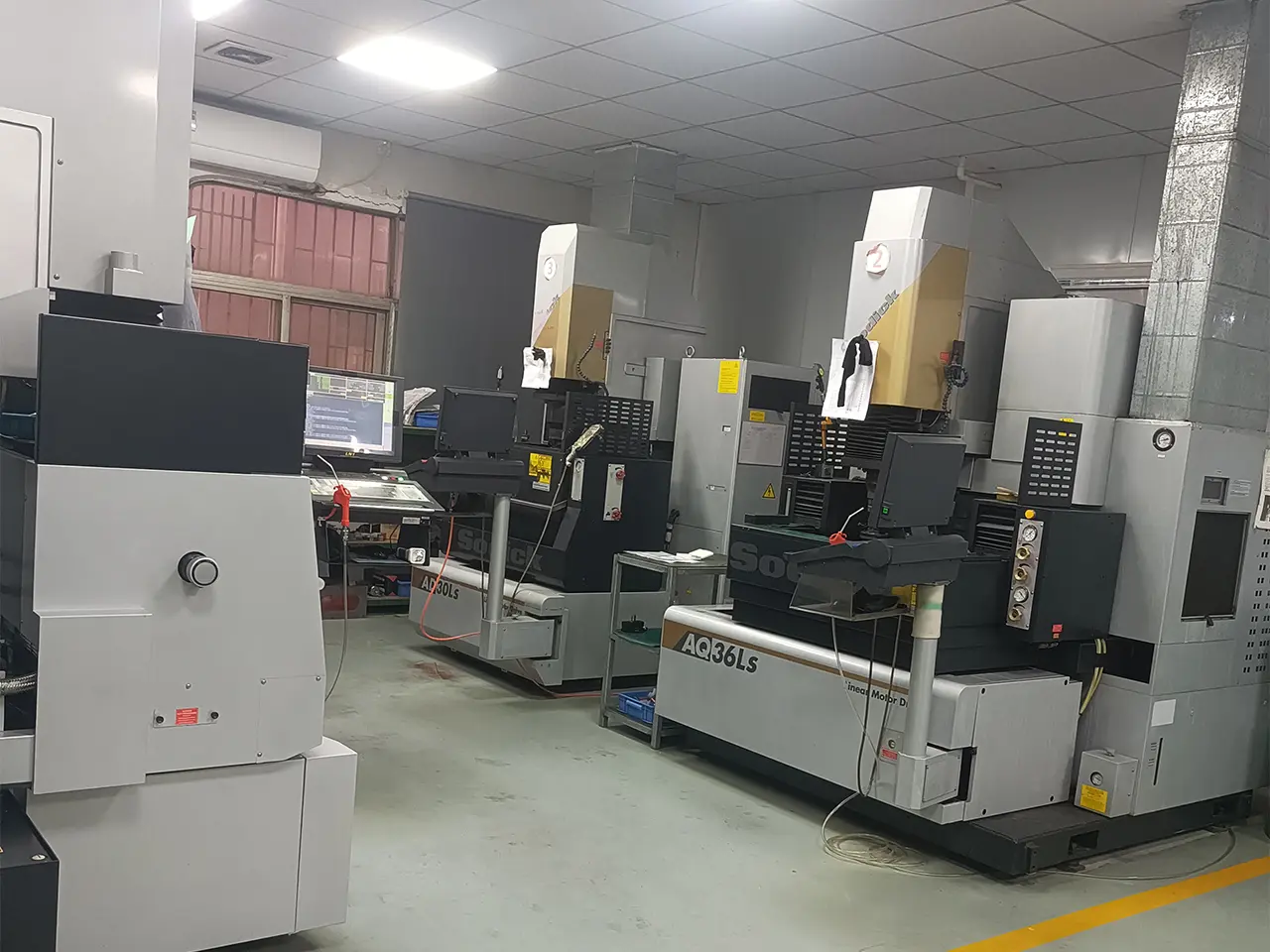
We firmly believe that quality is the primary cornerstone of high-precision manufacturing. In order to survive and develop sustainably in this competitive sector, we invest heavily in modern verification tools and human quality inspector training.
Our facility operates a comprehensive, multi-step quality control system starting from Raw Material incoming quality control (IQC), In-process quality inspection (IPQC), to Final quality inspection (FQC) with fully documented material traceability and dimensional reports.
| Inspection Category | Testing Instruments Used | Target Metrics Achieved |
|---|---|---|
| Dimensional Metrology | Coordinate Measuring Machines (CMM), Optical Projectors, Height Gauges | Linear tolerances down to ±0.005 mm |
| Surface Topography | Surface Roughness Testers, Profile Projectors | Ra 0.8 to Ra 3.2 depending on process |
| Material Certification | Spectrochemical Analyzers, Hardness Testers (Rockwell, Brinell) | Alloy composition validation & tempering checks |
| Nondestructive Testing | Dye Penetrant Inspection, Ultrasonic Testing | Integrity validation of castings/weld joints |
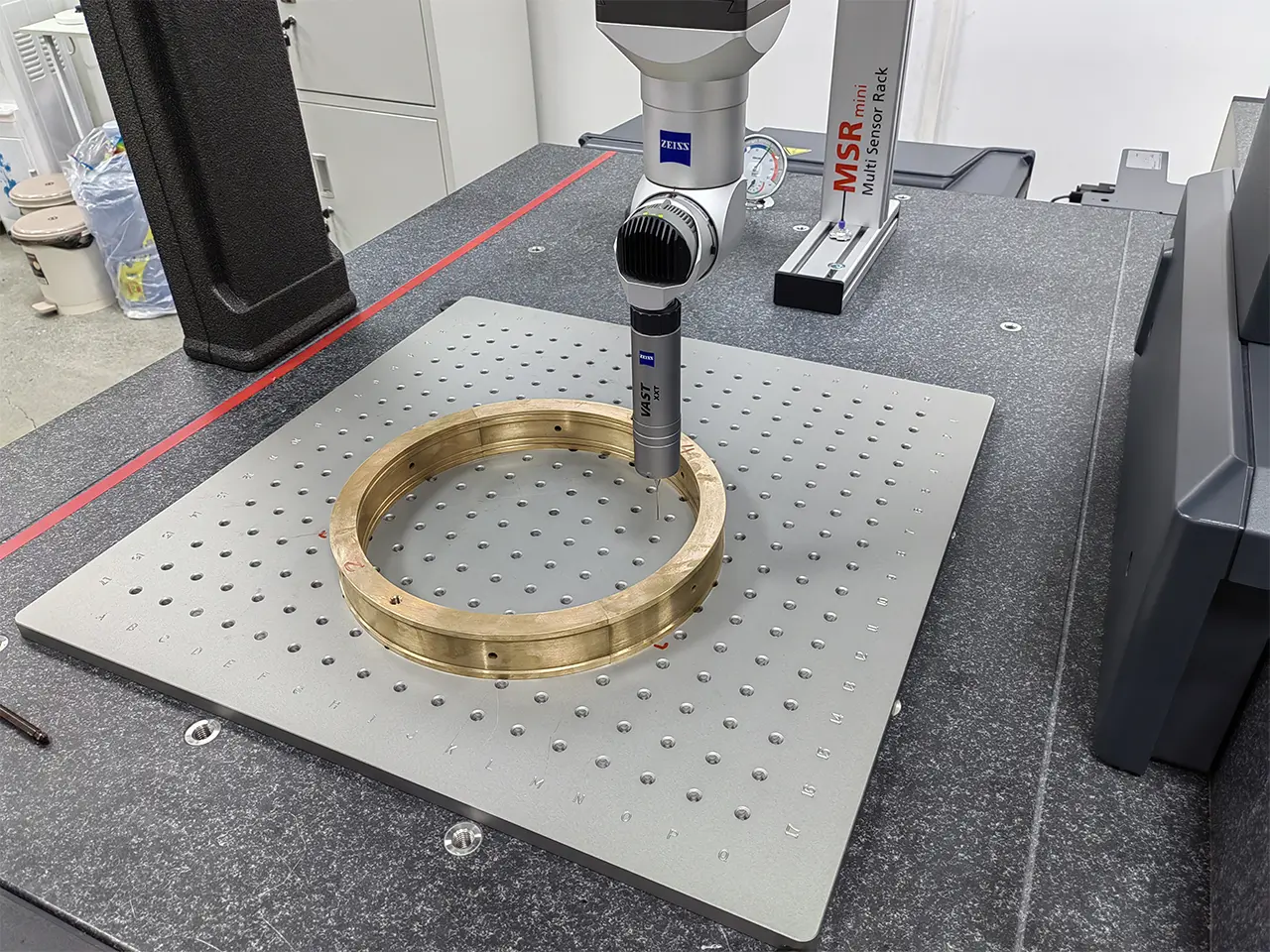
Equipped with state-of-the-art horizontal and vertical machining centers, precision turning stations, and dedicated investment casting lines.
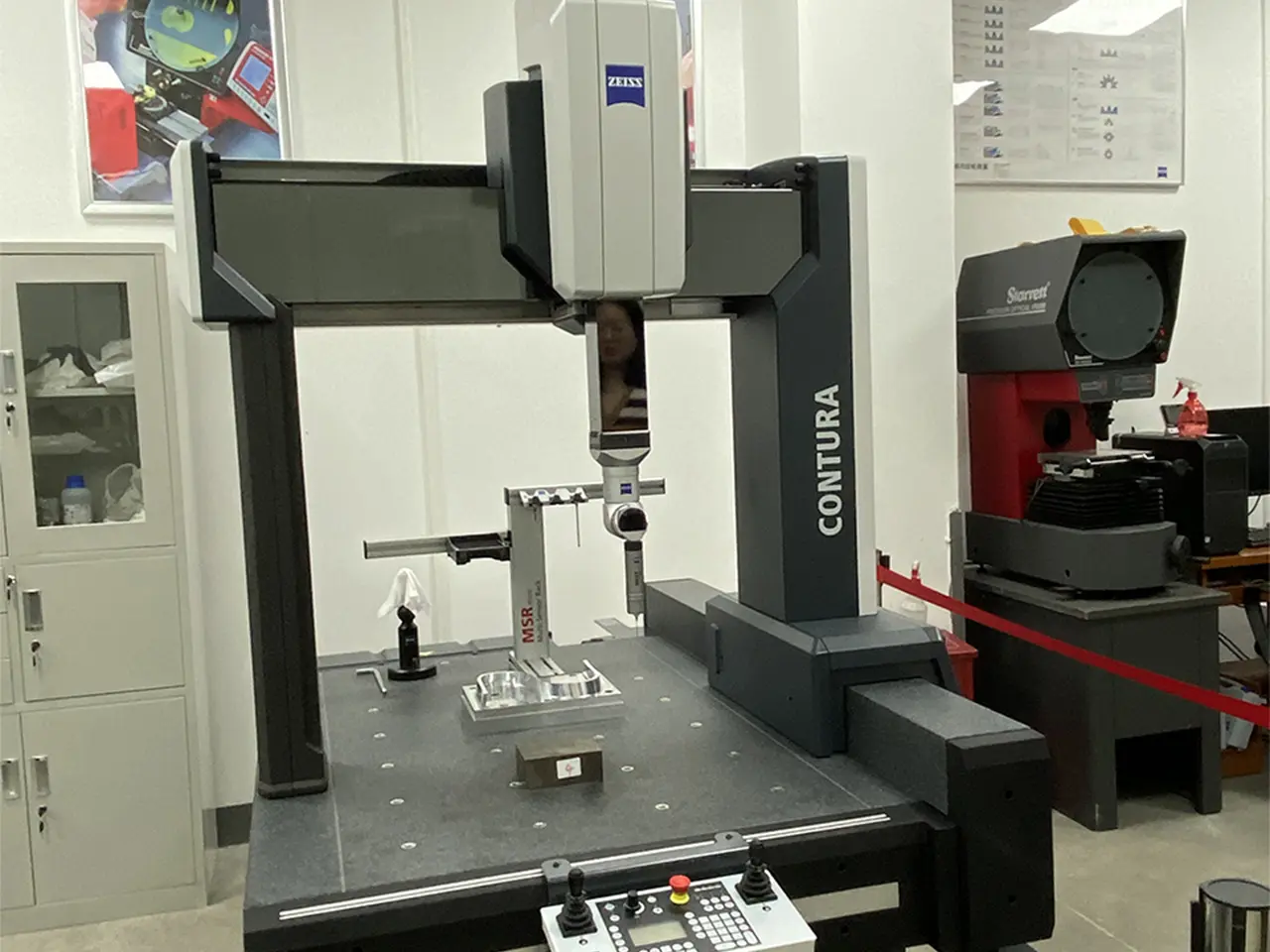
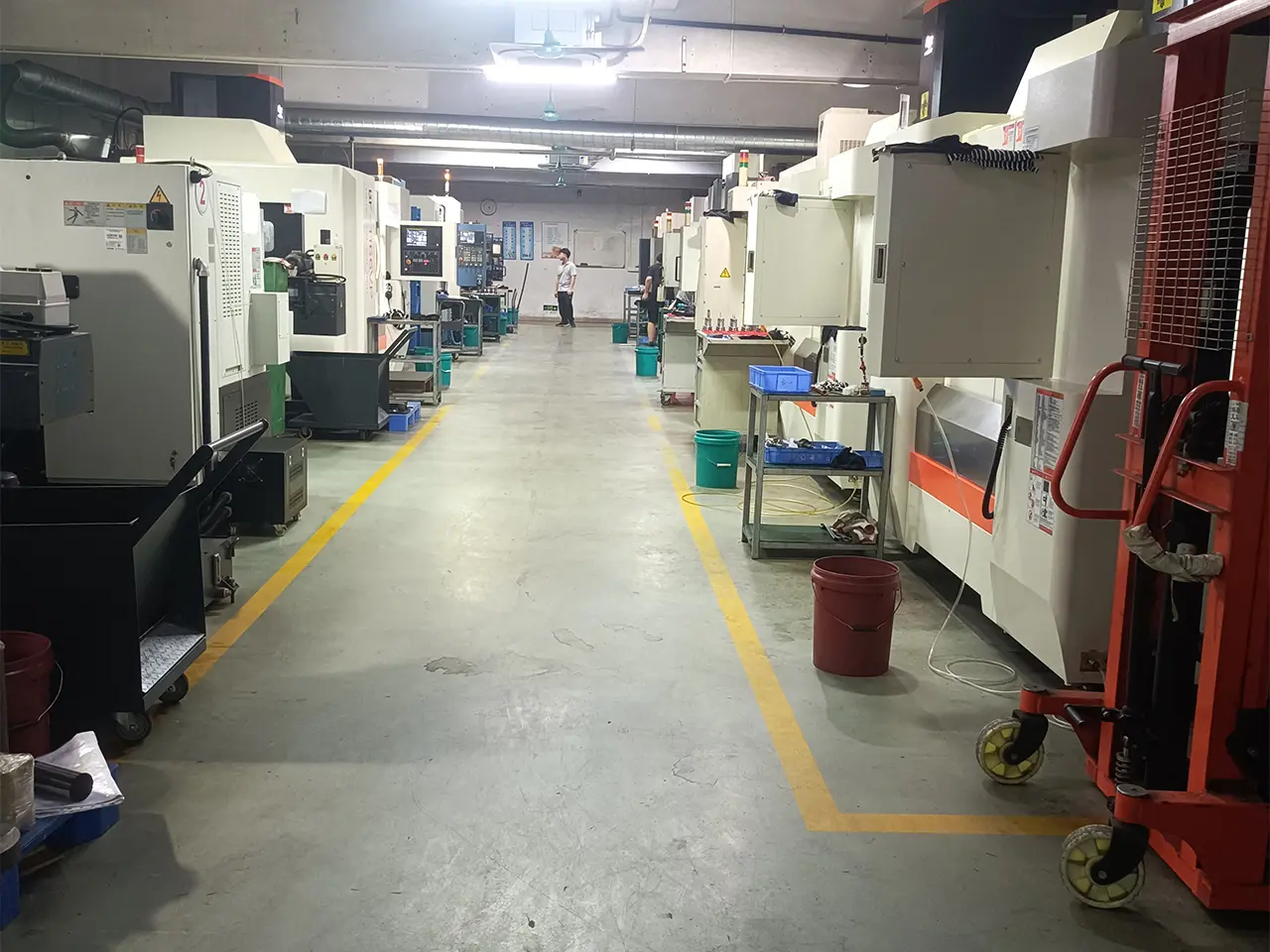
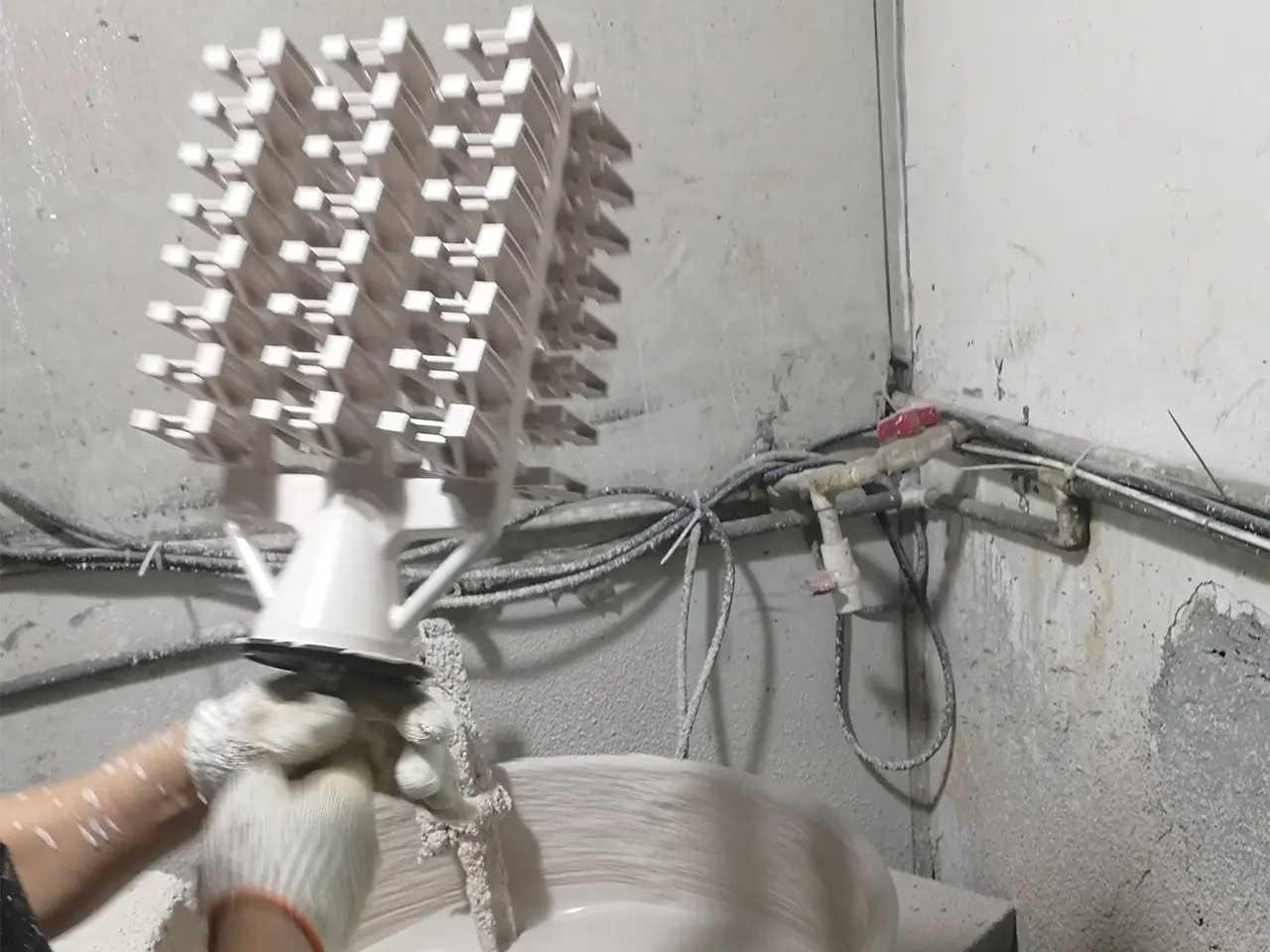
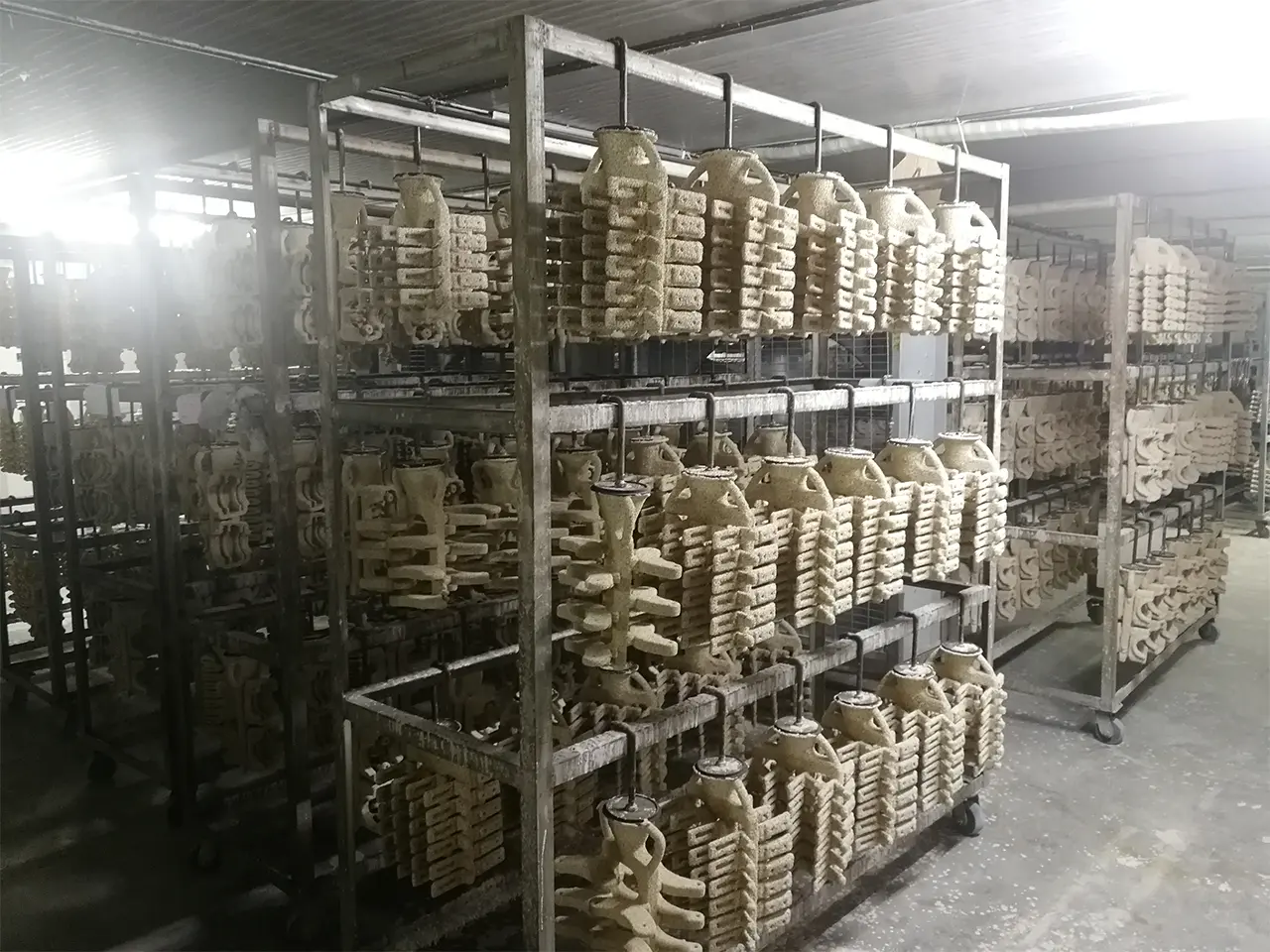
Understanding and meeting international regulatory standards is critical for overseas procurement engineers. We ensure seamless localized support to bridges the gap.
Dongguan SX Technology Co., Ltd. strictly adheres to key global environmental and manufacturing standards. This guarantees that every shipped component complies with the regulatory laws of the destination country, safeguarding our clients from product liability or custom clearance blockades.
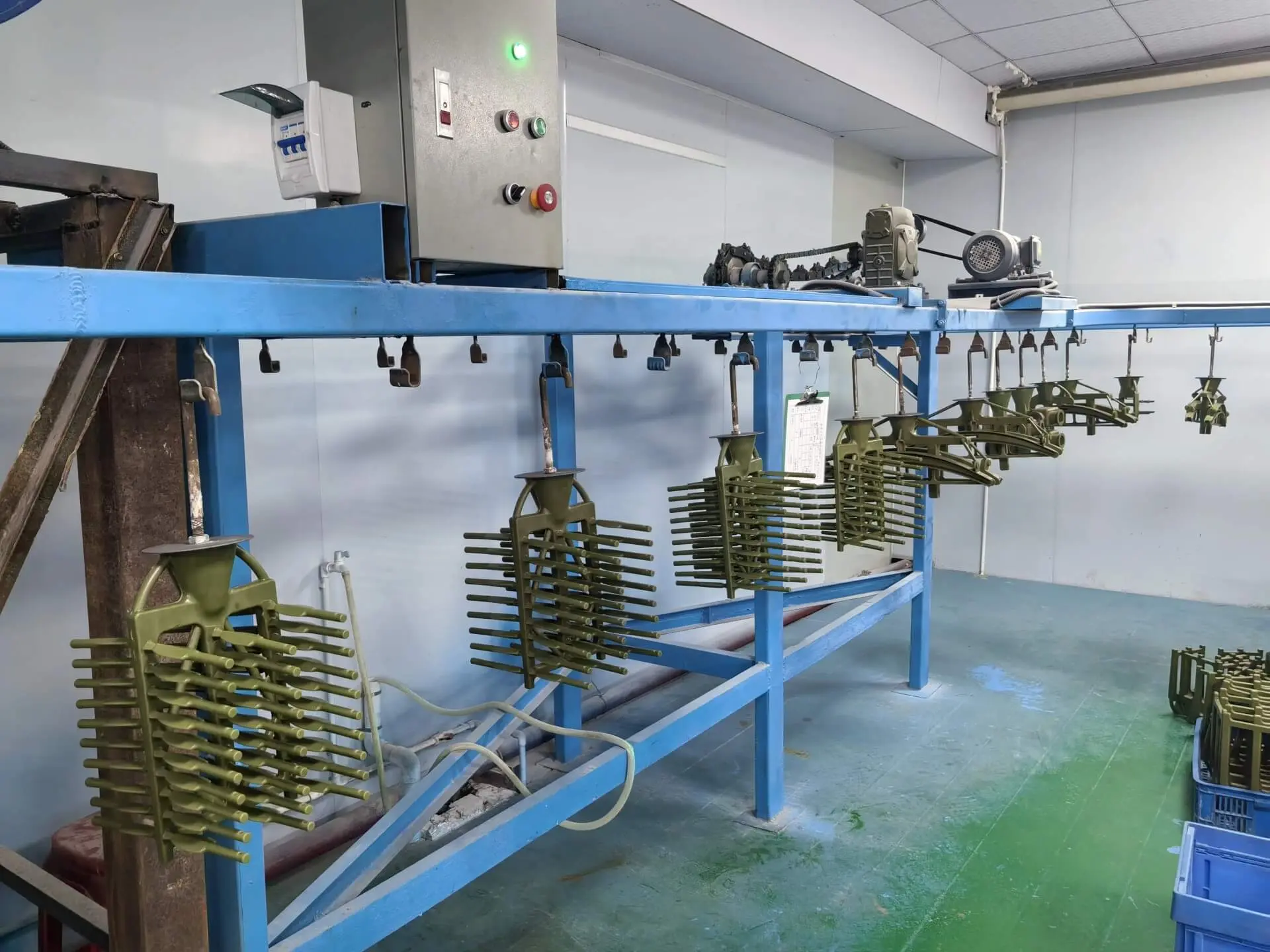
Precision components must adapt to shifting technological demands. Here is how OEM aluminum parts are shaping emerging industrial sectors.
Heavy battery modules mandate lightweight chassis configurations. Machined structural nodes and battery housings in aluminum alloys significantly reduce overall vehicular weight and increase range.
Next-generation electronic equipment releases substantial thermal loads. Complex aluminum heat sinks machined with ultra-thin fin arrays optimize airflow heat dissipation paths.
Aluminum components used in diagnostic tools and scanning equipment require high durability combined with complete bio-compatibility post-anodizing treatments.
For standard prototype batches (1-10 pieces), our turnaround time typically ranges from 3 to 7 working days, depending on geometry complexity and required surface finishing. Production runs are scheduled based on quantity and tooling requirements, with expedited lanes available for critical engineering timelines.
For marine environments, we recommend 5052 or 6061-T6 aluminum alloys due to their superior resistance to salt-water corrosion. When mechanical loading limits are high, we utilize hard anodizing surface treatments to create a thick oxide layer that acts as a barrier to oxidation.
We provide full material test reports (MTR) along with original mill run certifications. Our quality management system tracks materials from inbound raw stock to the final shipment container, using physical tagging and digital database linking to ensure accountability.
Yes, our design for manufacturability (DFM) support is integral to our services. We analyze internal radius settings, wall thickness limitations, and blind hole depths to propose modifications that reduce spindle run hours and tool wear, leading to lower unit costs.
 SX Machining