Engineered hardware and custom components manufactured under stringent quality protocols.
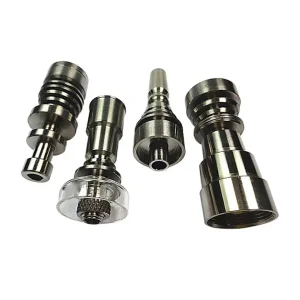
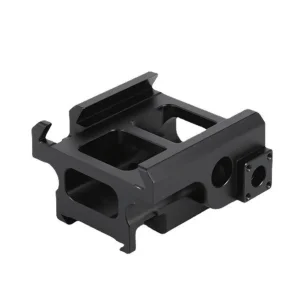
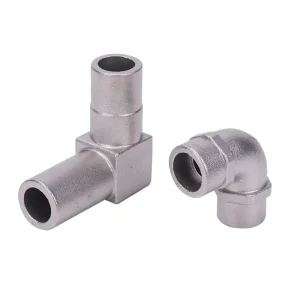
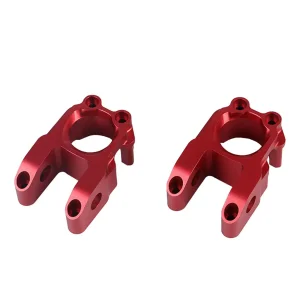
Analyzing key structural trends, procurement mechanics, and material science developments in high-precision manufacturing.
Global manufacturers in aerospace, marine, medical, and fluid control sectors are demanding components that can operate under extreme temperature profiles and corrosive atmospheres. Simple cast components are no longer sufficient; they require tight dimensional accuracy, structural homogeneity, and high fatigue limits.
The manufacturing landscape is transitioning from heavy, generic carbon steels to complex alloys such as high-grade duplex stainless steels, titanium alloys (Grade 5 Ti-6Al-4V), and aviation-grade aluminum alloys. These materials offer weight optimization and superior yield strength, critical for modern applications.
Geopolitical challenges and localized shipping constraints have forced procurement executives to focus on supply chain integration. A one-stop contract partner who handles raw casting, CNC finishing, chemical treatment, and quality inspection minimizes transport risks and compresses overall lead times.
In the historical context of industrial fabrication, casting and machining were treated as separate industrial phases, often outsourced to different geographical locations. This fragmented approach introduced high scrap rates, tooling variations, and critical dimensional inaccuracies. Today, precision investment casting (often known as the lost wax method) acts as a near-net-shape processing technology. When combined with advanced multi-axis CNC machining centers, it provides components that require minimal material removal, reducing energy usage and conserving raw material costs.
By leveraging computational flow dynamics to simulate molten metal pouring, modern foundries can predict shrinkage defects and internal gas porosity prior to setting up physical molds. This analytical depth ensures that key safety-critical components—like chemical valves, subsea equipment parts, and high-velocity automotive turbocharger impellers—achieve a structural integrity that complies with international standards, including ASTM, DIN, and EN specifications.
A premier global tier supplier specializing in integrated precision engineering and metal treatment.
Dongguan SX Technology Co., Ltd brings rich engineering experience to precision casting, CNC machining, and electro-mechanical assembly. Our specialized components are integrated into dynamic global fields, including heavy industrial machinery, high-performance automotive systems, marine hardware, offshore vessels, deep-sea apparatus, pneumatic/hydraulic valves, flow control pumps, communication devices, watches, architectural structural joints, and chemical processing facilities.
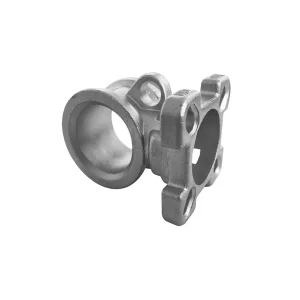
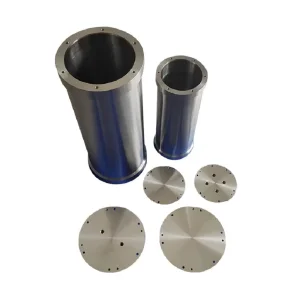
Our manufacturing center focuses heavily on high-precision investment casting. The most common alloys processed include structural stainless steels (Grade 304, 316, 316L, 17-4 PH) and robust carbon steels (WCB, LCC). For post-cast high-tolerance operations and bespoke subtractive manufacturing, our CNC machinery suite mills and turns complex geometries from block or cast feedstock including titanium alloys, stainless steel, carbon steel, aluminum alloys, copper alloys, and cemented carbides.
Harnessing regional infrastructure and integrated digital workflows for global manufacturing reliability.
Traditional manufacturing setups separate foundry operations from final machining workshops. This requires transporting raw parts, raising shipping logistics concerns, altering precision alignments due to handling, and creating quality tracking issues. Dongguan SX Technology bridges this gap by offering complete in-house vertical consolidation. From initial wax mold fabrication, ceramic coating, and induction furnace casting, to multi-axis CNC milling, heat treatment, and surface plating, every workflow step is handled under a unified quality system.
Situated in the heart of China’s advanced manufacturing hub in Dongguan, our facility relies on a dense ecosystem of raw material miners, specific metal refiners, standard hardware providers, and logistics hubs. This industrial concentration allows us to source certified metallurgical stocks rapidly and handle finishing steps like anodizing, passivation, sandblasting, and chemical blackening with low lead times. We pass these cost benefits and time-savings directly to global procurement managers.
To help guide engineers and product developers, the following table lists the material capacities and tolerances handled in our facility:
| Manufacturing Process | Common Materials Processed | Achievable Tolerances | Key Performance Indicators (KPIs) |
|---|---|---|---|
| Investment Casting (Lost Wax) | Stainless Steel (304, 316, 17-4PH), Carbon Steel (WCB, LCC), Special Tool Steels | ISO 8062-3 DCTG6 - CT8 | Low surface roughness (Ra 3.2μm), zero gas porosity, high internal structural integrity |
| CNC Milling & Turning | Titanium (Grade 2, Grade 5), Stainless Steel, Aluminum (6061, 7075), Brass, Copper, Cemented Carbide | ±0.005mm to ±0.01mm | High-precision alignment, geometric dimensioning & tolerancing (GD&T) compliance, fine threads |
| Integrated Sub-Assembly | Cast components mated with machined pins, O-rings, fasteners, brackets, and electronic sensors | Component assembly matching | Functional testing, high pressure seal performance, mechanical torque calibration |
A closer look at our manufacturing infrastructure and testing equipment ensuring zero-defect delivery.
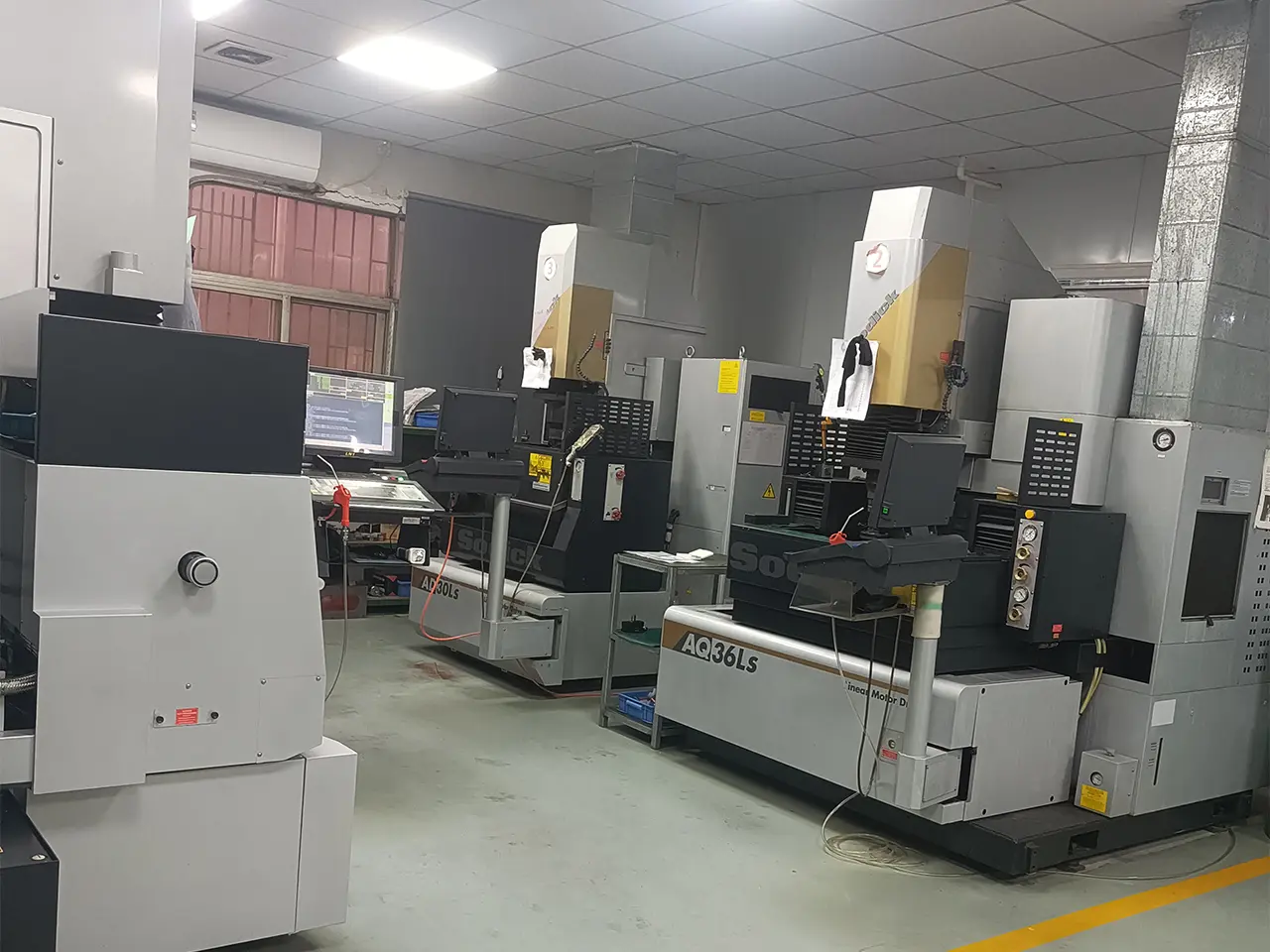
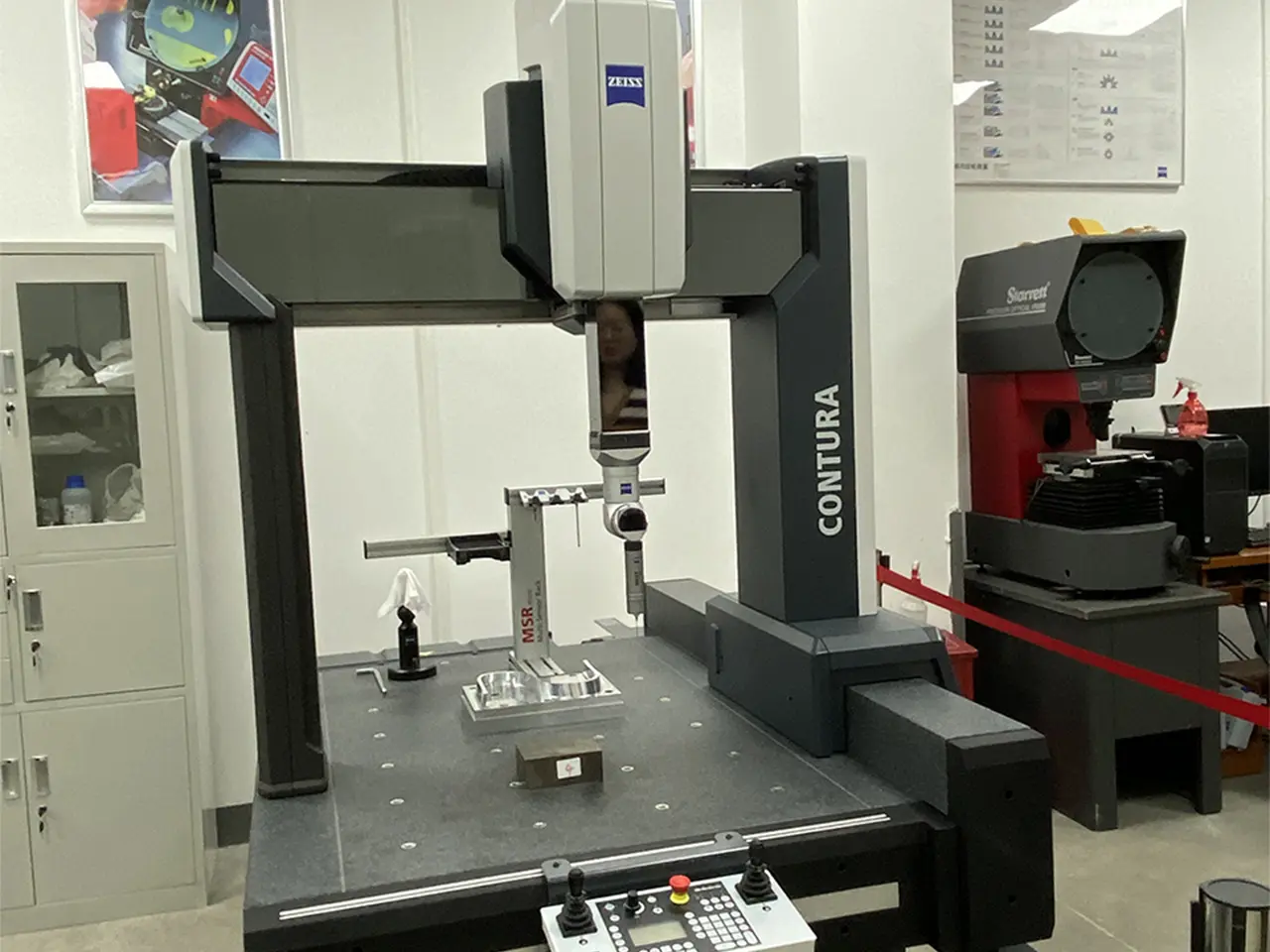
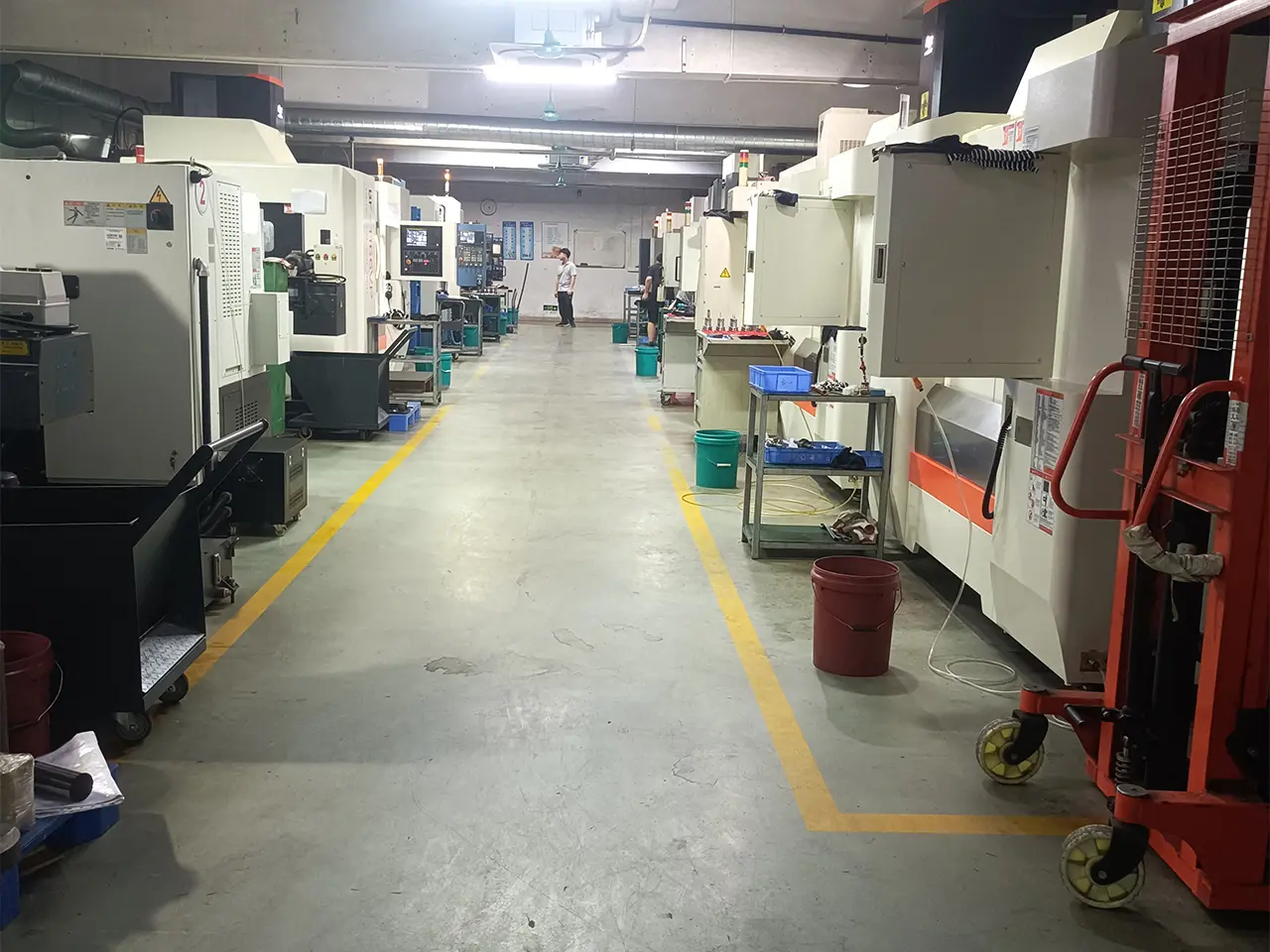
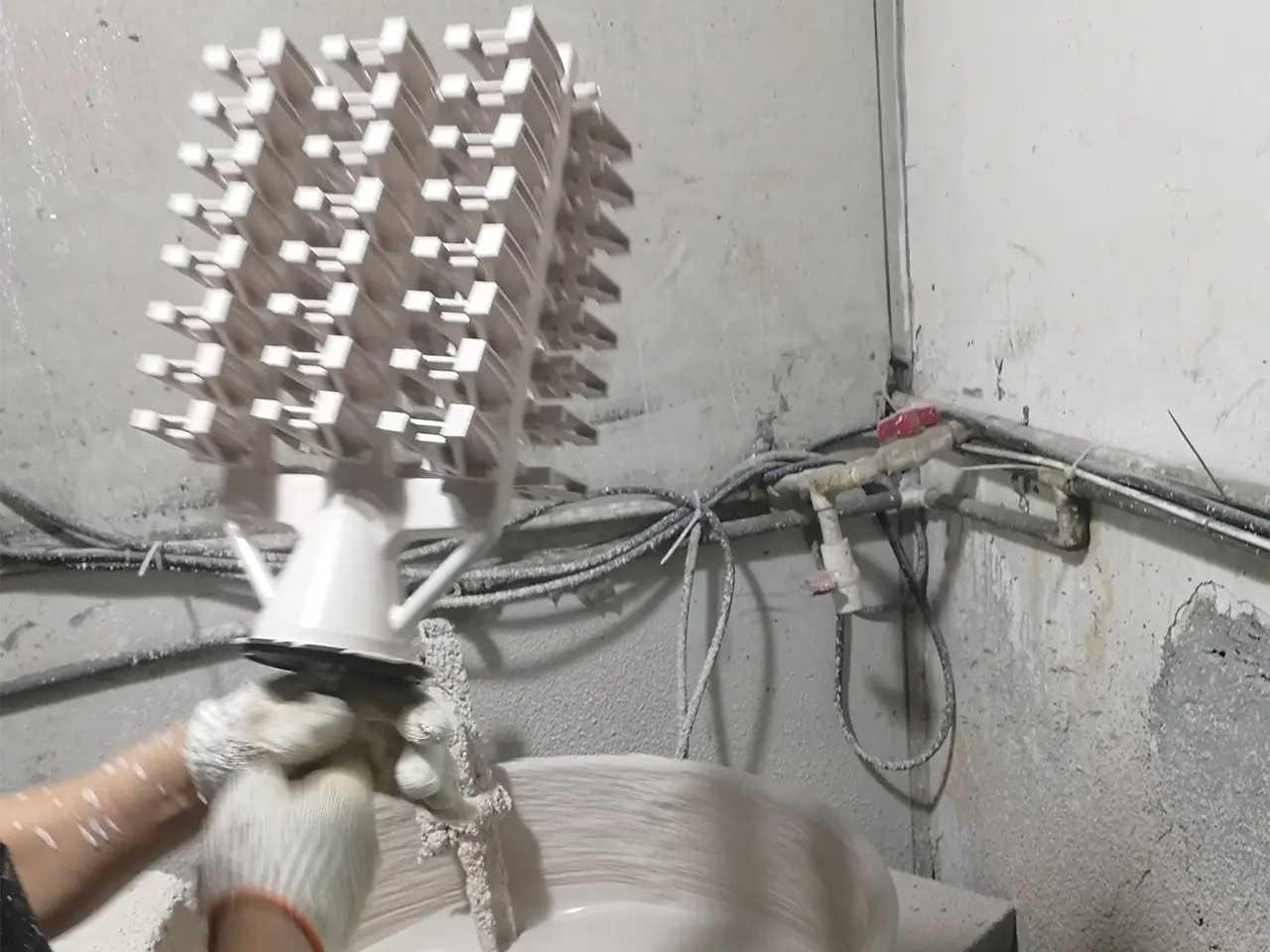
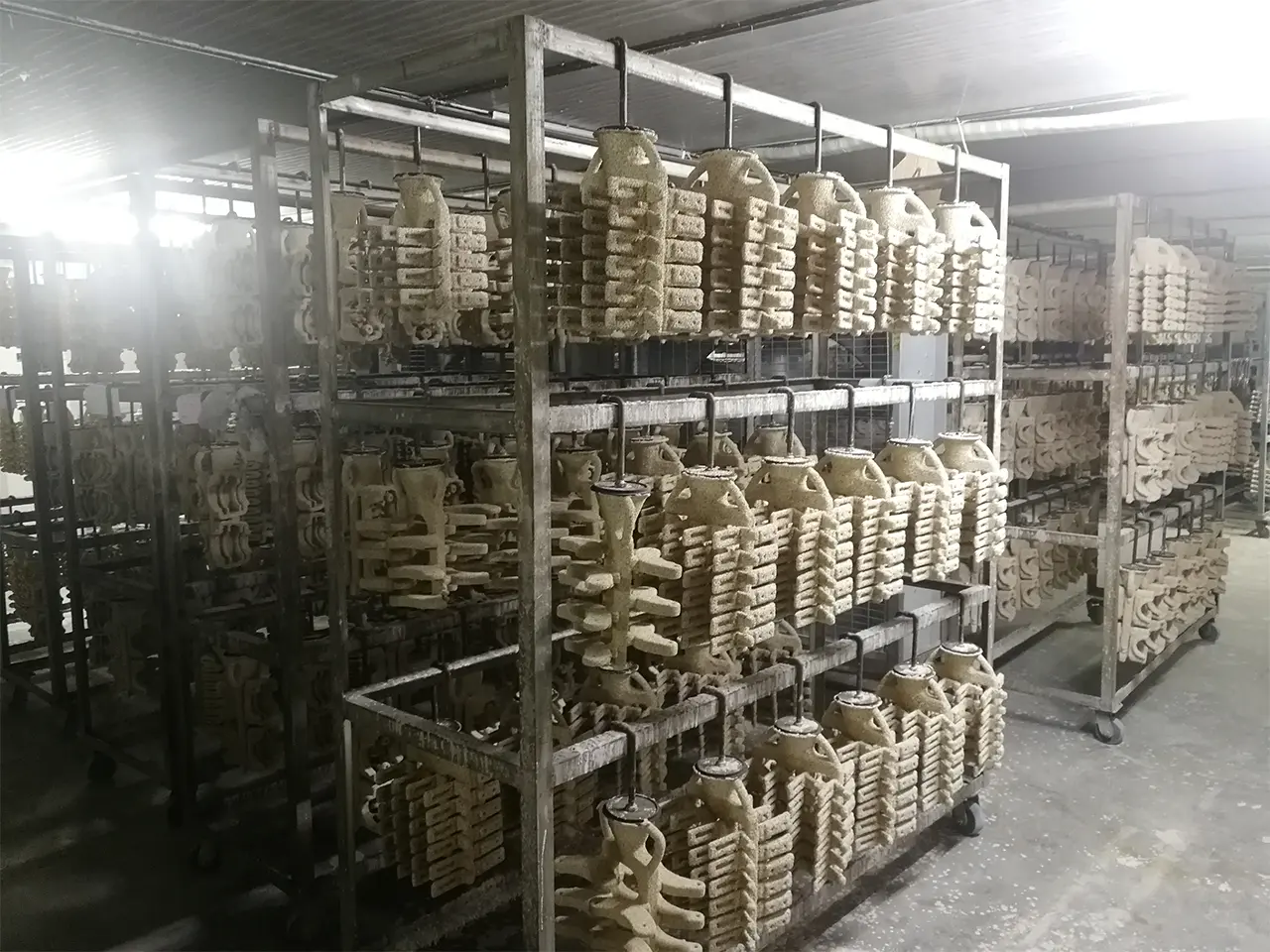
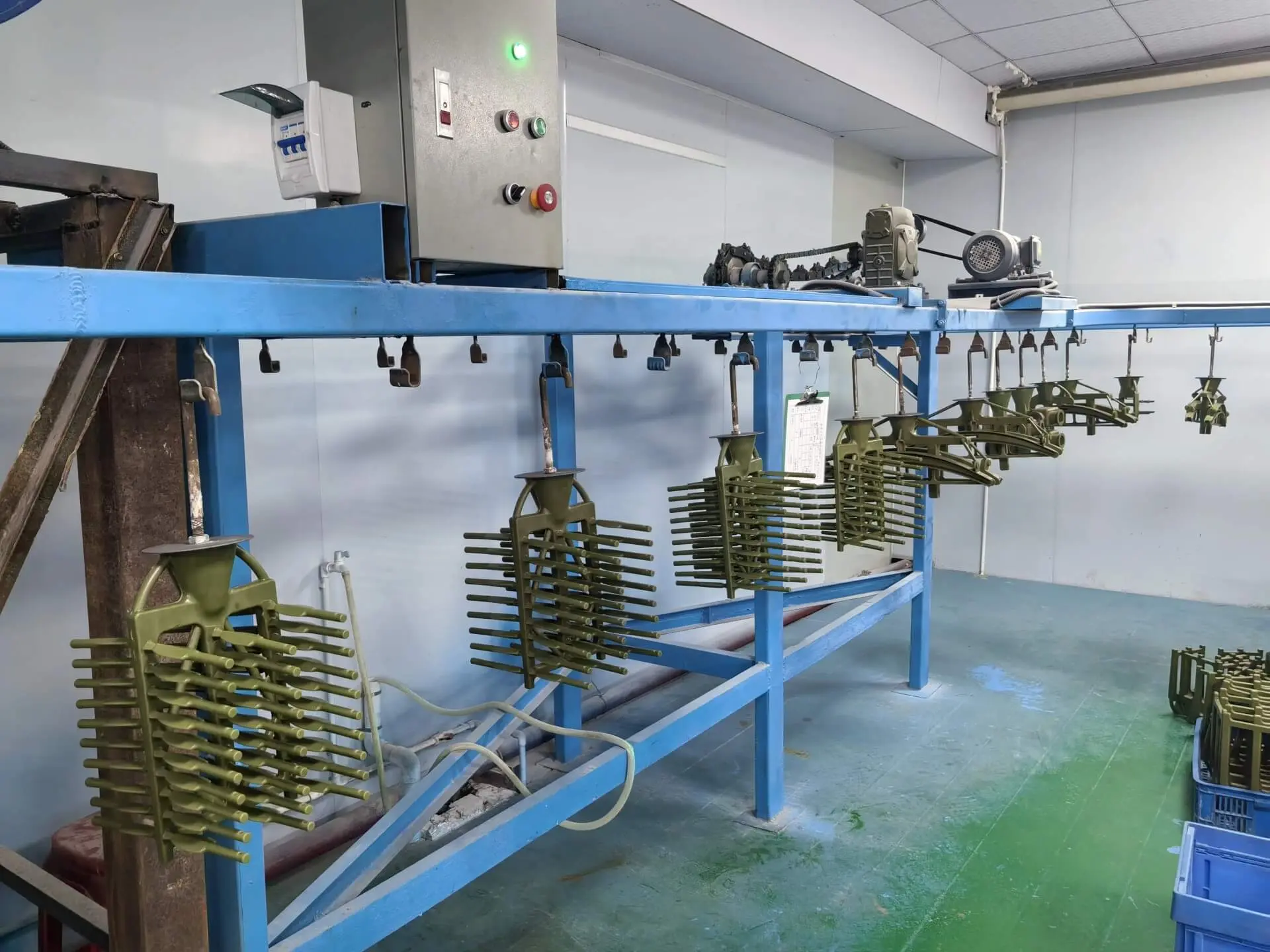
Quality is the cornerstone of the manufacturing industry. We firmly believe that only by controlling quality well can we survive, develop, and continue to grow. Therefore, we have been working in this industry since 2014, working to continuously improve our team's skills and expand our production capacities.
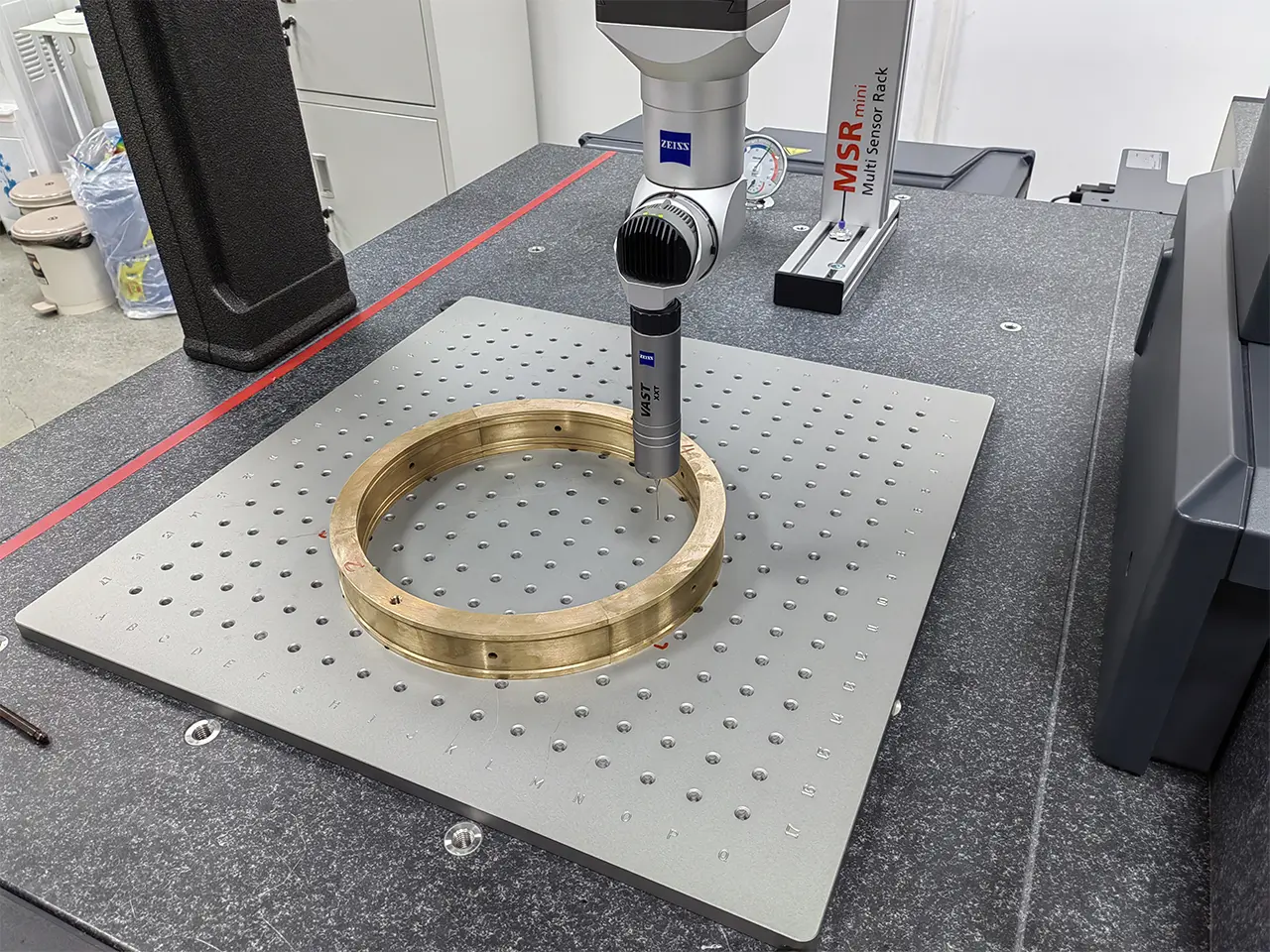
We maintain professional testing equipment and dedicated QC personnel, working to strict tolerances and quality standards for all manufactured products. Our commitment to quality has earned long-term partnerships with customers in North America, Europe, and Asia-Pacific.
Our quality verification processes include:
Exploring how our castings and machined components solve real-world engineering challenges.
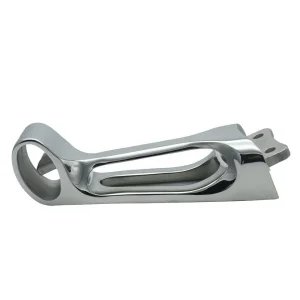
The marine sector requires components that can withstand constant exposure to saltwater and chloride environments. Our investment cast 316L stainless steel structural hinges and custom titanium deep-sea sensor enclosures provide necessary corrosion resistance, preventing pitting and galvanic wear under intense pressure levels.
In chemical pipelines and petroleum facilities, valves must contain high pressures without leaks. Our custom-designed stainless steel valve bodies and internal gates undergo thorough casting simulation and high-pressure nitrogen testing to verify seal performance and prevent gas porosity bypass.
With the rise of hybrid and battery-electric vehicles, manufacturers are focusing on weight reduction. Our thin-walled cast aluminum brackets and high-strength suspension link adapters reduce overall vehicle weight while maintaining the necessary tensile strength and road-vibration absorption.
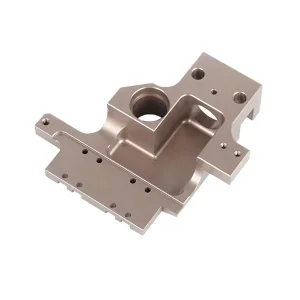
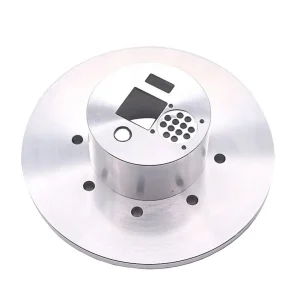
Telecom infrastructure demands precise structural enclosures with efficient heat dissipation and minimal radio frequency interference. Our non-standard precision CNC milled aluminum enclosures and housings feature flat mating surfaces (flatness within 0.02mm) to ensure direct thermal conduction and sealing against electromagnetic leaks.
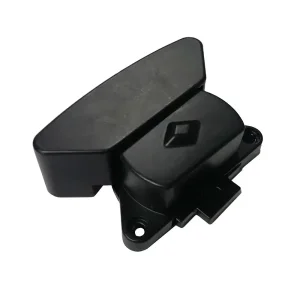
Modern transit systems and public architectural projects require reliable, low-maintenance components. Our custom stainless steel bus armrest brackets and structural joints combine appealing surface finishes with strong structural load capacities, ensuring occupant safety in high-use environments.
Expert answers to common engineering, procurement, and manufacturing inquiries.
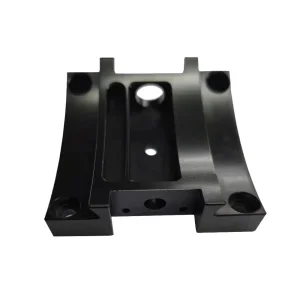
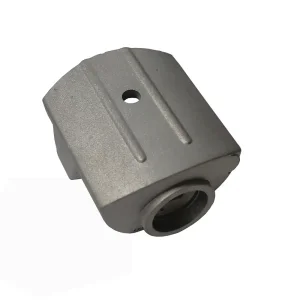
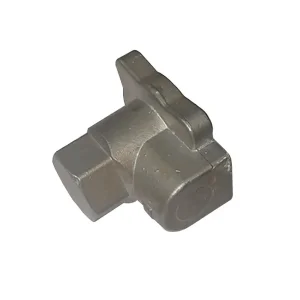
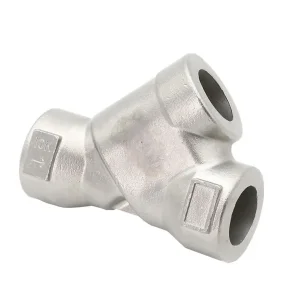
Browse our catalog of cast and machined hardware manufactured for international industrial systems.
 SX Machining