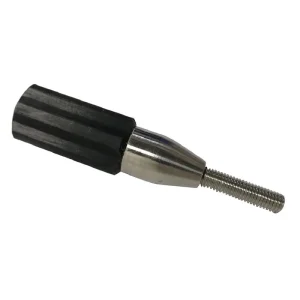
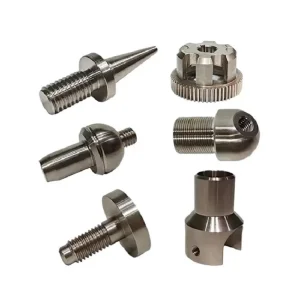
Direct access to our certified non-standard CNC turning, milling, and investment casting solutions designed to operate in high-temperature, corrosive, and load-bearing environments.
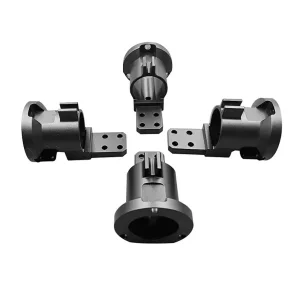
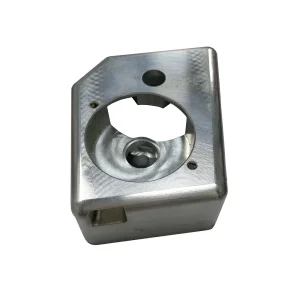
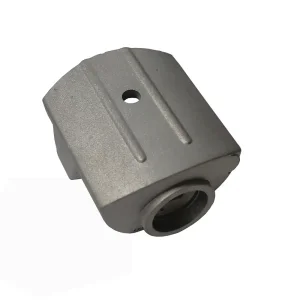
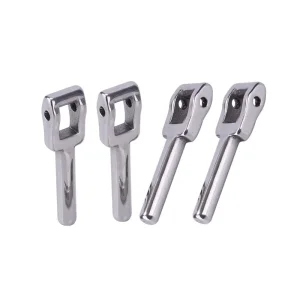
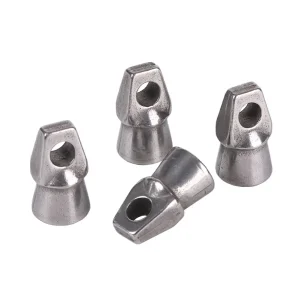
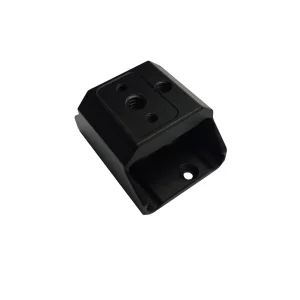
Analyzing market dynamics, raw material transitions, and how the industrial sector utilizes high-spec bronze alloys to combat physical fatigue and electrical loss.
Industrial machinery operates under increasingly heavy loads, requiring components with low friction coefficients and high wear resistance. Bronze alloys excel in bearing and bushing configurations where lubrication may be intermittent, avoiding catastrophic mechanical seizures.
Offshore oil platforms, naval ships, and commercial vessels require metals that resist biofouling and chloride-induced pitting. Materials such as Aluminum Bronze and Phosphor Bronze provide protective oxide barriers that outlast steel in harsh saltwater zones.
With global electrification in high gear, the requirement for high-conductivity components with structural integrity has surged. OEM custom-machined copper-bronze connectors and terminals support high power transmission without critical thermal build-up.
Different operating environments dictate specific copper alloys. Below is a breakdown of bronze alloys machined at Dongguan SX Technology Co., Ltd.
| Alloy Family | UNS Grade | Key Elements | Core Properties | Primary Industrial Application |
|---|---|---|---|---|
| Phosphor Bronze | C51000 / C54400 | Cu, Sn, P | High fatigue limit, excellent electrical conductivity, outstanding elasticity. | Electrical spring contacts, marine bush-bearing terminals, wear plates. |
| Aluminum Bronze | C95400 / C95800 | Cu, Al, Fe, Ni | Superior tensile strength, exceptional resistance to cavitation & seawater corrosion. | Propeller shafts, heavy duty pump impellers, marine valves, worm gears. |
| Silicon Bronze | C65500 | Cu, Si, Mn | Easy weldability, high strength, superior corrosion resistance under atmospheric loads. | Chemical processing vessels, fasteners, offshore marine hardware. |
| Bearing Bronze | C93200 (SAE 660) | Cu, Sn, Pb, Zn | Self-lubricating properties, easy machinability, high resistance to friction and galling. | General machinery bushings, automotive engine sleeves, sleeve bearings. |
| Manganese Bronze | C86300 | Cu, Zn, Mn, Fe, Al | Exceptional high-load capabilities, ultra-high tensile strength (up to 750 MPa). | Hydraulic cylinder components, high-load gears, bridge bearings. |
Established as a premier manufacturing partner, Dongguan SX Technology Co., Ltd possesses rich, specialized experience spanning precision investment casting, complex CNC machining, and post-machining assembly. We engineer high-accuracy, custom metal components to meet the requirements of international quality standards, providing direct value to sectors including machinery, automotive manufacturing, marine engineering, shipping, valve and pump systems, electronic appliances, packaging, watchmaking, construction, and chemical industries.
Our casting processes are highly optimized for alloys such as stainless steel and carbon steel. In parallel, our precision CNC machining setup supports a wide array of raw stock options, including:
Backed by advanced production machinery and rigorous inspection loops, we are positioned to offer swift technical support, rapid prototyping, and scalable OEM production runs tailored to your exact specifications.
Machining bronze alloys is not a straightforward task. It requires specific tool geometries, thermal management, and feed calculations to prevent dimension drift and surface degradation.
Bronze has a high thermal expansion coefficient compared to steel. During fast lathe turning or heavy milling operations, friction heat can cause the workpiece to expand. Standard procedures require high-volume flood cooling to stabilize temperatures and ensure precise final tolerances (within ±0.005 mm).
Leaded bronze alloys produce fragmented chips, while lead-free aluminum bronzes create continuous, ductile ribbons. Uncontrolled chip flow can wrap around the tool, degrading surface finish. Our engineers design custom chip breakers and select tools with polished rakes to prevent material adhesion.
Silicon and Aluminum bronzes work-harden rapidly. If feed rates are set too shallow, the tool rubs against the surface rather than cutting, hardening the material and accelerating tool wear. We resolve this by applying constant, aggressive feed depths using carbide cutters with specialized coatings.
A look at our machining setups, tooling blocks, and casting equipment that enable high-precision manufacturing.
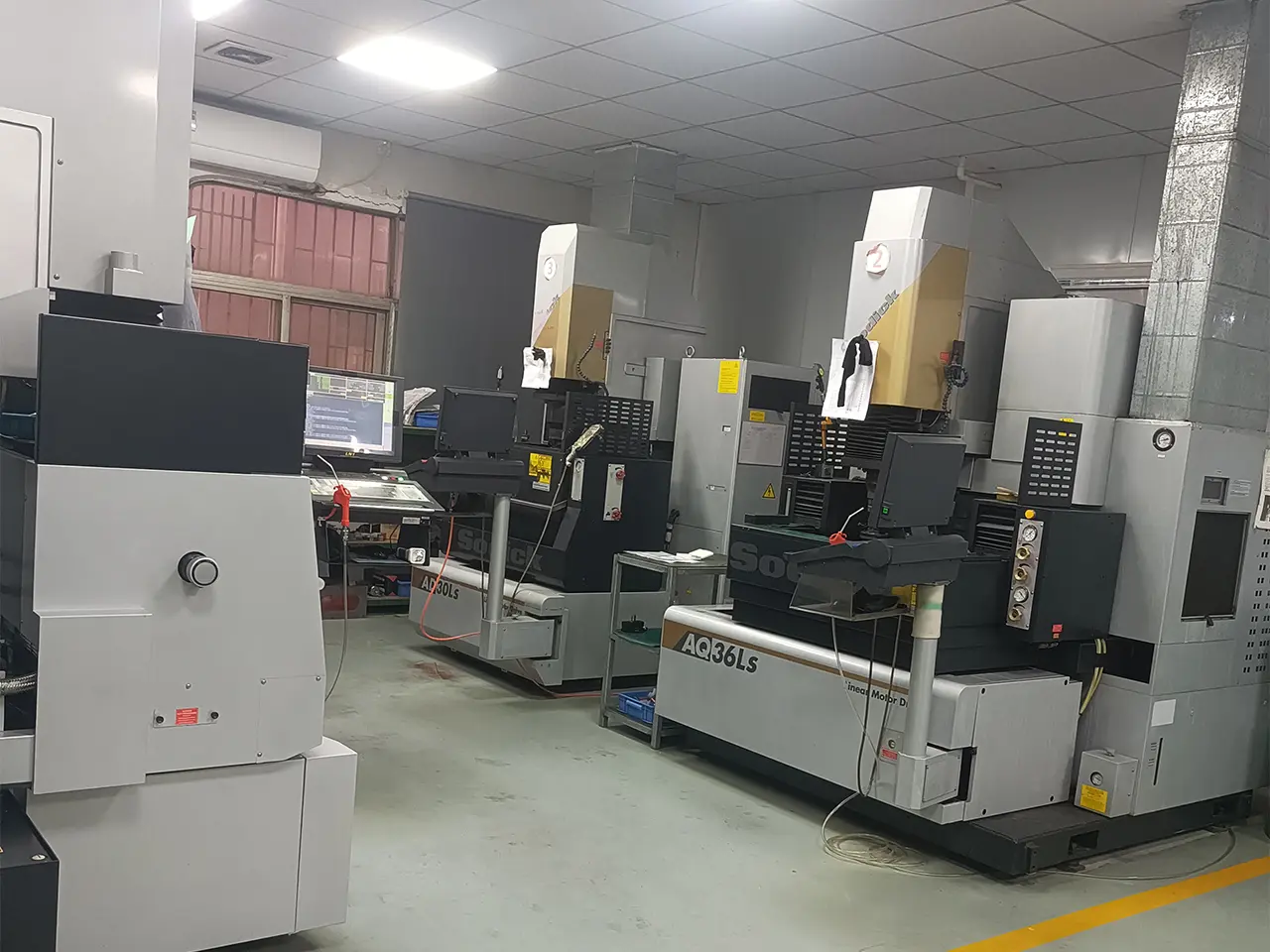
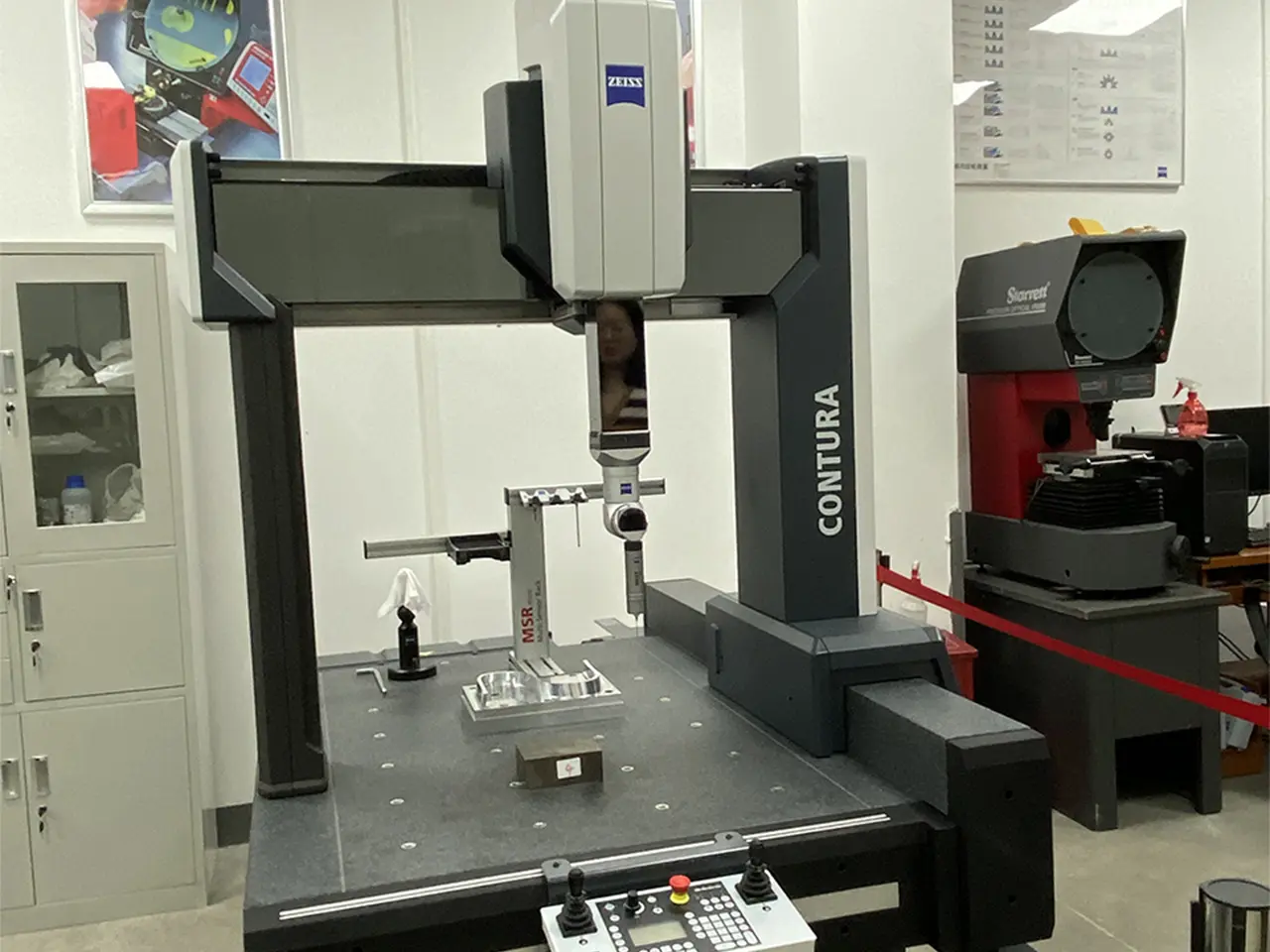
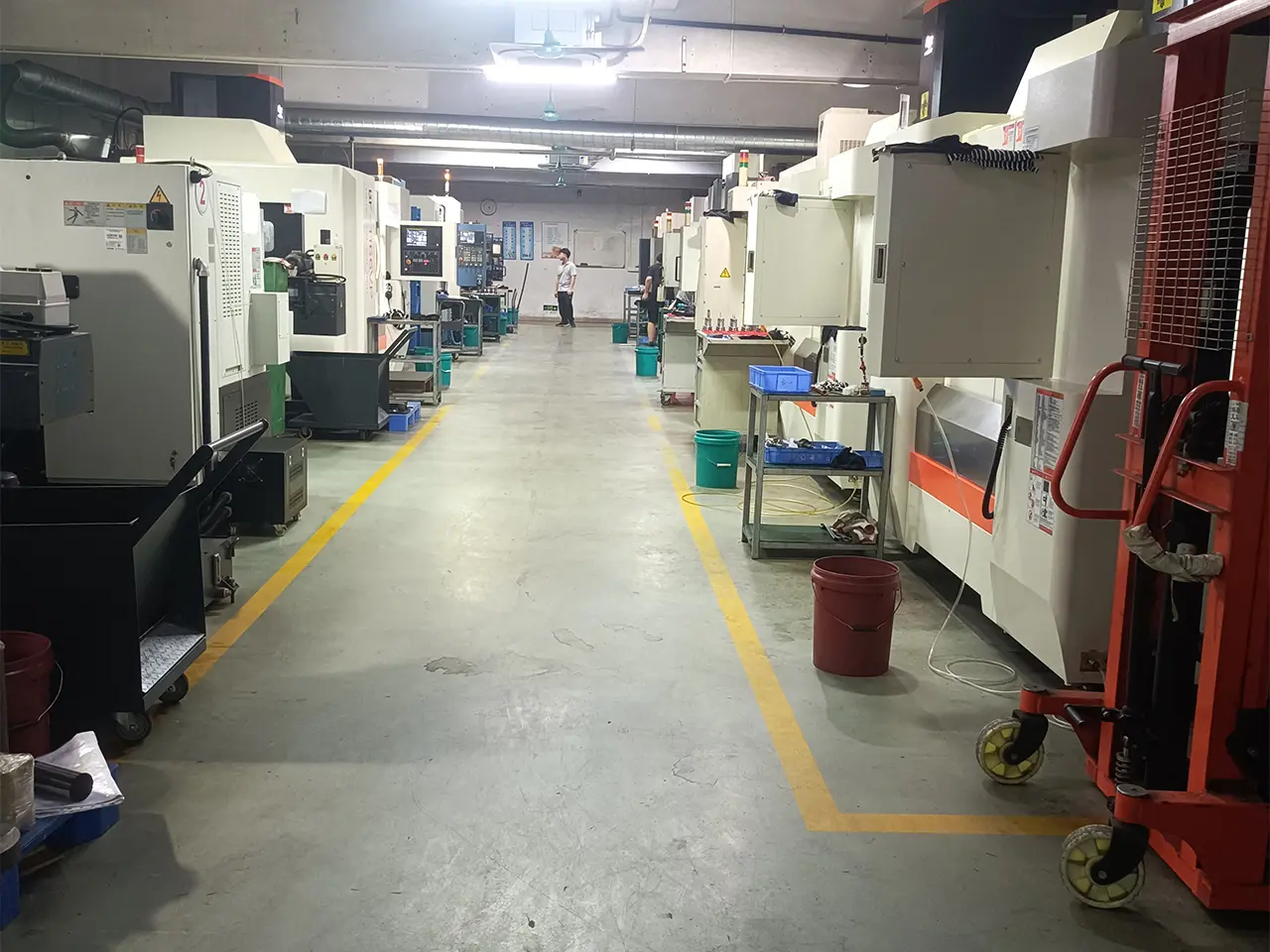
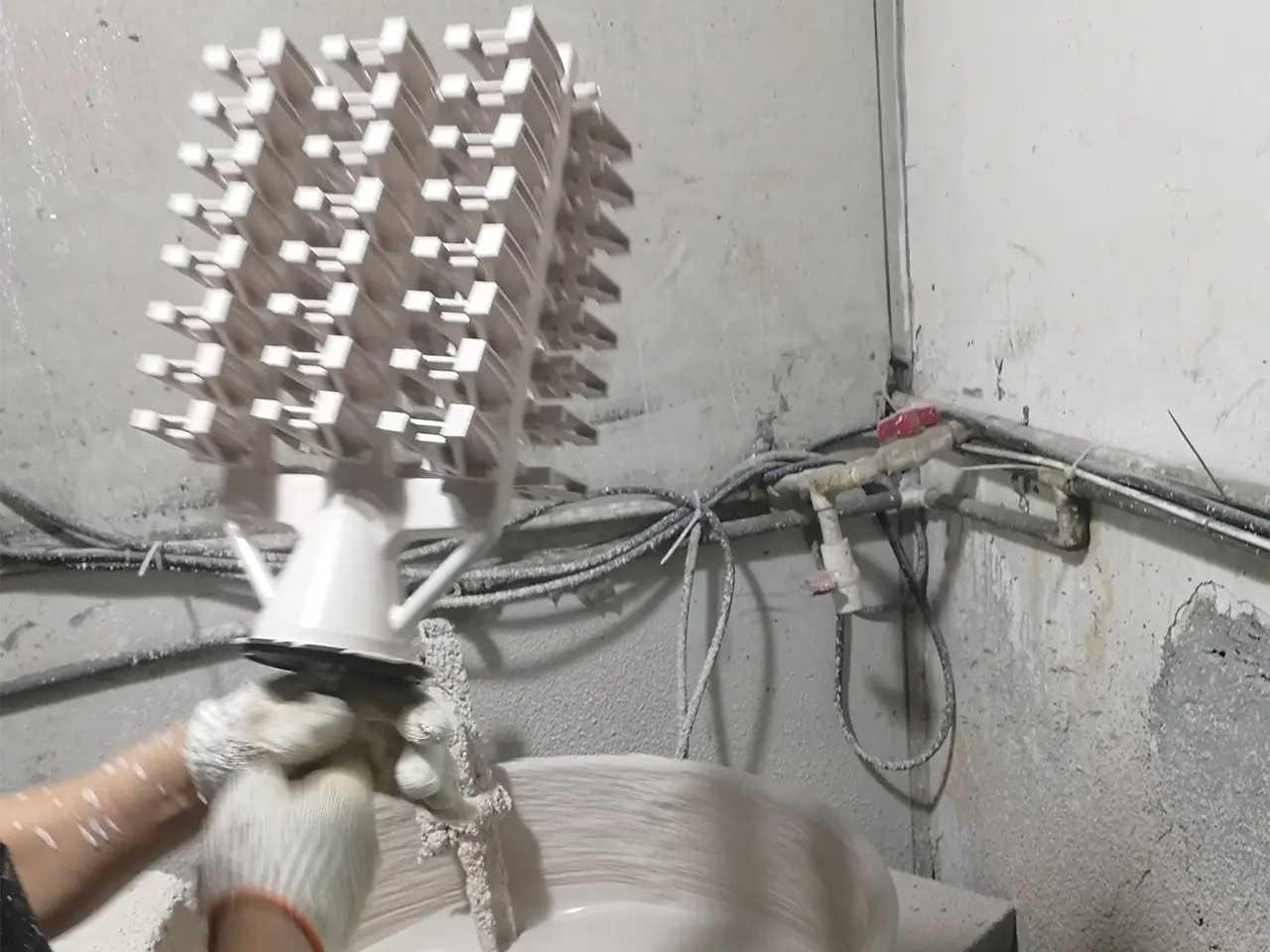
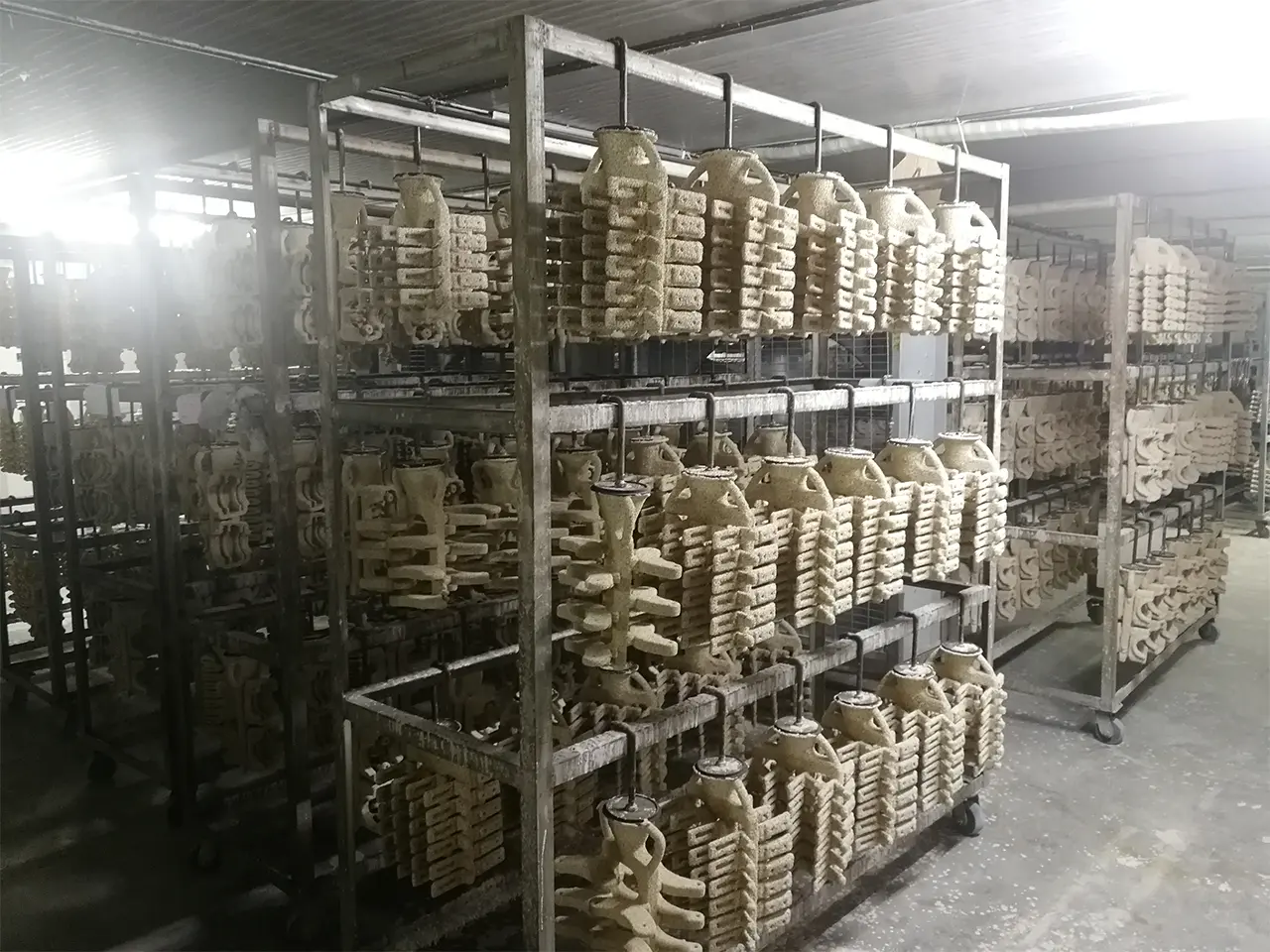
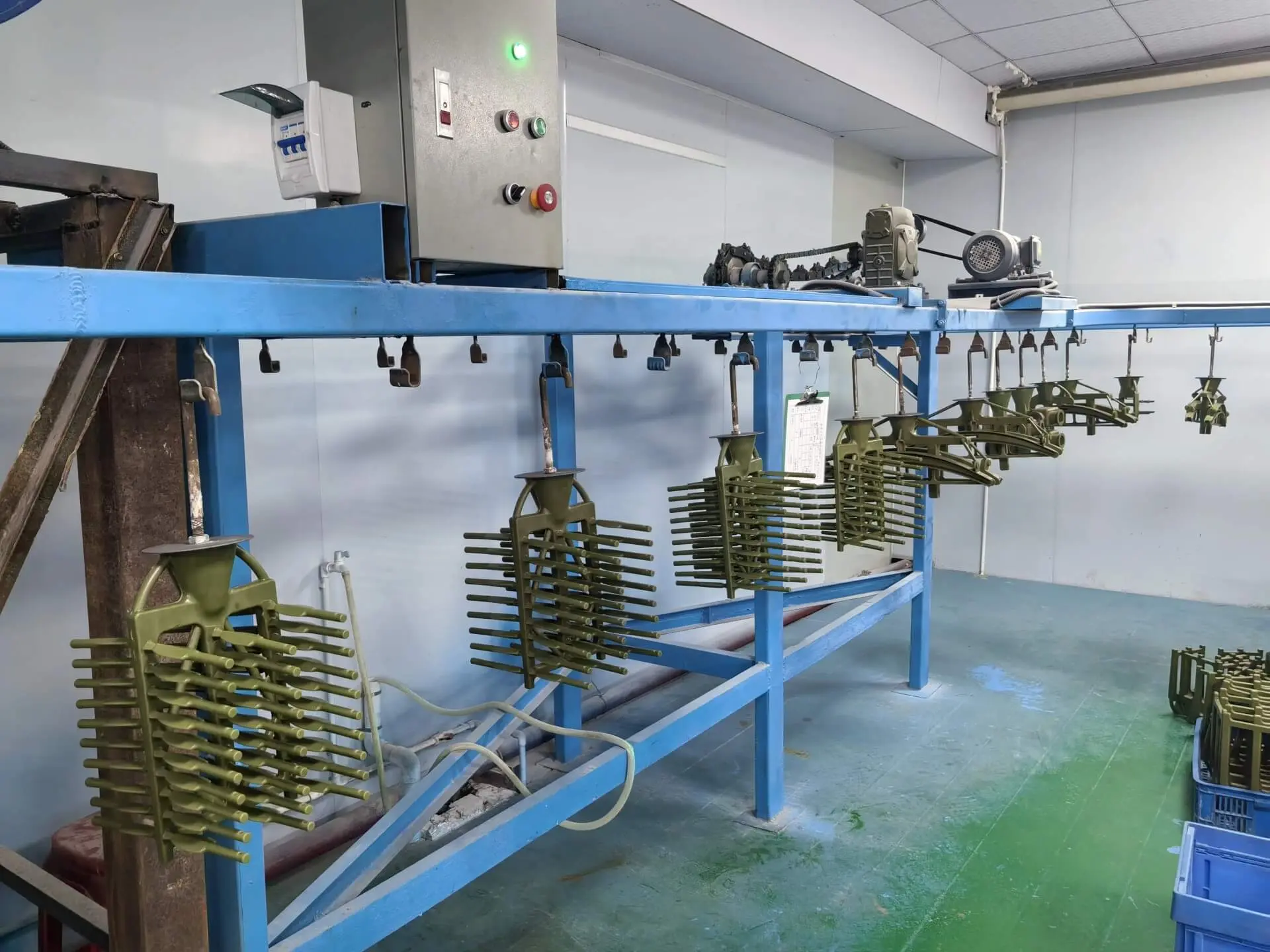
Quality is the cornerstone of the manufacturing industry. We firmly believe that only by controlling quality well can we survive, develop, and continue to improve. Therefore, we have been working in this industry unremittingly since 2014 and continue to grow the company's team and improve our production capacity.
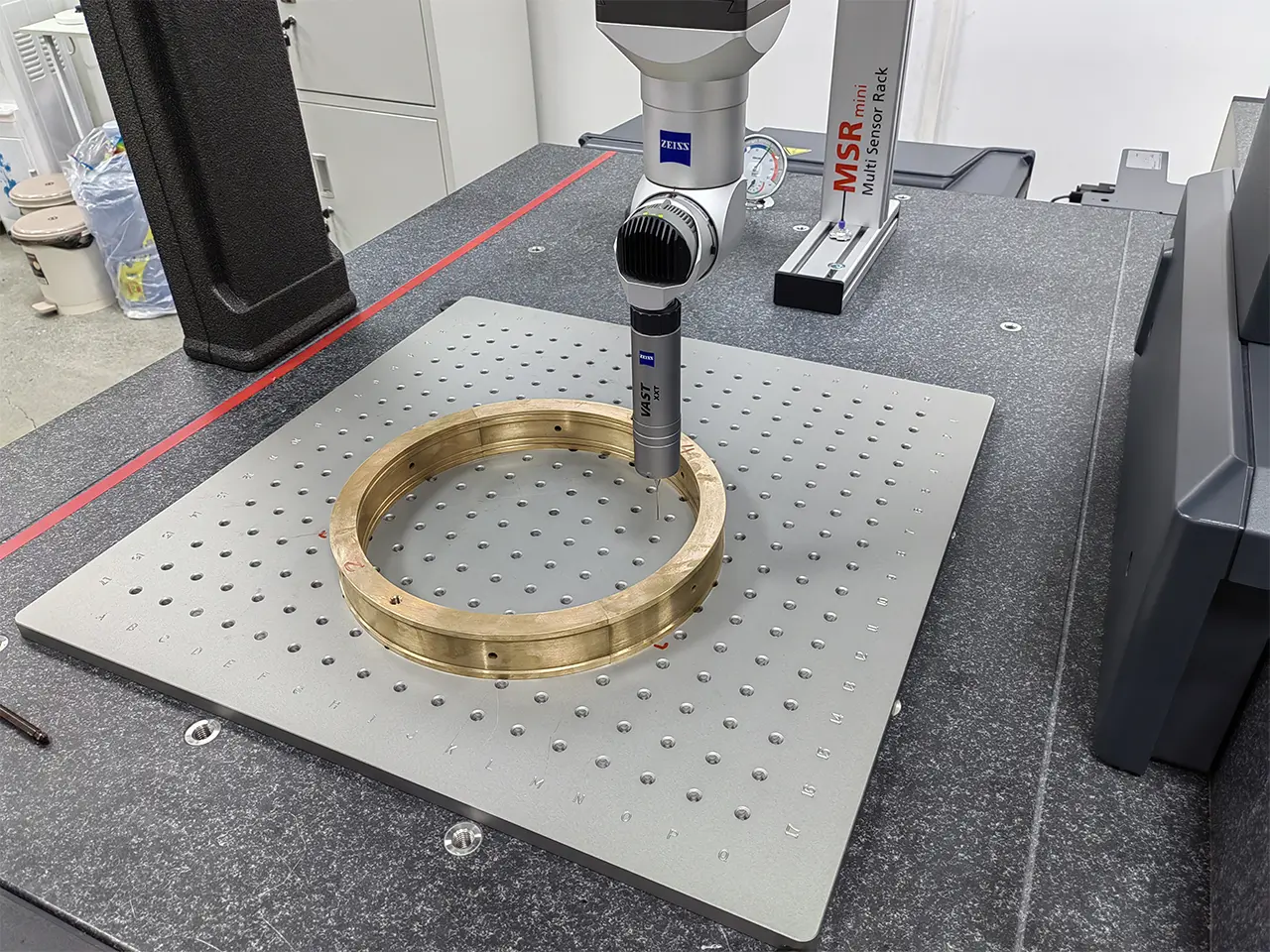
We have professional testing equipment and dedicated QC personnel, and we adhere to strict tolerances and quality standards for the products we produce. Our standard workflow includes:
Due to our insistence on strict quality requirements, our products and services have been praised by customers across North America, Europe, and Asia.
Custom bronze and alloy parts engineered for demanding industries, designed to address challenges like friction, mechanical wear, and chemical exposure.
In deep-sea exploration and commercial shipping, salt corrosion destroys standard metals in months. Our high-precision marine-grade castings and machined elements are engineered using aluminum and nickel-bronze alloys, providing reliable service life for valve systems, underwater propellers, and structural brackets.
Heavy duty trucks, excavators, and agricultural gearboxes rely on bronze gear rings and bushings to handle heavy mechanical shock. By casting and finish-milling phosphor bronze, we produce components that survive high vibration levels and loads, protecting critical shafts from premature failure.
For smart grids, transformer stations, and heavy electrical cabinets, bronze alloy terminals deliver robust current transmission alongside mechanical durability. We manufacture precise, custom electrical components with custom silver or tin platings for high conductivity and oxidation protection.
Answers to technical, operational, and procurement questions regarding custom CNC bronze machining and casting.
While both are copper alloys, bronze is typically alloyed with tin and offers superior strength, higher resistance to corrosion (especially in marine applications), and better wear characteristics. Brass, alloyed with zinc, is easier to machine but lacks the fatigue resistance and load capacity required for high-stress industrial applications like bearings, gears, and impellers.
We conduct spectrographic analysis on every batch of material upon arrival. This verifies that elements like copper, tin, lead, phosphorus, and aluminum match the specification sheet exactly, preventing dimensional instability or structural failure during subsequent milling or machining stages.
Using our multi-axis CNC machines and active thermal stabilization, we can hold tolerances down to ±0.005 mm (5 microns) for critical dimensions, such as bearing seats, shaft fits, and sealing grooves. Standard tolerances for non-mating dimensions are held at ±0.05 mm.
Yes. Combining investment casting and CNC machining is one of our key strengths. We can cast the near-net shape of your components to reduce material waste, then finish-machine high-precision holes, threads, and sealing surfaces to provide a cost-effective, high-accuracy solution.
For custom prototype machining, lead times are typically 3 to 7 working days, depending on geometry complexity. For mass production runs combining casting and CNC work, tooling takes roughly 15 to 20 days, and production ranges from 20 to 30 days depending on order volume.
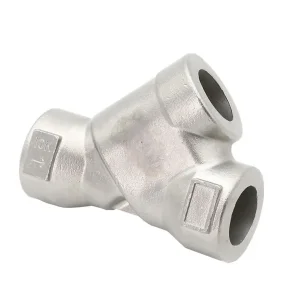
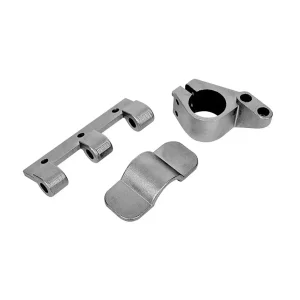
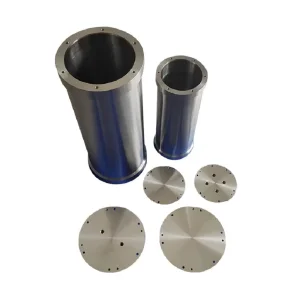
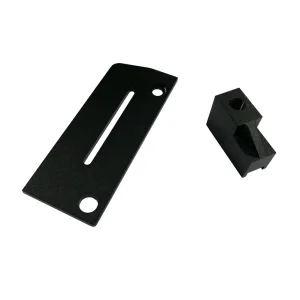
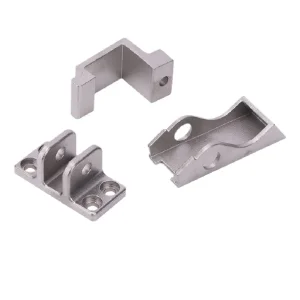
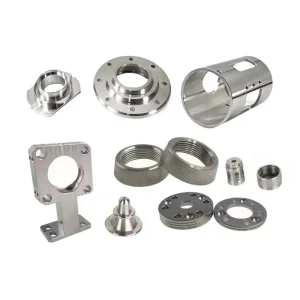
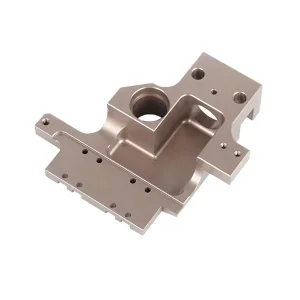
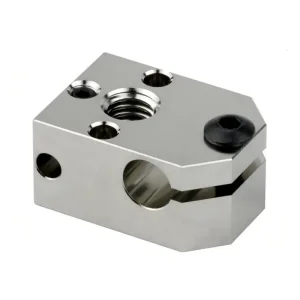
Further custom products displaying our casting and machining range, including stainless steel, titanium, and aluminum alloys.
 SX Machining