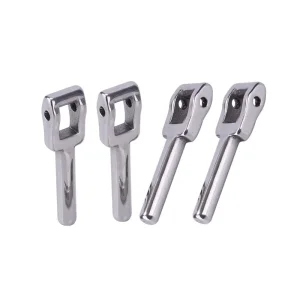
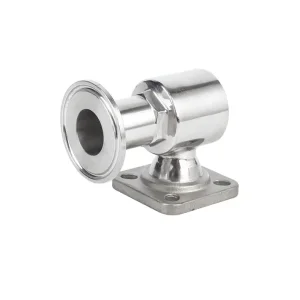
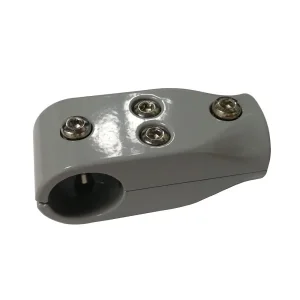
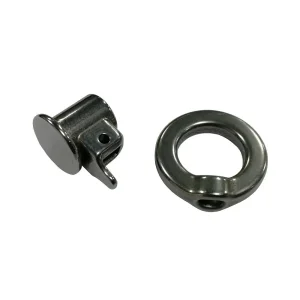
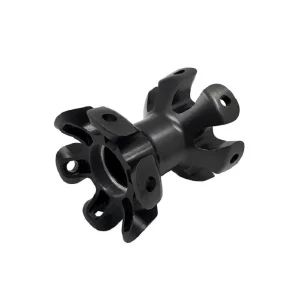
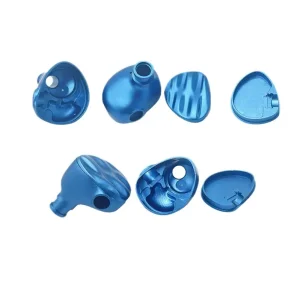
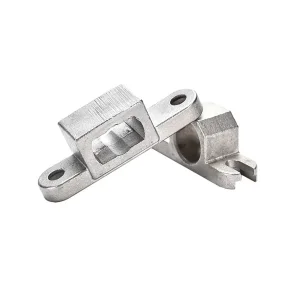
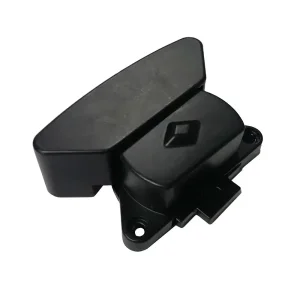
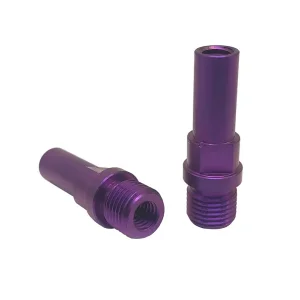
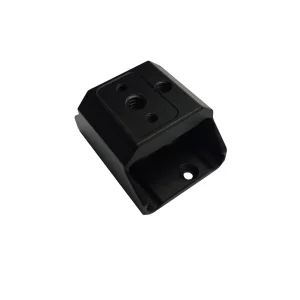
The global investment casting (lost wax casting) sector represents a critical foundation for modern manufacturing, enabling the creation of intricate, near-net-shape components with complex internal geometries that are difficult or impossible to construct via subtractive machining alone. In the contemporary industrial arena, OEM investment casting exporters have evolved from simple part-replicators into strategic engineering design partners. High-precision industries, including marine engineering, aerospace, automotive systems, and valve fluid controls, rely on these facilities to supply high-strength materials (such as Austenitic, Duplex, and Martensitic Stainless Steels, alongside high-performance Carbon Steels) that withstand severe mechanical stresses and chemical environments.
Current global market dynamics indicate a sharp structural shift toward integrated manufacturing architectures—wherein the casting plant houses secondary CNC precision machining, finishing lines, and advanced quality verification equipment under one roof. In regions like East Asia, particularly within the manufacturing ecosystems of China, OEM factories have adopted advanced silica sol process lines to replace traditional sodium silicate processes, resulting in dramatically improved surface finishes (Ra 3.2 to 6.3 μm) and superior dimensional dimensional stability.
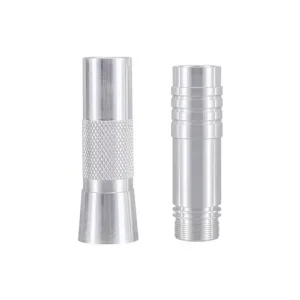
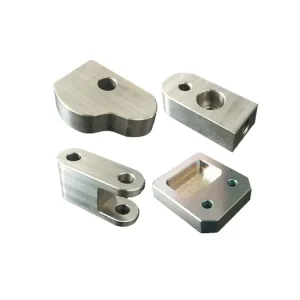
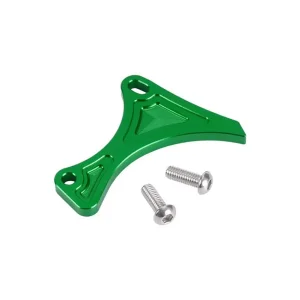
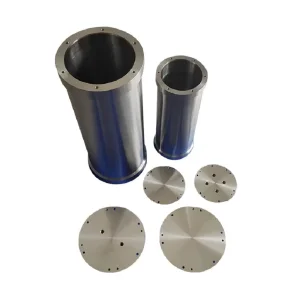
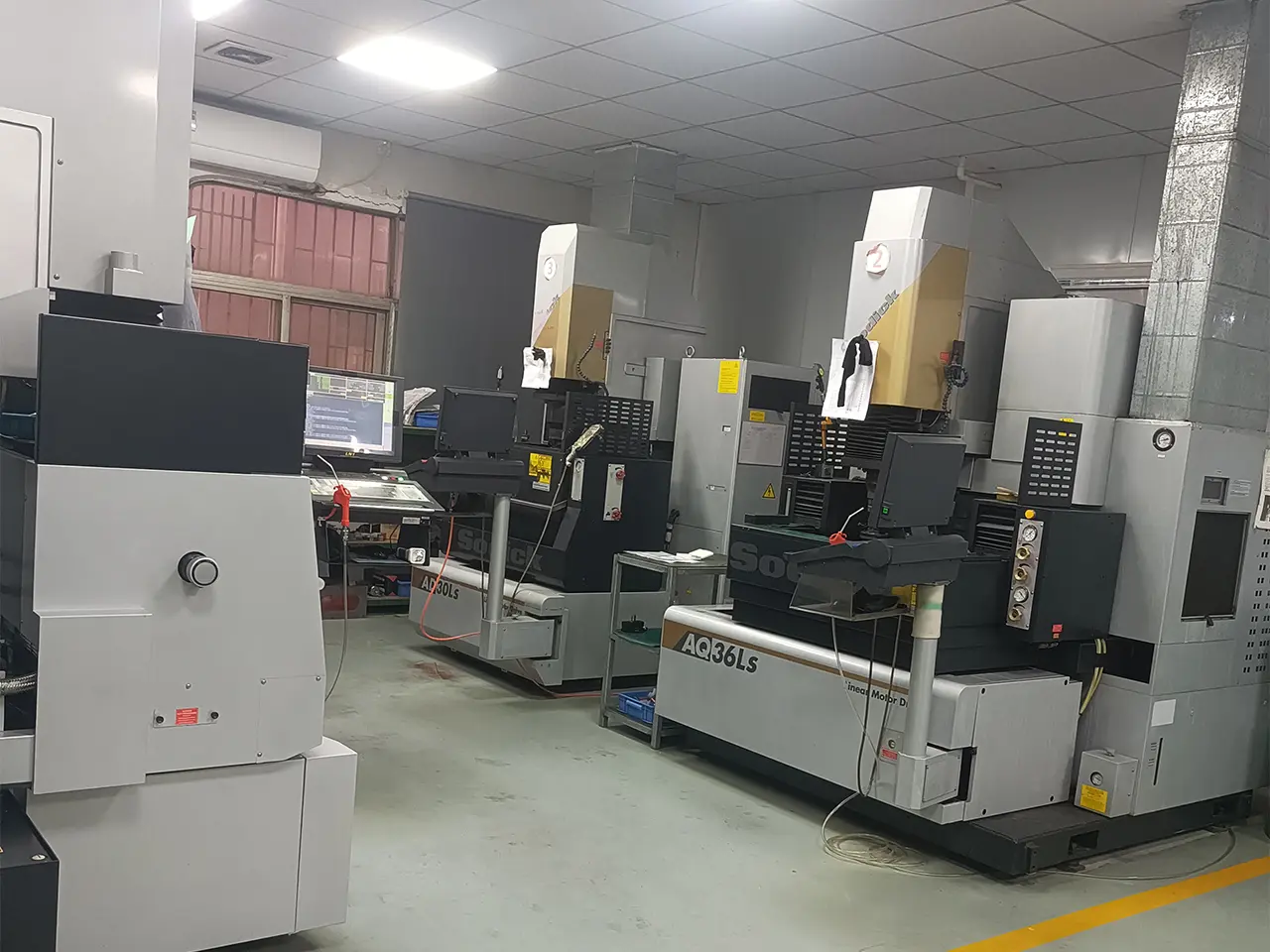
Dongguan SX Technology Co.,Ltd has very rich experience in precision casting, CNC machining and assembly. Our products are used in machinery, automobiles, marine, ships, equipment, valves and pumps, electronic appliances, packaging, watches, construction, chemical industry and other industries.
The most commonly used materials for investment casting are stainless steel and carbon steel. And the most commonly used materials for CNC machining include titanium alloy, stainless steel, carbon steel, aluminum alloy, copper alloy, cemented carbide, etc. We have advanced manufacturing equipment and technology and are able to respond quickly to your needs.
Silica Sol and Lost Wax methodologies optimized for thin-wall geometries.
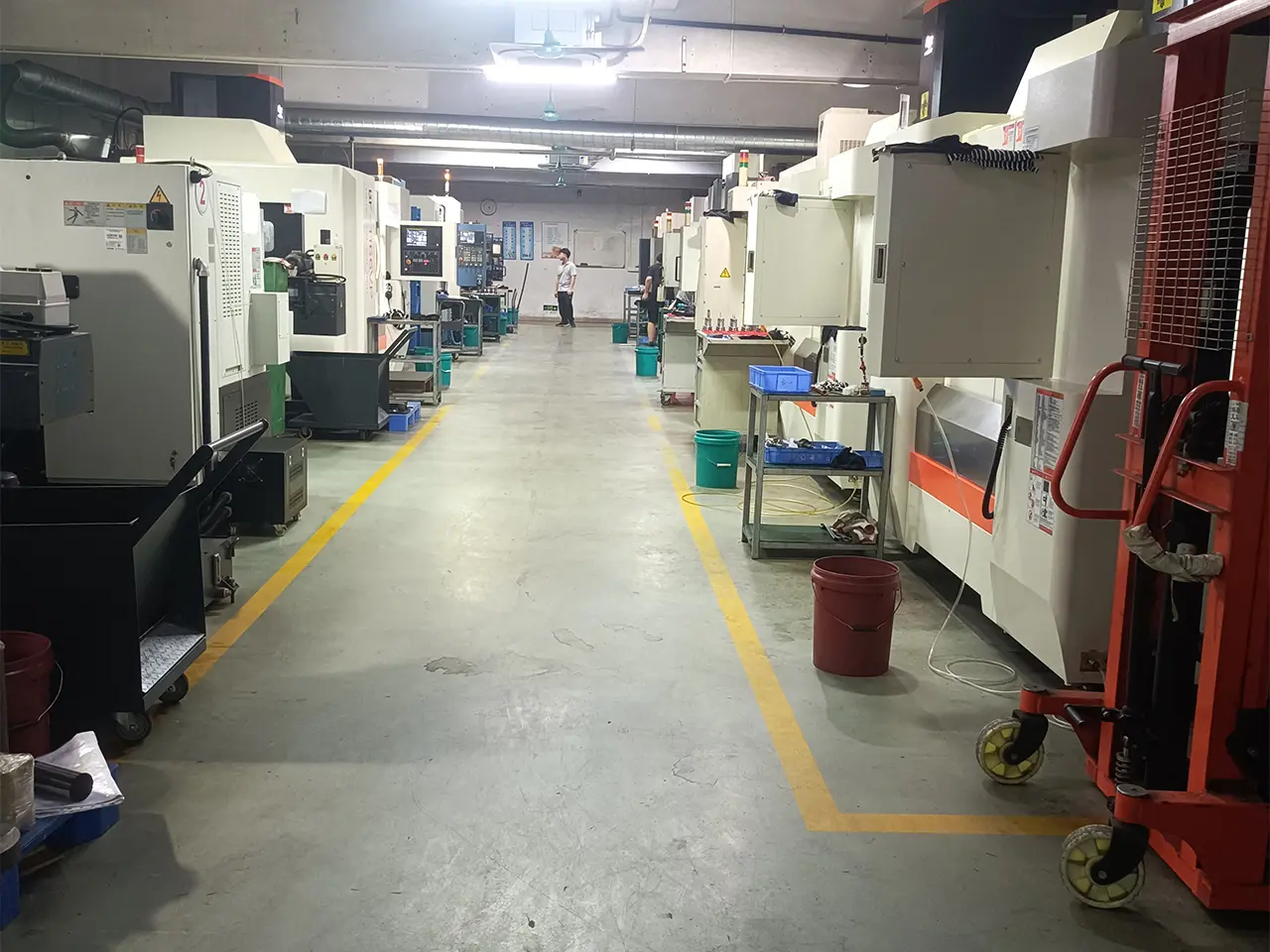
State-of-the-art 3, 4, and 5-axis CNC systems to achieve structural tolerances.
Utilizing high-strength silica sol binder materials. Improves pattern structural integrity and minimizes thermal expansion distortion during alloy pouring stages.
Equipped with high-performance CNC milling centers, vertical turning centers, and precision grinding mills. Capable of post-casting finishing for tight clearance features.
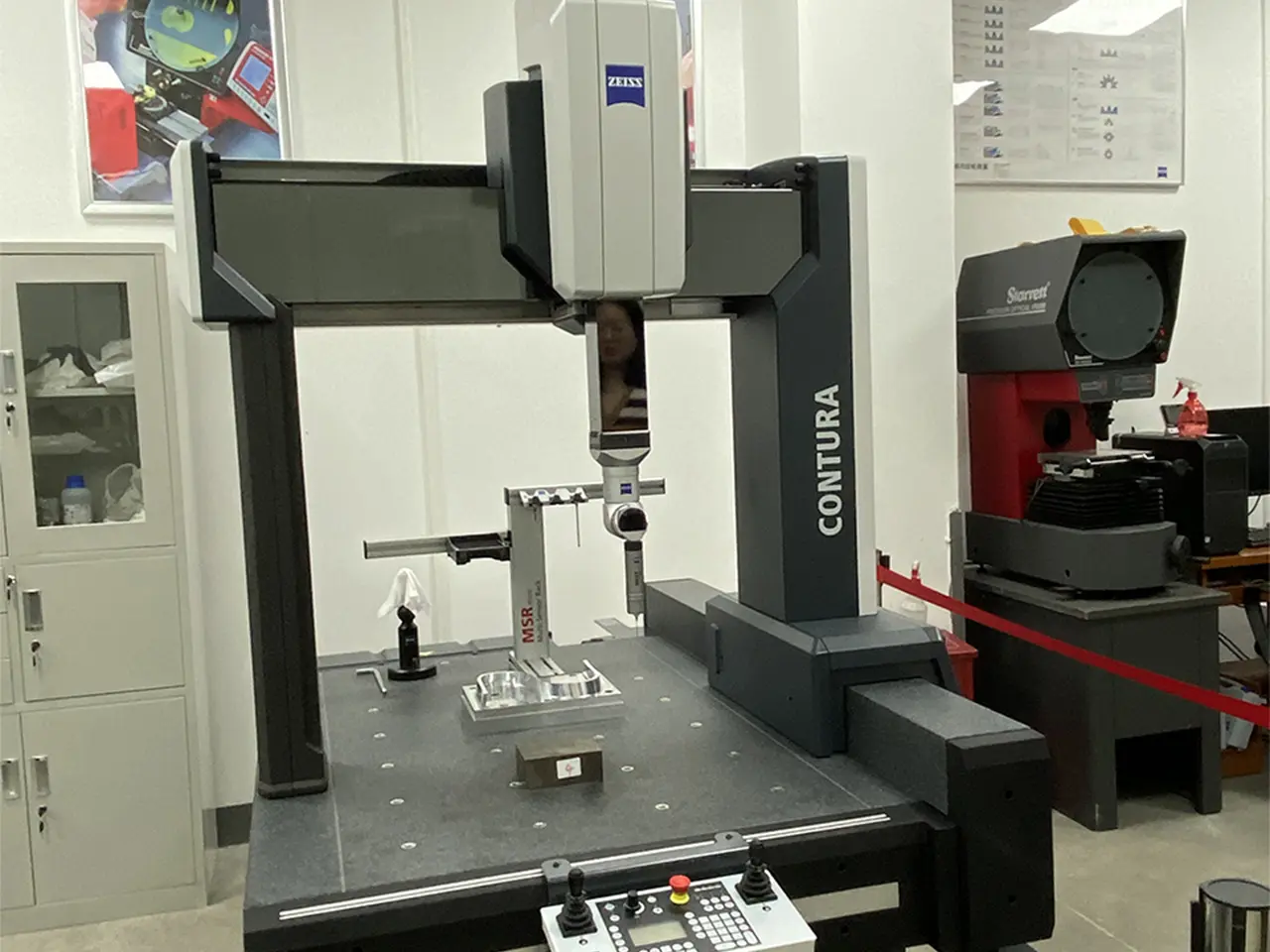
Every melt batch undergoes strict optical emission spectrometer inspection to guarantee carbon, chromium, nickel, and molybdenum content meet standard specifications.
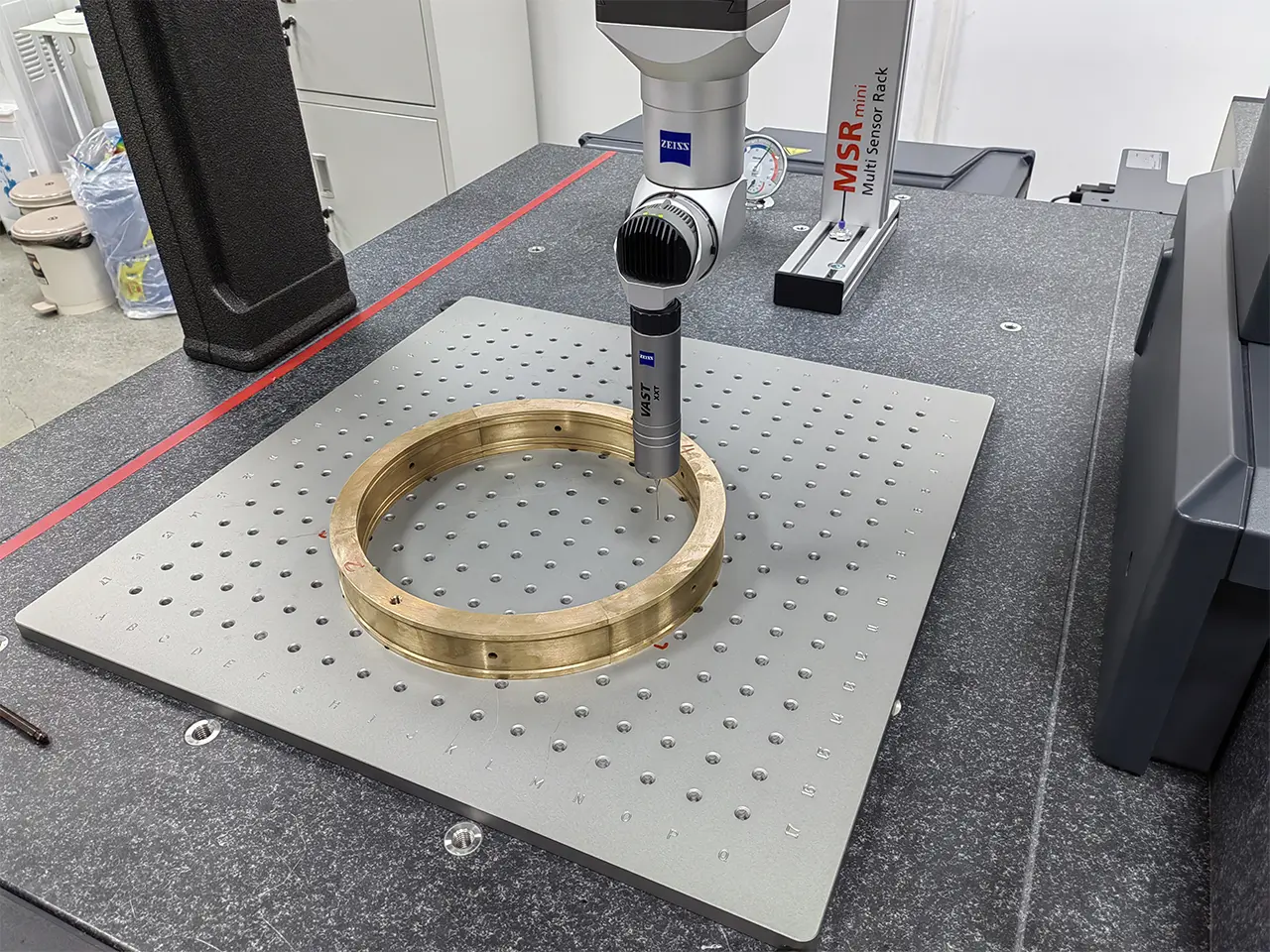
We have professional testing equipment and professional QC personnel, and we adhere to strict tolerances and quality standards for the products we produce. Due to our insistence on strict quality requirements, we have been praised by many customers.
Quality is the cornerstone of the manufacturing industry. We firmly believe that only by controlling quality well can we survive, develop, and get better and better. Therefore, we have been working in this industry unremittingly since 2014 and continue to improve the company's team and improve the company's production capacity.
We optimize CAD files for metal flow shrinkage and build aluminum injection molds.
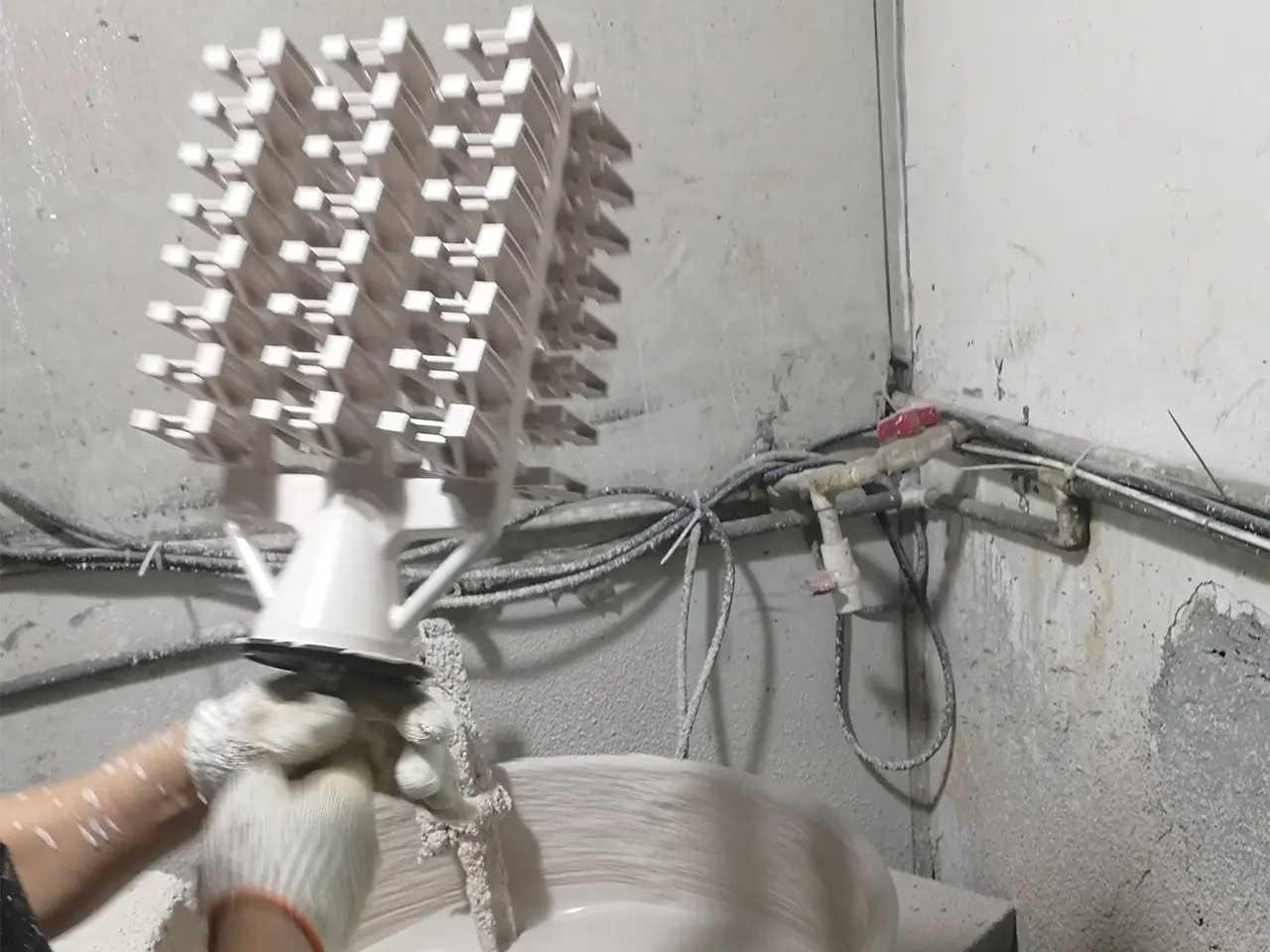
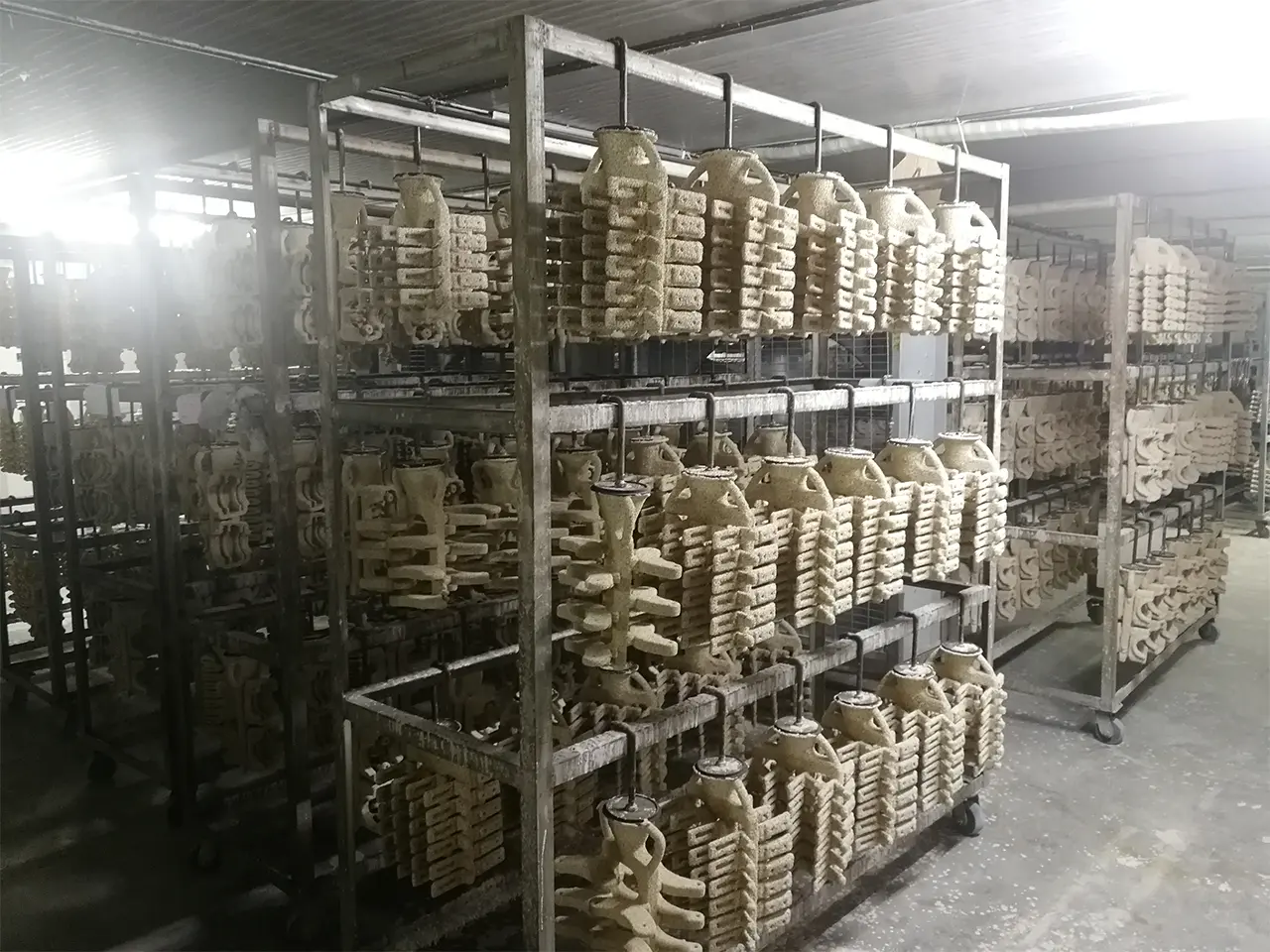
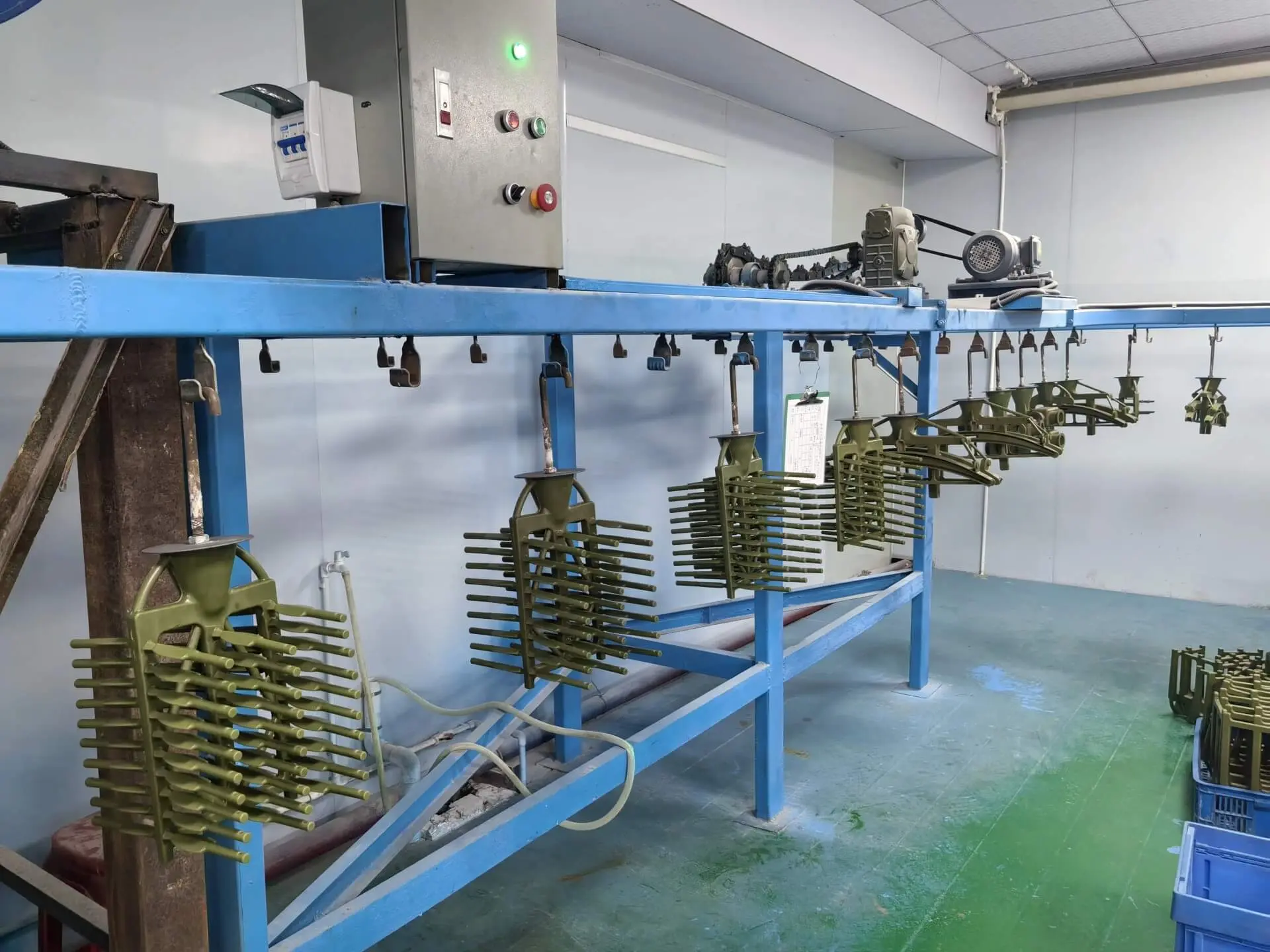
High-purity wax is injected, assembled into trees, and coated with refractory ceramic slurry.
The ceramic mold is dewaxed, fired, and filled with molten metal under controlled temperatures.
Following knockout, parts are CNC-machined, surface-finished, and verified through strict QC protocols.
Marine environments dictate materials that resist galvanic corrosion, chloride pitting, and high fatigue stresses.
Weight reduction and component durability are driving global mass transit structures and commercial EV platforms.
Pumps and fluid control valves require precise internal pathways to handle pressure levels without dynamic flow turbulence.
As digital processes and eco-friendly standards shape global manufacturing, the investment casting industry is undergoing a digital transformation. Foundries are adopting 3D-printed wax and PMMA patterns for rapid prototyping. This bypasses the traditional, long-lead tooling cycle, allowing design verification to occur within days rather than months.
Simultaneously, simulation software utilizes advanced finite element analysis (FEA) to analyze thermodynamic behaviors and solidification profiles. By identifying potential defects like shrinkage cavities or cold shuts virtually, engineers can refine gating and runner designs prior to physical pouring, significantly reducing material waste and structural anomalies.
From an environmental perspective, modern OEM exporters are shifting to green casting practices. This includes optimizing wax recycling loops, utilizing energy-efficient induction furnaces, and implementing water-based slurries to reduce emissions of volatile organic compounds (VOCs). Dongguan SX Technology aligns with this evolution, focusing on green, lean, and high-efficiency manufacturing technologies.
 SX Machining