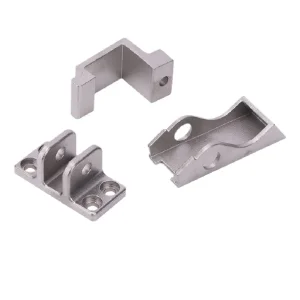
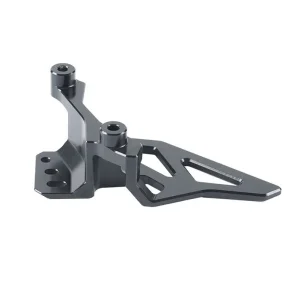
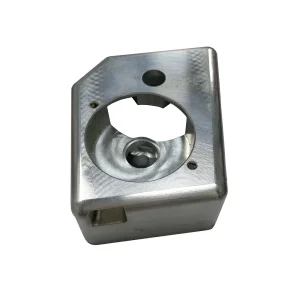
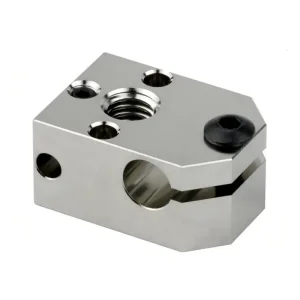
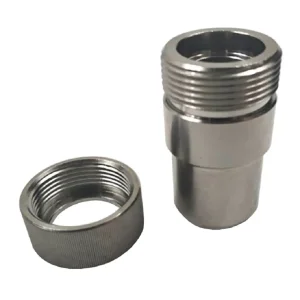
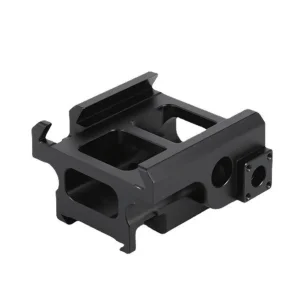
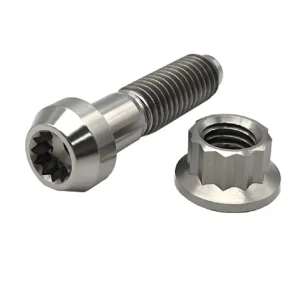
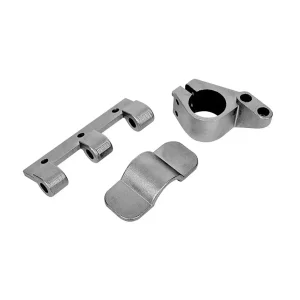
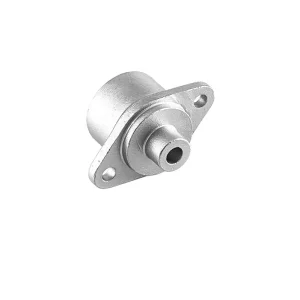
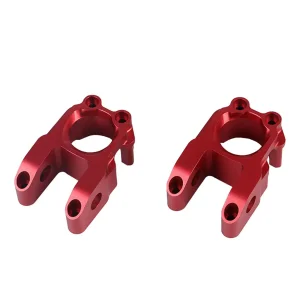
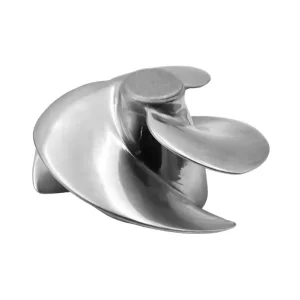
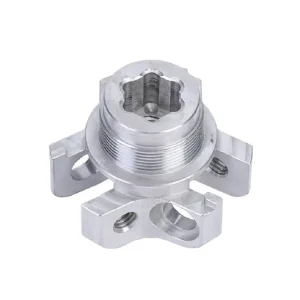
The global maritime domain exposes critical components to some of the most unforgiving environments on Earth. High salinity, continuous hydrostatic pressure, severe cavitation, and intense hydrodynamic loads demand materials and production techniques of the highest caliber. OEM Marine Castings represent the bedrock of reliability for shipping vessels, offshore rigs, naval defenses, and energy infrastructure. Designing and producing these parts requires a thorough comprehension of physical metallurgy and advanced fluid dynamics.
To achieve exceptional corrosion resistance and mechanical endurance under fatigue, engineers turn to investment casting (also known as the lost wax process) and precision CNC machining. Investment casting delivers parts with complex geometries, close tolerances, and smooth surface finishes, reducing post-processing steps. The combination of these techniques creates component structures capable of enduring decades of immersion in seawater without catastrophic failure.
Components must withstand pitting and crevice corrosion caused by chloride ions, prevent galvanic corrosion at joint interfaces, maintain mechanical properties at sub-zero temperatures, and resist erosion-corrosion from high-speed fluid flows in propulsion systems.
Dongguan SX Technology Co.,Ltd has very rich experience in precision casting, CNC machining and assembly. Our products are used in machinery, automobiles, marine, ships, equipment, valves and pumps, electronic appliances, packaging, watches, construction, chemical industry and other industries. The most commonly used materials for investment casting are stainless steel and carbon steel. And the most commonly used materials for CNC machining include titanium alloy, stainless steel, carbon steel, aluminum alloy, copper alloy, cemented carbide, etc. We have advanced manufacturing equipment and technology and are able to respond quickly to your needs.
By combining investment casting with multi-axis CNC machining, we offer a comprehensive service from concept design to final assembly. Since our establishment, we have focused on overcoming technical hurdles associated with complex structures, thin-walled castings, and hard-to-machine alloys like titanium and duplex stainless steel. This integrated approach ensures that every part meets strict dimensional, cosmetic, and performance specifications.
Our facility operates with high-precision CNC machinery and automated casting lines, enabling us to support low-to-medium volume specialty production as well as large-scale OEM runs. We bridge the gap between design theory and real-world manufacturing, providing cost-effective solutions for clients globally.
Modern marine hardware demands a careful selection of alloys and manufacturing methods. We maintain strict control over every stage of our engineering process to ensure maximum reliability and performance.
We use silica sol investment casting to prevent porosity and achieve tight tolerances. We process various grades of stainless steel (such as CF8M, CF3M, and duplex 2205), copper-based alloys, and carbon steels. The silica sol process guarantees clean surface finishes and precise dimensions.
Our machining department operates 3-axis, 4-axis, and 5-axis CNC machining centers. This allows us to mill, turn, and drill complex castings with tolerances as close as ±0.005mm, ensuring critical interfaces fit securely.
We work with titanium alloys (like Ti-6Al-4V) for weight savings and high-performance corrosion resistance. Our specialized tooling and thermal management prevent work hardening during machining, preserving the structural integrity of the alloy.
Cast parts undergo solution annealing, normalizing, or tempering to refine their grain structure, relieve internal stresses, and improve mechanical properties. This process maximizes tensile strength and ductility in marine environments.
To enhance corrosion resistance, components undergo chemical passivation, electropolishing, or anodizing. This creates a dense, protective oxide layer on the metal surface that helps prevent pitting and crevice corrosion.
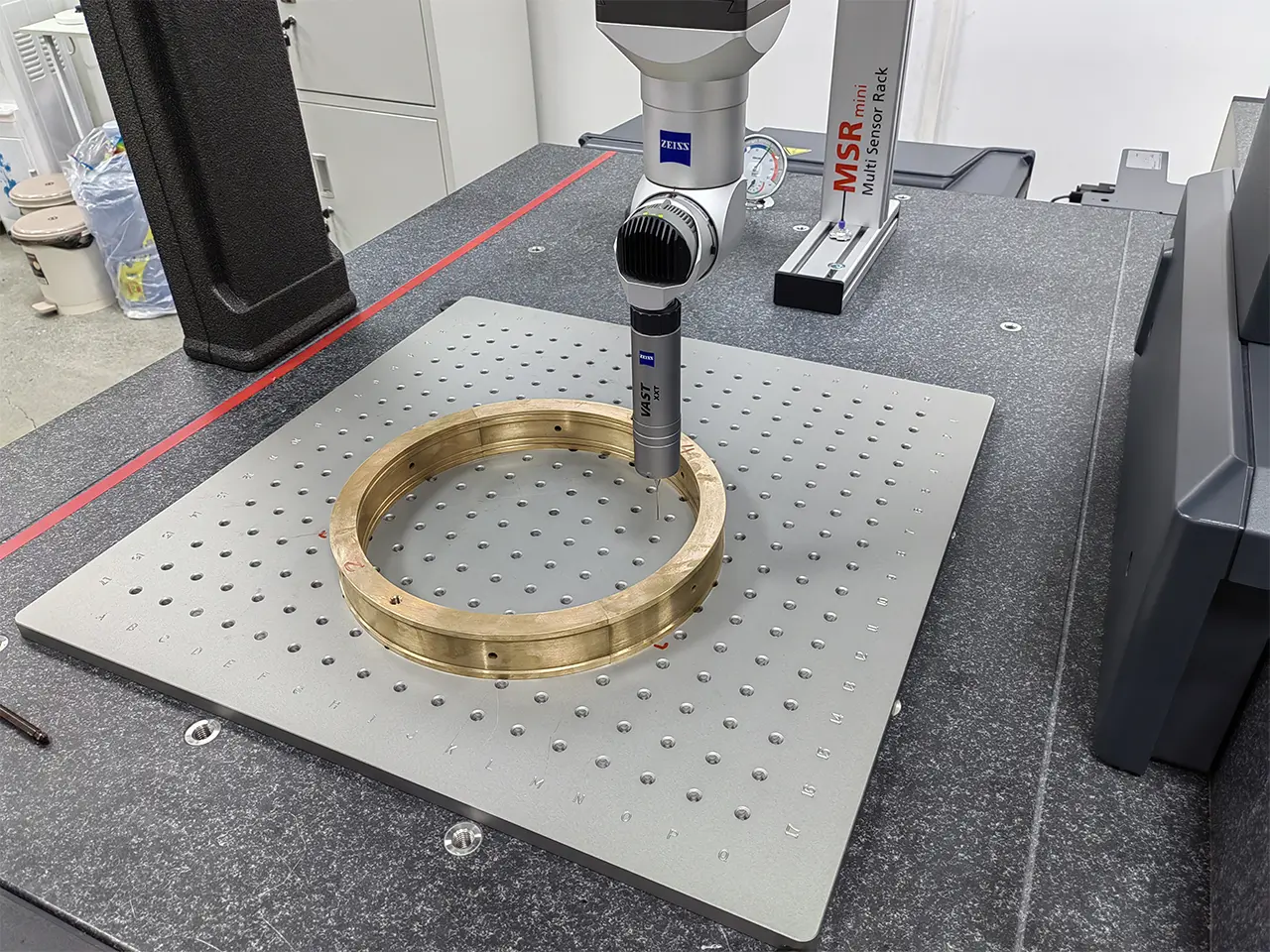
We employ Non-Destructive Testing (NDT), liquid penetrant inspection, ultrasonic testing, and Coordinate Measuring Machines (CMM) to verify internal integrity and ensure every dimension matches the customer's technical drawing.
Different operating regions expose marine installations to unique environmental stresses. Understanding these localized factors allows us to optimize alloy selection and surface treatments for regional requirements.
Operations in the North Sea face extreme fatigue from waves, sub-zero temperatures, and high winds. We supply castings with high low-temperature impact toughness, ensuring steel components do not become brittle in harsh northern climates.
High water temperatures and elevated salinity accelerate galvanic and pitting corrosion. For these areas, we utilize duplex stainless steels (such as 2205) and passivated 316L, which form stable oxide layers that resist active chloride attack.
Commercial vessels in rivers and estuaries frequently encounter mud, sand, and varying salinity levels. Our wear-resistant carbon steel and cobalt-modified alloy castings help prevent premature erosion-corrosion on impellers and pump housings.
Deep-sea exploration requires components that can withstand intense external pressures. We utilize high-strength titanium castings to provide excellent strength-to-weight ratios and reliable resistance to mechanical deformation under pressure.
Our manufacturing base in Dongguan, China, benefits from an established industrial ecosystem. We have access to reliable raw material suppliers, secondary processors, heat treatment facilities, and tooling manufacturers, allowing us to manage lead times efficiently.
Our integrated facility handles casting, machining, and assembly under one roof, reducing internal transport delays and simplifying quality control. With established logistics connections to major shipping hubs in Shenzhen, Guangzhou, and Hong Kong, we ensure prompt and reliable delivery to international customers.
We source certified raw materials directly from local mills, maintain in-house tooling creation for fast design iterations, and consolidate logistics to reduce overhead and lead times.
Our manufacturing operations rely on strict quality control. Below are views of our production environment and testing processes.
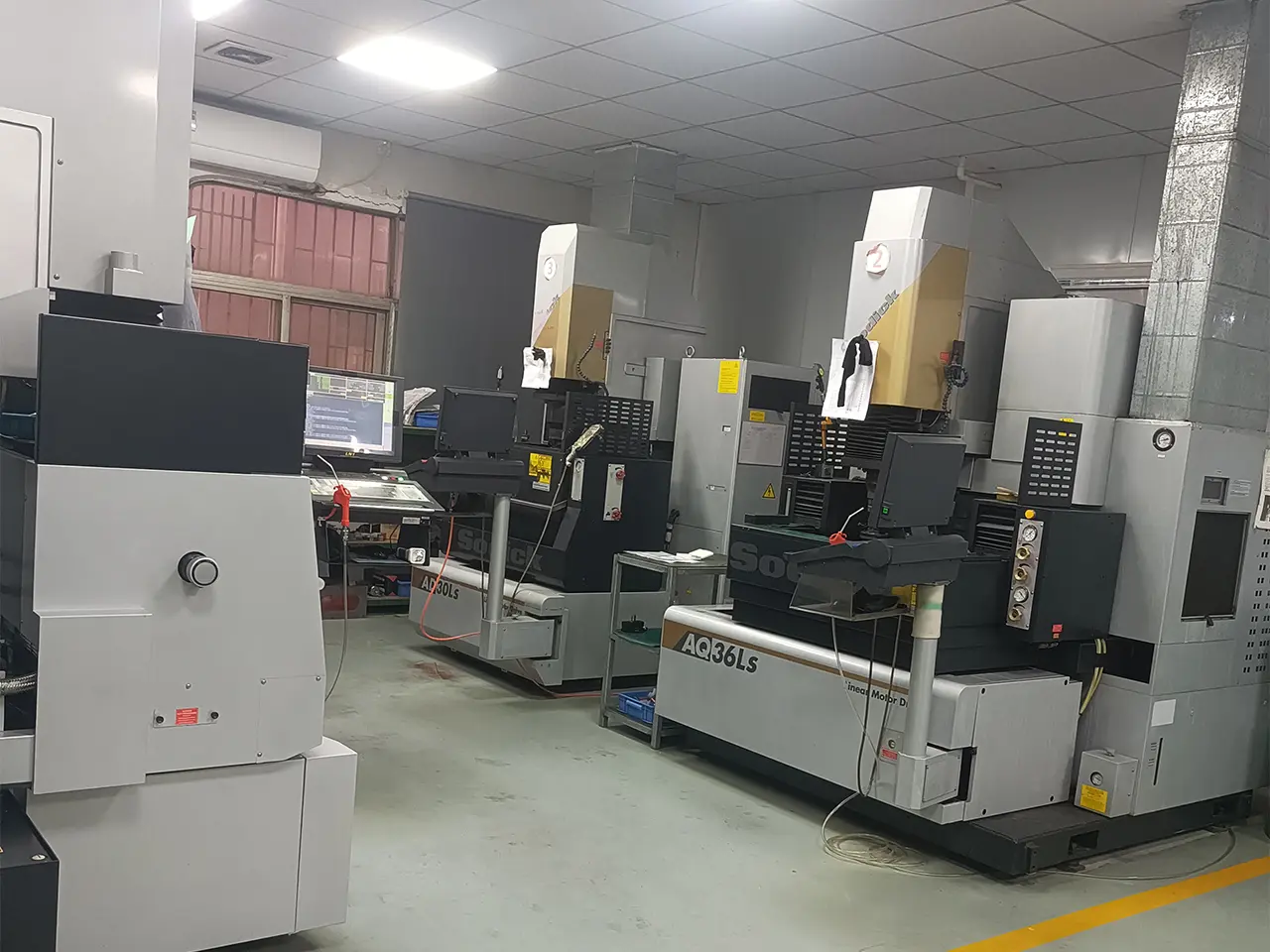
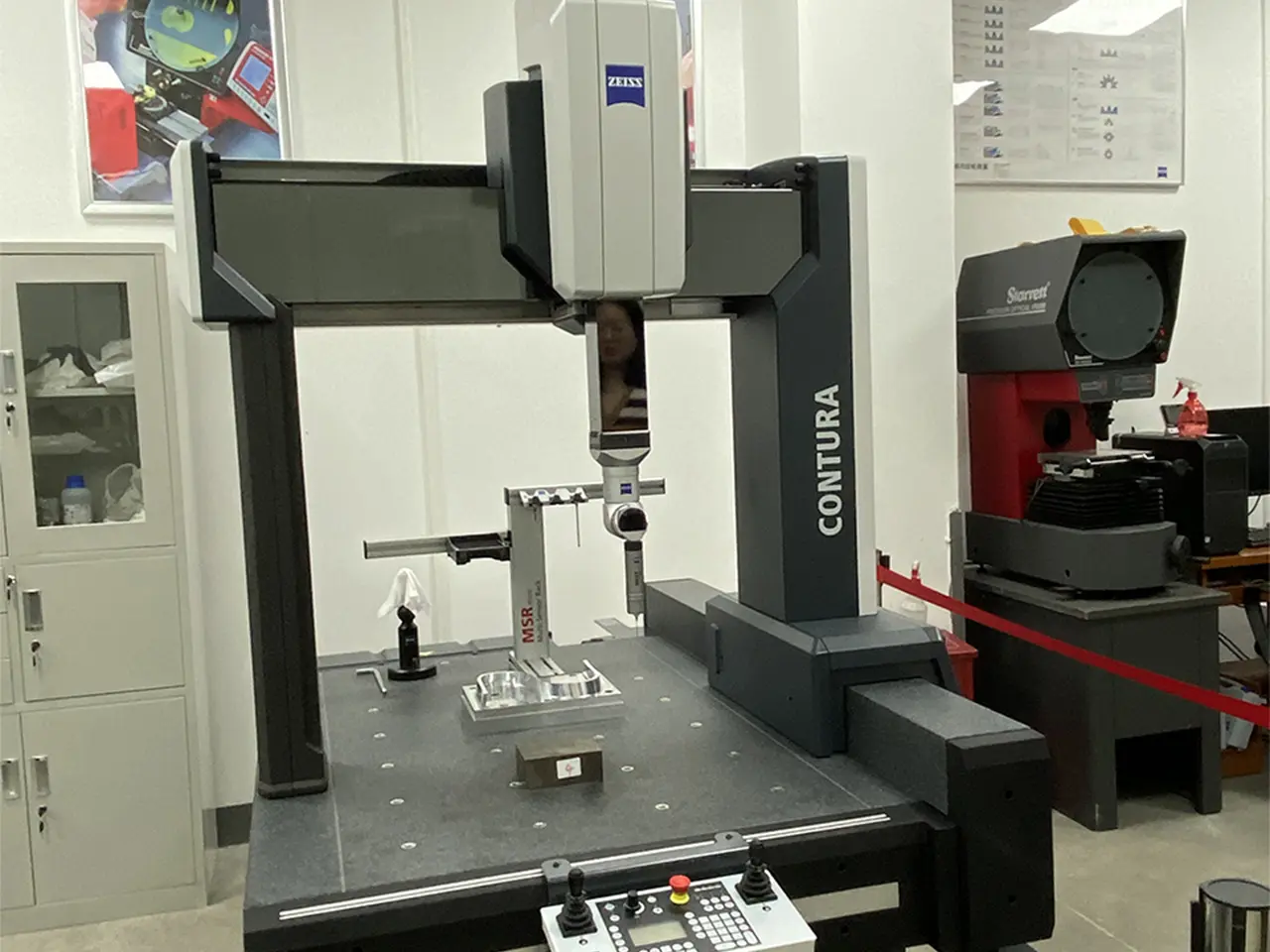
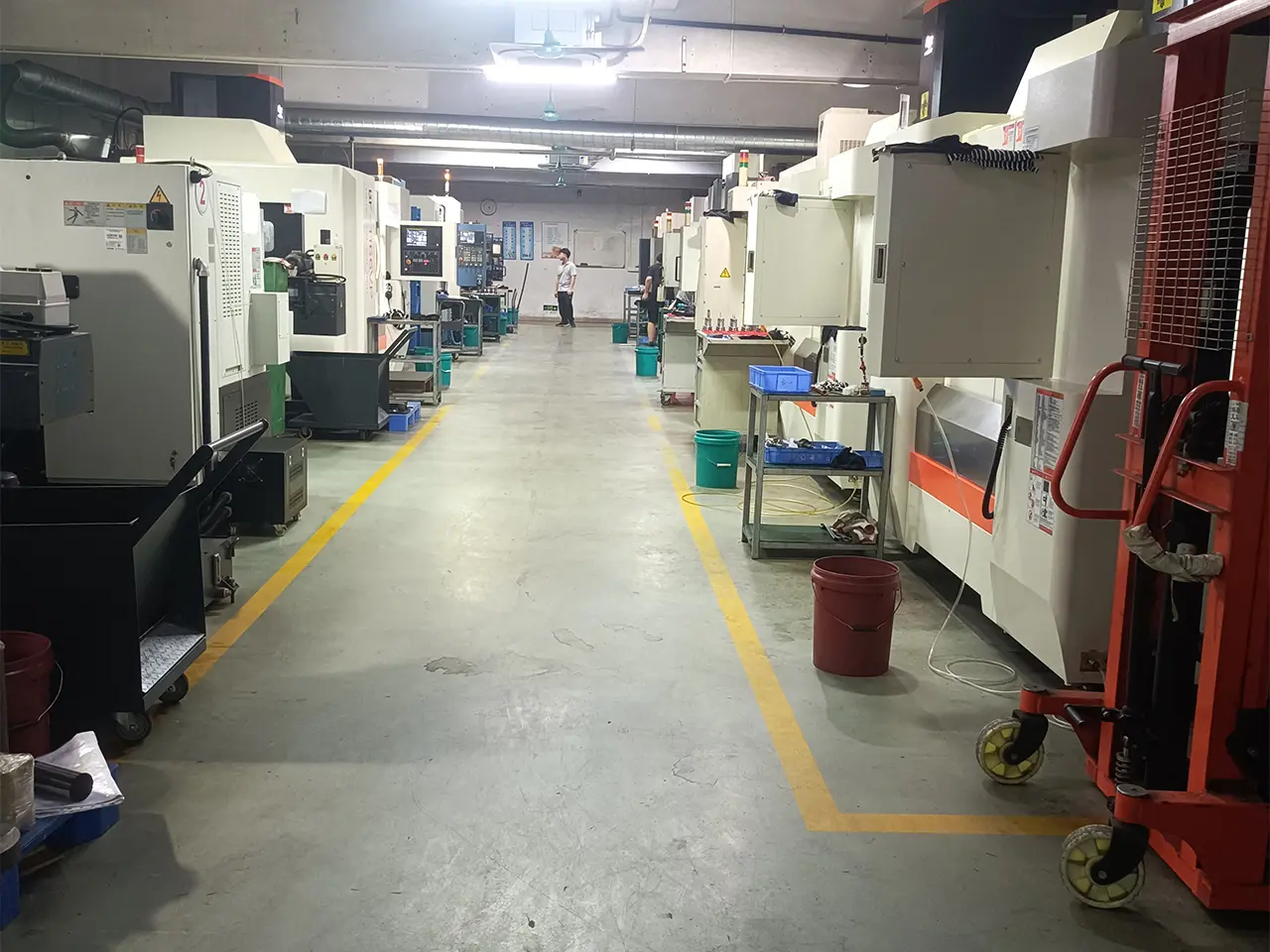
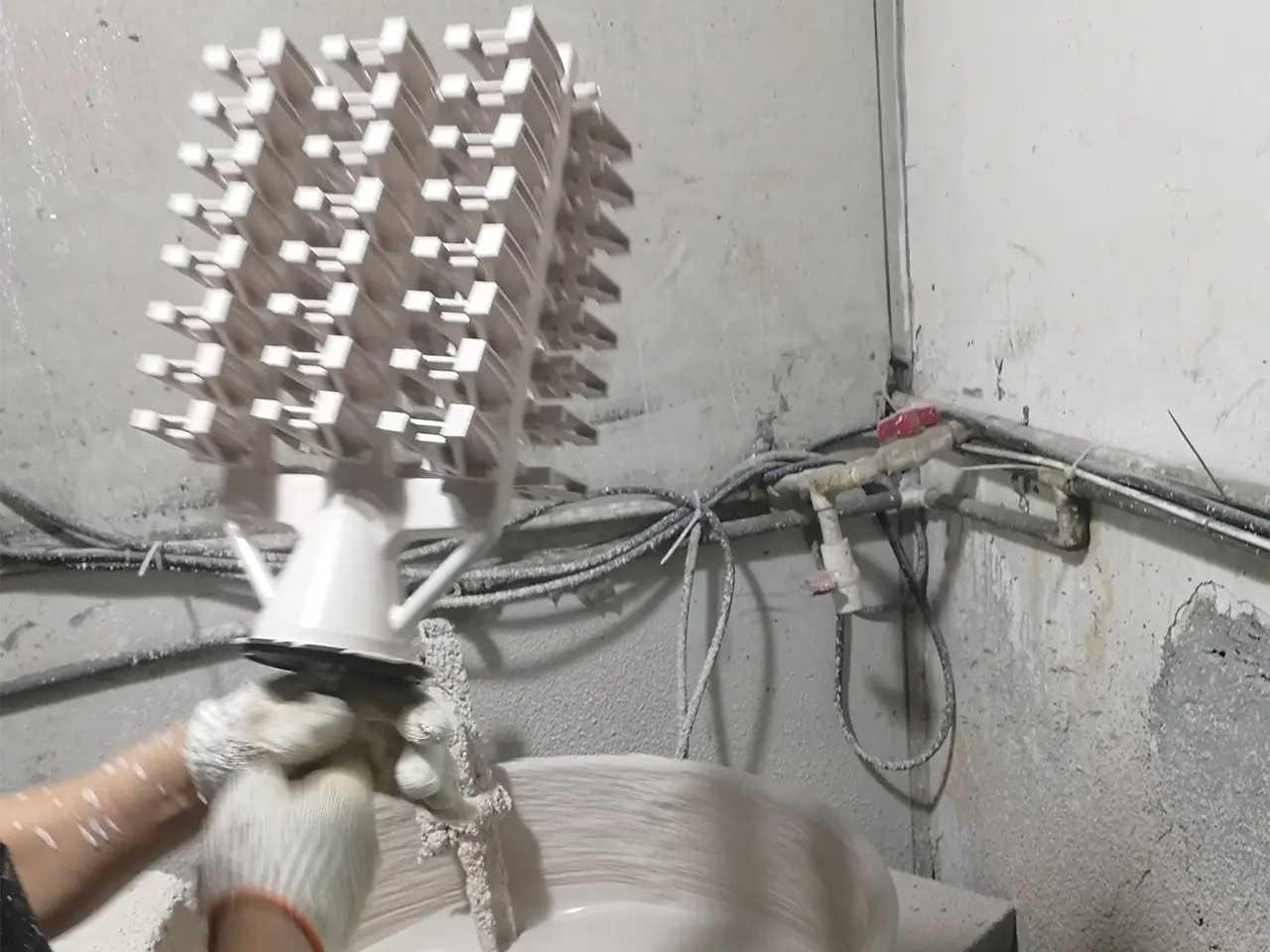
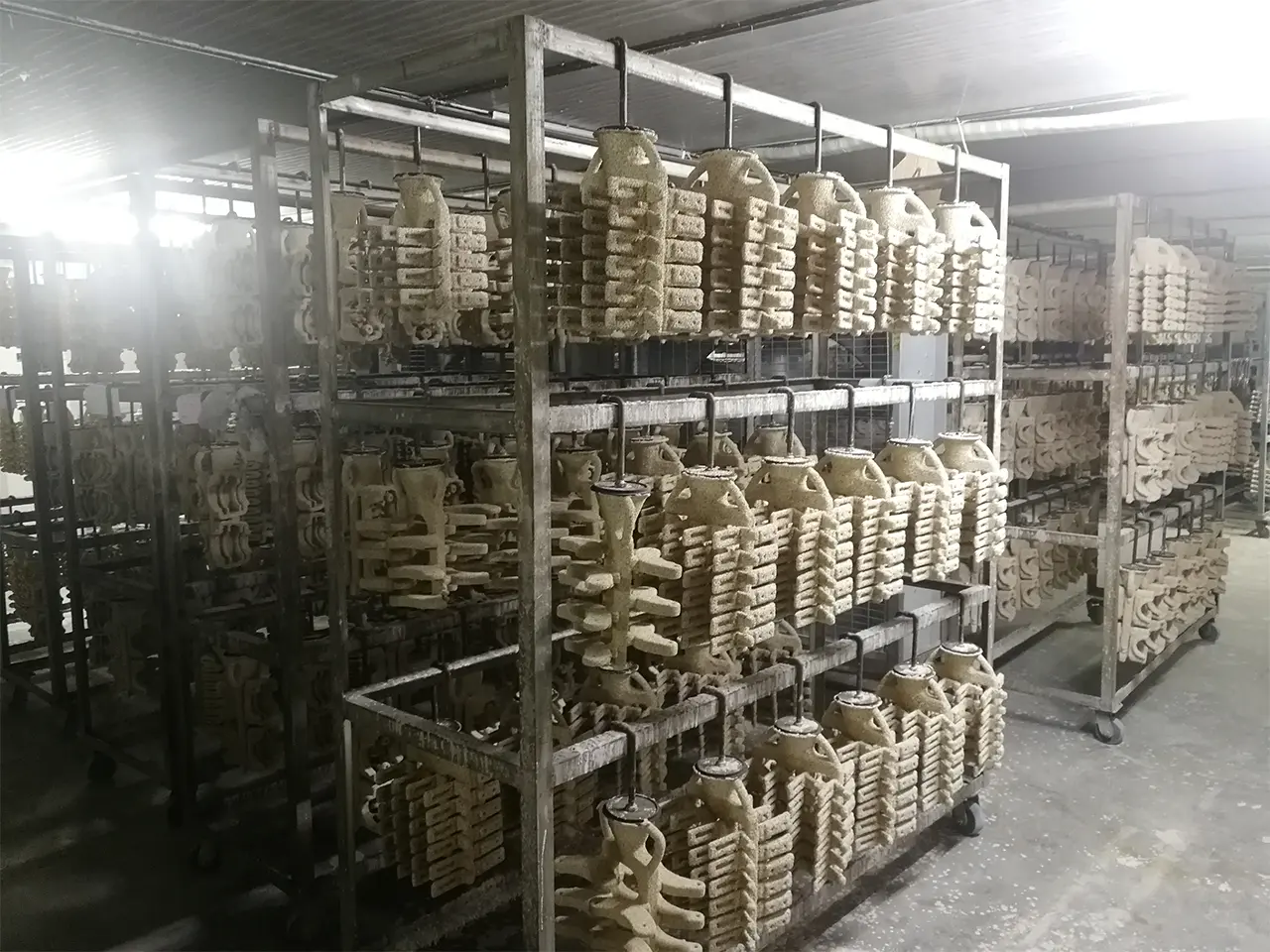
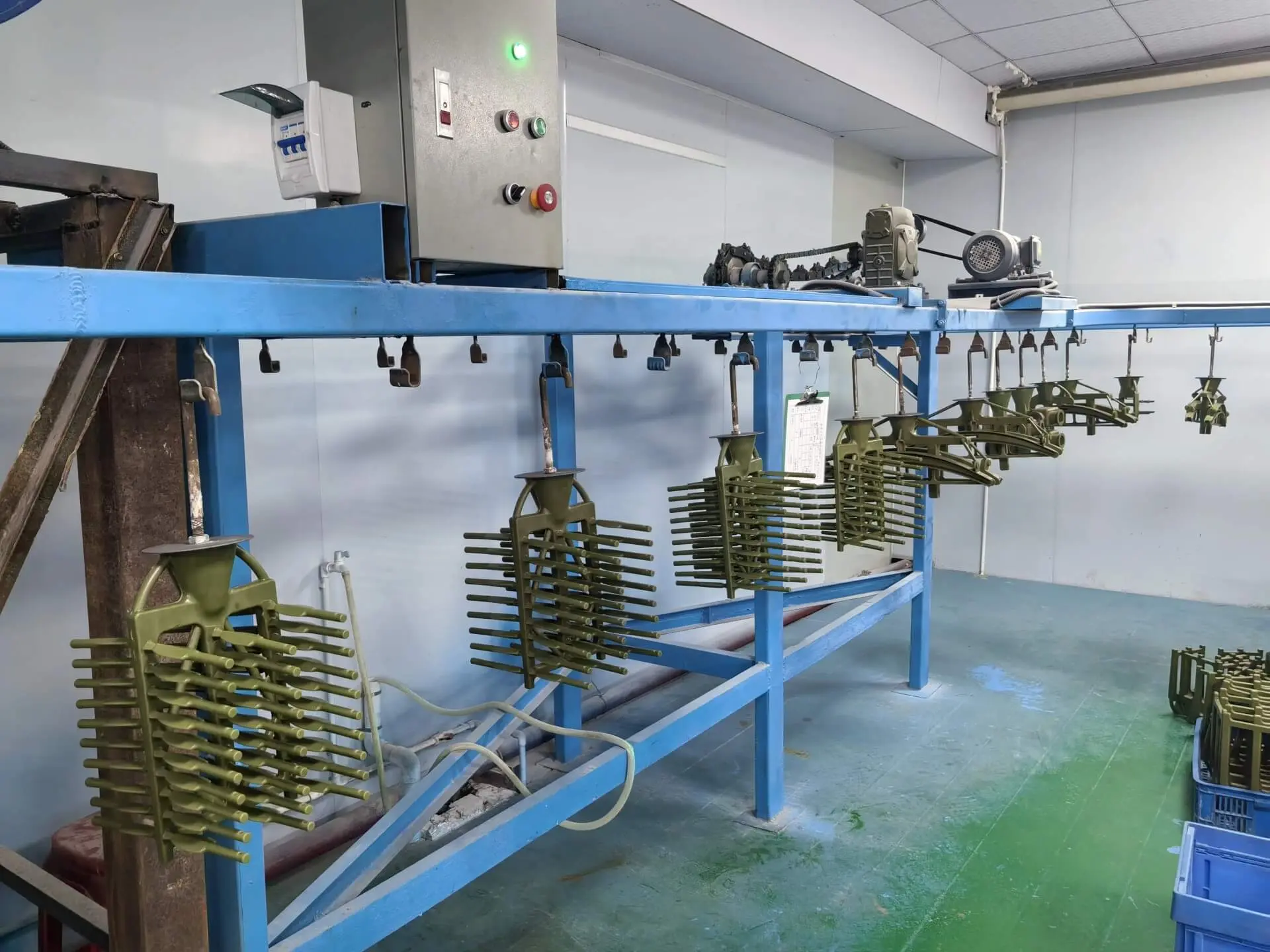
Quality Control: We have professional testing equipment and professional QC personnel, and we adhere to strict tolerances and quality standards for the products we produce. Due to our insistence on strict quality requirements, we have been praised by many customers. Quality is the cornerstone of the manufacturing industry. We firmly believe that only by controlling quality well can we survive, develop, and get better and better. Therefore, we have been working in this industry unremittingly since 2014 and continue to Improve the company's team and improve the company's production capacity.
We perform spectrometer analysis on every melt to verify its chemical composition before pouring. Our quality inspection team also conducts liquid penetrant testing to detect surface indications and ultrasonic testing to identify internal defects, ensuring compliance with international maritime specifications.
To align with changing maritime regulations and decarbonization initiatives, we are focusing our technical development on several key areas:
We are designing lighter cast structures using advanced topology optimization, helping shipbuilders reduce fuel consumption and carbon emissions.
We are researching high-entropy alloys for use in high-wear marine installations, seeking to improve resistance to cavitation and erosion.
We are working to integrate 3D scan data into digital twin records for each critical casting, providing long-term traceability and simplifying lifecycle maintenance.
Silica sol investment casting provides superior surface finish (Ra 3.2-6.3 μm) and dimensional tolerance (CT4-CT6) compared to water glass casting. More importantly, it minimizes surface inclusions and gas porosity, which is critical for marine components that undergo cyclic stress and require high corrosion resistance.
We control carbon content (typically keeping it below 0.03% for 'L' grades like 316L) to prevent chromium carbide precipitation at grain boundaries. Additionally, all marine-grade castings undergo solution annealing at high temperatures followed by rapid quenching, as well as chemical passivation, to build a protective passive layer on the surface.
Titanium alloys offer an excellent strength-to-weight ratio and resistance to corrosion in seawater. They are highly resistant to pitting and crevice corrosion, making them suitable for subsea components that need to operate reliably without frequent maintenance.
We use rigid, high-power CNC machining centers equipped with high-pressure internal cooling systems. By optimizing cutting speeds, feed rates, and using carbide or ceramic-coated tooling, we manage heat generation and work-hardening, allowing us to achieve tolerances down to ±0.005mm.
Our quality control protocols comply with ISO 9001 standards. We perform chemical composition analysis on every batch, and we can provide physical testing records, including tensile strength, impact testing, and non-destructive testing (such as X-Ray or dye penetrant inspection) upon request.
Typically, mold design and tooling fabrication require 15 to 20 days. Once the tooling is approved, sample production and dimensional validation take an additional 10 to 15 days. Mass production timelines depend on order volume and the complexity of the required machining.
 SX Machining