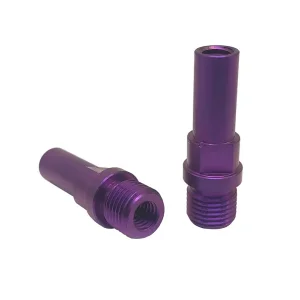
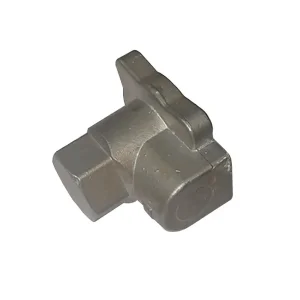
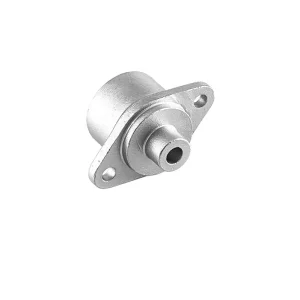
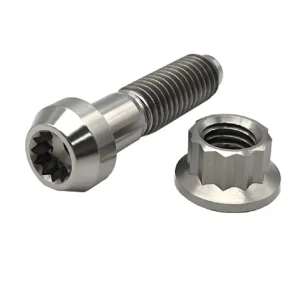
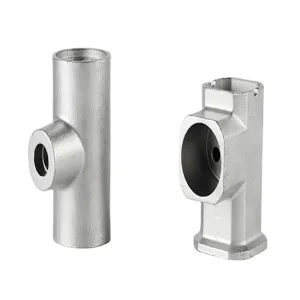
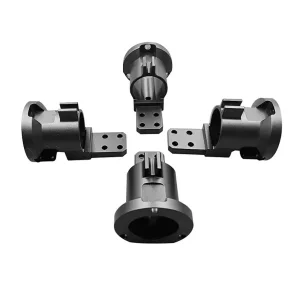
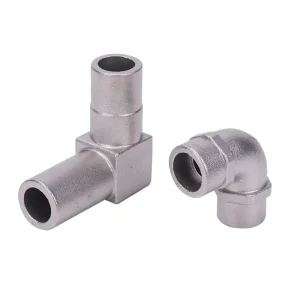
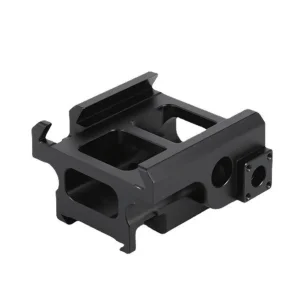
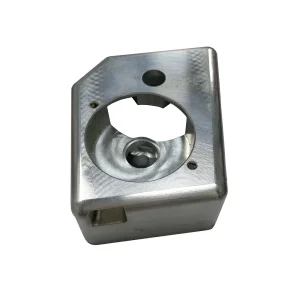
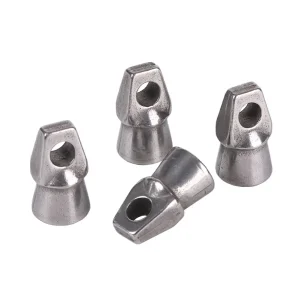
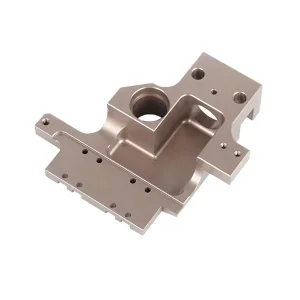
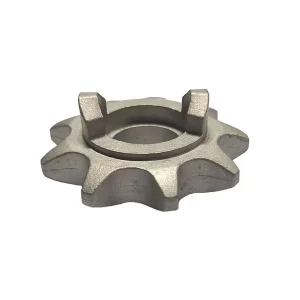
Premium components manufactured under tight tolerances and high metallurgical standards
Established as an industry benchmark in precision engineering, Dongguan SX Technology Co.,Ltd brings a wealth of expertise in precision casting, advanced CNC machining, and complex component assembly. Over the years, we have solidified our reputation as a trusted manufacturing partner for global enterprises seeking high-reliability components engineered for demanding service environments.
Our product portfolio serves critical sectors including heavy machinery, automotive systems, marine engineering, commercial shipping, specialized process equipment, high-pressure valves and pumps, consumer electronics, industrial packaging, high-end watches, construction architectures, and the chemical industry. By bridging the gap between raw metallurgical science and precision subtractive manufacturing, we ensure that every part satisfies both functional performance and strict dimensional parameters.
Our primary operational focus revolves around:
Established Year
CNC Precision (mm)
Industries Served Globally
NDT & Quality Audited
Aligning manufacturing capacity with modern supply chain requirements
Modern procurement demands resilient, dual-source strategies. We offer agile tooling development, transparent raw material batch tracking, and redundant manufacturing streams to protect production lines from logistics bottlenecks.
We supply products complying with strict international benchmarks, including ASTM, DIN, EN, and JIS standards. Complete material traceability reports (MTRs), chemical analyses, and mechanical properties certificates are provided.
By executing precision lost-wax methods that achieve near-net shape, we substantially minimize raw material waste and subsequent machining time, decreasing final component cost and accelerating time-to-market.
Combining investment casting metallurgy and advanced subtractive machining
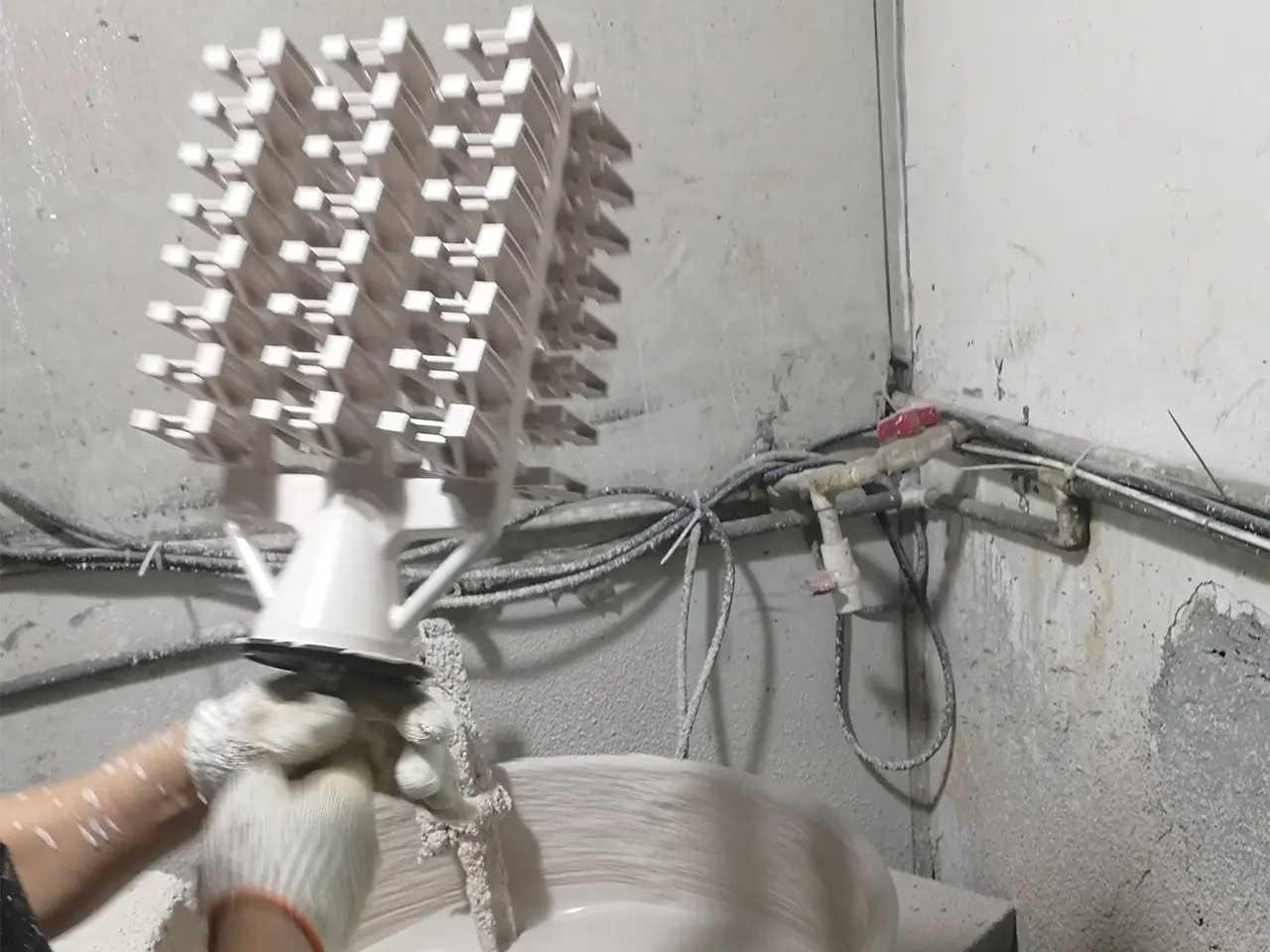
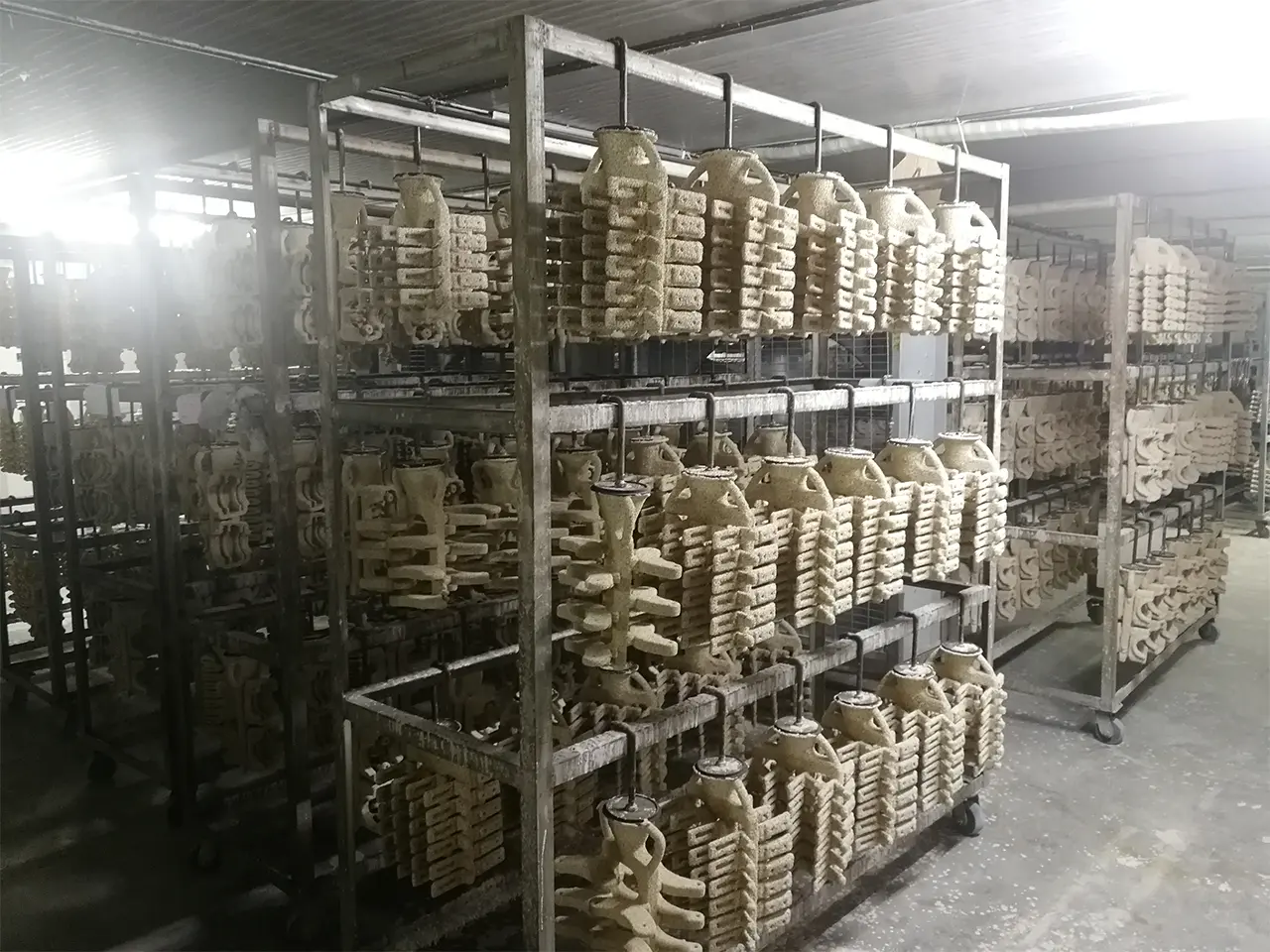
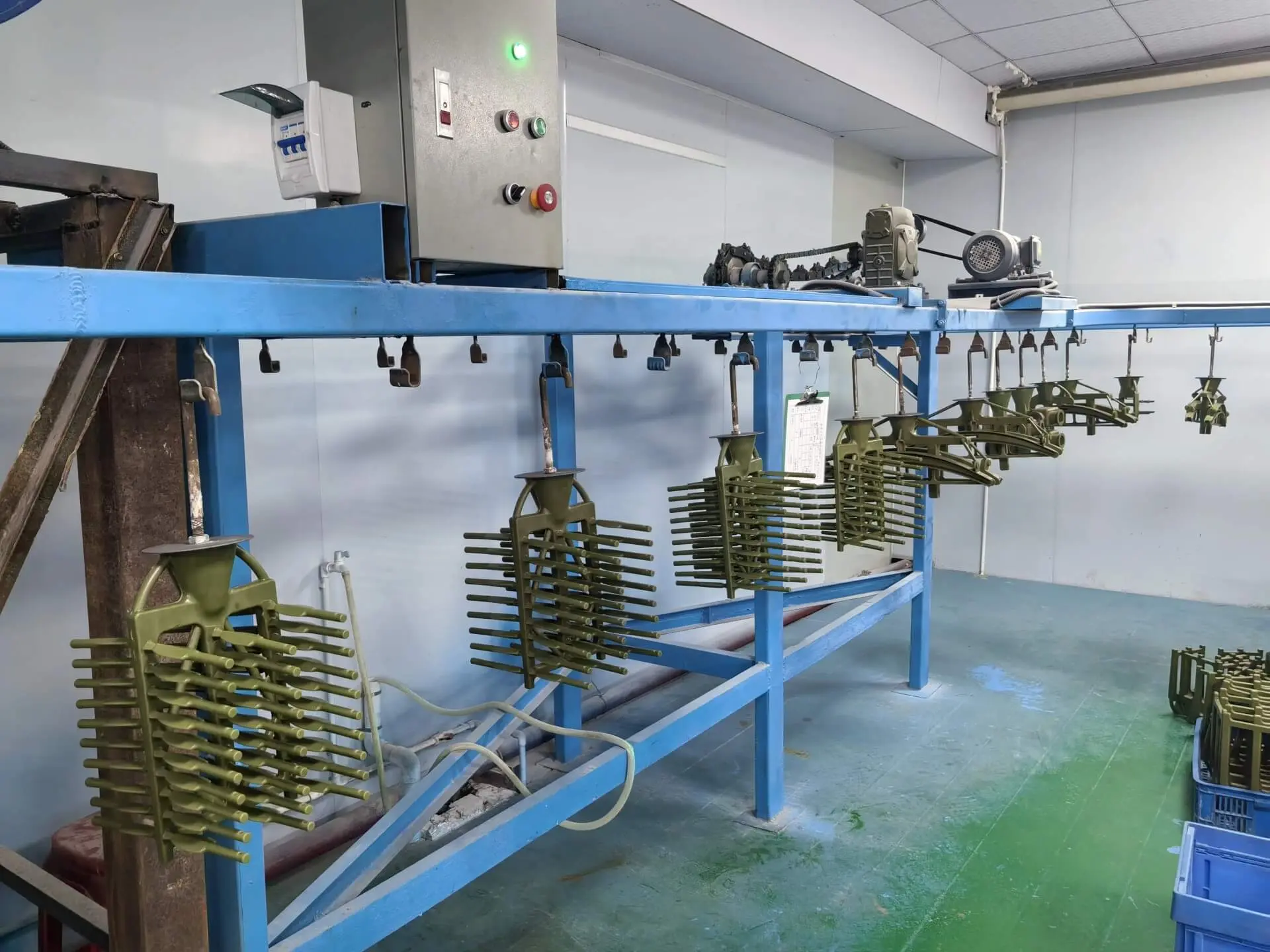
Investment casting, or lost wax casting, is the premier process for complex, net-shape parts that require thin walls, tight dimensional tolerances, and high surface finish quality. Our process flows through precise wax pattern injection, ceramic shell building with refractory slurry, wax evacuation, high-temperature shell firing, molten metal pouring under controlled conditions, and post-cast thermal treatments.
By utilizing this methodology, we cast intricate geometries that are difficult or impossible to manufacture with standard sand casting or tooling processes. This results in minimal draft angles, excellent detail replication, and typical surface roughness levels of Ra 3.2 to 6.3 μm before secondary processing.
Selecting the correct alloy is fundamental to resisting corrosion, handling stress loads, and sustaining long operational lifespans. We process a wide range of materials:
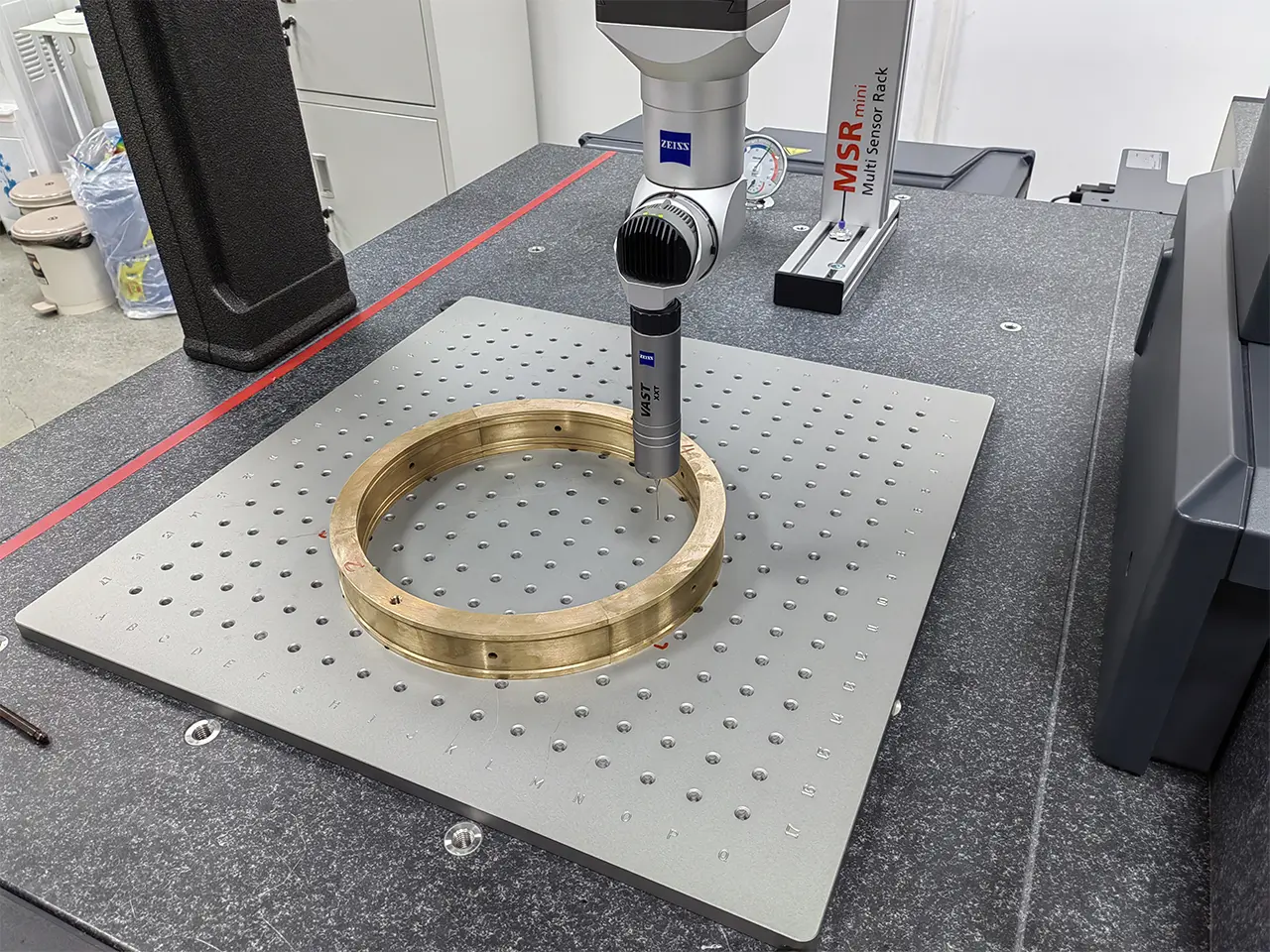
While casting provides near-net shapes, high-tolerance sealing surfaces, mating threads, and critical bores require precision subtractive machining. Dongguan SX Technology integrates cast components directly with CNC machining operations, minimizing setup errors. Our CNC milling, lathe turning, and multi-axis machining centers allow us to hit dimensional tolerances as tight as ±0.005mm.
Tailored component design and metallurgy across diverse sectors
Providing high-alloy stainless steel and titanium casting components built to withstand extreme salt spray, hydrostatic pressure, and cavitation wear in deep-sea applications.
Casting pressure-containing parts, including valve bodies, impellers, and bonnets, certified leak-proof and pressure-tested for petroleum, gas, and chemical lines.
Delivering high-fatigue-strength components, suspension linkages, and custom engine brackets designed for weight reduction and structural optimization.
Machining complex heat sinks, aluminum enclosures, and non-standard brackets that require high thermal conductivity and tight EMI shielding fits.
Providing wear-resistant carbon steel gears, structural links, and fasteners engineered to carry heavy static and dynamic loads on-site.
Manufacturing ergonomic titanium and aluminum alloy structural assemblies that combine high mechanical performance with a premium cosmetic appearance.
A closer look at our manufacturing infrastructure and inspection protocols
At Dongguan SX Technology Co.,Ltd, we believe quality control is the cornerstone of the manufacturing industry. Quality is the foundation that enables us to survive, develop, and continuously improve. To achieve this, we have invested heavily in testing equipment and qualified quality control personnel. We maintain strict control over material chemistry, dimensions, and mechanical performance.
Since our founding in 2014, we have continuously upgraded our equipment, expanded our technical capabilities, and refined our shop floor workflows. Our casting and CNC machining departments operate under strict process oversight, from raw ingot melting to final dimensional verification.
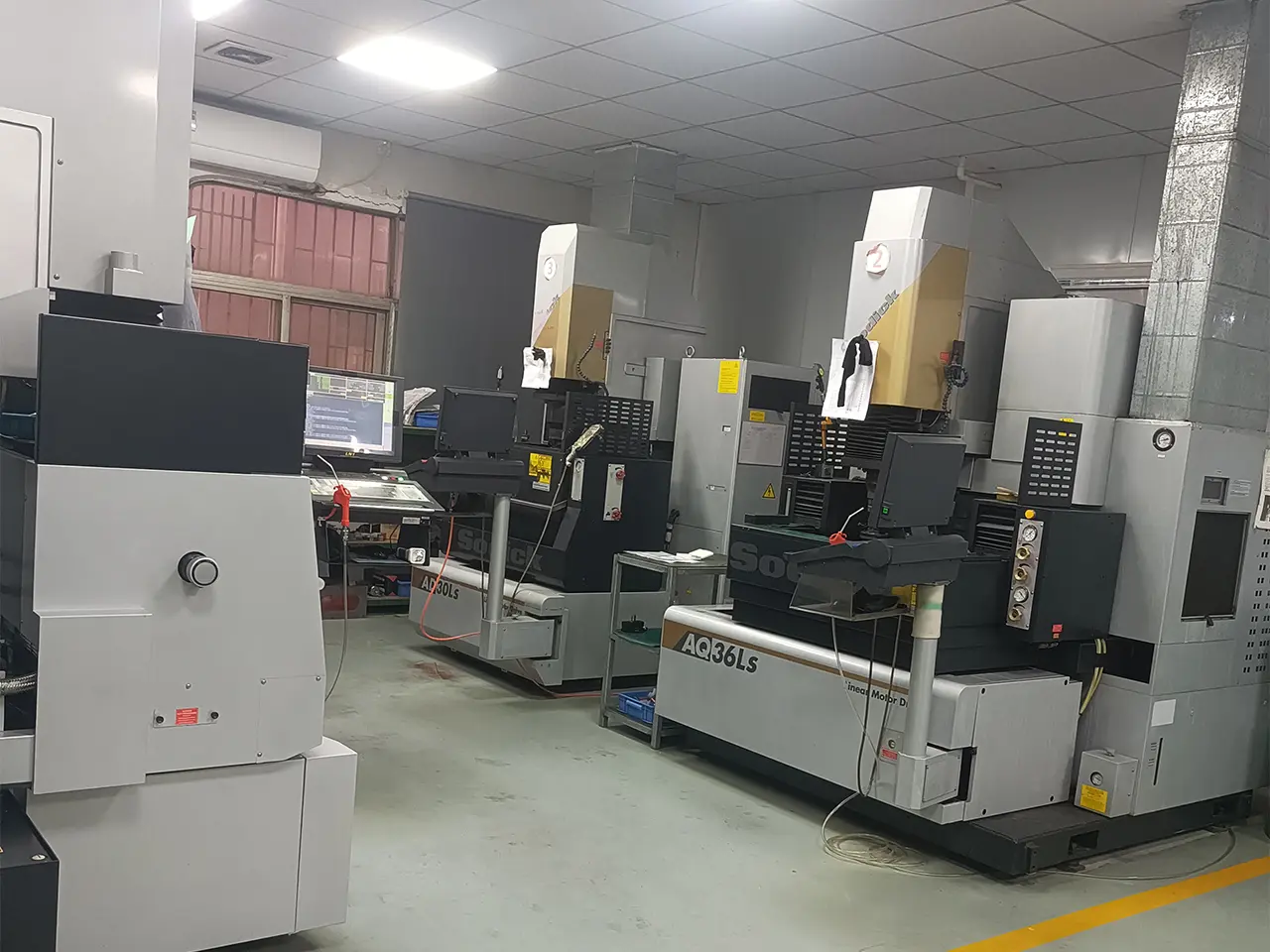
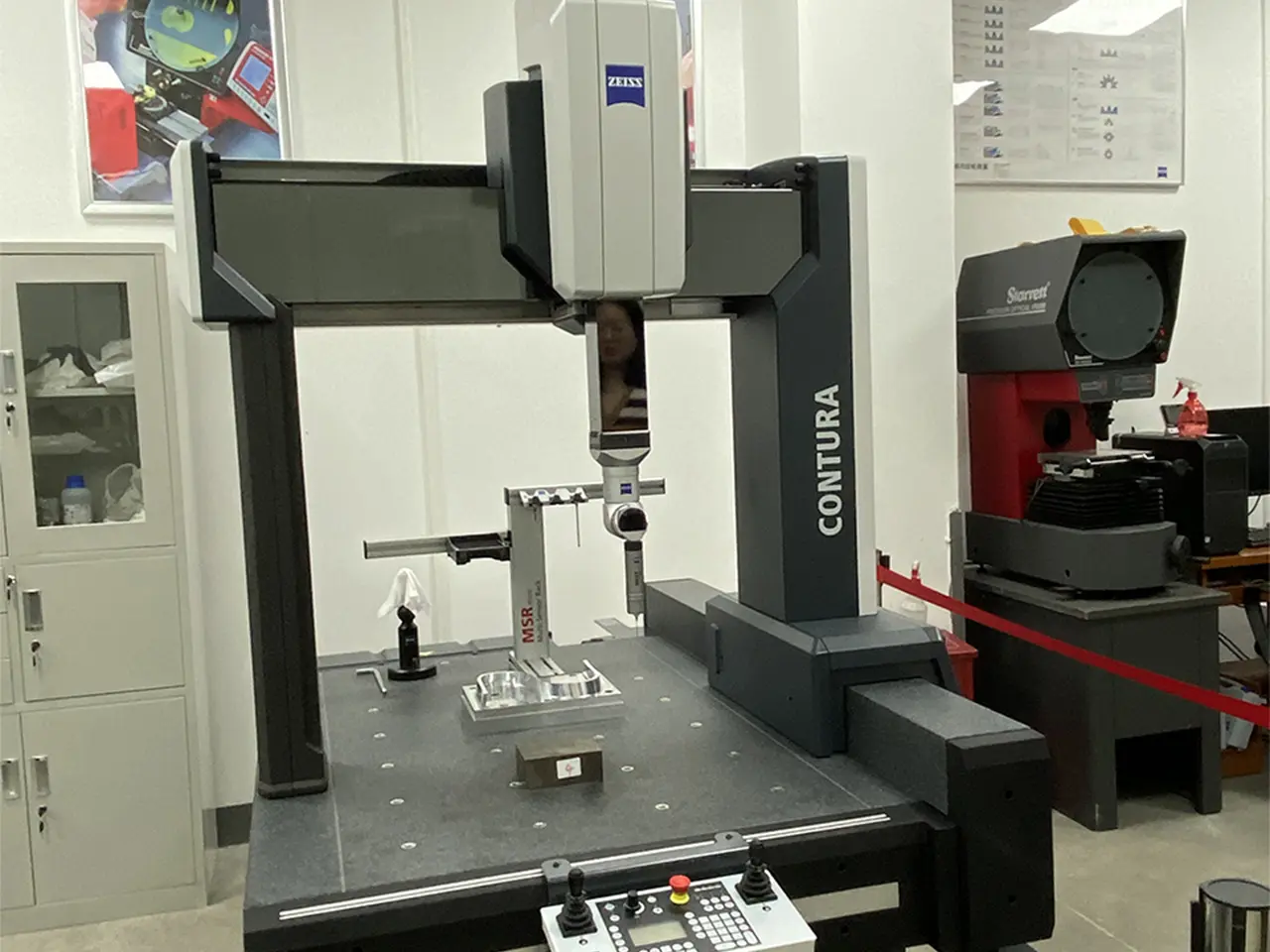
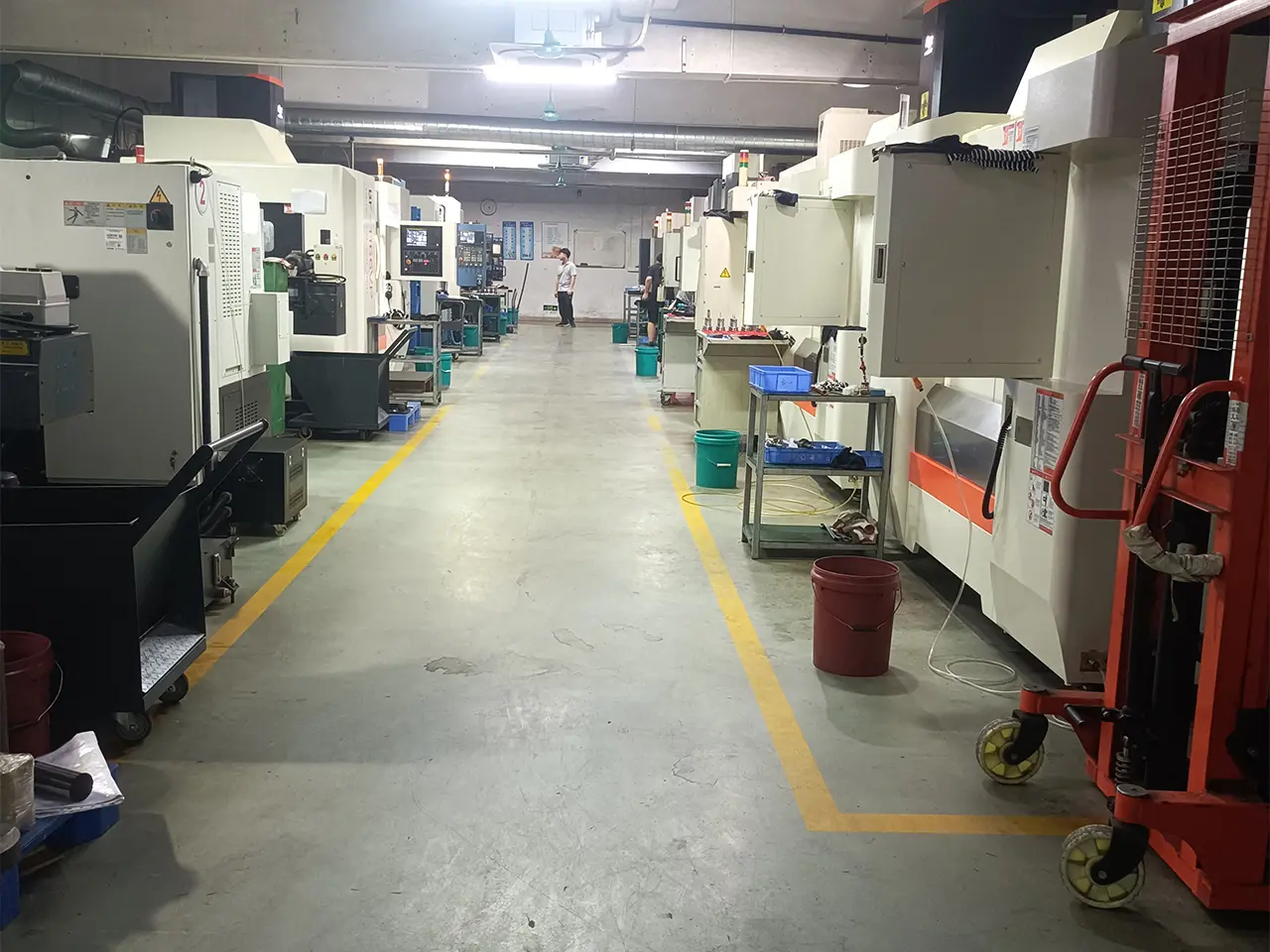
Every batch of raw material is audited before pouring. Our inspection protocols include:
Embracing Industry 4.0, advanced simulations, and green metallurgy
Precision casting and CNC machining are undergoing a technological transition driven by automation, material breakthroughs, and ecological requirements. At Dongguan SX Technology, we are aligning our processes with these developments to keep our global clients competitive:
Technical answers to common OEM casting and machining questions
Premium components machined to custom drawings for industrial, marine, and electronic assemblies
 SX Machining