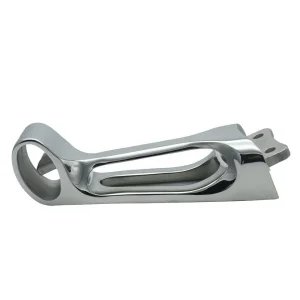
For over a decade, industrial ecosystems have depended on metallurgy that withstands thermal fluctuations, corrosive media, and extreme mechanical stress.
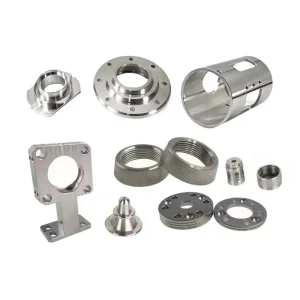
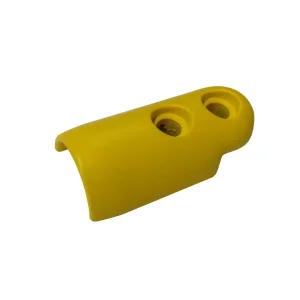
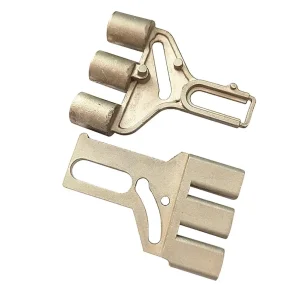
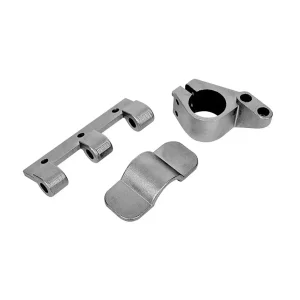
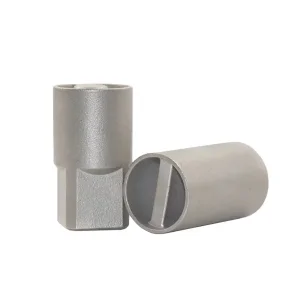
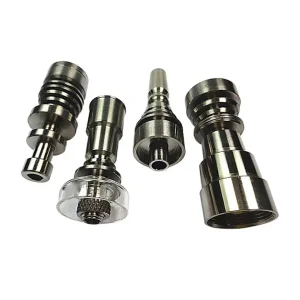
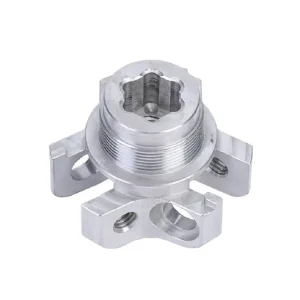
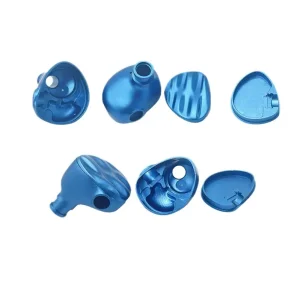
Dongguan SX Technology Co.,Ltd, established in 2014, is a premier manufacturer specializing in high-precision investment casting, complex multi-axis CNC machining, and full-scale sub-assembly integration. Operating at the interface of advanced material science and automated manufacturing, we produce custom-engineered cast components and finish-machined parts that satisfy rigorous international specifications.
Our integrated manufacturing approach links structural design optimization, simulation-based investment casting, and precision milling/turning to eliminate the micro-structural defects common in low-tier foundries. From marine components fighting chloride erosion to medical-grade titanium hardware demanding biocompatibility, we ensure that every casting meets strict dimensional and microstructural standards.
Expert processing of Stainless Steel (304, 316, 316L, 17-4PH), Carbon Steel (WCB), Titanium Alloy, Aluminum, Copper Alloys, and Cemented Carbide.
Combining digital design analysis with CNC tooling generation to cut development lead times from months to weeks.
Advanced metallurgy and automated processes are replacing legacy casting methods to meet the strict structural demands of modern engineering.
Finite Element Analysis (FEA) and mold-filling simulation software predict solidification paths, allowing engineers to identify hotspots, shrink pockets, and gas entrapment regions before carving tooling steel.
Integrating 3D-printed sand and wax cores permits the casting of internal geometries and cooling channels that were previously impossible to extract, pushing the envelope for custom pump impellers and complex valves.
Procurement managers are shifting their focus from simple component weight pricing to Total Cost of Ownership (TCO), valuing dimensional stability that reduces post-foundry machining setups and rejects.
Our facility processes a comprehensive portfolio of alloys tailored to specific chemical, thermal, and mechanical operating conditions.
| Material Class | Common Standard Grades | Tensile Strength (MPa) | Corrosion & Pitting Resistance | Primary Industrial Use Cases |
|---|---|---|---|---|
| Austenitic Stainless Steel | ASTM A351 CF8 (304) / CF8M (316) / CF3M (316L) | ≥ 485 | Excellent (Chloride media, general acids) | Marine fittings, chemical valves, processing equipment, food & packaging systems. |
| Martensitic Stainless Steel | ASTM A217 CA15 (410) / SS420 | ≥ 650 | Moderate (High wear and impact resilience) | Turbine components, aerospace brackets, wear plates, custom knives & hand tools. |
| Duplex Stainless Steel | ASTM A890 Grade 4A (2205) / 5A (2507) | ≥ 680 - 750 | Superb (Extreme chloride environment, sour gas) | Deep-sea exploration, offshore energy manifolds, petrochemical mixers, chemical pumps. |
| Carbon Steel | ASTM A216 WCB / WCC / LCB | ≥ 485 | Requires Coating (Optimized toughness) | Structural heavy equipment, high-pressure line valves, automotive chassis mounts. |
| Titanium & Specialty Alloys | Ti-6Al-4V (Grade 5) / Pure Ti (Grade 2) | ≥ 895 | Outstanding (Biocompatible, high strength-to-weight) | Medical implants, bone fixation brackets, aerospace structural forgings, premium watches. |
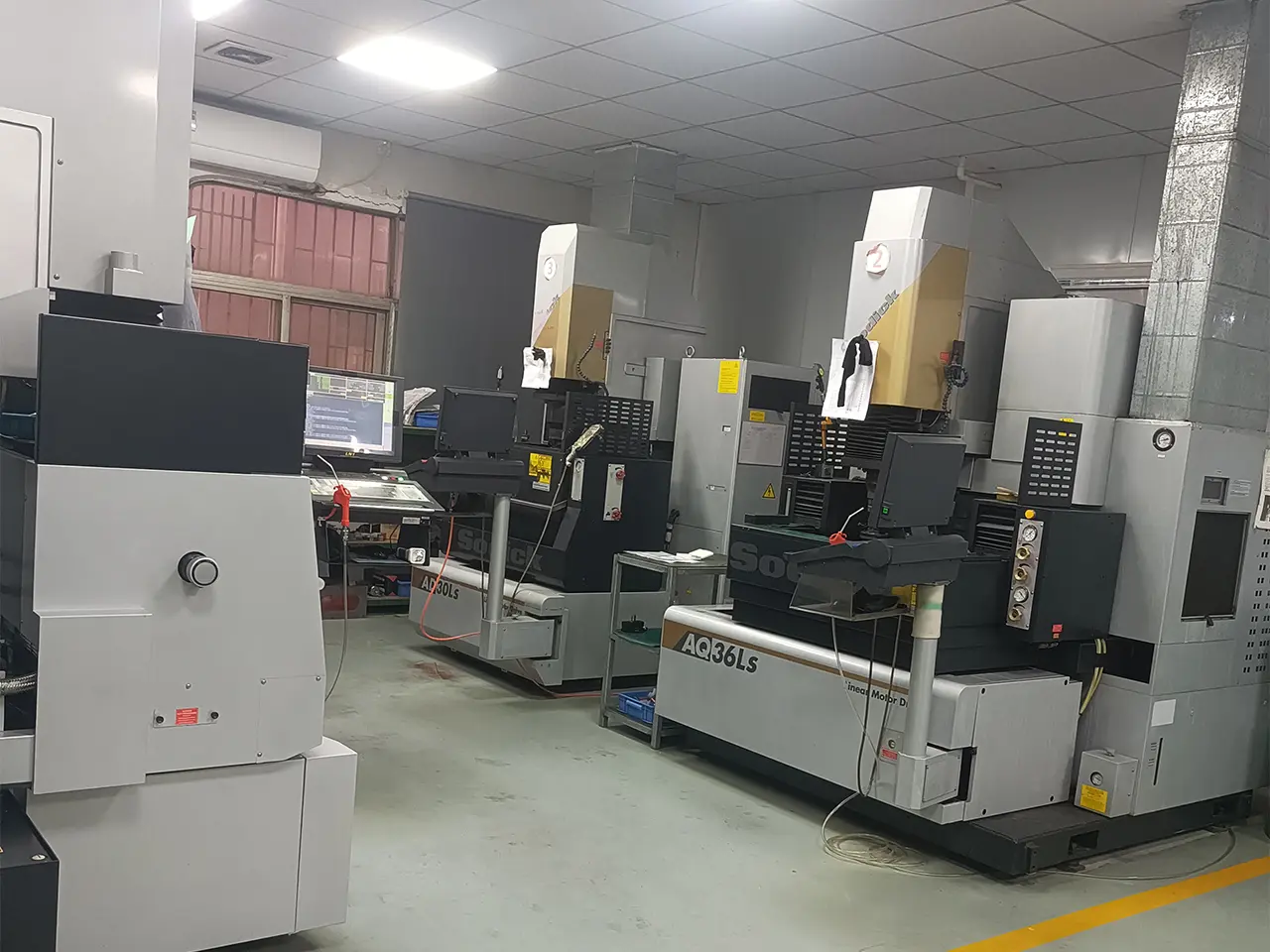
Our production lines integrate raw metal refining, silica sol shell preparation, pouring control systems, and automated precision finishing.
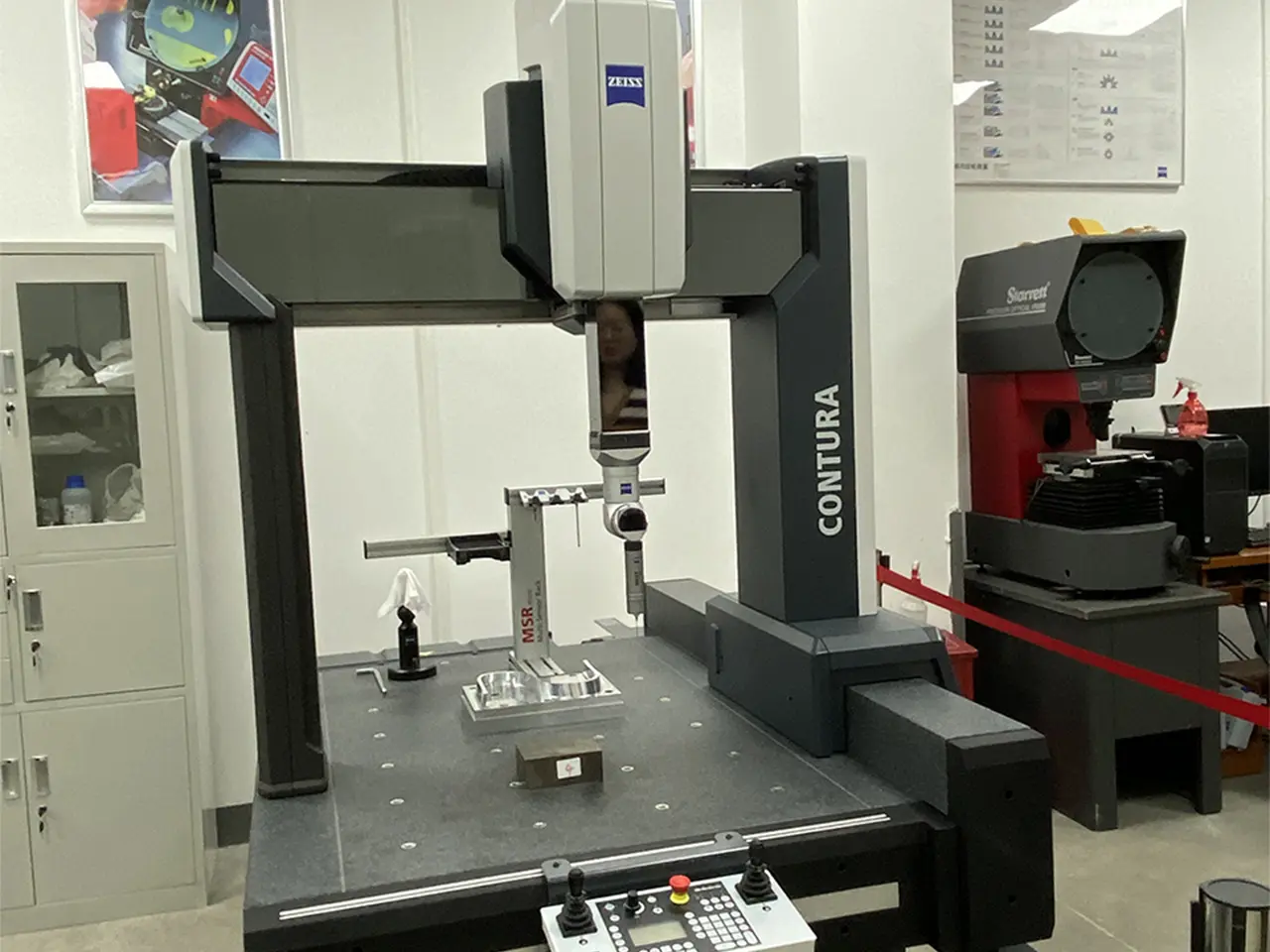
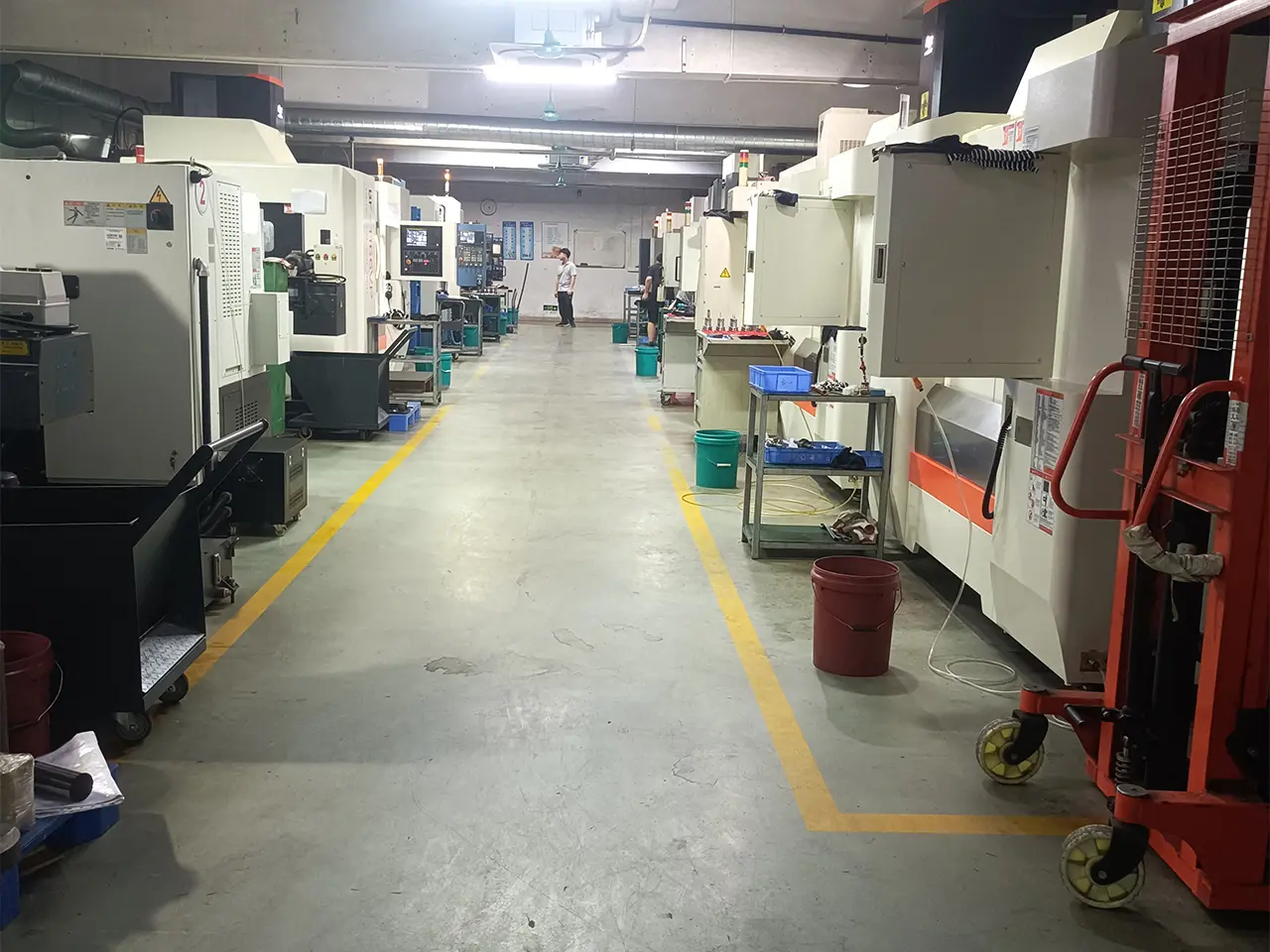
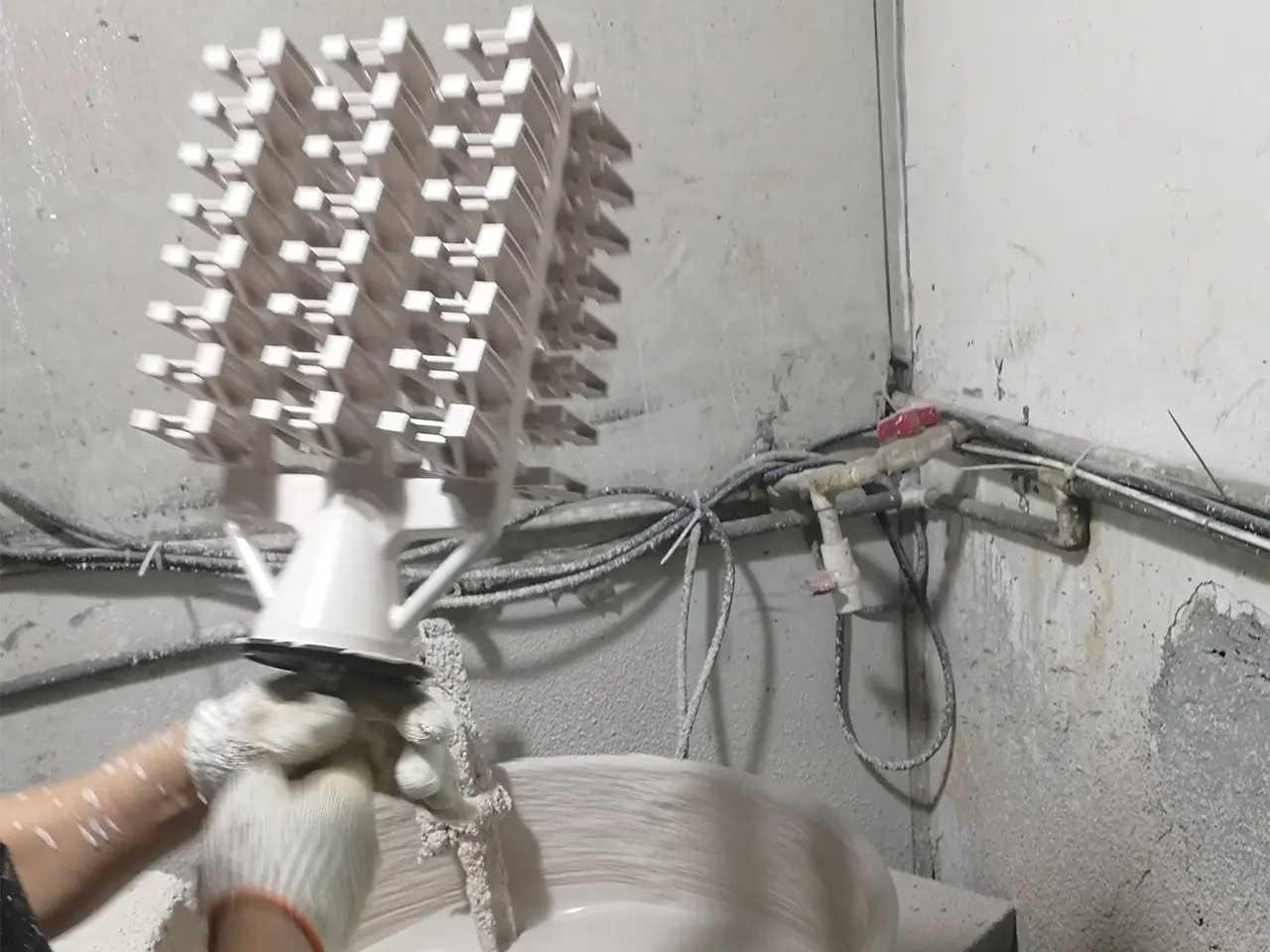
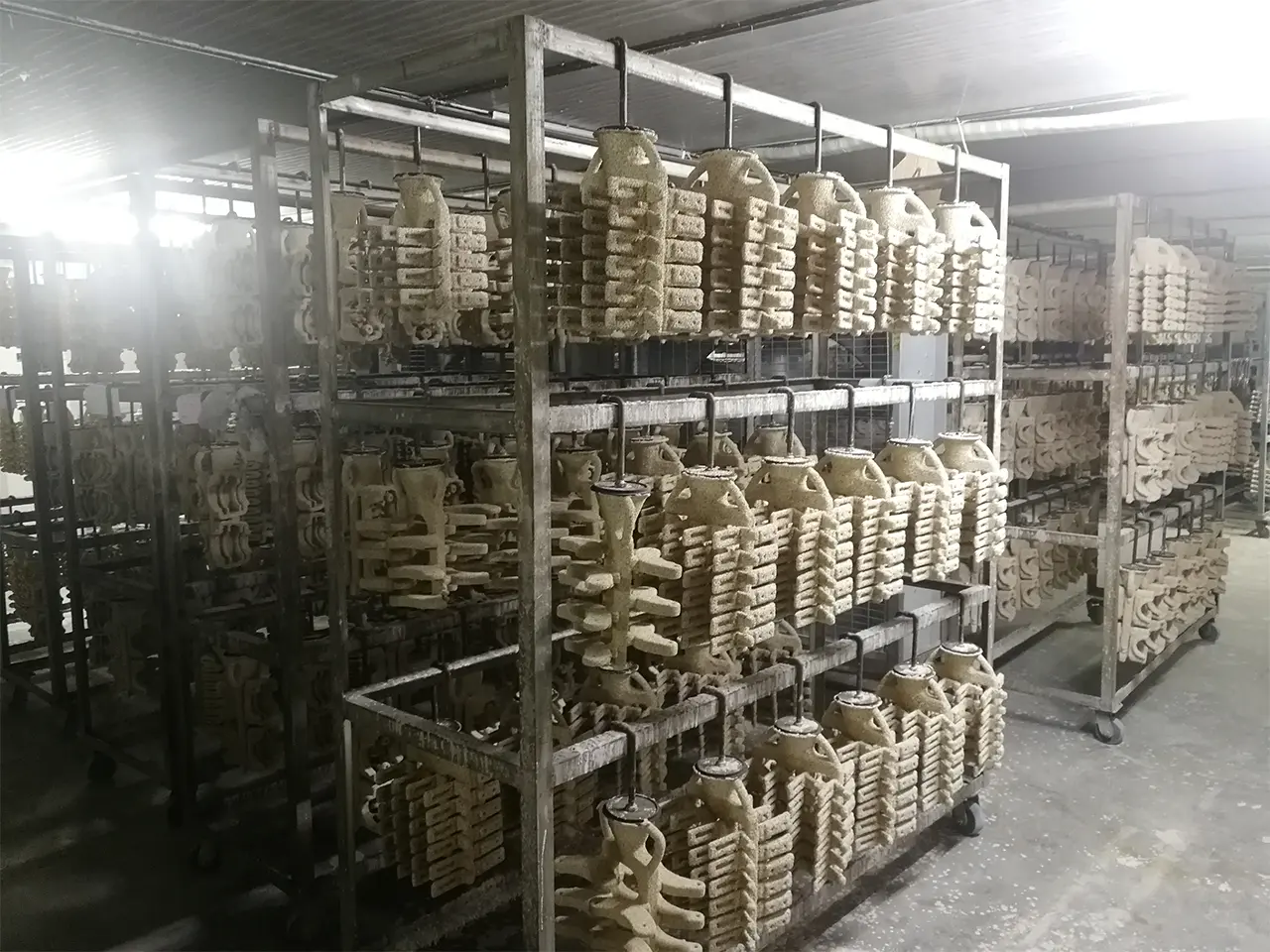
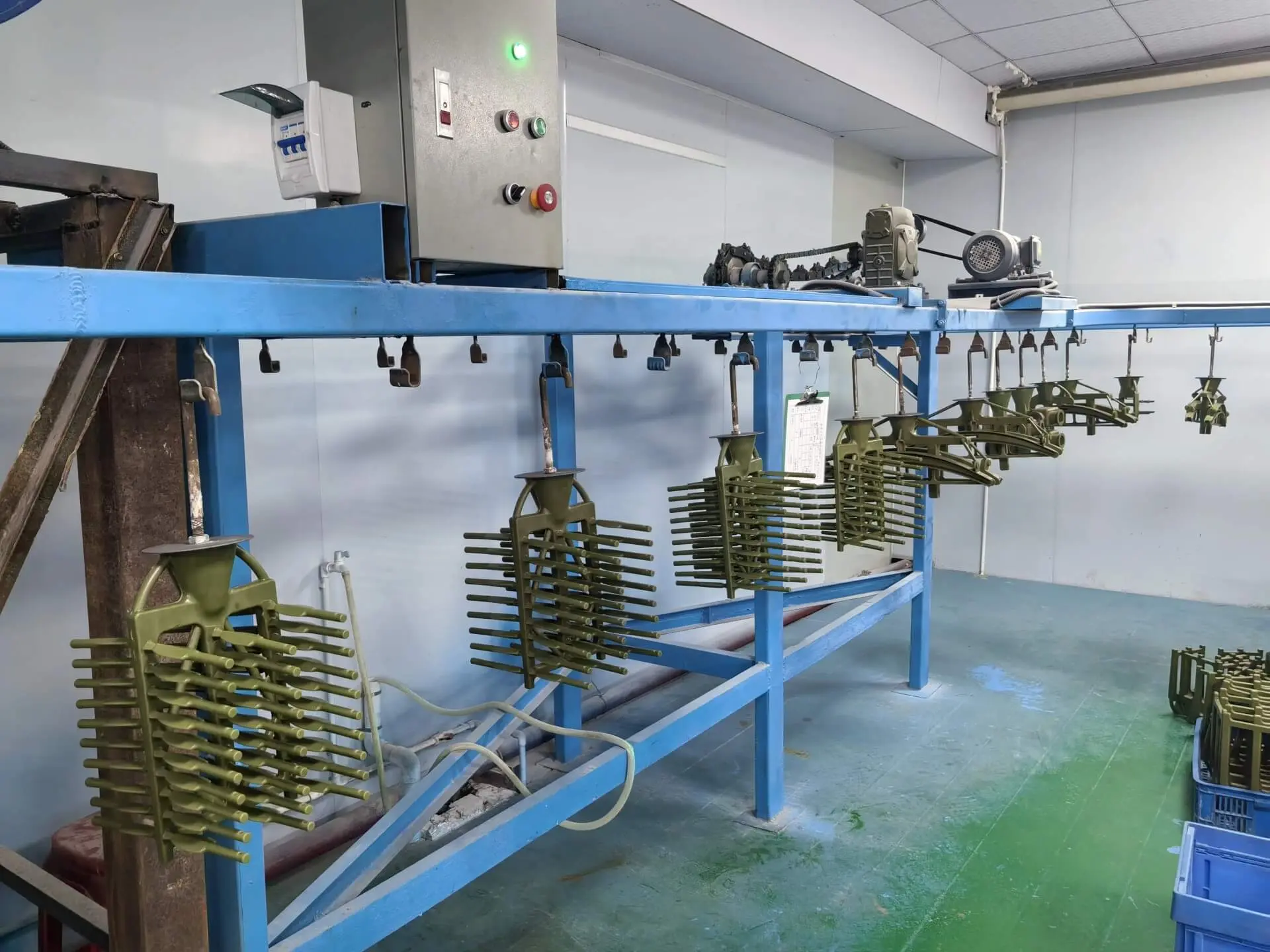
Our quality assurance team enforces rigid control gates to ensure dimensional, mechanical, and chemical compliance.
At Dongguan SX Technology Co.,Ltd, we treat quality control not as a post-production check, but as a continuous engineering protocol. Standard operating procedures dictate strict tolerances from chemical check assays of incoming ingot lots to the final micro-inch finish of CNC-turned profiles.
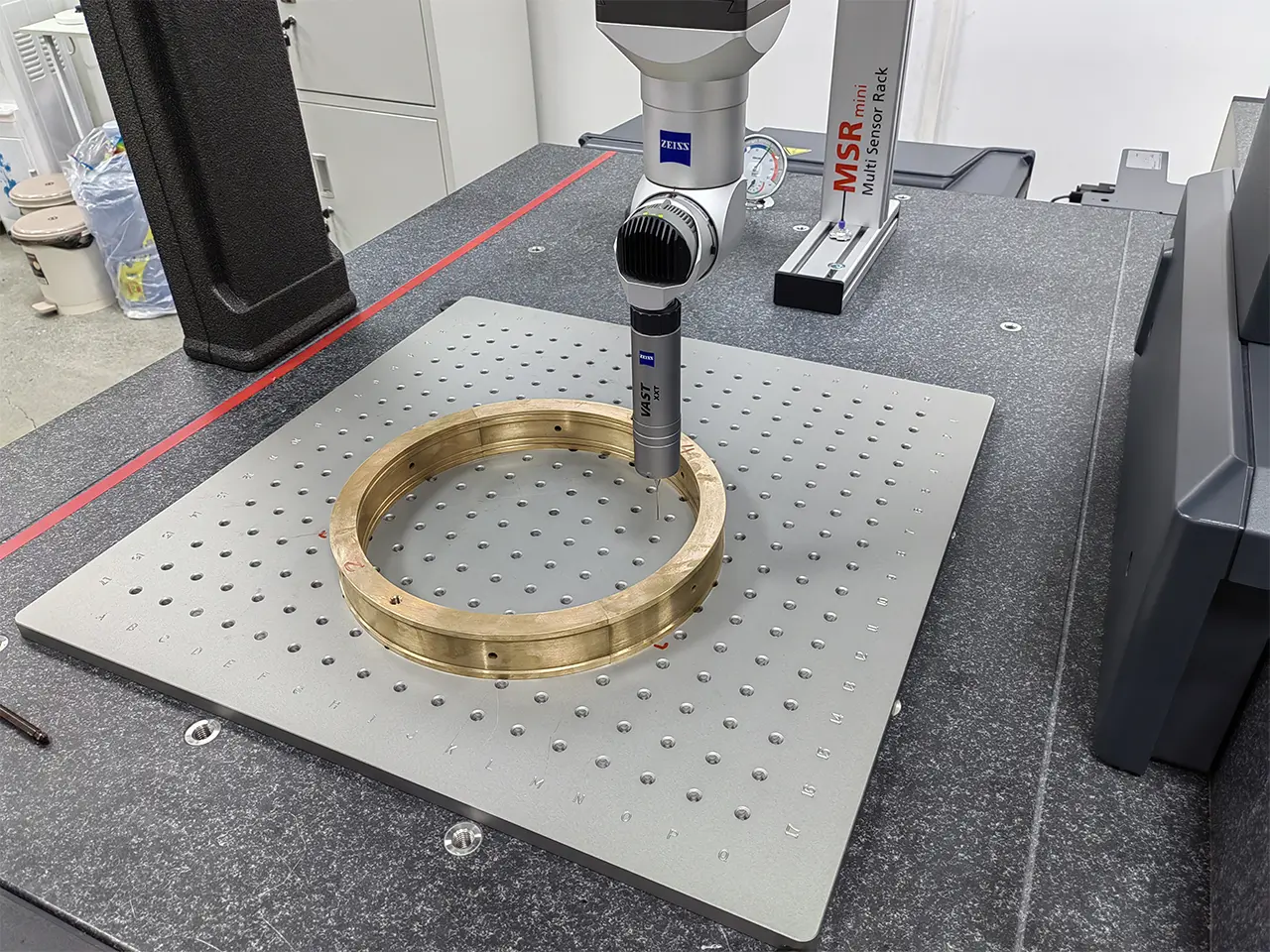
Our dedicated QC department employs precision coordinate measurement (CMM) and spectrographic verification to maintain strict alignment with ISO parameters. By establishing strict process control gates for mold moisture, pour temperatures, and cooling rates, we eliminate common casting defects like porosity, micro-cracks, and surface scaling.
Optical Emission Spectrometry (OES) checks chemistry balance before every ladle pour.
Liquid Penetrant Inspection (LPI) and X-ray options confirm sub-surface soundness.
We provide engineered components tailored to meet the distinct performance challenges of key global industries.
Our precision-cast 316L and duplex stainless steel deck hardware, brackets, and propulsion castings provide long-term resistance to saltwater corrosion and stress cracking.
Specialized casting of valve bodies, impellers, and chemical pump casing internals designed to withstand high pressure, friction, and corrosive chemicals.
Automotive, packaging, and machinery assemblies machined in carbon steel and cemented carbide to deliver high wear-resistance and consistent cycles.
Our support systems and engineering services bridge the gap between Chinese manufacturing efficiency and global quality standards.
We believe that standard parts should run smoothly out of the box, without requiring extensive post-processing or adjustments by your engineering team. That is why we provide early-stage design support (DFM) to ensure that part geometries are optimized for loss-wax liquid metal flow and subsequent high-speed machining setups.
For international supply chains, we handle all customs clearance documentation, packing procedures, and compliance reporting. Every shipment is delivered with comprehensive material chemical certificates, heat treatment logs, and dimensional inspection records to ensure complete product traceability.
Regulatory & Compliance Framework:
Our development path focuses on improving precision, minimizing energy waste, and optimizing resource efficiency.
We are integrating neural network algorithms to monitor induction furnace temperature fluctuations and shell-dry cycles. This real-time process monitoring helps reduce crystalline segregation during solidification, resulting in more consistent castings.
To reduce environmental impact, we optimize our crucible recycling, heat recovery systems, and waste sand reclamation processes. We are committed to achieving cleaner manufacturing operations without compromising alloy purity.
Technical answers to common engineering and procurement inquiries regarding stainless steel castings and CNC services.
Generally, mold tooling and first-article prototype castings are completed within 3 to 4 weeks. This includes 3D model verification, tooling fabrication, wax injection trials, shell coating, casting, and initial dimension checks.
We perform spectrographic testing on samples taken from every induction furnace heat. We verify the chemical analysis against standard specifications and supply certified material test reports (MTRs) for every production run.
Our silica sol casting process achieves standard linear tolerances of ISO 8062-3 Grade DCTG 6 to 8. For high-tolerance features (like bearing bores, seal grooves, and mating threads), our CNC turning and milling centers routinely hold tolerances down to ±0.005mm.
Yes. We regularly cast and machine grades like 2205 (Duplex) and 2507 (Super Duplex) for marine, offshore energy, and high-pressure chemical pump applications that require excellent pitting resistance.
We use solidification simulation software to optimize gate, riser, and runner placements. Additionally, we control ladle pouring temperatures and casting cooling times to minimize internal shrinkage cavity defects.
Yes, we provide standard heat treatment services in-house or through qualified partners. This includes solution annealing for stainless steels, quenching and tempering for carbon steels, stress relieving, and surface hardening.
 SX Machining