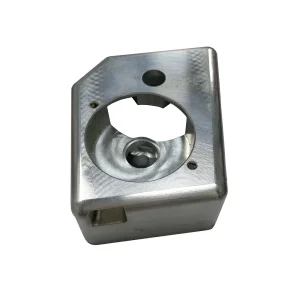
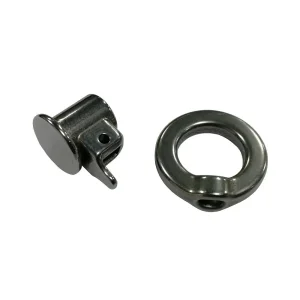
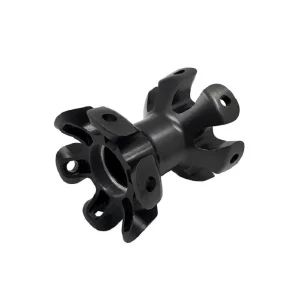
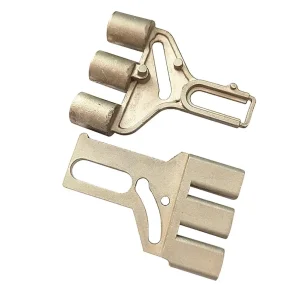
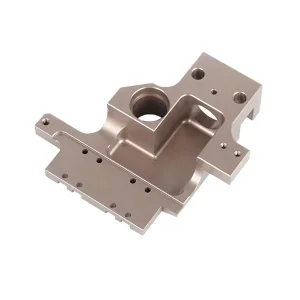
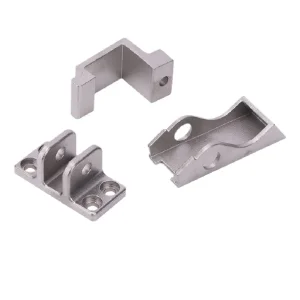
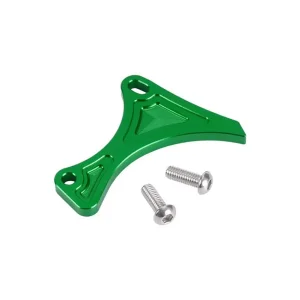
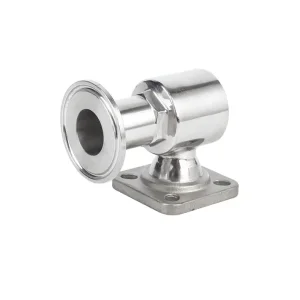
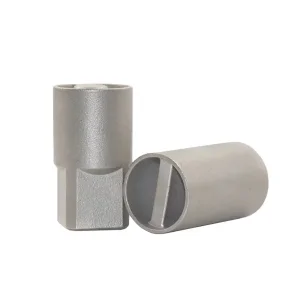
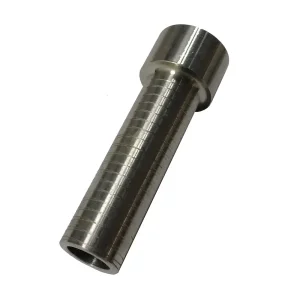
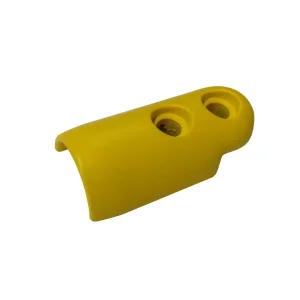
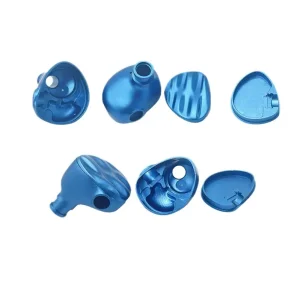
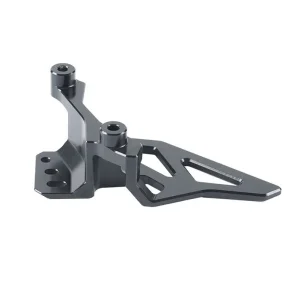
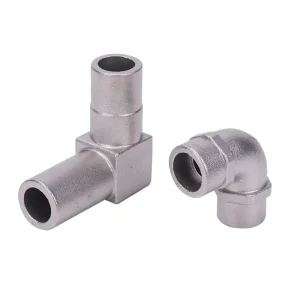
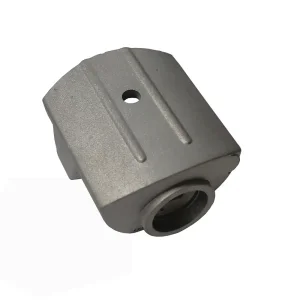
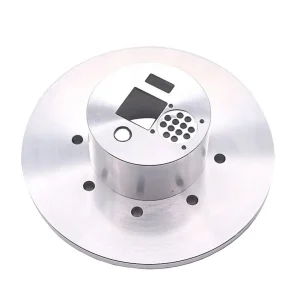
Explore our industrial CNC machined and investment-cast solutions tailored to strict OEM parameters.
For modern procurement officers, engineering leads, and supply chain directors, searching for "steel foundries near me" is more than a geographical inquiry; it is a quest for reliability, high-level quality compliance, and rapid prototyping capabilities. The spatial distribution of domestic foundries in regions like North America and Western Europe provides distinct advantages, such as immediate logistics, minimal linguistic blockades, and overlapping time zones. However, domestic limits in production scale, environmental permit delays, and mounting labor costs have driven global enterprises to search for a hybrid supply chain model.
Offshore OEM manufacturing hubs, notably in industrial centers like Guangdong, China, offer an optimized balance of scale, technical maturity, and advanced technology integration. By marrying localized project management offices with centralized, highly automated offshore casting operations, global buyers enjoy domestic-grade responsiveness alongside significant reductions in tooling and unit component costs.
This hybrid sourcing logic bridges regional limitations, providing advanced metallurgical control, secondary high-precision CNC machining, and rigorous quality audits without compromising the speed of product deployment.
A Decade of Advanced Metrology and Precision Manufacturing
Founded in 2014, Dongguan SX Technology Co., Ltd. has established itself as an authoritative leader in high-precision investment casting, CNC turning, CNC milling, and complex mechanical assembly. Located in Dongguan, the manufacturing capital of southern China, we engineer structural components designed for high-stress applications across a vast spectrum of industries including machinery, automotive engineering, deep-sea marine exploration, industrial valves, pipeline control systems, and luxury watch cases.
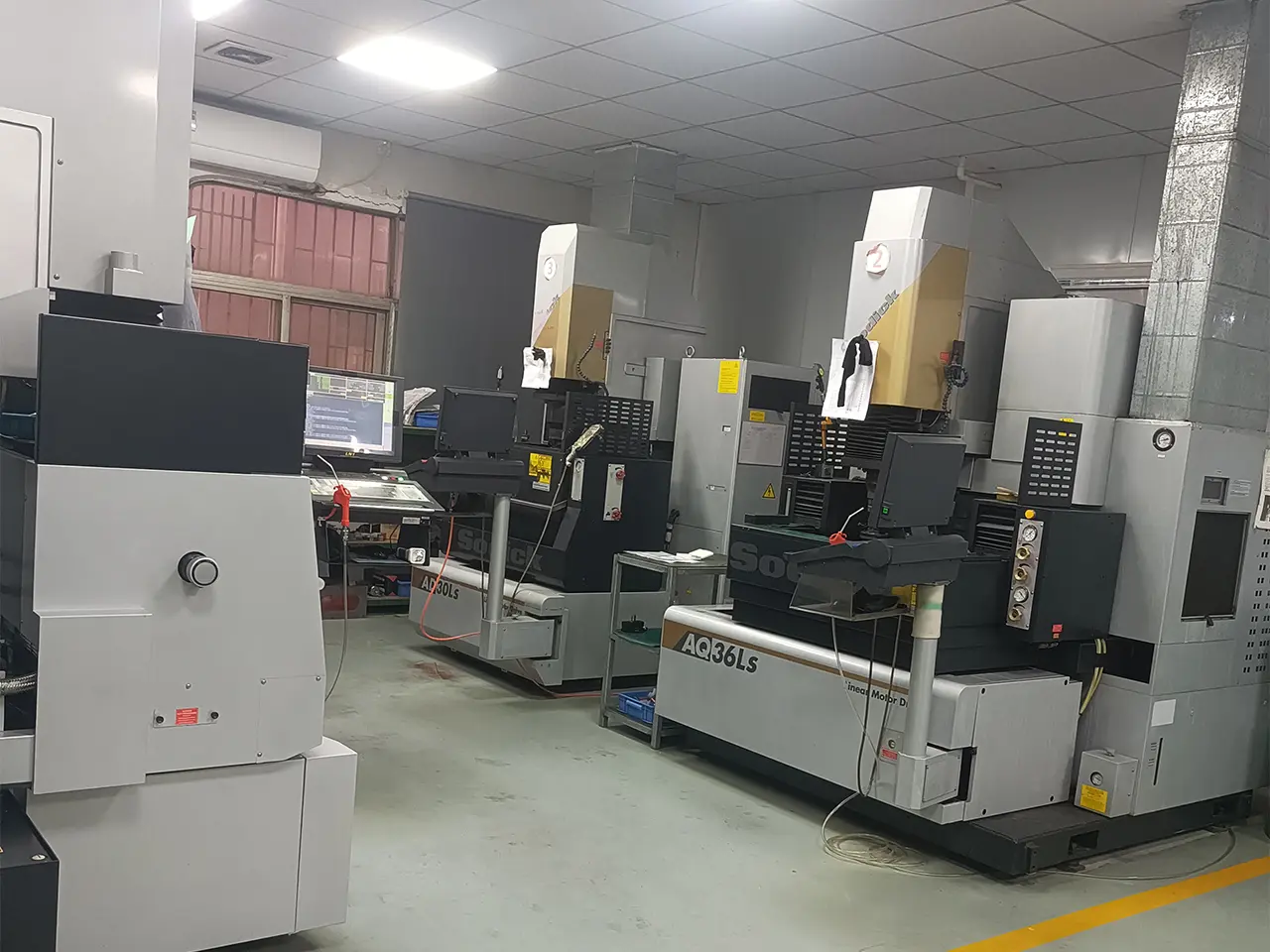
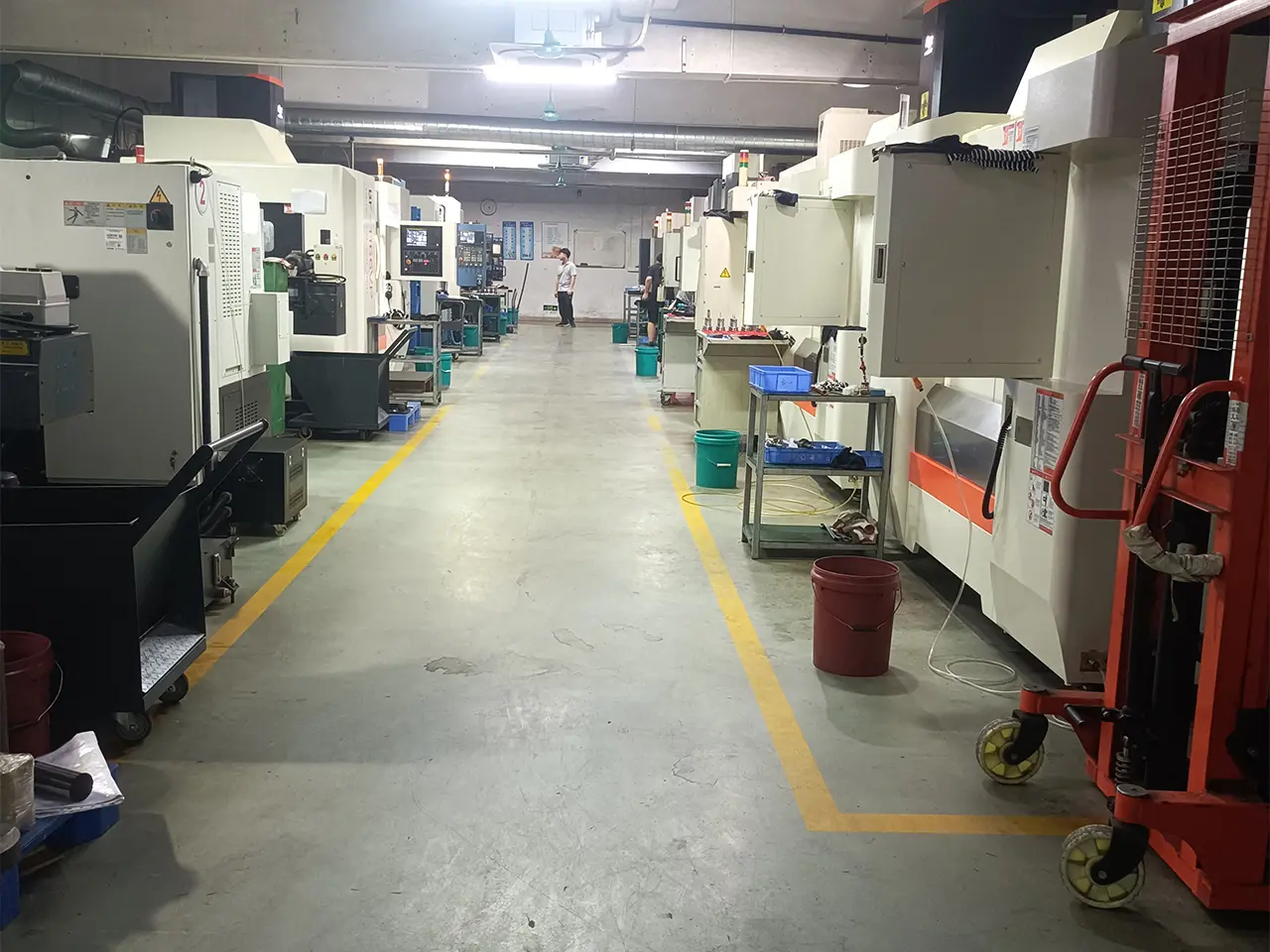
Our operational capability is rooted in a vertical integration strategy: we do not simply cast metal; we deliver finished, high-tolerance components that are ready for immediate assembly line installation. By combining our proprietary investment casting foundry with a state-of-the-art multi-axis CNC machining center, we eradicate the communication lag, component dimensional drift, and geometric discrepancies that typically occur when outsourcing casting and machining to separate suppliers.
Established Year
Machining Tolerance
Custom Parts Developed
All-Axis CNC Equipment
A breakdown of our manufacturing methods, material expertise, and post-processing capabilities.
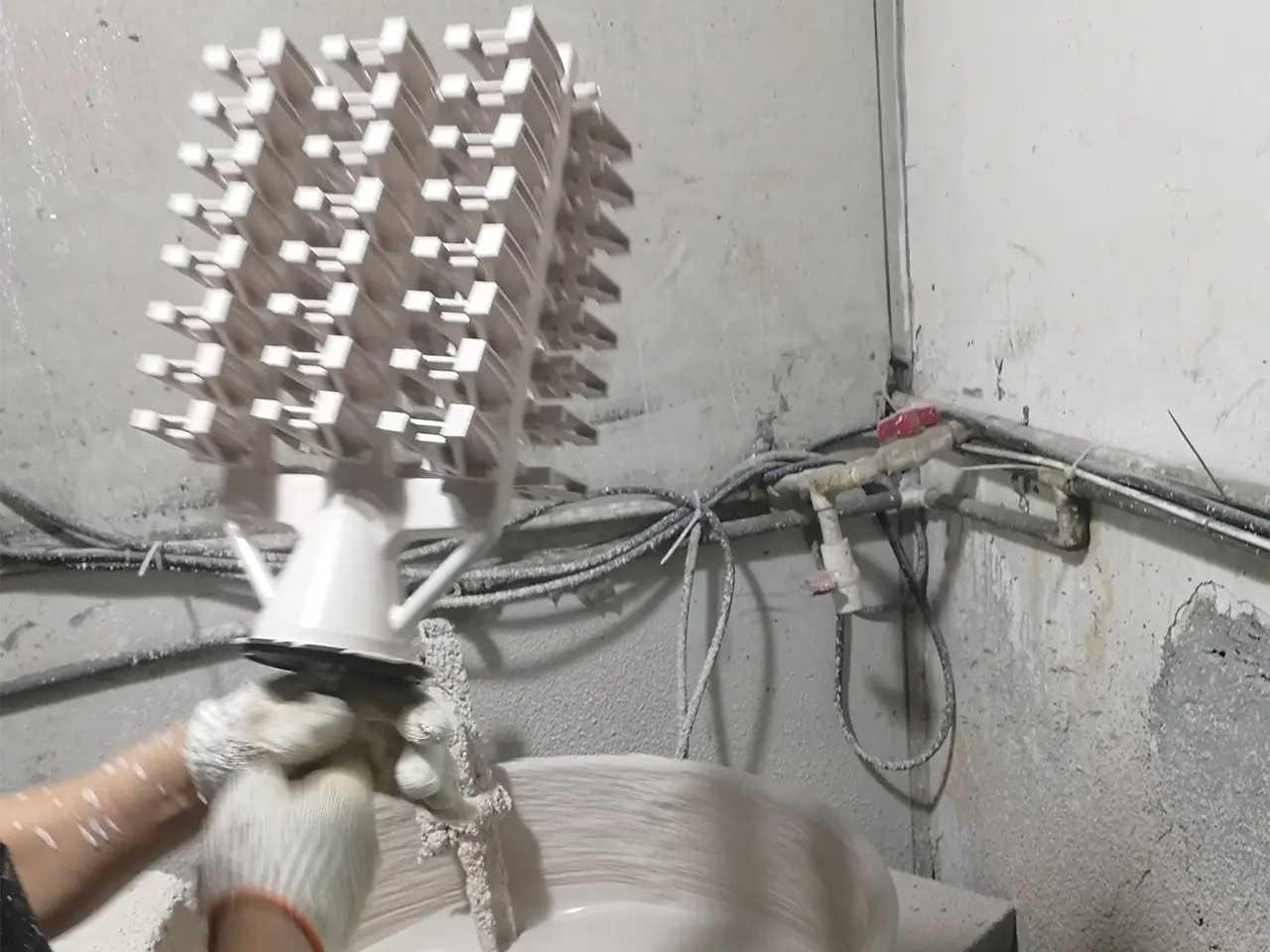
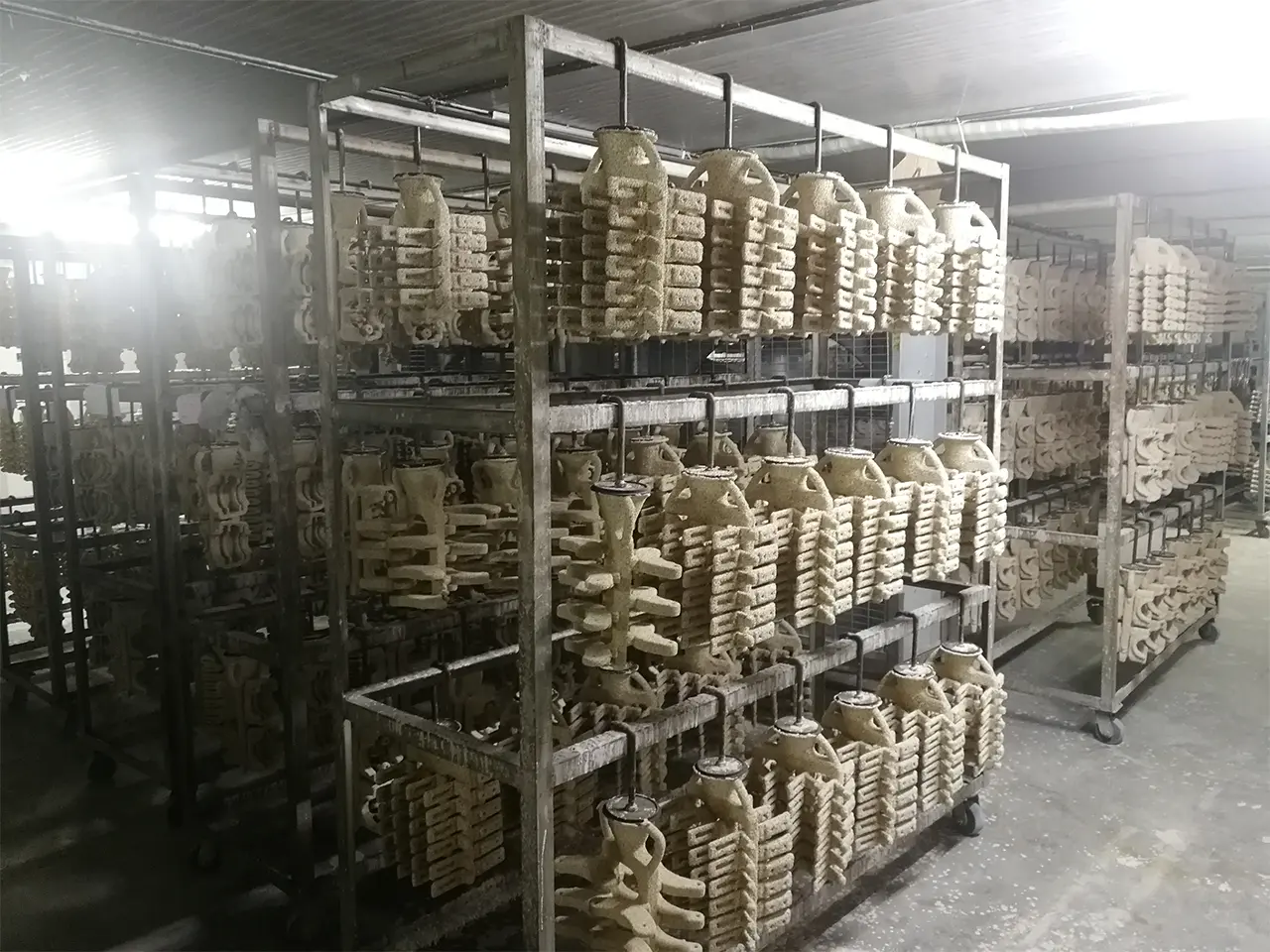
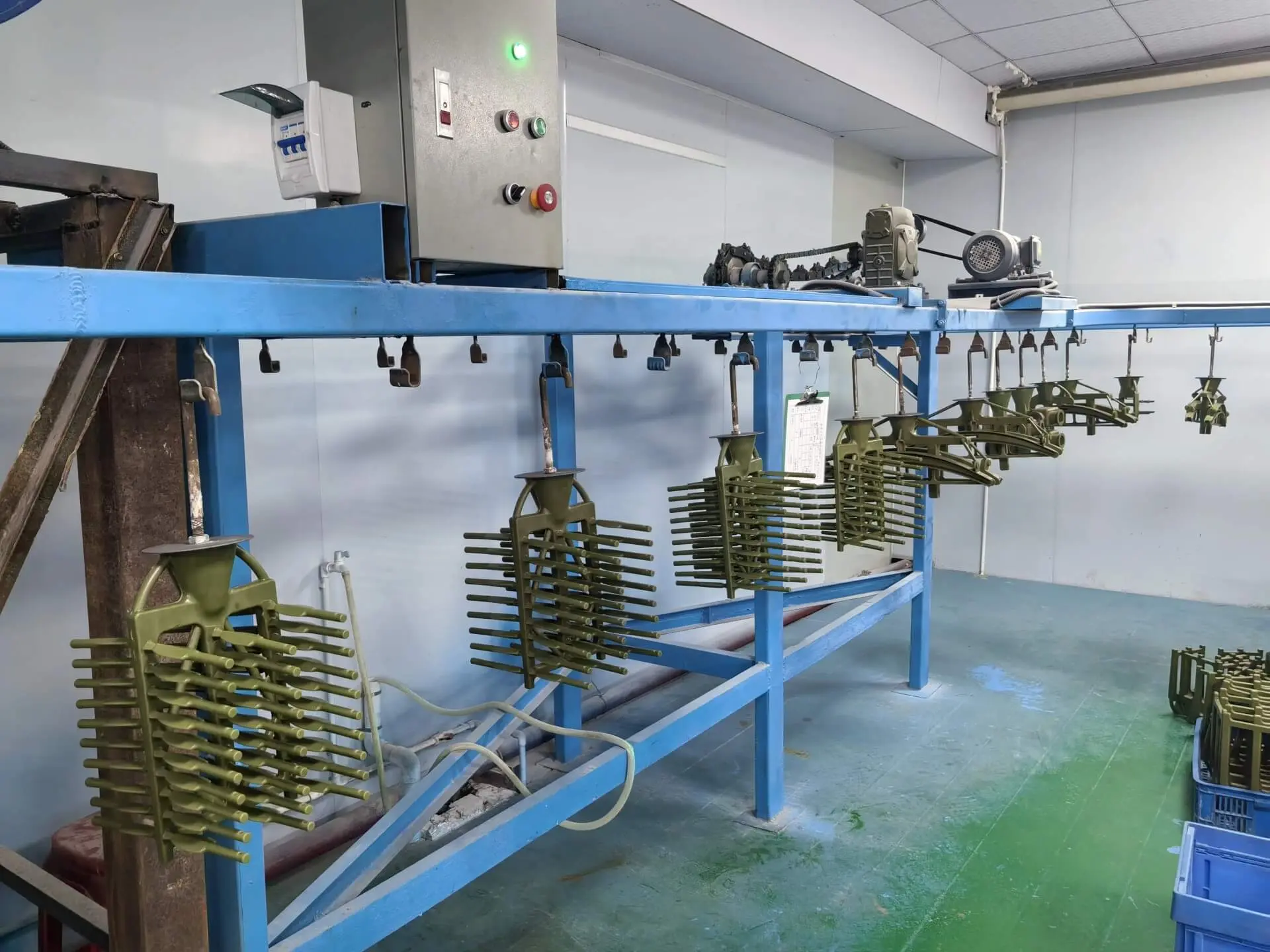
Specializing in silica sol investment casting processes. We achieve near-net shape geometry, thin wall profiles, and an exceptional surface finish (Ra 3.2 to 6.3 microns) prior to any mechanical polishing. Ideal for complex stainless steel and carbon steel parts.
Equipped with state-of-the-art 3-axis, 4-axis, and turn-mill composite machining stations. We hold critical tolerances down to ±0.005mm. This enables us to transition from raw casting blank to ultra-precise finished sealing surfaces in one step.
We work with an extensive raw material catalog, including Austenitic, Martensitic, and Duplex Stainless Steel (e.g., 304, 316, 316L, 1.4408), Carbon Steel (WCB, LCC), Titanium Alloys (Gr5), Aluminum (6061-T6, 7075), and specialized Copper alloys.
A objective analysis of logistical, technological, and fiscal metrics for industrial buyers.
| Evaluation Parameter | Domestic Foundries ("Near Me") | SX Technology OEM (Guangdong, China) | Supply Chain Optimization Outcome |
|---|---|---|---|
| Tooling & Setup Cost | High ($3,000 - $8,000 avg.) | Highly Competitive ($800 - $2,500 avg.) | Reduces capital expenditures for low-to-medium volume production runs. |
| Production Capacity & Scaling | Often constrained by labor shortages | High output through automated production lines | Ensures reliable deliveries during sudden demand spikes. |
| Vertical Integration | Typically casting only (subcontracting machining) | In-house casting and multi-axis CNC machining | Eliminates risk of out-of-tolerance parts during logistics handoffs. |
| Lead Times (Prototyping) | 3 - 5 Weeks | 1 - 2 Weeks (Air Freight Enabled) | Improves time-to-market performance for complex engineering cycles. |
| Material Diversity | Limited selection in local foundries | Titanium, Stainless Steel, Carbon Steel, Copper, Tungsten Carbide | Consolidates multiple vendors into a single point of contact. |
Ensuring Microstructural Integrity and Dimensional Precision
Quality is the baseline of the manufacturing industry. We firmly believe that only by controlling quality well can we survive, develop, and grow. Since 2014, we have invested heavily in both physical testing infrastructure and ongoing team training.
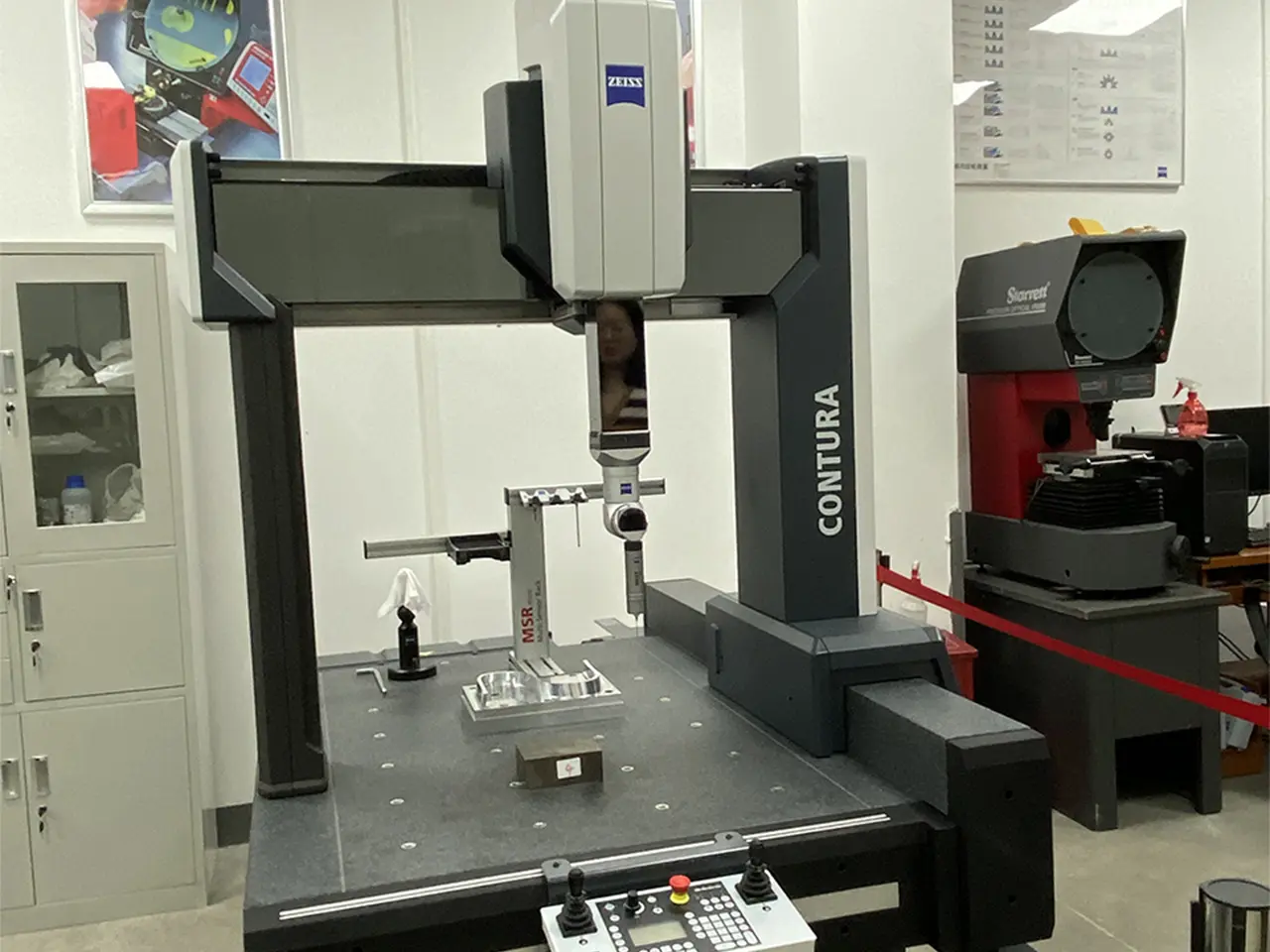
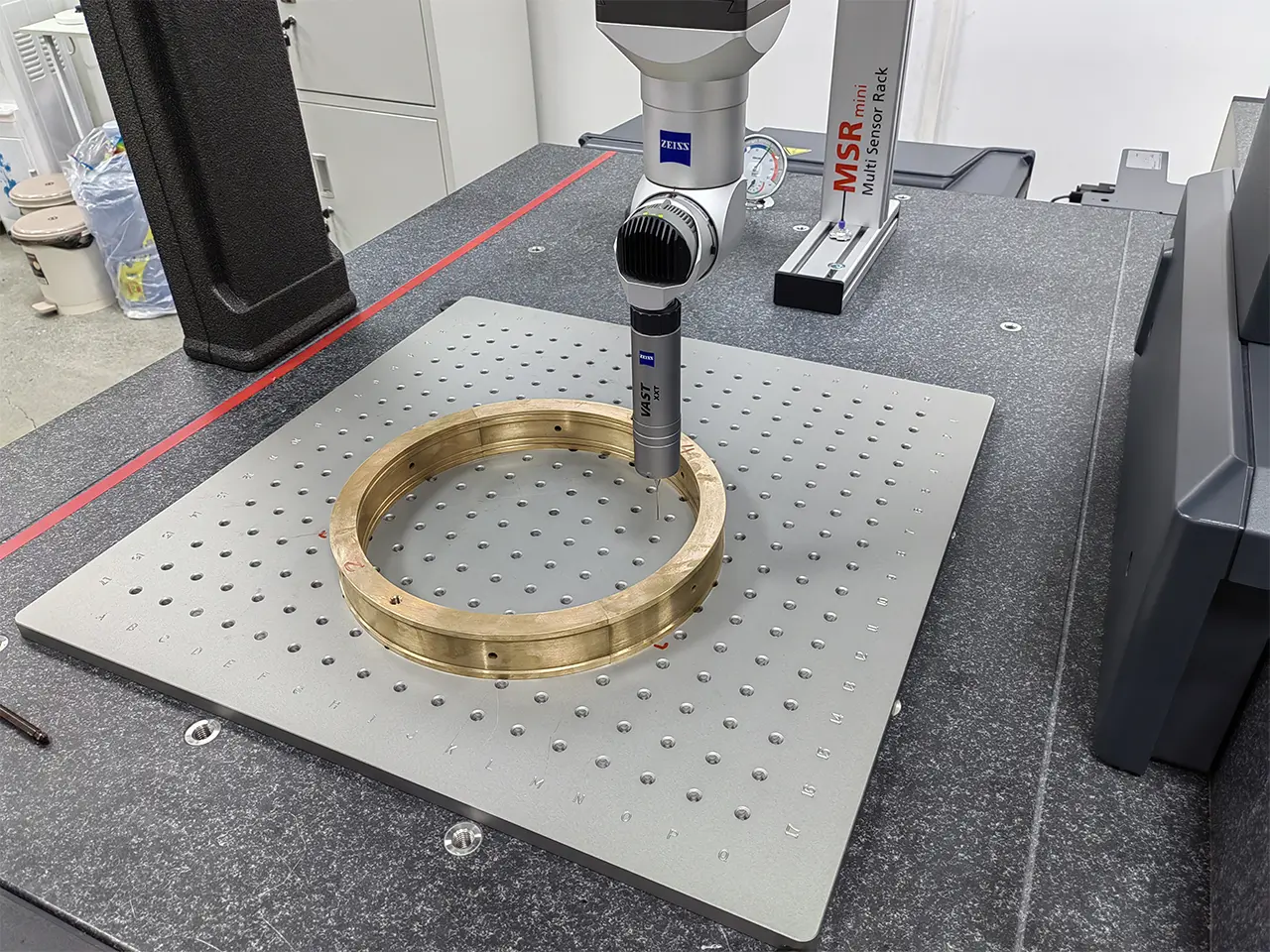
Our quality control laboratory is equipped to conduct detailed metrological audits, including:
Ensures that the elemental makeup of our castings matches ASTM, DIN, and JIS standards before pouring begins.
Validates tight dimensional tolerances on complex geometries, providing detailed measurement reports with every batch.
Includes X-ray inspection, Dye Penetrant Testing, and Magnetic Particle inspection to ensure cast components are free of sub-surface porosity.
Understanding how different environmental factors influence material selection and component design.
For operations exposed to high salinity, acid, or caustic chemicals, we utilize low-carbon grades like AISI 316L or duplex stainless steels. Our precision-cast marine brackets, impellers, and valve bodies offer exceptional corrosion resistance and mechanical integrity in challenging conditions.
Heavy machinery and automotive drivetrains require parts with high fatigue limits and tensile strength. Our carbon steel investment castings undergo precision heat treatments (normalizing, quenching, and tempering) to maximize yield strength and wear resistance.
Weight optimization and thermal efficiency are critical in aerospace and consumer electronics. We process non-standard aluminum, titanium alloy components, and thin-walled investment castings to achieve low weight without compromising structural strength.
Take a virtual look at our advanced production lines, casting systems, and CNC machinery stations in Dongguan.
Clear, direct answers to common questions about OEM steel casting, CNC tolerances, and global logistics.
Explore our specialized components designed to perform under high stress and in corrosive environments.
 SX Machining