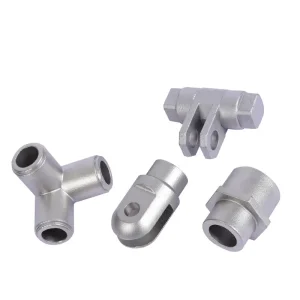
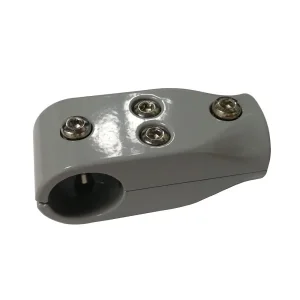
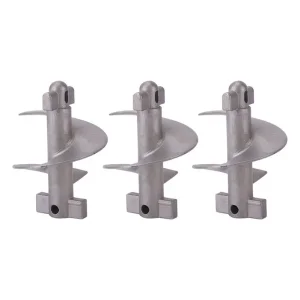
Engineered to withstand extreme environments, manufactured in accordance with strict international standards.
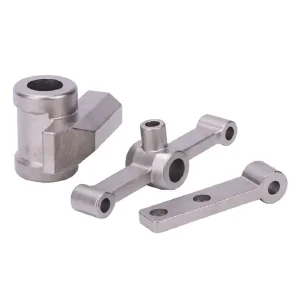
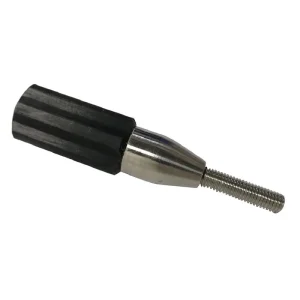
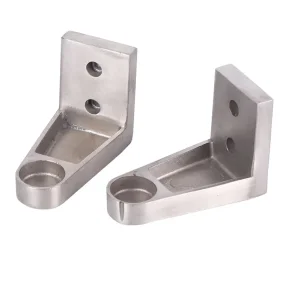
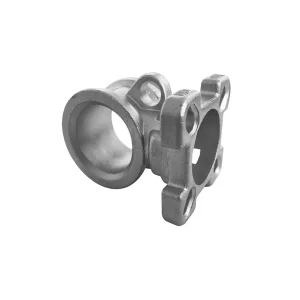
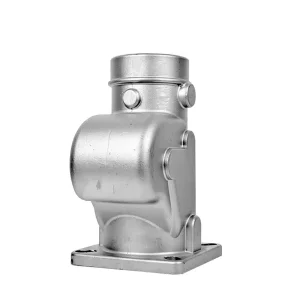
In modern fluid dynamics, critical industrial pathways demand component integrity that can withstand extreme pressures, high temperatures, and chemical degradation. At the heart of these complex networks is the valve body casting. This fundamental housing structure functions as the high-pressure containment vessel, ensuring non-leakage barriers and guiding internal media safely across pipelines. Designing and sourcing high-integrity valve body castings requires deep material engineering, strict process control, and absolute compliance with demanding global codes like API 6D, ASME B16.34, and ISO 9001.
Sustaining severe static load and preventing localized structural failure in fluid systems exceeding Class 2500.
Alloys engineered specifically to prevent thermal fatigue, expansion stress, and creep under high thermal cyclic conditions.
Precise control of chrome-moly, nickel, and titanium elements to optimize corrosion resistance in sour gas environments.
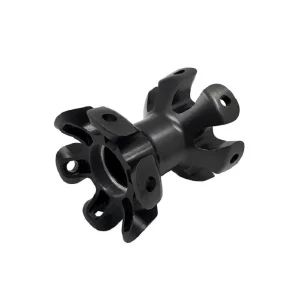
Industrial control valves serve as active regulators of hazardous fluids, gases, and slurries. A minute failure within the valve body's micro-structural integrity can result in catastrophic environmental leaks, heavy economic downtime, or severe plant personnel hazards. This makes the metallurgical composition of valve bodies a primary engineering focus. Through state-of-the-art lost-wax investment casting and precision post-casting multi-axis CNC machining, we eliminate common manufacturing vulnerabilities such as internal shrinkage cavities, gas porosity, and dendritic micro-segregation.
Established in 2014, Dongguan SX Technology Co., Ltd. (also known as Shixin) has cultivated a deeply specialized manufacturing hub for high-precision investment casting, precision CNC machining, and comprehensive mechanical sub-assembly solutions. Over the past decade, we have established an engineering legacy serving critical industries including aerospace machinery, automotive propulsion, marine engineering, marine vessels, processing equipment, high-performance valves and pumps, electronic appliances, watchmaking, structural architecture, and critical chemical infrastructure.
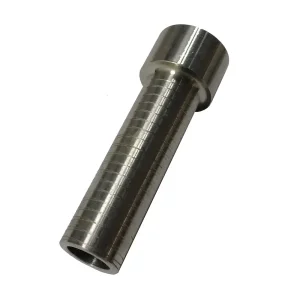
Our core manufacturing philosophy centers on rapid prototype verification and highly scalable, high-volume production. We systematically utilize stainless steel, carbon steel, and specialized duplex alloys for our state-of-the-art investment casting lines. Concurrently, our high-precision CNC machining divisions manage tough, exotic raw materials including titanium alloys, high-nickel alloys, hardened carbon steels, aircraft-grade aluminum, copper alloys, and tungsten cemented carbide.
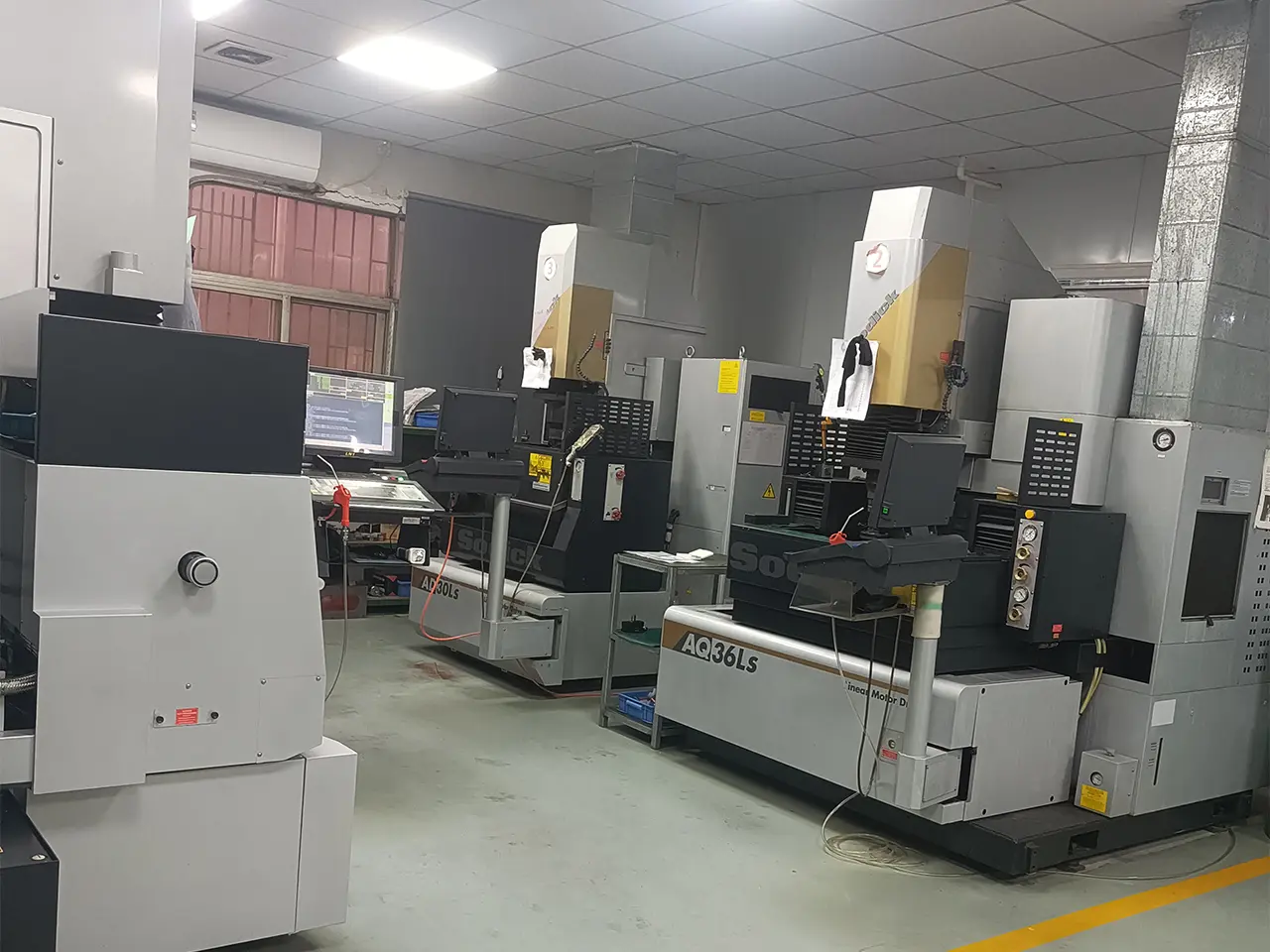
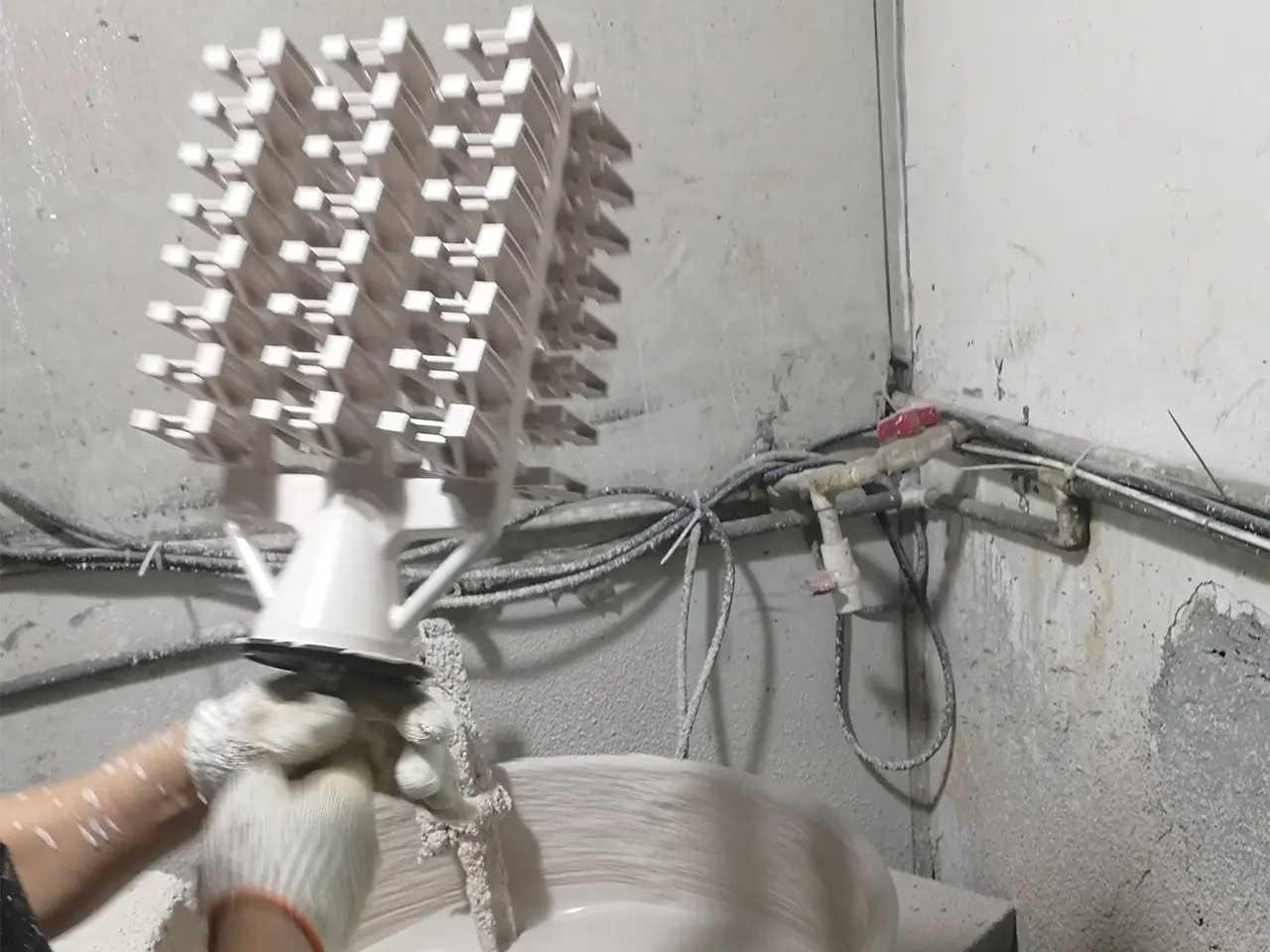
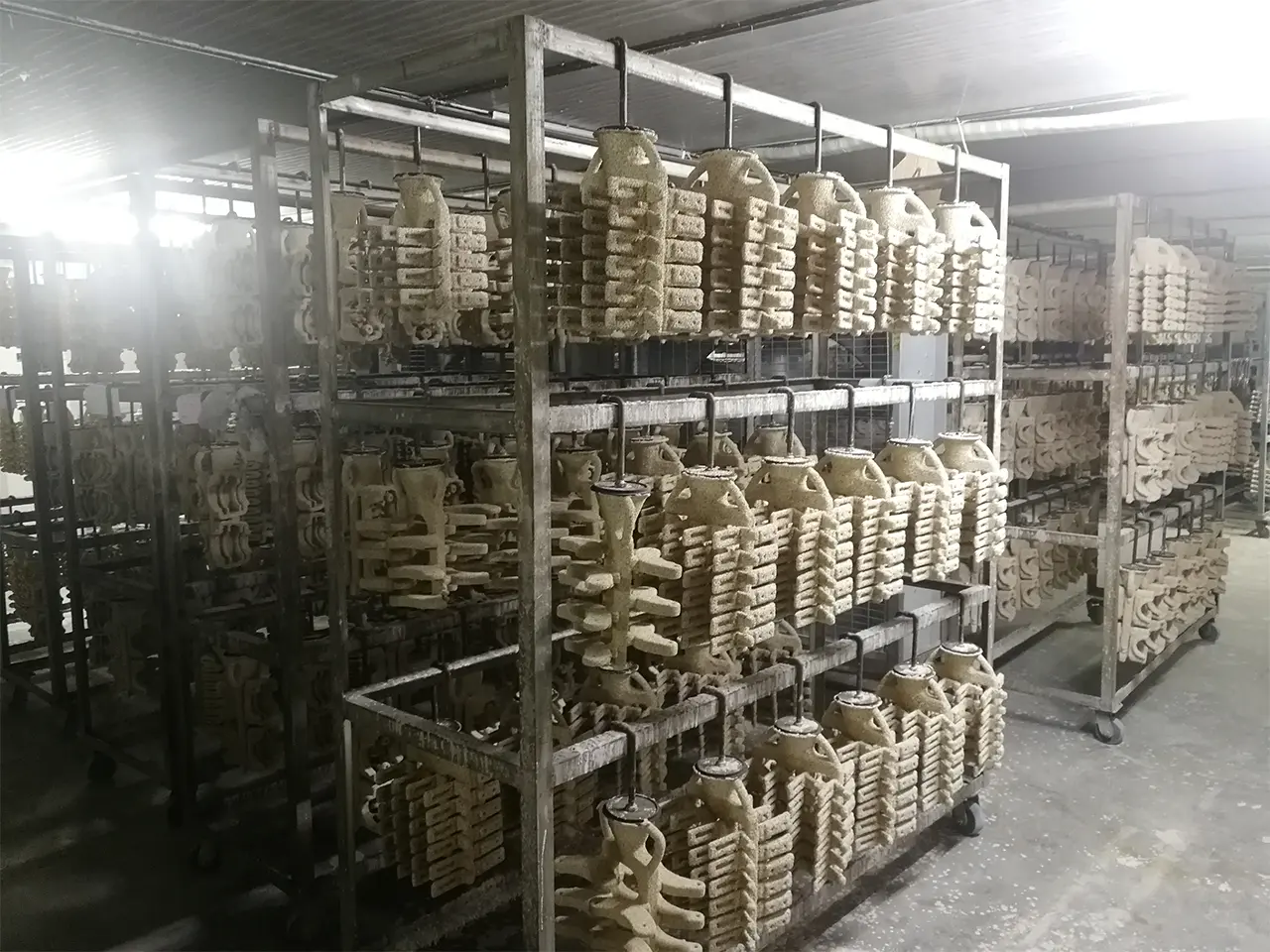
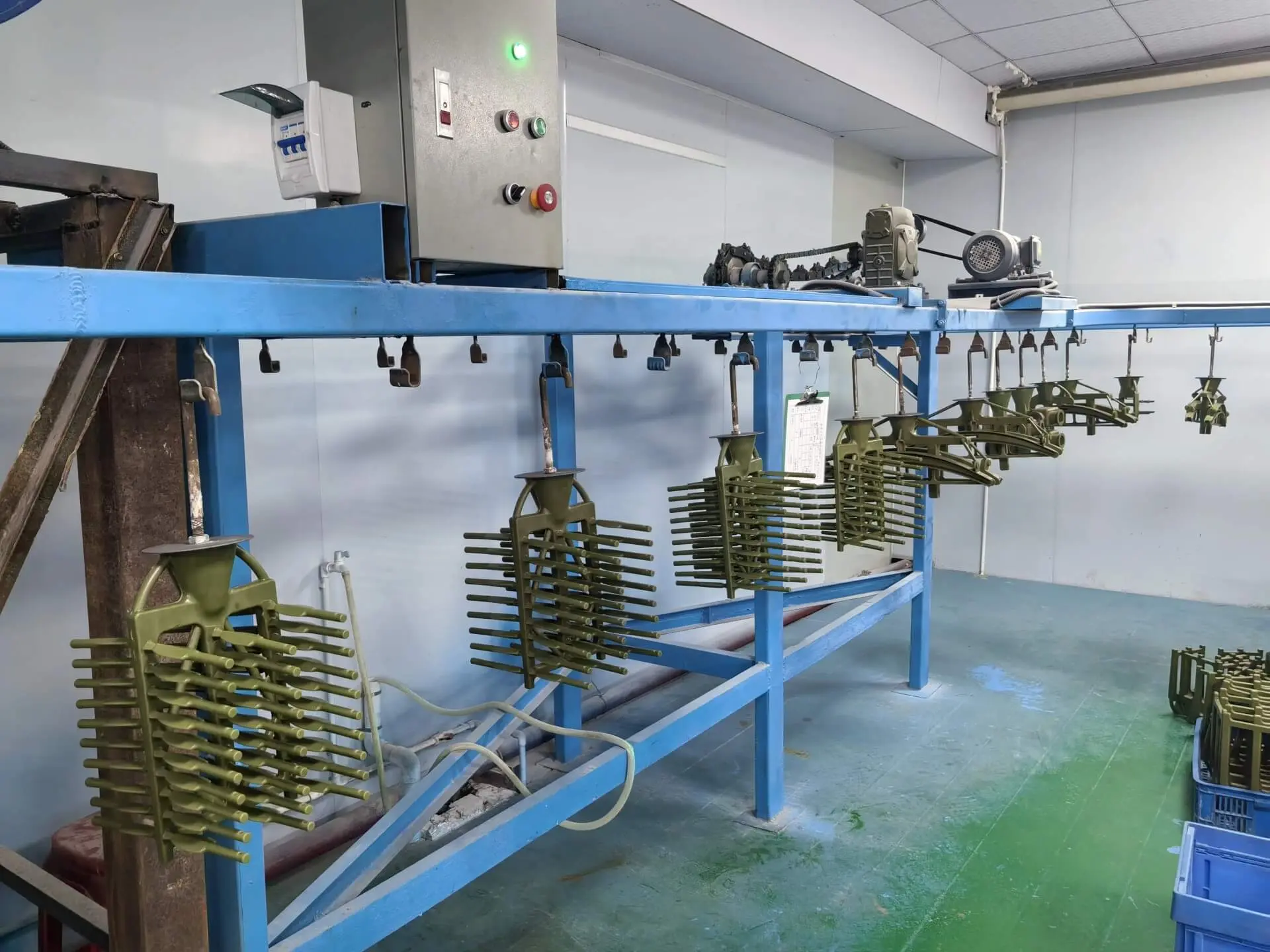
A look inside our advanced manufacturing facility, housing multi-axis CNC machining centers and investment casting production floors.
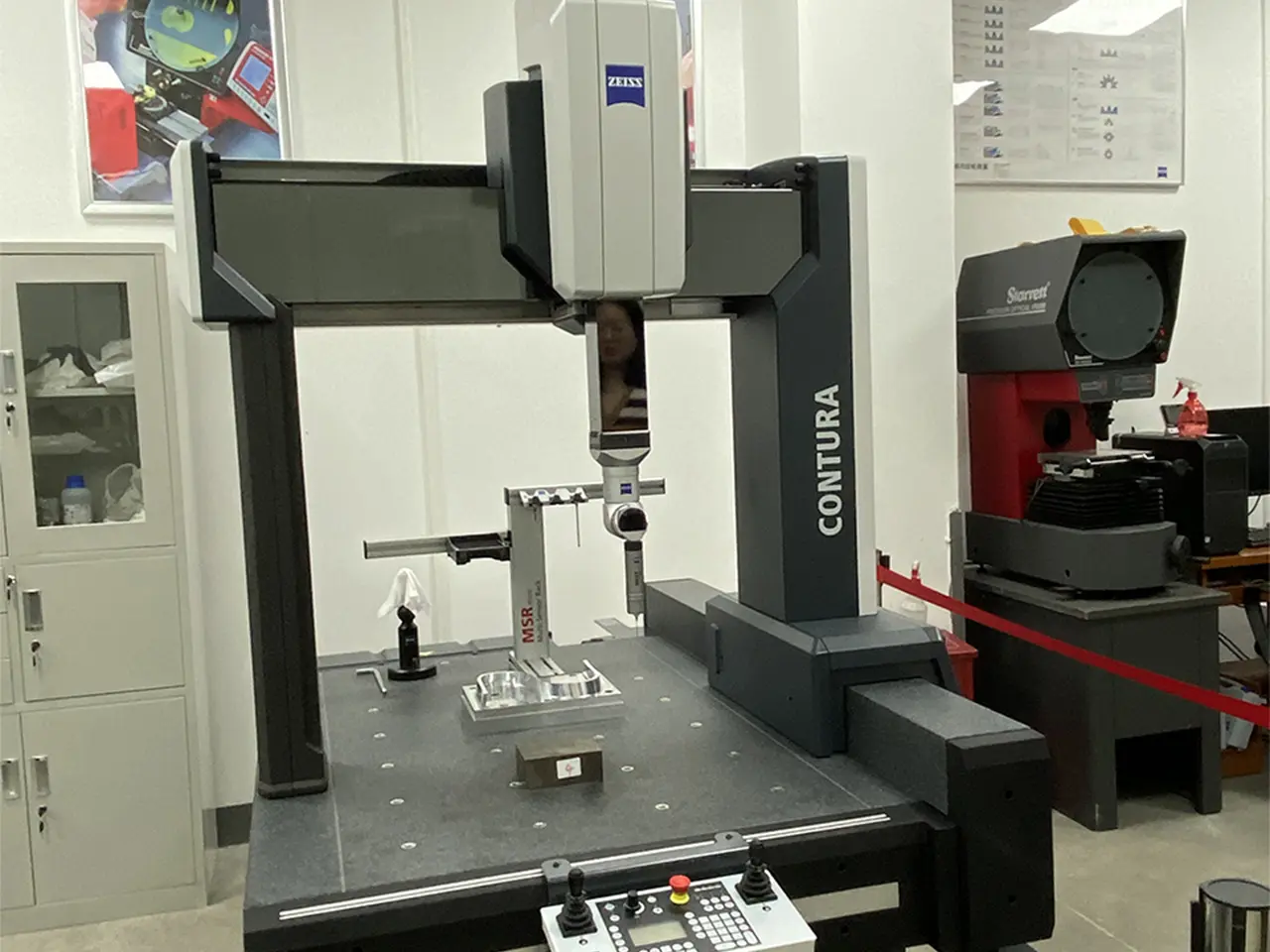
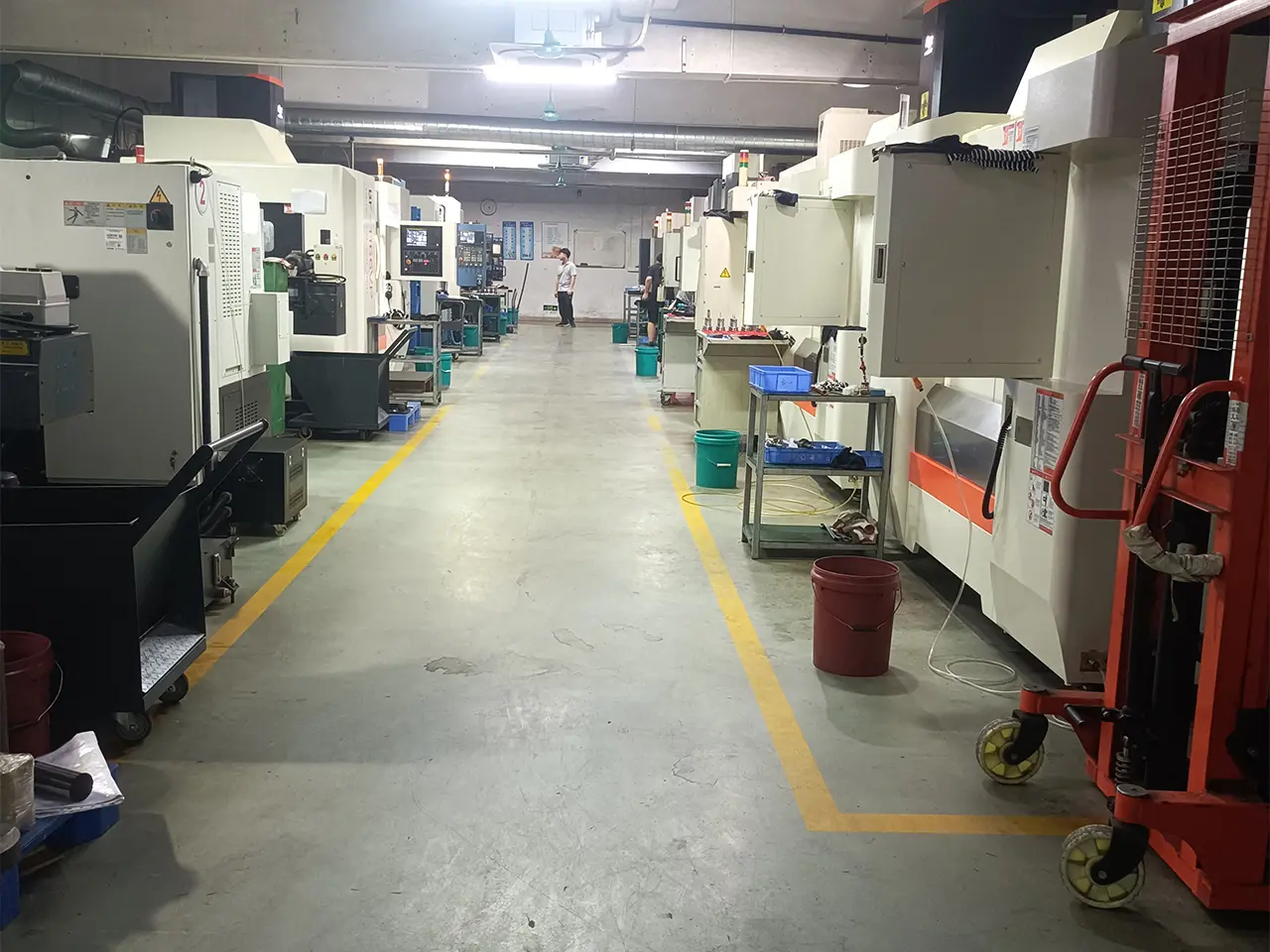
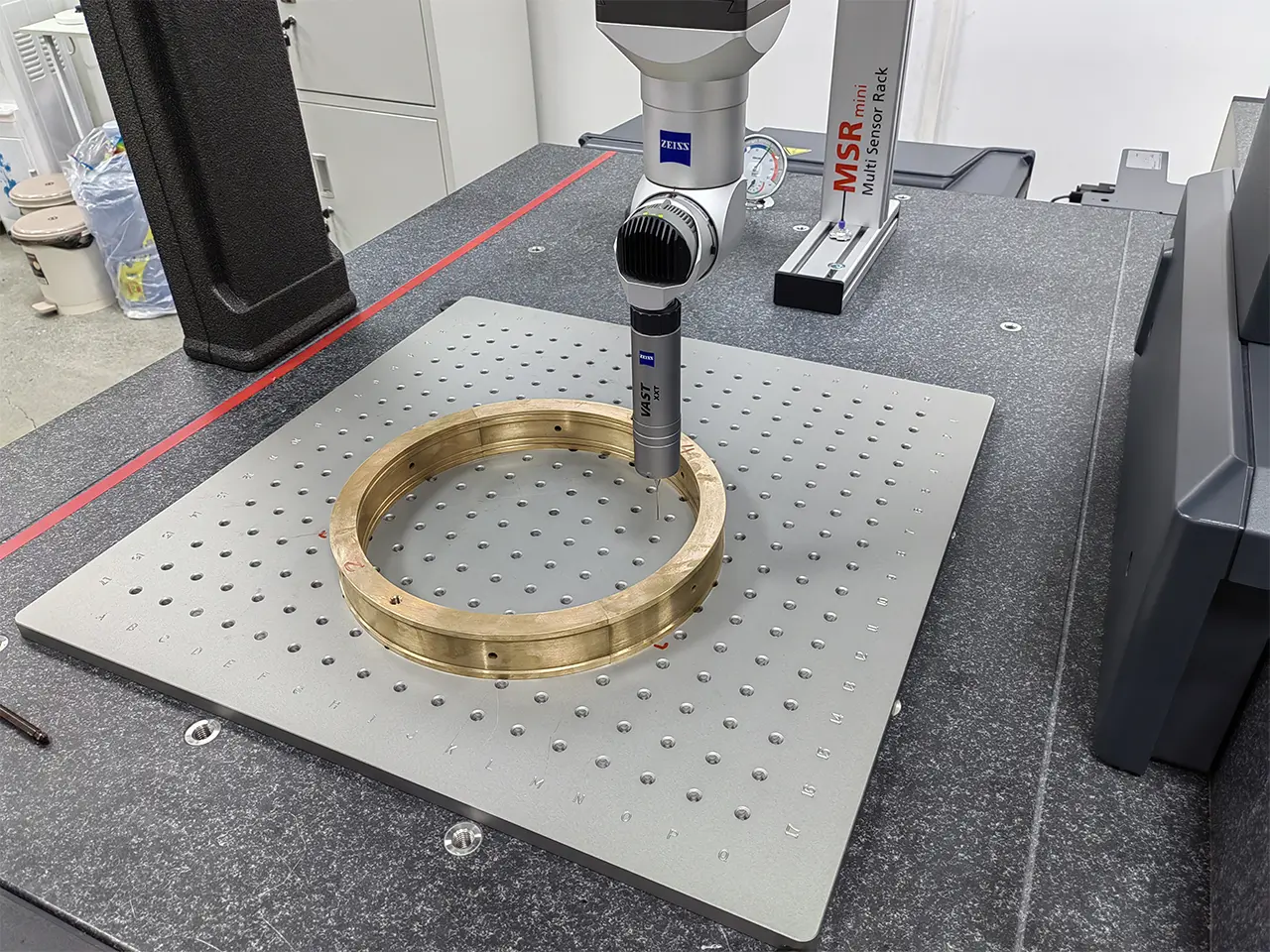
At Shixin, quality is not a secondary inspection process; it is the cornerstone of our entire manufacturing operation. We understand that in critical infrastructure, there is zero tolerance for error. Our specialized quality control team employs a fleet of advanced dimensional and material testing equipment, adhering to narrow dimensional tolerances down to ±0.005mm.
Since 2014, we have continuously upgraded our testing equipment. Our lab is equipped with coordinate measuring machines (CMM), optical comparators, digital chemical spectrometers, pressure testing loops, and non-destructive testing (NDT) units like magnetic particle and ultrasonic thickness testing. This focus on engineering excellence guarantees that every valve body casting leaving our facility conforms strictly to our clients' internal datasheets and global industrial regulations.
The global flow control industry relies heavily on Chinese metal casting hubs for OEM production. The regional concentration of raw materials, upstream alloy suppliers, specialized heat-treatment plants, and precision machinists gives Chinese factories an unmatched operational efficiency advantage.
From metallurgical preparation to sand reclamation and multi-axis CNC surface finishing, the entire value chain is located within a 50km radius.
Leveraging 3D printed sand molds and rapid wax patterns to compress pilot run cycles from several months down to less than two weeks.
Highly optimized industrial scale, automated wax injection machines, and energy-conscious casting operations deliver competitive total cost of ownership (TCO).
Furthermore, Dongguan's geographic location enables efficient logistics. Proximity to deep-water shipping lanes in Shenzhen, Guangzhou, and Hong Kong allows us to export massive tonnage shipments containing thousands of structural valve components with optimized cargo transit times.
The selection of the casting method directly dictates the mechanical properties and surface quality of the final valve body. At Shixin, we specialize in silica sol investment casting (lost wax), which delivers superior dimensional accuracy and an outstanding surface finish compared to traditional sand casting methods.
For valves that operate in corrosive media or high-purity environments, such as pharmaceutical lines or offshore oil platforms, rough cast surfaces can lead to turbulent flow and accelerated erosion. Silica sol investment casting ensures a surface finish of Ra 3.2 to 6.3 μm, minimizing the need for extensive secondary surface grinding.
Depending on the application, specific alloys are selected. For basic water utility systems, carbon steel (WCB, LCC) is selected for its cost effectiveness and mechanical strength. For chemical process lines handling acids or saline solutions, austenitic stainless steel (CF8, CF8M, CF3M) is specified. When extreme strength and weight reductions are required under deep-sea conditions, titanium alloys provide an outstanding strength-to-weight ratio and corrosion protection.
Valve body castings are not standalone parts; they are custom components built for specific, critical systems. We provide targeted manufacturing solutions tailored to the strict engineering requirements of various high-reliability sectors:
Upstream and midstream petroleum operations handle volatile hydrocarbons, high temperatures, and hydrogen sulfide. Our valve castings meet the stringent standards of NACE MR0175, ensuring resistance to sulfide stress cracking. We utilize ASTM A351 CF8M and duplex steels to ensure long-term mechanical reliability in demanding conditions.
Subsea oil and gas extraction requires structures that can withstand high external hydrostatic pressures. Our titanium alloy castings and high-precision CNC machining parts are designed for subsea manifolds, subsea trees, and deep-water ROV equipment. They are built to perform under intense pressures and resist severe marine chloride erosion for decades.
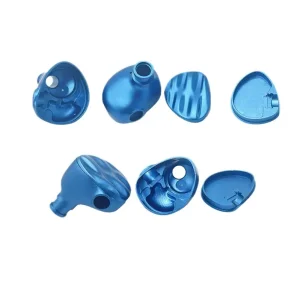
For smart buildings and micro-fluidic controls, mini valve assemblies require thin-walled, dimensionally precise investment castings. We specialize in producing lightweight stainless steel components that allow for dense internal flow channel designs, supporting integration with electronic actuator systems.
When evaluating global OEM casting suppliers, procurement teams must look beyond unit price. Long-term reliability is determined by structural integrity and process consistency. The following factors should be considered when assessing prospective casting suppliers:
By partnering with a single, integrated provider like Dongguan SX Technology Co., Ltd., global companies can optimize their supply chain and ensure clear accountability throughout the casting, machining, testing, and final packaging processes.
Expert engineering answers to common technical queries about valve body castings and manufacturing processes.
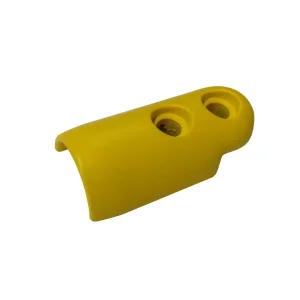
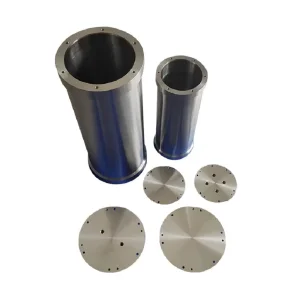
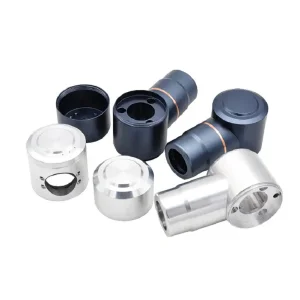
Explore our specialized range of custom cast brackets, CNC fittings, and heavy-duty structural parts.
 SX Machining