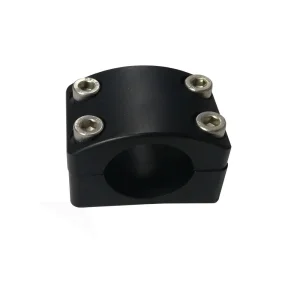
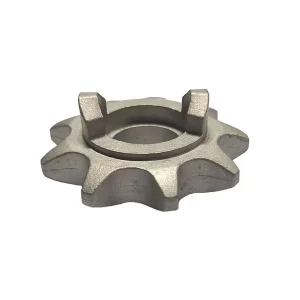
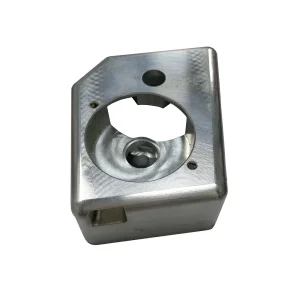
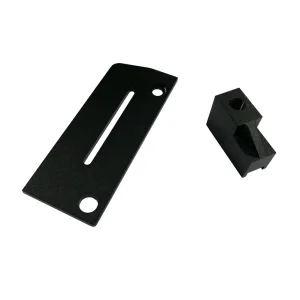
Engineered to exact industrial requirements, matching micro-tolerances with advanced metallic properties.
How lightweighting, material technology, and automation are reshaping modern manufacturing demands.
The rapid shift to electric vehicles (EVs) and high-speed rail transportation demands structural weight reduction without sacrificing yield strength. Standardized aluminum alloys such as 6000 and 7000 series are replacing heavier ferrous compounds, lowering carbon footprints globally.
Advanced surface modification processes, including Type III hard anodizing, micro-arc oxidation (MAO), and corrosion-resistant passivation, permit the deployment of aluminum parts in extreme marine and oil-and-gas operations.
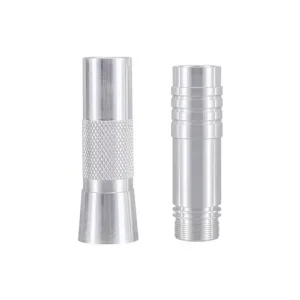
With multi-axis CNC configurations, modern component production tolerances are pushed to within ±0.005mm. This degree of dimensional precision enables rapid integration into highly delicate sectors like aerospace engineering and medical electronics.
Overcoming modern supply chain challenges with reliable manufacturing processes and strict international standards.
Global procurement specialists in automotive, medical, and aerospace fields demand more than just low unit prices. Achieving sustainable scalability requires structural reliability, DFM (Design for Manufacturability) collaboration, and rigid supply chain traceability. Dongguan SX Technology bridges this gap through engineering expertise, state-of-the-art diagnostic machinery, and end-to-end logistics coordination.
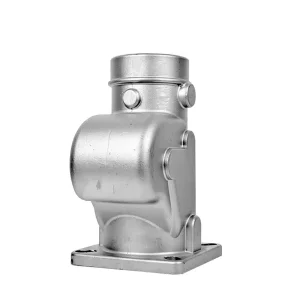
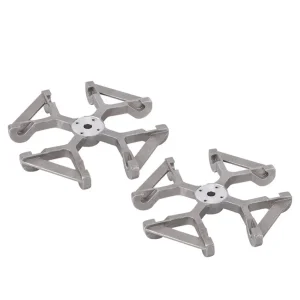
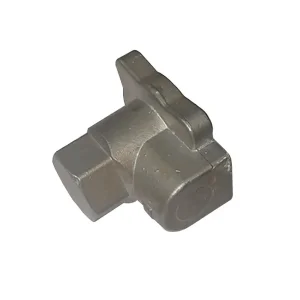
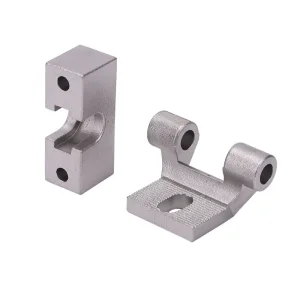
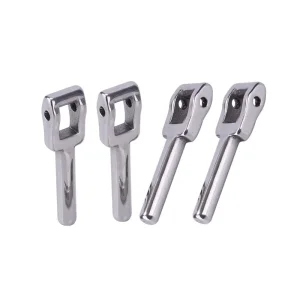
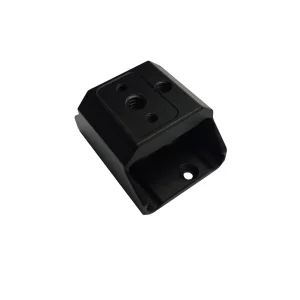
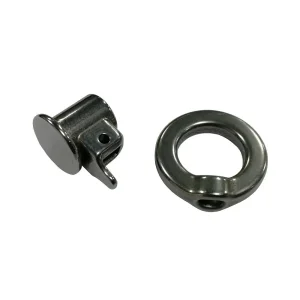
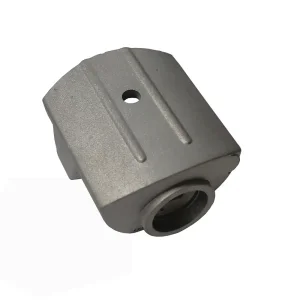
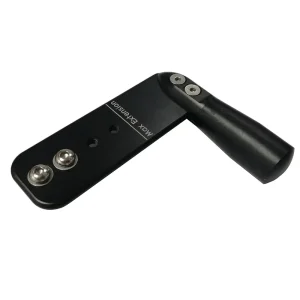
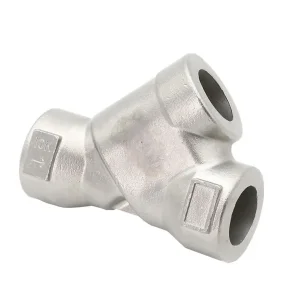
Dongguan SX Technology Co.,Ltd has very rich experience in precision casting, CNC machining and assembly. Our products are used in machinery, automobiles, marine, ships, equipment, valves and pumps, electronic appliances, packaging, watches, construction, chemical industry and other industries.
The most commonly used materials for investment casting are stainless steel and carbon steel. And the most commonly used materials for CNC machining include titanium alloy, stainless steel, carbon steel, aluminum alloy, copper alloy, cemented carbide, etc.
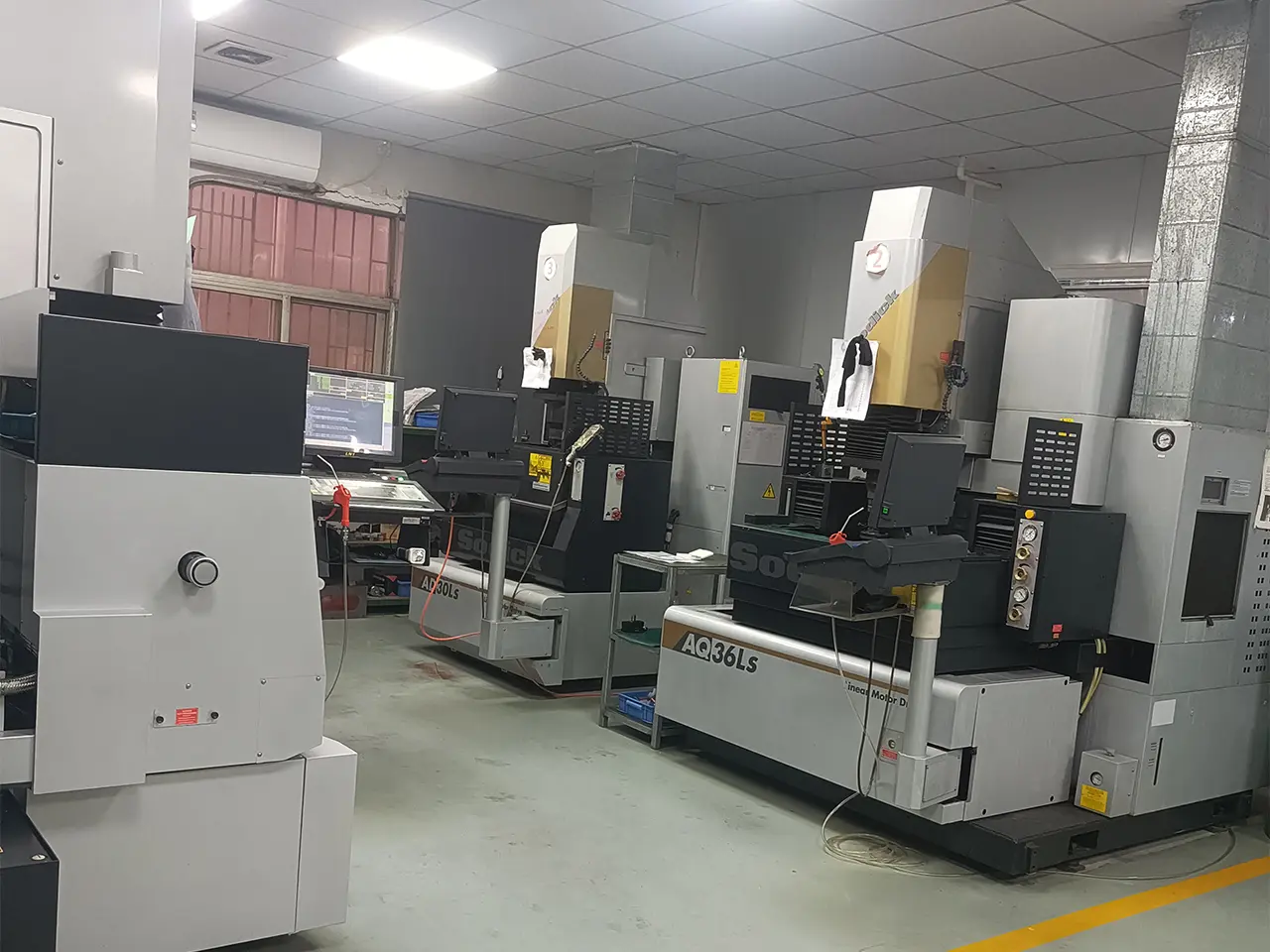
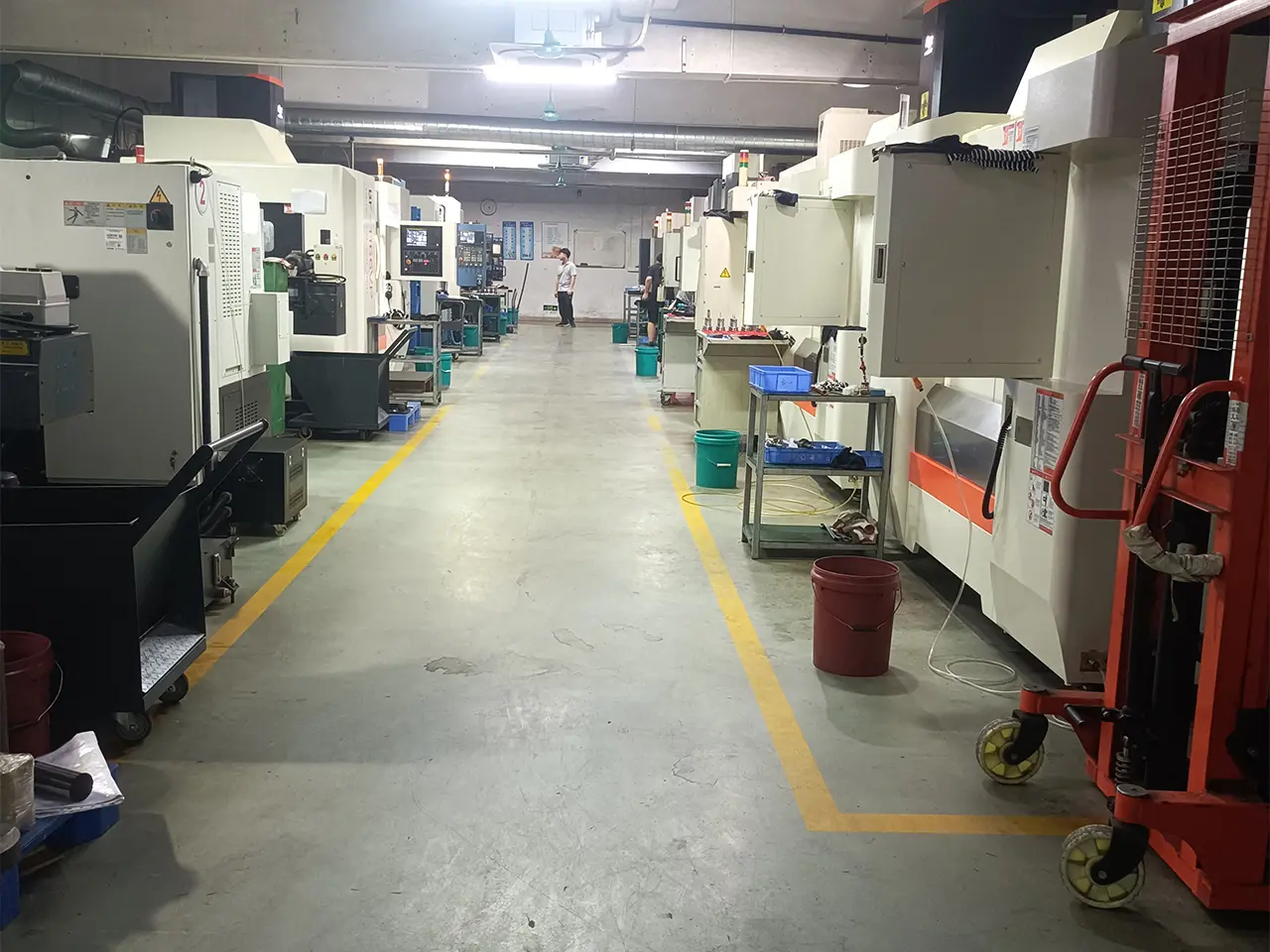
We have advanced manufacturing equipment and technology and are able to respond quickly to your needs.
Inside our advanced manufacturing facility featuring high-precision milling, casting, and machining units.
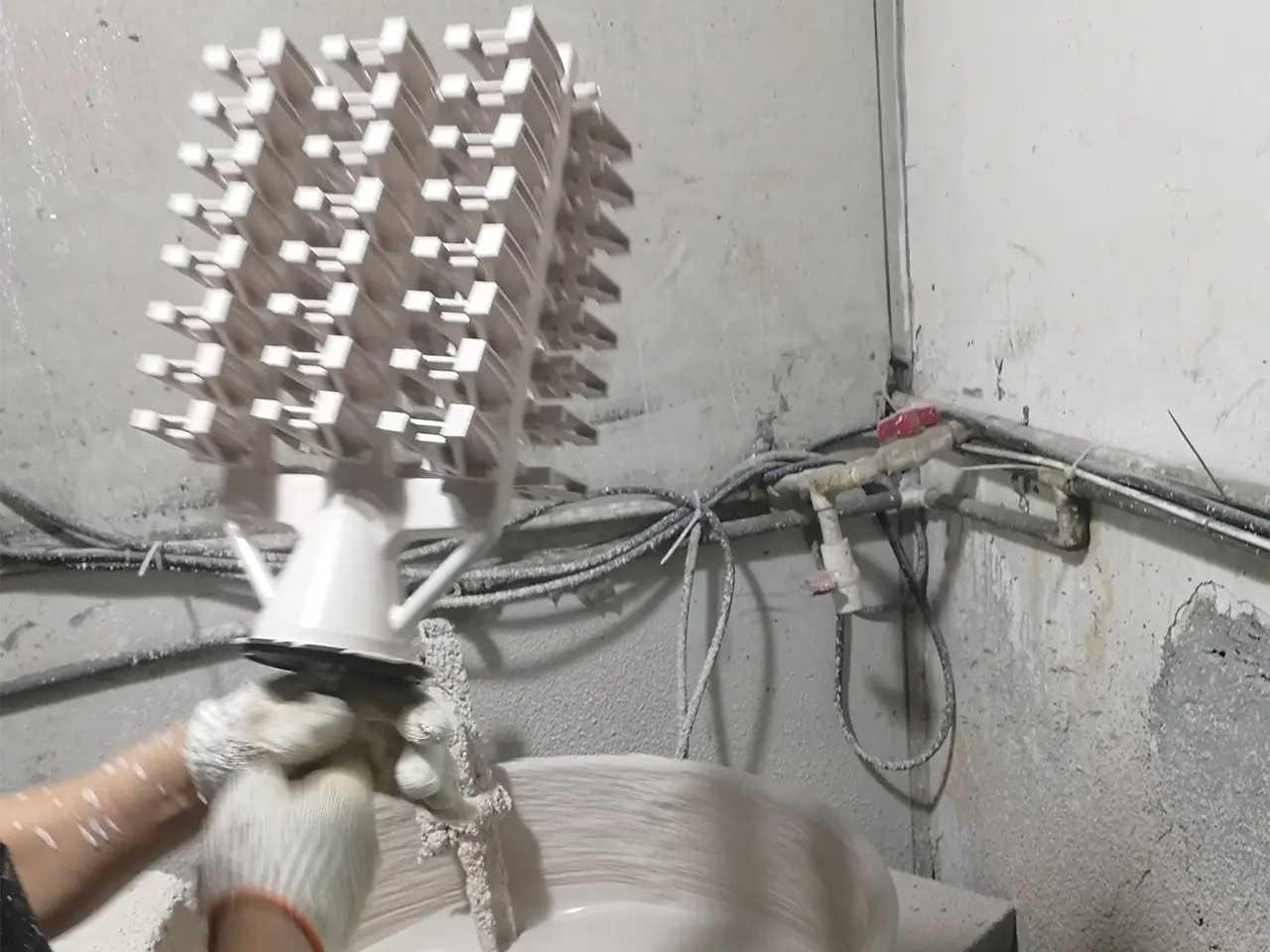
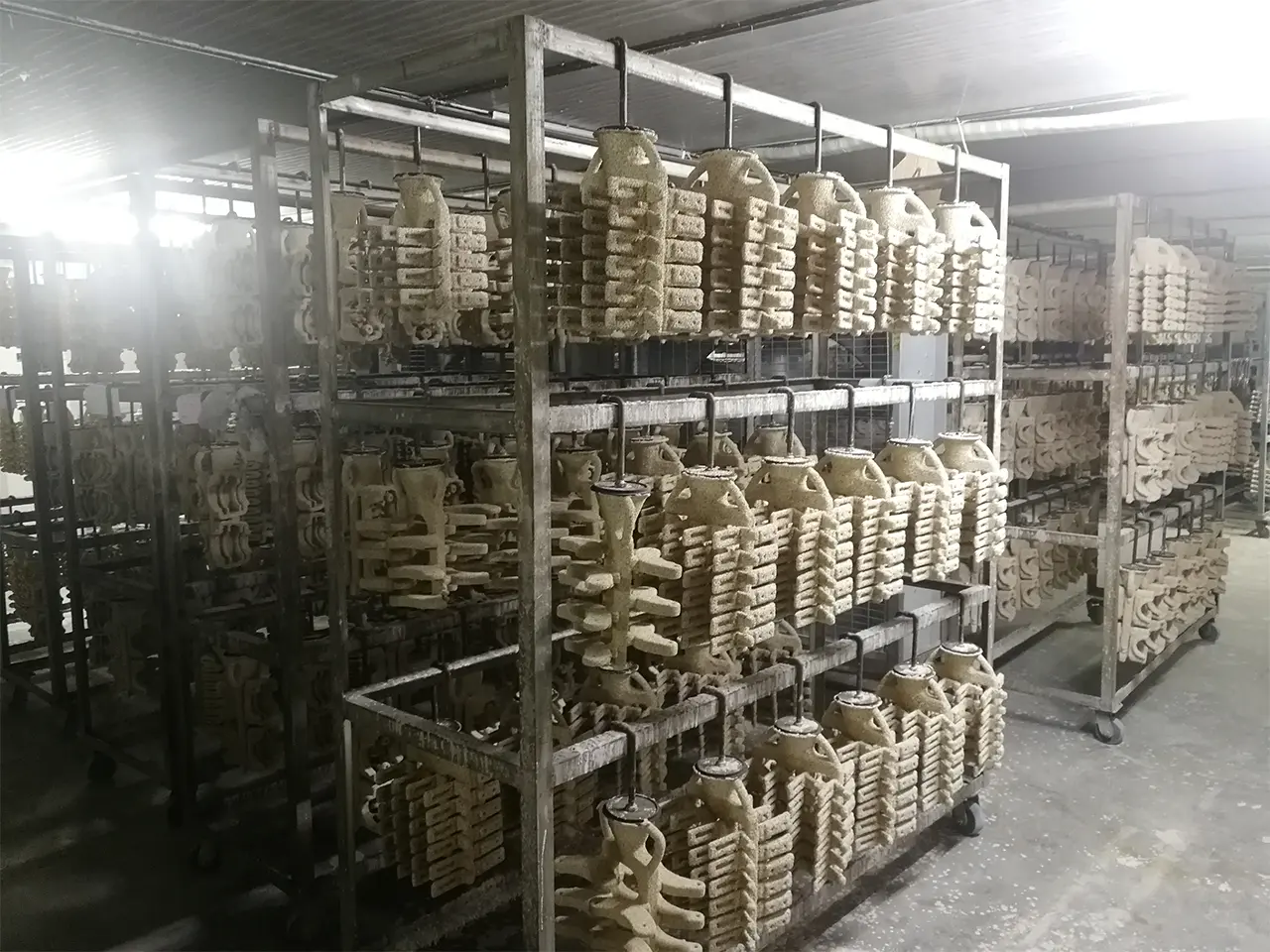
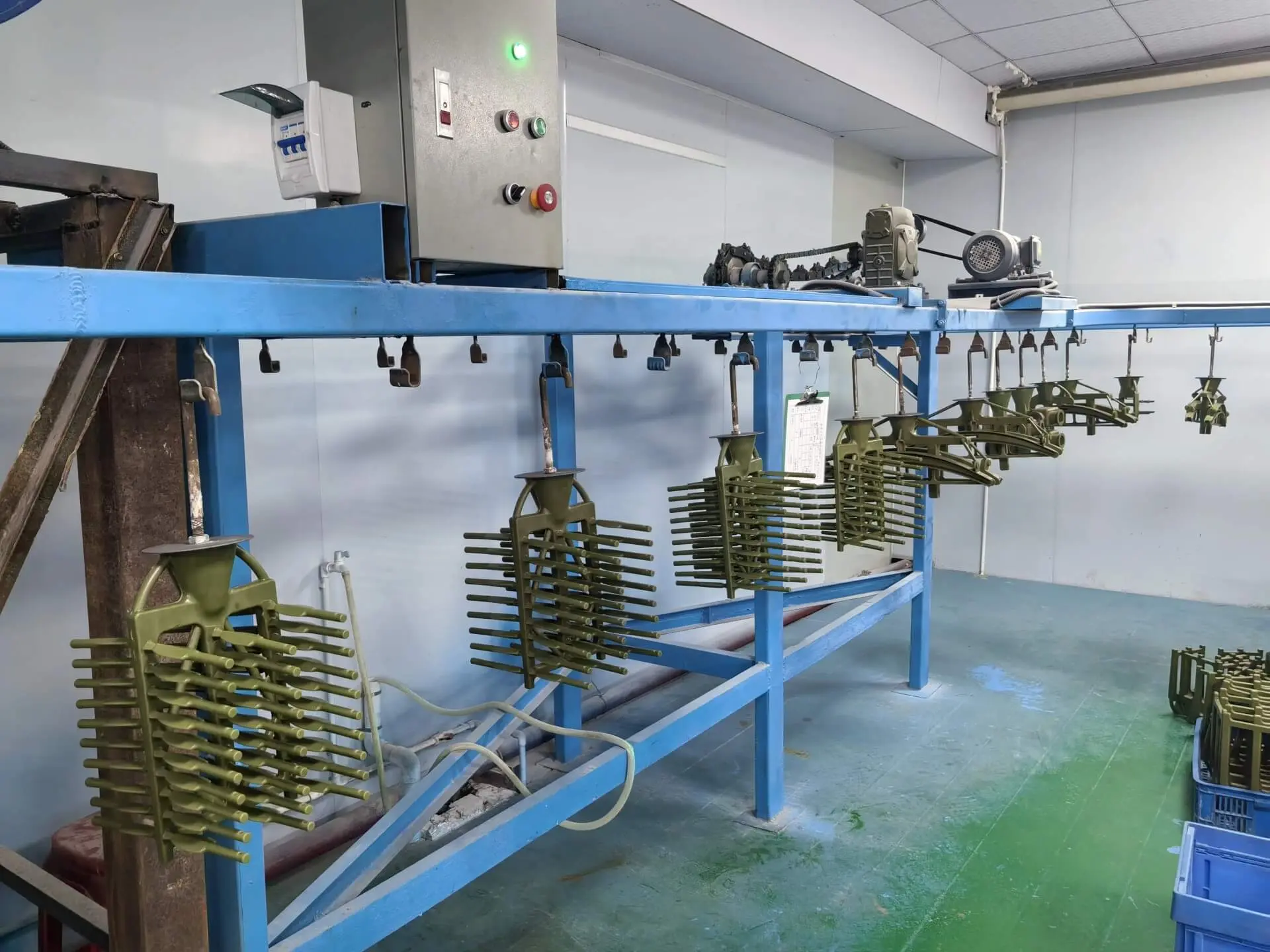
Providing engineered materials optimized for structural integrity, thermals, and light weight.
| Material Group | Grades Offered | Primary Application Advantages | Sectors Served |
|---|---|---|---|
| Aluminum Alloys | 6061-T6, 7075-T6, 5052, A380, A356 | High strength-to-weight, excellent thermal conductivity, superior anodizing potential. | Aerospace, EV Automotive, Consumer Electronics |
| Stainless Steel | SUS304, SUS316L, 17-4 PH | Extreme chemical corrosion resistance, exceptional tensile properties. | Marine Engineering, Medical Devices, Fluid Control |
| Carbon Steel | AISI 1020, 1045, ASTM A216 WCB | Cost-efficient structural load-bearing capacity, outstanding case hardening capabilities. | Heavy Equipment, Automotive Frame Components |
| Super Alloys & Metals | Titanium (Gr5), Copper, Cemented Carbide | Superior fatigue wear limits, biocompatibility, optimized high-temperature profiles. | Implantable Medical Instruments, High-stress Aerospace Parts |
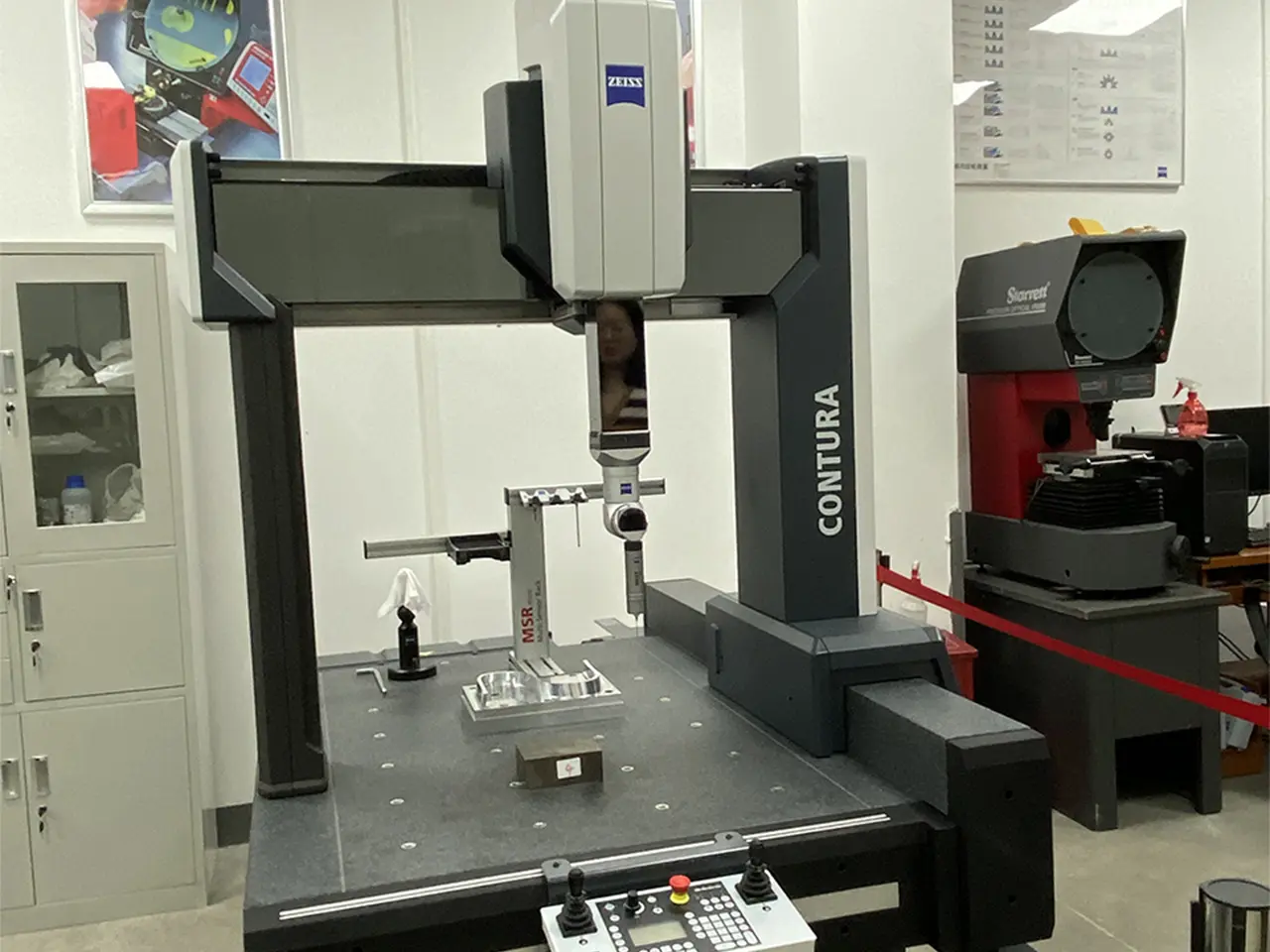
We have professional testing equipment and professional QC personnel, and we adhere to strict tolerances and quality standards for the products we produce. Due to our insistence on strict quality requirements, we have been praised by many customers.
Quality is the cornerstone of the manufacturing industry. We firmly believe that only by controlling quality well can we survive, develop, and get better and better. Therefore, we have been working in this industry unremittingly since 2014 and continue to Improve the company's team and improve the company's production capacity.
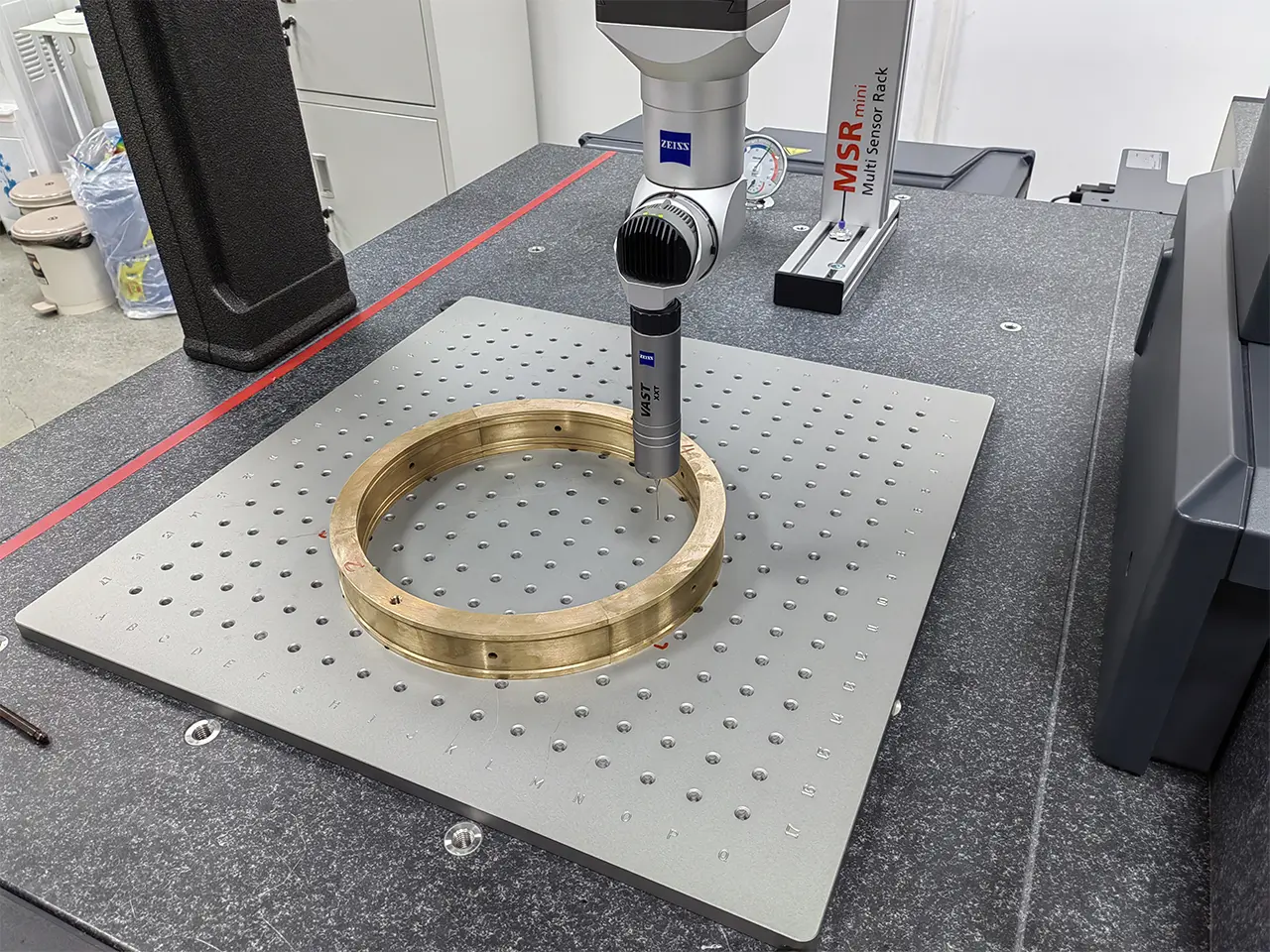
Providing cross-border assurance through strict verification protocols and direct technical consultation.
Every shipment is accompanied by complete chemical analysis reports and mechanical property test sheets. Fully traceable back to raw ingot lots, complying with REACH, RoHS, and ASTM standards.
Minimize project friction. Our in-house technical engineering staff translates, evaluates, and reviews files using advanced CAD modeling tools, optimizing geometries to lower overall tooling costs before machining begins.
Offering versatile delivery options (FOB, CIF, DDP) coupled with secure packaging solutions. Custom wooden crates, vapor-corrosion inhibitors, and vacuum packing keep delicate components protected from oxidation.
OEM solutions customized to challenging environmental and operational circumstances.
Frequently asked technical questions by global supply chain managers and project engineers.
 SX Machining