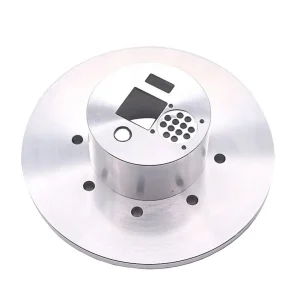
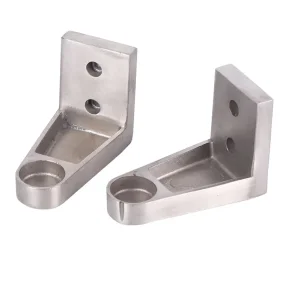
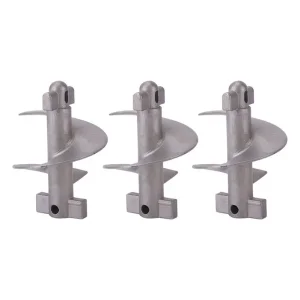
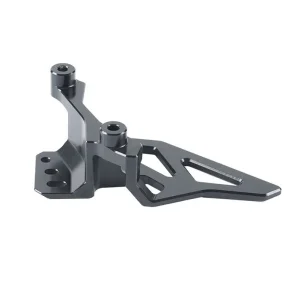
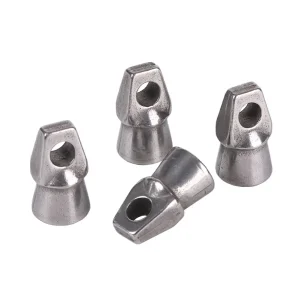
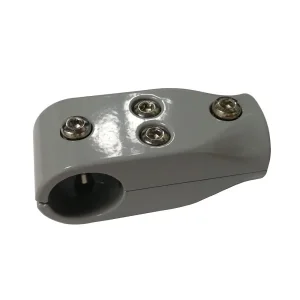
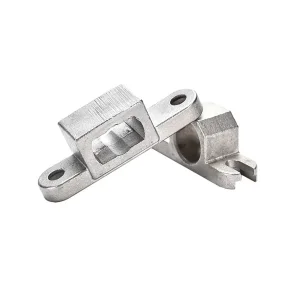
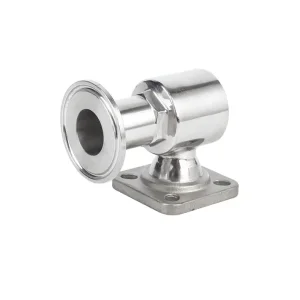
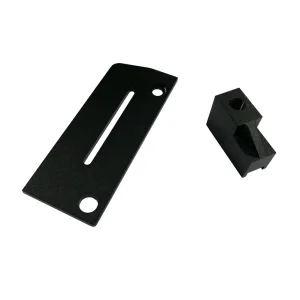
Explore our premium grade CNC machined solutions and structural investment casting components built for harsh operating environments.
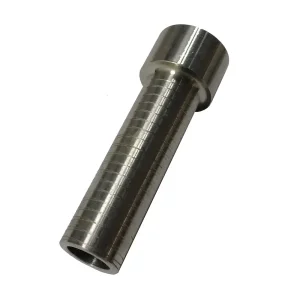
Global automotive manufacturing is undergoing a paradigm shift. Navigating the transition from Internal Combustion Engines (ICE) to electric drivetrains demands components with tighter tolerances, lower masses, and superior structural integrity.
Modern propulsion systems operate under unprecedented thermal and mechanical stress. Hybrid and battery-electric vehicle (BEV) architectures require structural weight reduction to optimize battery range, driving high demand for advanced materials such as titanium alloys, high-grade aluminum, and precision thin-walled stainless steel.
To meet these engineering demands, Tier-1 suppliers and OEMs must shift from conventional machining to 5-axis CNC turn-mill composite techniques and near-net-shape investment casting. This optimization shortens processing steps, minimizes material waste, and ensures structural grain alignment, guaranteeing zero-defect performance over the vehicle’s lifecycle.
How Dongguan SX Technology Co.,Ltd leverages regional industrial clustering to optimize your component manufacturing lifecycle.
From raw metallurgy sourcing and chemical composition verification to final CNC finishing, heat treatments, and dynamic testing, the entire ecosystem is colocated inside Dongguan.
Since 2014, we have steadily upgraded our facilities with multi-axis CNC machines and automated testing equipment. This guarantees high repeatability across production runs.
We consistently achieve dimensional tolerances of ±0.005mm. Our processes minimize standard deviation in critical functional features like thread profiles and concentricities.
Comprehensive engineering breakdown of manufacturing methods, material suitability, and achieved dimensional accuracies.
| Manufacturing Technology | Primary Alloys Processed | Achievable Tolerances | Key Performance Benefits | Automotive & Industrial Applications |
|---|---|---|---|---|
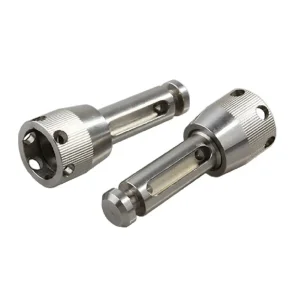
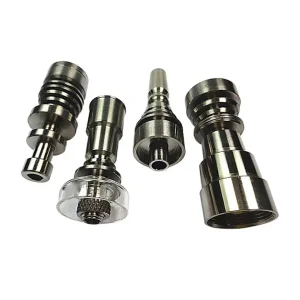
| CNC Turn-Mill Machining | Titanium, Stainless Steel, Aluminum Alloys, Copper Alloys, Cemented Carbide | ±0.005 mm to ±0.01 mm | High surface finish, complex rotational geometry, single-setup operation | Steering knuckles, turbocharger shafts, sensor housings, custom connectors |
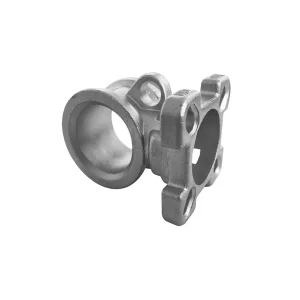
| Lost Wax Investment Casting | Stainless Steel (316L, 304), Carbon Steel, Tool Steel | CT4 to CT6 Grade | Complex inner cavities, near-net shape production, low waste ratios | Exhaust manifolds, engine mounts, heavy transport suspension components |
| Precision CNC Milling (3/4/5-Axis) | Aluminum Alloys (6061-T6, 7075), Titanium, Brass, Engineered Polymers | ±0.01 mm to ±0.02 mm | High material removal rates, high mechanical property retention | EV Battery enclosures, brackets, structural chassis nodes, marine components |
Our engineering team at Dongguan SX Technology Co.,Ltd carefully selects processing techniques based on parts' mechanical requirements. For example, components requiring high corrosion resistance and high yield strength under high-frequency load cycles—such as marine projects or heavy-duty bus components—are produced using investment casting and then finished on our CNC milling centers to guarantee structural reliability.
A look inside our facility in Dongguan, highlighting our production workshops, high-end tooling setups, and testing labs.
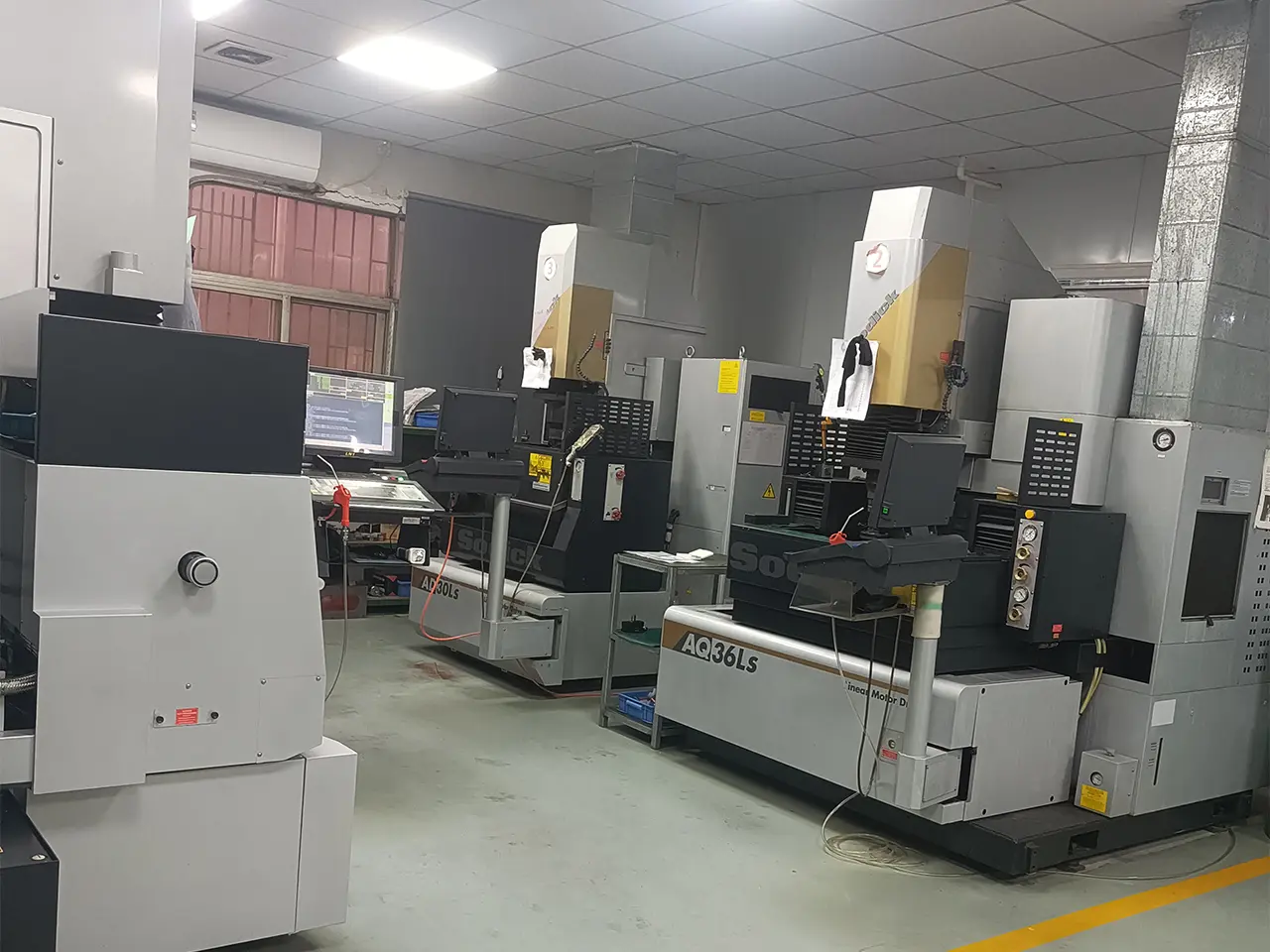
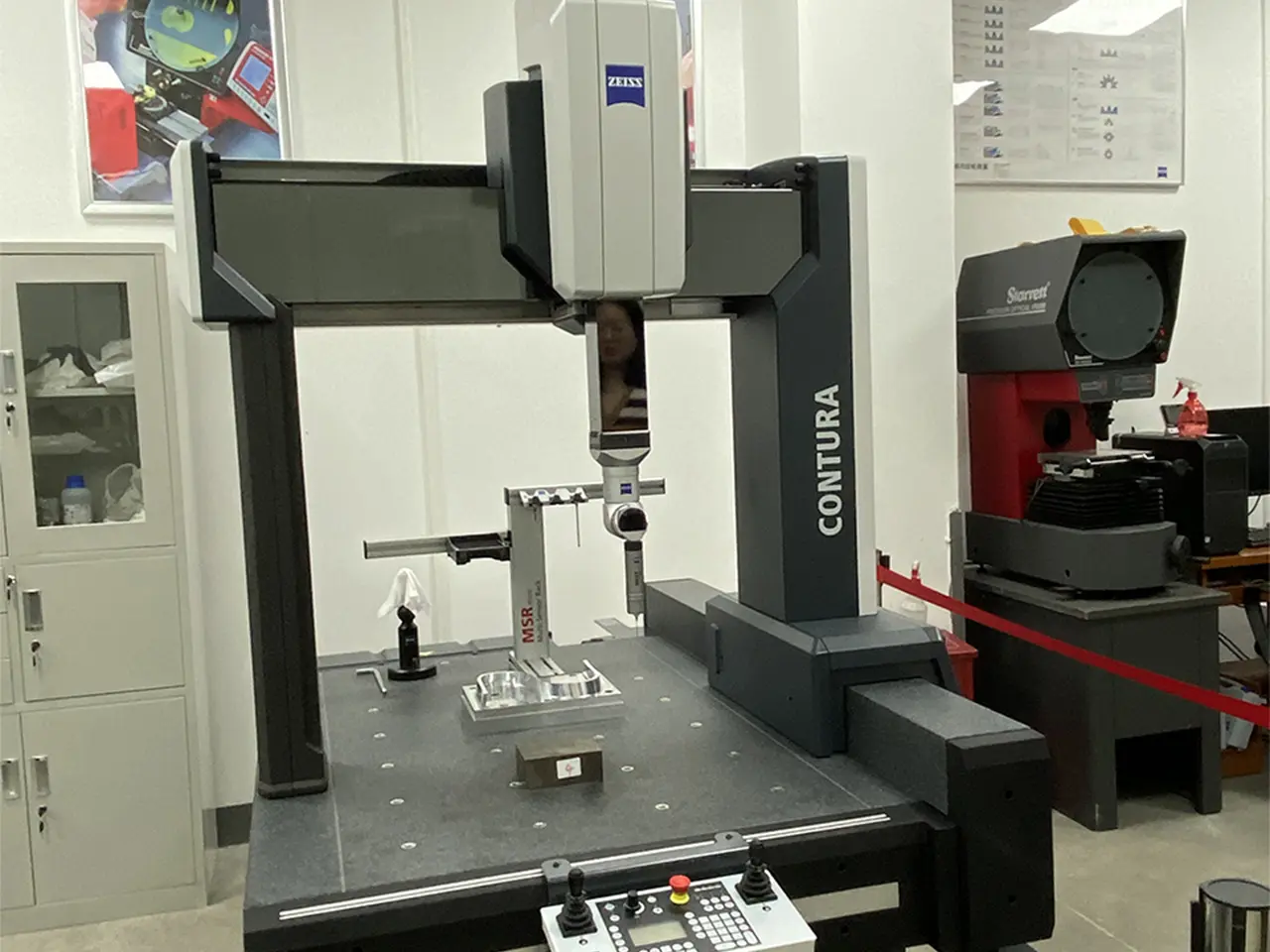
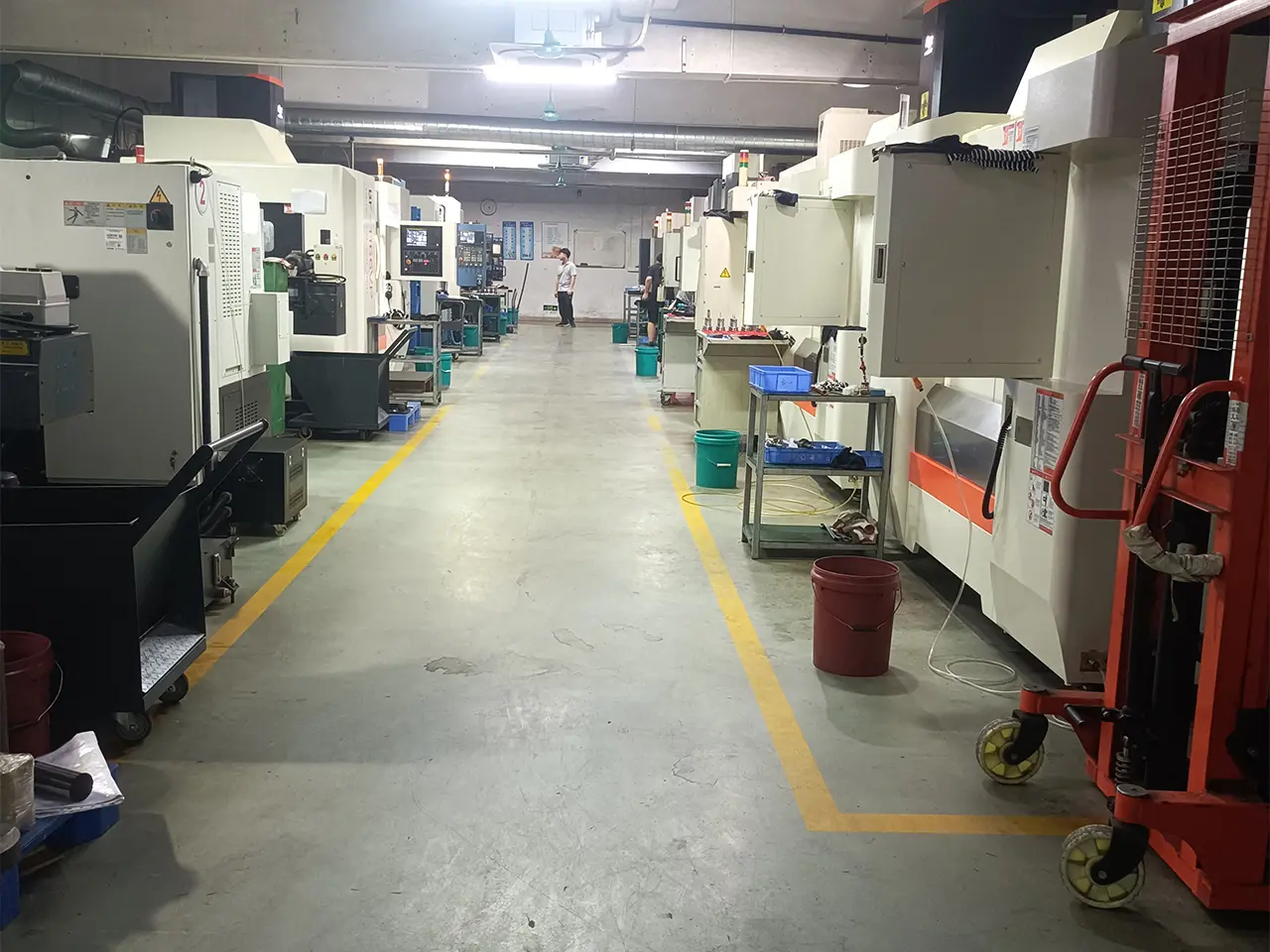
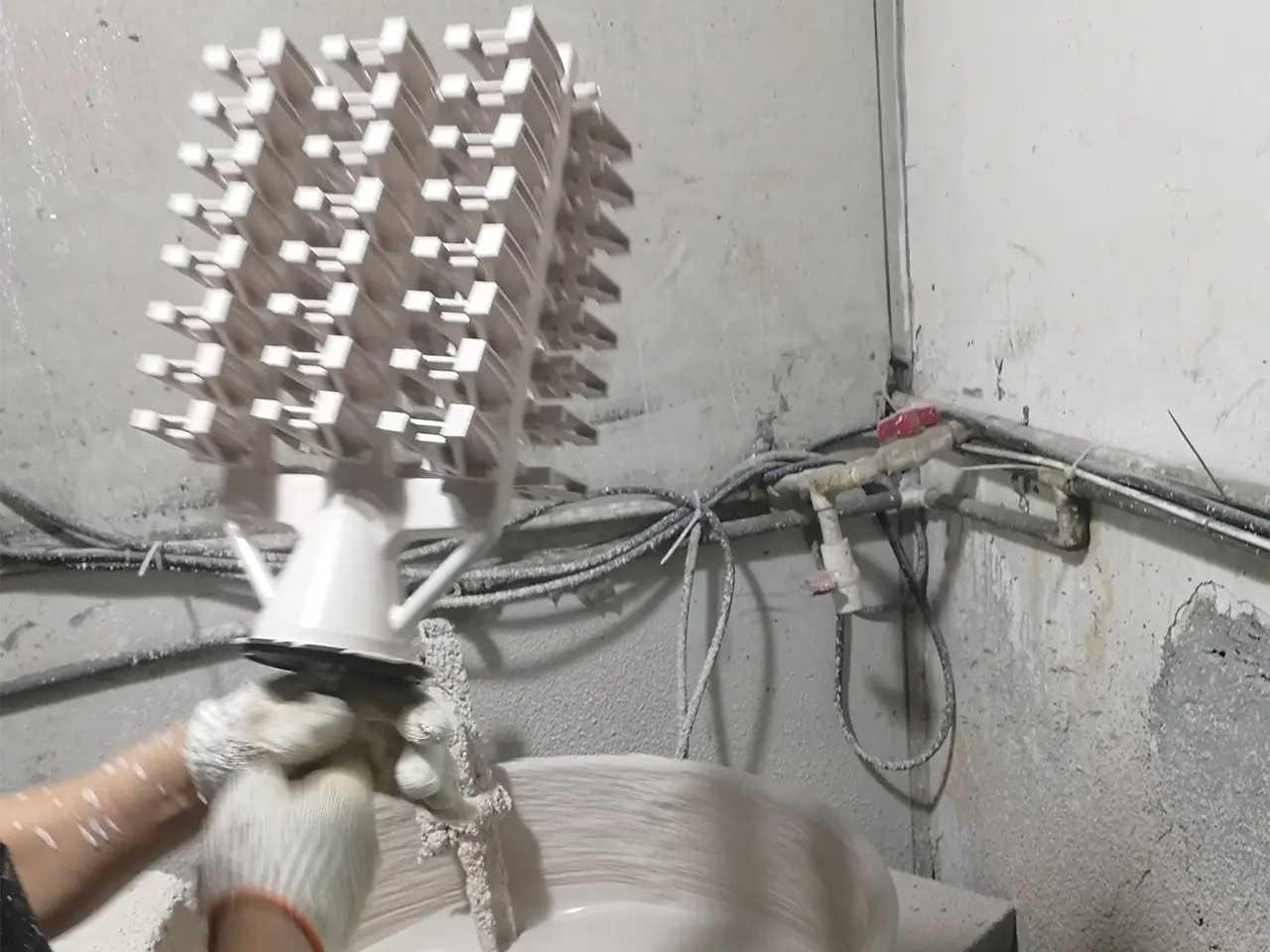
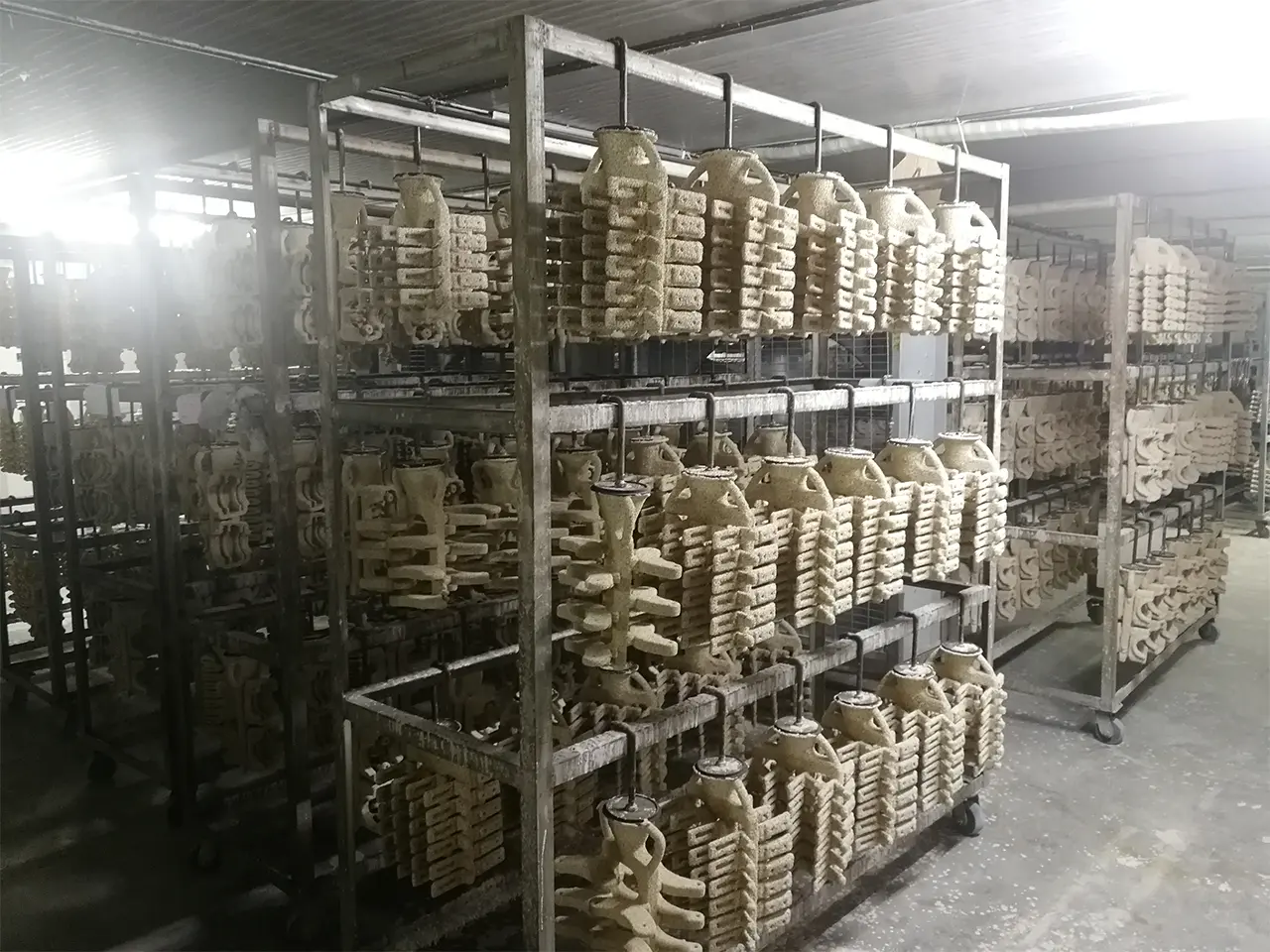
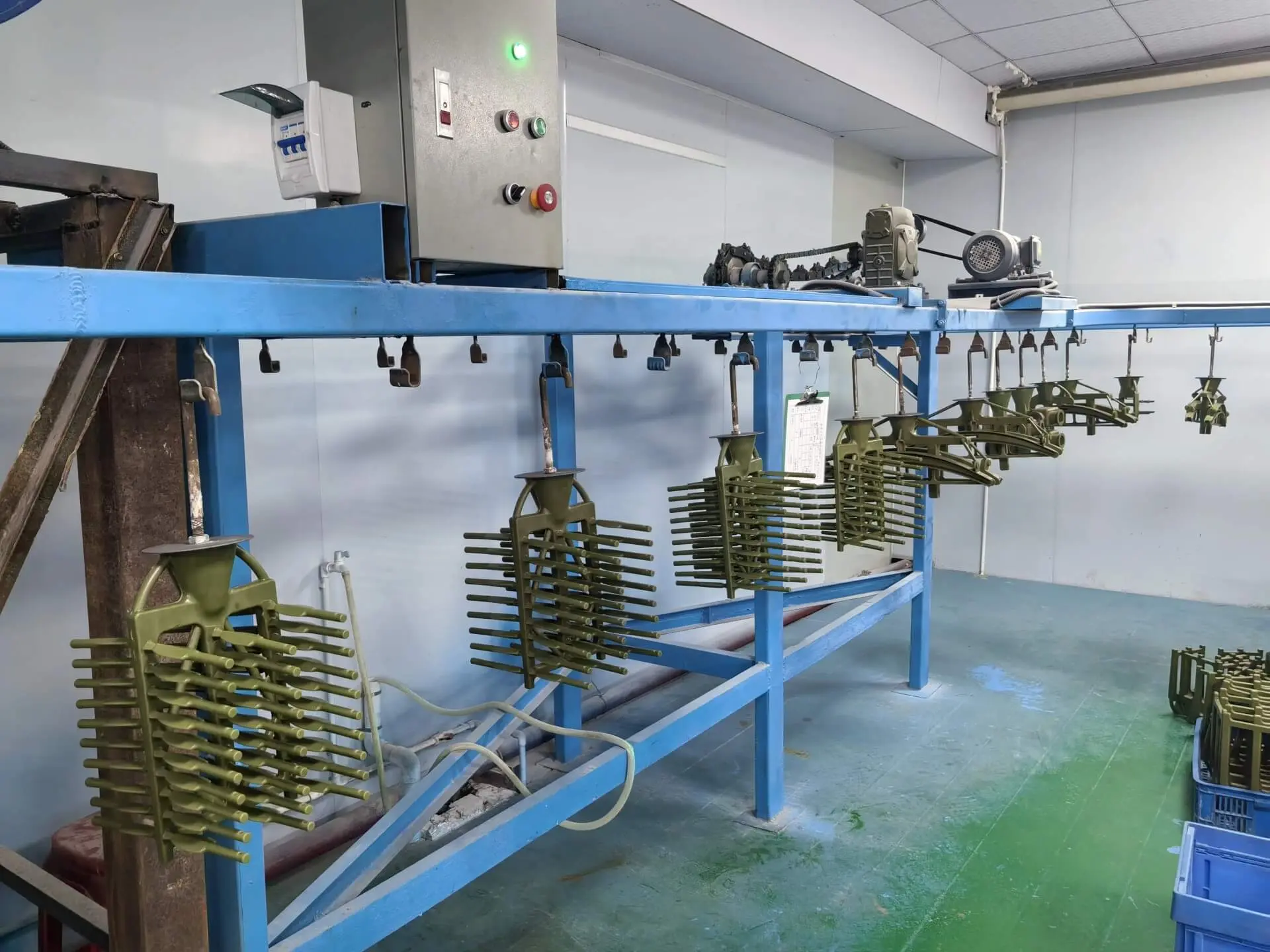
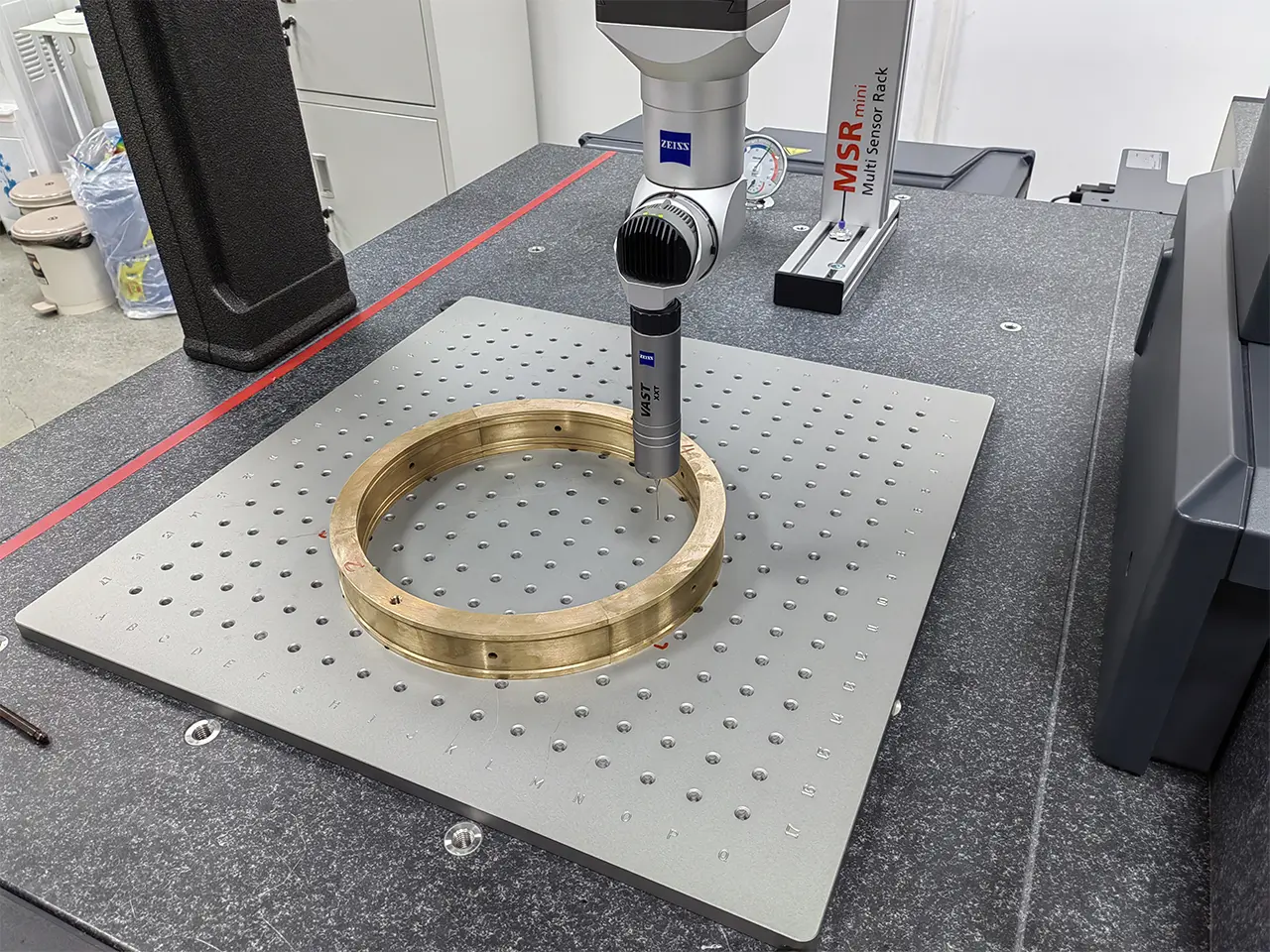
Quality is the cornerstone of the automotive manufacturing industry. Our facility adheres to strict dimensional and chemical tolerances to ensure performance in the field.
Since 2014, Dongguan SX Technology has implemented advanced testing protocols. We analyze chemical compositions using optical emission spectrometers. We measure dimensional characteristics using coordinate measuring machines (CMM) and optical comparators, checking tolerance bounds on every critical dimension.
Our QC inspectors perform non-destructive testing (NDT), including liquid penetrant inspection and magnetic particle testing, to identify micro-fissures in castings. This protects vital safety components on road-going buses, machinery, and marine vessels from structural failure under load.
Key considerations for outsourcing precision automotive machining and casting projects to China factories.
Sourcing from China reduces tooling amortization costs by 40-60% compared to Western facilities. This allows OEMs to iterate on casting mold configurations and machine setups much faster during prototyping stages.
For safety-critical parts, we provide EN 10204 Type 3.1 material certificates. We track metallurgical heats from raw steel ingots or titanium billets to machined parts, ensuring full accountability.
Our engineering team quickly adapts production programs from large structural runs to highly complex non-standard custom parts. This enables flexible ordering quantities without compromising accuracy.
How our component output supports key sectors including marine engineering, sports gear, and automotive applications.
Precision machining isn't limited to the automotive shop floor. High-stress applications require strong mechanical properties across multiple environments:
Expert engineering answers about materials, manufacturing processes, tolerances, and quality control procedures.
Further specialty custom products, non-standard CNC services, and precision-manufactured components.
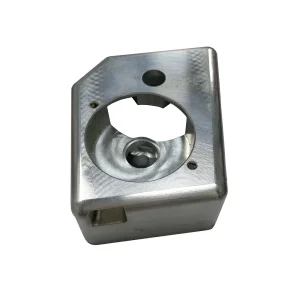
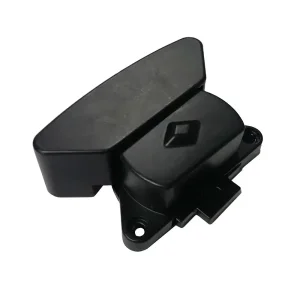
 SX Machining