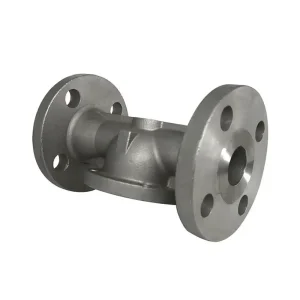
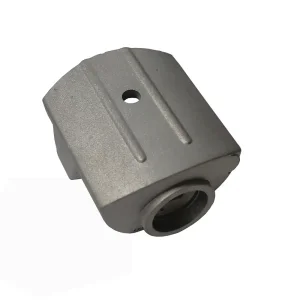
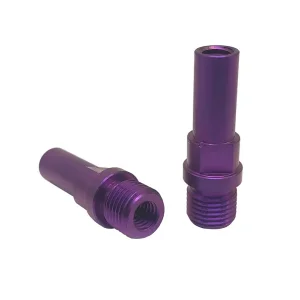
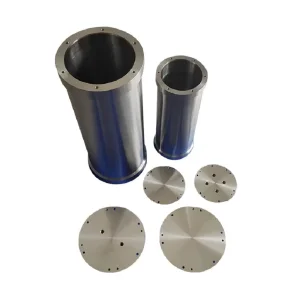
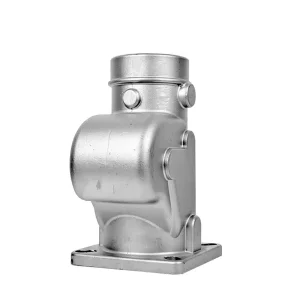
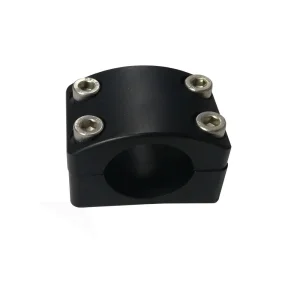
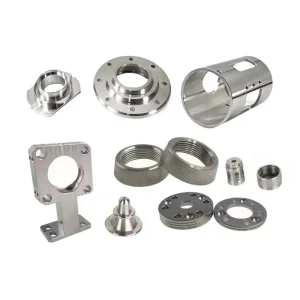
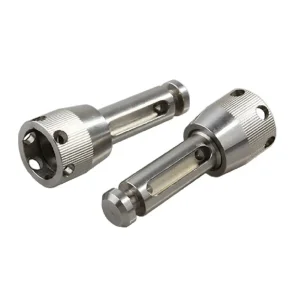
Founded in 2014, Dongguan SX Technology Co.,Ltd has developed a rich, industry-recognized expertise in precision casting, state-of-the-art CNC machining, and comprehensive structural assembly. We support global original equipment manufacturers (OEMs) across multiple high-precision sectors, transforming custom specifications into verified physical assets.
Our comprehensive production runs cater to mission-critical applications in machinery, automotive, marine engineering, commercial ships, process control equipment, valves, pumps, electrical appliances, packaging machinery, precision horology, construction, and chemical engineering. While we excel in copper alloys and brass, our technical capabilities extend across a versatile range of metallic materials:
Copper-zinc alloys, commonly termed brasses, represent a cornerstone of modern industrial fluid control, electrical systems, and marine architecture due to their unique balance of structural strength, machinability, and innate corrosion resistance.
Compared to stainless steel alloys or titanium, brass boasts a lower melting point (typically 900°C to 940°C), significantly reducing energy consumption during casting. Furthermore, its excellent machinability rating (often rated at 100% for C36000 free-cutting brass) minimizes tool wear and speeds up cycle times, yielding a lower total cost of ownership (TCO).
Standard brass alloys exposed to aggressive water containing chlorides run the risk of dezincification—where zinc selectively leaches out, leaving a porous, structurally weak copper frame. By casting under precise metallurgical parameters and using alloys optimized with minor additions of arsenic, antimony, or phosphorus, our castings withstand selective corrosion in marine applications.
Modern electrical grids and advanced flow systems require parts with internal cavities, thin walls, and complex contours. Our investment (lost-wax) and gravity die casting methods yield components that are extremely close to final net dimensions, minimizing the volume of raw materials that must be machined away as scrap.
Selecting the optimal casting process depends heavily on your production volume, dimensional tolerance requirements, surface finish specifications, and structural application. The table below serves as a starting point for engineering planning.
| Casting Method | Typical Dimensional Tolerance | Surface Roughness (Ra) | Recommended Production Volume | Primary Industrial Applications |
|---|---|---|---|---|
| Lost Wax Investment Casting | ISO 8062-3 DCTG 6 - 8 (±0.15mm to ±0.3mm) | 3.2µm – 6.3µm | Medium to High (500 - 10,000+ pcs) | Precision Valve Components, Electrical Enclosures, Impellers |
| Gravity Die Casting (Permanent Mold) | ISO 8062-3 DCTG 8 - 10 (±0.4mm to ±0.6mm) | 6.3µm – 12.5µm | High (2,000 - 50,000+ pcs) | Plumbing Fittings, Heavy Duty Connectors, Automotive Bushings |
| Sand Casting (Green Sand / Resin Sand) | ISO 8062-3 DCTG 11 - 13 (±0.8mm to ±1.5mm) | 12.5µm – 25.0µm | Low to Medium (10 - 1,000 pcs) | Heavy Marine Pump Casings, Architectural Castings, Large Flanges |
| High-Pressure Die Casting | ISO 8062-3 DCTG 5 - 7 (±0.10mm to ±0.20mm) | 1.6µm – 3.2µm | Very High (10,000+ pcs) | Thin-walled Electronics housings, Lock Cylinders, Decorative Hardware |
In highly corrosive offshore and deep-sea environments, naval brass (such as C46400, enriched with tin) offers superb resistance to marine biofouling and saline corrosion. Casting these alloys into pump impellers, sleeve bearings, and marine hardware requires tight grain control. Through controlled solidification, our foundries eliminate gas pockets, preventing catastrophic stress-corrosion cracking (SCC) under heavy ocean currents.
Brass acts as an exceptional conductor of electricity and heat while offering mechanical wear resistance superior to pure copper. We cast non-standard electrical connectors, switchgear components, and heavy-duty busbar clamps. By post-machining these castings on our high-speed CNC centers, we ensure contact surfaces are perfectly flat, keeping resistance to a minimum and preventing local thermal build-up.
Valves, manifold bodies, and safety regulators operating with high-pressure steam, natural gas, or hydraulic oil demand defect-free internal structures. The slightest micro-shrinkage porosity in a casting will cause structural leaks. Our vacuum-assisted investment casting and gravity casting processes ensure dense structures that routinely pass hydrostatic test pressures exceeding 300 PSI without failing.
For high-end mechanical instruments, pressure gauges, and watches, brass provides a highly stable material that resists magnetism and offers a low friction coefficient when paired with steel components. We cast micro-components with walls under 1.5mm thick, which are subsequently CNC-finished, polished, and plated to achieve high dimensional accuracy and visual appeal.
Sourcing brass castings from China, particularly from the Pearl River Delta industrial cluster in Dongguan, offers international buyers major structural benefits that go beyond simple unit costs. Dongguan SX Technology leverages this dense, specialized ecosystem to provide end-to-end efficiency, reliability, and agility.
Our localized supply network guarantees immediate access to certified copper cathodes, zinc ingots, and alloying additives. This concentration of raw materials helps protect our customers from global supply chain disruptions. In addition, our close proximity to world-class shipping terminals in Shenzhen, Guangzhou, and Hong Kong ensures quick sea and air freight logistics, reducing total lead times by up to 30% compared to inland facilities.
Within a 15-mile radius of our factory, we can tap into specialized tooling shops, secondary surface treatment plants (providing zinc-nickel plating, passivation, and PVD coating), and independent material testing laboratories. This concentrated ecosystem enables us to rapidly prototype components, moving from raw CAD designs to physical, tested cast metal samples in as little as 10 to 15 business days.
Quality is the absolute cornerstone of the manufacturing industry. We firmly believe that only by maintaining rigorous quality control can we survive, grow, and continuously improve. Operating under this philosophy since 2014, we have steadily expanded our production capacity and refined our quality control team.
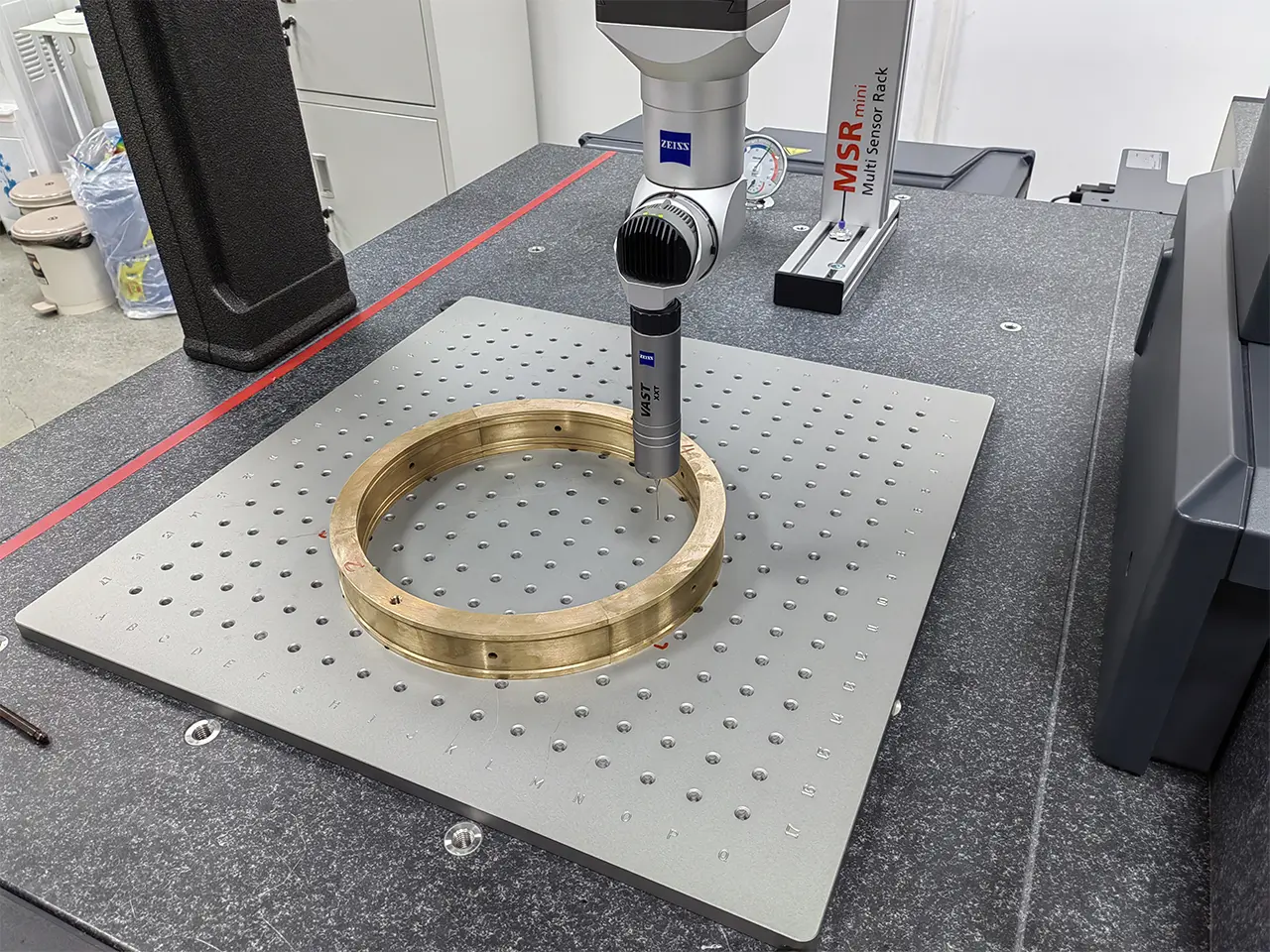
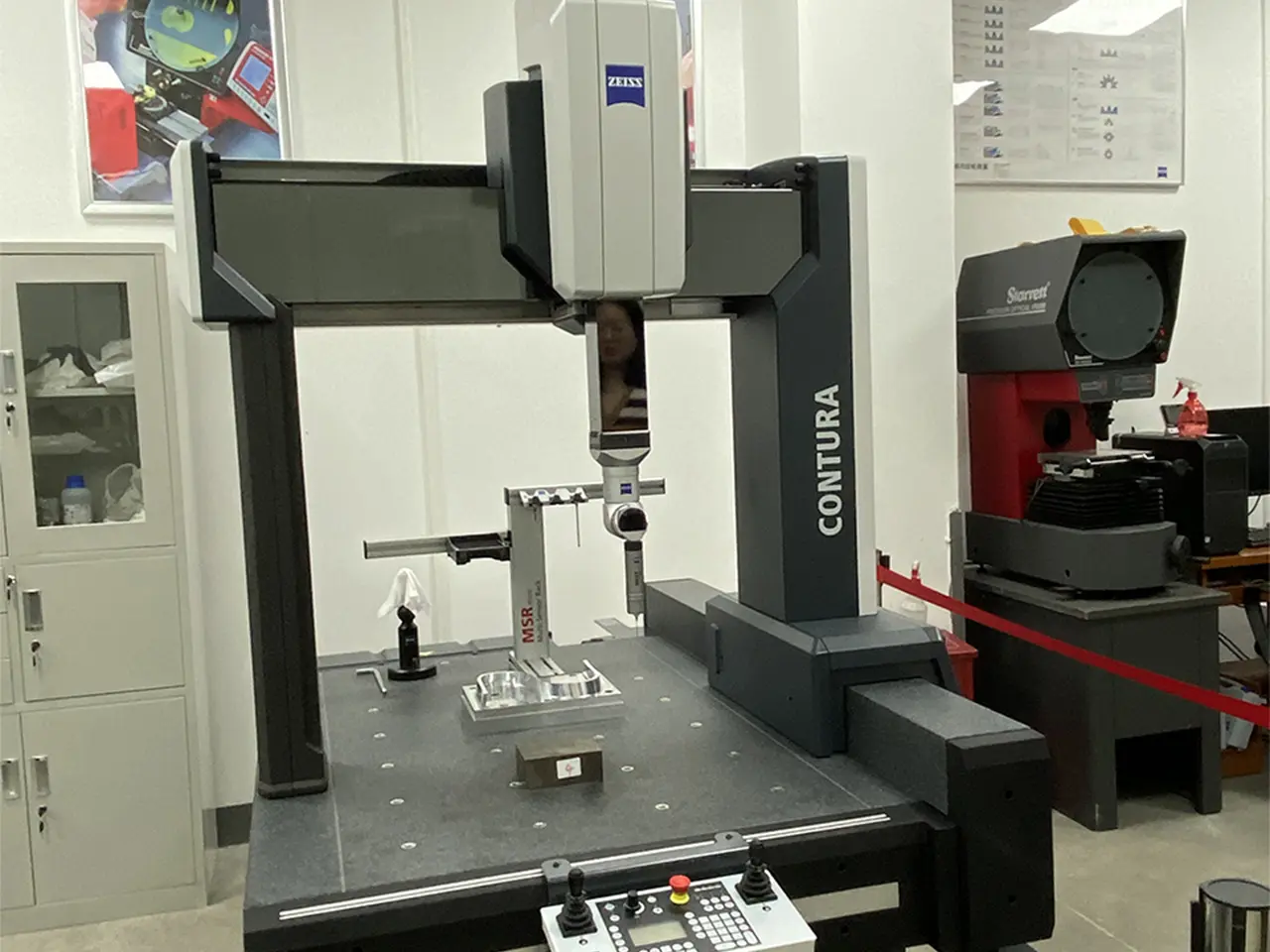
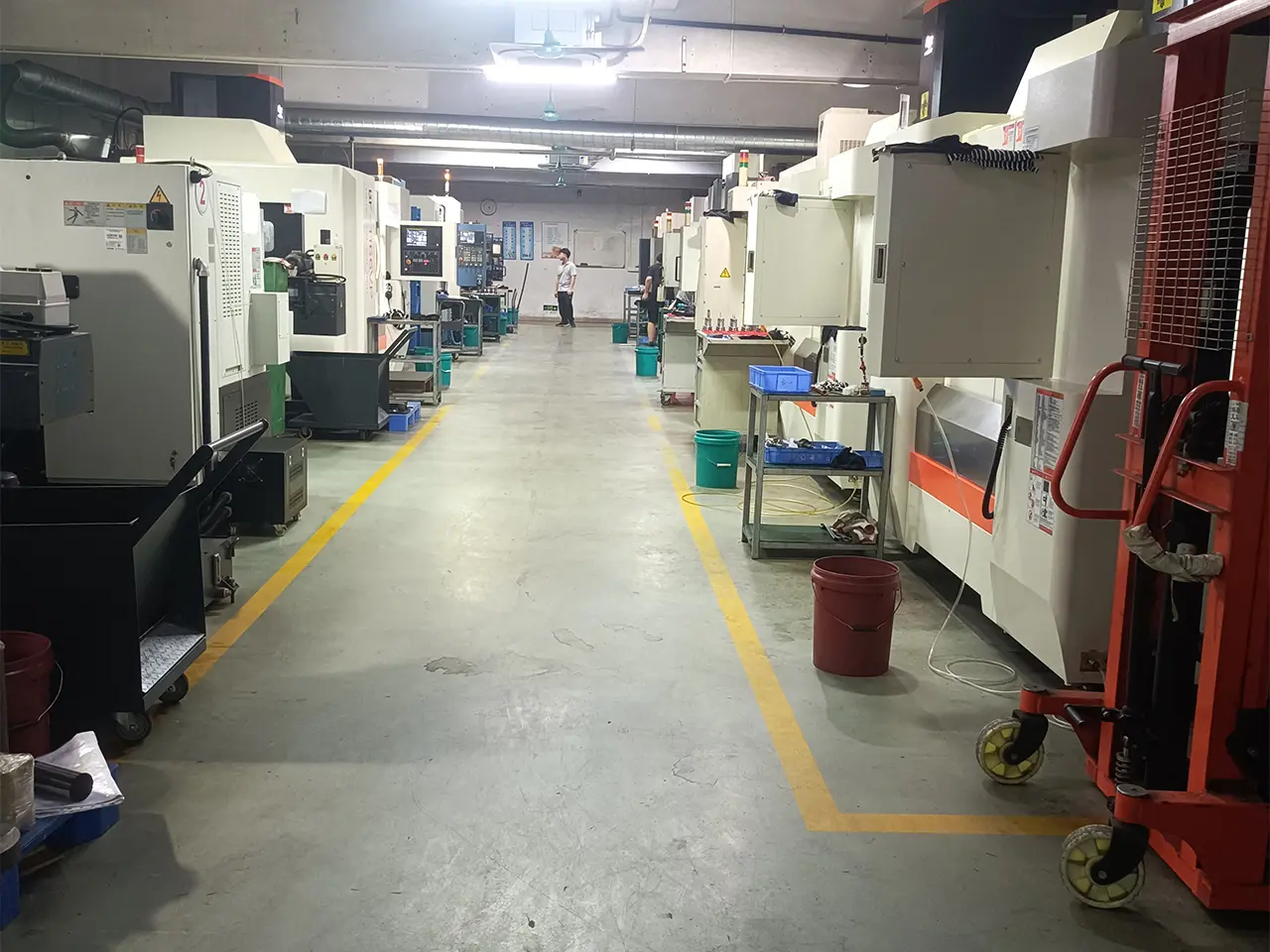
Our dedicated QC department maintains strict adherence to close tolerances and high standards. We use specialized, calibrated inspection equipment, including 3D Coordinate Measuring Machines (CMM), optical comparators, digital height gauges, thread plug gauges, and surface roughness testers.
Every casting run starts with a spectrometer analysis of the molten metal prior to pouring. This verifies the chemical composition of the copper, zinc, lead, and trace alloying elements matches the required standards. Once cast, components undergo automated CNC post-machining, followed by dimensional inspection to verify they meet all GD&T drawing requirements.
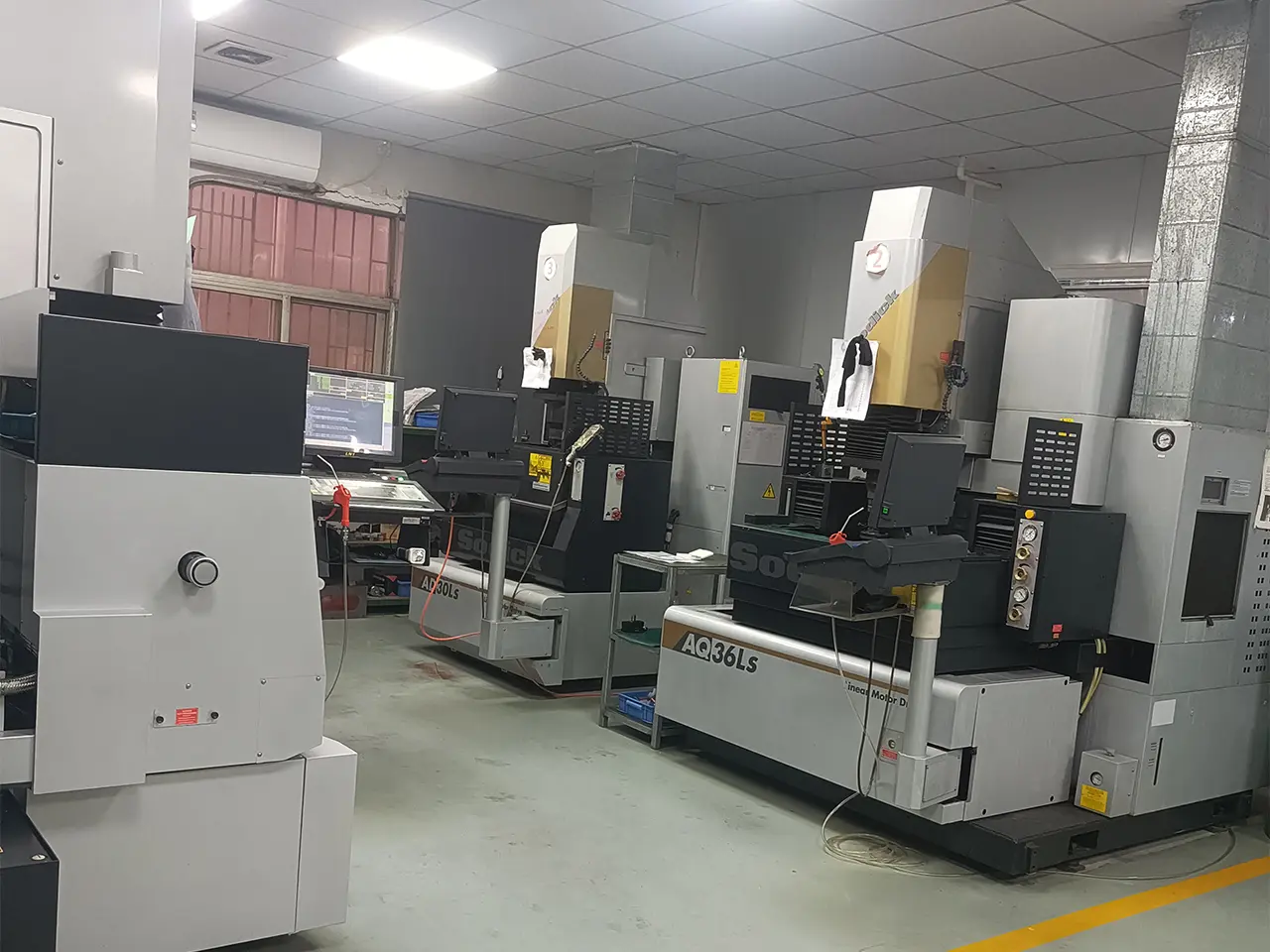
As global environmental standards tighten and smart factories become the norm, the brass casting sector is undergoing a major technological shift. Dongguan SX Technology is committed to keeping our processes at the cutting edge of these developments.
Traditional free-machining brass contains small percentages of lead (typically 1.5% to 3.5%) to lubricate cutting tools and chip breakers. To comply with RoHS, REACH, and strict drinking water regulations, we have transitioned major product lines to lead-free silicon-brass (e.g., C87850/C69300 ECO BRASS). These alloys maintain high mechanical strength and corrosion resistance without compromising environmental safety.
To avoid gas porosity, cold shuts, and shrinkage cavities, we run computer-aided casting simulations (Finite Element Method) prior to tooling fabrication. By modeling flow velocities, thermal gradients, and solidification rates inside the mold cavity, we optimize gate and riser positions before melting any metal. This reduces mold revisions and ensures high structural integrity from the very first casting.
Consistency is key to quality casting. We continue to integrate automated robotic ladles and temperature-controlled pouring cells. Automation minimizes human error and thermal variation, resulting in uniform metallurgical grain structures. Once cast, automated finishing cells quickly gate and deburr the parts, streamlining throughput to our CNC machining stations.
We serve engineering teams across the United States, Germany, Japan, and the United Kingdom. We cross-reference and align with several major international copper and brass material standards to ensure compliance:
| UNS / ASTM Standard (US) | EN / DIN Standard (Europe) | JIS Standard (Japan) | GB Standard (China) | Material Characteristics & Ideal Use Cases |
|---|---|---|---|---|
| C36000 (Free-Cutting Brass) | CuZn39Pb3 (CW614N) | C3604 | HPb59-1 | Excellent machinability and thread integrity. Ideal for fasteners, fluid connectors, and sensor bodies. |
| C37700 (Forging Brass) | CuZn39Pb2 (CW617N) | C3771 | HPb59-2 | High hot-workability and plasticity. Ideal for heavy-duty valve stems, manifold couplings, and fittings. |
| C46400 (Naval Brass) | CuZn38Sn1 (CW712R) | C4640 | HSn62-1 | Enhanced corrosion resistance in saline solutions due to trace tin. Used in marine shafts, pump wear rings. |
| C84400 (Semi-Red Brass) | CuZn15Pb4Al (CC491K) | CAC403 | ZCuZn16Si4 | Excellent pressure tightness and castability. Ideal for water meters, pump casings, low-pressure pipe systems. |
| C87850 (Eco-Brass / Lead-Free) | CuZn21Si3P (CW724R) | C69300 | QSi3-1 | Completely lead-free, high yield strength. Compliant with safe drinking water standards, high-end consumer appliances. |
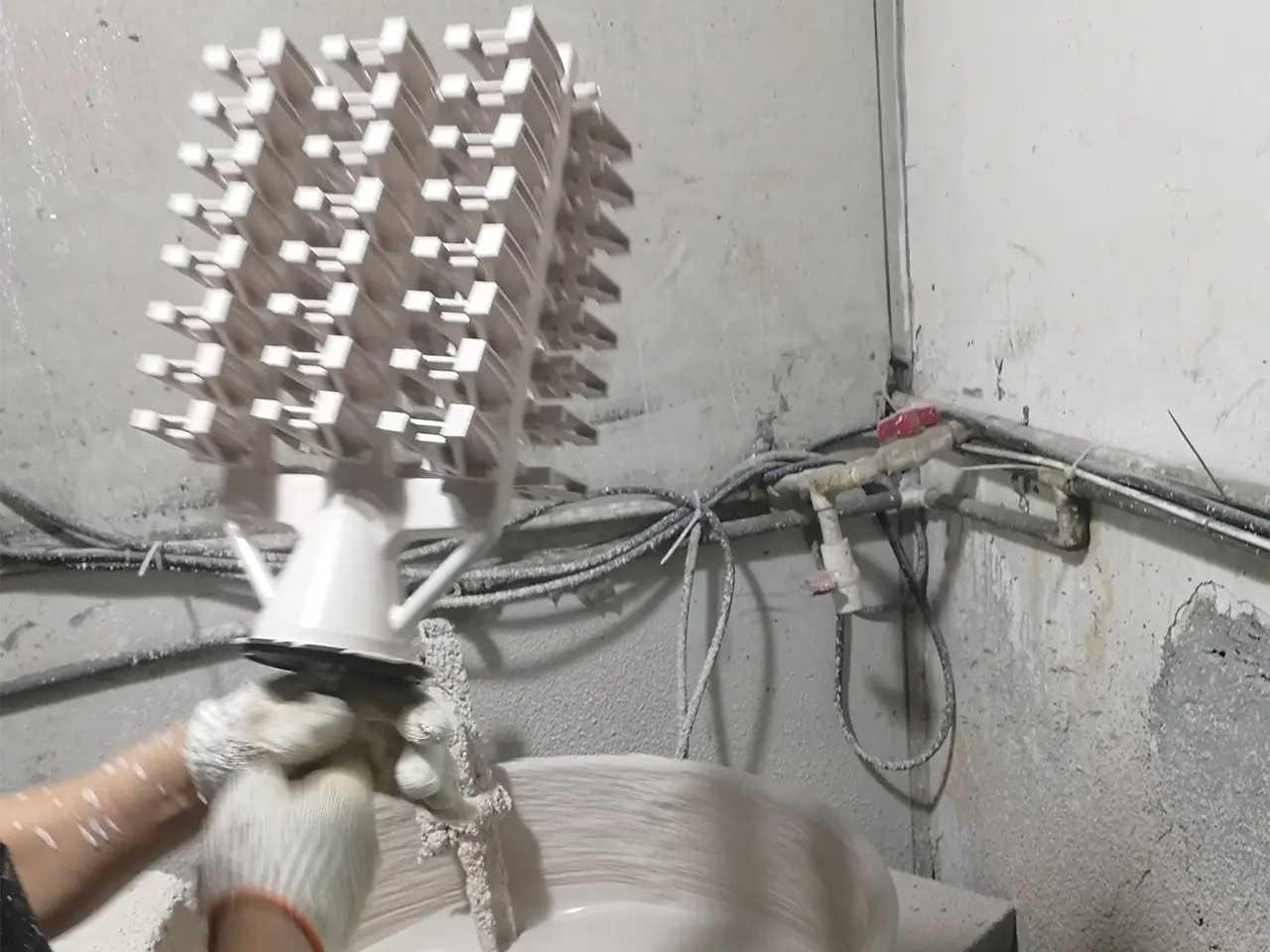
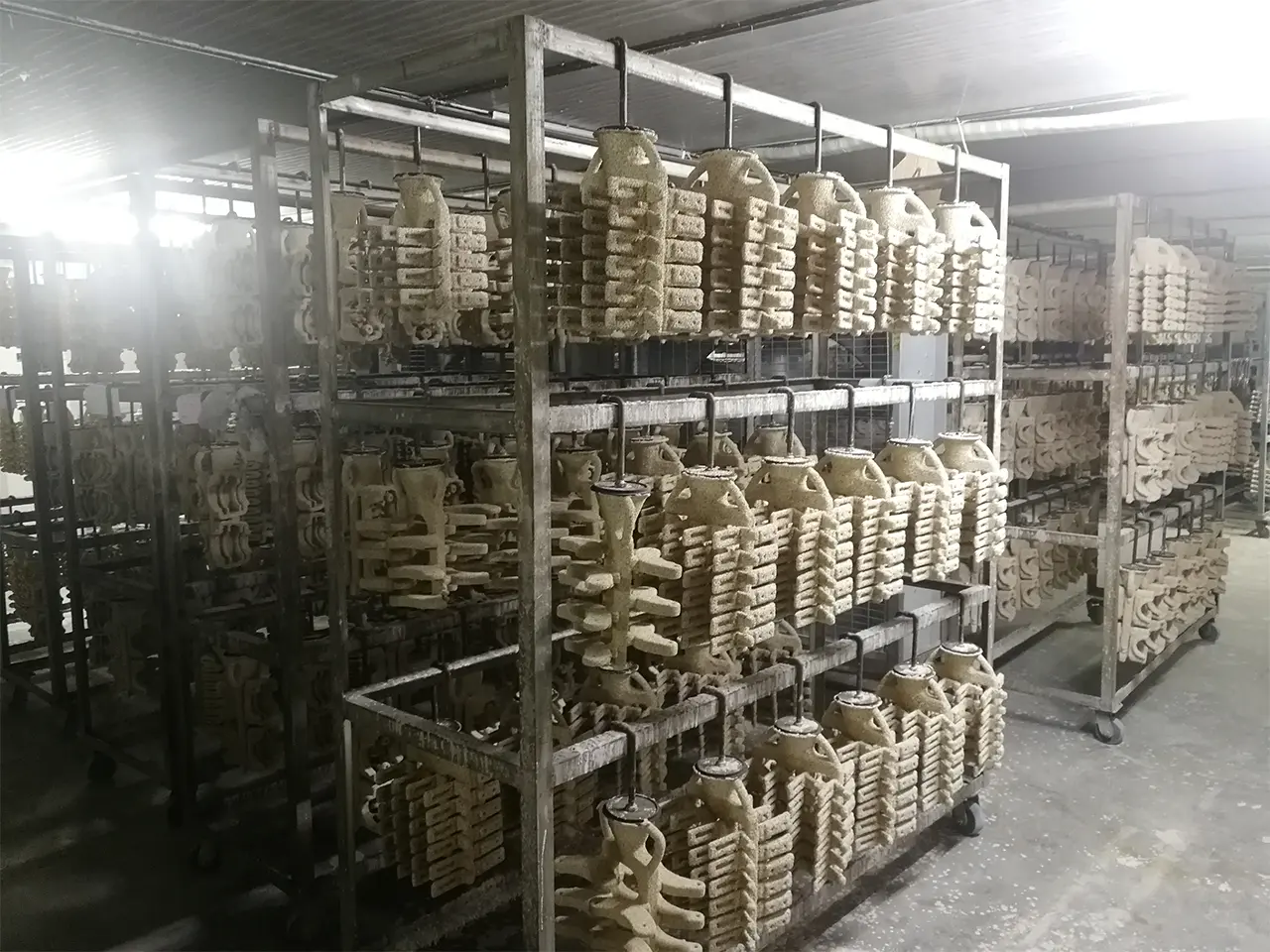
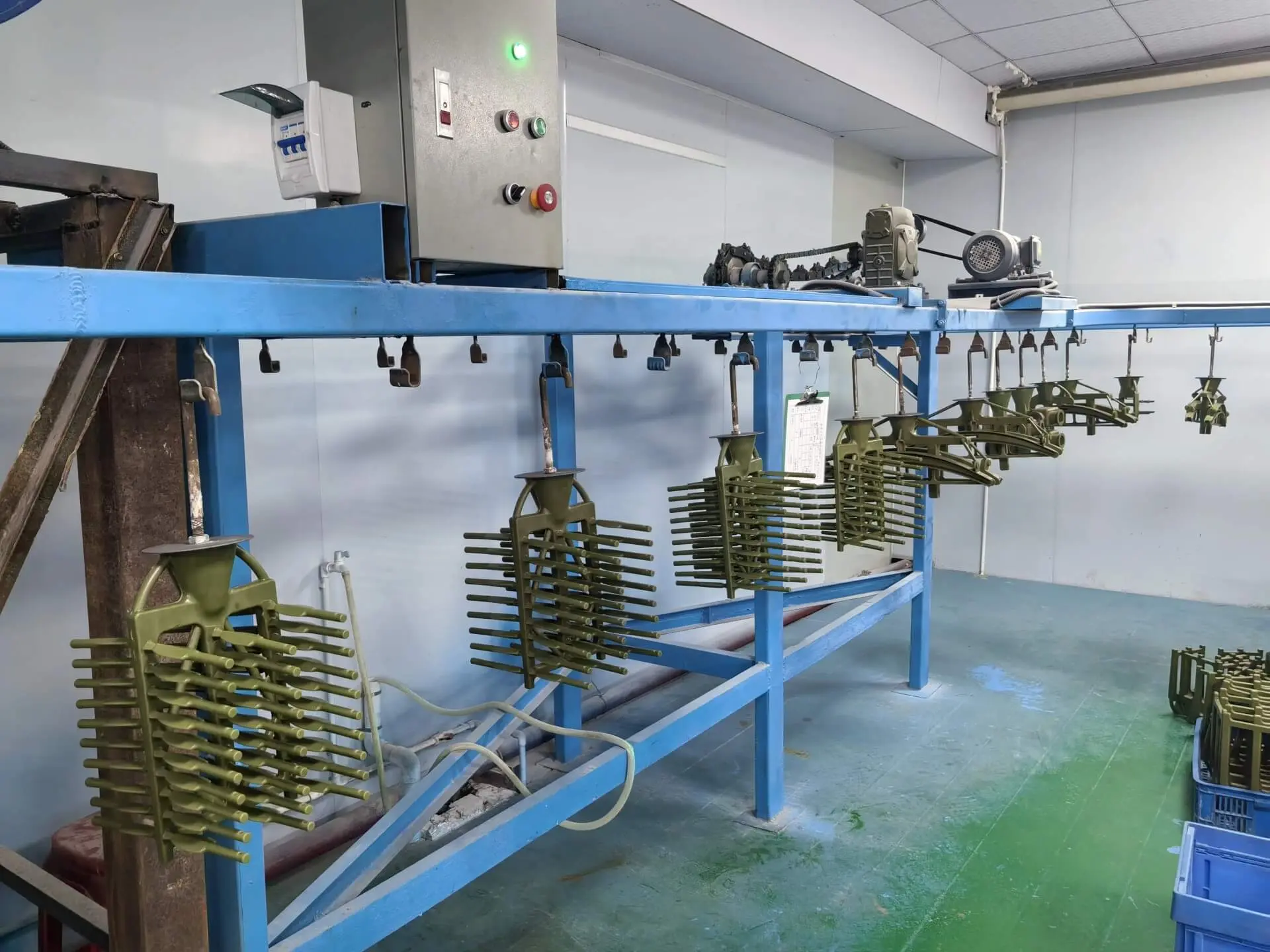
The primary differences lie in dimensional accuracy, surface finish, tooling cost, and production volume. Brass investment casting (lost-wax) utilizes expendable wax patterns coated with a ceramic slurry to yield precise tolerances (ISO 8062-3 DCTG 6-8) and an excellent surface finish (Ra 3.2-6.3µm), reducing the need for extensive post-machining. This process has higher initial tooling costs and is best suited for complex geometries. Sand casting, on the other hand, uses reusable sand molds. It has very low tooling costs and is highly cost-effective for large, thick-walled parts and low-volume production, but yields wider tolerances (DCTG 11-13) and a rougher surface finish (Ra 12.5-25µm) that typically requires secondary machining.
We prevent internal leakage by managing gas porosity and shrinkage defects through a multi-step quality control process. We run casting simulation software to optimize our gating, riser, and venting layouts. During casting, we perform argon degassing on the molten alloy to remove dissolved hydrogen. Every batch of castings undergoes non-destructive testing (NDT), including ultrasonic and dye penetrant inspections, as well as 100% hydrostatic and pneumatic leak testing at pressures designed to match or exceed the application's actual operating conditions.
To meet international environmental and safety standards, we cast silicon-brass and bismuth-brass alloys. Our primary lead-free options are C87850 (Eco-Brass, CuZn21Si3P) and C69300, both of which restrict lead content to below 0.09%. These alloys offer mechanical properties comparable to high-strength carbon steels and demonstrate excellent resistance to dezincification and stress-corrosion cracking, making them ideal for municipal water systems, food processing machinery, and consumer electronics.
While the raw casting tolerance generally falls within the ISO 8062-3 DCTG 6 to 8 range, our in-house CNC machining workshop regularly achieves tight machining tolerances of ±0.005mm (5 microns) on critical dimensions, such as bearing bores, valve seats, and precision mating surfaces. We use multi-axis CNC milling centers, precision CNC lathes, and dedicated fixtures to maintain alignment across operations, ensuring perfect geometric dimensioning and tolerancing (GD&T).
Lead times are structured as follows: Tooling design and fabrication for investment castings takes roughly 12 to 18 days. Once the mold tooling is verified, we produce initial sample prototypes within 5 to 7 days. Following sample approval, mass production orders are typically completed and ready for shipment within 3 to 4 weeks, depending on order volume and the complexity of any secondary CNC machining or plating operations.
 SX Machining