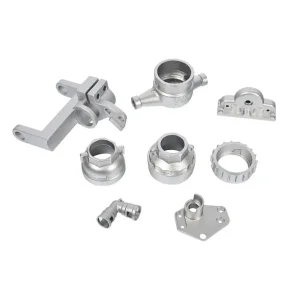
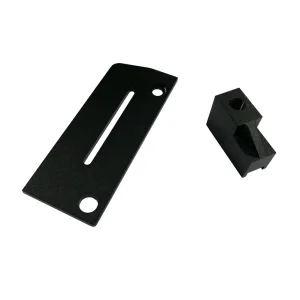
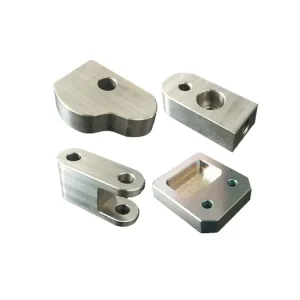
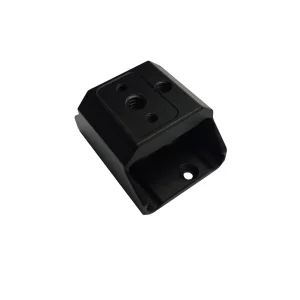
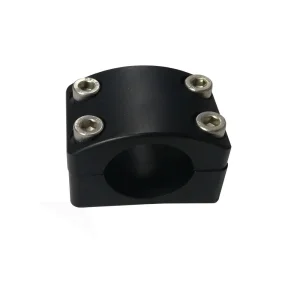
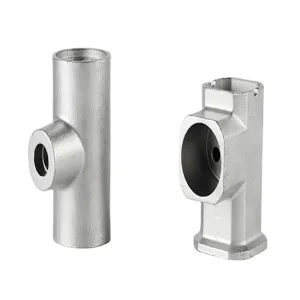
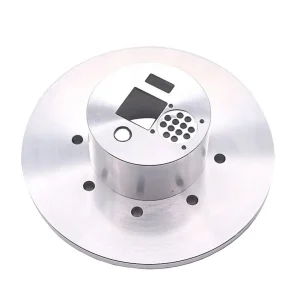
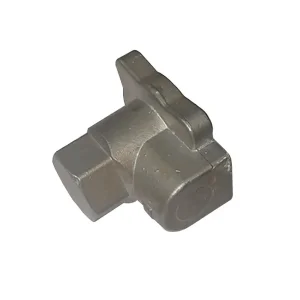
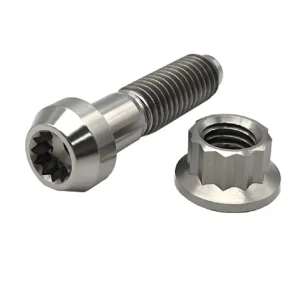
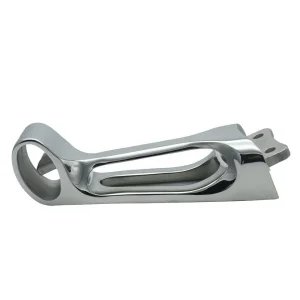
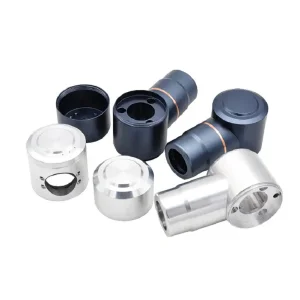
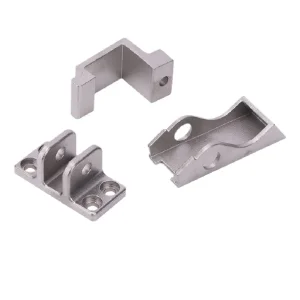
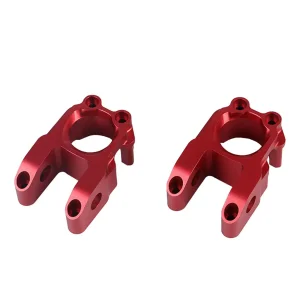
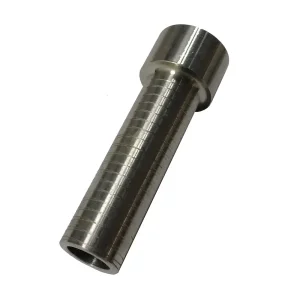
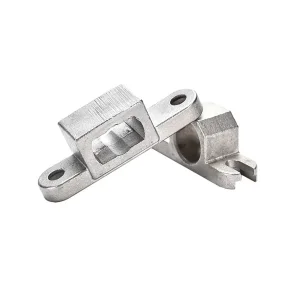
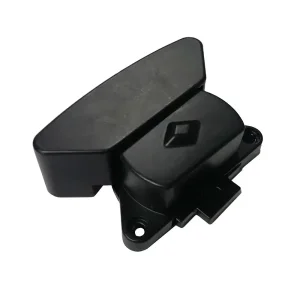
Explore our elite range of high-performance castings and multi-axis CNC machined parts, engineered for uncompromising structural integrity.
Founded in 2014, Dongguan SX Technology Co., Ltd (Shixin) has emerged as a premier tier-one manufacturing supplier, specialized in precision investment casting, CNC machining, and mechanical sub-assemblies. Leveraging state-of-the-art foundry facilities alongside advanced CNC centers, we streamline the process from design-to-prototype to high-volume production runs.
Our capabilities cover an extensive materials index: for investment castings, we primarily handle highly durable stainless steels (including austenitic, martensitic, and duplex grades) and carbon steels. Our precision CNC machining operations process advanced profiles in titanium alloys, aluminum alloys, copper alloys, cemented carbide, and specialized engineering plastics.
By blending advanced metallurgical engineering with sub-micron CNC tolerances, we supply key components across diverse verticals, including aerospace, automotive, marine instrumentation, industrial fluid control valves, process packaging machinery, and high-end electronics.
An in-depth look into technological evolution, strategic procurement requirements, and the digital transformation of China's heavy supply chains.
Modern global commerce requires extreme resilience. Original Equipment Manufacturers (OEMs) across the Americas and Europe are steadily moving away from highly fragmented sourcing structures. By prioritizing integrated "Cast-and-Machine" partners, global enterprises mitigate risks associated with logistics, dimensional tolerance mismatch, and metallurgical quality disputes.
Today, sourcing agents seek suppliers capable of taking a raw casting and finishing it to sub-micron specifications. This structural shift has fueled the dominance of integrated manufacturers like Dongguan SX Technology Co., Ltd, which deliver unified oversight over both the foundry level (lost-wax investment casting) and the precision post-processing stage (CNC milling & turning).
"Integrating precision casting directly with multi-axis CNC post-machining eliminates intermediate quality failures, reduces lead times by up to 35%, and guarantees consistent mechanical properties across production lots."
In the high-precision parts procurement market, the criteria for selecting suppliers extend beyond unit price. Global purchasers utilize structured rating guidelines focusing on:
China's industrial landscape has transitioned from high-volume assembly to automated high-precision manufacturing. Industrial IoT (IIoT), automated temperature control in shell-building rooms, robotic pouring lines, and multi-axis CNC work cells have redefined local foundries. For global businesses, this means high batch-to-batch repeatability and minimal tool-wear variation, ensuring cost competitiveness at scale.
At Dongguan SX Technology, our integration of CNC turn-mill composite tooling and continuous investment in advanced monitoring software allow us to achieve tight tolerance metrics for challenging materials, such as titanium and cemented carbides, while minimizing raw material waste.
Take a virtual tour of our industrial production workshops and quality validation facilities.
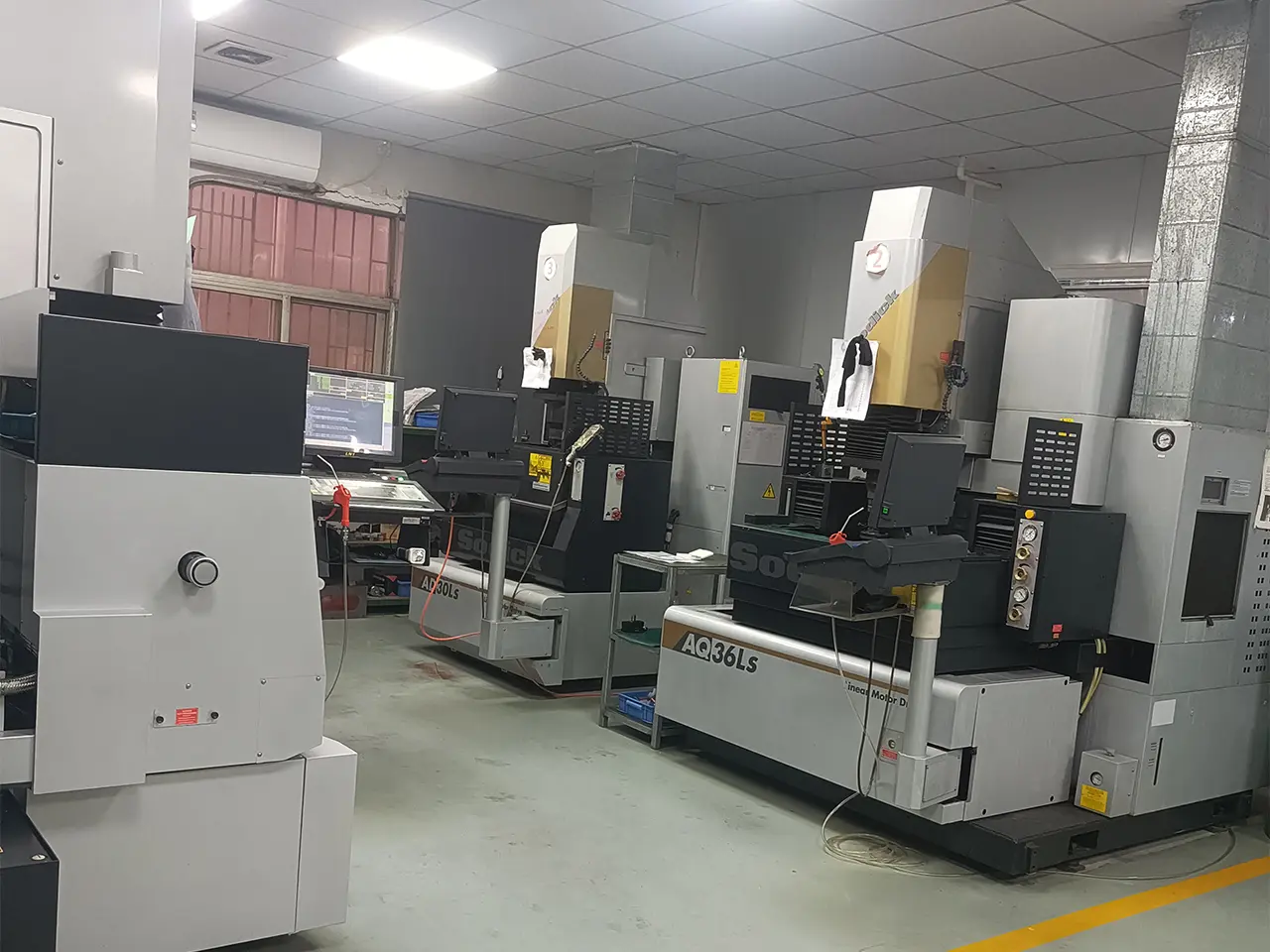
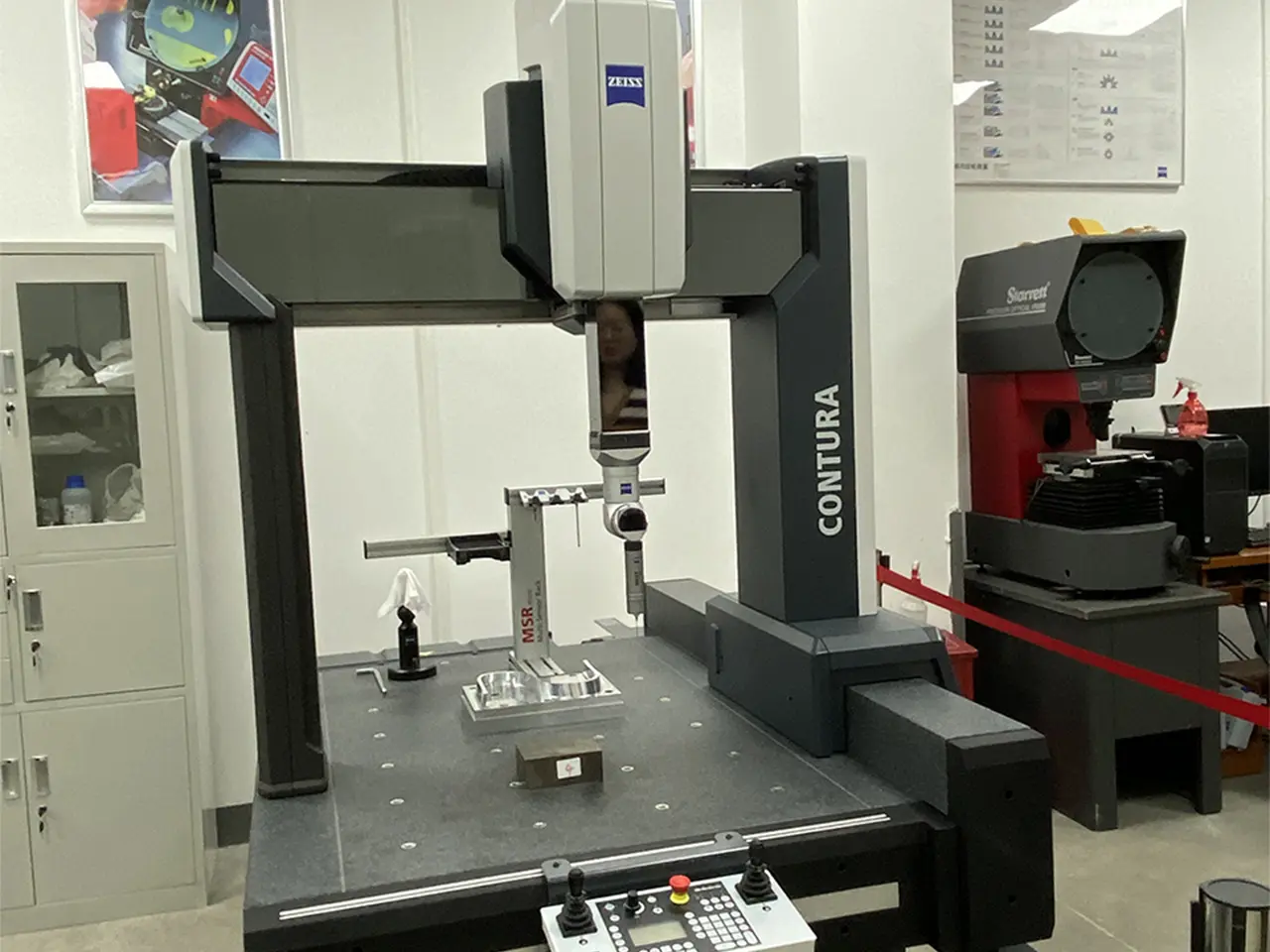
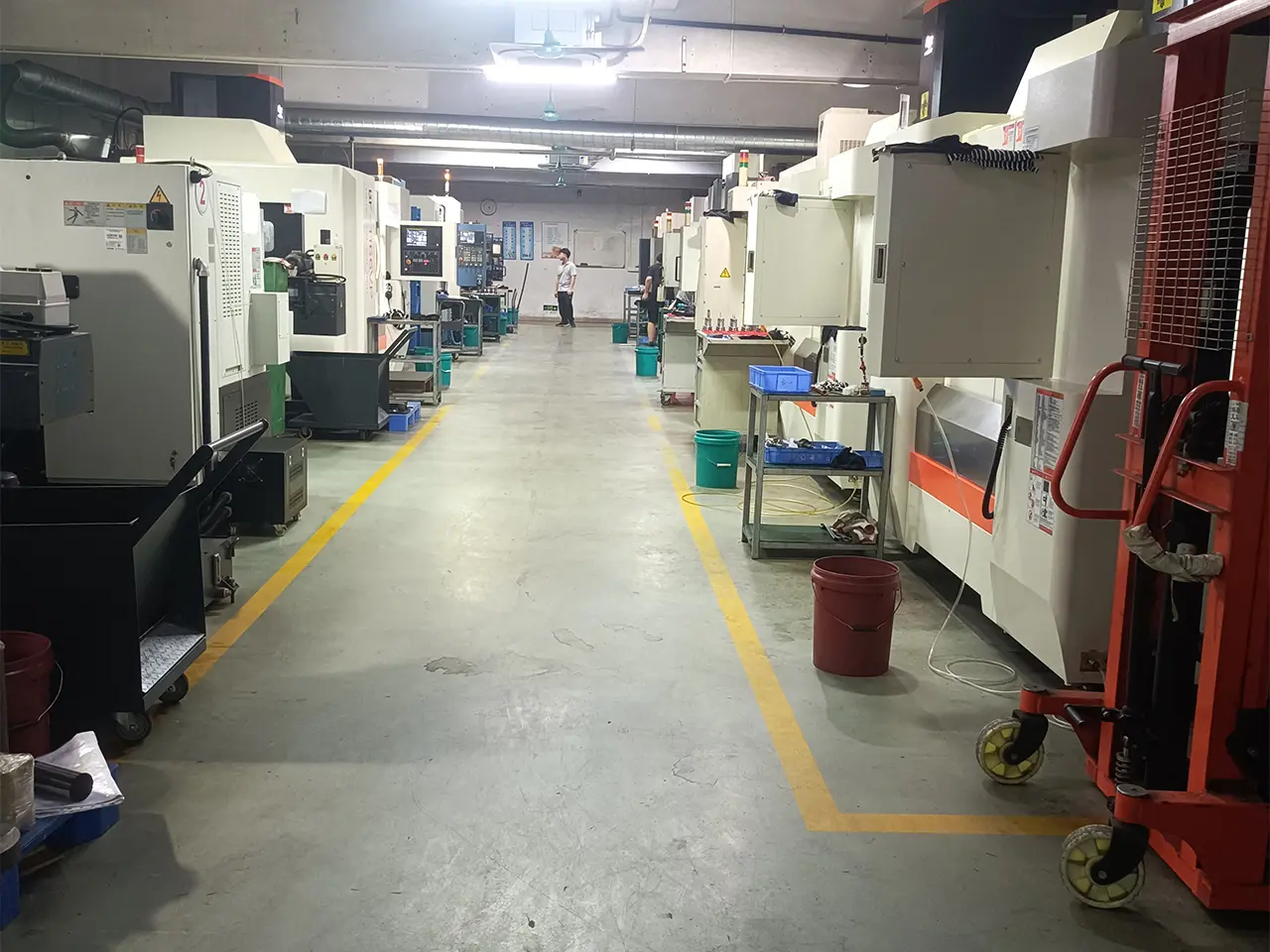
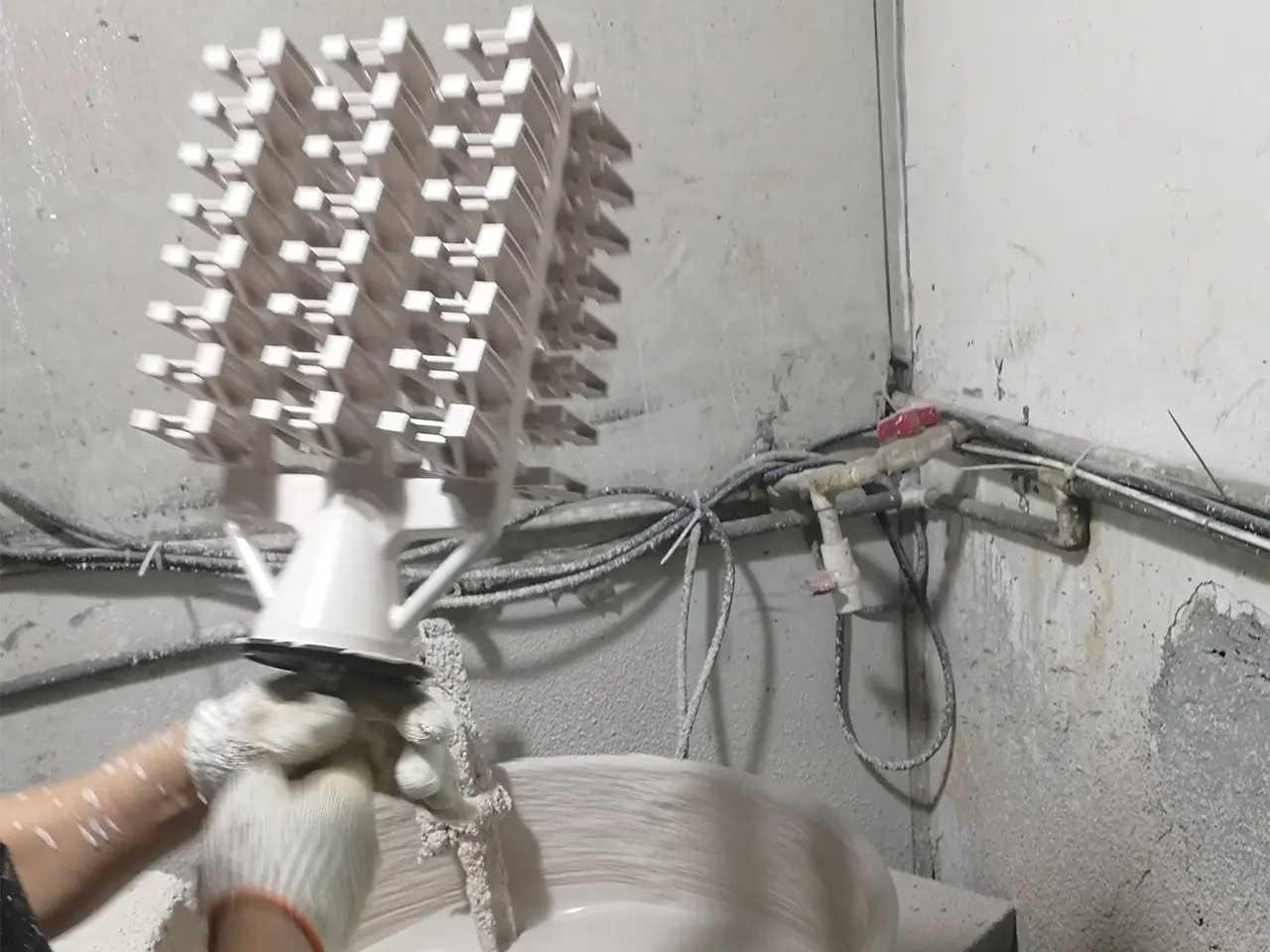
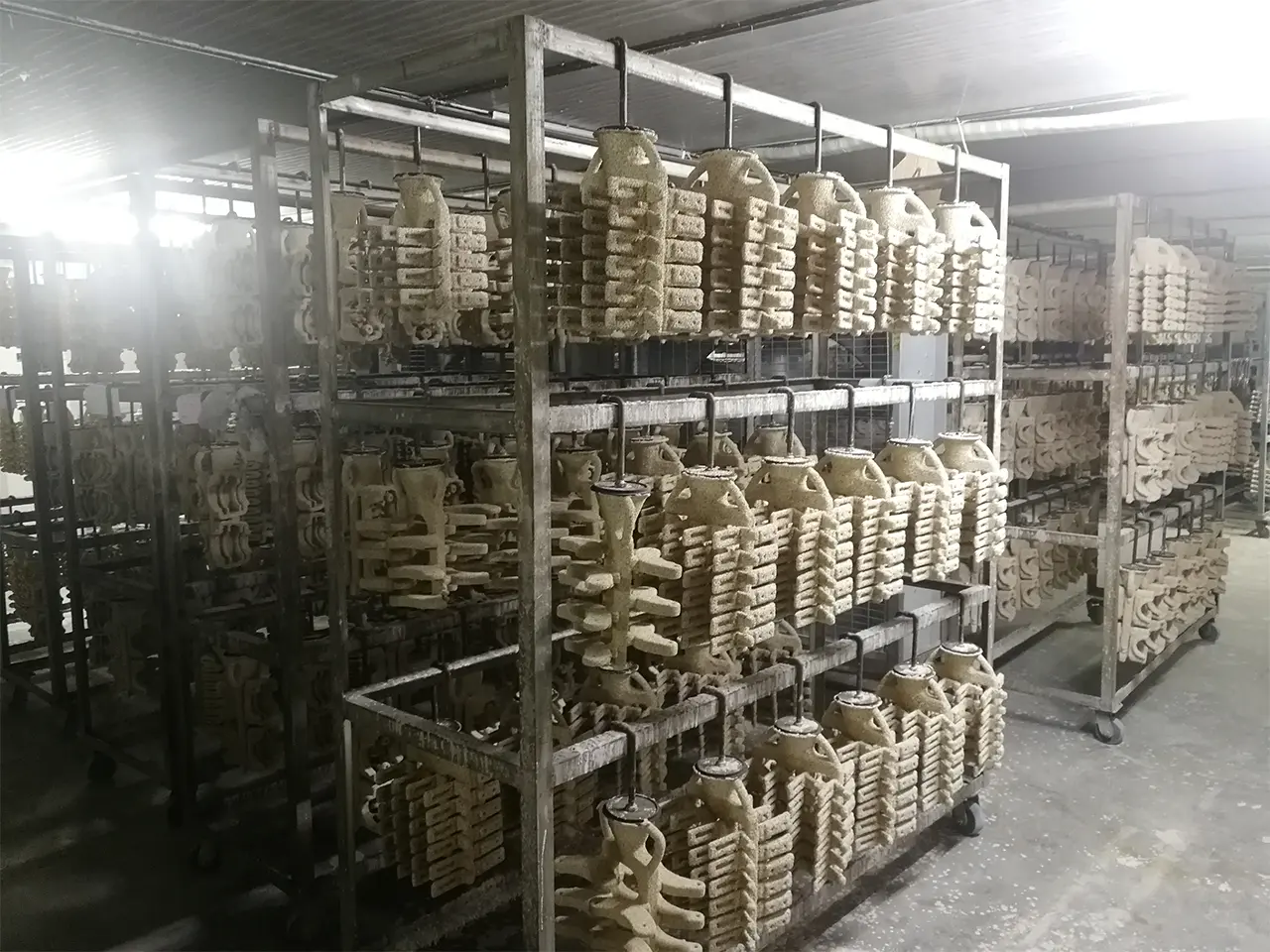
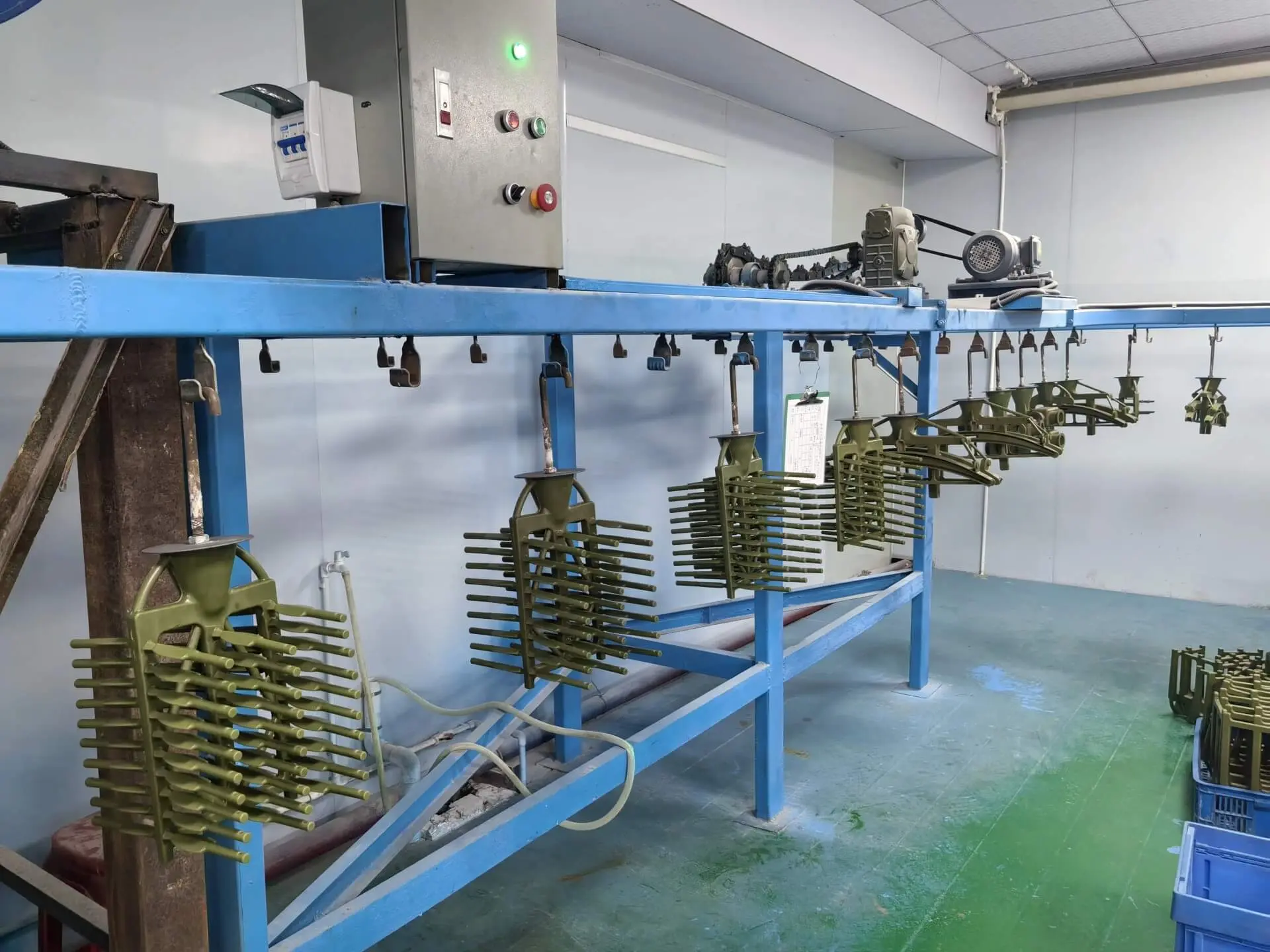
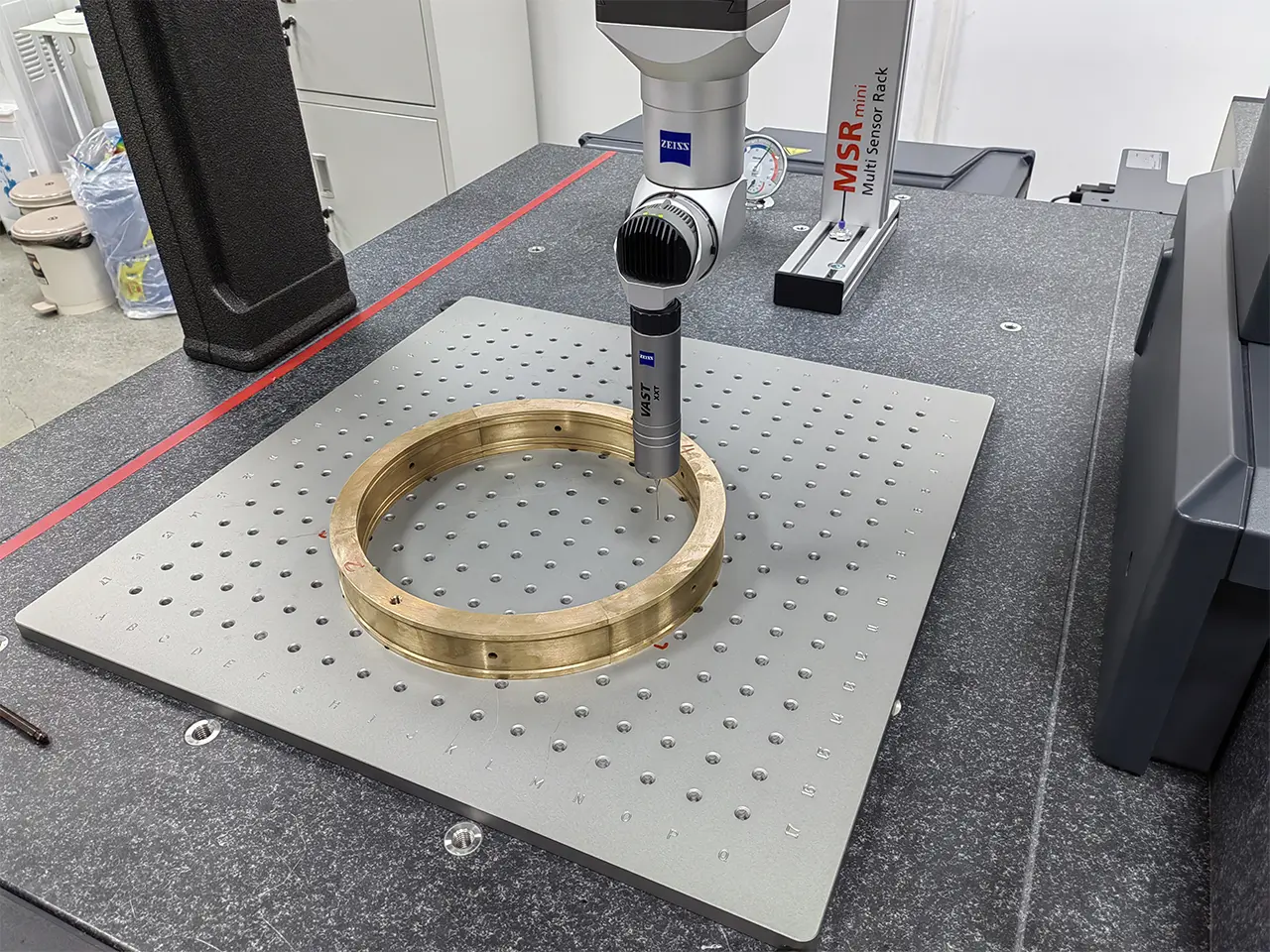
Quality is the cornerstone of our manufacturing operations. Since 2014, Shixin has continuously upgraded its metrology laboratory to maintain compliance with international tolerances. Our testing capabilities include Coordinate Measuring Machines (CMM), spectroscopic chemical analyzers for accurate melt tracking, hardness testers, and digital roughness gauges (Ra range check).
We work to strict guidelines, documenting every production run with comprehensive inspection reports, raw material certificates (EN 10204 3.1), and surface finish verifications to ensure parts are ready for immediate assembly upon arrival.
How our casting and machining expertise addresses performance requirements across key industries.
Utilizing high-grade austenitic (316L) and duplex stainless steel investment castings to combat severe chloride pitting and galvanic corrosion in deep-sea instrumentation and deck hardware.
Custom automotive investment castings combined with lightweight high-strength aluminum alloy CNC machining, driving down weight while maintaining structural safety factors.
Supplying pressure-retaining valve bodies, pump impellers, and fluid control manifolds requiring strict non-porosity standards, pressure testing, and chemical resistance.
Explore our high-durability, custom machined parts built to exceed international industry standards.
Find answers to key technical questions about investment casting tolerances, machining capabilities, and material selection.
 SX Machining