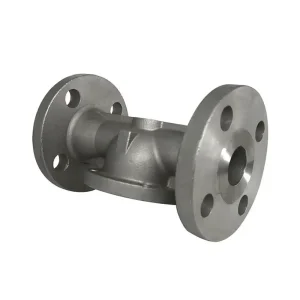
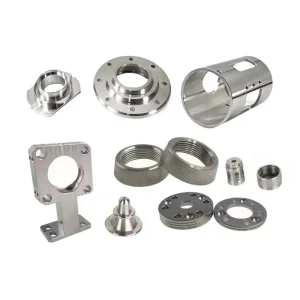
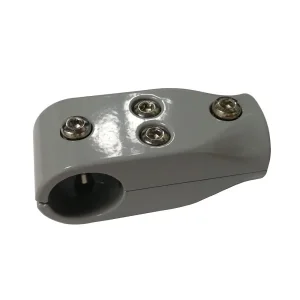
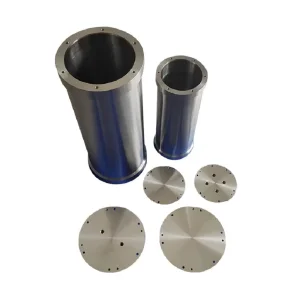
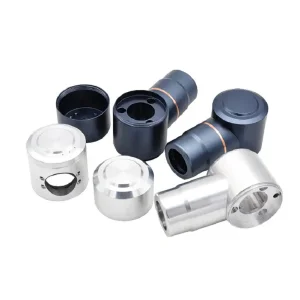
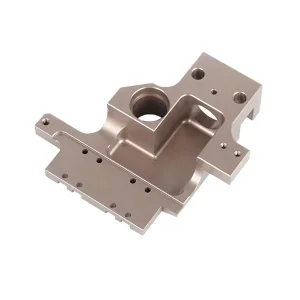
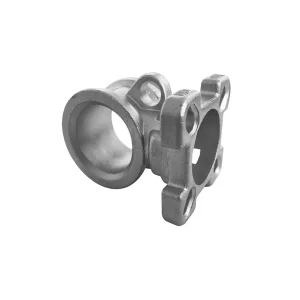
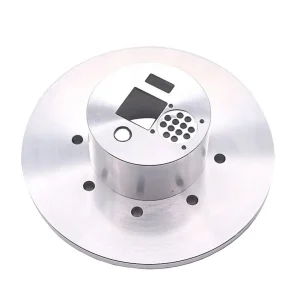
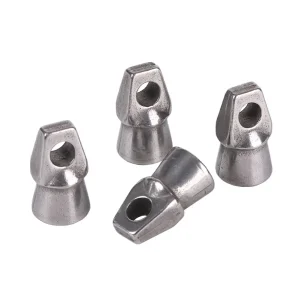
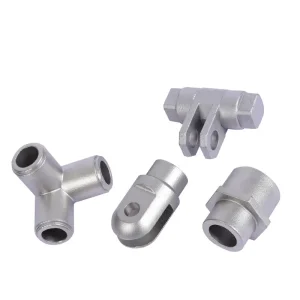
Explore our comprehensive range of high-performance components manufactured via state-of-the-art aluminum casting, precision stainless steel investment casting, and multi-axis CNC machining.
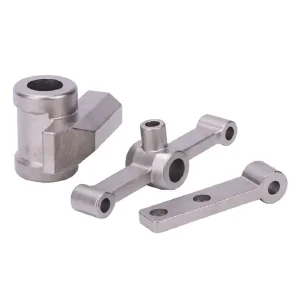
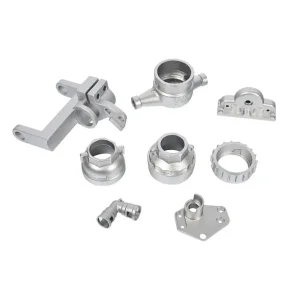
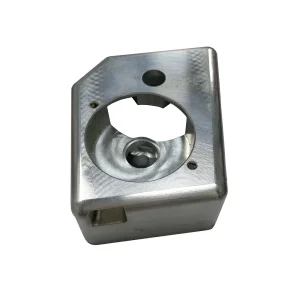
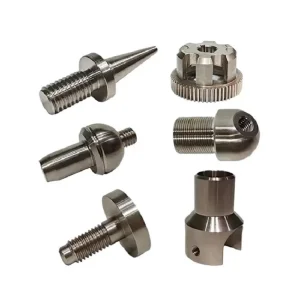
Lost wax casting, also systematically classified as investment casting, represents one of the most reliable and precise manufacturing routes for complex, near-net-shape aluminum configurations. While historically favored for its exceptional design freedom, the modern paradigm of Aluminum Investment Casting has evolved into a highly integrated science, driven by critical requirements across aerospace, defense, marine, and high-end industrial systems.
Unlike carbon steel or stainless steel, casting aluminum alloys requires rigorous metallurgical oversight due to the metal's high susceptibility to oxidation, gas absorption, and localized hot-cracking. To overcome these constraints, elite Chinese suppliers utilize high-purity raw materials combined with dynamic degasification protocols and precision thermal control. By applying specialized vacuum processes and computerized mold heating, we ensure minimal volumetric shrinkage and highly controlled grain structure distribution, maximizing both fatigue resistance and tensile properties.
Enables the production of thin-walled configurations, internal undercuts, and intricate channels that are virtually impossible to machine from solid billets or create via die casting.
Delivers near-net-shape tolerances standardly maintaining CT4-CT6 levels under ISO 8062, drastically reducing the demand for extensive post-process machining.
Achieves superior surface roughness values, typically between Ra 3.2 to 6.3 μm, eliminating surface porosity and enhancing raw corrosion resistance.
Extreme Machining Tolerance
Optimized Surface Roughness
Established and Innovating Since
NDT Quality Assured
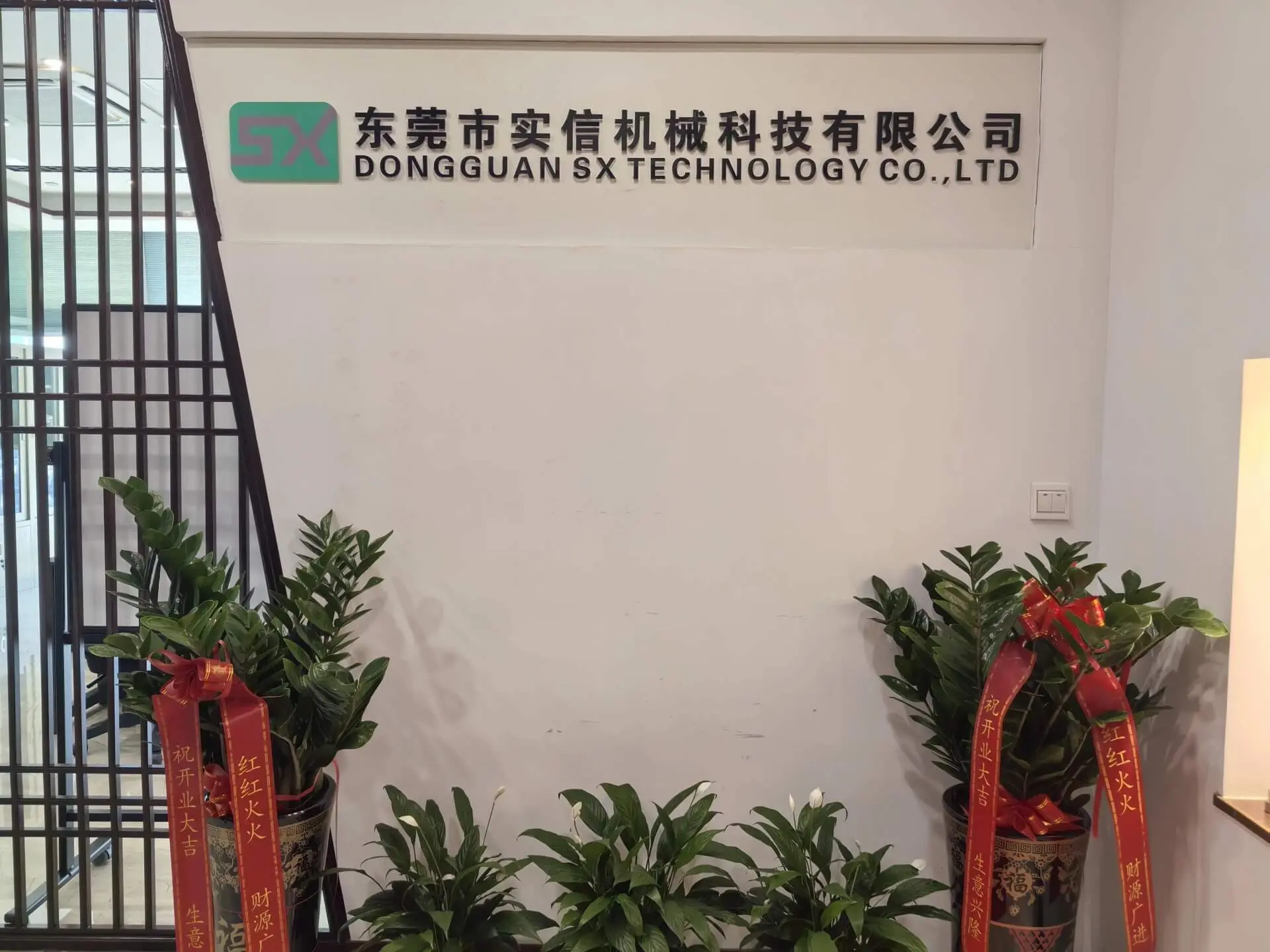
Dongguan SX Technology Co., Ltd. has very rich experience in precision casting, CNC machining and assembly. Our products are used in machinery, automobiles, marine, ships, equipment, valves and pumps, electronic appliances, packaging, watches, construction, chemical industry and other industries. The most commonly used materials for investment casting are stainless steel and carbon steel. And the most commonly used materials for CNC machining include titanium alloy, stainless steel, carbon steel, aluminum alloy, copper alloy, cemented carbide, etc. We have advanced manufacturing equipment and technology and are able to respond quickly to your needs.
Operating out of Dongguan, the global hardware manufacturing hub, Shixin integrates deep casting expertise with advanced 3-axis, 4-axis, and 5-axis CNC machining centers. This combination of casting and precision secondary machining allows us to deliver fully customized, plug-and-play components directly to our clients' assembly lines. By sourcing from a single provider, customers eliminate quality handoff disputes between raw casting foundries and finishing machine shops.
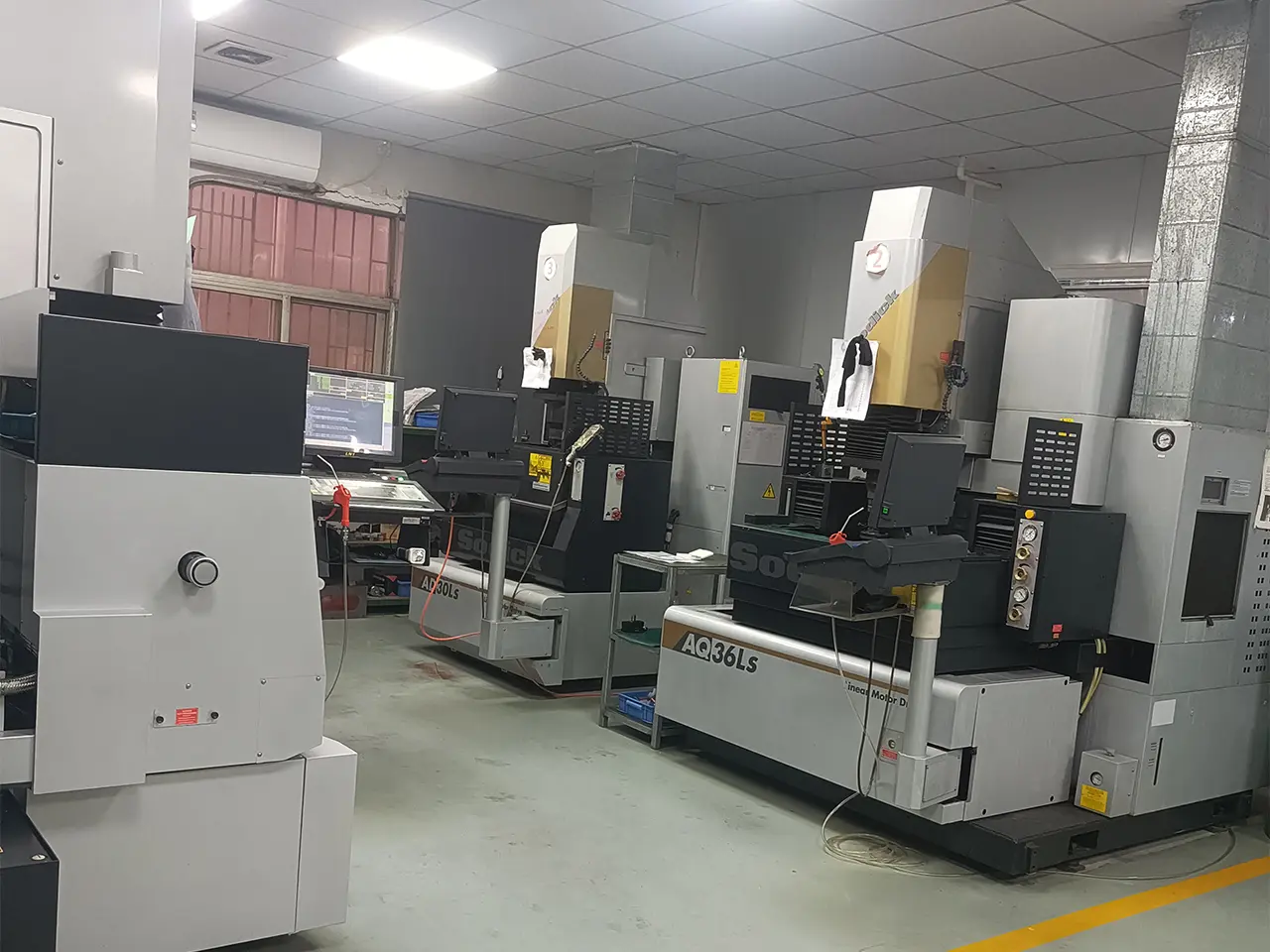
A visual tour inside our production floors, highlighting our investment casting dewaxing systems, automatic slurry lines, cleanroom pouring, and precision CNC milling and turning machinery.
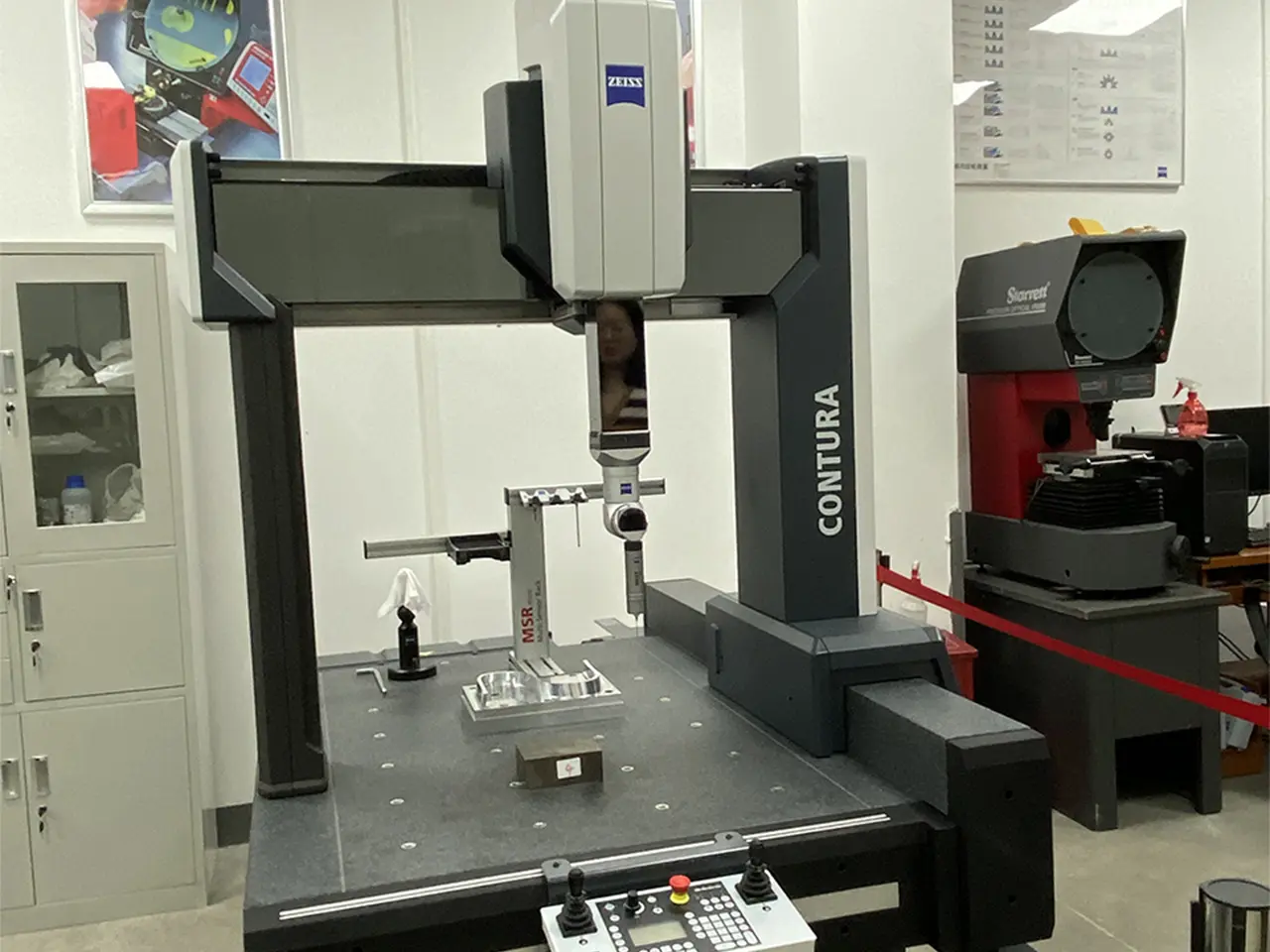
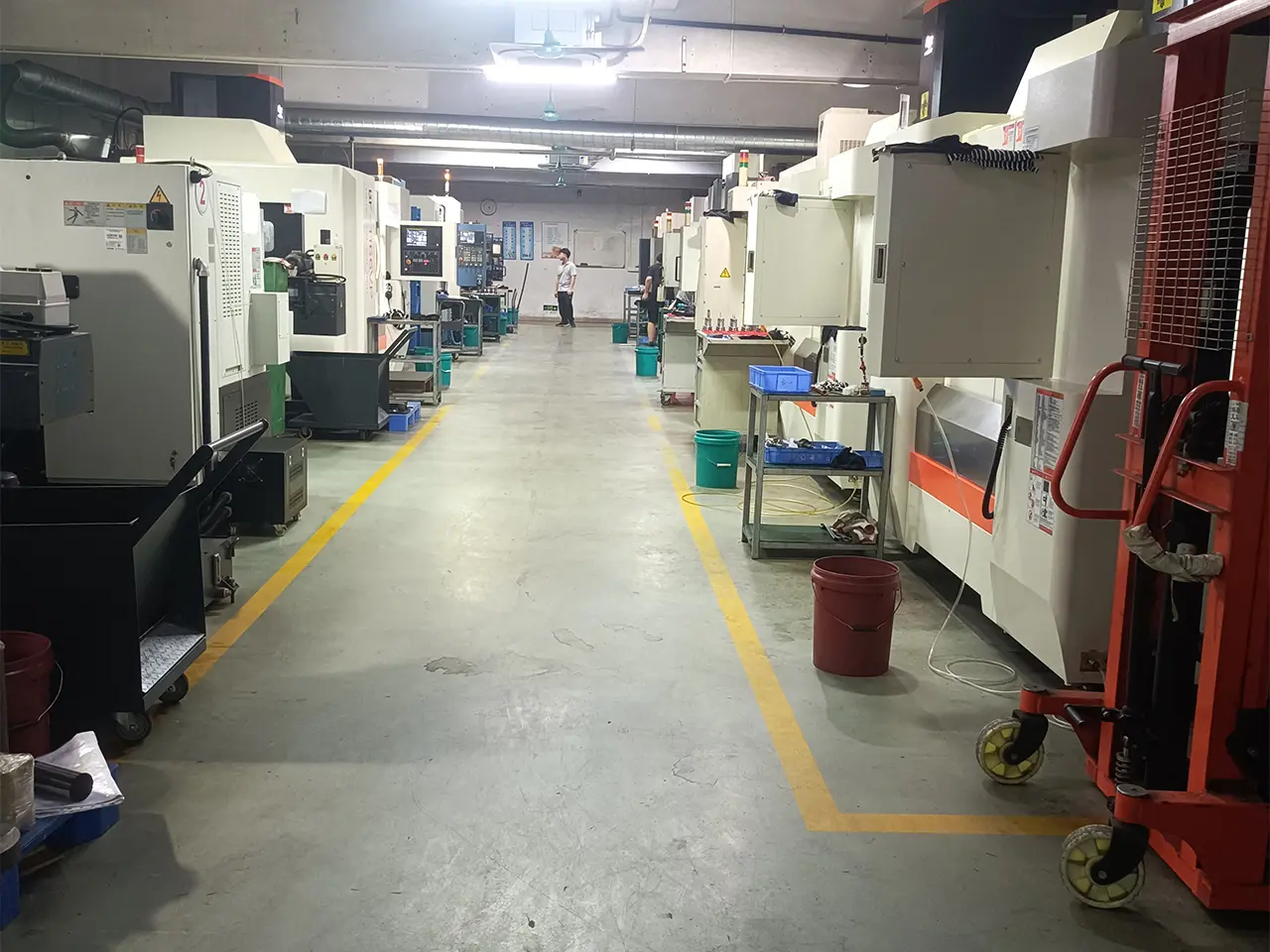
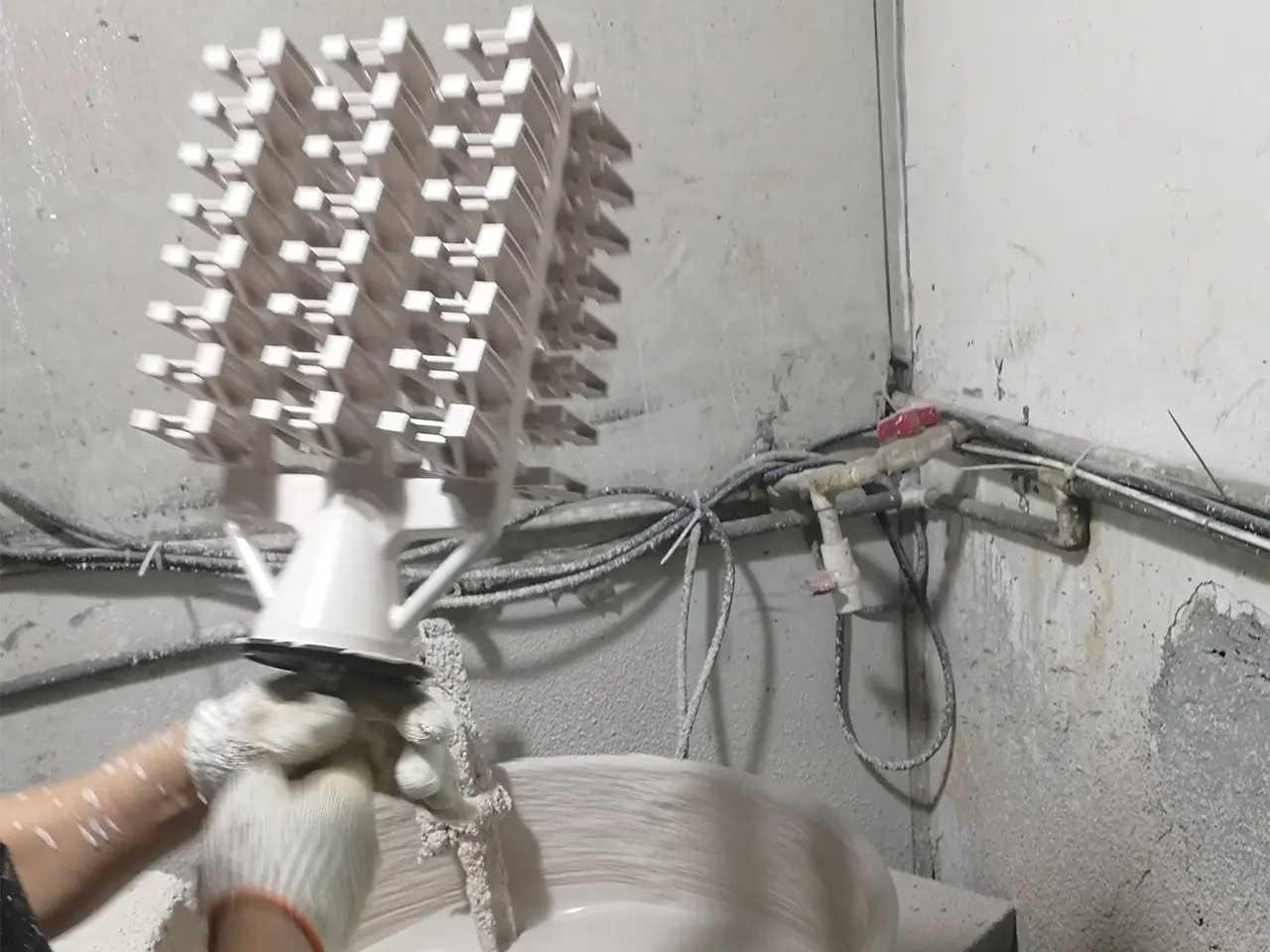
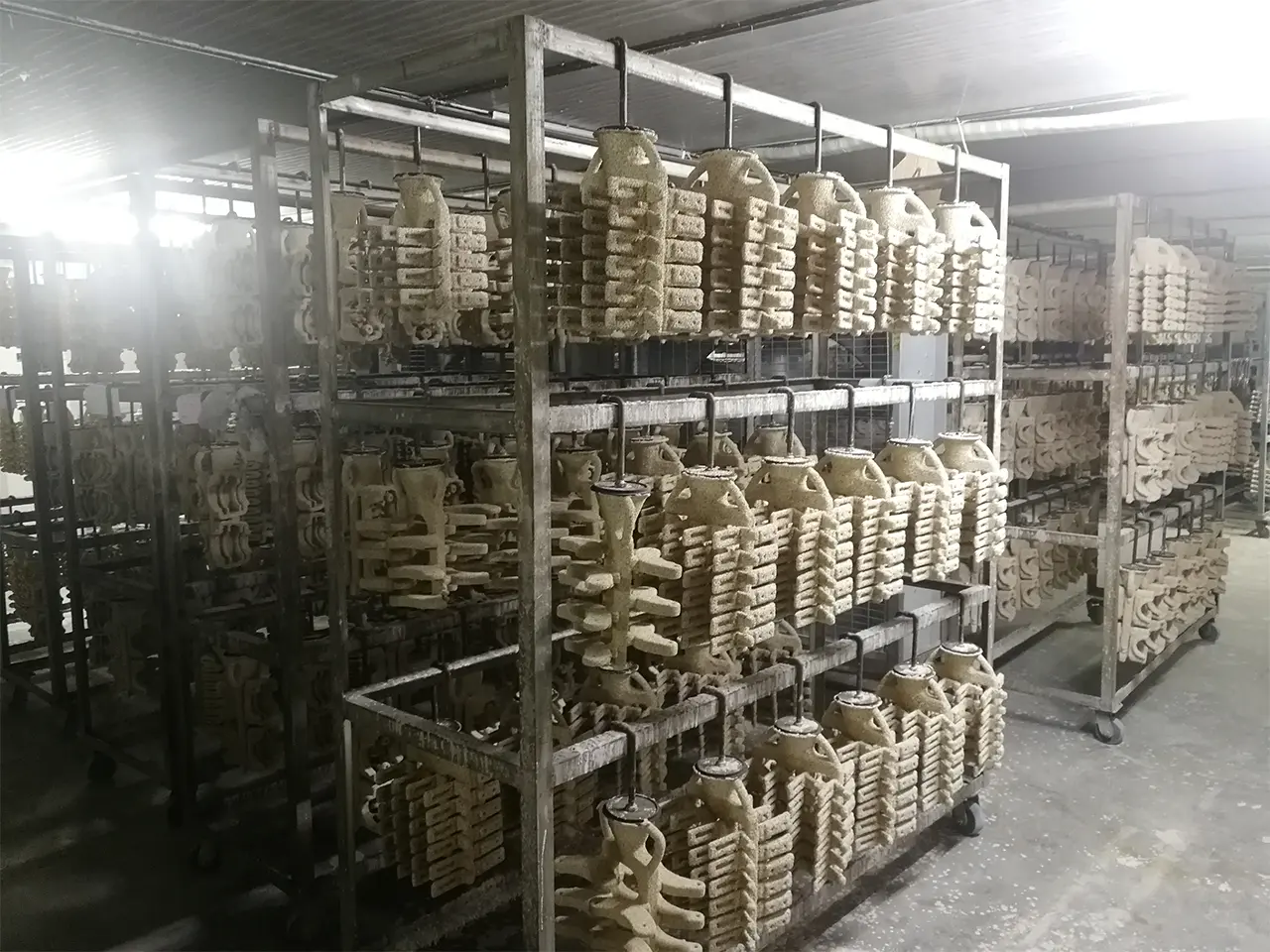
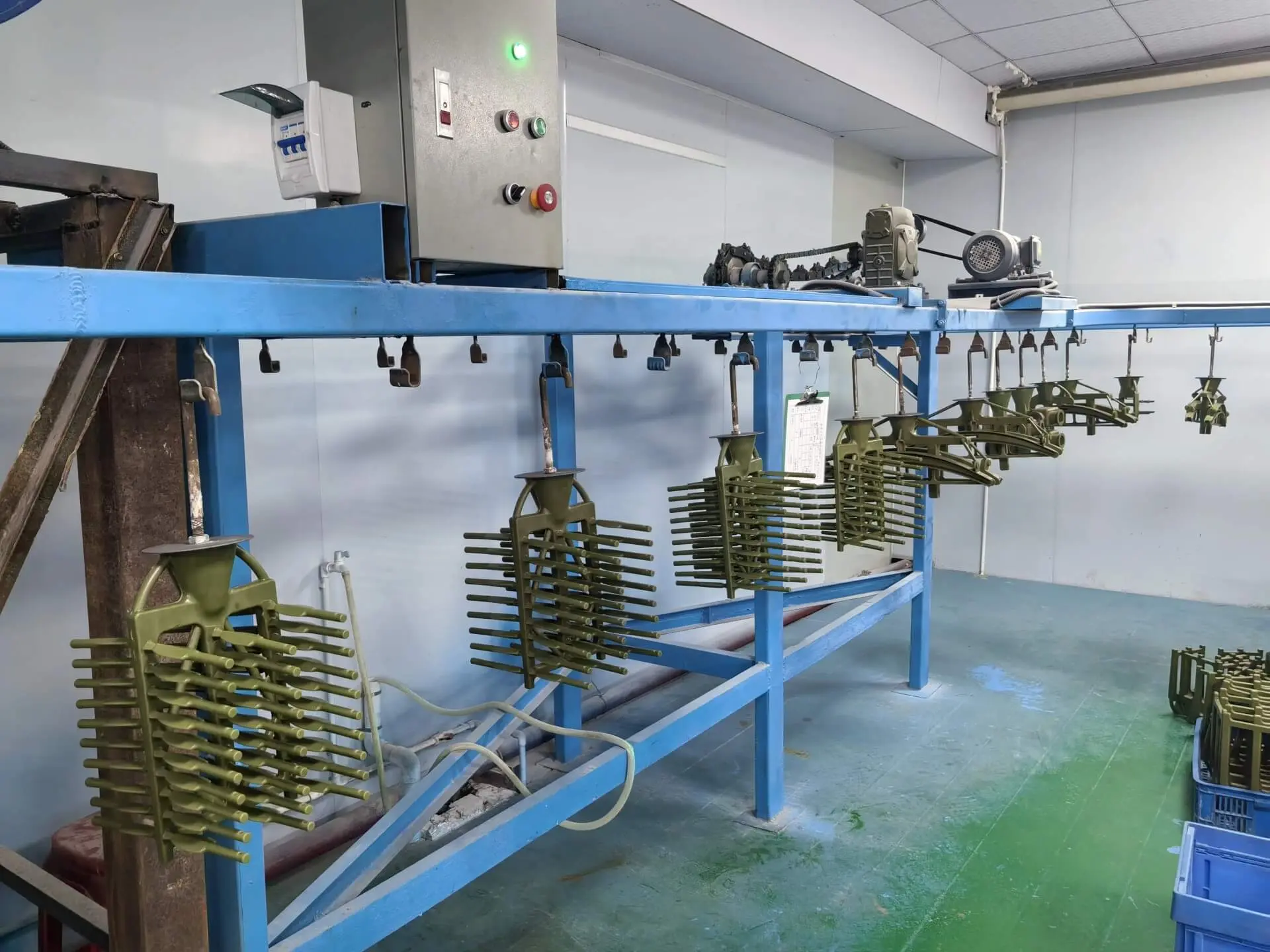
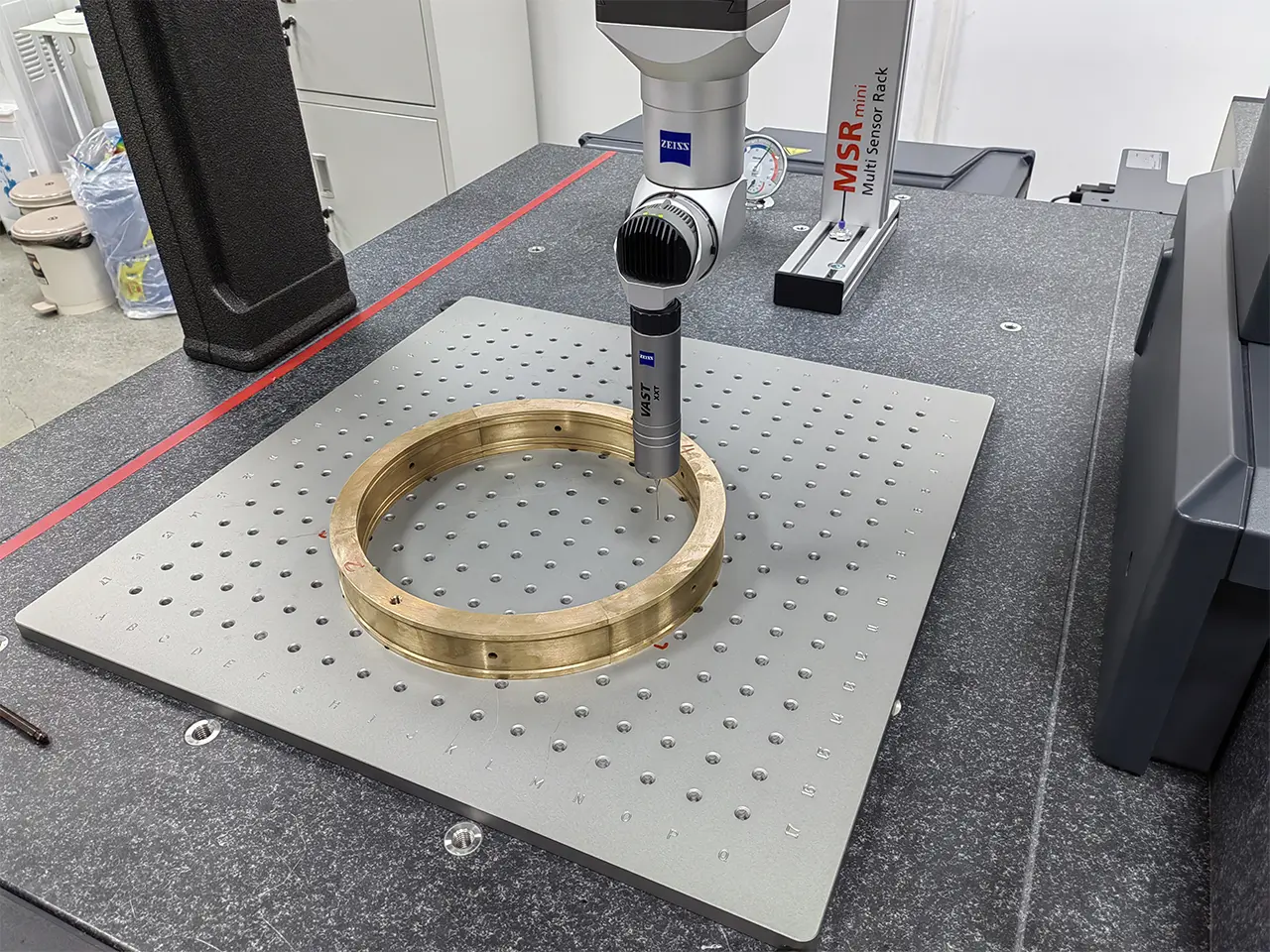
We have professional testing equipment and professional QC personnel, and we adhere to strict tolerances and quality standards for the products we produce. Due to our insistence on strict quality requirements, we have been praised by many customers. Quality is the cornerstone of the manufacturing industry. We firmly believe that only by controlling quality well can we survive, develop, and get better and better. Therefore, we have been working in this industry unremittingly since 2014 and continue to improve the company's team and improve the company's production capacity.
To maintain our reputation for reliability, we employ coordinate measuring machines (CMM), optical spectrum analyzers for chemical verification, non-destructive testing (NDT) such as X-ray radiography and dye penetrant testing, and tensile testers. This ensures every batch of aluminum or stainless steel castings complies with international standards, including ASTM, DIN, and JIS.
The global manufacturing ecosystem is shifting towards smarter, more responsive supply chains. Procurement directors from North America, Europe, and Asia-Pacific face intense pressures regarding lead times, volatile raw material costs, and strict environmental regulations. Under the China Factory 4.0 framework, Dongguan SX Technology Co., Ltd. addresses these challenges by streamlining workflows through digital engineering processes.
By transitioning designs from 3D CAD directly to automated wax injection and robotic slurry coating, we minimize human error and drastically reduce tooling cycle times. Our factory integrates casting and multi-axis CNC finishing under one roof. This configuration creates high supply chain resilience, shielding global buyers from logistics delays and communication bottlenecks. Additionally, our location in Dongguan provides access to a complete downstream network for specialized anodizing, passivating, and custom packaging, ensuring short transit cycles to major export ports.
To assist procurement managers and design engineers in selecting the most cost-effective manufacturing method, we have compiled a comparison of aluminum casting technologies:
| Parameter | Lost Wax (Investment) Casting | High-Pressure Die Casting | Sand Casting |
|---|---|---|---|
| Geometric Complexity | Very High (Complex cores & undercuts) | Moderate (Draft angles required) | Low to Moderate |
| Dimensional Tolerance | Excellent (±0.13mm to ±0.25mm) | Very Good (±0.15mm to ±0.3mm) | Poor (±0.8mm to ±1.5mm) |
| Initial Tooling Cost | Moderate | High to Extremely High | Low |
| Surface Finish (Ra) | 3.2 – 6.3 μm | 1.6 – 3.2 μm | 12.5 – 25.0 μm |
| Minimum Wall Thickness | 1.5 mm | 1.0 mm | 3.0 - 5.0 mm |
Our custom precision-casted components serve key functional applications in demanding industrial environments:
Utilizing high-grade aluminum-silicon alloys (like A356-T6) and custom stainless steel alloys to withstand harsh saline environments, providing excellent structural integrity for propulsion and instrumentation systems.
Producing non-standard valve bodies with intricate internal pathways capable of handling high pressure and flow rates without micro-leakage or pressure drop-offs.
Lightweight aluminum castings used in high-load brackets, structural frames, and pneumatic connectors for commercial buses and specialized transport vehicles, supporting fuel efficiency and emissions reduction.
Clear answers to common questions about engineering parameters, sourcing options, and manufacturing capabilities.
Investment casting (lost wax) offers much greater design freedom, including internal cavities and complex undercuts that cannot be ejected from a standard die casting mold. Tooling costs are also significantly lower, making it ideal for low-to-medium production volumes. It also yields a highly homogeneous grain structure with lower risk of internal porosity, which is crucial for structural or pressure-containing components.
We work with a wide range of aluminum alloys, including A356, A380, AlSi10Mg, and AlSi7Mg. Our high-precision CNC machining workshop also processes billet aluminum alloys like 6061-T6, 7075-T6, and 5052. This capability allows us to offer hybrid configurations combining cast cores with CNC-finished interfaces.
For raw investment castings, we achieve linear tolerances matching ISO 8062 CT4 to CT6. For features finished in our CNC machining centers, we routinely hit tolerances of ±0.005 mm, ensuring precise fits for bearing bores, O-ring seals, and threaded connections.
We use rigorous degasification methods (typically using nitrogen or argon gas purging) to remove hydrogen from the molten aluminum. We also utilize computer-simulated mold design to optimize the runner and riser layout, along with temperature-controlled preheating of the ceramic molds, to ensure uniform solidification.
Yes. Through our certified local finishing network, we offer a complete range of post-treatments, including hard-coat and sulfuric acid anodizing, chromate conversion coatings, chemical passivating, bead blasting, powder coating, and electropolishing for stainless steel parts.
Browse our complete manufacturing capability across outdoor products, transit, marine hardware, and high-precision fluid-control system valves.
 SX Machining