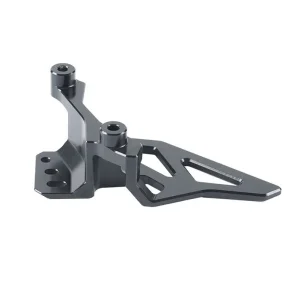
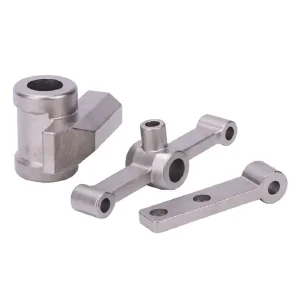
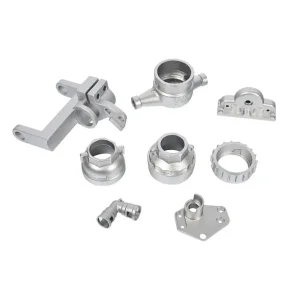
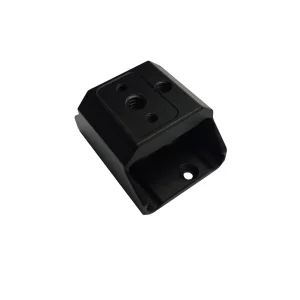
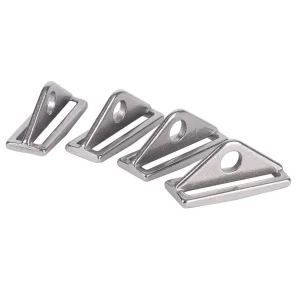
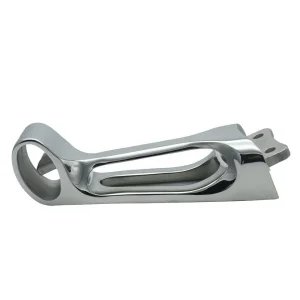
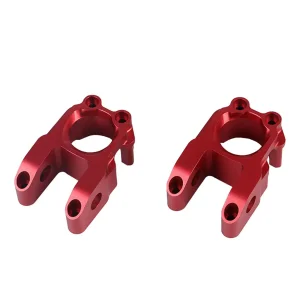
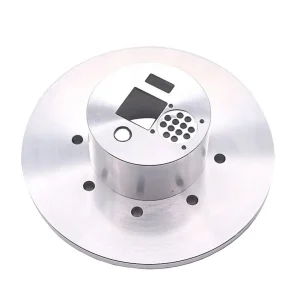
China Machined Brass Parts Manufacturers & Product

Precision CNC Machining, High-Tolerance Investment Casting, and Global OEM Solutions for Advanced Engineering Sectors

Est. 2014 Precision Manufacturing Excellence

Dongguan SX Technology Co., Ltd.

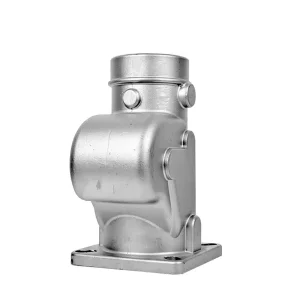
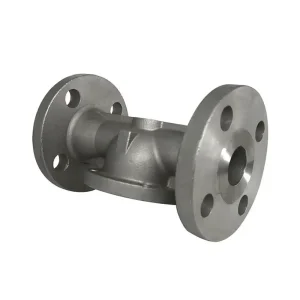
Dongguan SX Technology Co., Ltd. possesses extensive expert-level experience in precision investment casting, high-tolerance CNC machining, and comprehensive complex assemblies. Our multi-sector applications cater to highly demanding global industries including automotive manufacturing, marine propulsion and hulls, fluid control systems (valves and pumps), precision electronics, heavy industrial machinery, horology, architectural hardware, and chemical process engineering.

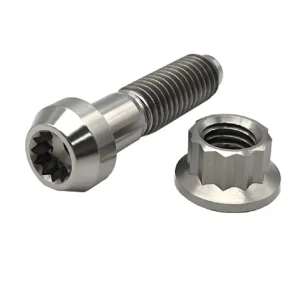
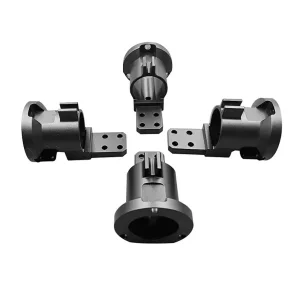
For investment casting operations, we primarily employ premium stainless steels and carbon steels to secure high structural integrity and wear resistance. In parallel, our specialized CNC machining infrastructure handles a comprehensive matrix of materials: Titanium alloys, stainless steel, carbon steel, advanced aluminum alloys, copper-based alloys (including brass and bronze), and cemented carbides.

Equipped with state-of-the-art production systems, we pride ourselves on rapid engineering response, agile prototyping, and scalable mass-production capabilities designed to seamlessly integrate with your global supply chain demands.
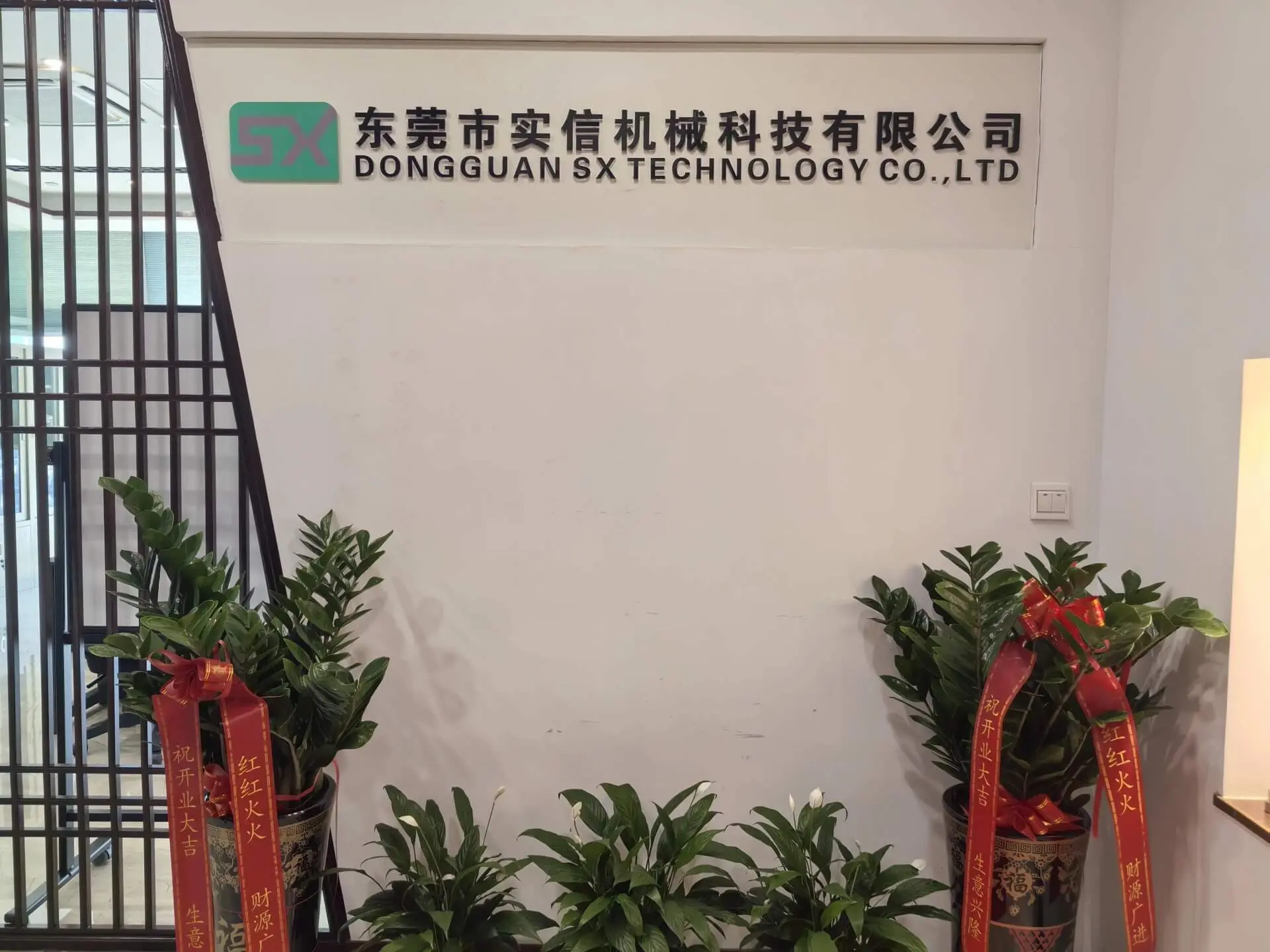
Dongguan SX Technology CNC Office and Facility

2014

Year of Establishment

±0.005mm

Ultra-Precision Tolerance

20+

Machined Materials & Alloys

100%

QC Inspection Compliance

Deep-Dive Whitepaper: Precision Machined Brass Parts in Global Manufacturing

1. Development Trends of Machined Brass Parts in Modern Industry

The industrial landscape for machined brass parts is undergoing a major paradigm shift. Historically valued for its superior machinability, corrosion resistance, and thermal/electrical conductivity, brass is now central to high-tech upgrades in automated assemblies, new energy vehicle (NEV) electronics, and 5G telecommunication hardware. Key technological trends driving this development include:

  • The Rise of Eco-Friendly, Lead-Free Alloys: To comply with stringent international standards such as RoHS and REACH, manufacturers are shifting from traditional leaded brasses (like C36000) to bismuth, silicon, or eco-brass variants. This transition demands specialized cutting tool geometries and refined feed rates to manage tool wear and chip breakage.
  • Advanced Multi-Axis CNC Turning and Milling: The reliance on basic manual lathes has vanished. Modern applications require high-speed, multi-spindle Swiss-type turning centers and 5-axis mill-turn centers. These units machine highly complex geometries in a single setup, optimizing concentricity and minimizing structural deformities in thin-walled parts.
  • Integration of Smart Diagnostics & Predictive Analytics: Industrial IoT sensors embedded in high-speed CNC centers monitor tool vibration and spindle load in real-time, preventing micro-fractures in CNC-machined brass parts while guaranteeing surface finish consistency down to Ra 0.4.
Strategic Sourcing Note: Brass exhibits a unique balance of thermal expansion and shear resistance. In micro-mechanical arrays and high-pressure fluid flow architectures, leveraging customized brass components reduces long-term physical degradation compared to standard grades of steel and aluminum.

2. Global Procurement Needs & Strategic Sourcing Challenges

Sourcing agencies and procurement directors for multi-national firms focus heavily on three pillars: technical compliance, pricing predictability, and supply chain scalability. Sourcing precision machined brass parts from China presents unique benefits and challenges that require experienced manufacturing partners:

  1. Material Traceability: Ensuring that incoming brass bar stock possesses exact chemical compositions (e.g., precise copper-to-zinc ratios and controlled impurity limits) is paramount. Mismatches in material grades can lead to cracking during post-machining crimping, soldering, or plating operations.
  2. Tolerance Maintenance: Threaded valves, fluid seals, and electrical pins demand strict dimensional control, often within limits of ±0.005mm. The thermal coefficient of brass requires temperature-controlled metrology labs to prevent measurement variances during inspection.
  3. Surface Protection: Unprotected brass naturally oxidizes. Buyers require custom finishes like passivation, nickel plating, chrome plating, or gold sputtering to prevent tarnishing and galvanic corrosion when in contact with other metals.

3. Macro Industry Solutions: Multi-Sector Vertical Applications

Precision brass components manufactured by Dongguan SX Technology are engineered to serve diverse applications across key industrial verticals:

Electronics & Telecom

Connectors, RF coaxial pins, grounding lugs, and terminal blocks. The high electrical conductivity of brass guarantees low signal attenuation and minimal insertion loss in 5G infrastructure.

Automotive & EV Systems

Sensor housings, fluid fittings, EV battery terminal pins, and pneumatic brake system connections. Excellent anti-friction profiles make brass ideal for heavy-cycle components.

Marine & Process Control

Corrosion-resistant marine impellers, hydraulic valve spools, nozzles, and chemical delivery connectors. Marine-grade brass (such as naval brass) resists dezincification in saltwater environments.

4. Localization, Logistics, and Global Compliance Safeguards

Operating a global manufacturing partnership from China requires structured quality systems and strong compliance workflows. Dongguan SX Technology adheres to a comprehensive framework including:

  • IP Protection Protocols: Customer CAD drawings, structural patents, and project details are isolated via secured intranets. We enforce internal NDA protocols for all engineering teams.
  • Eco-Compliance Standards: Complete material documentation is provided for each batch. SGS, RoHS, and REACH verification certificates confirm that environmental guidelines are fully met.
  • Streamlined Export Logistics: Based in the industrial hub of Dongguan, SX Technology benefits from direct access to major international shipping networks in Shenzhen, Guangzhou, and Hong Kong. We handle FCA, FOB, CIF, and DDP shipping configurations to support reliable delivery.

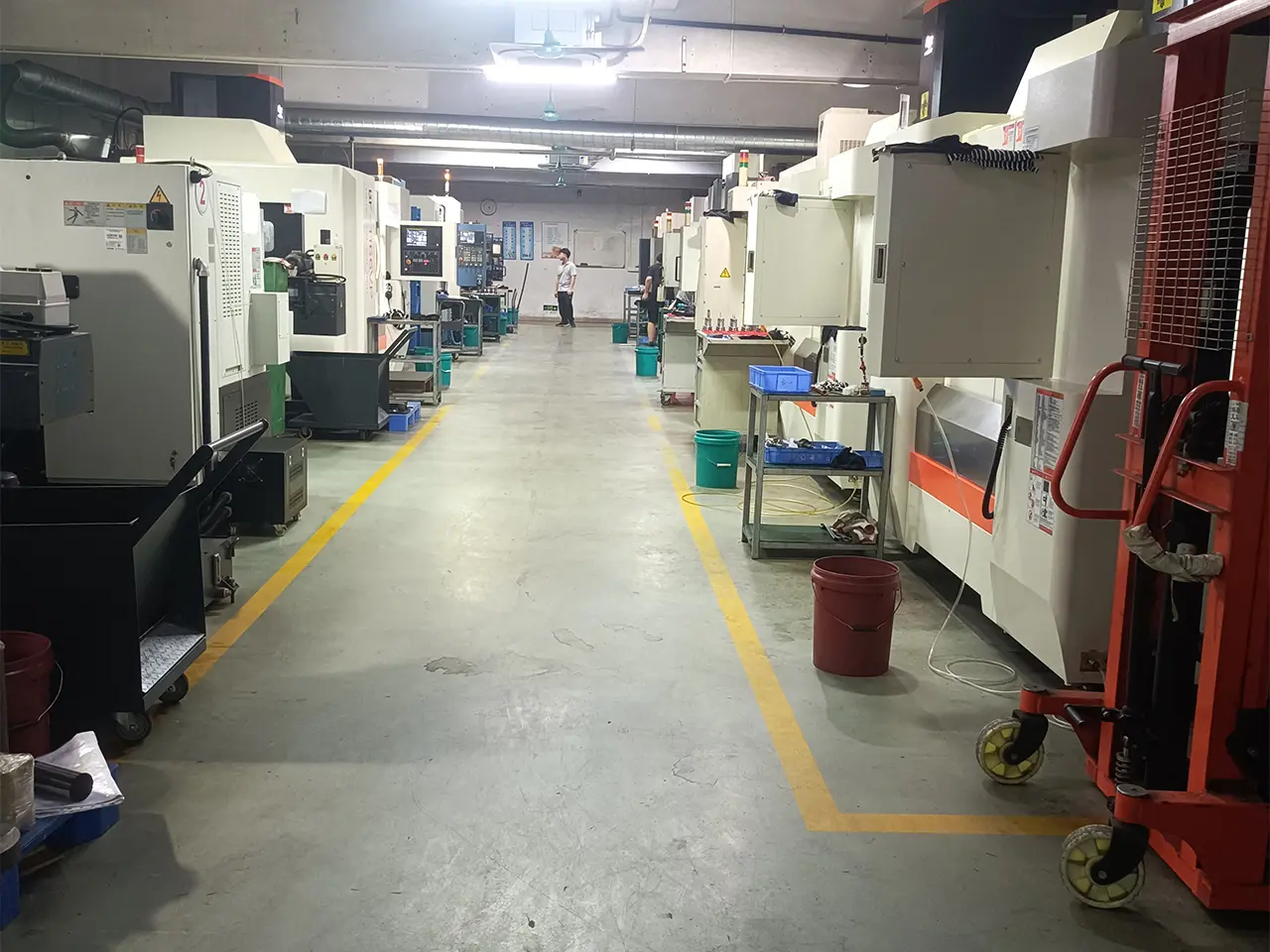
Advanced Production Facility & Workshop

Equipped with modern manufacturing setups, we deliver speed, accuracy, and operational excellence for your components.
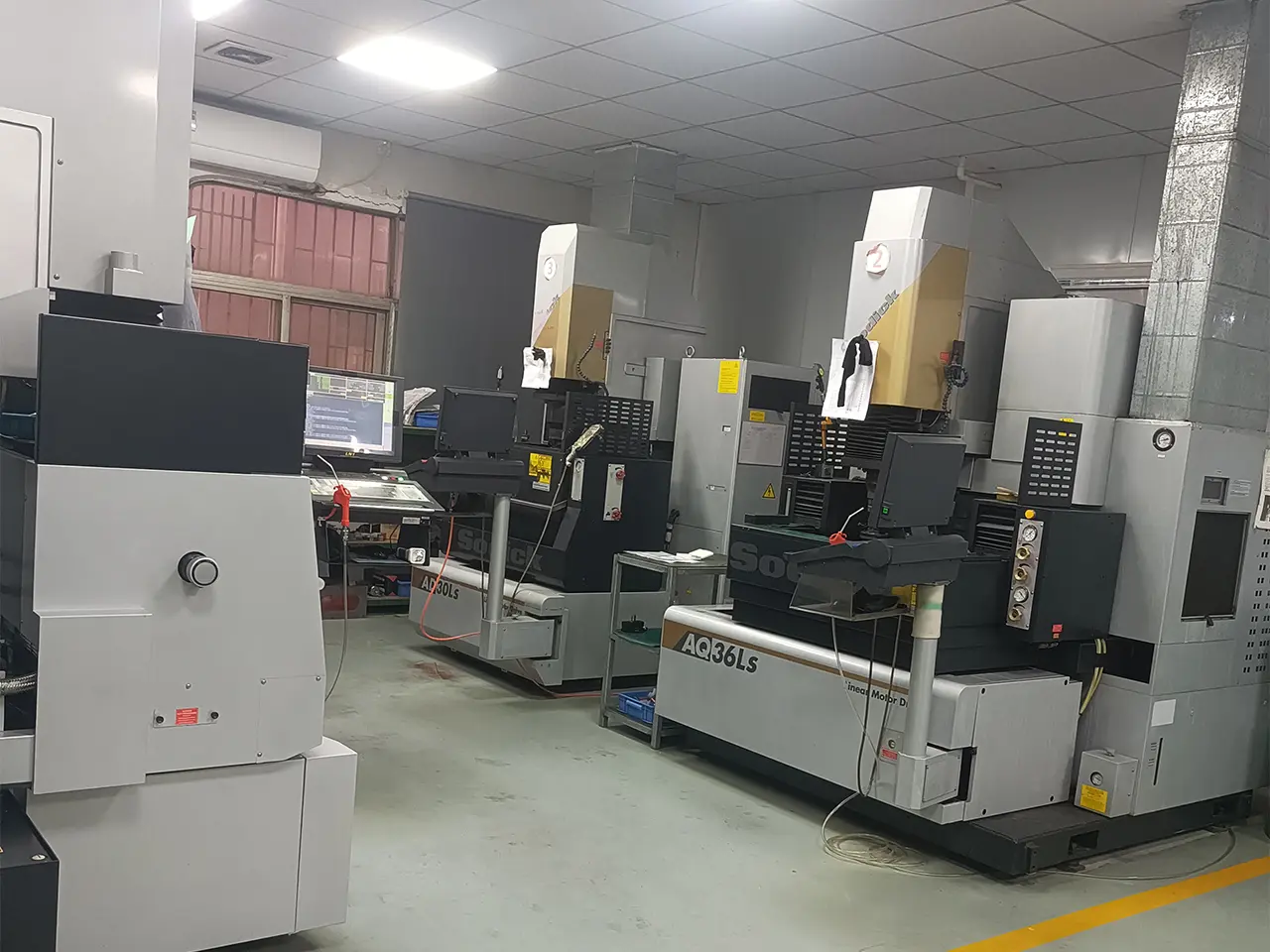
SX CNC Machining Workshop Floor
Multi-axis CNC Turning Centers
High Precision CNC Lathe Machines
Precision Automatic Swiss Lathes
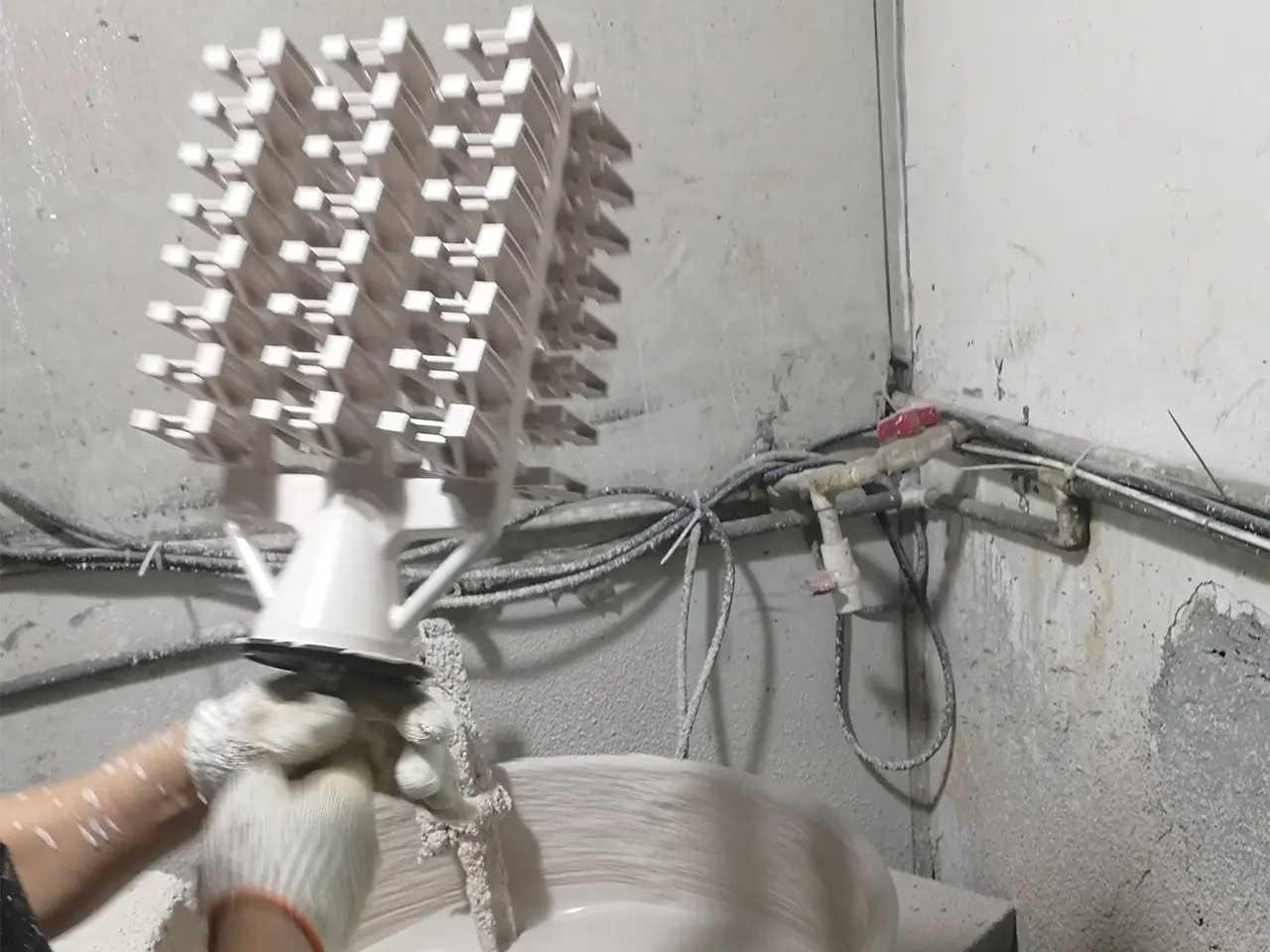
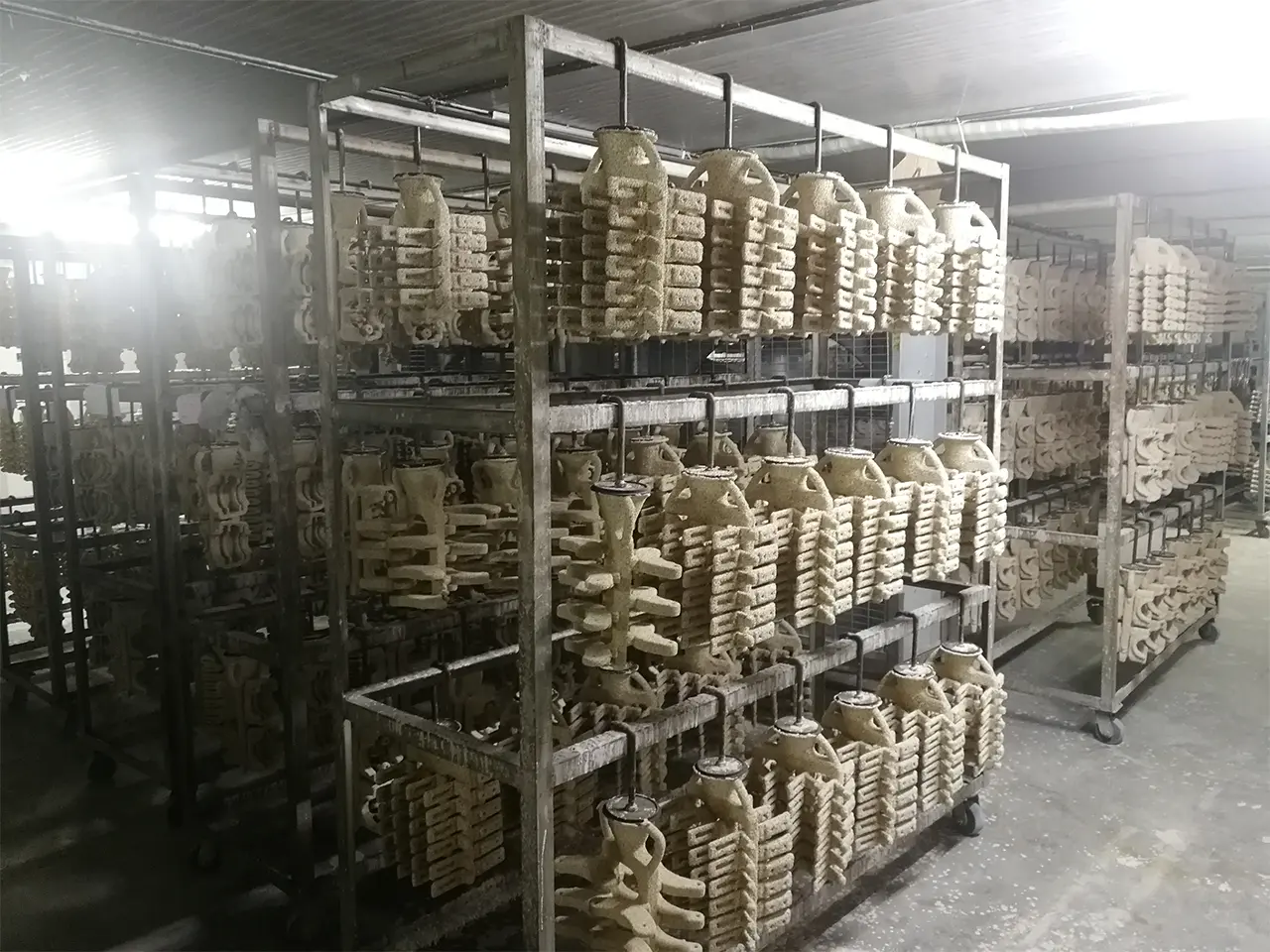
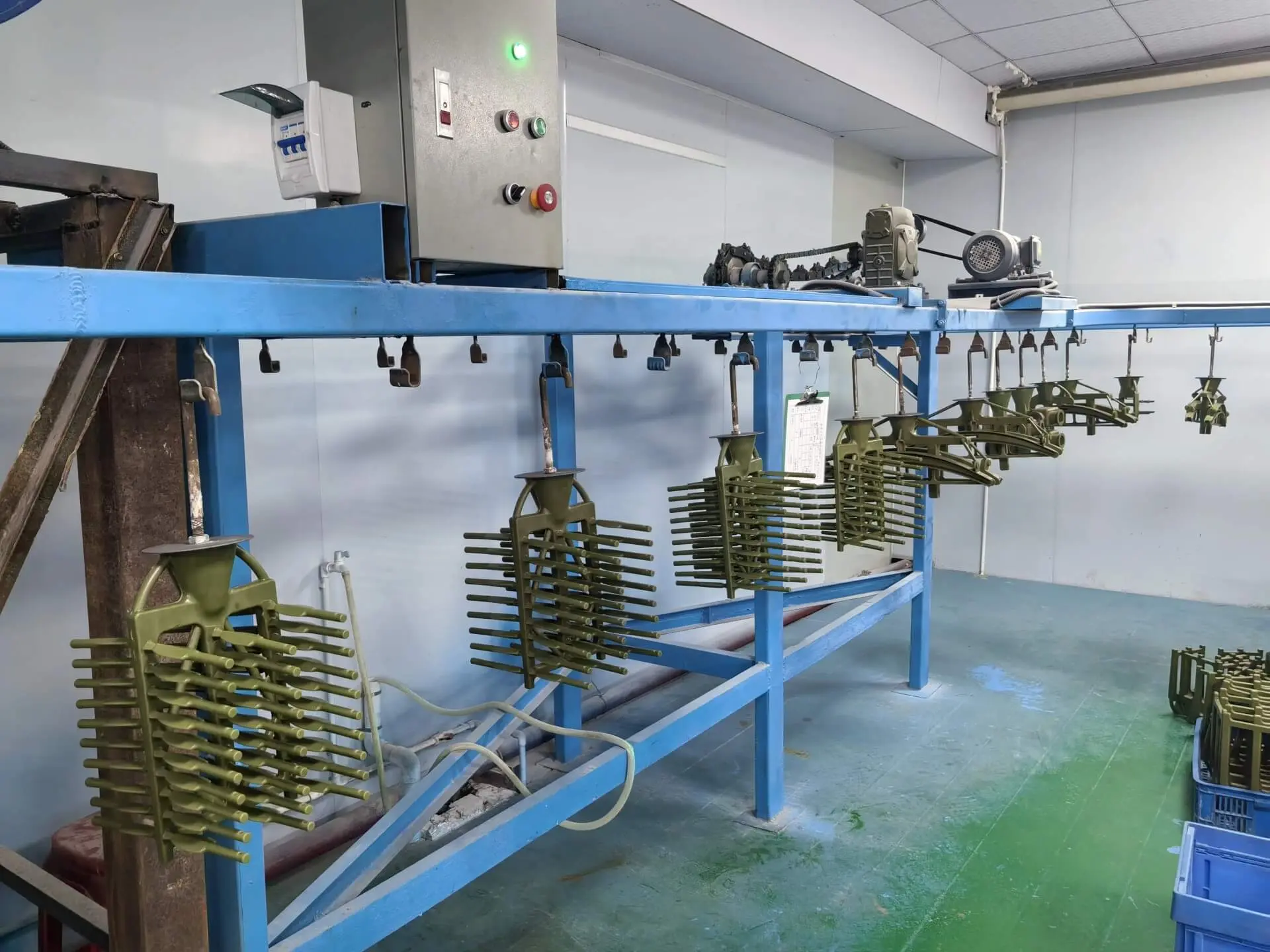
Metal Castings Processing Unit
High-Speed Milling Section
Specialized Alloy Machining Tools
Advanced Processing Line
Post-Machining Surface Finishing Shop
Finishing & Assembly Cleanroom
CNC Calibration and Setup Area
CNC Programming & Engineering Hub

Strict Quality Control & Inspection Protocols

At Dongguan SX Technology Co., Ltd., quality is the foundational cornerstone of our manufacturing processes. Since our establishment in 2014, we have maintained a strict focus on dimensional consistency and tolerance integrity. Our quality department is staffed by experienced QC professionals who implement systematic in-process and final audits.

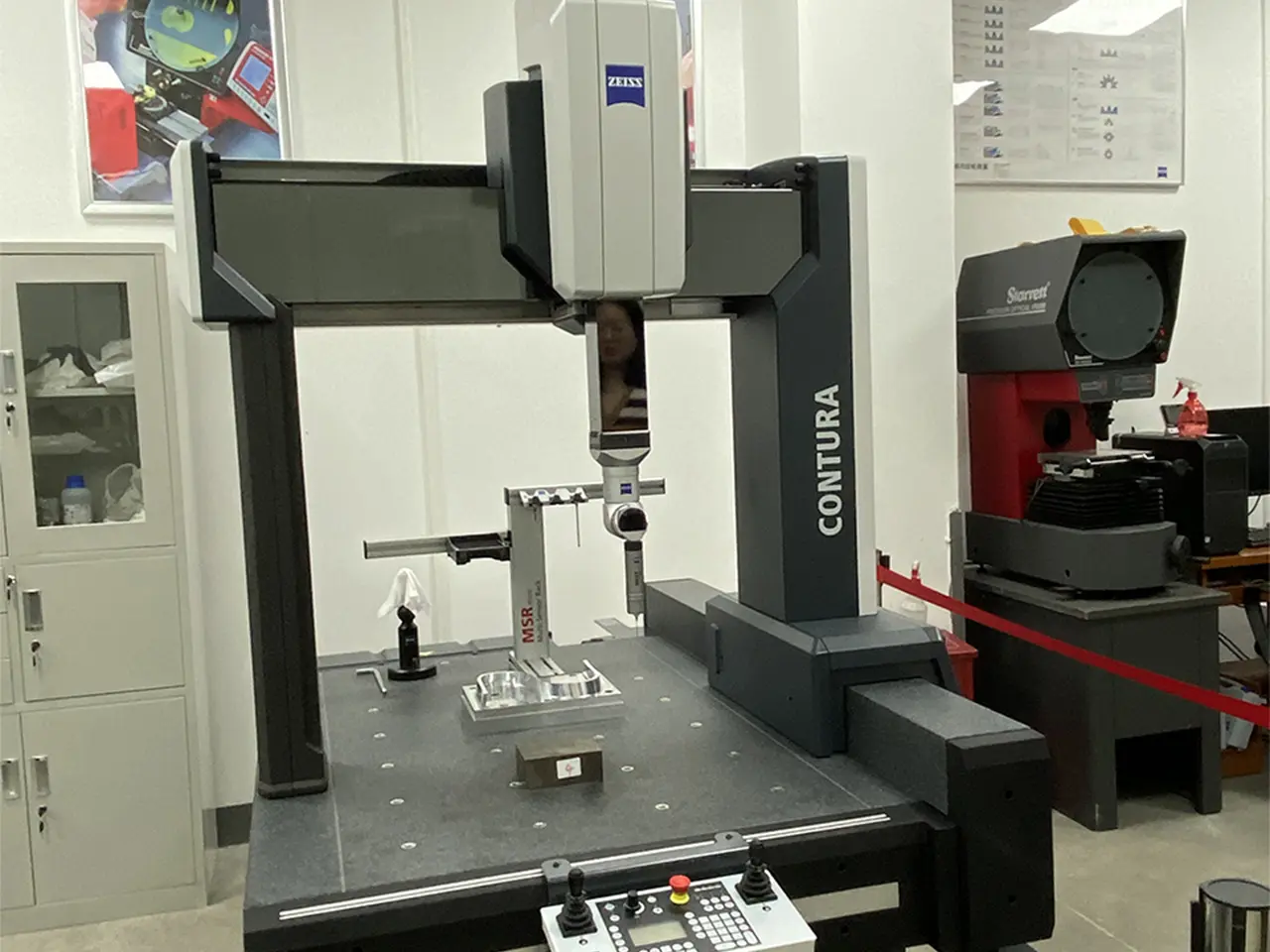
Our Quality Management System utilizes high-end metrology systems to verify part compliance: Coordinate Measuring Machines (CMM) for complex 3D profiles, digital micrometers, optical comparators, thread gauges, plug gauges, and advanced roughness testers. By managing tolerances down to micron-level requirements, we support performance stability across demanding environments.

We believe that robust QC drives sustainable company growth. This commitment has earned the trust of global clients across critical industries, helping us steadily expand our capabilities and services.
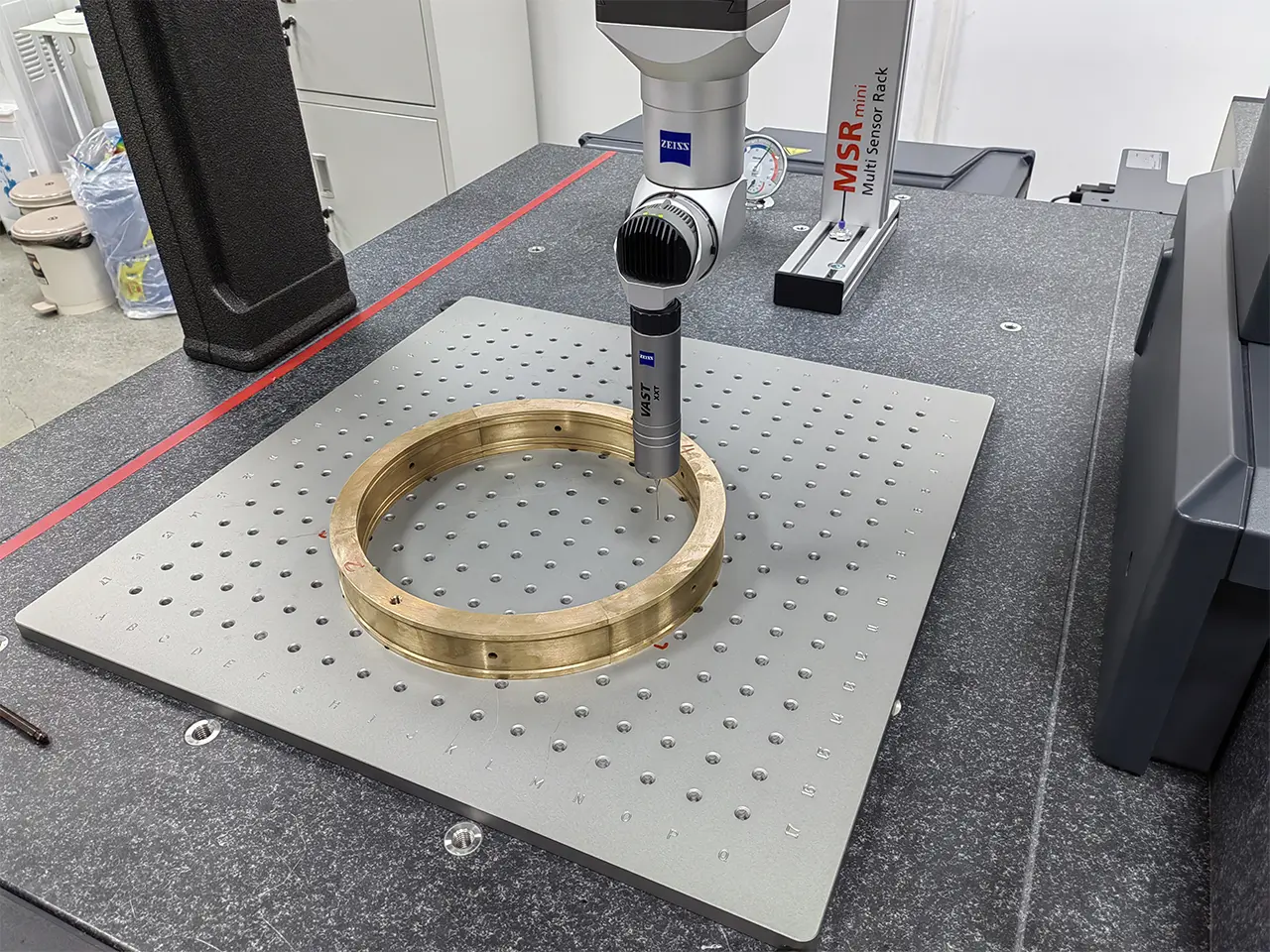
Metrology Testing and QC Equipment at SX Technology

5. Technical Roadmap & Future Outlook

As smart manufacturing evolves, Dongguan SX Technology is actively preparing its production processes for future trends. Our multi-year development plan focuses on key technological updates to keep our machining operations efficient and competitive:

  • Automated Cell Manufacturing: Integrating robotic arm load/unload configurations with CNC centers to enable automated, continuous production runs. This setup increases throughput while reducing human handling errors.
  • High-Speed Dry and Semi-Dry Machining: Implementing minimal quantity lubrication (MQL) systems when processing brass. This reduces fluid consumption, limits chemical waste, and keeps machined chips clean for direct recycling.
  • Real-time Quality Management Systems (QMS): Connecting our metrology systems directly to local databases to automatically track quality metrics. This helps identify process shifts early, supporting stable tolerances across long production runs.

Frequently Asked Questions (FAQ)

Get professional answers to common technical queries about machined brass components and manufacturing services.

Which brass grades are most suitable for precision CNC machining?
Free-cutting brass (C36000 or HPb59-1) is widely used due to its excellent machinability, which reduces tool wear and yields clean surface finishes. For components requiring high corrosion resistance in marine or process environments, Naval Brass (C46400) or Silicon Brass is preferred. We assist clients in matching material selections to their specific mechanical and environmental requirements.
How does SX Technology maintain strict tolerances for machined brass components?
We use multi-axis CNC lathes and machining centers alongside careful process planning. By managing cutting temperatures and utilizing temperature-controlled inspection labs equipped with CMMs, optical projectors, and digital micrometers, we reliably maintain tolerances down to ±0.005mm.
Are lead-free brass materials available for drinking water or medical projects?
Yes, we process lead-free brass alloys, including bismuth brass and silicon brass, which comply with NSF, RoHS, and REACH guidelines. We provide material certifications and chemical analysis sheets with our shipments.
What surface treatments do you offer for brass parts?
We provide custom finishing options based on project requirements, including passivation, nickel plating, gold/silver plating, chrome plating, clear lacquering, sandblasting, and hand polishing. These finishes help improve corrosion resistance, solderability, and visual appearance.