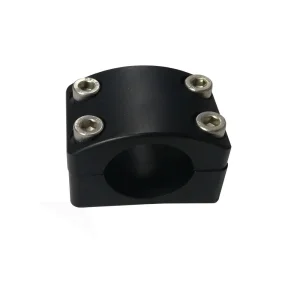
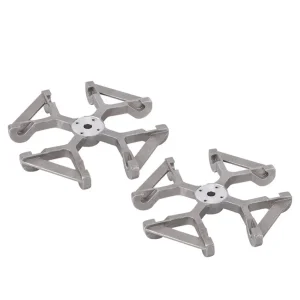
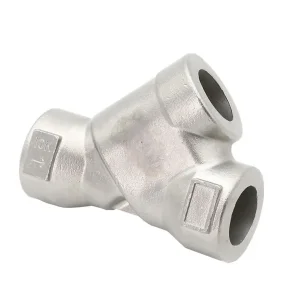
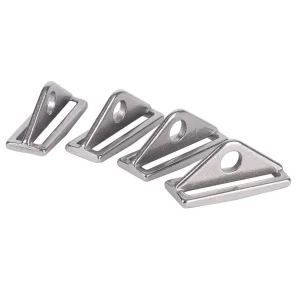
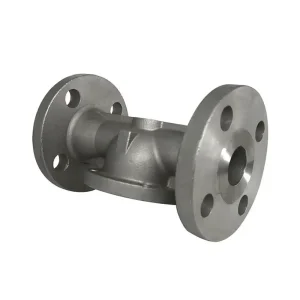
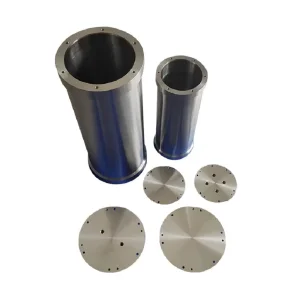
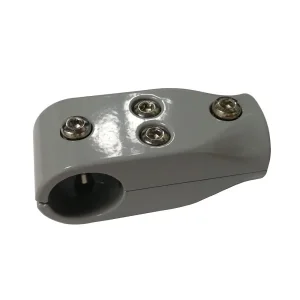
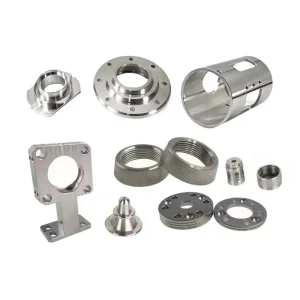
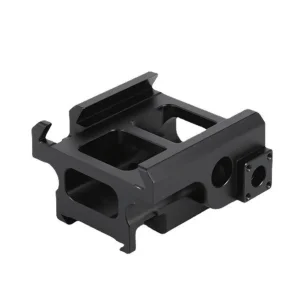
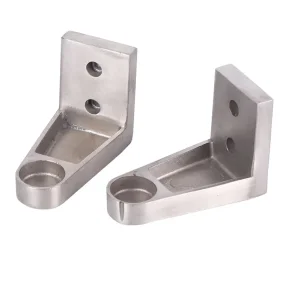
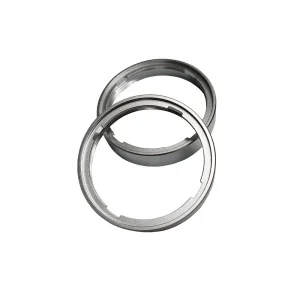
Engineered to exact dimensional tolerances. Explore our primary range of custom metal CNC components and precision lost-wax casting products.
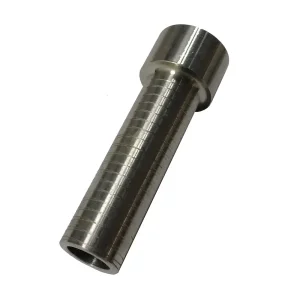
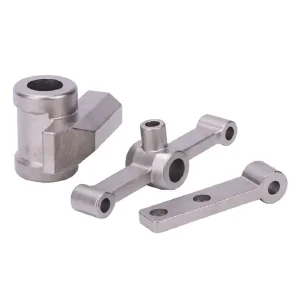
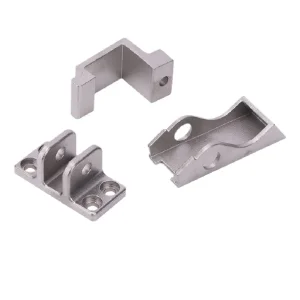
Deciding between sub-millimeter precision subtractive machining and molecularly optimized thermal solidification is the bedrock of system architecture design.
For procurement officers and lead structural design engineers, selecting the optimal manufacturing route dictates the lifecycle performance, fatigue resistance, and total cost of ownership (TCO) of critical components. When comparing machined versus cast products, the primary technical divergence lies in how the raw metal is transformed into its final geometry. Subtractive CNC machining carves components directly out of solid, homogenous bar stock, forged slabs, or extruded profiles, preserving the directional grain structures introduced during material processing. Conversely, casting relies on introducing molten metal into pre-engineered cavities (investment, sand, or die molds) to solidify, producing complex shapes near-net configuration with isotropic physical properties.
CNC machined products feature grain alignment parallel to the direction of rolling or forging. This directional alignment yields superior tensile strength, structural fatigue resistance, and impact toughness along its primary loaded axis. However, machined parts may exhibit anisotropic properties. Cast parts, conversely, possess isotropic structures due to the unoriented crystallization that occurs during solidification inside the mold. While casting is highly efficient for forming intricate fluid flow channels and highly curvilinear architectures, it is prone to micro-porosity and cooling shrinkage. This necessitates robust metallurgical monitoring and advanced non-destructive testing (NDT).
| Evaluation Parameter | CNC Machining (Subtractive) | Investment / Precision Casting | }
|---|---|---|
| Dimensional Tolerances | Extreme Precision (Up to ±0.005 mm) | General Precision (ISO 8062 CT4 to CT6) |
| Surface Finish (Ra Value) | 0.4 µm to 3.2 µm (Down to 0.1 µm with polishing) | 1.6 µm to 6.3 µm (Depends on casting method) |
| Geometric Complexity | Constrained by tool paths & access windows | Near-limitless internal cores and complex shapes |
| Initial Tooling Capital | Zero to Low (Programmatic and fixture cost only) | Moderate to High (Wax mold, pattern dies, core tooling) |
| Lead Times (Prototype vs Mass) | Ultra-fast prototypes; High-volume is cycle-limited | Longer initial mold fabrication; Fast volume replication |
| Structural Integrity | High directional strength (Anisotropic) | Uniform, balanced structural loading (Isotropic) |
A trusted global tier-1 partner specializing in high-precision metal casting, multi-axis CNC machining, and complex engineering assemblies since 2014.
Established in the heart of China’s advanced industrial manufacturing hub, Dongguan SX Technology Co.,Ltd has built a robust reputation for delivering high-performance components across demanding industries. Our engineering capabilities bridge the gap between design and physical realization. We specialize in precision casting, advanced CNC machining, and structural assembly services, allowing global buyers to source complex components from a single, unified pipeline.
Our material capabilities are extensive. For our investment casting projects, we utilize premium stainless steel, carbon steel, and low-alloy steels to produce structural brackets, high-pressure valves, and heavy-duty machinery parts. In our CNC machining division, our expertise spans high-value materials like titanium alloys (ideal for deep-sea and aerospace environments), premium stainless steels, carbon steels, aluminum alloys, copper-based alloys, and cemented carbides.
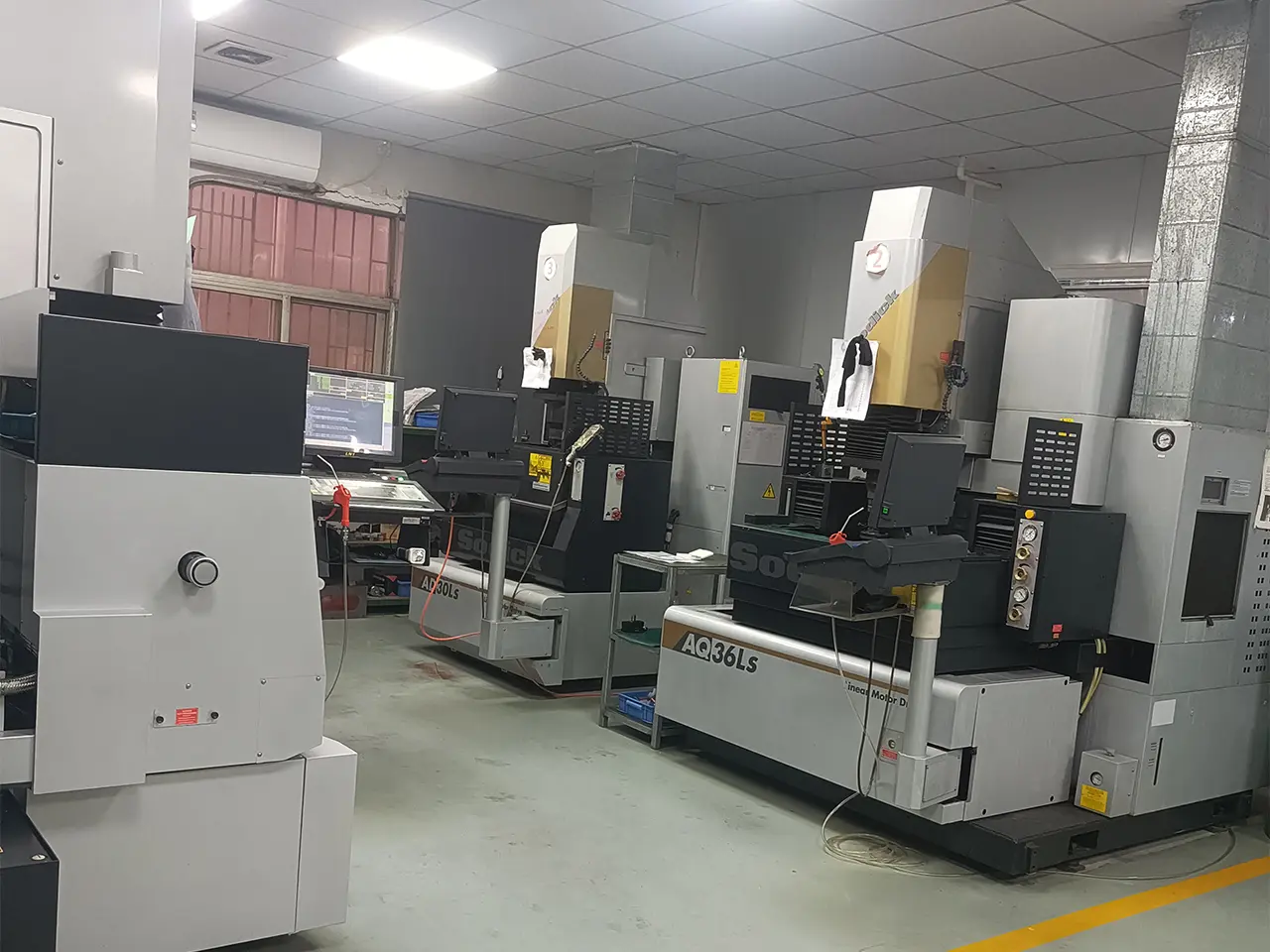
A closer look at our high-end multi-axis CNC machines and automated investment casting foundry lines.
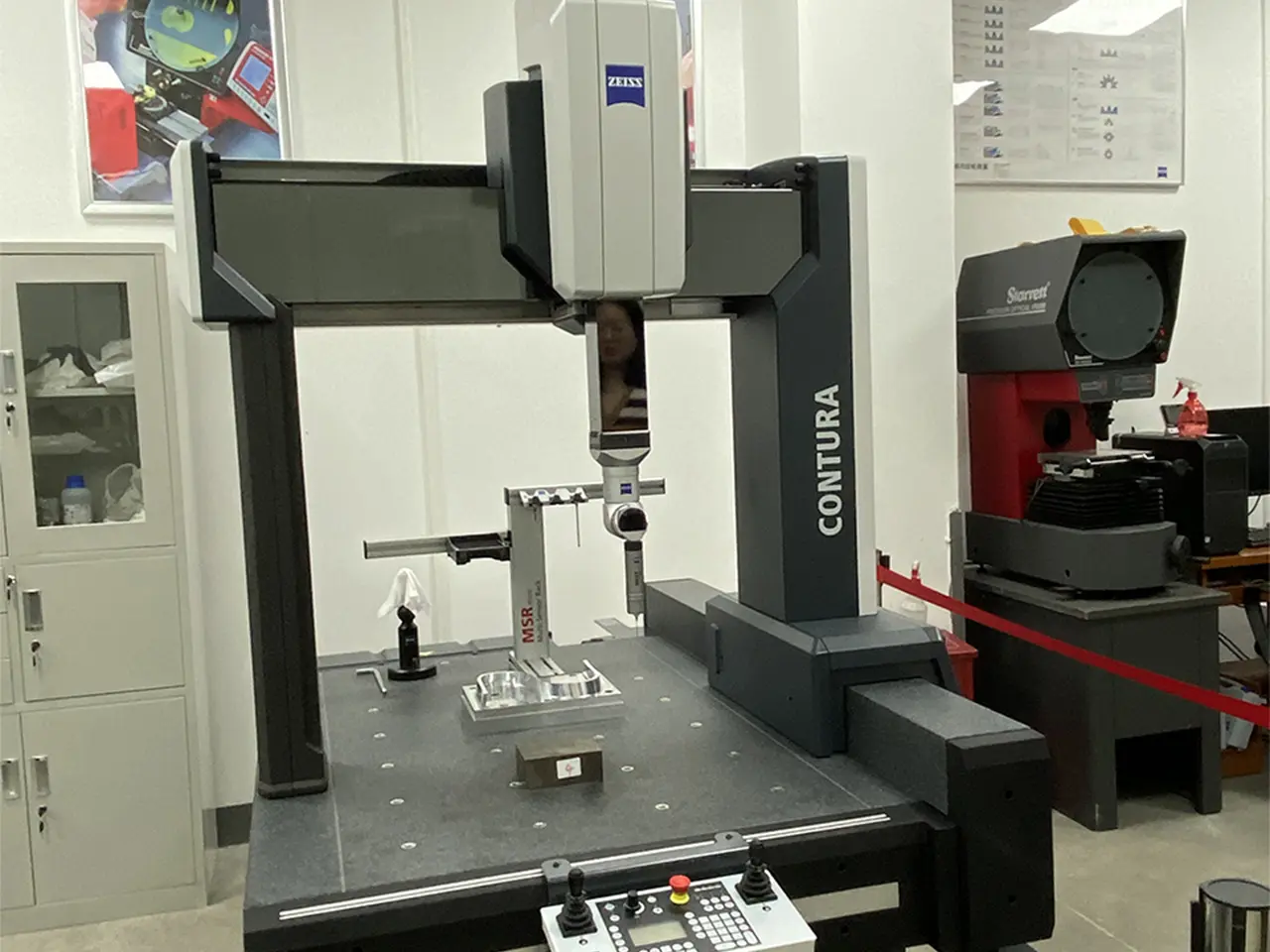
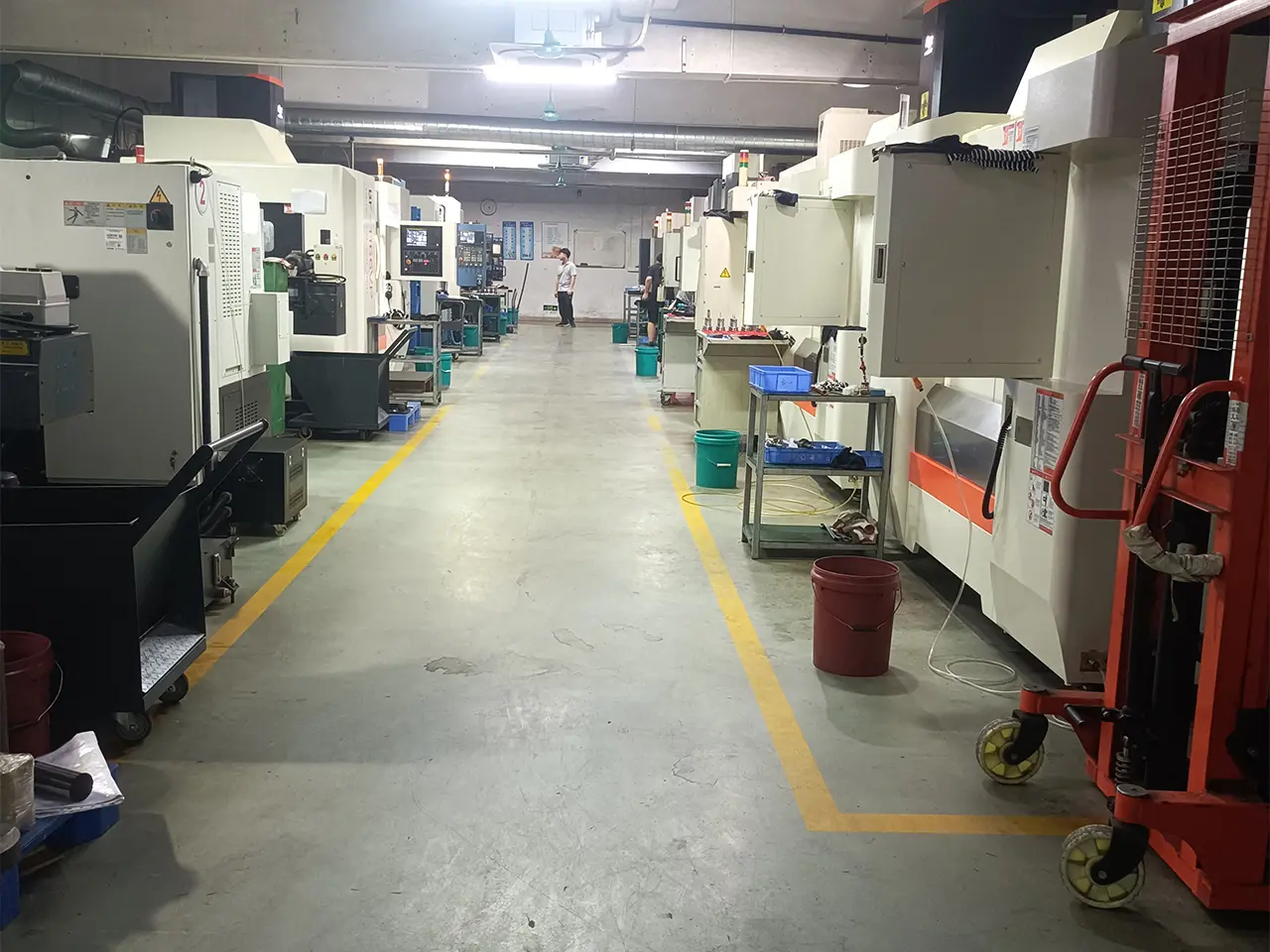
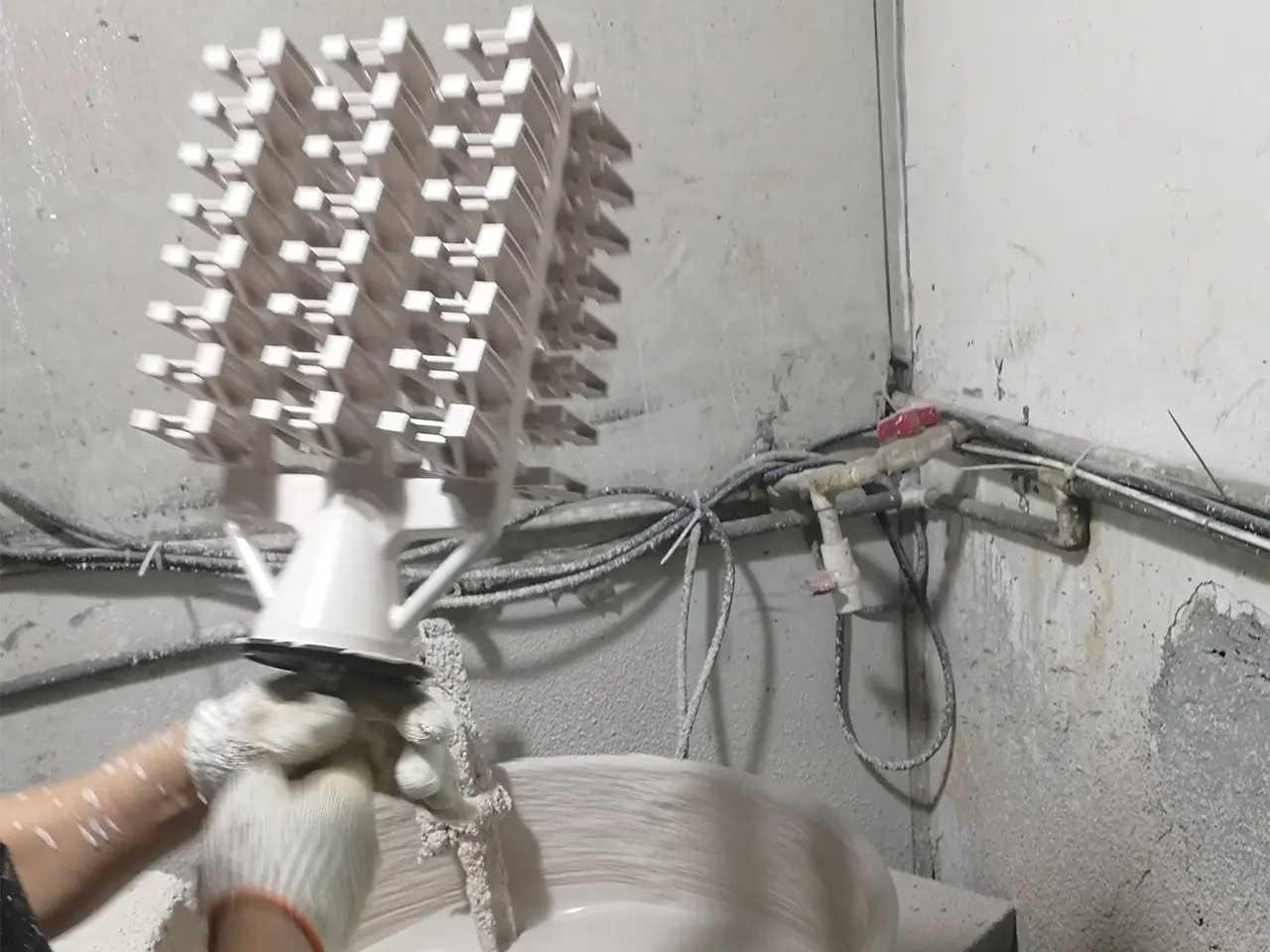
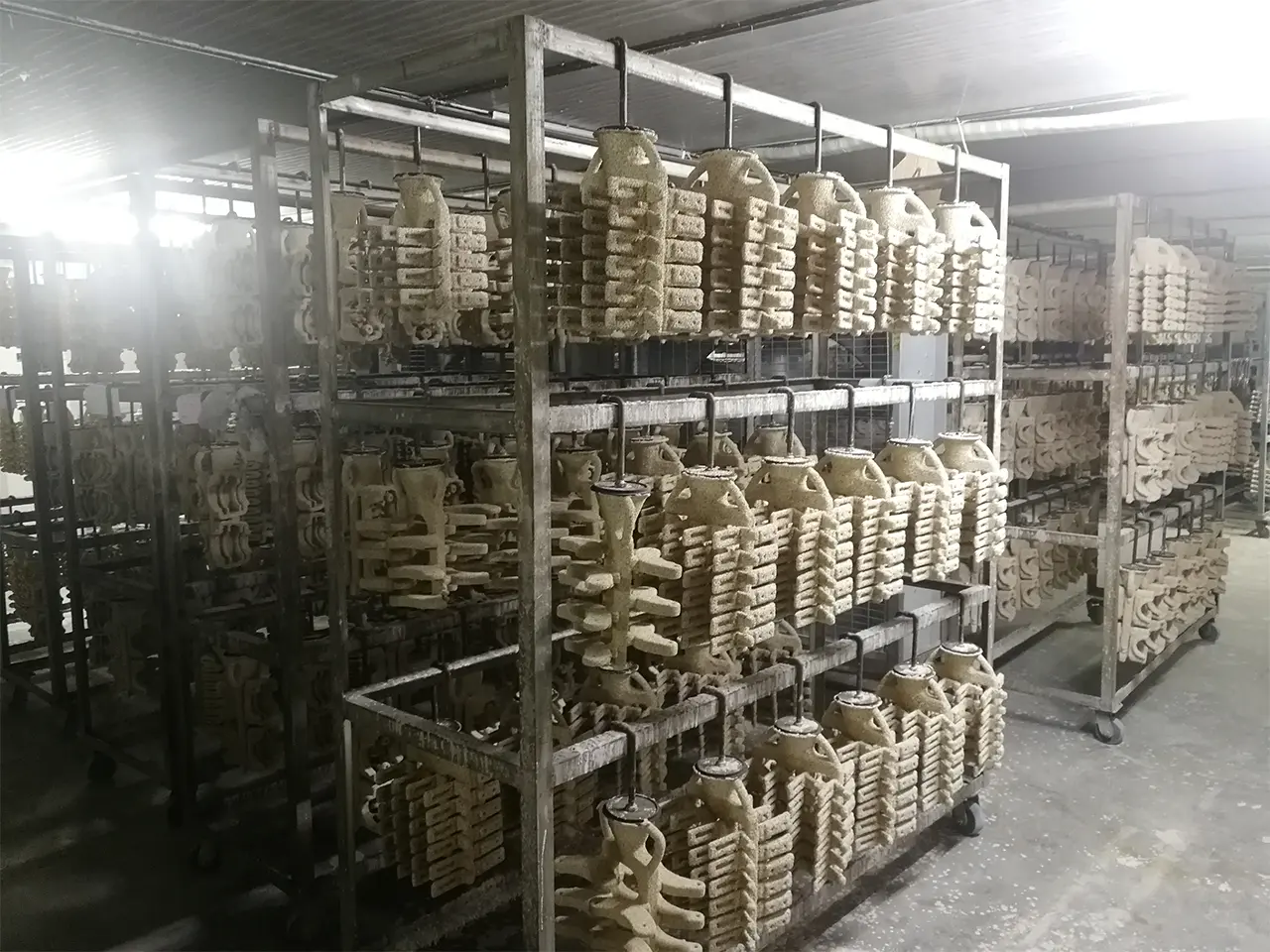
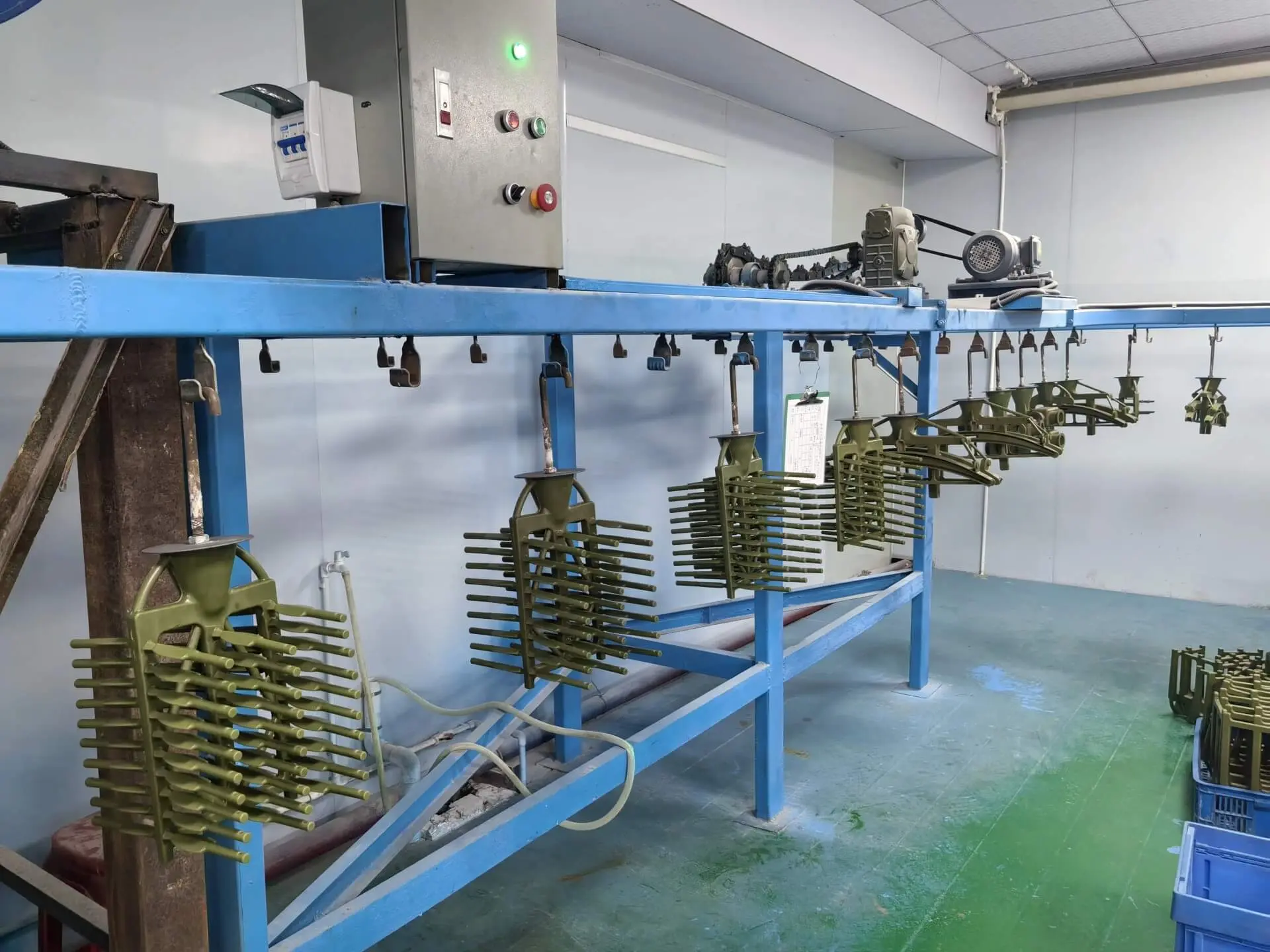
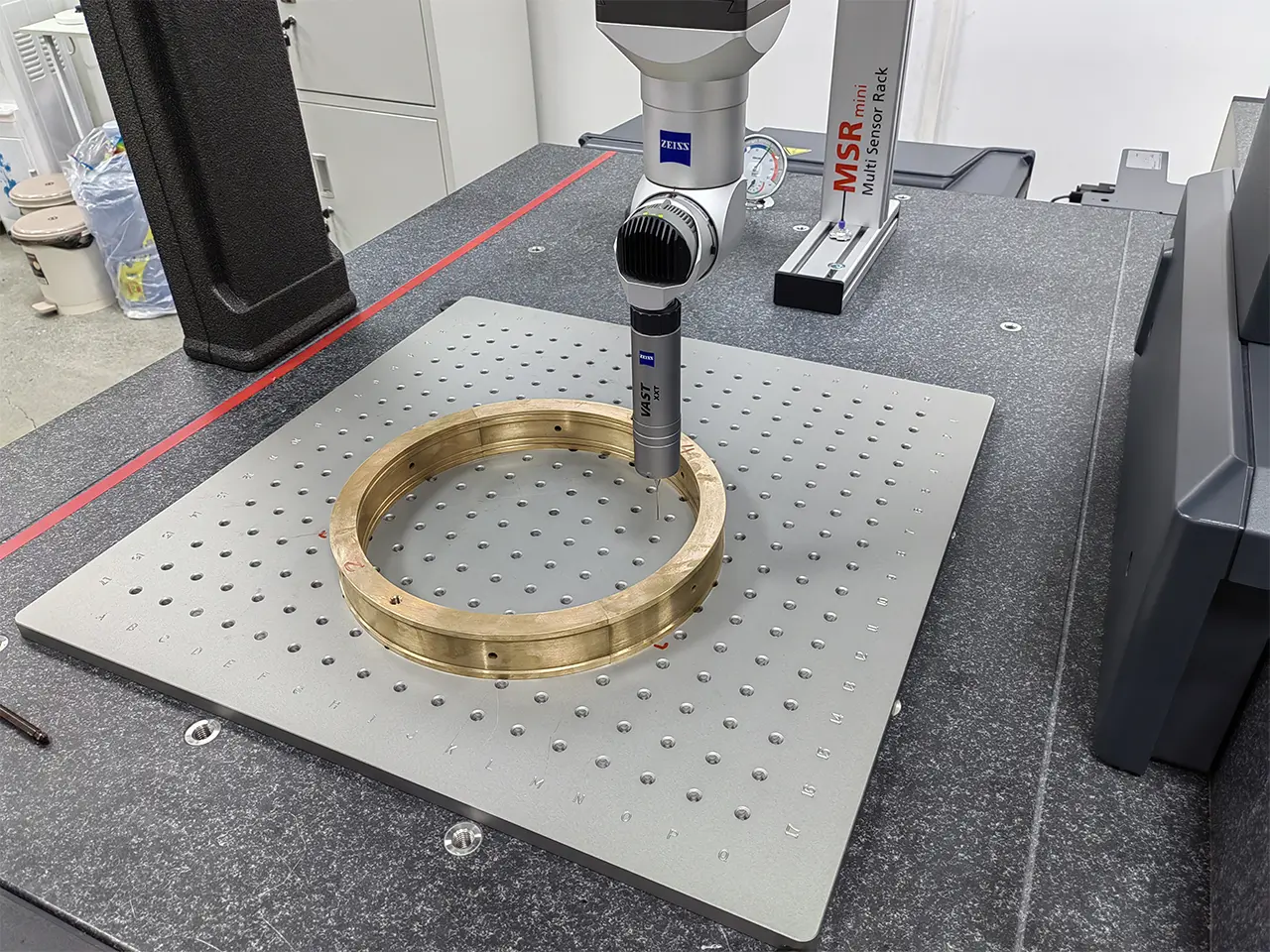
At Dongguan SX Technology Co.,Ltd, quality control is the cornerstone of our manufacturing philosophy. We operate with an uncompromising zero-defect paradigm, backed by professional QA/QC technicians and advanced diagnostic instruments, including coordinate measuring machines (CMM), optical comparators, spectrometers for chemical analysis, ultrasonic testers, and digital hardness testing gear.
We work to tight geometric tolerances and rigorous ASTM, DIN, and ISO standards. We believe that robust quality management is the key to sustainable growth and long-term customer partnerships. Since our founding in 2014, we have continuously refined our internal tracking systems, ensuring traceability for every raw material batch and post-processing certificate.
How global industries apply machined vs. cast components to balance cost, performance, and mechanical longevity.
High-volume components such as engine blocks, transmission cases, and suspension knuckles benefit from precision casting. Highly loaded mechanical assets, customized performance components, and drive-axle shafts require CNC machining to handle severe torsional loads.
Corrosion resistance is paramount in marine environments. We produce cast stainless steel impellers and valve components, alongside specialized CNC machined titanium components, to withstand high pressures and corrosive saltwater conditions.
Heavy agricultural components are subject to high wear and impact. Precision casting provides a cost-effective solution for producing complex housings, brackets, and structural nodes that can withstand demanding field conditions.
Consumer-facing electronics demand aesthetic finishes and precise fits. We combine casting for internal structural frameworks with CNC milling for external cosmetic panels to deliver clean, modern components with tight tolerances.
Fluid-handling components require complex internal channels. Our casting services deliver the necessary complex configurations, while CNC machining finishes flange faces, threads, and critical seat dimensions to ensure zero-leak performance.
Leveraging automated production networks, raw material ecosystems, and advanced logistics pipelines for reliable component supply.
Modern industrial supply chains require a balance of speed, cost, and reliability. In Dongguan, we benefit from a mature industrial manufacturing ecosystem. This proximity to raw material suppliers, specialized surface finishers, and testing laboratories allows us to optimize production lead times and manage material costs effectively.
Our facilities integrate digital production scheduling, real-time tool tracking, and automated material handling. This data-driven approach helps minimize setup times and reduce material waste. By combining casting and CNC machining capabilities in a single location, we streamline production and reduce the logistics risks associated with using multiple suppliers.
Exploring the integration of hybrid manufacturing, green metallurgy, and generative AI in advanced component production.
The manufacturing sector continues to evolve through technological integration. The boundary between casting and machining is shifting with the emergence of hybrid manufacturing processes. Over the next five years, Dongguan SX Technology is focusing on several key developmental areas:
Integrating 3D metal printing (DMLS) with high-speed CNC milling. This allows for the production of components with complex internal geometries that can be finished to precise tolerances.
Using thermal sensors and AI-driven simulation software to predict and reduce casting defects like shrinkage and porosity, helping to improve production yields.
Implementing energy-efficient melting systems, material recycling programs, and optimized toolpath designs to help reduce the overall environmental footprint of our operations.
Ensuring cross-border compliance, standard alignment, and clear communication for international procurement.
Sourcing components internationally requires strict adherence to global engineering standards. Our production processes are structured to comply with international specifications, ensuring that parts integrate seamlessly into your assembly lines. We support a range of global standards, including:
We work to recognized material standards, including ASTM (American Society for Testing and Materials), DIN (Deutsches Institut für Normung), and JIS (Japanese Industrial Standards). This ensures that cast and machined alloys meet chemical composition and tensile strength requirements.
Our manufacturing and finishing processes comply with international environmental initiatives, including RoHS (Restriction of Hazardous Substances) and REACH (Registration, Evaluation, Authorisation and Restriction of Chemicals).
We provide full traceability for our products, including Material Test Reports (MTR), dimensional inspection sheets, and non-destructive testing certificates (X-Ray, MPI, DPI) upon request.
A structured checklist to help procurement teams evaluate and choose between machined and cast options.
When selecting a manufacturing method and supplier, procurement managers should consider several operational factors:
Answers to common questions regarding machining, casting, and choosing the right manufacturing route.
CNC machined parts generally offer higher mechanical strength and fatigue resistance because they are cut from solid, wrought bar stock that retains its grain direction. Cast parts have isotropic properties (equal strength in all directions) but can be prone to internal porosity if the cooling process is not carefully managed.
Yes, this is a common approach known as post-machining. A component is cast to achieve its near-net shape, and then critical interfaces, threaded holes, and mating surfaces are finished on a CNC machine to achieve the required tolerances.
We provide standard documentation packages, including raw material certificates (MTR), dimensional inspection sheets, and plating/coating certificates. For specialized applications, we can also provide non-destructive testing (NDT) reports, including ultrasonic, magnetic particle, or liquid penetrant inspections.
For CNC machining projects, prototyping typically takes 1 to 2 weeks, with production runs following shortly after. For casting projects, the pattern and tooling phase requires 3 to 5 weeks, followed by sample approval and full-scale production casting.
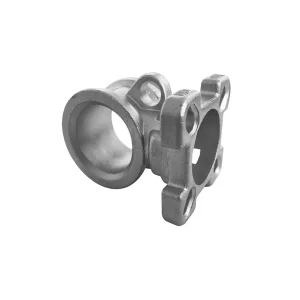
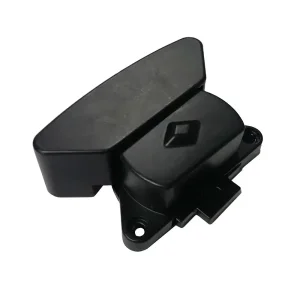
Explore our specialized range of titanium, stainless steel, and custom-cast automotive and marine components.
 SX Machining