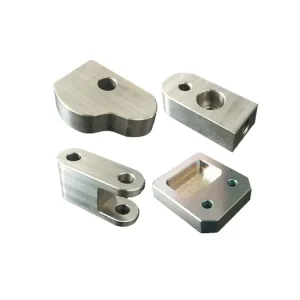
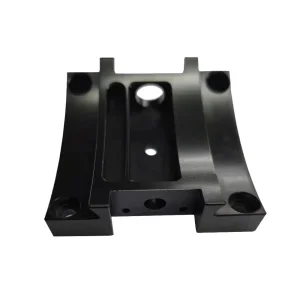
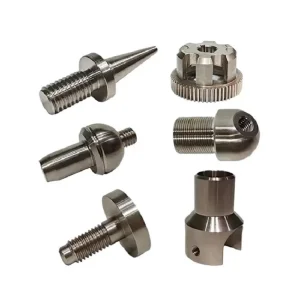
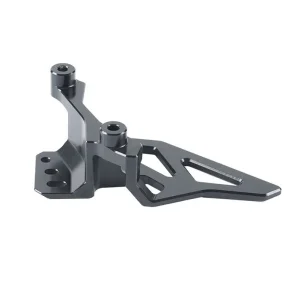
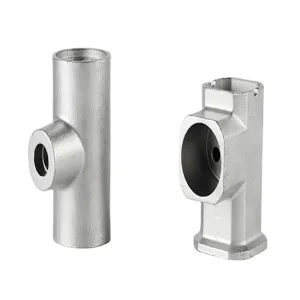
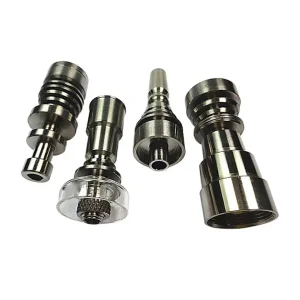
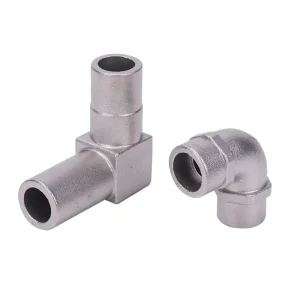
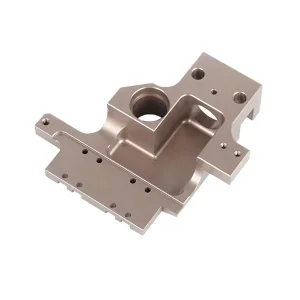
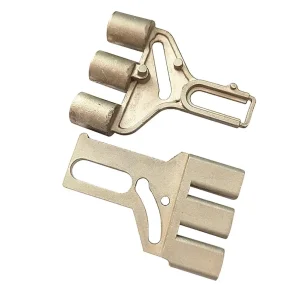
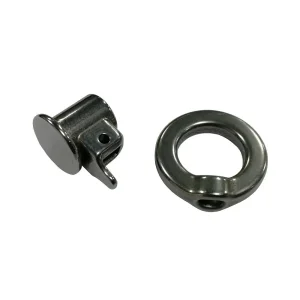
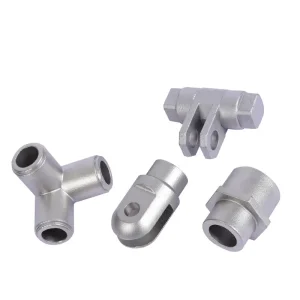
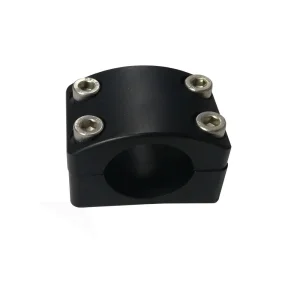
Discover our highly requested customized engineering items configured to stringent micro-tolerances.
In modern precision manufacturing, CNC Turning acts as a primary technical pillar. Rapid advancements in robotics, aerospace, medical technologies, electric vehicles, and deep-sea exploration require custom-machined parts to meet rigorous quality standards. The transition from general-purpose manufacturing to high-density, mission-critical engineering has elevated the significance of OEM CNC Turning Suppliers in China. Suppliers in this hub have evolved past simple execution to become end-to-end engineering collaborators.
Industrial clients look for more than just standard machine-shop operations. They seek partners capable of managing metallurgical complexity, thermal dynamics, structural tolerance stability, and fast turnaround schedules. By linking high-capacity industrial hubs like Dongguan with global supply networks, companies optimize production and leverage extensive engineering capabilities.
Precision Investment Casting, Advanced CNC Machining & Mechanical Assemblies
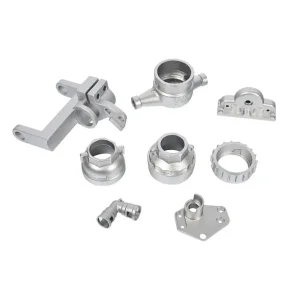
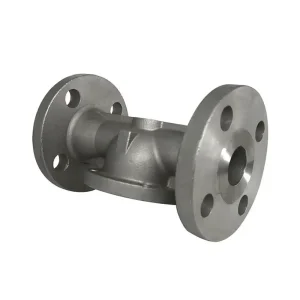
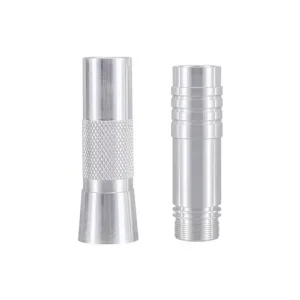
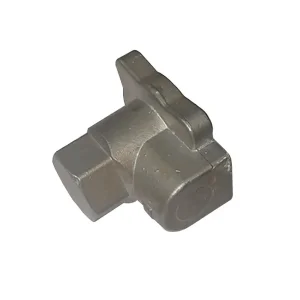
Dongguan SX Technology Co.,Ltd has very rich experience in precision casting, CNC machining and assembly. Our products are used in machinery, automobiles, marine, ships, equipment, valves and pumps, electronic appliances, packaging, watches, construction, chemical industry and other industries.
The most commonly used materials for investment casting are stainless steel and carbon steel. And the most commonly used materials for CNC machining include titanium alloy, stainless steel, carbon steel, aluminum alloy, copper alloy, cemented carbide, etc. We have advanced manufacturing equipment and technology and are able to respond quickly to your needs.
How material choice directly impacts toolpath strategies, feeds, speeds, and structural durability.
Use Cases: Aerospace bulkheads, medical orthopedic implants, deep-water submersibles.
Machining Dynamics: Requires low cutting speeds, high coolant pressure (up to 1000 psi) to manage heat buildup, and specialized tool coatings to prevent work-hardening.
Use Cases: Marine hardware, chemical valve bodies, pharmaceutical equipment.
Machining Dynamics: Demands robust tool geometries to handle the material's toughness. Precision casting combined with CNC turning ensures high yield rates.
Use Cases: Automotive structural brackets, bicycle components, electronic chassis.
Machining Dynamics: High-speed spindle optimization (exceeding 15,000 RPM) to maximize material removal rate (MRR) without causing structural distortion.
Step inside our highly calibrated production facility, equipped with multi-axis CNC machinery, high-precision Swiss-lathes, and investment casting foundry systems.
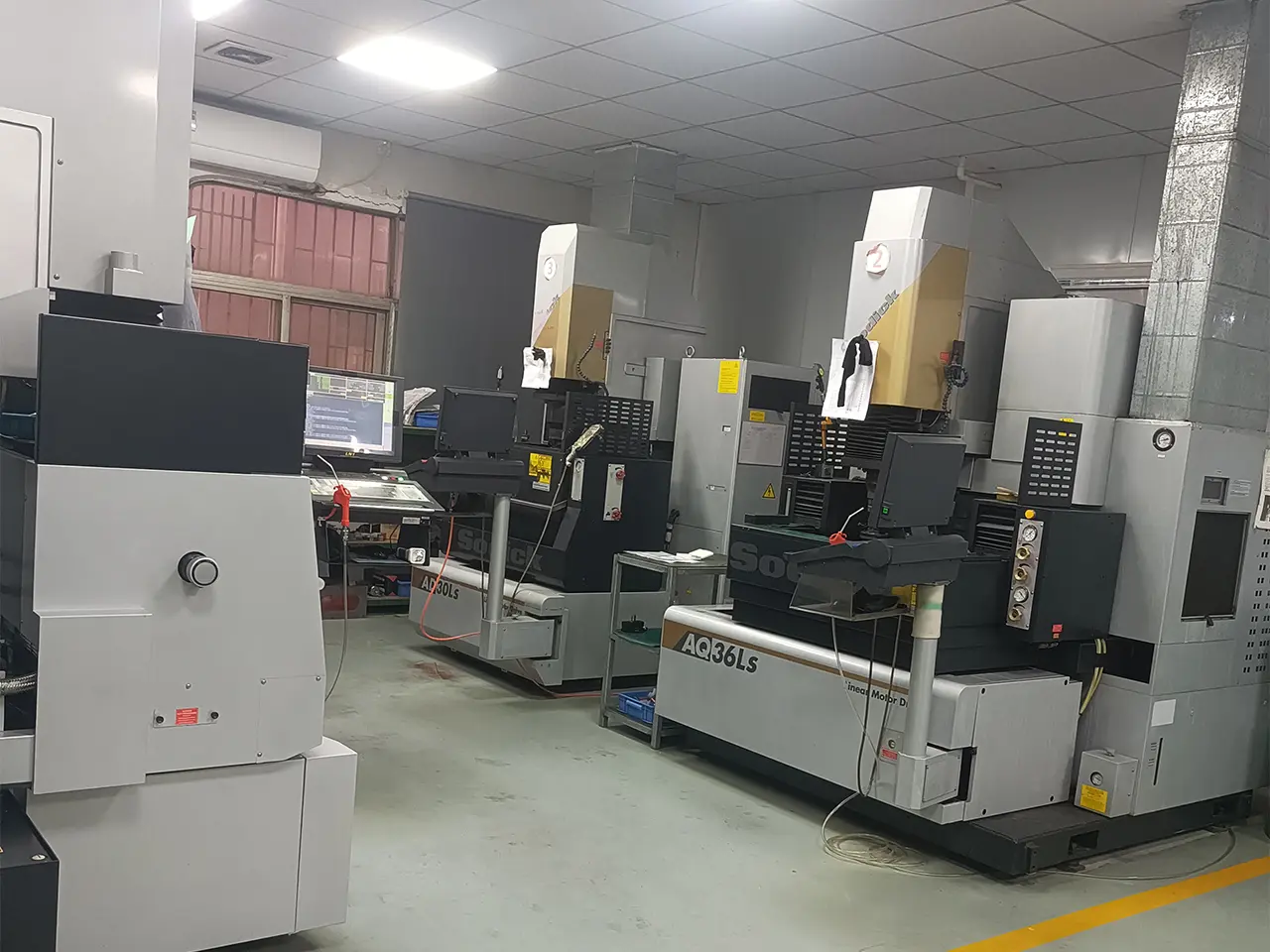
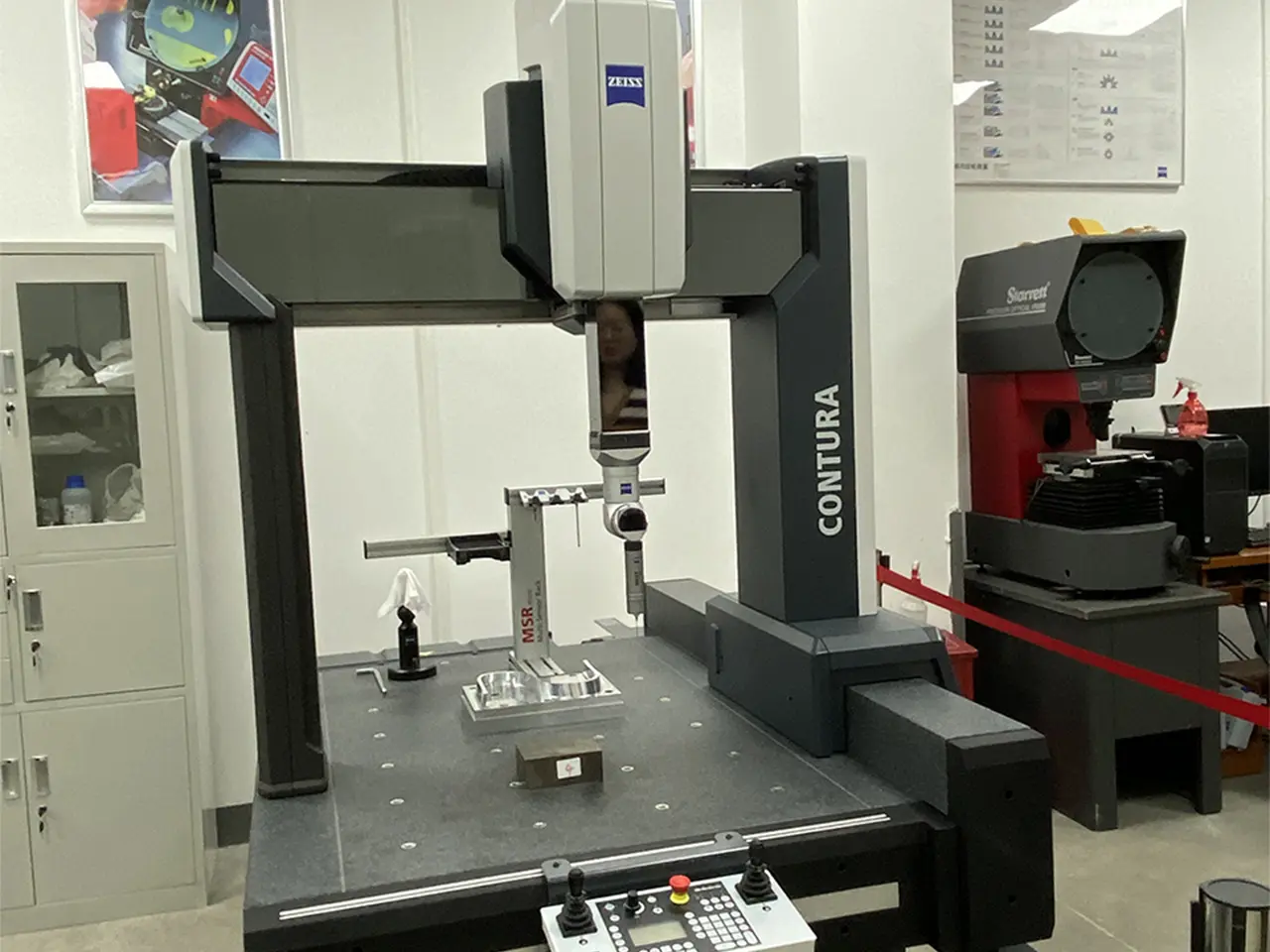
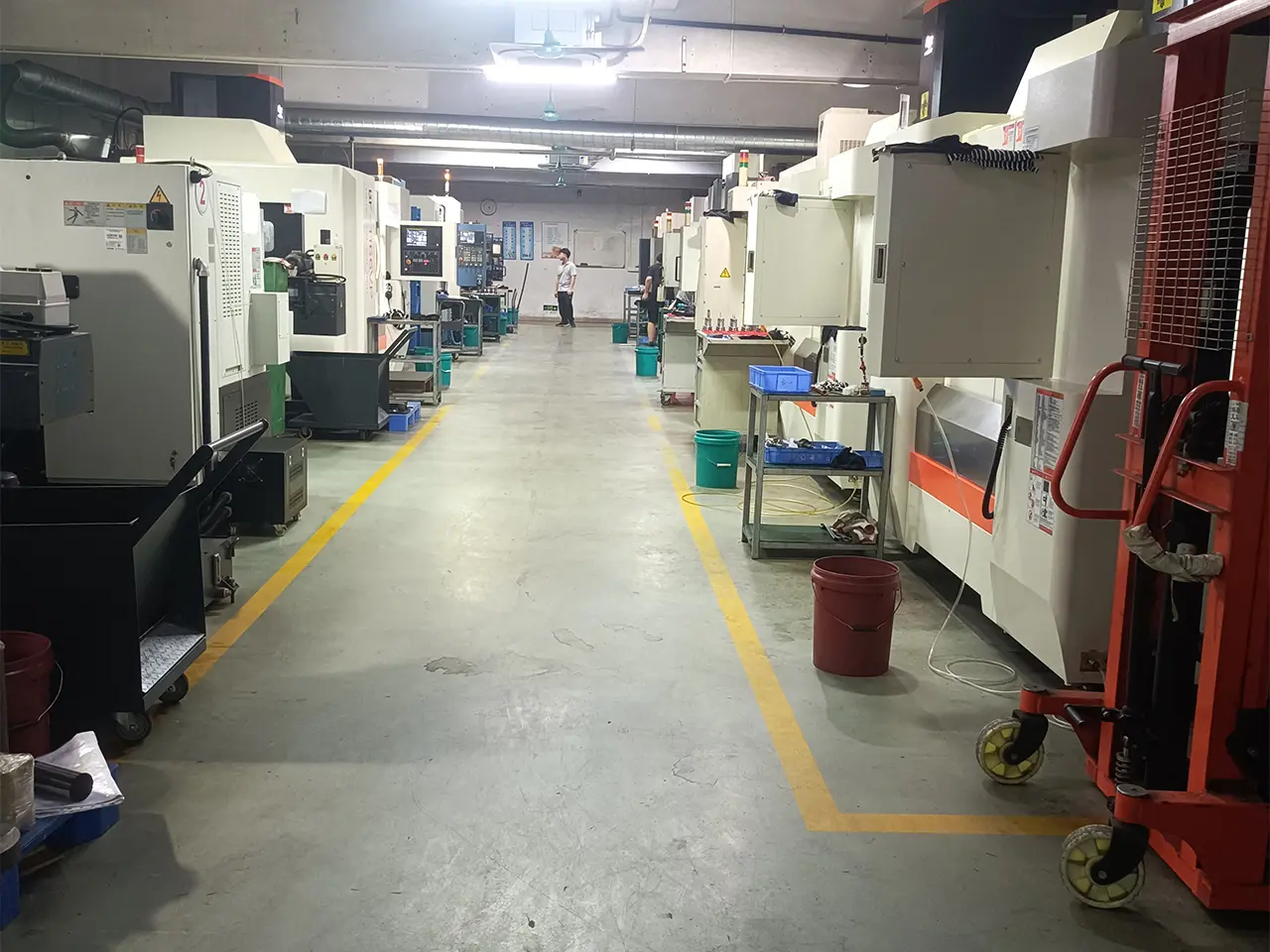
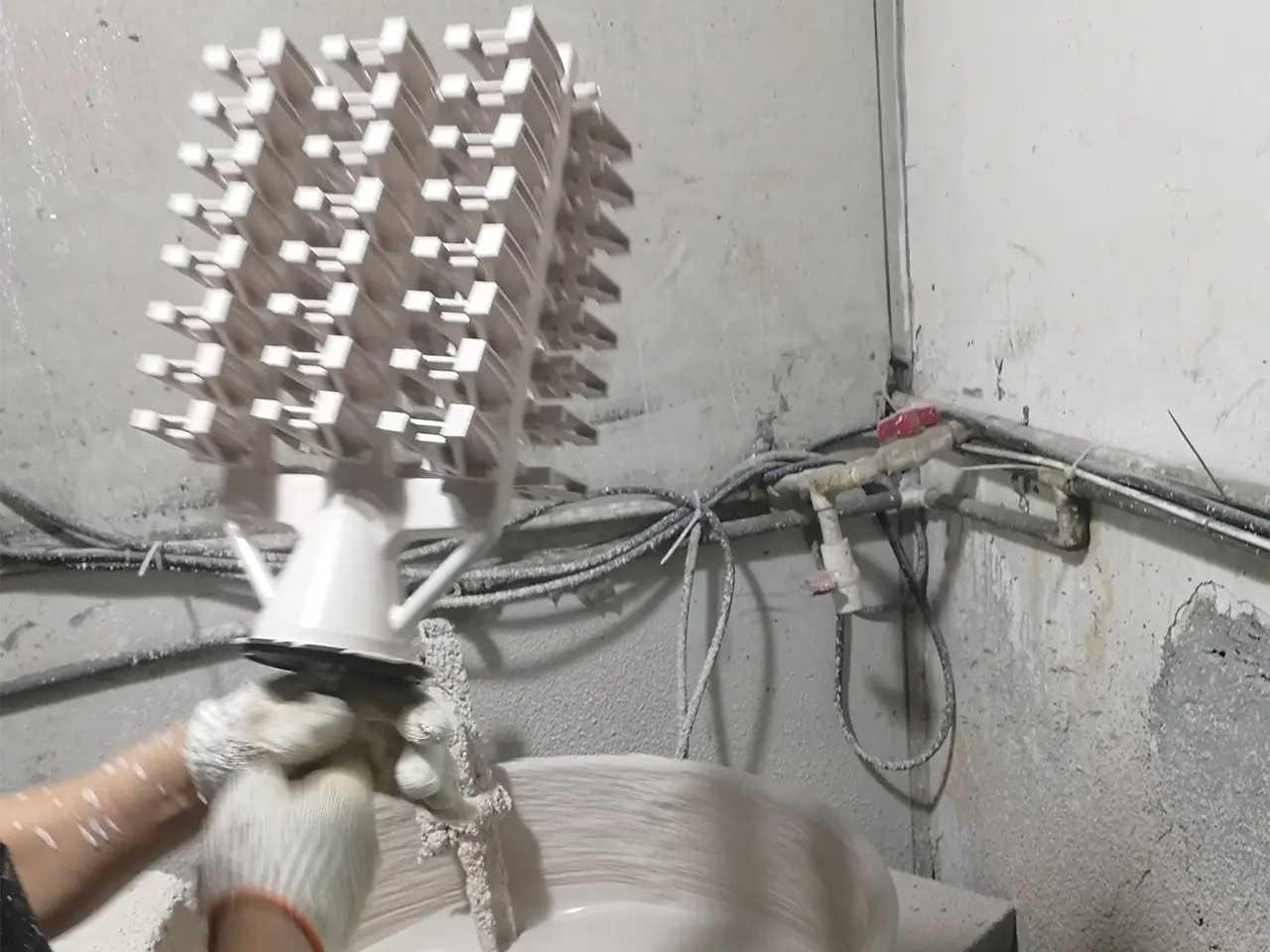
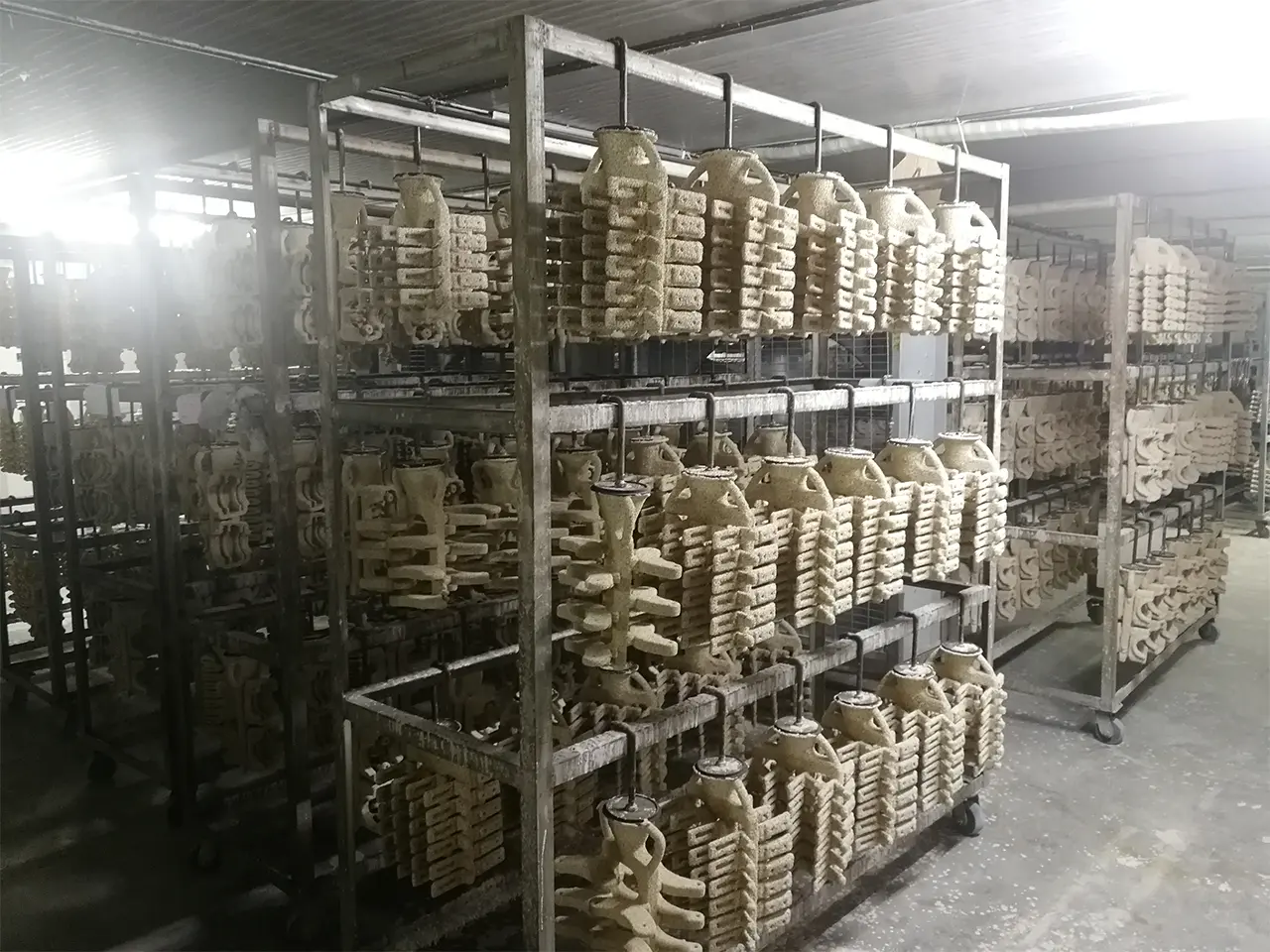
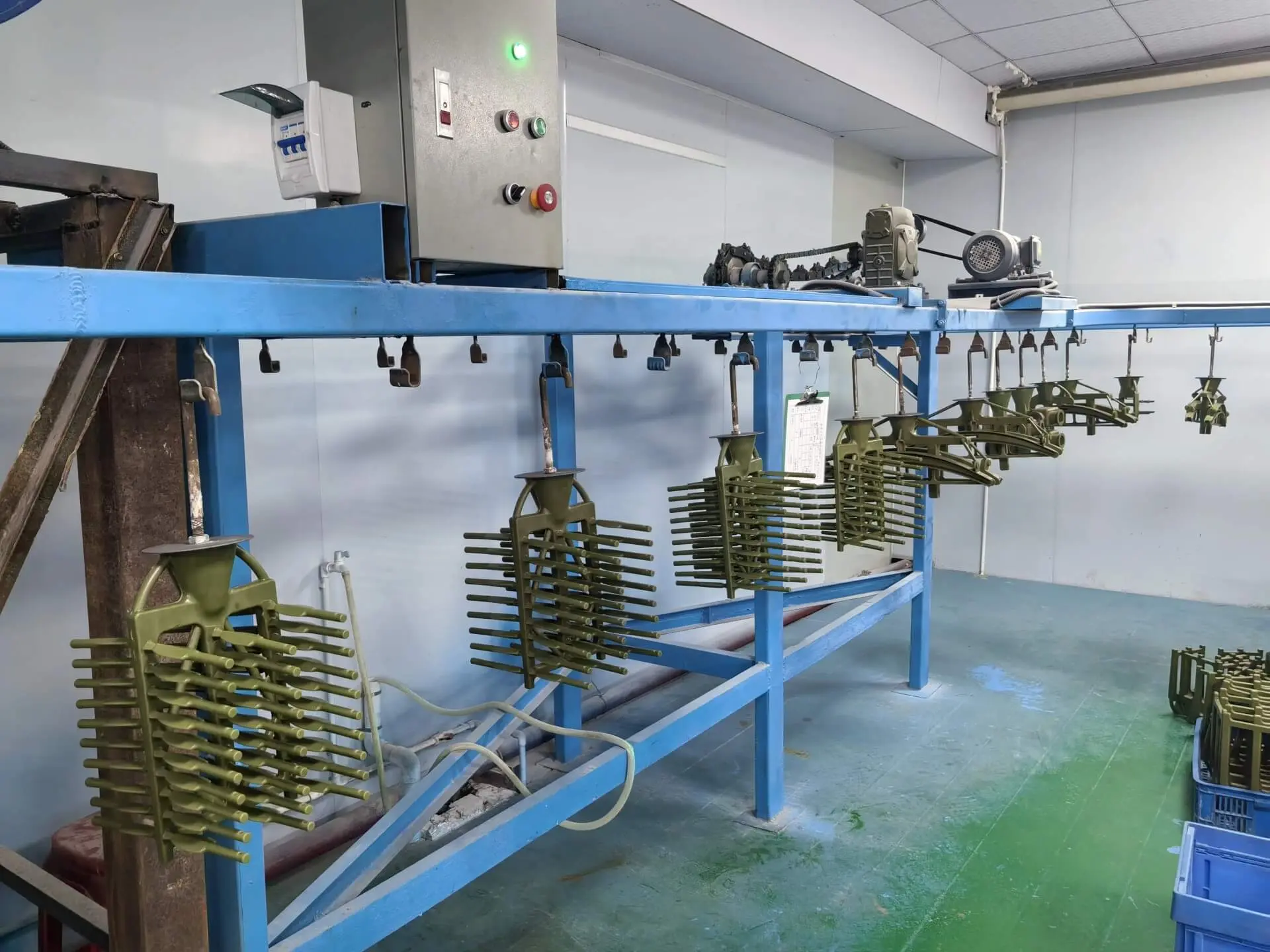
We have professional testing equipment and professional QC personnel, and we adhere to strict tolerances and quality standards for the products we produce. Due to our insistence on strict quality requirements, we have been praised by many customers.
Quality is the cornerstone of the manufacturing industry. We firmly believe that only by controlling quality well can we survive, develop, and get better and better. Therefore, we have been working in this industry unremittingly since 2014 and continue to improve the company's team and improve the company's production capacity.
Our dimensional verification loop integrates coordinate measuring machines (CMM), optical comparators, ultrasonic wall-thickness testers, and spectrographic analysis equipment. This setup guarantees that every raw casting heat and CNC run meets trace-back material verification requirements.
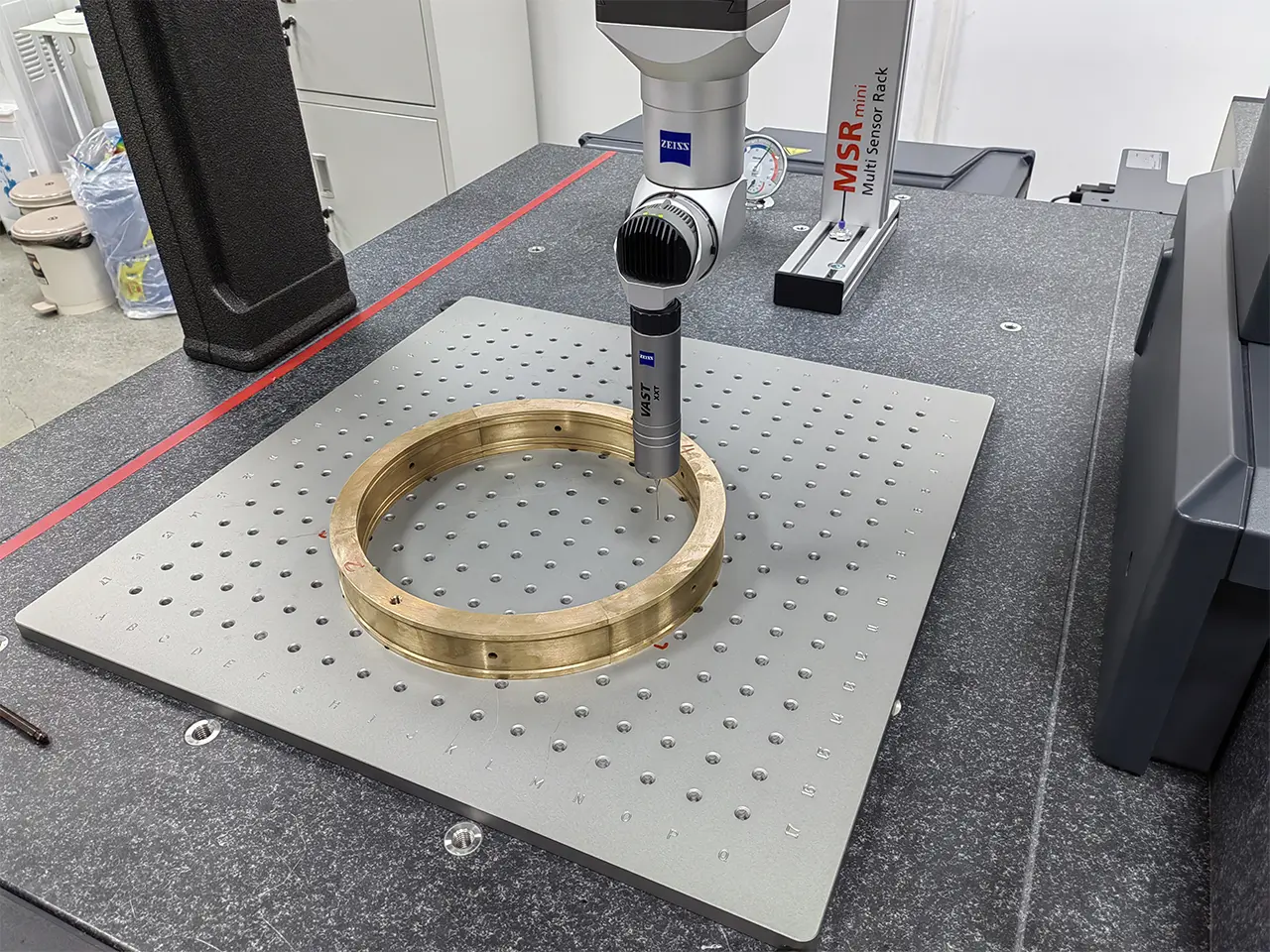
How our manufacturing capability addresses the dynamic supply chain challenges faced by industrial enterprises.
Aerospace components require weight reduction paired with structural strength. Using high-efficiency CNC turning of Grade 5 Titanium alloys and 7075-T6 aluminum, we create parts with thin walls and internal support structures.
As automakers transition to electric drivetrains, lightweight aluminum components are crucial. Our fast CNC turning services produce high-torque shafts, motor housings, and cooling manifolds with consistent surface finishes.
Using duplex stainless steel and carbon steel casting, we build thick-walled pump components, high-pressure valves, and custom plumbing accessories. Our parts are engineered for long service life under high pressures and temperatures.
The CNC machining sector is shifting from basic automated cutting to highly connected, sensor-driven operations. By integrating IoT-enabled tool monitors, real-time tool wear prediction, and 5-axis mill-turn centers, modern machine shops minimize physical setups and reduce tolerance stack-up risks.
Combining near-net-shape investment casting with high-precision CNC finish-turning. This process reduces raw material waste and speeds up production cycle times for complex geometries.
Real-time feed rate adjustments based on spindle load, vibration levels, and tool deflection. This helps maintain consistent tool engagement and prevents micro-cracks in hard materials like titanium.
Developing exact digital models of both the material block and the cutting path. Testing the program virtually helps eliminate physical tool collisions and optimizes cycle times.
Operating in a global market requires strict adherence to international shipping, trade, and environmental laws. A reliable supplier must maintain consistent quality while managing raw material trace-back certifications, eco-compliance, and regional logistics steps.
At Dongguan SX Technology Co., Ltd., we handle these supply chain requirements directly, providing customers with comprehensive documentation, including material test reports, chemical analysis checks, RoHS declarations, and customs clearance support.
Every raw material batch undergoes chemical and physical validation. Mill certificates are linked to the production run, ensuring trace-back records for critical-use components.
We confirm that all surface treatments—such as passivation, anodizing, and zinc plating—comply with EU RoHS and REACH regulations, avoiding the use of hazardous substances.
We work with trusted global carriers to support diverse shipping terms (FOB, CIF, DDP, DAP), ensuring timely customs clearances and predictable transit schedules.
Answers to technical and commercial questions frequently raised by global procurement managers.
Browse through our specialized component categories, built for reliable performance in harsh service conditions.
 SX Machining