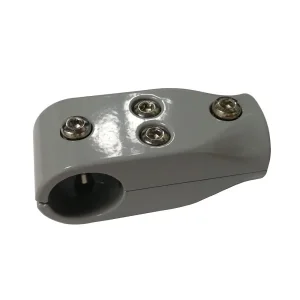
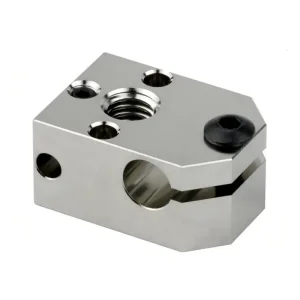
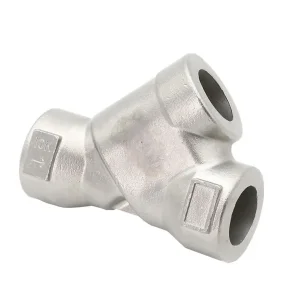
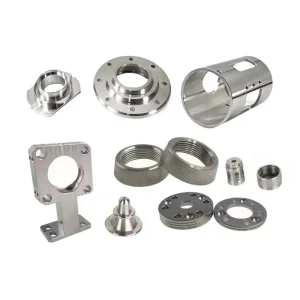
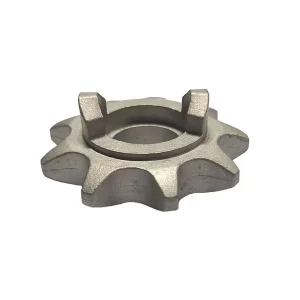
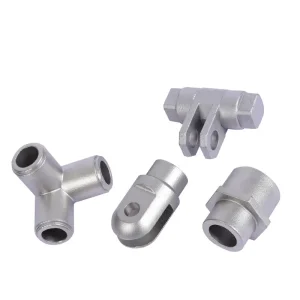
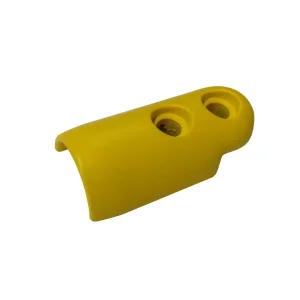
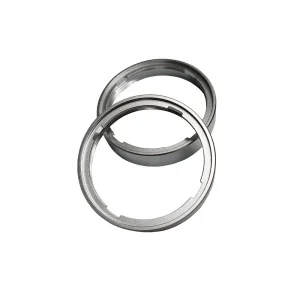
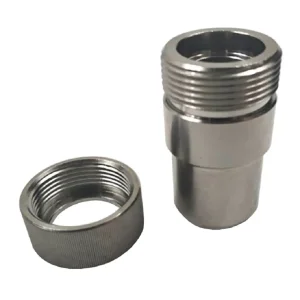
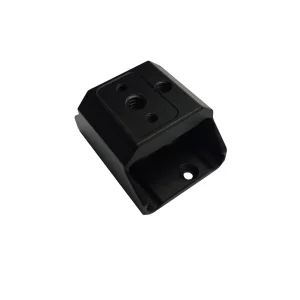
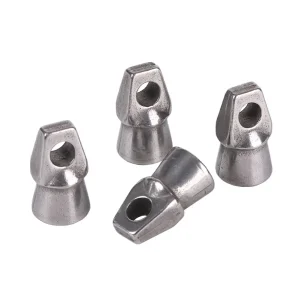
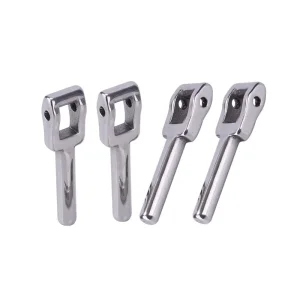
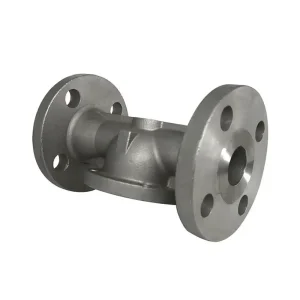
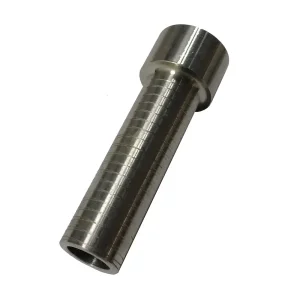
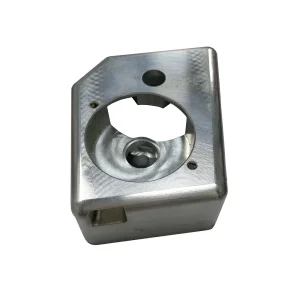
High-precision casting products customized to strict industrial specifications. Retaining structural durability and dimensional stability.
In the modern manufacturing sector, precision is not merely a specification; it is an absolute survival metric. The global precise casting market—traditionally referred to as
Historically, components were designed with significant margins of safety, resulting in heavy, materials-heavy configurations. However, with the onset of structural lightweighting paradigms and computational fluid dynamics (CFD) modeling, parts are now engineered to optimal load paths. This necessitates casting methodologies that can construct complex internal geometries, thin-walled structures, and highly specific draft angles that traditional machining cannot achieve on raw stock.
China's manufacturing sector has shifted from high-volume production to high-precision engineering. By introducing advanced silica sol binder systems, atmospheric induction furnaces, and automatic robotic wax injectors, Chinese foundries now compete at the highest level of metallurgical quality. This evolution allows global engineering firms to benefit from optimized cost structures without compromising on mechanical reliability, surface roughness (Ra) standards, or trace material purity.
| Casting Method | Surface Roughness (Ra) | Dimensional Tolerance (ISO 8062) | Minimum Wall Thickness | Typical Materials |
|---|---|---|---|---|
| Silica Sol Investment Casting | 1.6 - 3.2 μm | CT4 - CT6 | 1.5 mm | Stainless Steel, Titanium Alloys, Superalloys |
| Water Glass Investment Casting | 6.3 - 12.5 μm | CT7 - CT9 | 3.0 mm | Carbon Steel, Low Alloy Steel |
| Sand Casting | 12.5 - 25 μm | CT10 - CT12 | 5.0 mm | Gray Iron, Ductile Iron, Cast Steel |
Dongguan SX Technology Co., Ltd. possesses rich experience in precision casting, CNC machining, and electro-mechanical assembly. Our manufacturing footprints serve a wide array of mission-critical sectors including industrial machinery, automotive systems, marine engineering, custom valve systems, high-durability pumps, electronic appliances, packaging equipment, horology, structural construction, and chemical treatment plants.
The most commonly deployed metallurgical foundations for our investment casting projects include stainless steel (e.g., Duplex, 304, 316) and structural carbon steels. In parallel, our high-precision CNC machining division works with premium grades including titanium alloys (Ti-6Al-4V), stainless steel, high-tensile carbon steels, structural aluminum alloys, bronze/copper alloys, and sintered cemented carbides.
By unifying advanced casting foundries with a modern, temperature-controlled CNC post-processing facility, we deliver turn-key components designed for drop-in assembly. This end-to-end management minimizes supply chain latency, eliminates inter-supplier blame games regarding tolerance margins, and guarantees consistent quality control records.
We utilize cutting-edge manufacturing processes to solve complex performance and engineering challenges.
By utilizing silica-sol bound ceramic shells combined with 316L and duplex stainless steels, we eliminate grain-boundary carbide precipitation. This process prevents intergranular corrosion in petrochemical pumps and marine desalination valves.
As cast structural shapes are mechanically processed using multi-axis CNC milling and turning centers. We achieve tolerances as tight as ±0.005mm, satisfying requirements for aerospace fittings and medical implant assemblies.
Our dedicated titanium casting processing line ensures that medical-grade titanium alloy fittings maintain zero interstitial element contamination. This preserves structural strength and biocompatibility for orthopaedic equipment.
The investment casting process deployed at our facility follows a rigorous, control-loop manufacturing sequence. Every step must be executed within controlled thermal boundaries to ensure that raw grain orientations form uniformly, avoiding structural stress concentration points.
Controlling mechanical outcomes requires deep knowledge of material phase transitions. We monitor phase boundaries to optimize tensile strength, hardness, and wear characteristics.
| Material Designation | Tensile Strength (MPa) | Yield Strength (MPa) | Elongation (%) | Target Industry Application |
|---|---|---|---|---|
| 316L (CF3M) Stainless Steel | ≥ 485 | ≥ 205 | ≥ 30 | Marine fittings, offshore oil conduits, acid-handling valves |
| 304 (CF8) Stainless Steel | ≥ 485 | ≥ 205 | ≥ 35 | Bus handrails, structural brackets, food packaging |
| WCB Carbon Steel | ≥ 485 - 655 | ≥ 250 | ≥ 22 | High-pressure valves, heavy machinery brackets, construction gears |
| Ti-6Al-4V (Grade 5 Titanium) | ≥ 895 | ≥ 825 | ≥ 10 | Surgical tools, aerospace components, performance sports gear |
Take a look inside our high-tech workshop and advanced testing facilities. Standardized procedures ensure zero defect rates.
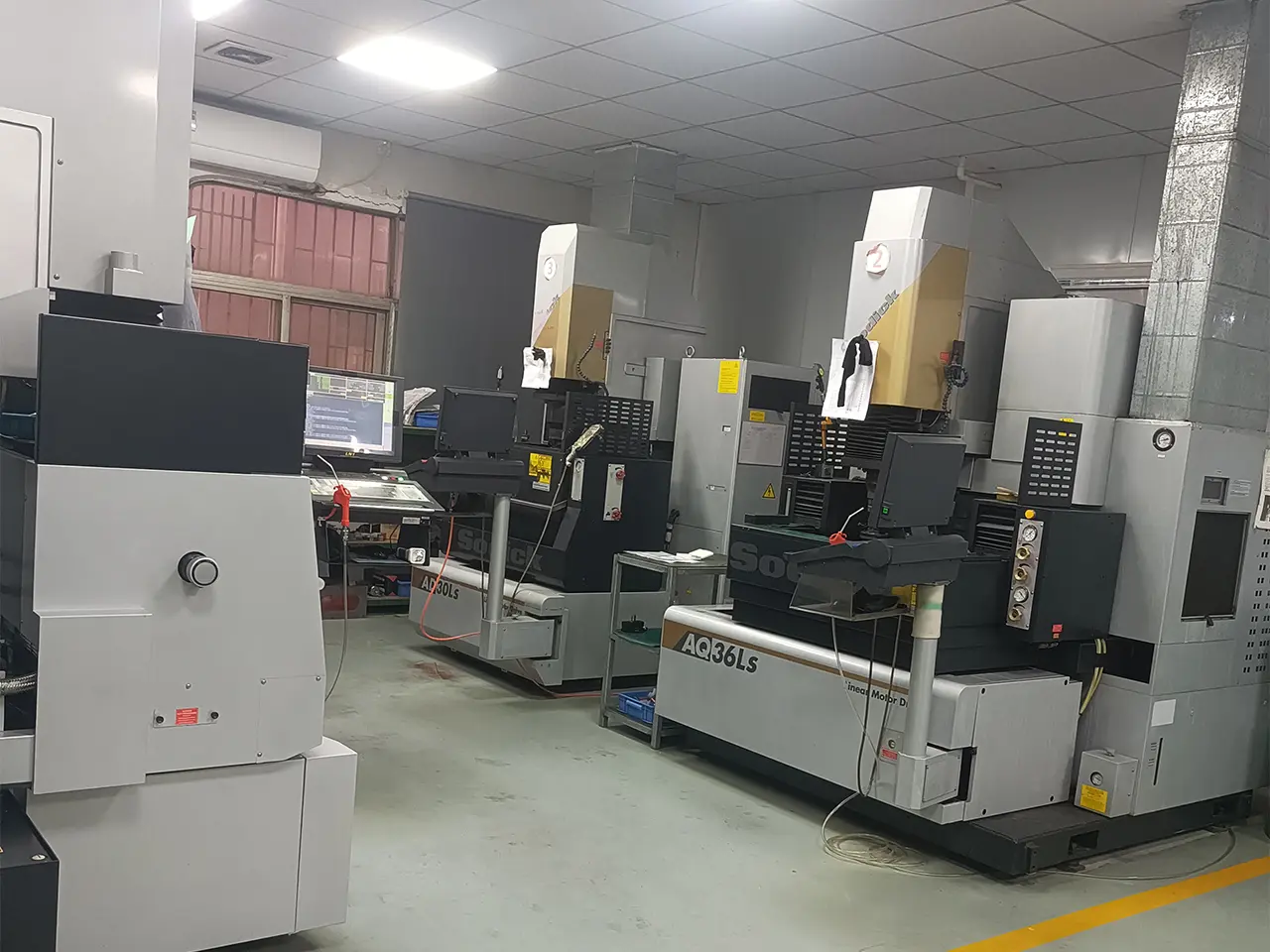
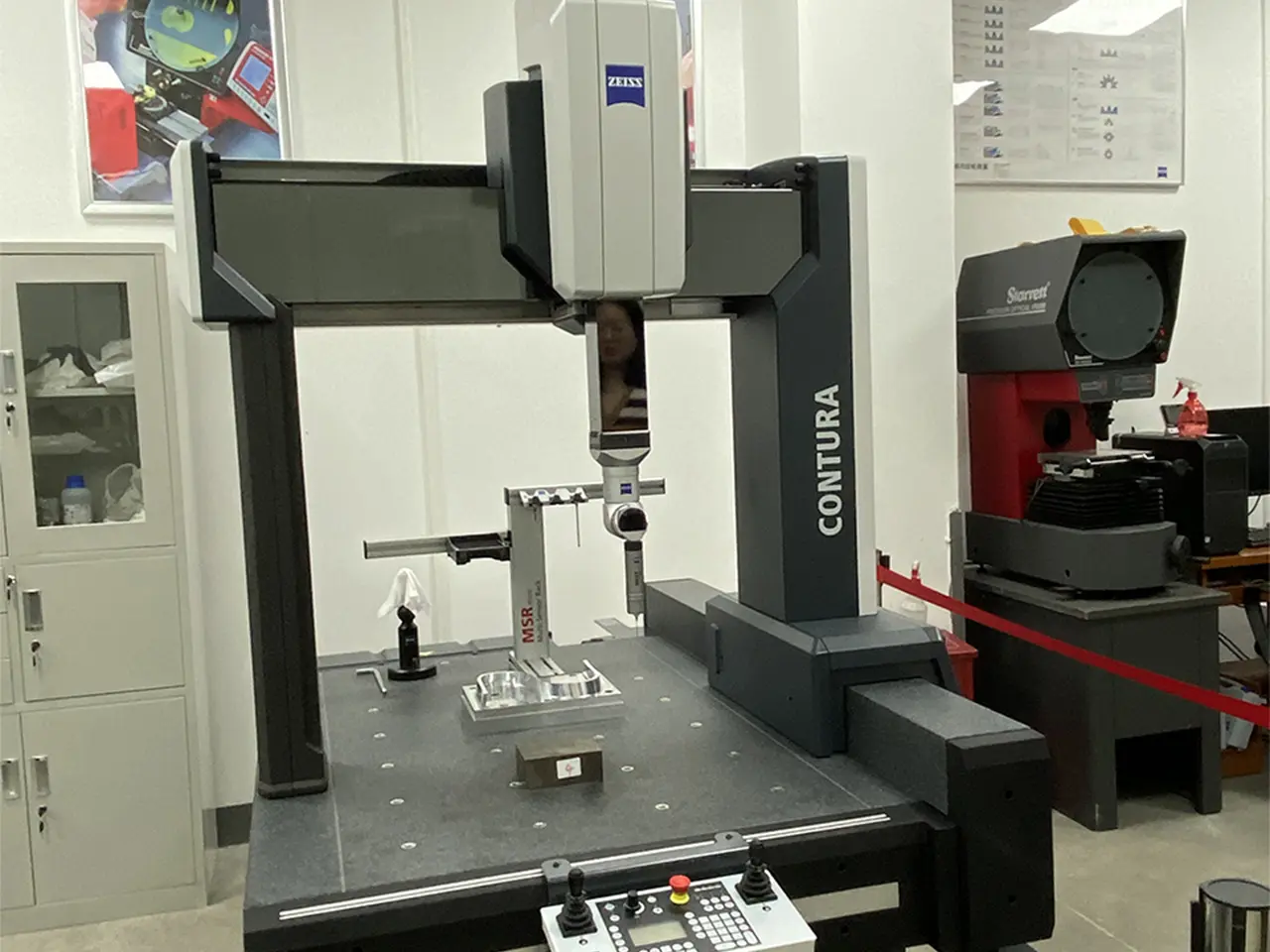
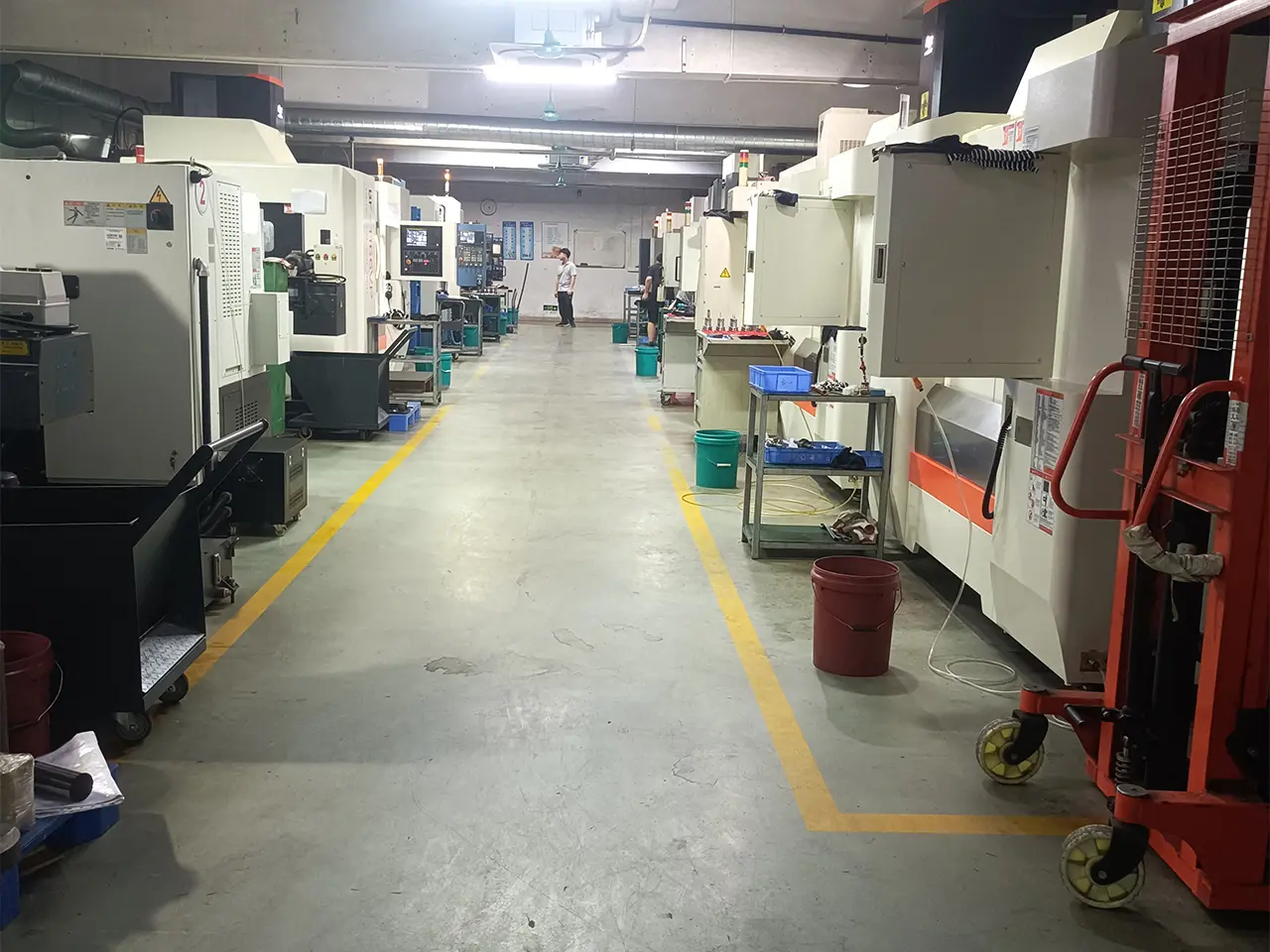
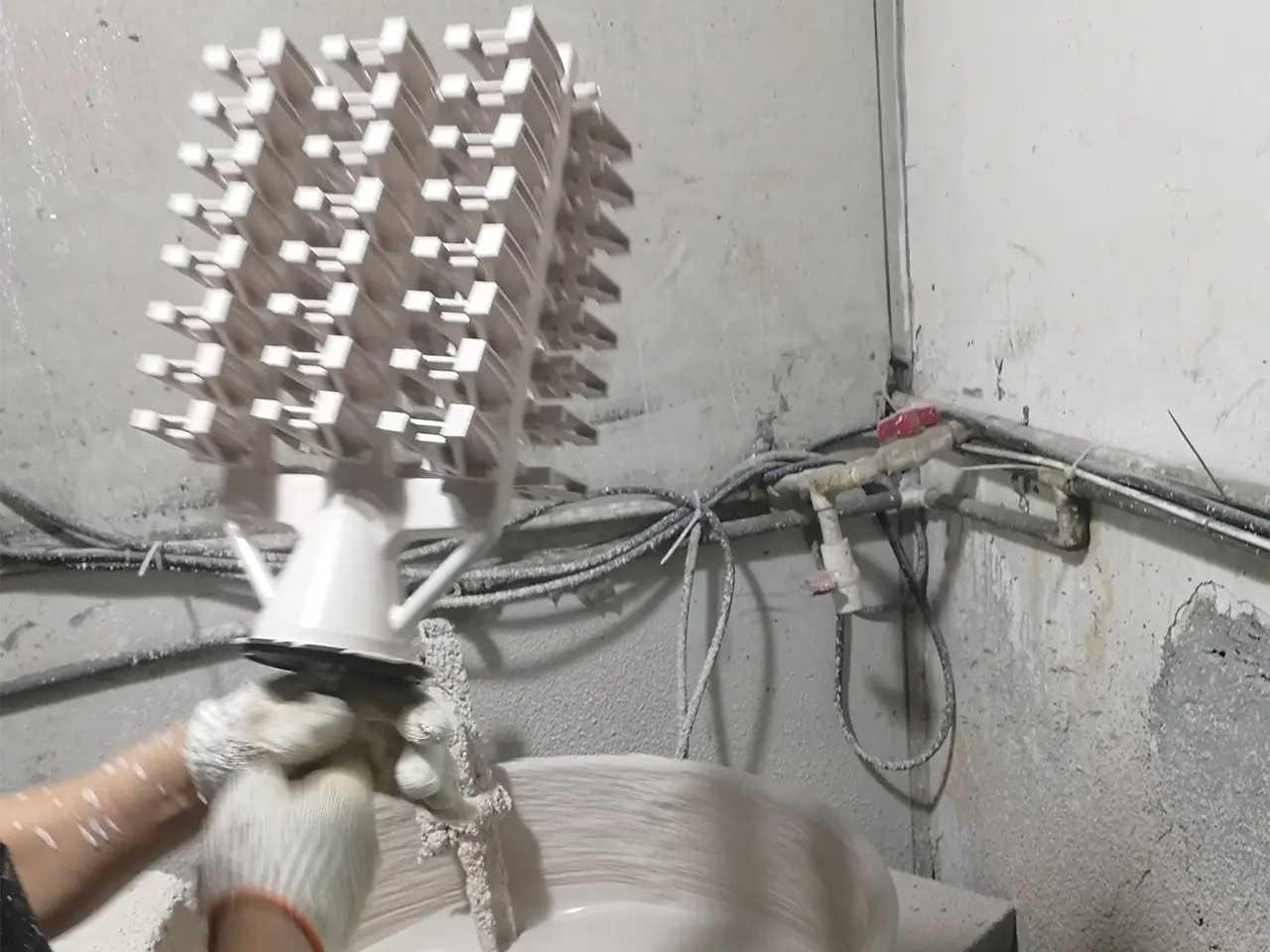
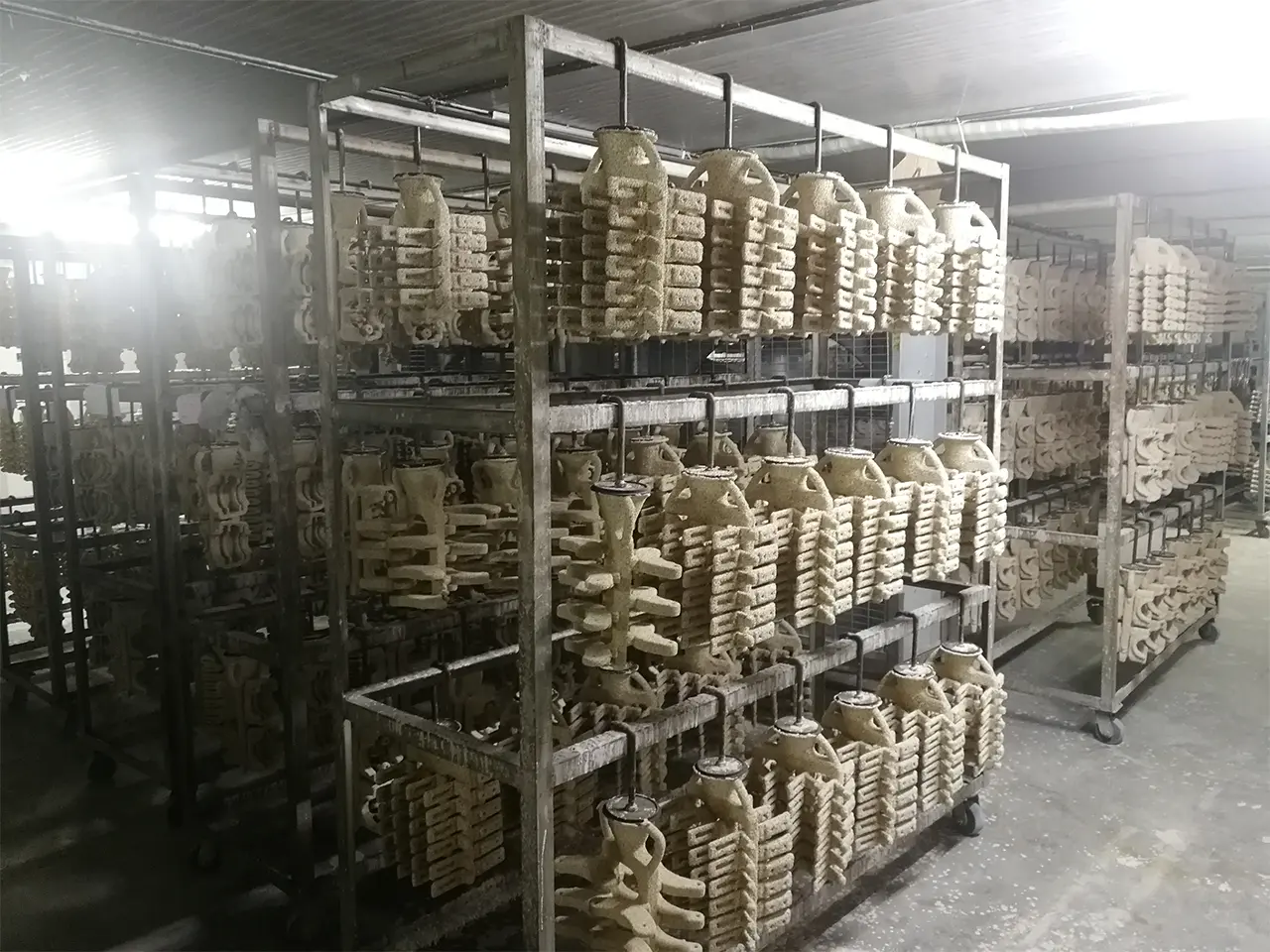
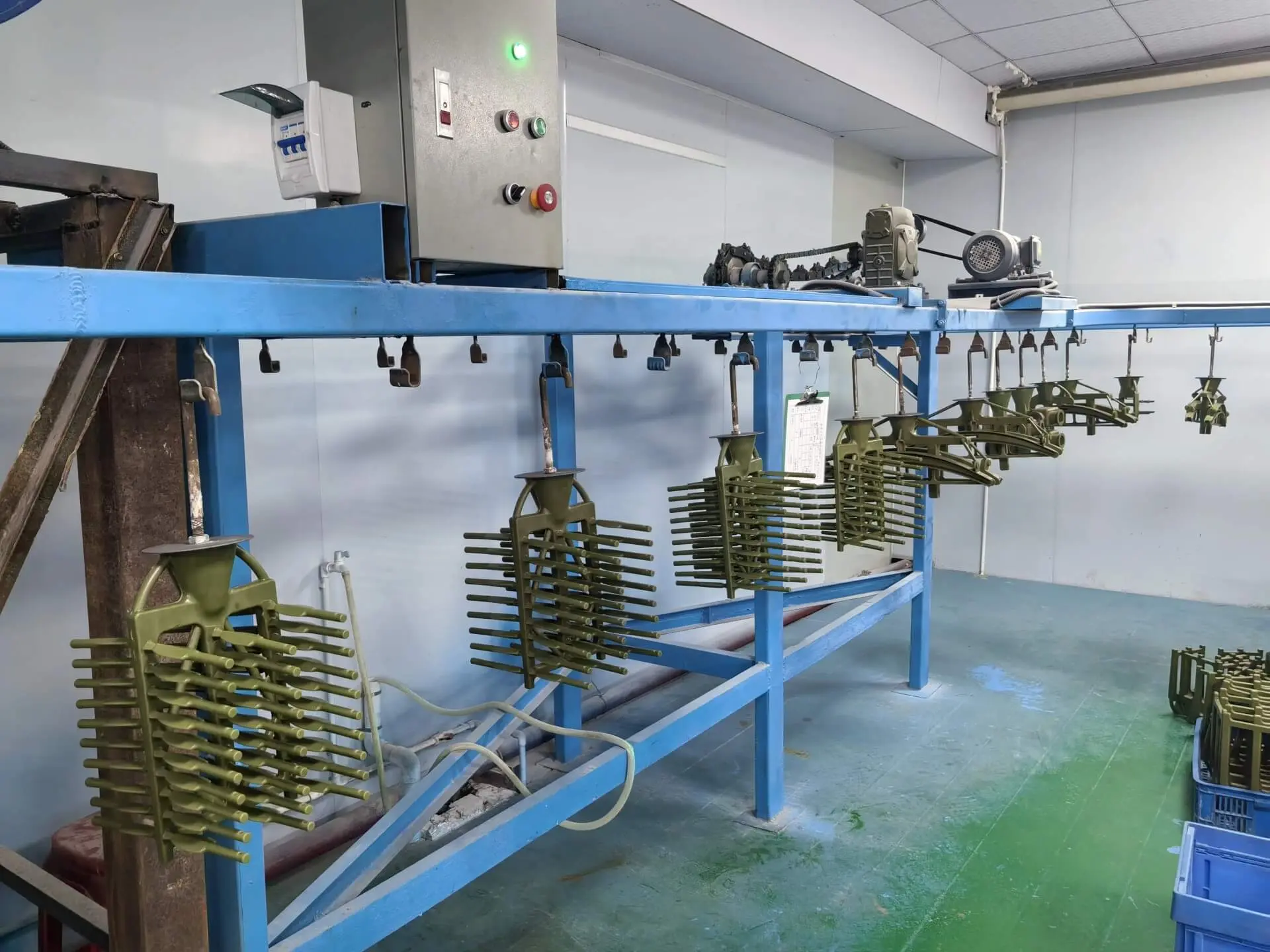
Quality is the foundation of the manufacturing industry. We firmly believe that only by controlling quality well can we survive, develop, and grow. Therefore, we have been working in this industry since 2014, continually upgrading our equipment and refining our team's operational processes.
We use specialized testing equipment and follow a strict quality inspection protocol:
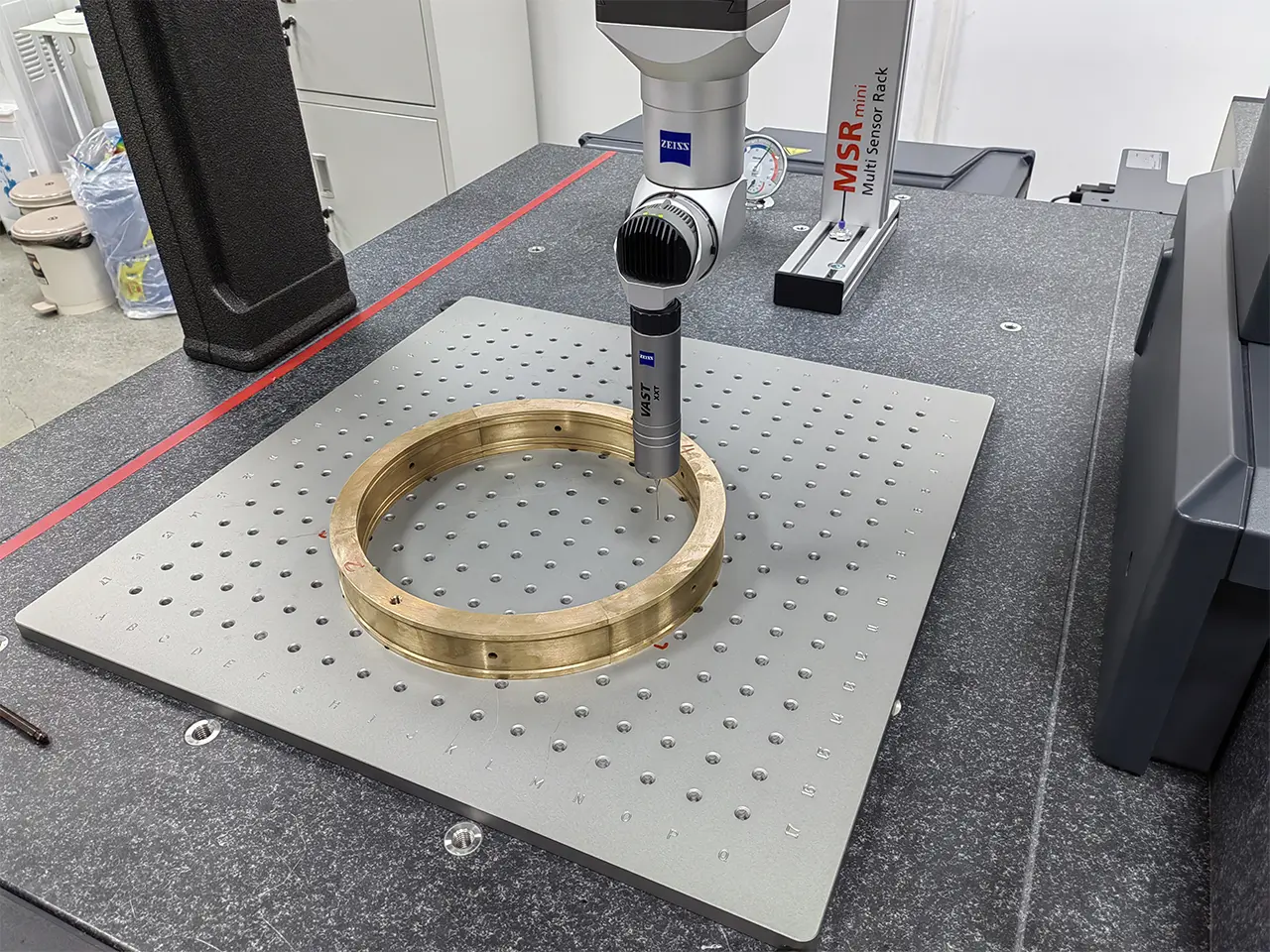
To achieve high-quality precise casting, designers must coordinate casting rules with machining setup constraints. When components are co-designed for casting and machining, overall part costs can drop by 30% to 50% compared to machining complex geometries from solid billets.
While investment casting permits complex components without high draft angles, adding minor draft zones (0.5 to 1.0 degree) to deep cavities helps preserve wax patterns during injection mould release. Additionally, avoiding abrupt variations in wall thickness helps prevent localized shrinkage. Gradual structural transitions keep the metal front liquid during filling and prevent micro-porosities from forming.
For cast parts requiring subsequent CNC milling or turning, designers must specify appropriate machining allowances. For silica sol casting, an allowance of 1.5mm to 2.0mm is typical. Crucially, engineering designs should identify clear reference datums. If datum targets are placed on raw casting surfaces, they should be located away from parting lines or gates to prevent errors in subsequent CNC fixtures.
Answers to common technical questions about our manufacturing services and capabilities.
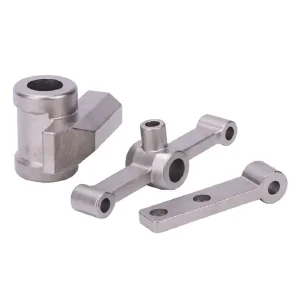
Browse our extended product lineup, featuring custom-engineered titanium, aluminum, and stainless steel assemblies.
 SX Machining