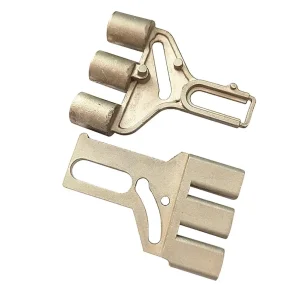
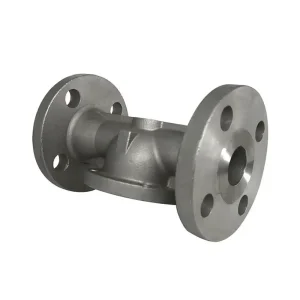
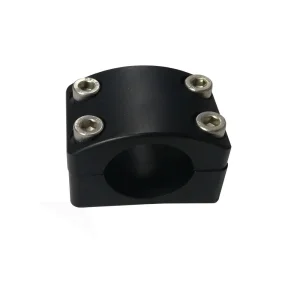
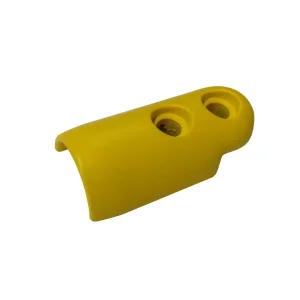
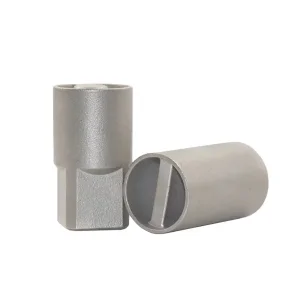
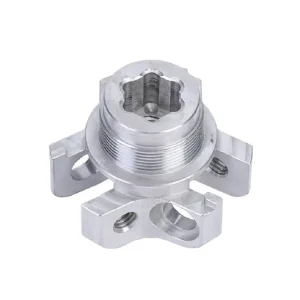
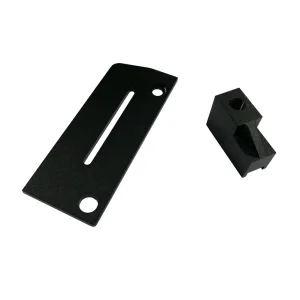
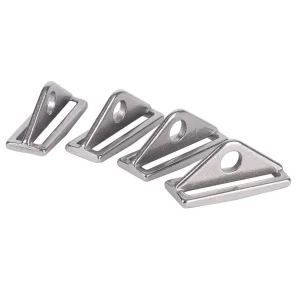
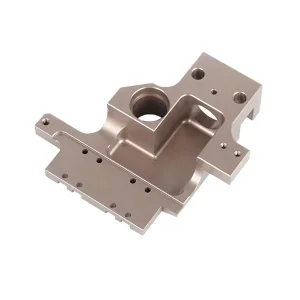
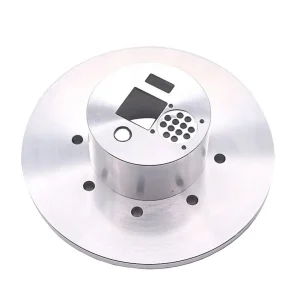
Explore our elite selection of custom investment cast and CNC machined parts, precision-engineered to meet stringent dimensional tolerances and severe-environment performance metrics.
Established as a benchmark of engineering precision, Dongguan SX Technology Co.,Ltd has cultivated a reputation as an industry leader in complex precision casting, high-tolerance CNC machining, and comprehensive structural assembly. We leverage advanced technological nodes to bridge the gap between metallurgical raw material processing and finished, operational industrial products.
Our multi-disciplinary engineering approach serves high-stakes sectors, including global aerospace, heavy machinery, automotive propulsion, marine structures, liquid control systems, and electronic housing. By integrating vertical casting processes (investment casting, lost wax methods) with secondary and tertiary CNC milling, turning, and multi-axis composite machining, we eliminate supply chain bottlenecks for international buyers. Our core expertise covers high-performance stainless steels, low and high-carbon steels, titanium alloys, copper alloys, and high-purity aluminum alloys.
Why sourcing from Dongguan's precision casting cluster optimizes total cost of ownership (TCO) and accelerates time-to-market.
In the field of high-precision metal casting, supply chain continuity is determined not just by melting capacity, but by the density of the surrounding industrial ecosystem. Dongguan's manufacturing corridor offers an unparalleled density of raw material suppliers, thermal treatment specialists, surface-finish experts, and custom packaging facilities. This proximity reduces transit times and eliminates cross-province logistics risks.
Our raw materials are sourced directly from verified primary smelters, accompanied by chemical composition certificates (MTRs). Having localized control over secondary operations like passivating, electro-polishing, chrome plating, and carbonitriding allows us to run a lean, highly coordinated operation.
Furthermore, our strategic proximity to major logistics hubs including the Shenzhen Port, Guangzhou Nansha Port, and Hong Kong International Airport guarantees seamless global transport. Our customs-cleared operations and compliance teams are specialized in managing international incoterms (FOB, CIF, DDP), preparing necessary documentation, and navigating maritime and air transport regulatory frameworks.
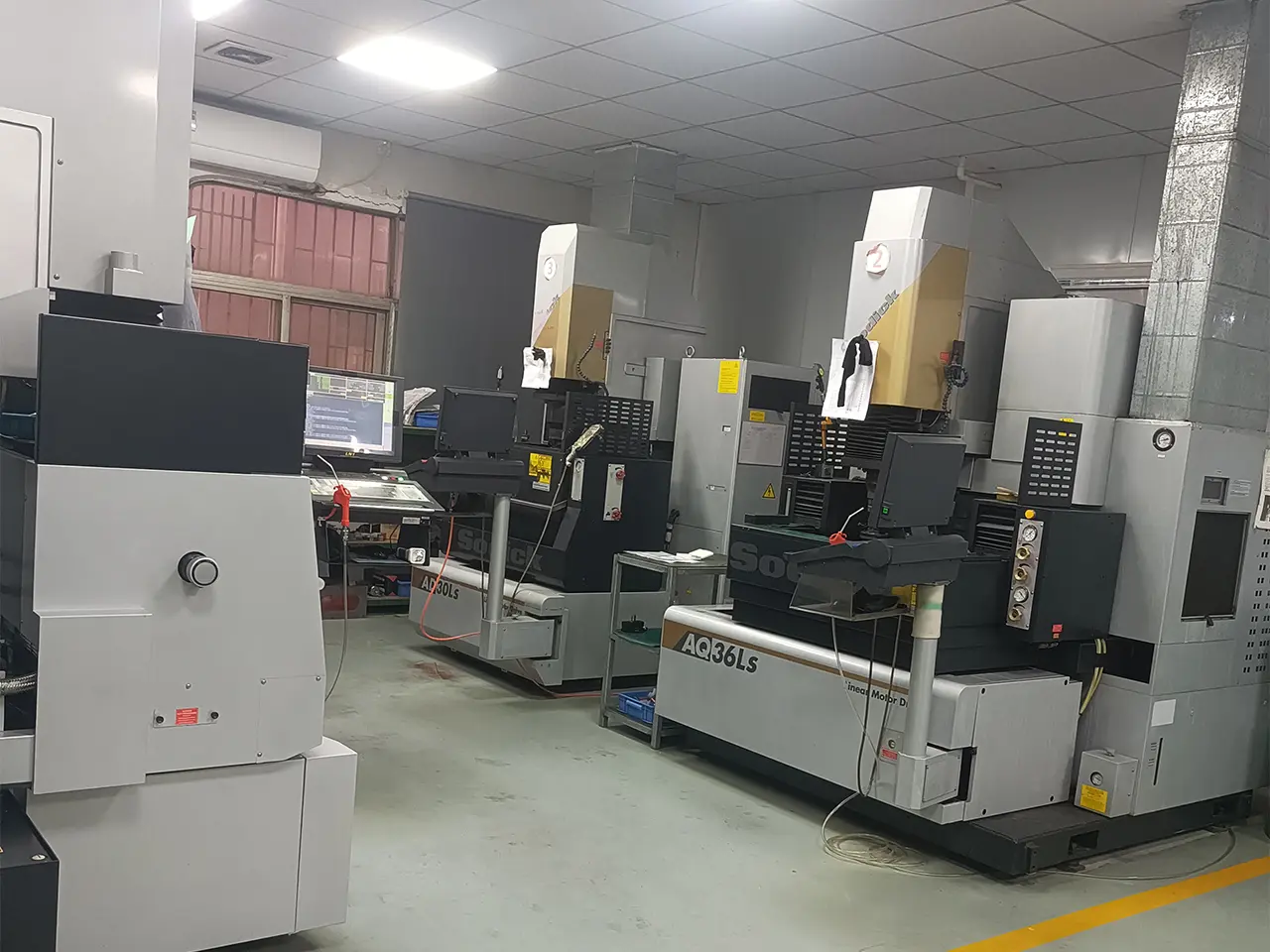
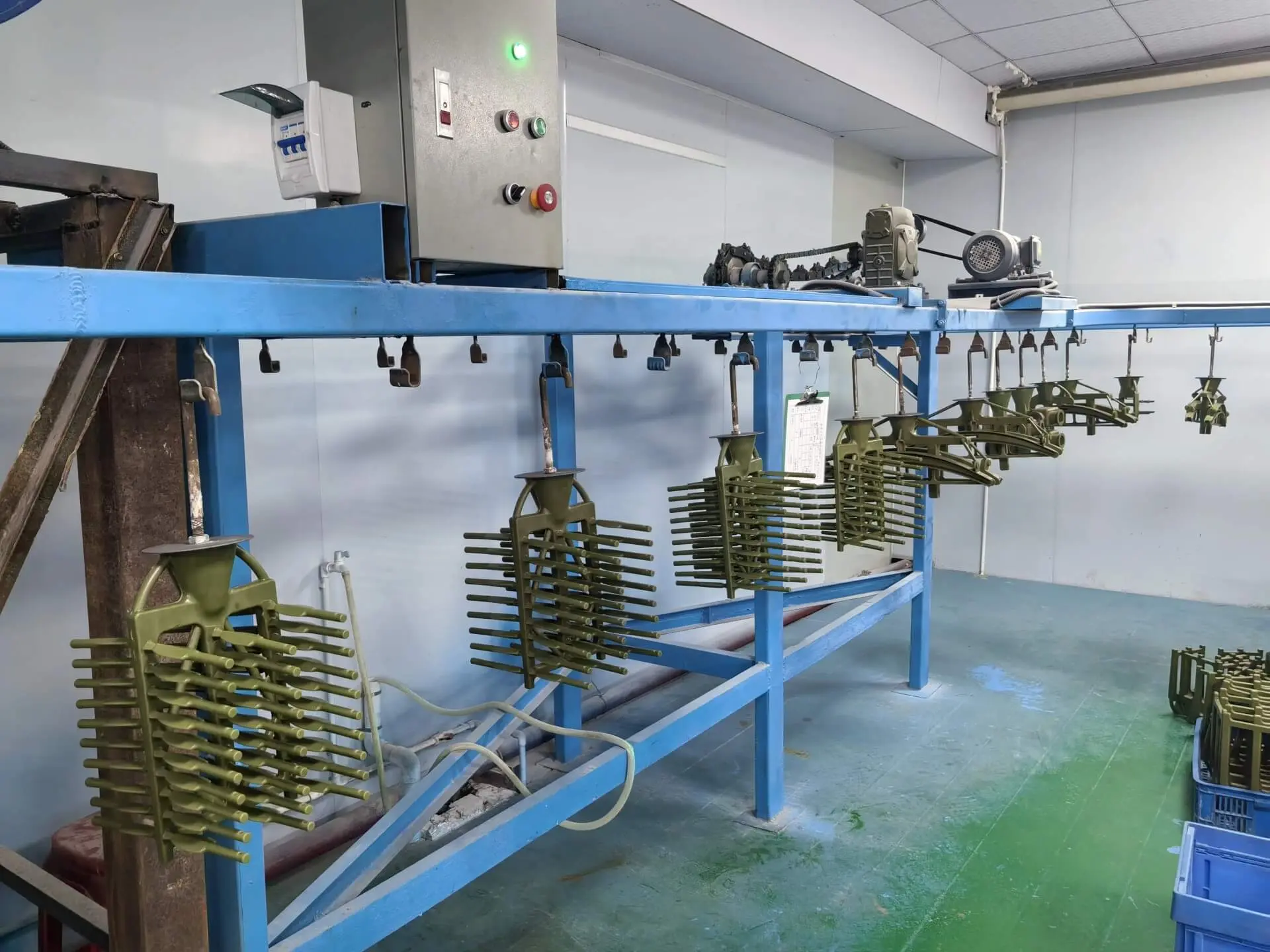
Inside Shixin Technology's state-of-the-art facilities: Where precision engineering and digital metallurgical control merge.
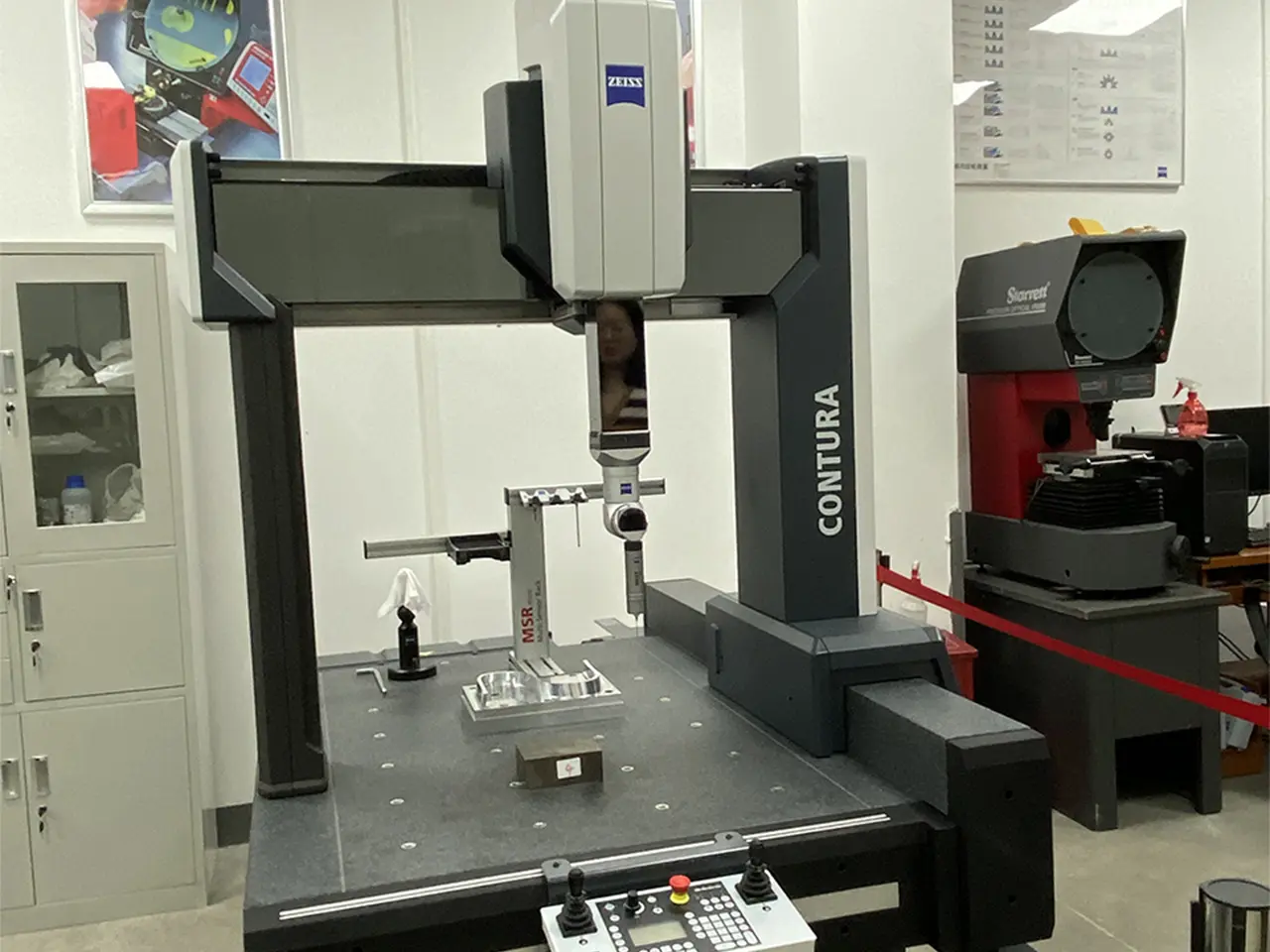
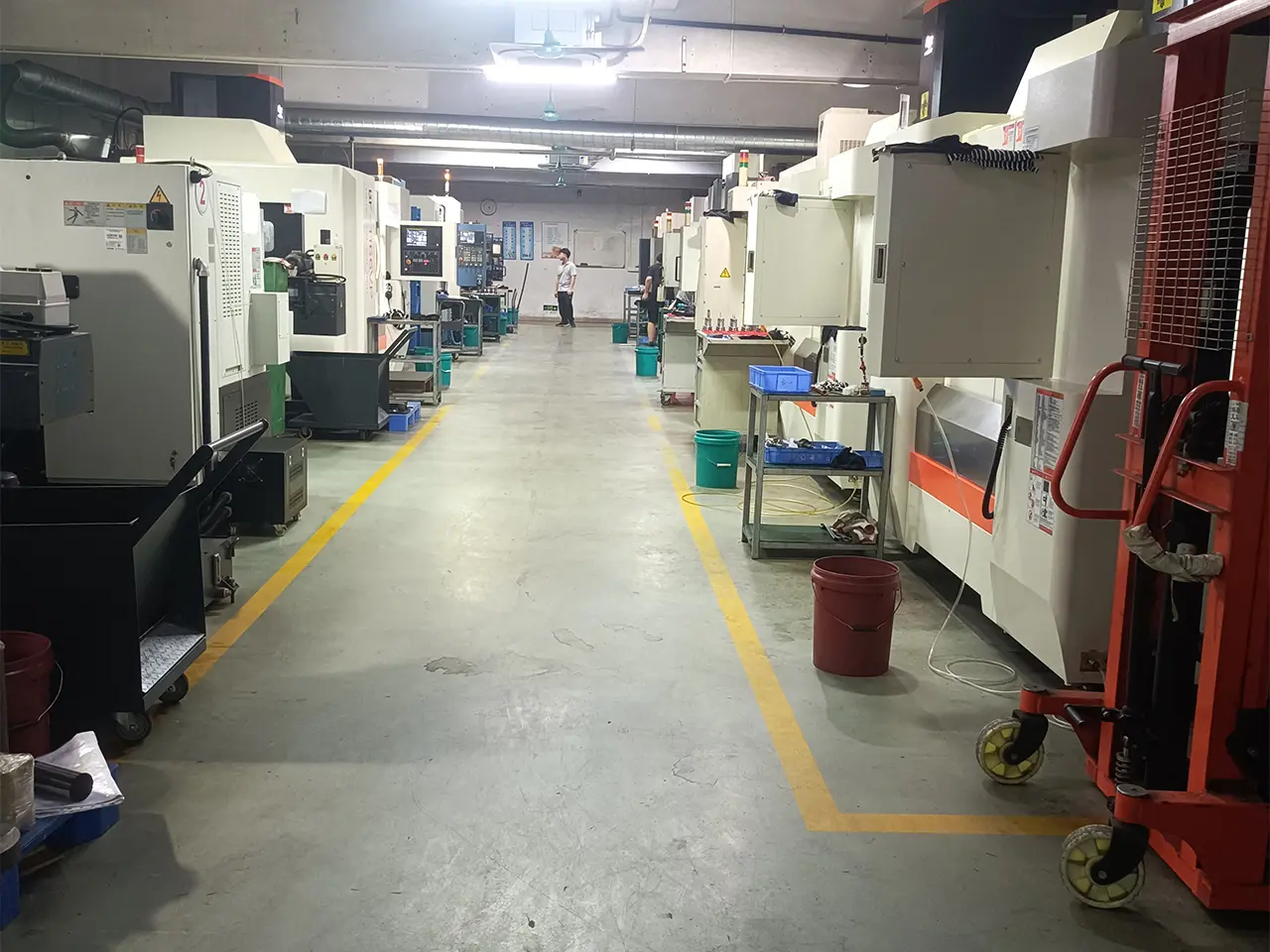
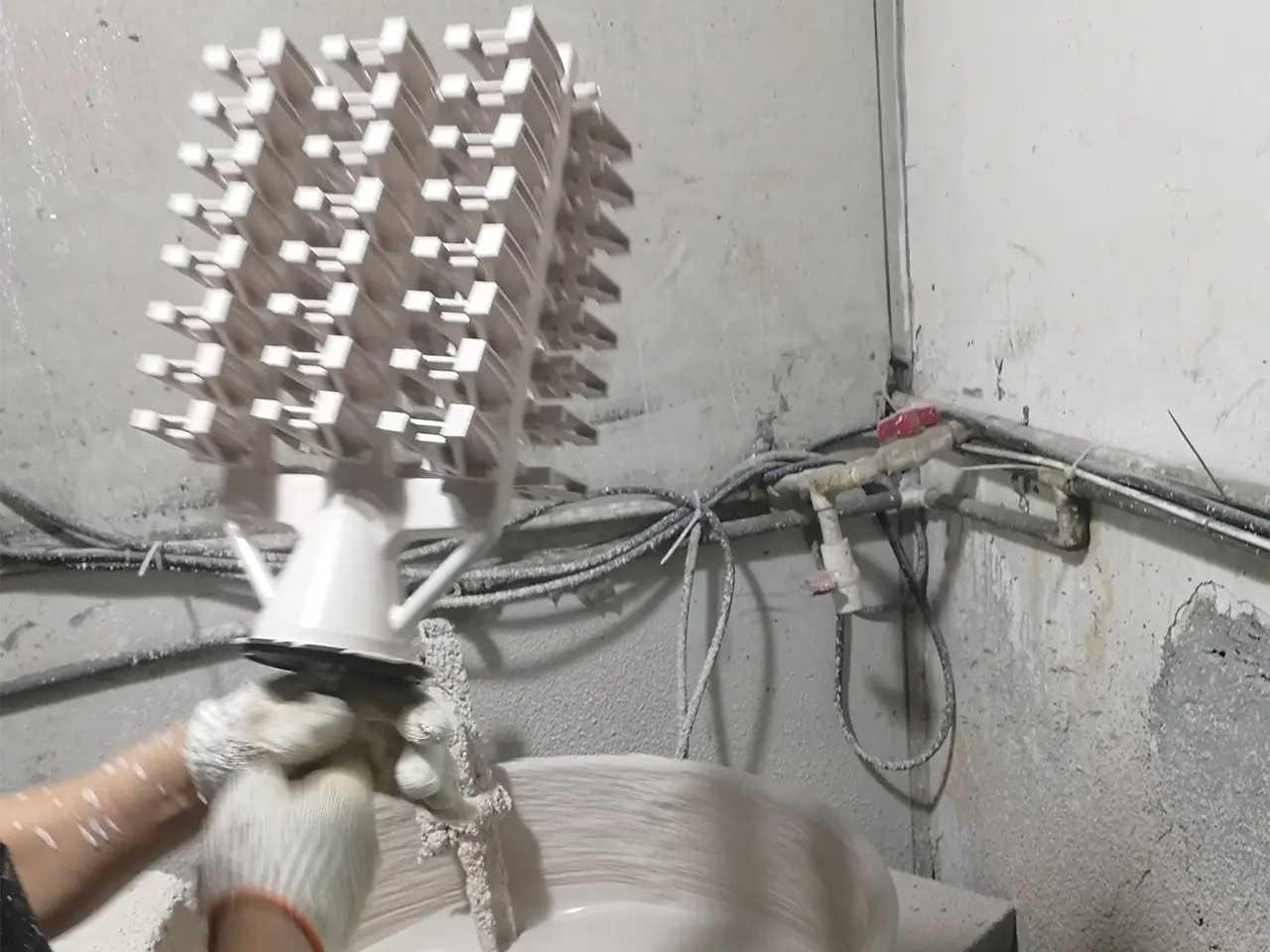
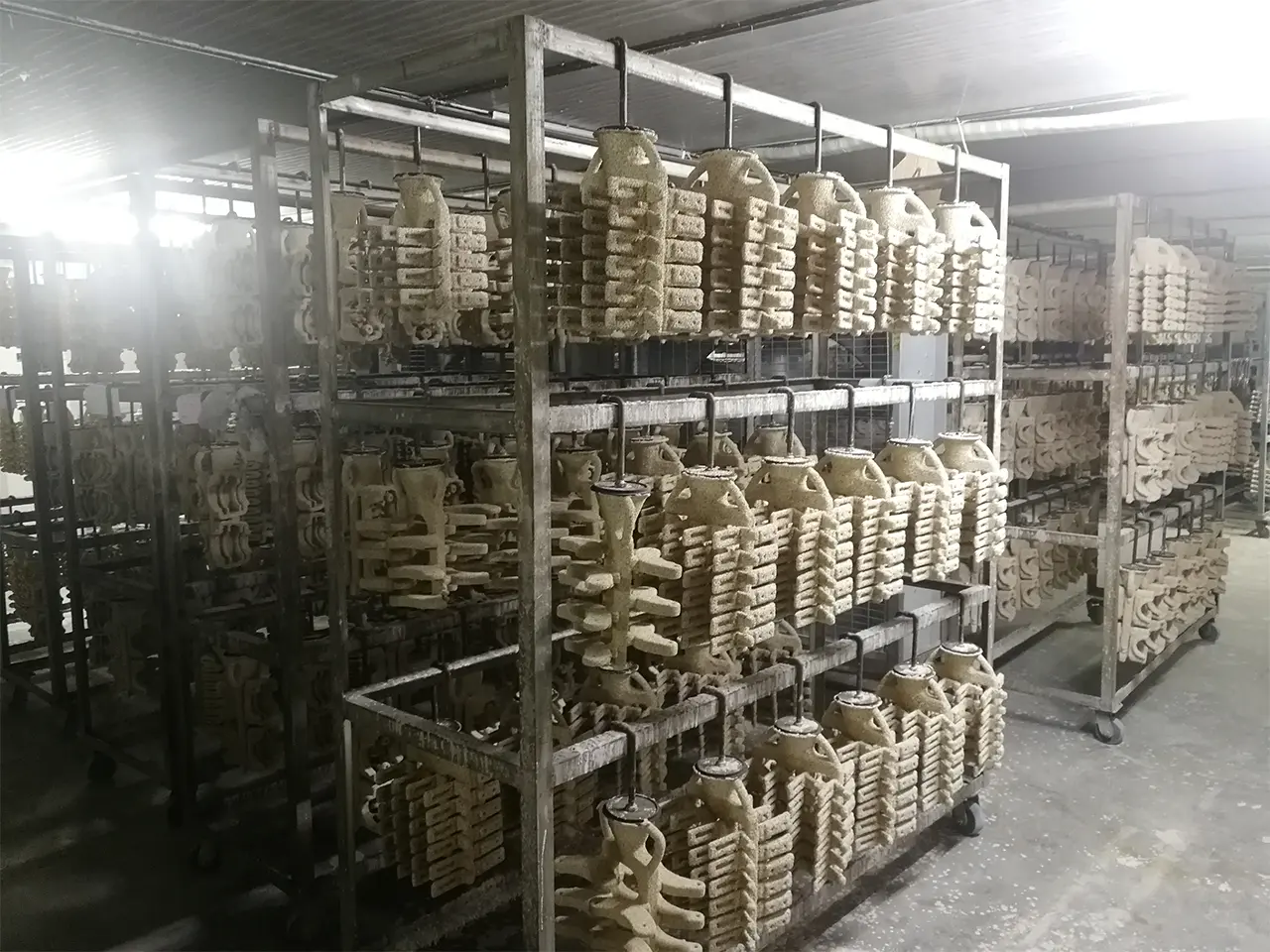
Bridging engineering requirements across various geographies through customized casting and machining procedures.
In offshore marine applications and highly acidic chemical processing facilities, standard cast irons fail prematurely due to galvanic and pitting corrosion. We utilize marine-grade 316L and Duplex Stainless Steels, executing solution-annealing treatments to optimize phase balance (ferrite-austenite). Our cast valve bodies and impellers resist high pressure and chemical attack under extreme environments.
Weight reduction paired with mechanical strength is critical for modern logistics. Our OEM brackets (such as stainless-steel armrest mounts) and suspension parts are optimized using finite element analysis (FEA). By transitioning components from multi-part weldments to unified investment castings, clients gain substantial weight savings and eliminate structural weld failure risks.
From high-strength customized wheelchair components to operating theater fixtures, medical hardware requires extreme durability and biosafety. By deploying biocompatible CNC-machined titanium and aluminum alloys, we assure micro-tolerance controls down to the micron scale, guaranteeing smooth mechanisms and ergonomic safety.
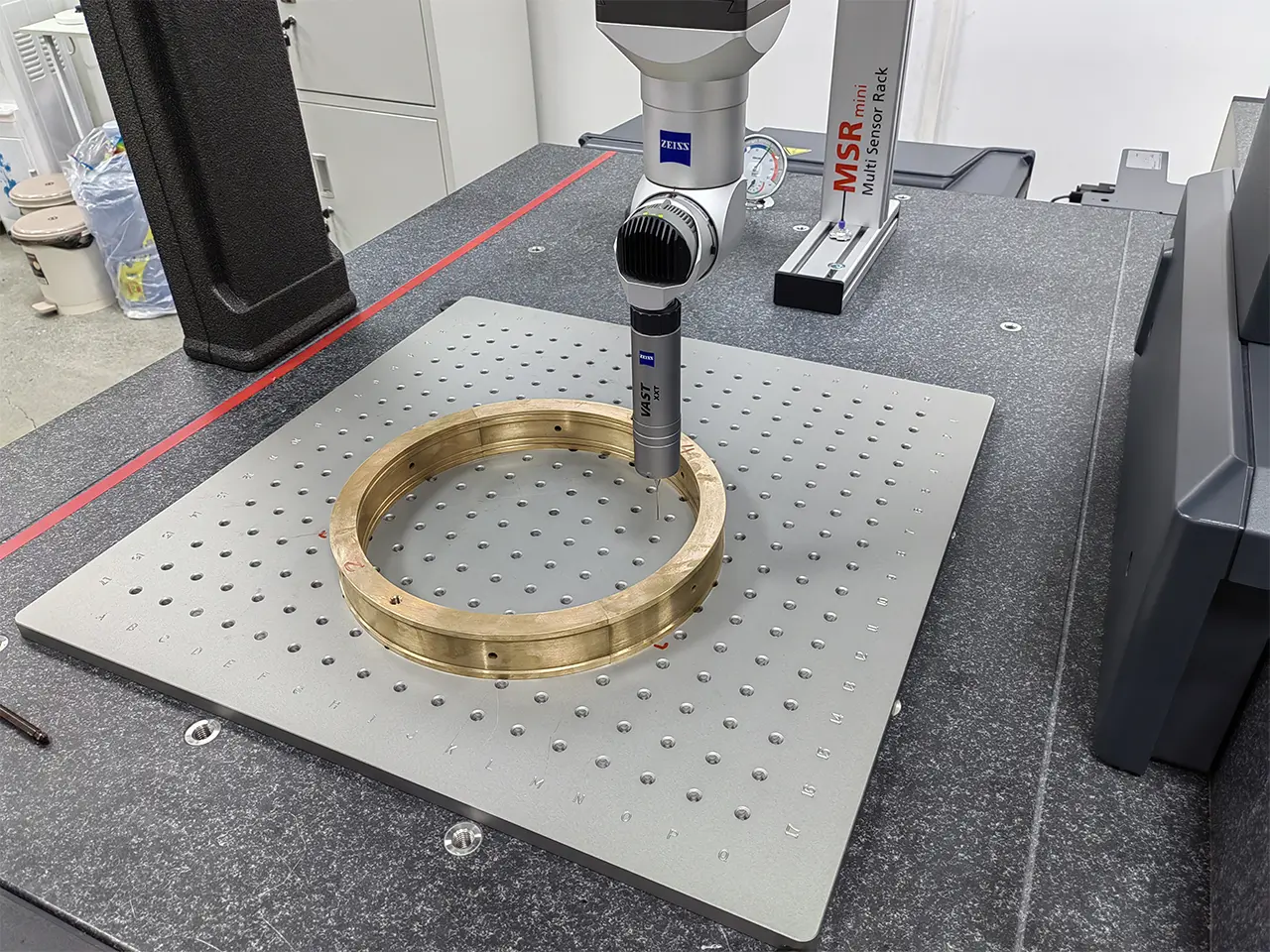
Quality is the absolute cornerstone of high-performance manufacturing. At Dongguan SX Technology Co.,Ltd, we implement strict, multi-tiered inspections from the initial melt to final surface packaging. Our QC team is trained in advanced non-destructive testing (NDT) techniques, guaranteeing that no internal voids, shrinkage cavities, or gas porosities exist in pressure-containing cast parts.
Our metrology laboratory is equipped with Coordinate Measuring Machines (CMM), Optical Spectrometers for precise alloy verification, Salt Spray Testers for corrosion resistance assessment, and digital roughness testers. We deliver complete material and dimensional inspection reports with every delivery, maintaining trace code mapping for every casting run.
Driving sustainable manufacturing through structural optimization, automated casting sequences, and green production technologies.
Applying computational fluid dynamics (CFD) and thermal models to predict mold filling behavior, eliminating hotspots and shrinkage porosity before generating physical molds.
Integrating industrial SLA 3D printers for direct wax pattern generation, dramatically lowering tooling costs and speeding up early-stage prototype validation from months to days.
Transitioning our heat treatment and melting cycles to high-efficiency electric induction systems, significantly lowering carbon emissions and environmental footprint.
Explore our technical portfolio of high-efficiency machining components, designed to perform under high stress and intense cyclical loads.
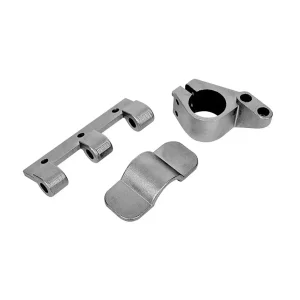
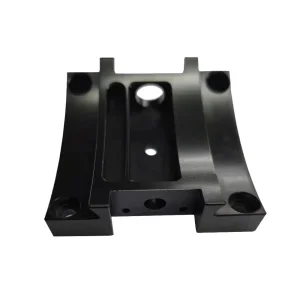
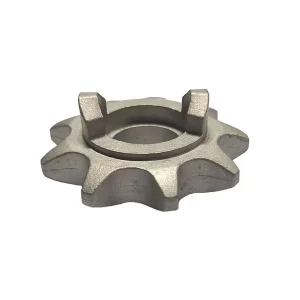
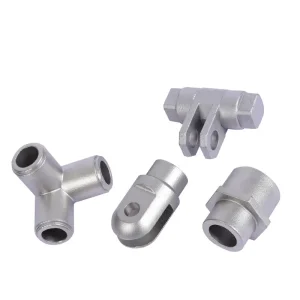
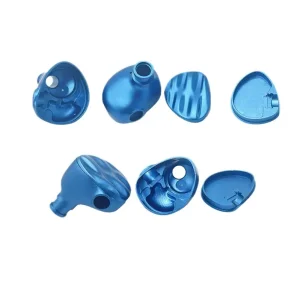
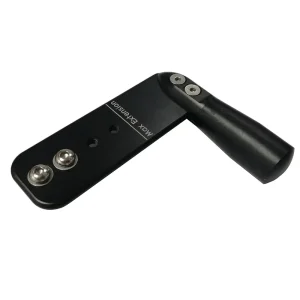
Our secondary manufacturing workflows integrate advanced five-axis milling machines alongside high-speed lathes to machine critical interfaces on castings. By combining casting economy with CNC accuracy, we offer solutions that reduce raw material consumption while ensuring that mating interfaces display precise alignment. Our continuous feedback loop between the casting floor and the CNC shop ensures any thermal deformation is corrected in the mold phase.
Get answers to technical queries regarding materials, tolerances, secondary operations, and production cycles.
 SX Machining