Explore our engineering capabilities across multiple metals, processes, and customized technical specifications.
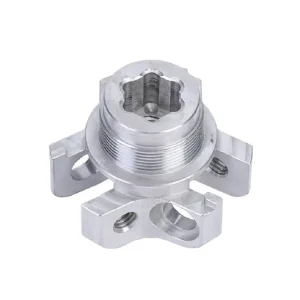
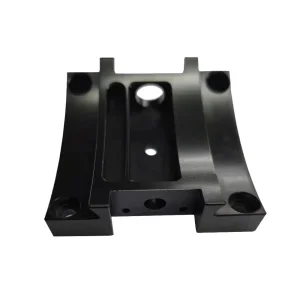
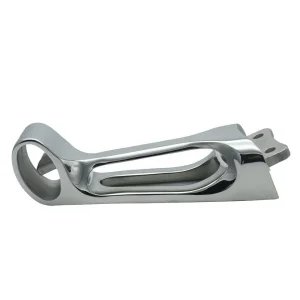
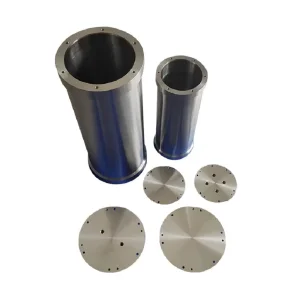
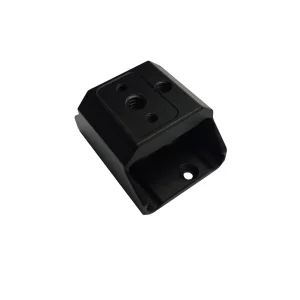
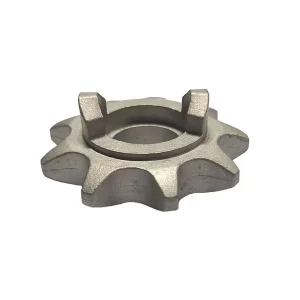
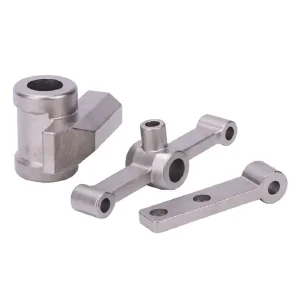
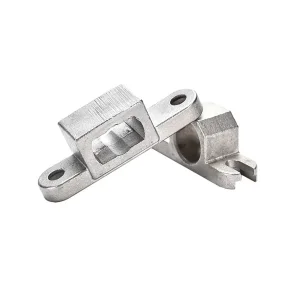
Your Single-Source Partner for Custom Metallurgical Manufacturing and Multi-Axis Machining.
Established with a dedication to engineering excellence, Dongguan SX Technology Co.,Ltd has built a robust reputation in high-precision investment casting (lost wax process), advanced CNC machining, and comprehensive mechanical assemblies. Our multi-disciplinary engineering approach allows us to deliver high-quality components designed for challenging industrial operations.
We serve a diverse range of global sectors including industrial machinery, automotive manufacturing, marine systems, naval architecture, heavy-duty pumps & valves, electronic appliances, packaging infrastructure, luxury timepieces, structural architecture, and chemical processing plants. Our core material expertise spans austenitic, martensitic, and duplex stainless steel grades, carbon steels, titanium alloys (including deep-sea Grades), precision aluminum alloys, and cemented carbides.
Understanding the structural advantages of sourcing from advanced Chinese industrial clusters like Dongguan.
Chinese casting ecosystems bring together raw material sourcing, mold tool fabrication, advanced heat treatment, surface finishing, and international logistics into one highly efficient geographical area. This lowers lead times and reduces transportation risks.
By using automated production methods—like robotic wax pattern assemblies and automatic slurry dipping lines—Chinese foundries keep material yield high and lower labor costs, providing competitive pricing for high-volume orders.
Modern Chinese foundries don't just pour metal. We combine advanced investment casting with multi-axis CNC machining, ensuring components meet strict geometrical tolerances (up to +/-0.005mm) without needing multiple suppliers.
Choosing the correct alloy is essential for preventing structural failures, stress corrosion cracking, and premature wear. At Dongguan SX Technology Co.,Ltd, our metallurgical experts assist you in finding the optimal balance between performance and raw material cost.
Austenitic Stainless Steel (304, 304L, 316, 316L): Known for excellent corrosion resistance and ductility. 316L is widely used in marine hardware and chemical equipment due to its molybdenum content, which protects against chloride pitting.
Martensitic Stainless Steel (410, 420, 440C): Heat-treatable alloys that offer high hardness and strength, making them ideal for wear-resistant components like valve seats, gears, and cutting tools.
Duplex & Super Duplex Stainless Steel (2205, 2507): Combining austenitic and ferritic structures to deliver double the yield strength of standard grades, alongside superior resistance to localized stress corrosion cracking in seawater environments.
Precipitation Hardening Alloys (17-4 PH, 15-5 PH): Used in aerospace and defense components that demand high tensile strength combined with a moderate level of corrosion resistance.
| ASTM Grade | Equivalent | Tensile (MPa) | Key Application |
|---|---|---|---|
| CF8 | SS 304 | ≥ 485 | Food Machinery, Valves |
| CF8M | SS 316 | ≥ 485 | Marine Hardware, Petrochemical |
| CF3M | SS 316L | ≥ 485 | Chemical Processing, Marine |
| CD4MCu | Duplex 2205 | ≥ 655 | High-Wear Desalination Pumps |
| CB7Cu-1 | 17-4 PH | ≥ 930 | Aerospace, Deep-Sea Shafts |
How our precision castings withstand challenging environments across primary industries.
Saltwater environments require metals that can resist corrosion and pitting. We produce custom marine hardware, brackets, steering joints, and deep-sea titanium components designed to prevent corrosion in offshore energy systems.
Our pump bodies, impellers, and valve discs are cast using advanced wax injection machines. This ensures smooth internal fluid channels, reduces turbulence, and maximizes hydraulic efficiency in fluid transport systems.
We supply bus armrest brackets, engine exhaust parts, and gearbox links. Our precision processes focus on mechanical strength, weight optimization, and surface finish consistency to ensure reliable performance under high vibration.
A look inside our advanced manufacturing, CNC machining, and quality control departments.
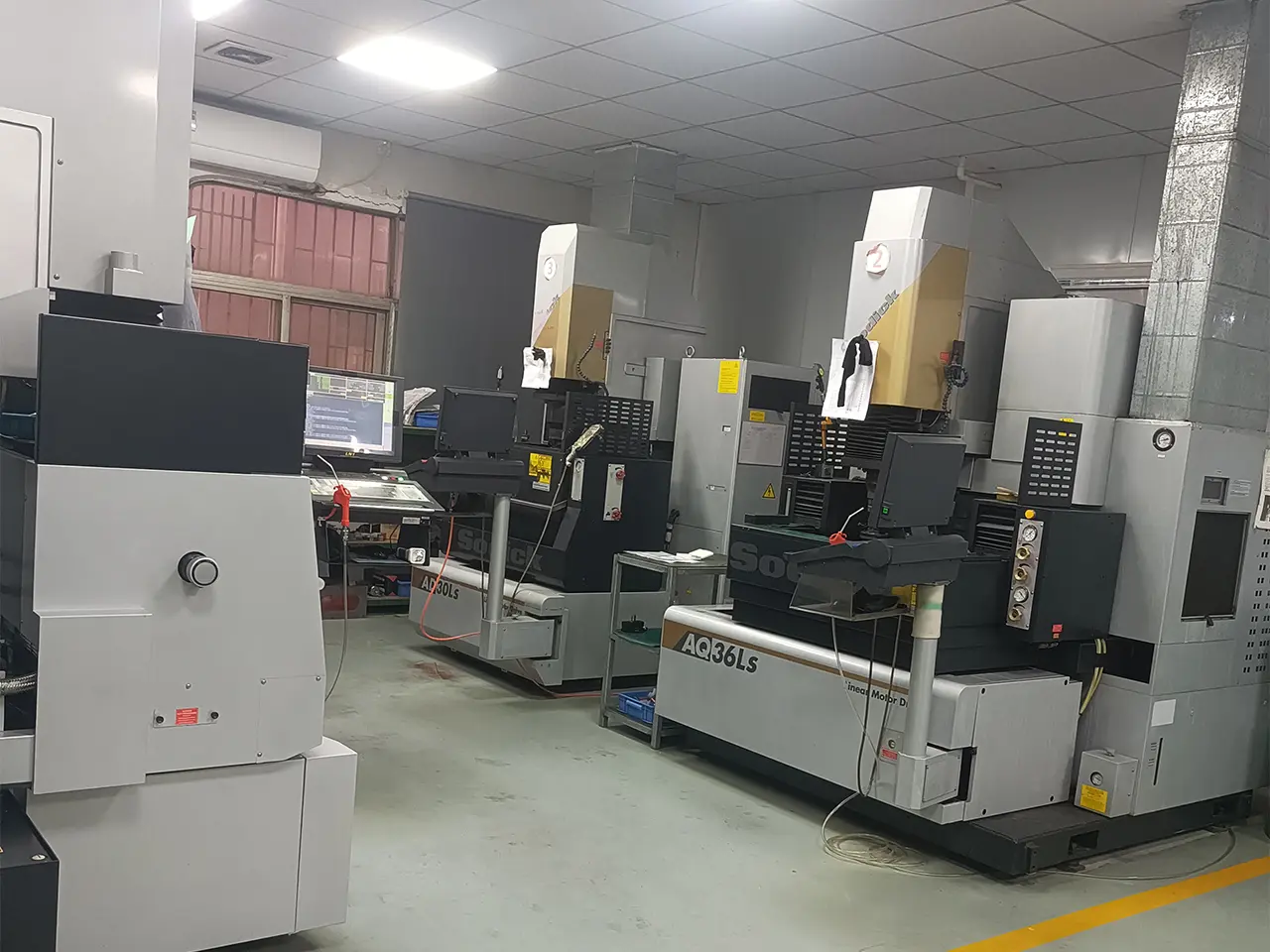
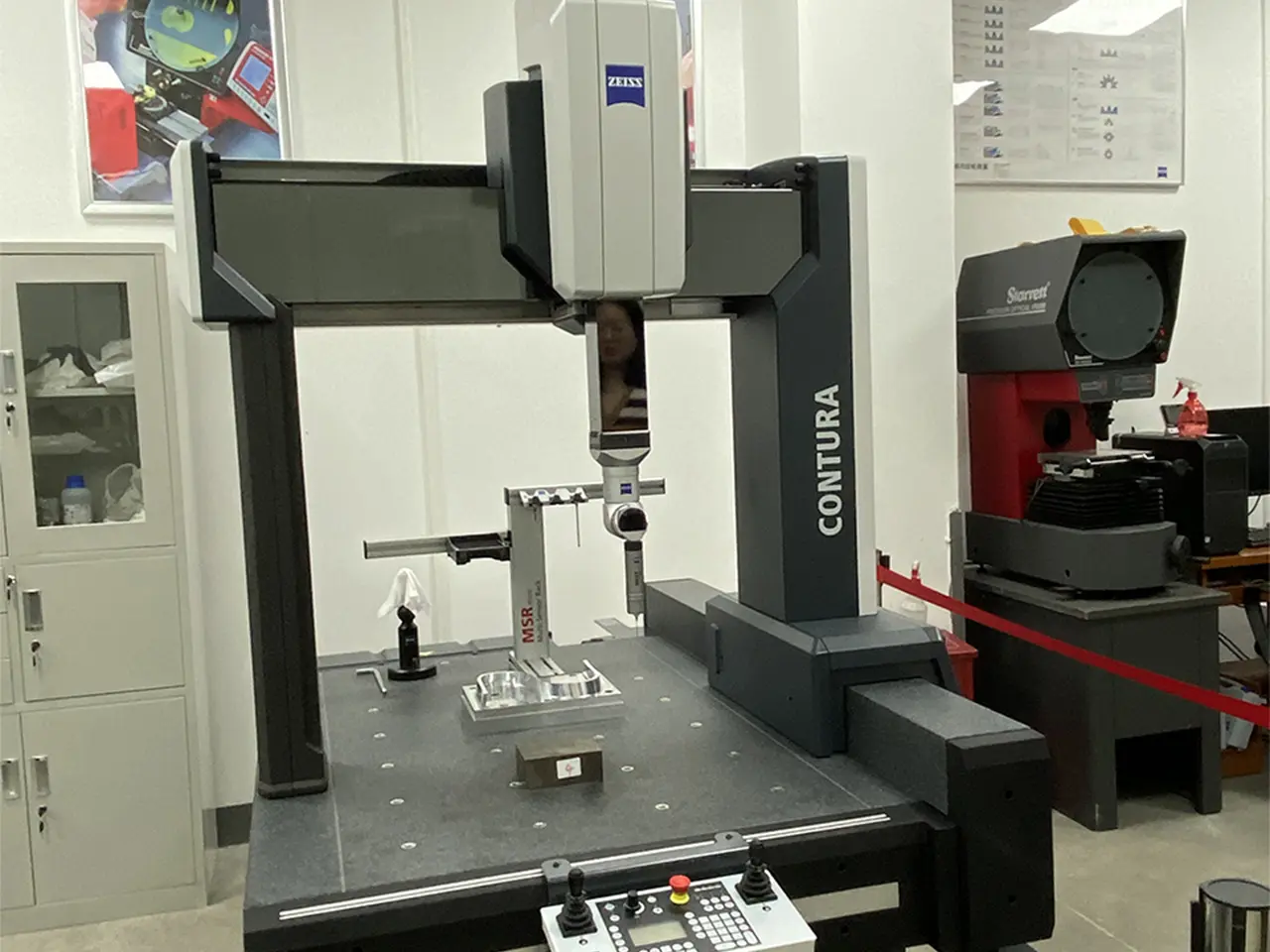
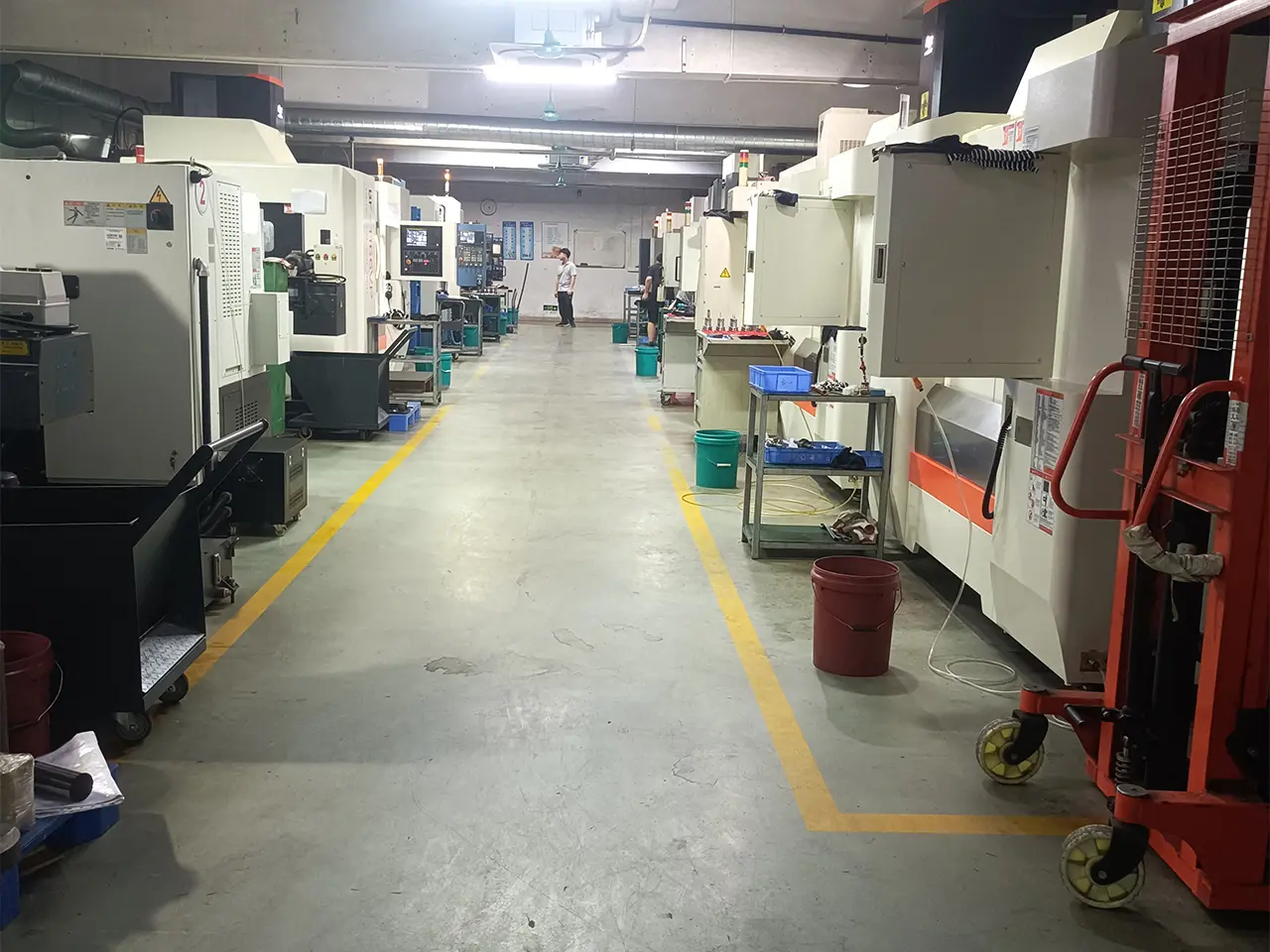
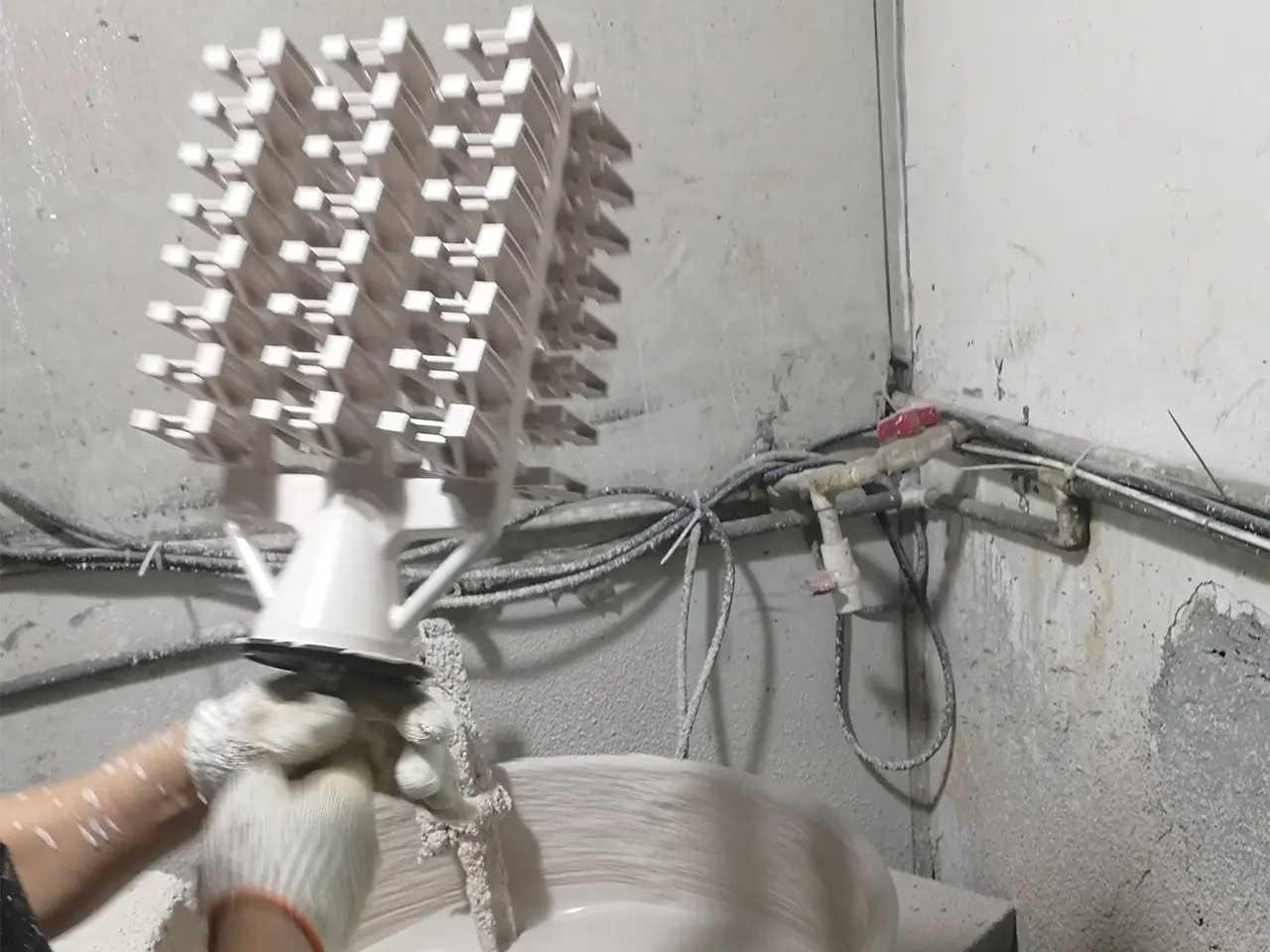
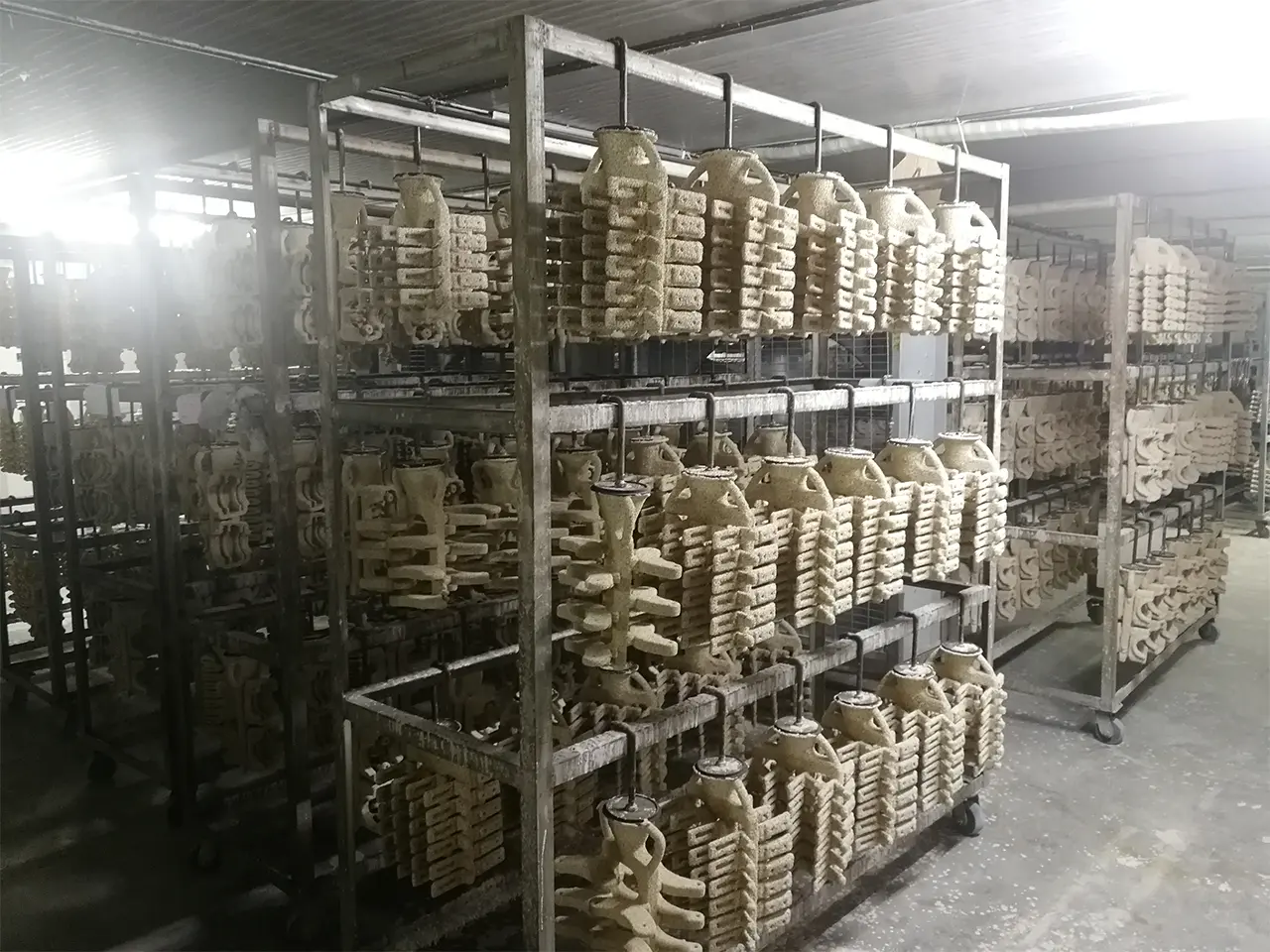
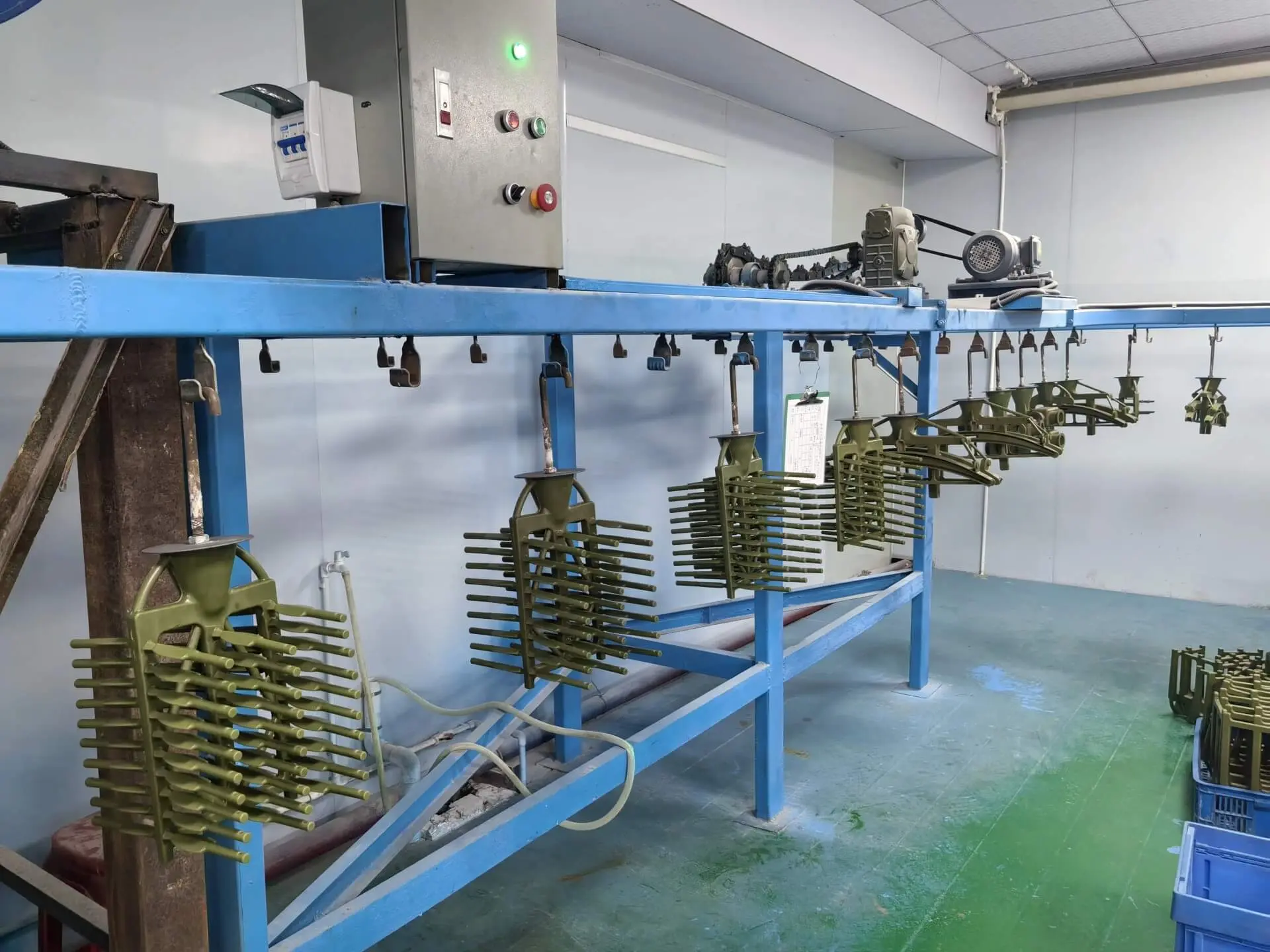
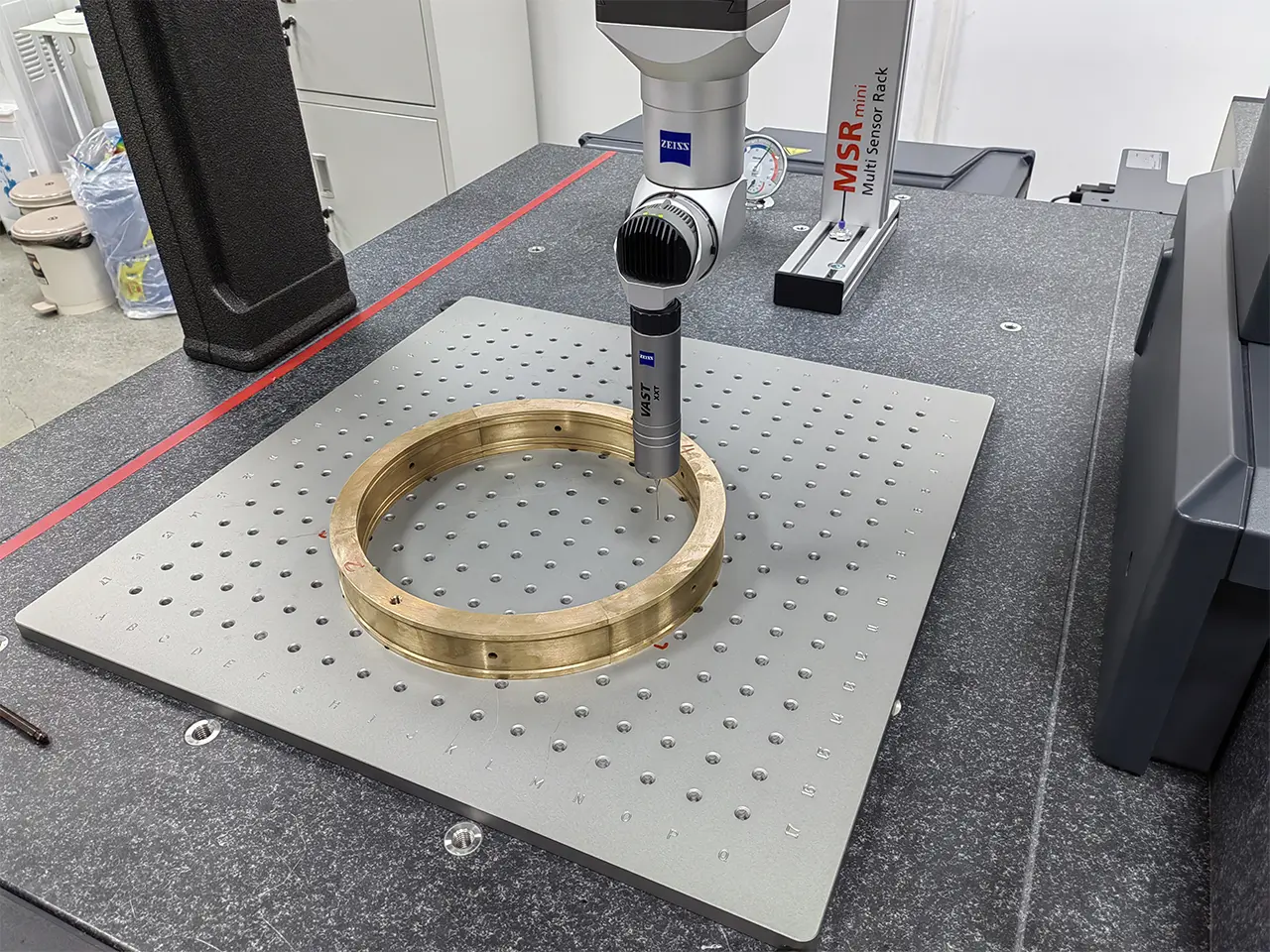
At Dongguan SX Technology Co.,Ltd, quality is the cornerstone of our manufacturing processes. Since starting operations in 2014, we have invested continuously in testing equipment, inspector training, and refining our quality control workflows.
"We maintain a strict testing process, including spectrometer raw material checks, coordinate measuring machine (CMM) dimensional reports, liquid penetrant crack tests, and salt spray testing for corrosion resistance. This ensures our castings meet standard specifications before they leave our facility."
We work to standard engineering tolerances (such as ISO 8062-3 DCTG6 and ISO 2768-m for CNC machining), ensuring that every production batch matches your design specifications.
How we utilize computer-aided technology to optimize casting yields and prevent metallurgical defects.
Our engineers use Moldflow and solidification simulation software to model heat distribution, shrinkage patterns, and metal flow rates inside the mold cavity. This engineering step helps locate potential problems like gas entrapment, cold shuts, or shrinkage cavities.
By adjusting gating paths, riser placement, and pouring temperatures before production begins, we lower scrap rates and achieve consistent structural integrity. This simulation process saves development costs and shortens lead times for complex components.
While investment casting yields near-net-shape parts with smooth finishes, high-tolerance sealing surfaces and threaded connections still require precise machining. Our facility integrates both processes under one roof.
This single-source setup means cast parts are mounted directly onto custom CNC fixtures without needing intermediate shipping. The result is better alignment between the cast features and the machined surfaces, reducing errors and saving time.
Ensuring your custom metal parts arrive in perfect condition, on time, anywhere in the world.
Every project starts with a detailed Design for Manufacturability (DFM) review. Our engineering team examines draft angles, wall thicknesses, and transition radii to make the part easier to cast and machine, which helps lower costs.
We verify prototype parts using 3D-printed wax models or rapid tooling. This validation step allows you to inspect fitment, check material structure, and perform laboratory testing before investing in final production molds.
All finished products are treated with anti-corrosion protective oil and wrapped in specialized VCI paper or vacuum-sealed bags. This prevents moisture and salt air from causing surface rust during maritime transport.
Answers to common questions regarding tolerances, design details, and processing capabilities.
We cast parts to standard linear dimensional tolerances following ISO 8062-3 (typically CT5 to CT6). For critical features, we use our secondary CNC machining services to reach tolerances as tight as +/-0.005mm.
We prevent gas and shrinkage porosity through careful mold design using flow simulation software, controlling slurry viscosity during shell building, and maintaining precise melt temperatures in our induction furnaces.
Yes, we provide full material traceability reports with every batch, including spectrometer chemical composition results, mechanical tensile tests, and heat treatment logs.
We offer various finishes including shot blasting, sandblasting, chemical passivation, electropolishing, hand polishing (satin or mirror finish), and physical vapor deposition (PVD) coating.
Generally, designing and building the mold tooling takes 15 to 25 days, and pouring and finishing the first samples takes an additional 7 to 10 days, depending on the complexity of the part.
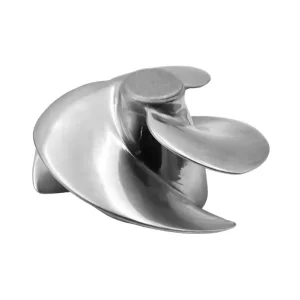
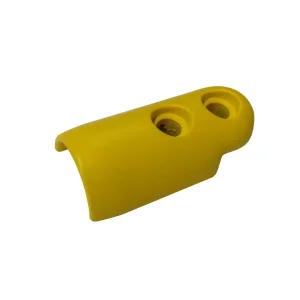
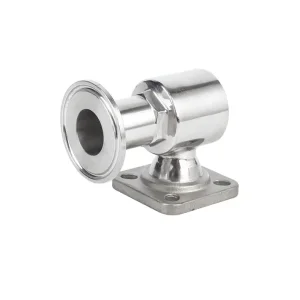
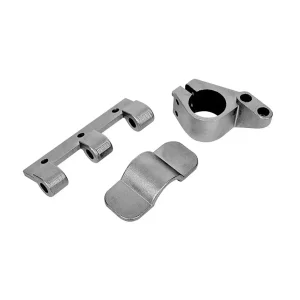
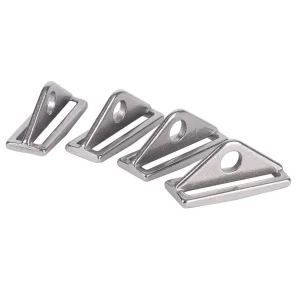
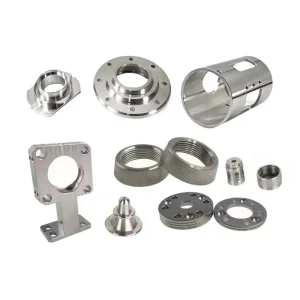
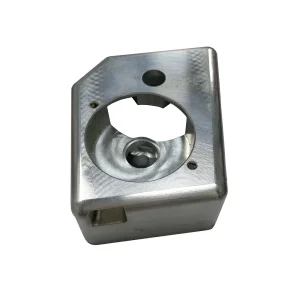
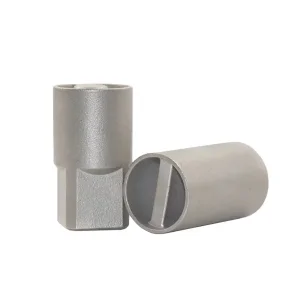
Further examples of our customized casting and CNC machining capabilities.
 SX Machining