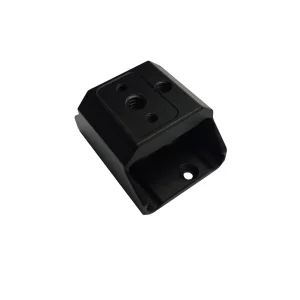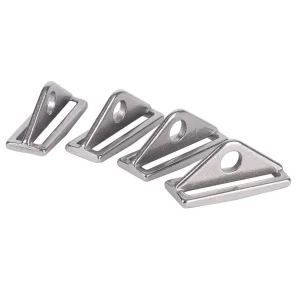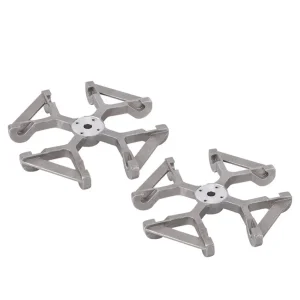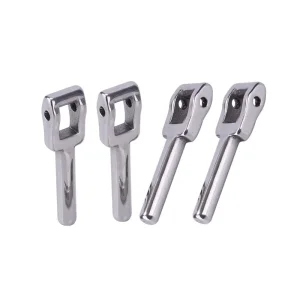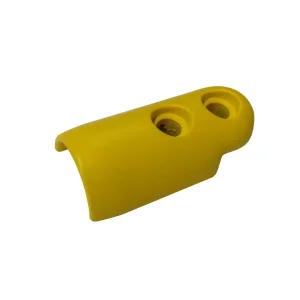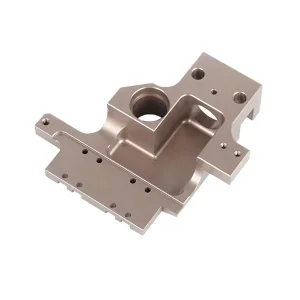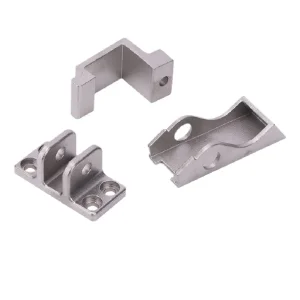
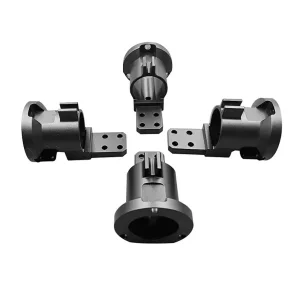
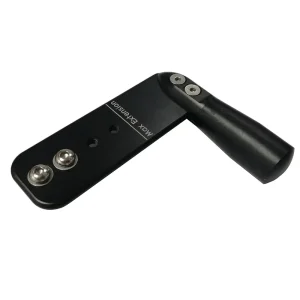
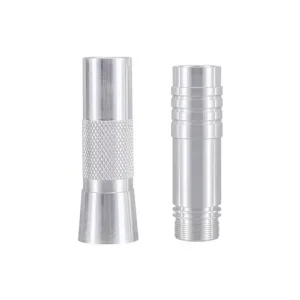
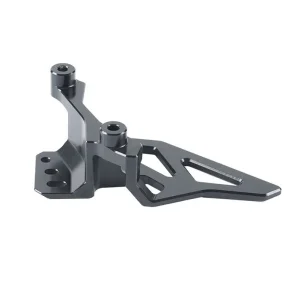
Procuring raw steel milling services "near me" offers speed for rapid prototyping, yet local machine shops often face tooling capacity limits and higher labor rates. In contrast, sourcing from optimized centers like Dongguan merges low unit costs with high-volume precision tooling.
Total Cost of Ownership (TCO) involves tooling setups, material yields, freight logistics, and duties. By standardizing multi-axis set-ups in China, industrial clients reduce secondary finishing costs, producing components ready for immediate line integration.
Modern industrial supply chains rely on a dual-sourcing model. Engineering teams design locally, while production scaling relies on high-efficiency overseas suppliers to balance capital expenditure and time-to-market demands.
Since 2014, Dongguan SX Technology Co.,Ltd has built rich experience in precision investment casting, multi-axis CNC machining, and electro-mechanical assembly. Our manufacturing processes serve demanding fields including medical devices, automotive engineering, marine systems, chemical processing, and electronic hardware.
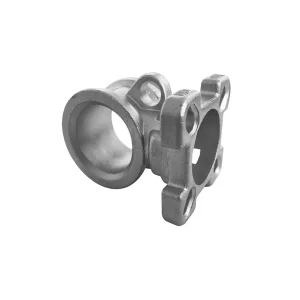
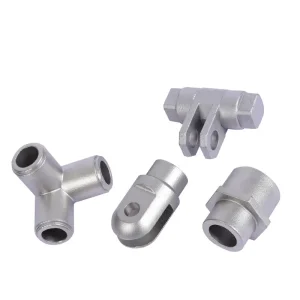
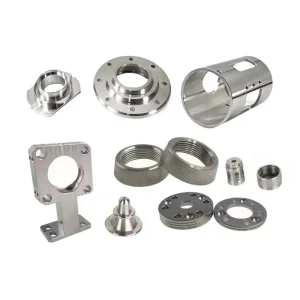
By integrating investment casting and multi-axis CNC machining, we transition components from raw cast states to finished tolerances down to ±0.005mm. Our processes work with diverse metals, including titanium alloys, stainless steel, carbon steel, aluminum, copper, and cemented carbides, meeting strict structural specifications.
Our facility runs advanced CNC vertical and horizontal machining centers. These are paired with automated testing equipment and a quality control team dedicated to ensuring every shipment aligns with client specifications.
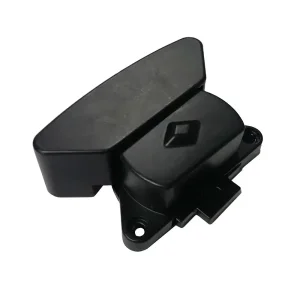
Weight reduction meets structural performance. We machine lightweight titanium alloys and heat-resistant stainless steels into aerodynamic brackets, sensor enclosures, and high-stress internal structures.
Our biocompatible machining processes produce parts from surgical-grade 316L stainless steel and titanium, delivering high surface finishes and dimensional accuracy for implants and diagnostic devices.
We supply cast and CNC-finished suspension brackets, battery housing mounts, and drivetrain housings that meet strict crash-safety standards and lightweight targets.
Using duplex stainless steels, we produce pump impellers, subsea valve components, and deck hardware built to withstand corrosion in saline environments.
We mill and surface-treat complex, thin-walled aluminum and copper heat sinks and structural frames, ensuring EM shielding and thermal management.
For high-wear environments, we machine cemented carbides and tempered carbon steels into wear plates, gear teeth, and hydraulic fittings.
Choosing the right alloy determines component life and production costs. Below is a reference chart outlining our standard processing materials, along with their typical applications and machinability profiles:
| Material Family | Common Grades Processed | Machinability Index | Primary Properties | Ideal Applications |
|---|---|---|---|---|
| Stainless Steel | SS304, SS316L, 17-4 PH, Duplex 2205 | 45% - 60% (Moderate) | High tensile strength, corrosion resistance, excellent toughness | Valves, pump housings, marine hardware, medical components |
| Carbon & Alloy Steel | AISI 1045, 4140, 8620, Tool Steel D2 | 65% - 85% (Good) | High hardness post heat-treatment, high wear resistance | Structural bushings, gears, shafts, tooling inserts |
| Titanium Alloys | Ti-6Al-4V (Grade 5), Grade 2 | 35% (Challenging) | High strength-to-weight ratio, high temperature stability | Aerospace fasteners, orthopedic implants, engine components |
| Aluminum Alloys | AL6061-T6, AL7075-T6, AL5083 | 180%+ (Very Good) | Lightweight, thermal and electrical conductivity, anodizes well | Smart-home chassis, heat-sinks, automotive structural parts |
| Copper & Brass | C36000 Brass, C10100 Oxygen-Free Copper | 100% - 150% (Excellent) | High electrical conductivity, natural corrosion resistance | Electrical contacts, connectors, welding nozzles |
| Cemented Carbide | Tungsten Carbide (WC-Co) variants | Low (Needs specialized tooling) | Extreme compressive hardness, abrasive wear resistance | Extrusion dies, drilling bits, cutting tool matrices |
Our facility utilizes vertical machining centers, horizontal mill-turn machines, and automated casting lines to maintain part consistency across production runs.
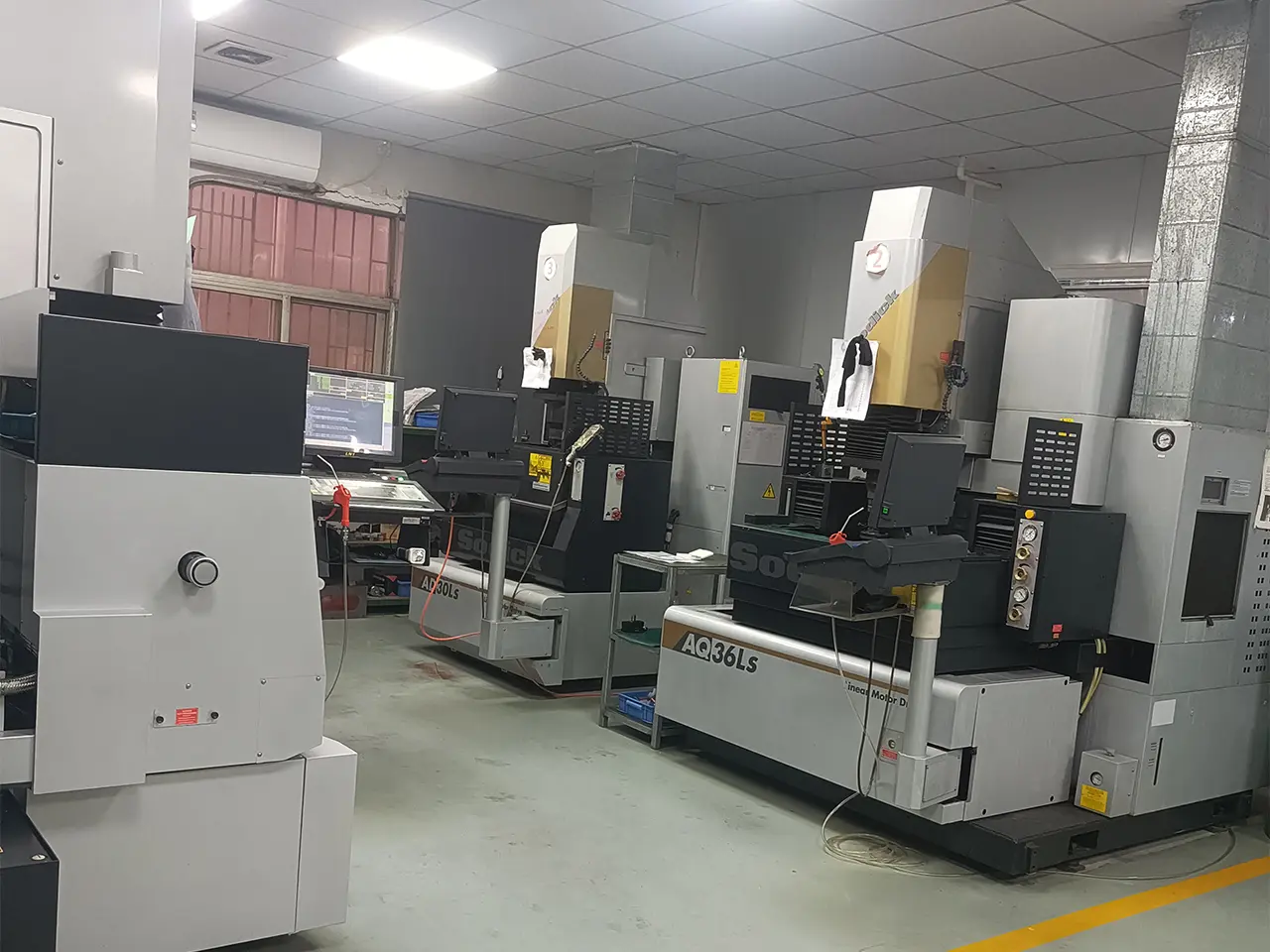
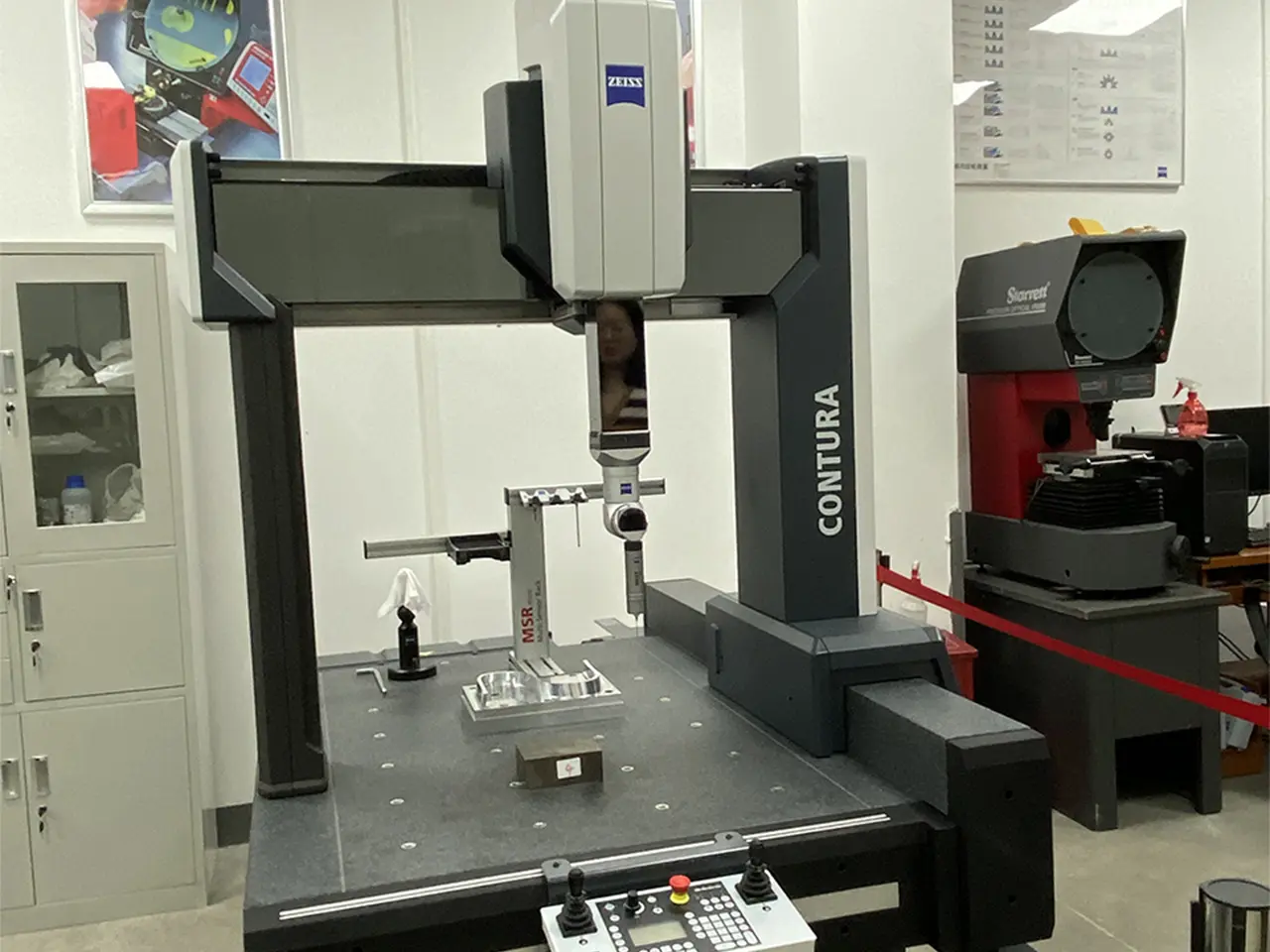
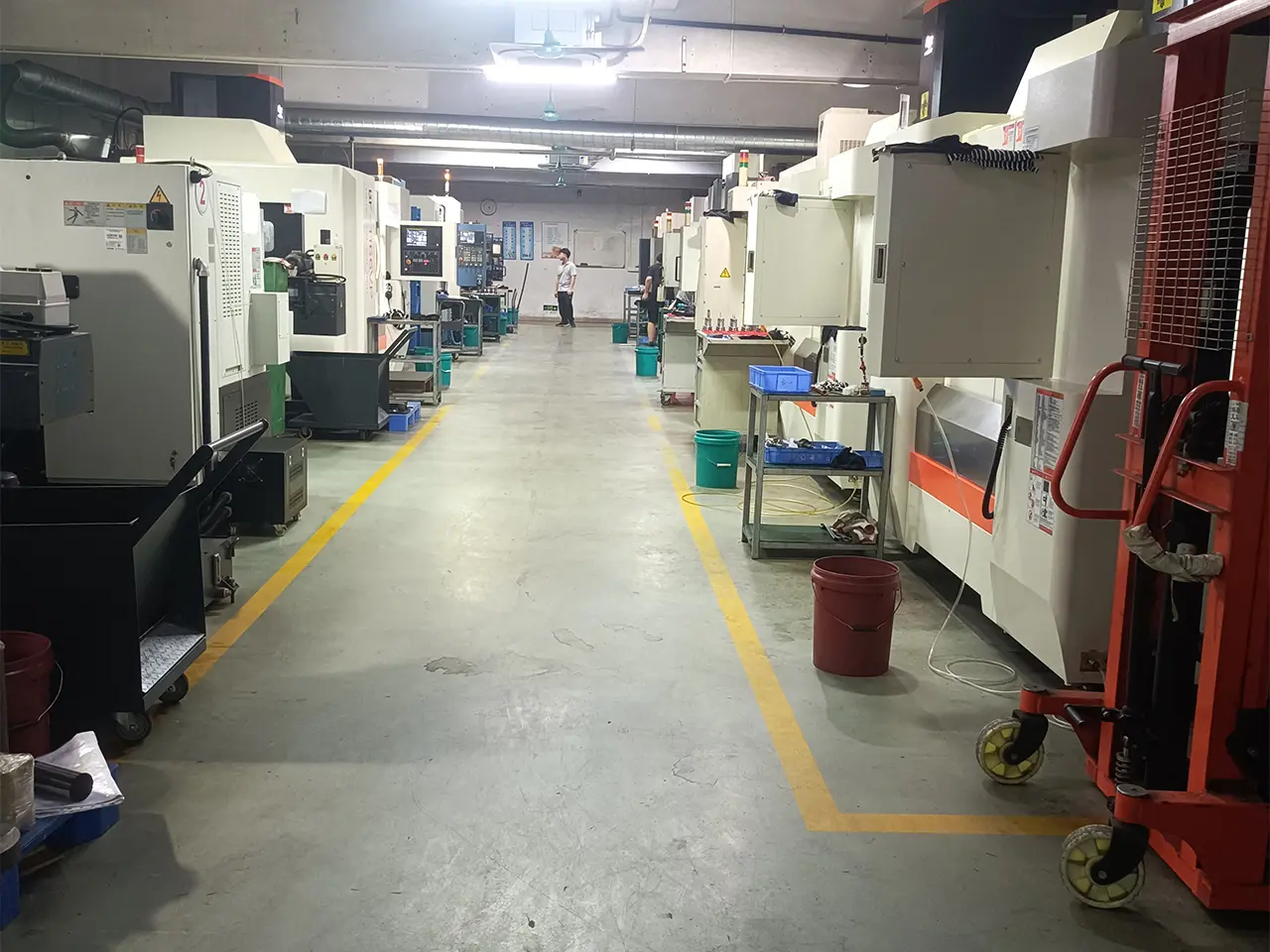
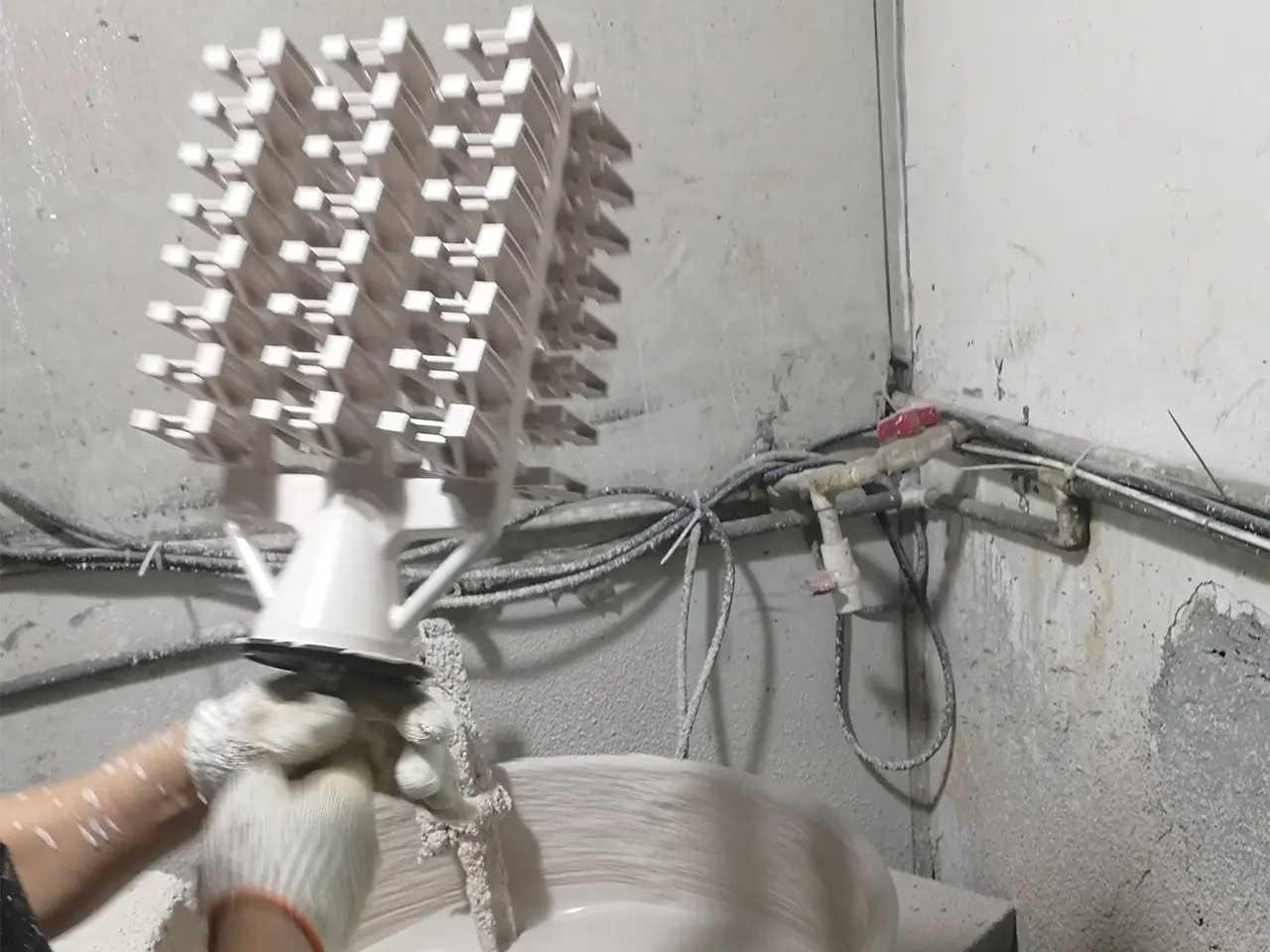
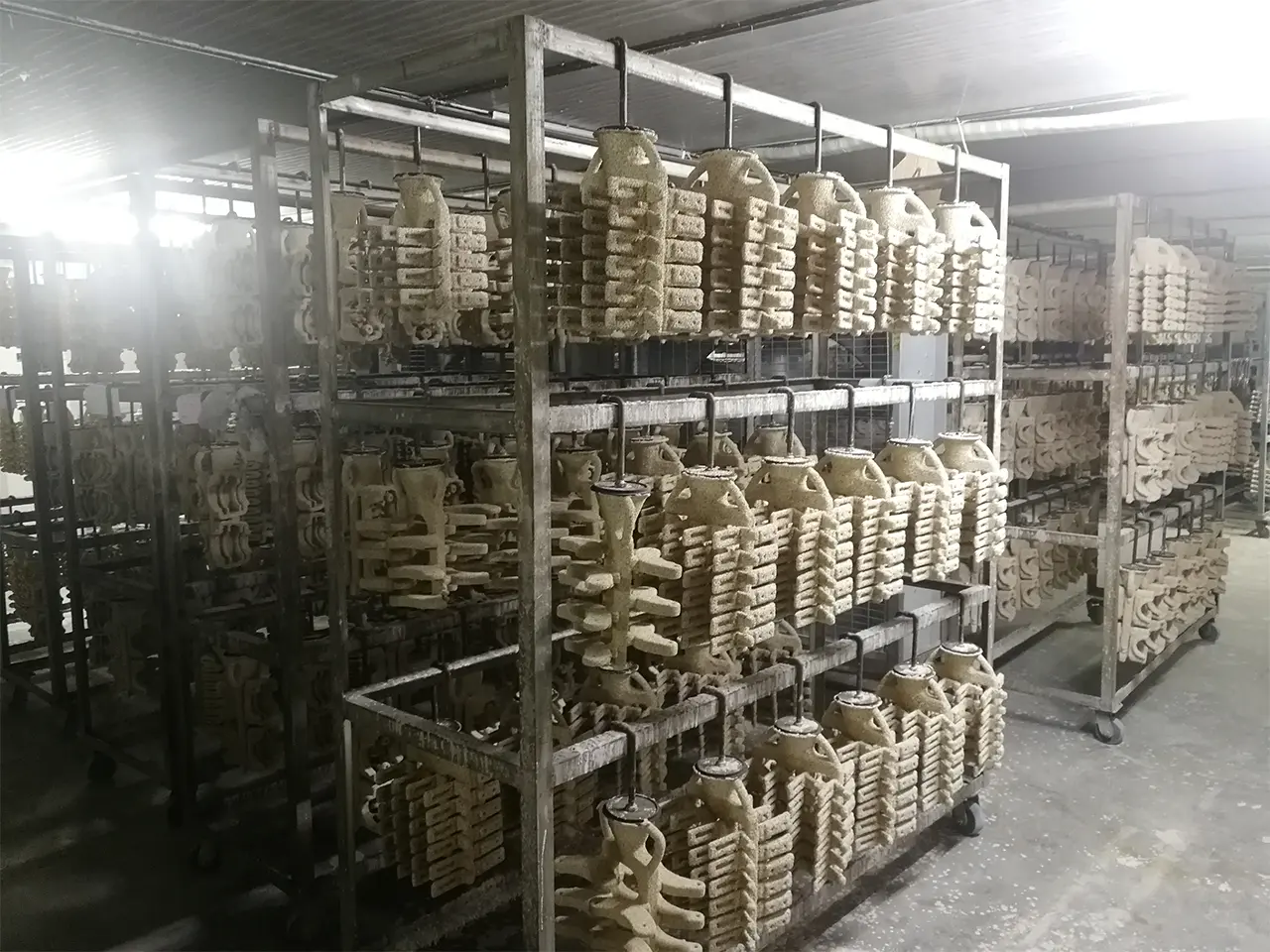
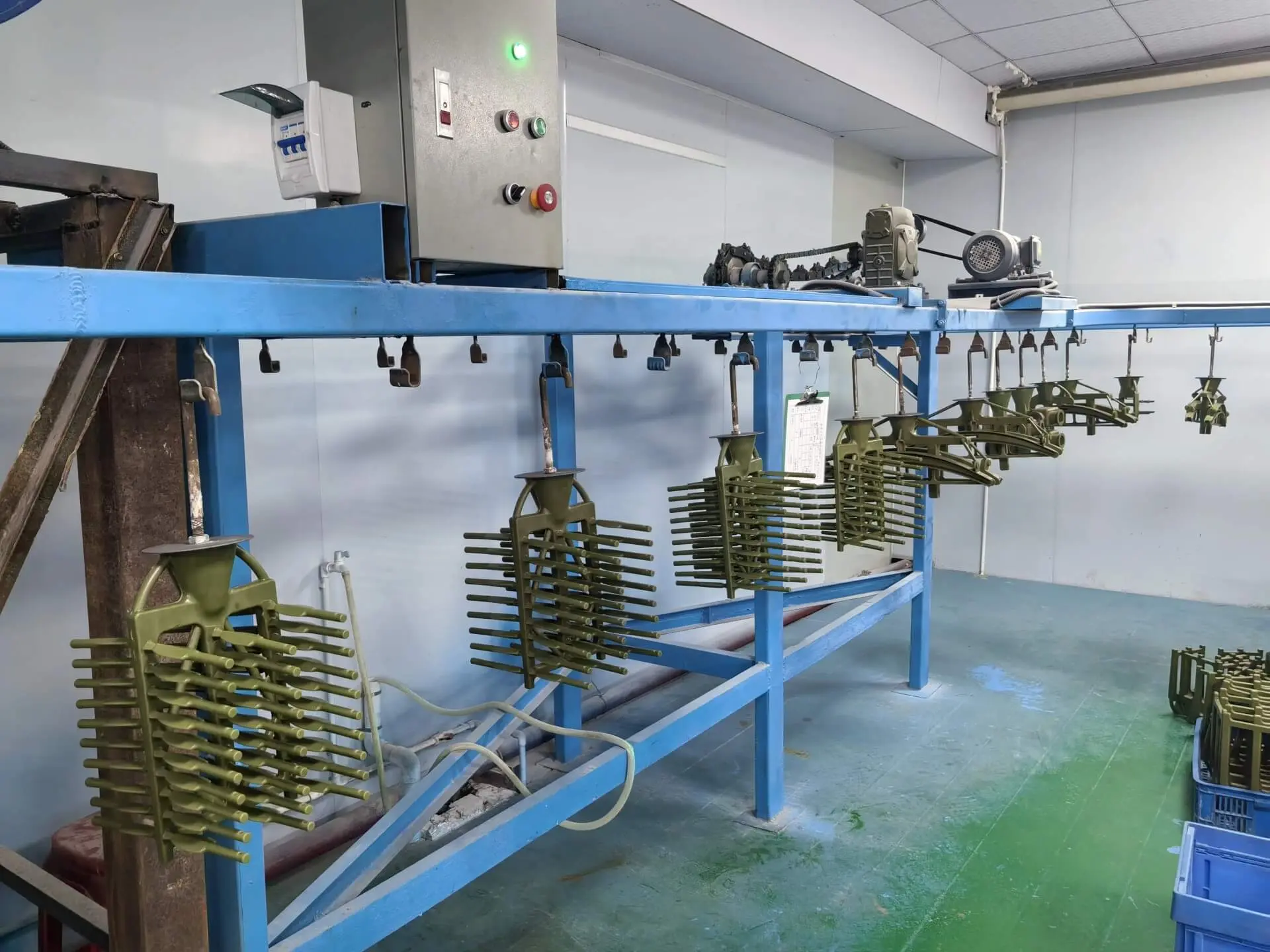
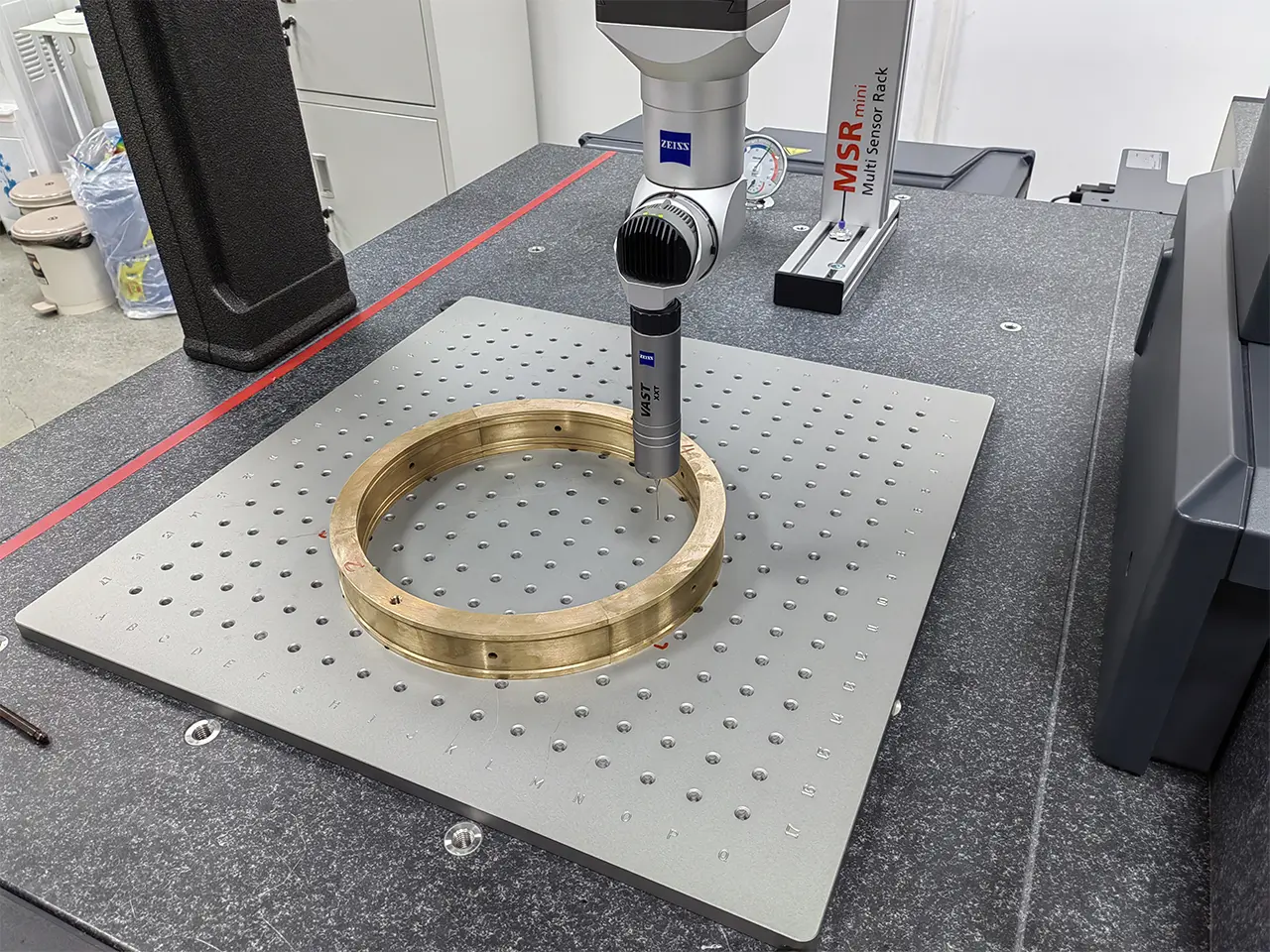
We implement strict tolerance control throughout production. Our quality processes check every stage, from raw billet spectral chemistry verification to final component sizing.
Our inspection equipment includes coordinate measuring machines (CMM), optical profile projectors, spectrometers, and digital roughness testers. These tools allow us to verify the chemical integrity and physical dimensions of every part we make.
Our quality control team works under documented processes, ensuring trace inspection records are available for review. By focusing on consistency, we supply components that meet the specifications required by global industrial applications.
Our facility in Dongguan, China, places us close to specialized metal suppliers, heat treatment plants, and surface coating specialists. This proximity supports quick turnaround times for multi-step manufacturing designs.
We work with international logistics providers to manage customs processes, including duty classifications and secure packing. Our shipping methods support clear transits to North American, European, and Asian destinations.
Using advanced programming to calculate tool paths, reducing cycle times and optimizing material yield during milling.
Monitoring spindle load in real time to adjust cutting speeds, protecting tools and maintaining surface quality.
Recycling metal chips and using eco-friendly cutting fluids to reduce our overall manufacturing environmental footprint.
Updating our manufacturing planning systems to provide customers with accurate lead times and production status updates.
Lead times vary depending on design complexity and process selection. CNC machining prototypes are generally completed in 5 to 10 days. Volume casting orders requiring new tooling typically take 3 to 5 weeks, which covers wax injection mold construction, initial sample casting, and post-machining setup.
We use rigid machine structures, temperature-controlled machining environments, and carbide cutting tools. Our QA team runs first-article inspections and in-process check measurements. Final dimensions are verified with calibrated Coordinate Measuring Machines (CMM).
Yes. Our engineers can evaluate prototype designs to identify modifications suited for casting, such as draft angles and wall thicknesses. This helps streamline the move from initial prototypes to large production runs.
Standard quality documentation includes Material Test Reports (MTRs) detailing alloy chemical composition, dimensional measurement sheets, and surface roughness logs. Other certifications, like heat-treatment profiles or non-destructive testing reports, are available on request.
We work directly with standard CAD formats (STEP, IGES, Parasolid) and detailed technical drawings. Our engineering team communicates regularly with clients to review DFM (Design for Manufacturing) choices and ensure dimensional specifications are met before starting production.
 SX Machining