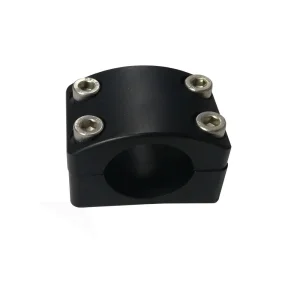
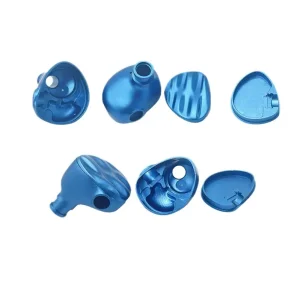
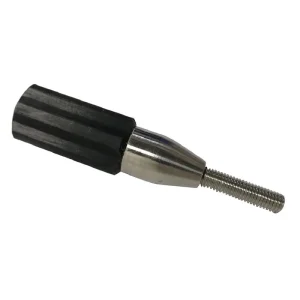
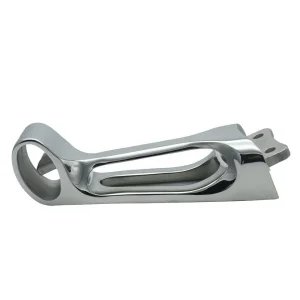
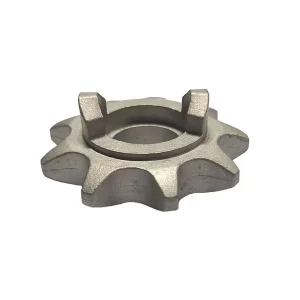
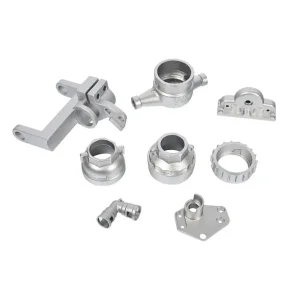
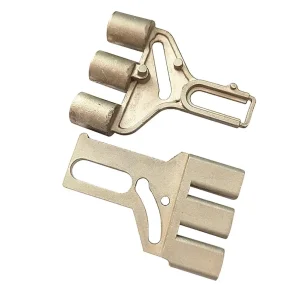
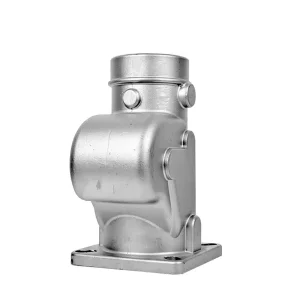
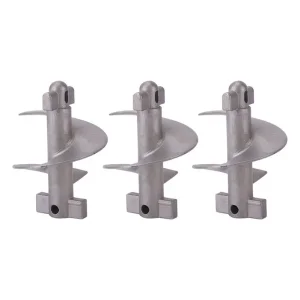
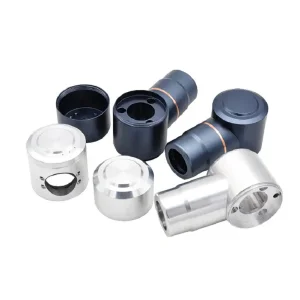
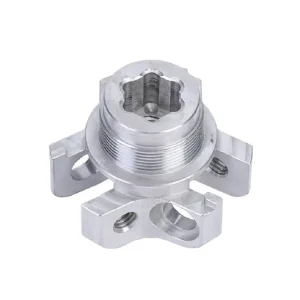
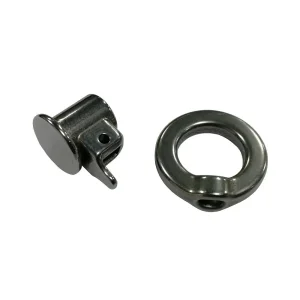
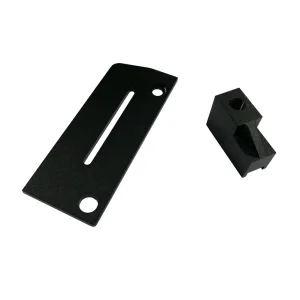
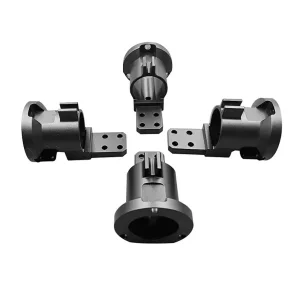
Explore our core engineering catalog featuring precision CNC turning components, lost-wax investment castings, and robust marine-grade alloys customized to rigorous international specifications.
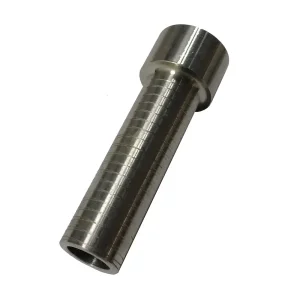
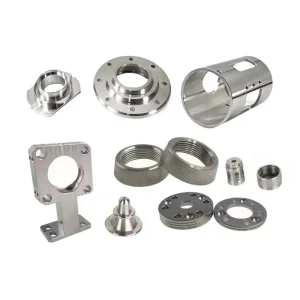
Dongguan SX Technology Co.,Ltd has very rich experience in precision casting, CNC machining and assembly. Our products are used in machinery, automobiles, marine, ships, equipment, valves and pumps, electronic appliances, packaging, watches, construction, chemical industry and other industries. The most commonly used materials for investment casting are stainless steel and carbon steel. And the most commonly used materials for CNC machining include titanium alloy, stainless steel, carbon steel, aluminum alloy, copper alloy, cemented carbide, etc. We have advanced manufacturing equipment and technology and are able to respond quickly to your needs.
“Integrating rapid prototyping, finite element analysis (FEA), and industrial-scale production capabilities, we deliver end-to-end support for custom casting and secondary finishing processes.”
Providing high-precision components to dynamic international markets requires structural consistency, process control, and scaled industrial efficiency.
Selecting the optimal casting methodology balances metallurgical structure, surface finish, structural integrity, and tooling budgets. We support several methods depending on valve design complexity and pressure-rating constraints.
| Casting Methodology | Primary Materials | Typical Dimensional Tolerance | Surface Roughness (Ra) | Optimal Valve Component Applications |
|---|---|---|---|---|
| Silica Sol Investment Casting | Stainless Steel (316L, 304), Super Duplex, Titanium | ISO 8062-3 DCTG6 - DCTG8 | 3.2 – 6.3 μm | High-pressure needle valves, control valve bodies, sanitary ball valves, internal trim parts. |
| Water Glass Casting | Carbon Steel (WCB, LCC), Low-Alloy Steels | ISO 8062-3 DCTG8 - DCTG10 | 6.3 – 12.5 μm | Standard utility check valves, gate valves, butterfly valve disks, mounting flanges. |
| Resin Sand Casting | Ductile Iron, Gray Iron, Heavy-section Carbon Steels | ISO 8062-3 DCTG10 - DCTG12 | 12.5 – 25 μm | Large-bore waterworks valves, heavy pipeline valve bodies (up to DN2000), gear boxes. |
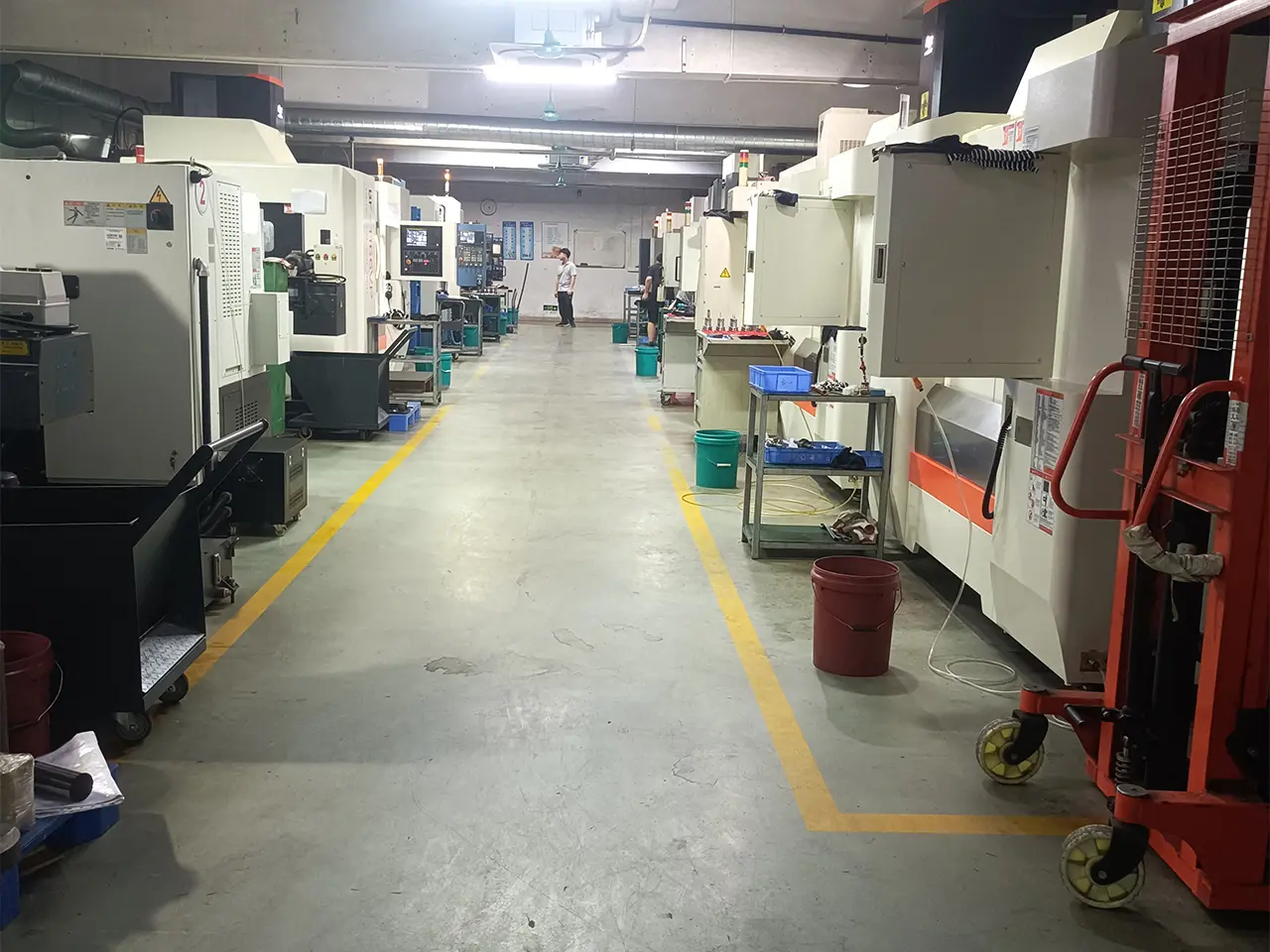
Combining traditional metallurgical expertise with digital control structures, our Dongguan production facility maintains process uniformity and agile response mechanisms to mitigate supply chain disruption.
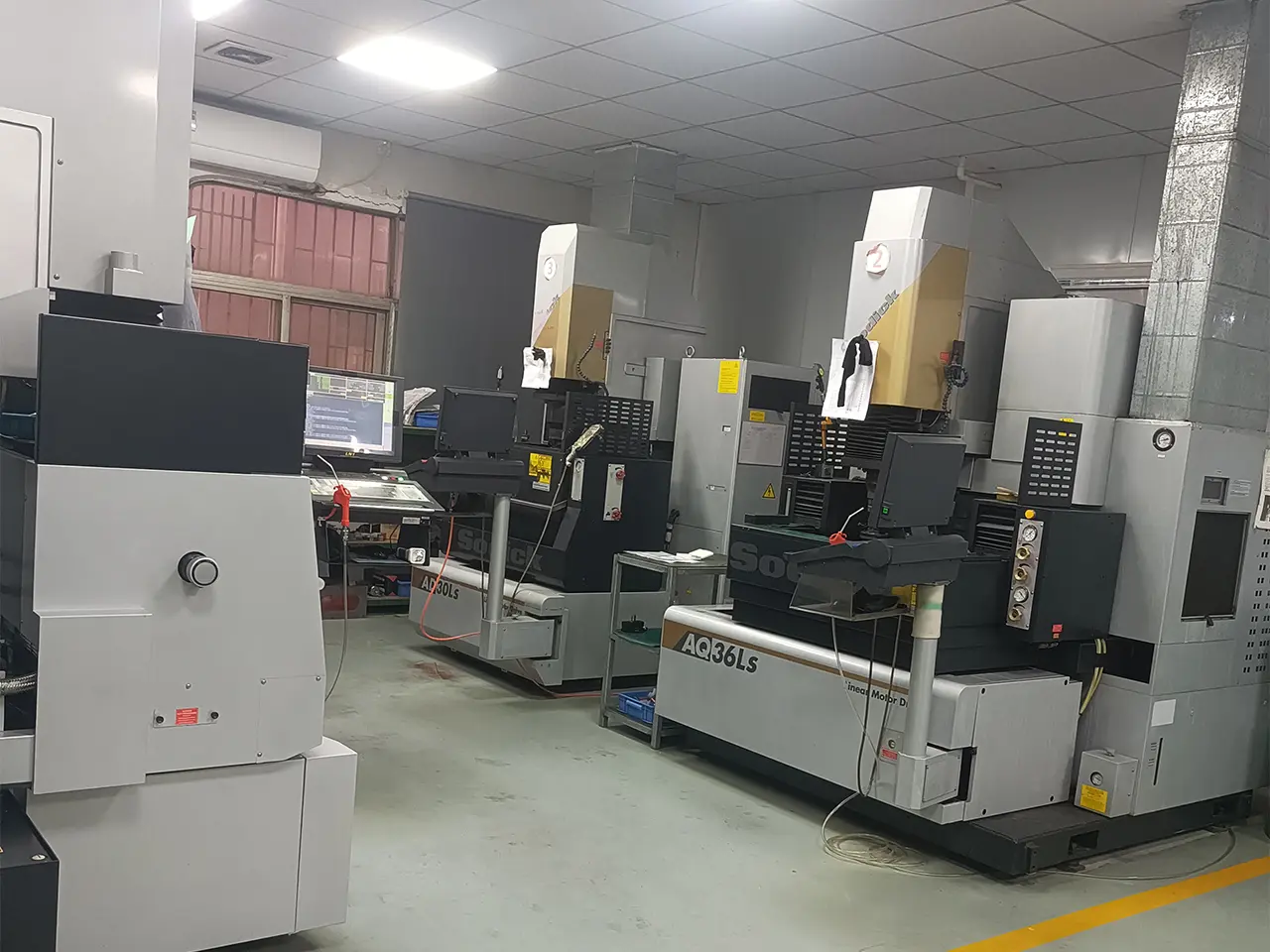
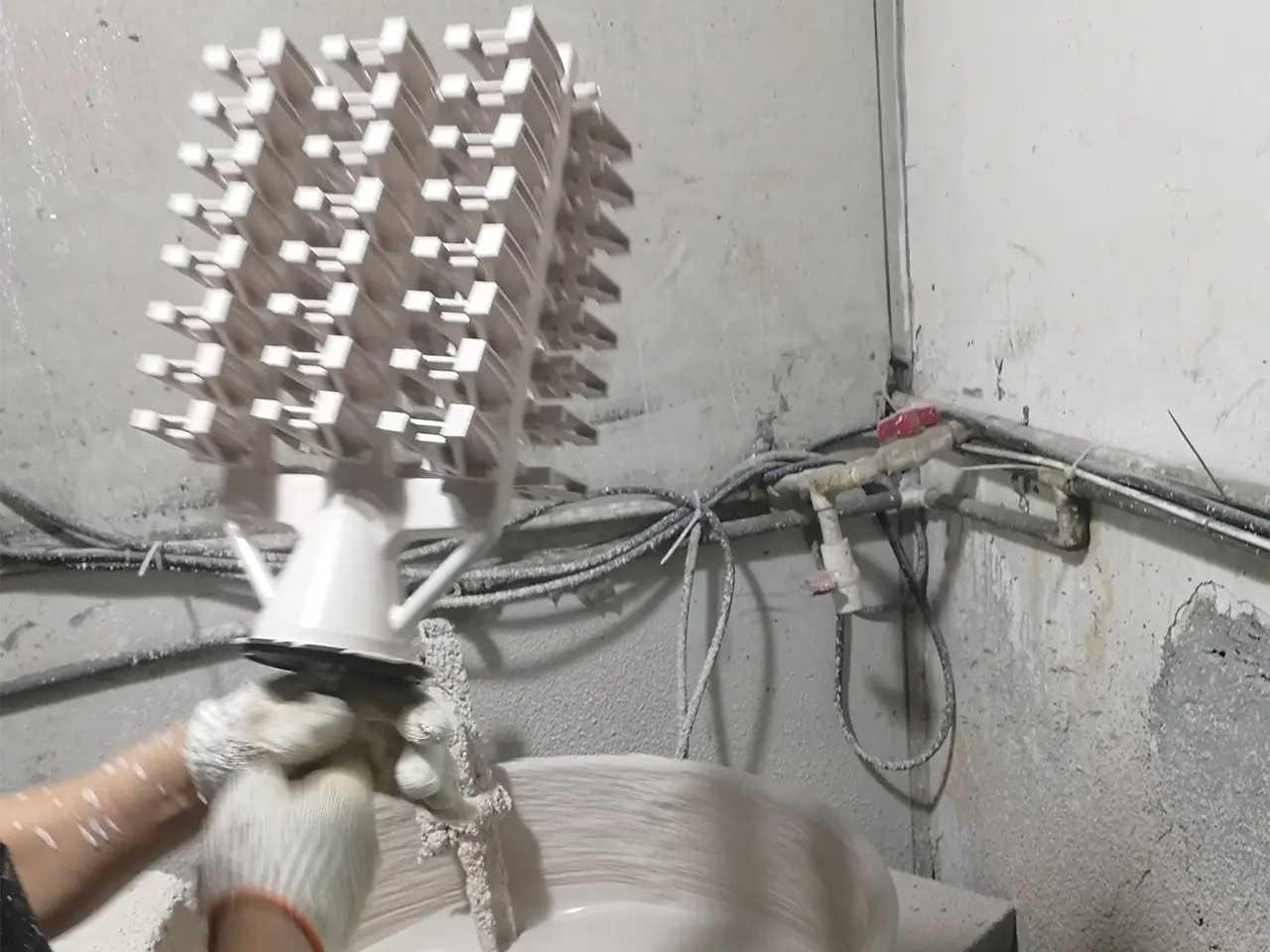
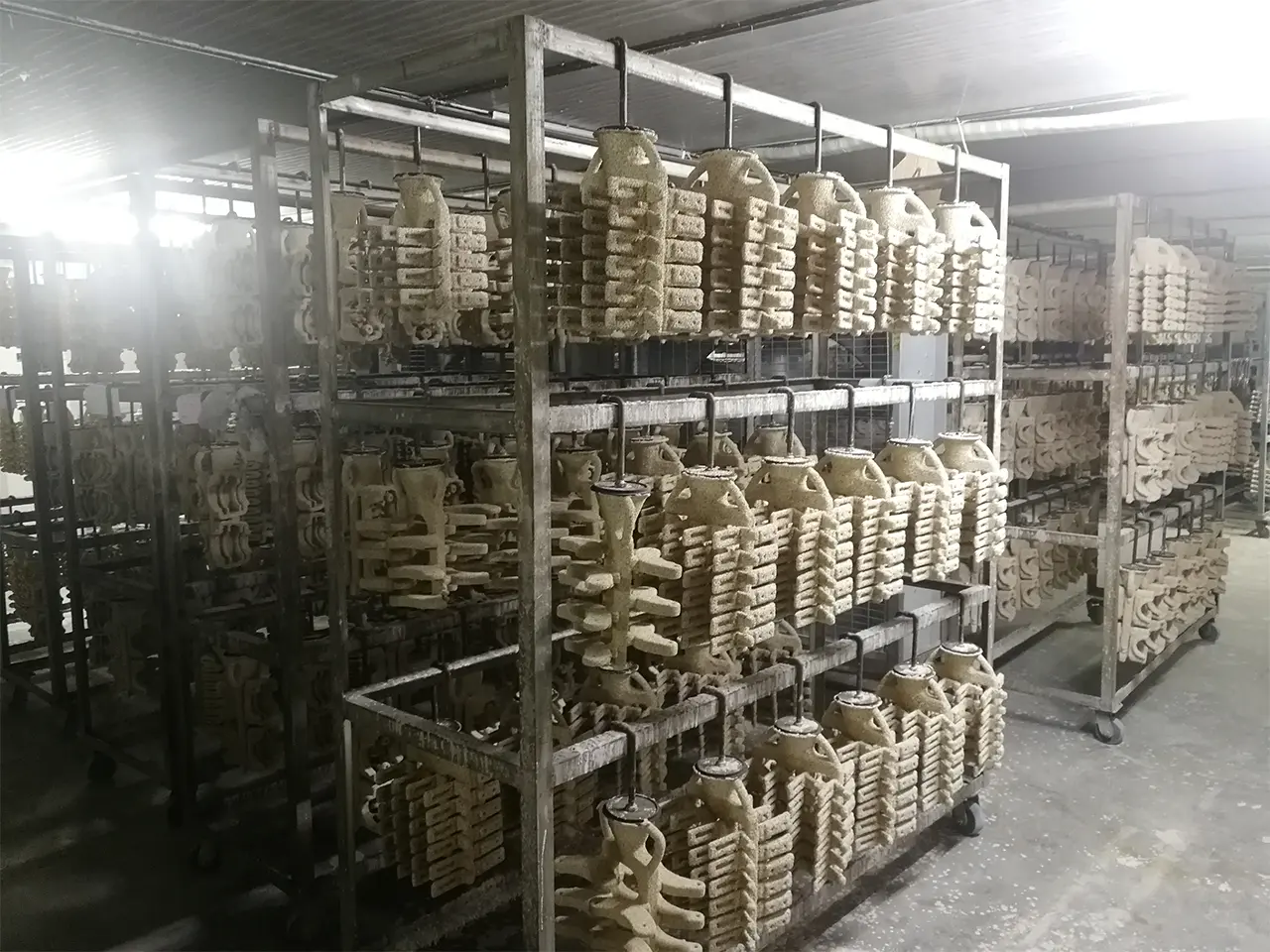
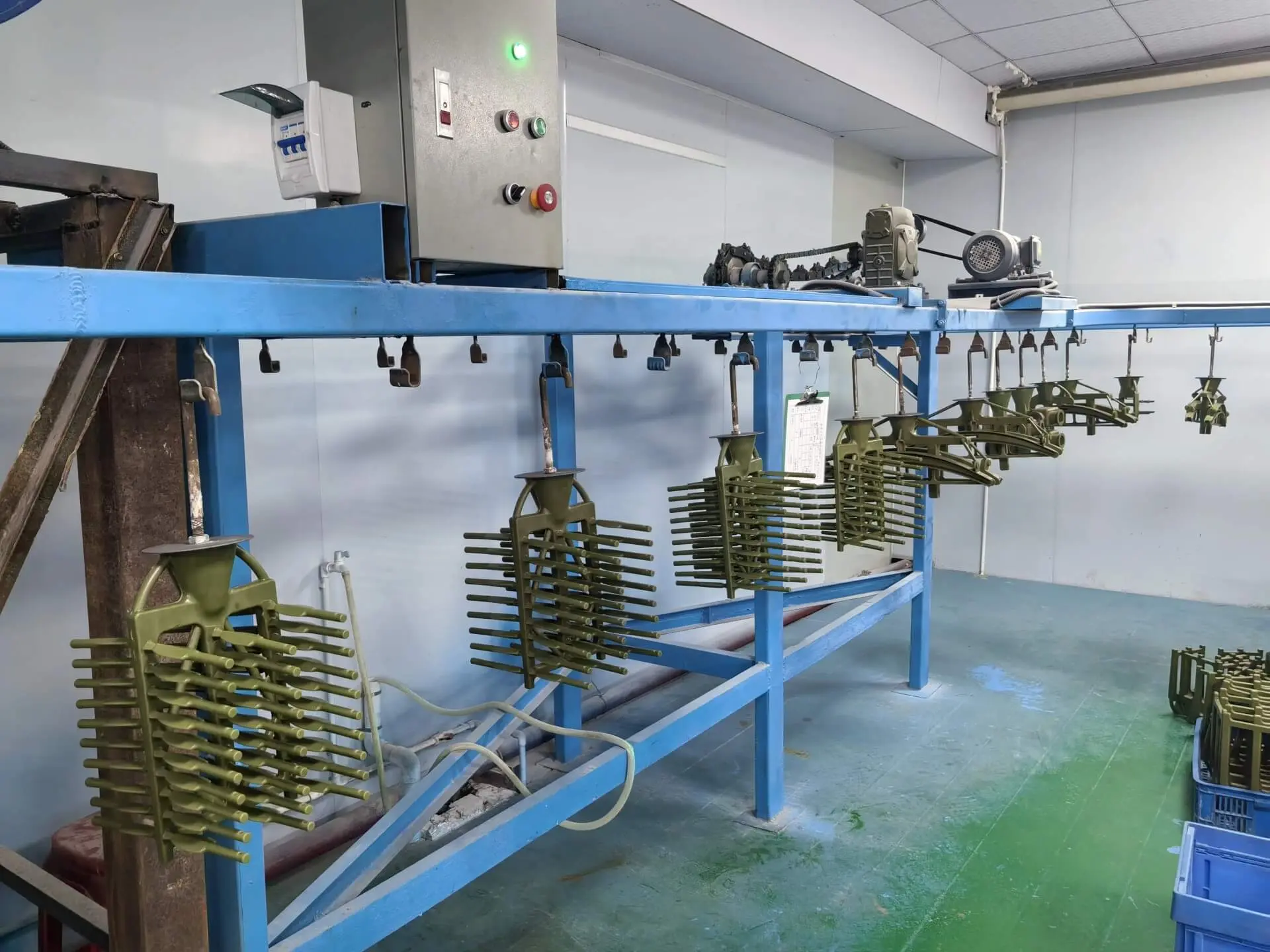
By simulating liquid metal flow profiles and solidification behaviors prior to tool fabrication, we minimize internal shrink voids, gas traps, and porosity, assuring highly dense pressure boundary parts.
Our proximity to primary material suppliers in Southern China ensures consistent, certified access to raw stainless steel, carbon steel, duplex alloys, titanium, and specialized alloys like cemented carbide.
Unlike raw-casting vendors, we feature high-end multi-axis CNC machines in-house to handle crucial structural seating, sealing face turning, thread cutting, and high-tolerance stem hole boring.
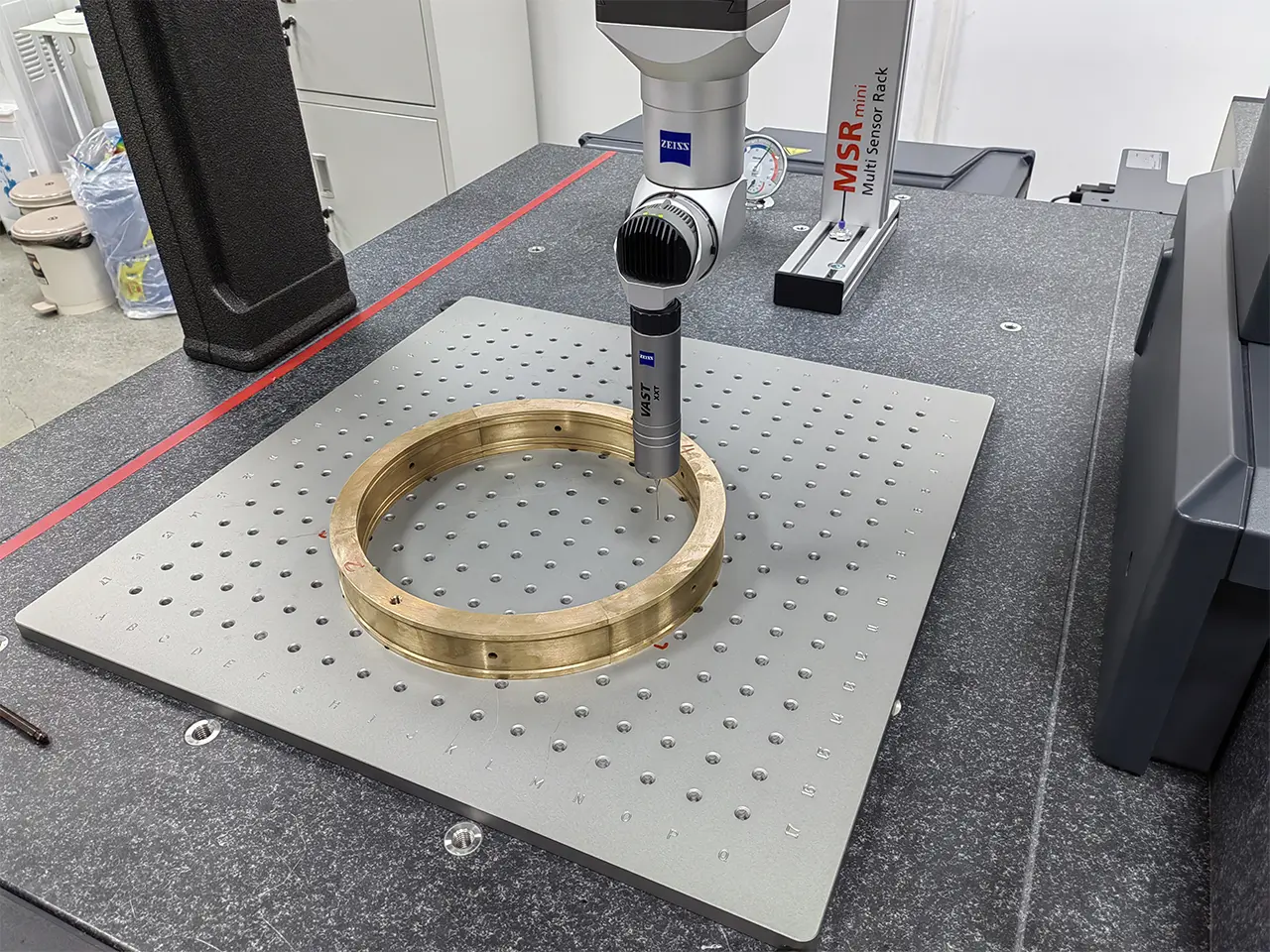
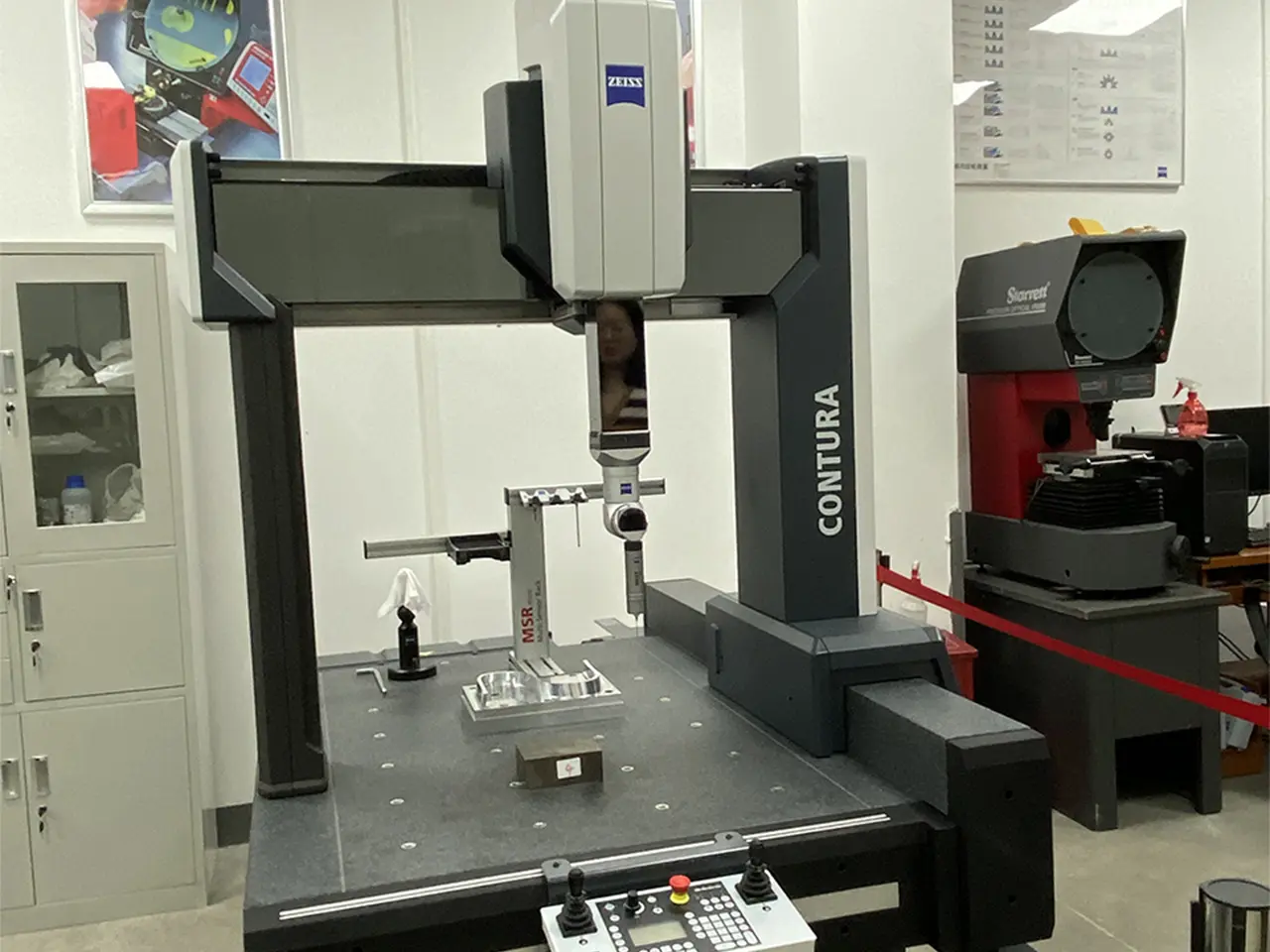
We have professional testing equipment and professional QC personnel, and we adhere to strict tolerances and quality standards for the products we produce. Due to our insistence on strict quality requirements, we have been praised by many customers. Quality is the cornerstone of the manufacturing industry. We firmly believe that only by controlling quality well can we survive, develop, and get better and better. Therefore, we have been working in this industry unremittingly since 2014 and continue to Improve the company's team and improve the company's production capacity.
Our structural QA systems incorporate visual inspection, coordinate measurement machines (CMM) for complex geometries, ultrasonic testing (UT), magnetic particle inspection (MPI), liquid penetrant testing (PT), and hydrostatic pressure testing to satisfy international specifications.
Industrial valves play safety-critical roles across complex engineering ecosystems. Our castings are designed, manufactured, and post-processed to survive aggressive chemical and physical service demands.
Highly saline environments prompt micro-galvanic corrosion. We utilize marine-grade 316L, duplex stainless steels (such as 2205/2507), and corrosion-resistant titanium alloys to counter pitting and crevice corrosion on hull valves, ballast systems, and offshore subsea controls.
Processing plants operate at elevated temperatures and extreme pressures. Cast carbon steel (ASTM A216 WCB/WCC) and heat-resistant alloy steel casings prevent structural creep, thermal stress cracking, and dimensional deflection under long-term cyclical thermal profiles.
Food, beverage, and biopharmaceutical applications demand pristine fluid channels. Our silica-sol investment castings are polished to highly uniform internal dimensions (Ra < 0.8μm) to prevent organic buildup, bacterial growth, and chemical retention during CIP cycles.
Navigating different national regulations requires deep familiarity with mechanical testing, design tolerances, and materials chemistry. We coordinate documentation packages to simplify supply chain certification.
Operating as an OEM/ODM provider for international markets demands adherence to globally recognized standards. Our production processes conform to testing guidelines including:
Our dedicated team supports Design for Manufacturability (DFM) analyses to refine gating placements, draft angles, and raw material allocations, decreasing overall production tooling cycles and avoiding manufacturing re-runs.
Find answers to critical engineering, casting quality, and processing inquiries from procurement teams worldwide.
Explore our comprehensive selection of investment casting components, high-alloy marine parts, and custom CNC components machined to custom mechanical criteria.
 SX Machining