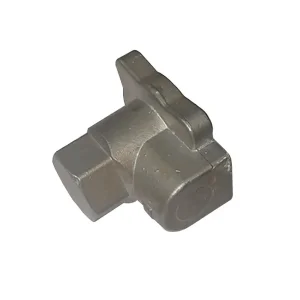
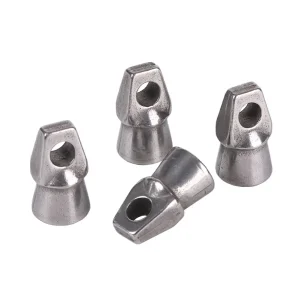
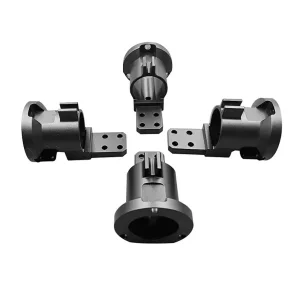
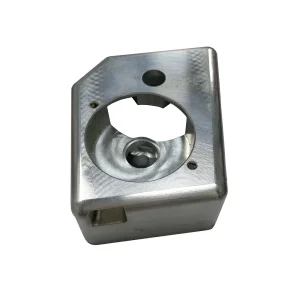
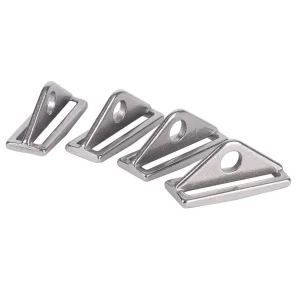
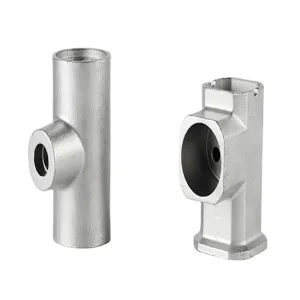
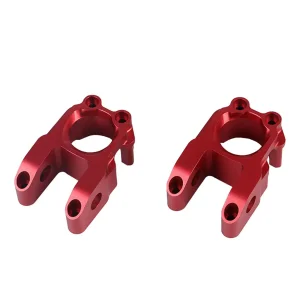
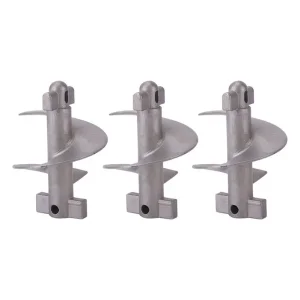
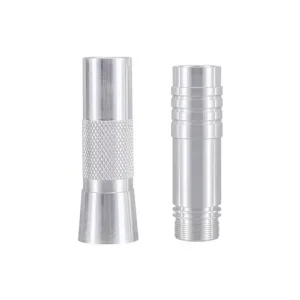
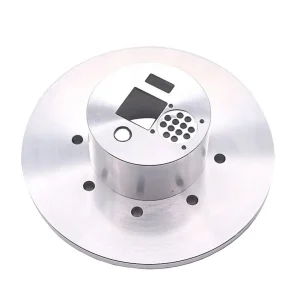
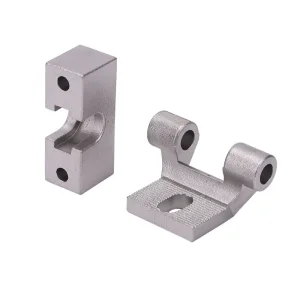
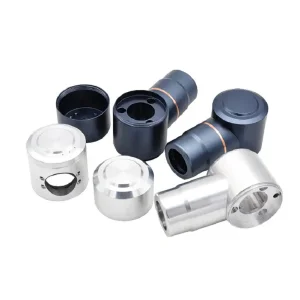
Explore our engineering showcases. We deliver structural-integrity components optimized for demanding industrial environments.
An in-depth review of global demand patterns, metallurgical developments, and supply chain strategic variables.
The global industrial landscape relies heavily on components that combine complex geometry with high structural integrity. Precision investment casting (also known as the lost-wax casting process) represents the pinnacle of close-tolerance metal shaping technologies. Today, industries ranging from aerospace defense and marine engineering to chemical processing and specialized industrial equipment require casting techniques that minimize secondary machining, reduce material waste, and guarantee isotropic material properties.
Modern precision casting is categorized into two main molding methods: the silica sol process and the water glass process. For components that serve critical environments—such as high-pressure valve bodies, automotive fuel manifolds, or marine rigging—the silica sol technique is highly preferred. This process uses high-grade zircon and silica refractory materials, providing superior surface finishing (Ra 3.2μm or smoother) and preventing the formation of micro-porosity. By eliminating surface decarburization during the pouring phase, components exhibit enhanced fatigue life and high corrosion resistance.
Global procurement teams prioritize reducing Total Cost of Ownership (TCO) without compromising quality. When souring non-standard components, buyers face the challenge of bridging the gap between raw casting tolerances and precision assembly tolerances. Consequently, suppliers that integrate in-house precision casting with advanced multi-axis CNC machining, heat treatment, and surface finishing present a distinct advantage. This integrated approach ensures clear accountability, simplifies the supply chain, and minimizes dimensional deviations that can occur when shipping products between different subcontractors.
Dongguan SX Technology Co.,Ltd has very rich experience in precision casting, CNC machining and assembly. Our products are used in machinery, automobiles, marine, ships, equipment, valves and pumps, electronic appliances, packaging, watches, construction, chemical industry and other industries. The most commonly used materials for investment casting are stainless steel and carbon steel. And the most commonly used materials for CNC machining include titanium alloy, stainless steel, carbon steel, aluminum alloy, copper alloy, cemented carbide, etc. We have advanced manufacturing equipment and technology and are able to respond quickly to your needs.
Stainless Steel, Carbon Steel, Titanium, Aluminum, Copper, Cemented Carbide.
Marine Engineering, Valve Systems, Auto Parts, Sports Gear, Custom Fasteners.
Why regional concentration and vertical production networks enable rapid turnarounds and high cost-efficiency.
Southern China, particularly the Dongguan manufacturing corridor, hosts one of the most concentrated industrial manufacturing ecosystems globally. For precision investment casting and CNC machining, this ecosystem offers significant advantages in efficiency, speed, and supply chain reliability. Instead of operating in isolation, casting factories in this region are supported by local clusters of tooling designers, raw material suppliers, specialized surface treatment operations, and logistics providers.
Advanced tooling shops design and manufacture aluminum or steel molds within days, compared to the several weeks typical of isolated supply chains.
By keeping post-casting CNC turning, milling, and surface preparation under one roof, we eliminate intermediate shipping costs and transition times.
Local access to advanced testing labs facilitates fast material characterization, coordinate validation, and non-destructive testing (NDT).
For international buyers, this efficiency translates into reduced lead times for initial design iterations and prototypes, as well as scalable manufacturing capacities that adapt quickly to fluctuating market demands. This concentration of expertise allows Dongguan SX Technology to combine traditional metallurgical techniques with advanced CNC machining, meeting strict specifications and budgets.
A look inside our advanced facilities, demonstrating our production workflows and quality control standards.
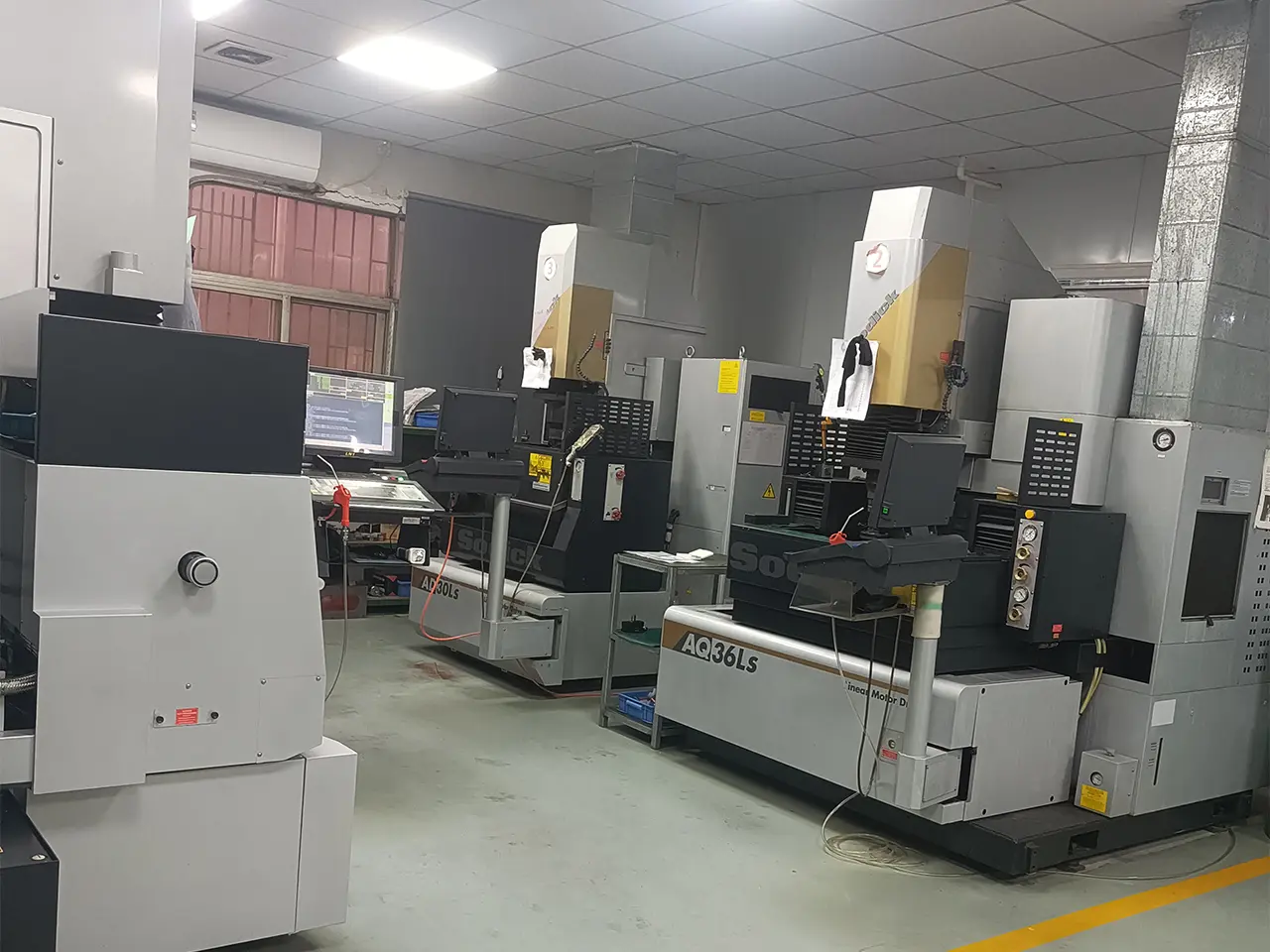
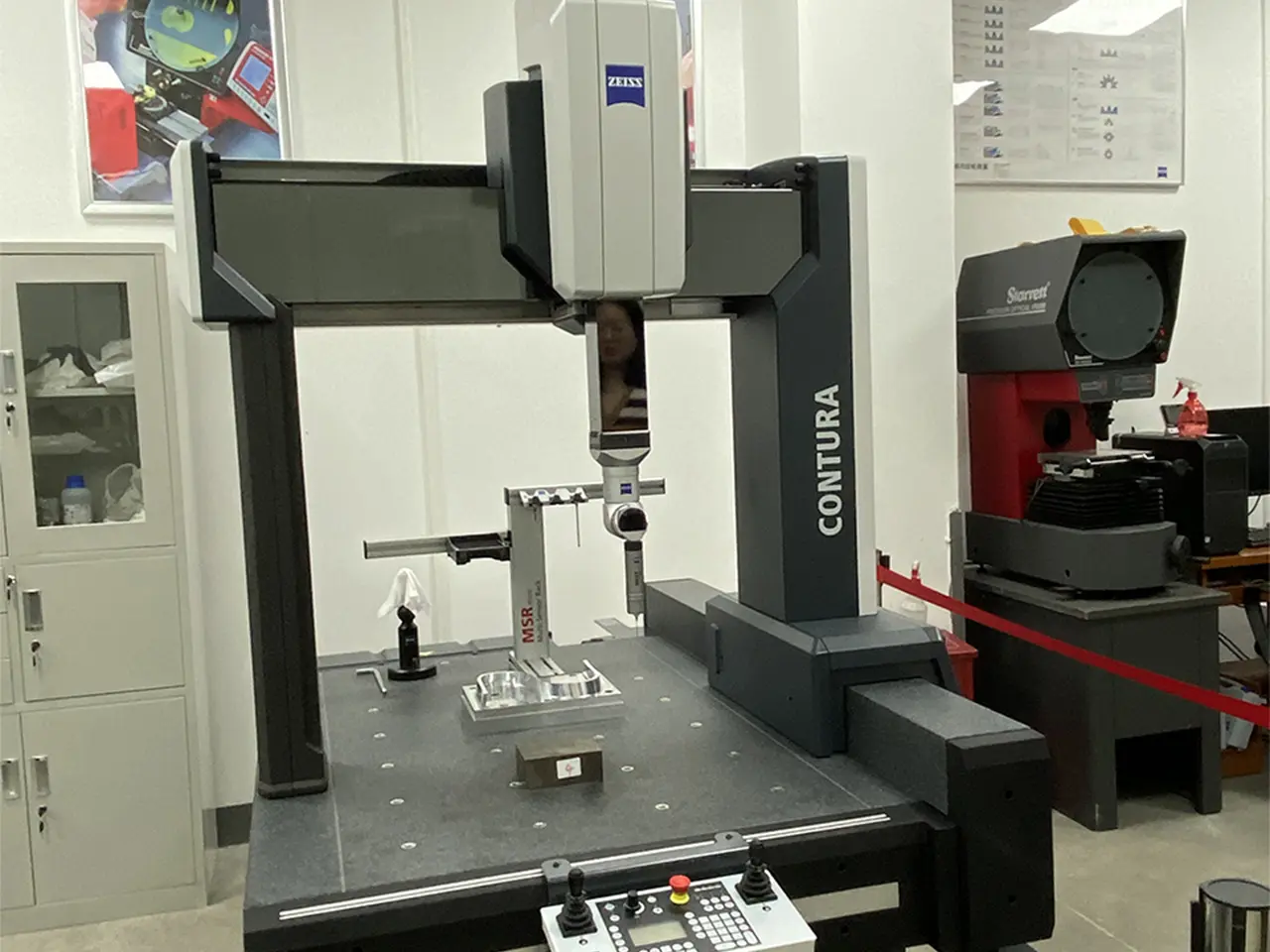
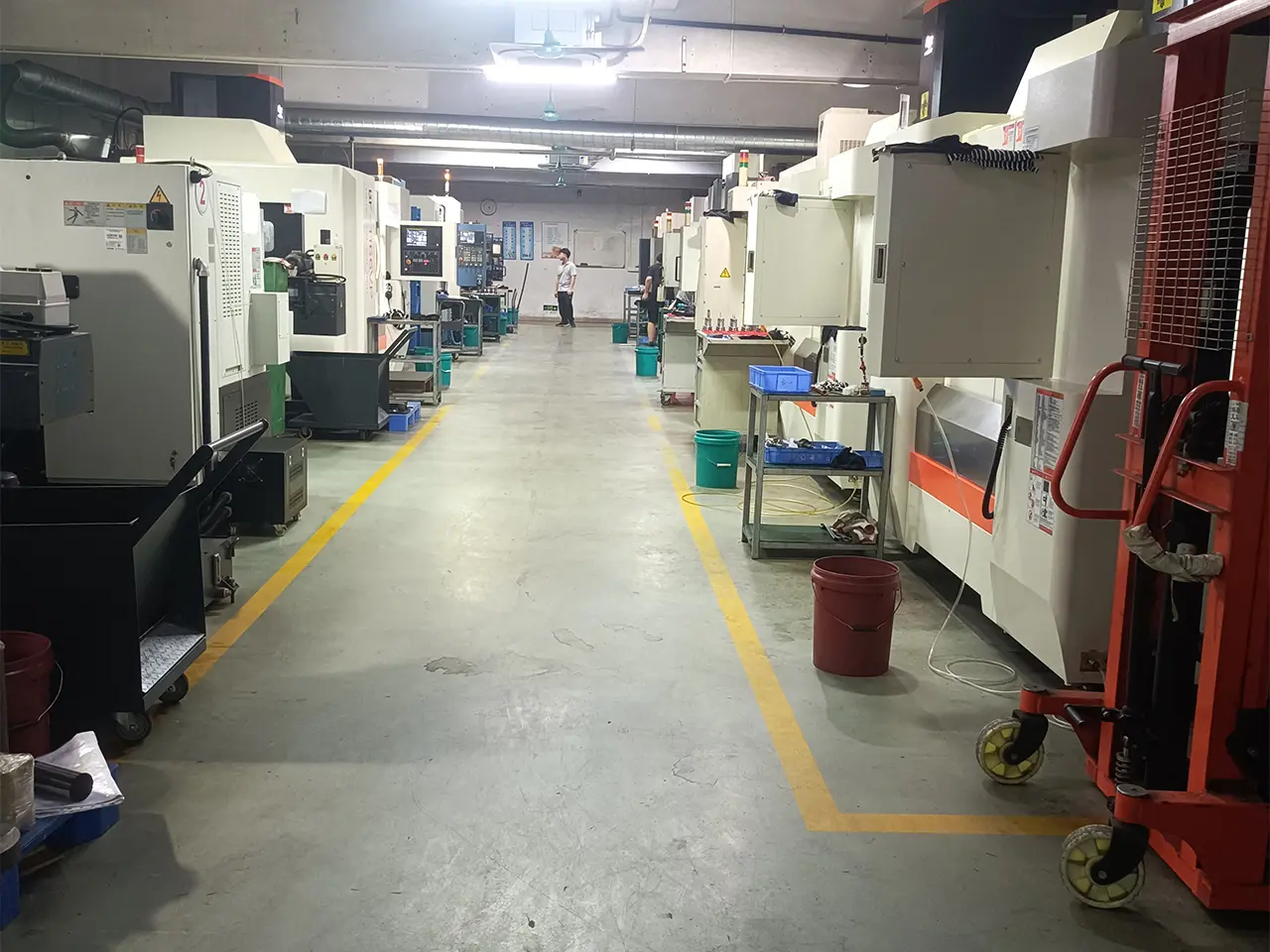
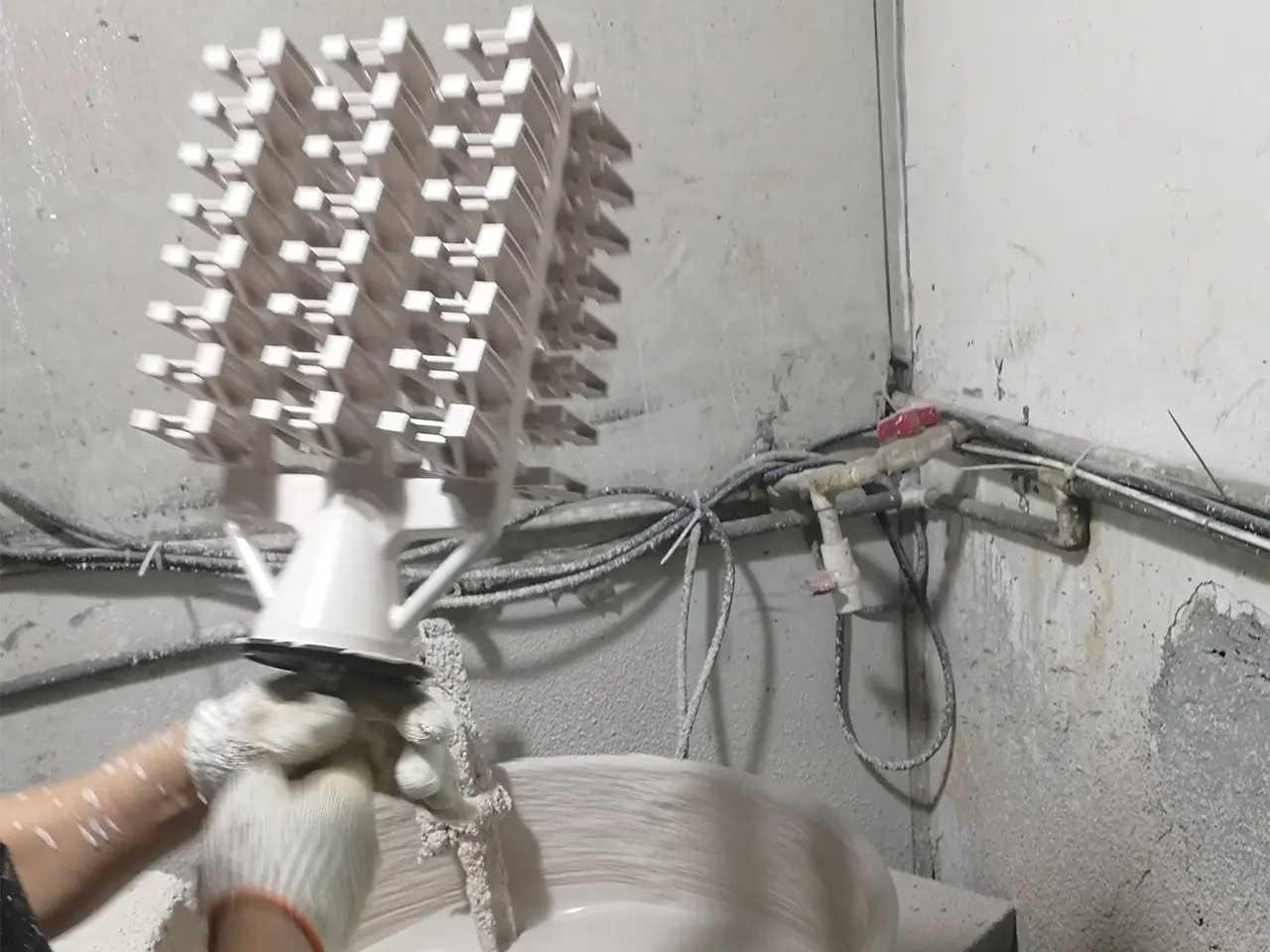
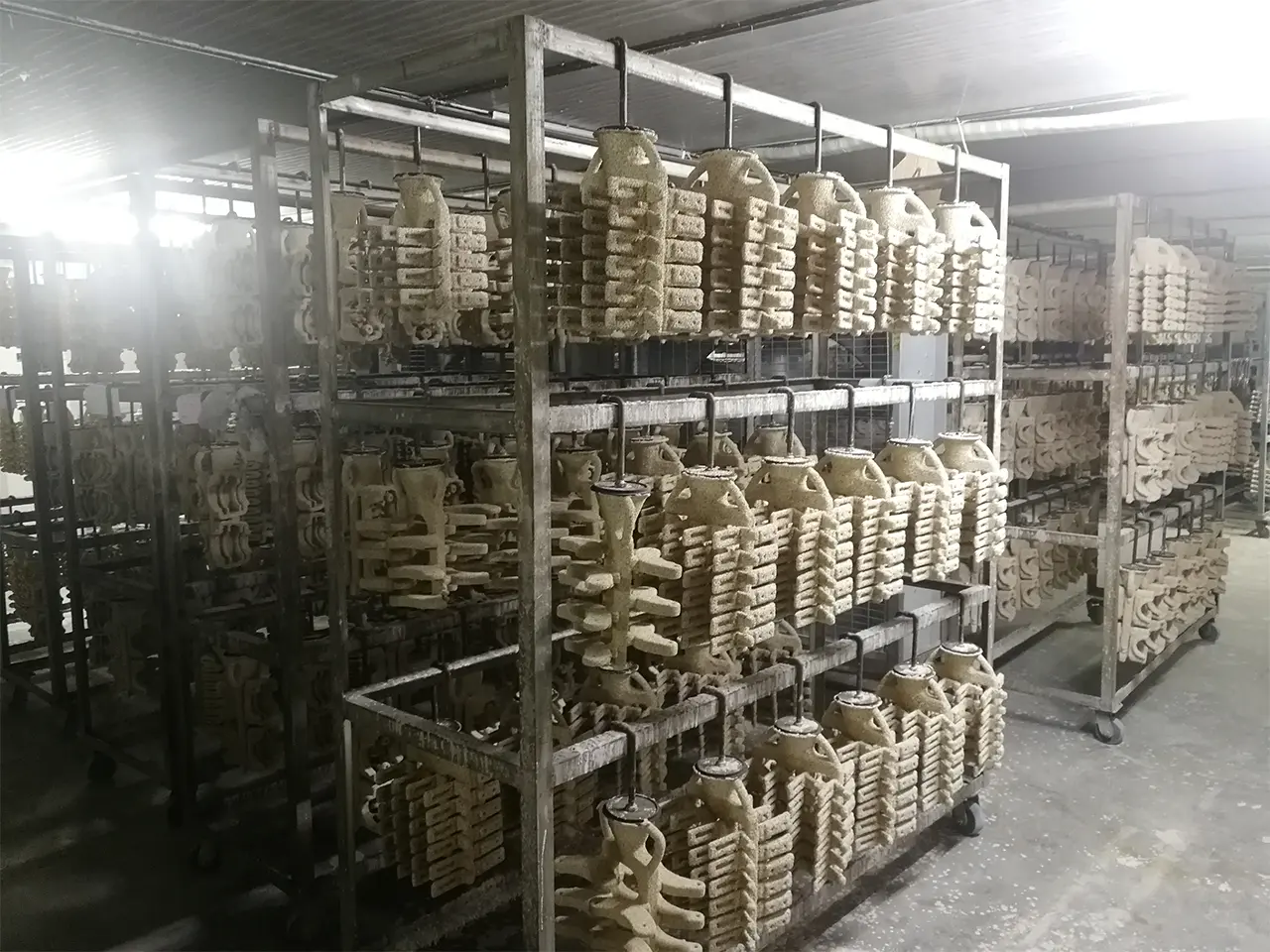
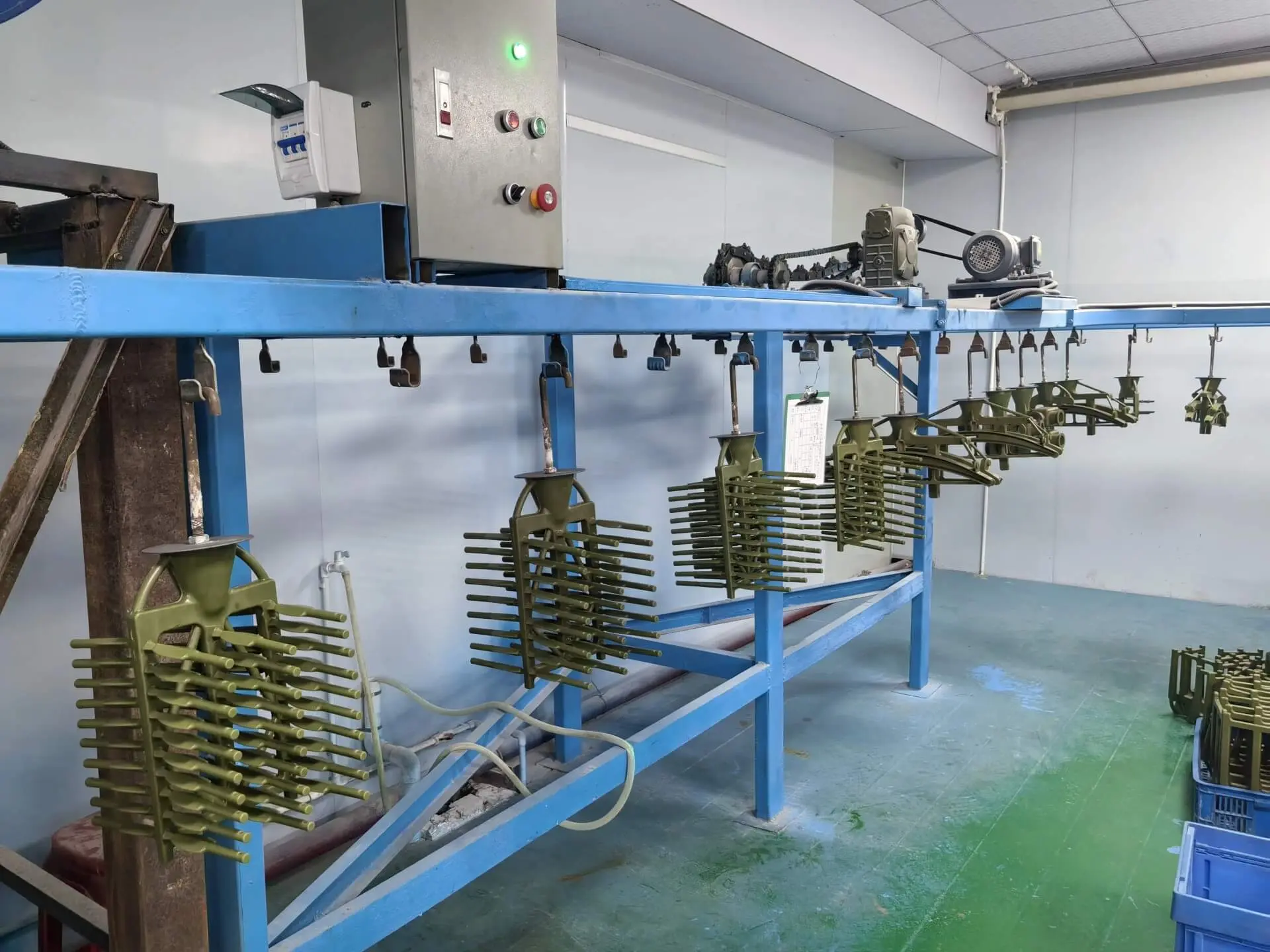
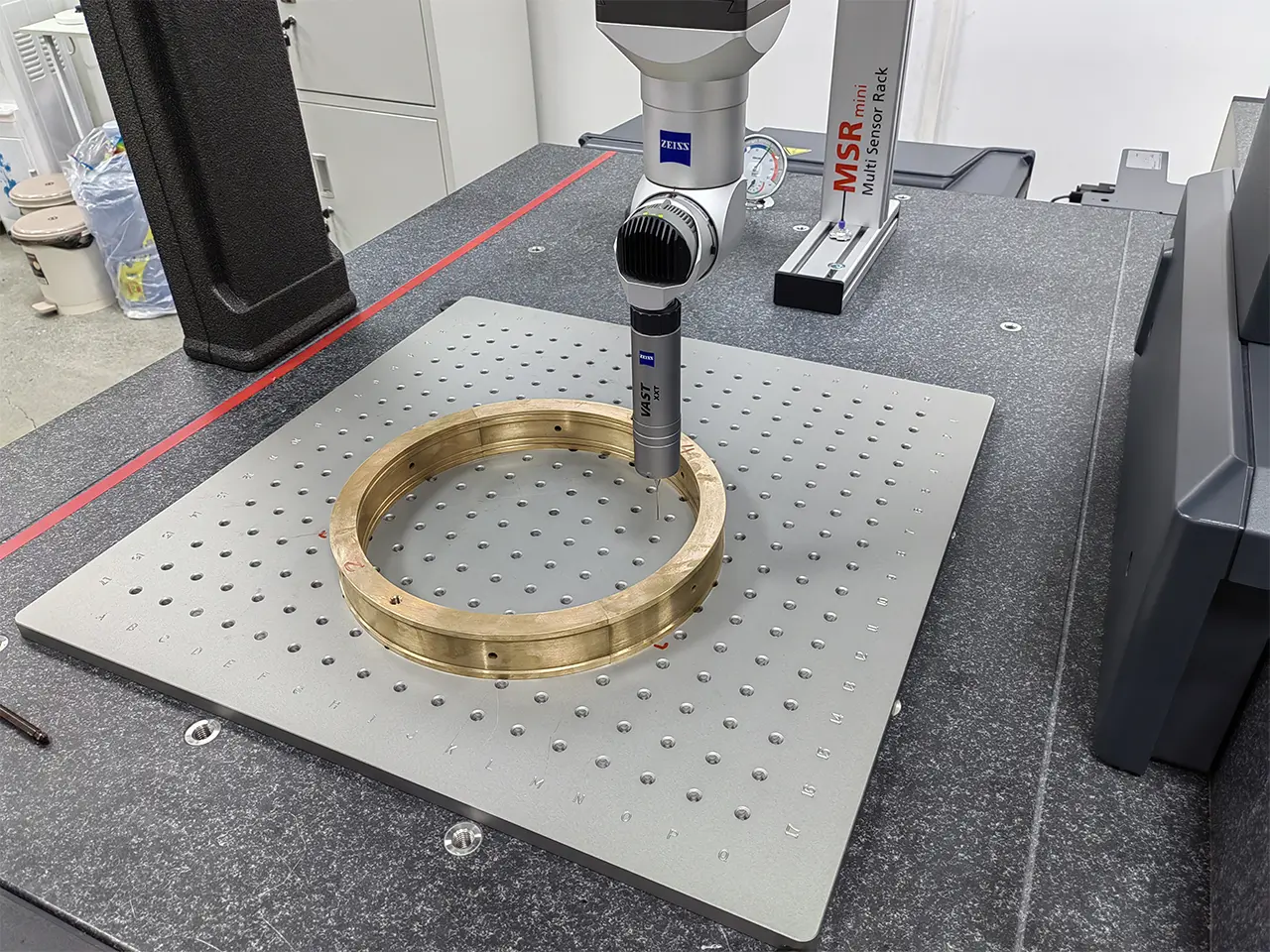
We have professional testing equipment and professional QC personnel, and we adhere to strict tolerances and quality standards for the products we produce. Due to our insistence on strict quality requirements, we have been praised by many customers.
Quality is the cornerstone of the manufacturing industry. We firmly believe that only by controlling quality well can we survive, develop, and get better and better. Therefore, we have been working in this industry unremittingly since 2014 and continue to improve the company's team and improve the company's production capacity.
Our components are engineered to perform in demanding, high-stress environments.
Precision investment casting products are used across critical sectors, where mechanical failure is not an option. By optimizing casting designs for fluidity, solidification, and cooling, we ensure that each component handles stress, pressure, and corrosion efficiently:
Using austenitic stainless steels (316/316L) and duplex alloys, we produce propellers, marine rigging, and brackets resistant to chloride stress cracking and pitting in saltwater environments.
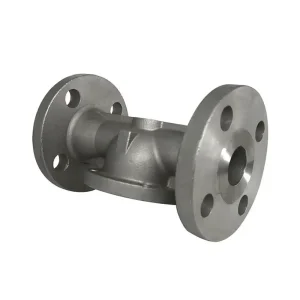
Our valve bodies, pump impellers, and fluid manifolds feature uniform wall thickness and smooth internal passages. This minimizes turbulence, erosion, and leakage under high operating pressures.
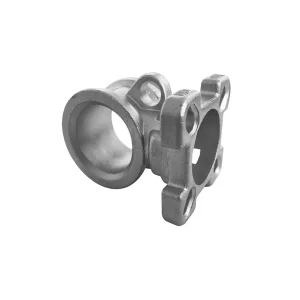
We supply precision brackets, powertrain connectors, and custom engine parts that balance strength and weight. Using alloys like 17-4PH allows designers to optimize weight without losing structural integrity.
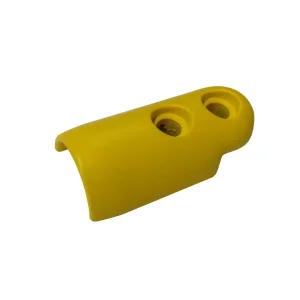
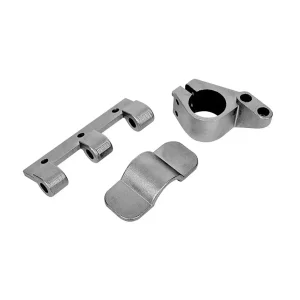
Our non-standard fasteners and sports equipment brackets undergo controlled heat treatments to ensure durability under sudden shock loads and fluctuating weather conditions.
The precision casting sector is adopting digital prototyping workflows. Computer-aided solidification modeling allows engineers to simulate molten metal flow, identifying potential shrinkage defects before manufacturing the hard tooling. Additionally, integrating multi-axis CNC machining centers directly with casting operations enables the production of complex geometries that would be difficult or impossible to achieve using traditional tooling methods alone.
Key technical details regarding materials, tolerances, and design for precision casting.
Under standard silica sol investment casting processes, we achieve linear tolerances within ISO 8062-3 Grade CT4 to CT6. When tighter tolerances are required (such as ±0.005mm for bearing journals or threaded sections), we use our in-house CNC milling and turning centers to finish-machine those specific surfaces.
Stainless steel grades like 316 and 1.4408 contain chromium and nickel, forming a passive oxide layer that protects against corrosion in acidic, alkaline, and saline environments. Carbon steel (such as WCB or LCC) is economical and strong but requires external coatings or plating to prevent rusting in corrosive conditions.
Our quality control team performs optical emission spectrometer analysis on every heat melt to verify chemical composition before pouring. For internal defect detection, we offer non-destructive testing (NDT), including dye penetrant testing, magnetic particle inspection, and X-ray analysis, ensuring castings are free of sub-surface porosity.
Thin sections can lead to premature freezing of the molten metal. We use simulation software to model metal flow and heat transfer, allowing us to optimize riser and gate placement. This keeps the path open for metal to fill thin sections before solidifying, preventing cold shut defects.
Using the silica sol process, our standard cast surface roughness is between Ra 3.2μm and Ra 6.3μm. For applications requiring a smoother finish, we offer bead blasting, electro-polishing, manual mirror polishing, and CNC machining options.
Typically, tool design and fabrication take 15 to 21 days depending on part complexity. Once tooling is complete, we produce initial samples within 5 to 7 days, which include full dimensional layouts and material certificates for customer approval before starting mass production.
Explore our specialized CNC machining and casting solutions, built to meet rigorous industrial specifications.
 SX Machining