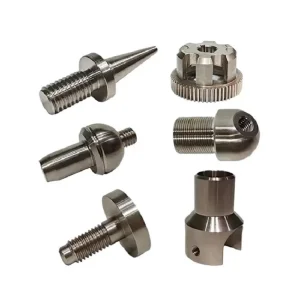
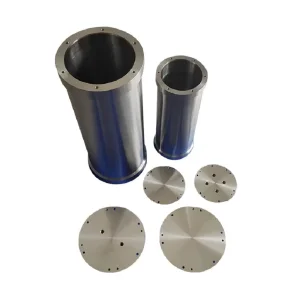
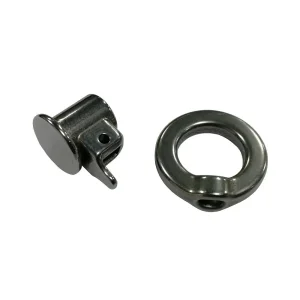
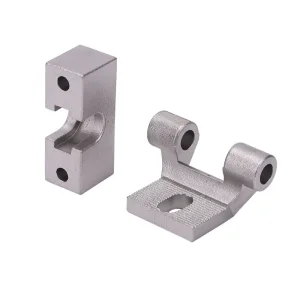
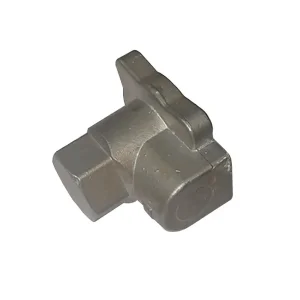
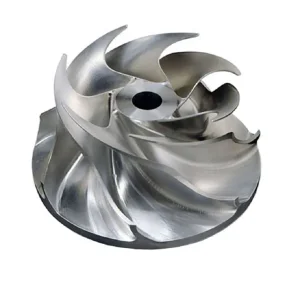
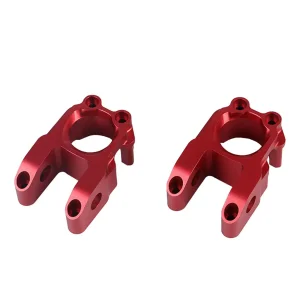
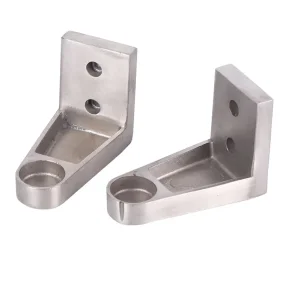
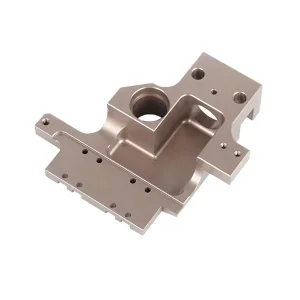
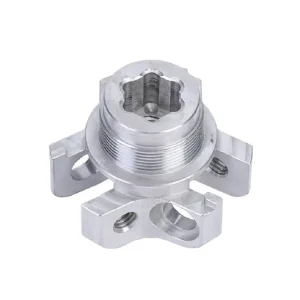
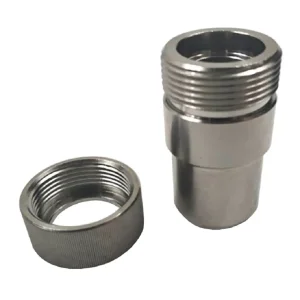
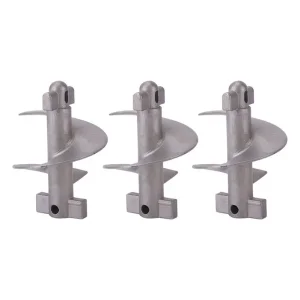
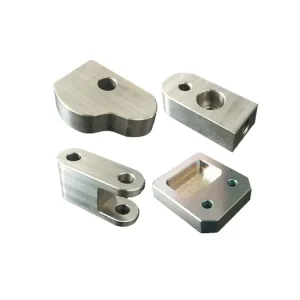
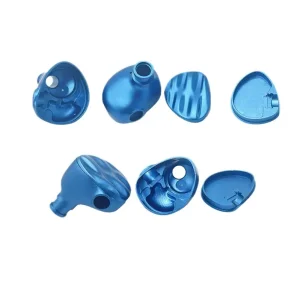
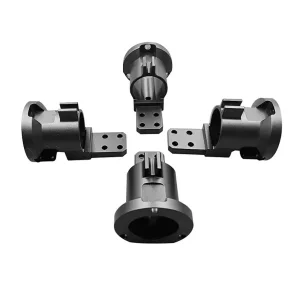
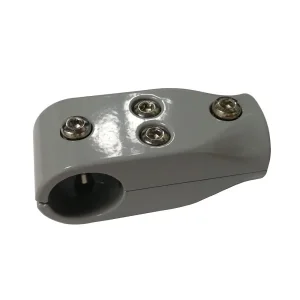
Lost wax casting, also known as investment casting, has evolved from an ancient artistic technique into one of the most advanced precision metal-forming processes of the modern industrial era. When applied to brass alloys, this manufacturing method unlocks unique material benefits, combining the excellent fluid dynamics of molten copper-zinc systems with the complex, near-net-shape capabilities of high-grade ceramic shell molding.
From a metallurgical standpoint, brass is predominantly an alloy of copper and zinc, but modern industrial applications demand specialized variants. Silicon brass (e.g., C87500 or C87800) is frequently selected for its superior fluid mobility and excellent mechanical properties, which rival those of stainless steel while maintaining superior machineability. For marine components, manganese bronzes and naval brasses are alloyed with small percentages of tin or aluminum to generate a passive self-healing oxide layer, preventing dezincification in highly corrosive saltwater environments.
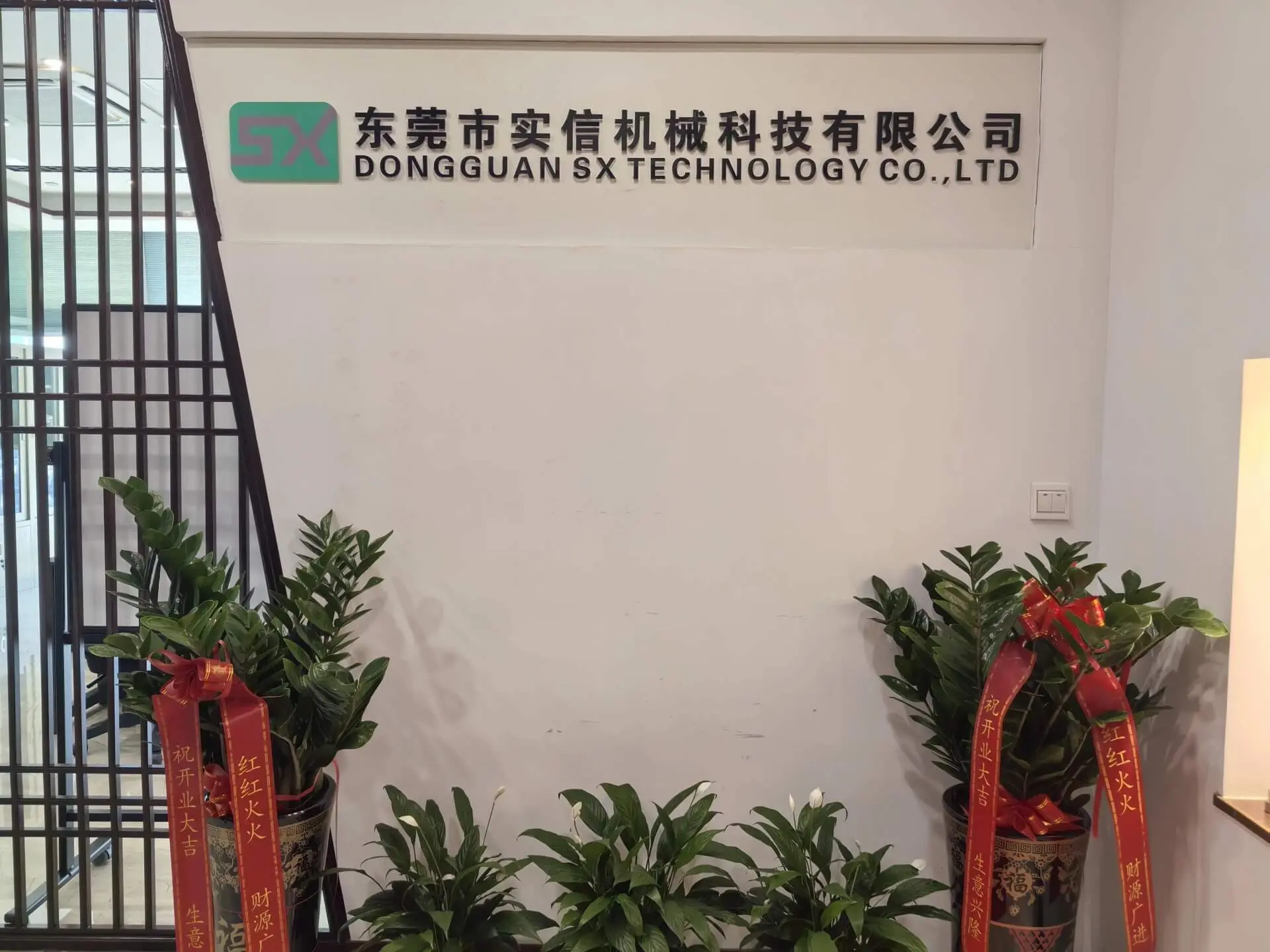
Established as a specialized manufacturing powerhouse, Dongguan SX Technology Co.,Ltd has built rich expertise in precision casting, CNC machining, and comprehensive mechanical assembly. Our engineered solutions are integrated across a diverse spectrum of global sectors, including heavy machinery, automotive systems, marine and shipbuilding industries, industrial valves and pumps, electronic appliances, packaging machinery, precision watchmaking, and architectural construction.
For high-integrity investment casting applications, our foundry operations routinely process premium stainless steels, carbon steels, and specialized copper-based alloys. Furthermore, our state-of-the-art CNC machining division features advanced multi-axis machining capabilities configured for challenging materials, including titanium alloys, high-chromium stainless steels, tough carbon steels, aerospace-grade aluminum alloys, structural copper alloys, and high-wear cemented carbides.
Our production workshops represent the synergy of computerized automation and artisanal metallurgical control. From temperature-regulated ceramic shell drying rooms to advanced high-frequency induction furnaces, our facilities are designed for operational excellence.
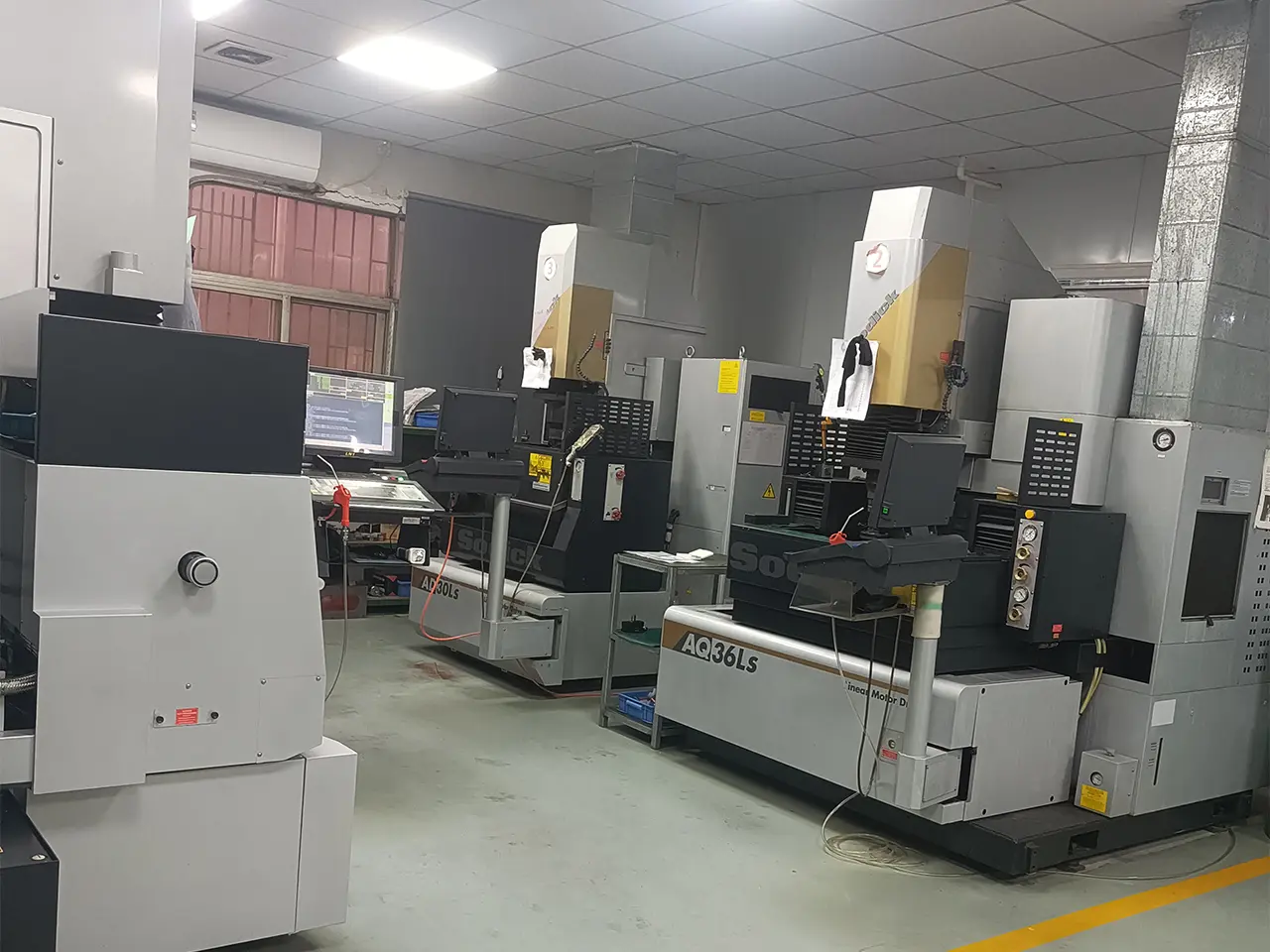
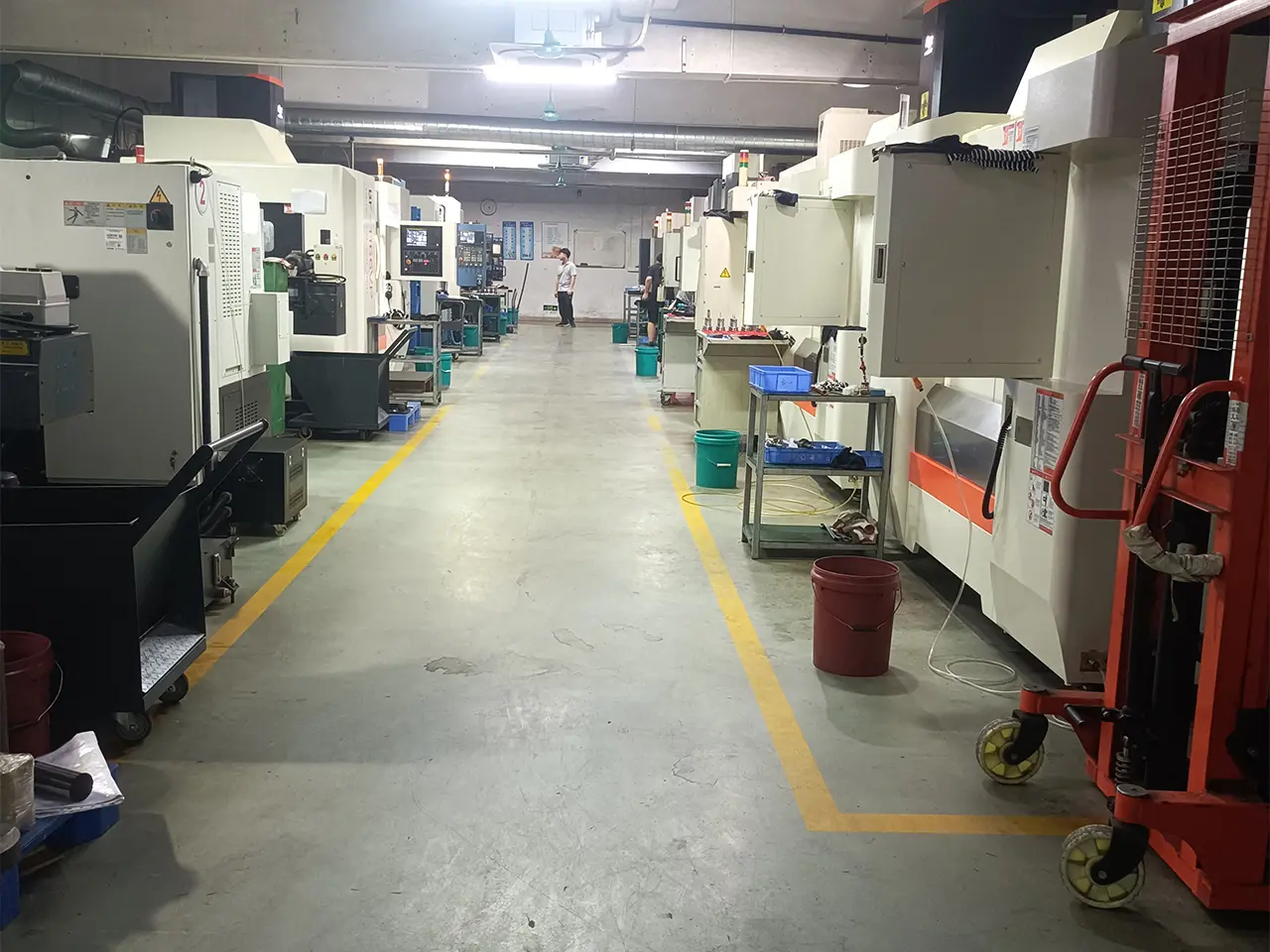
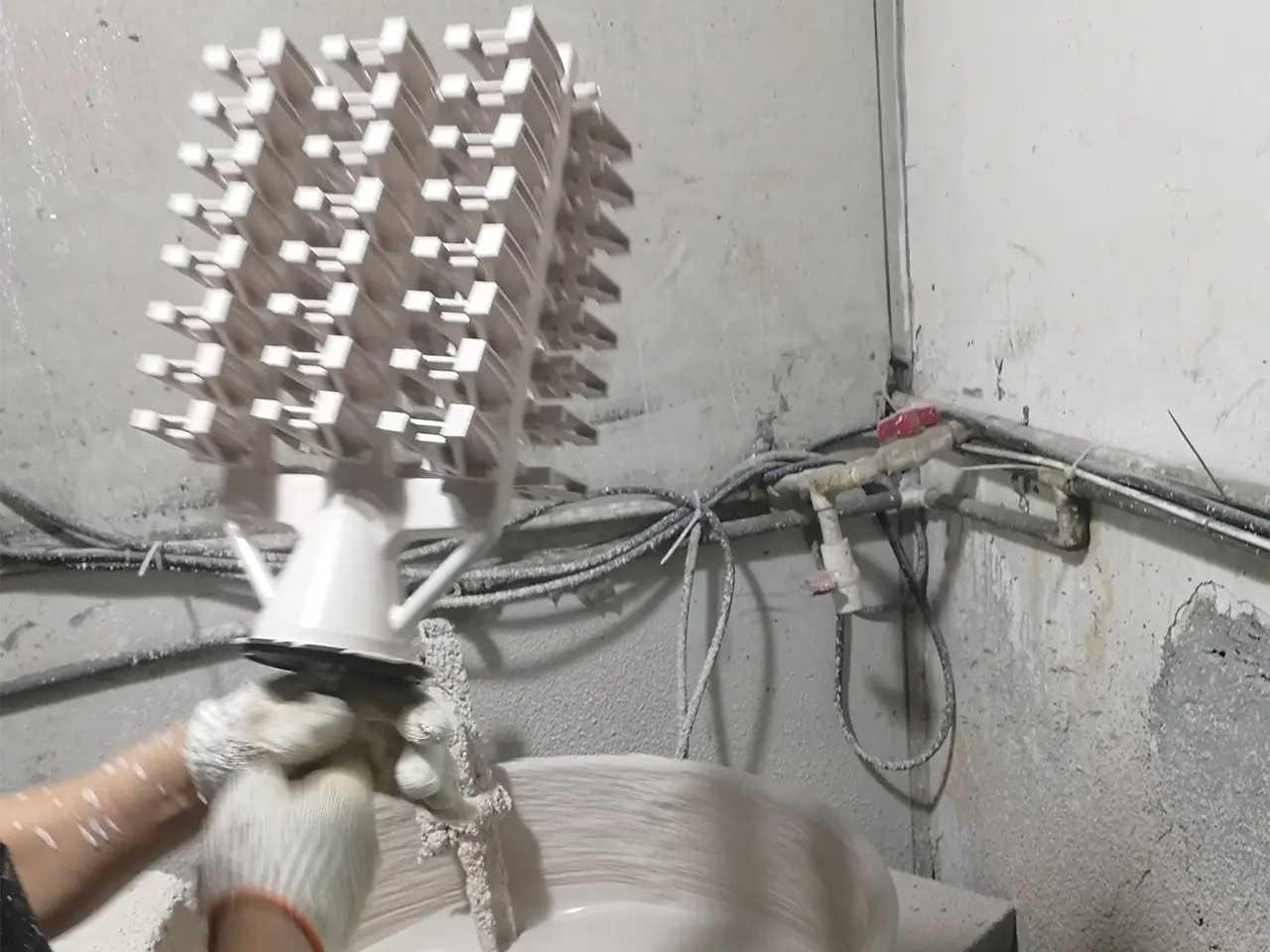
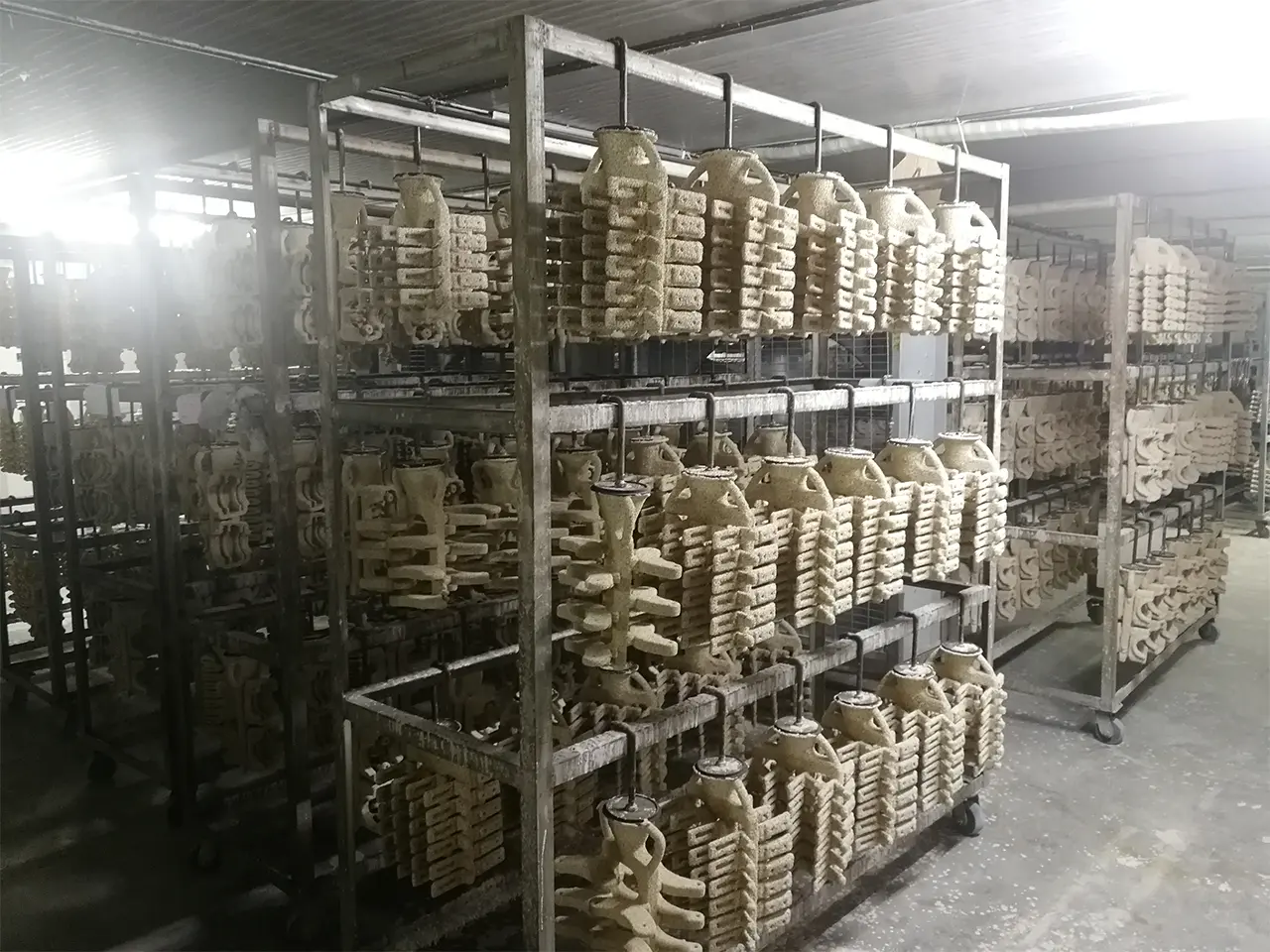
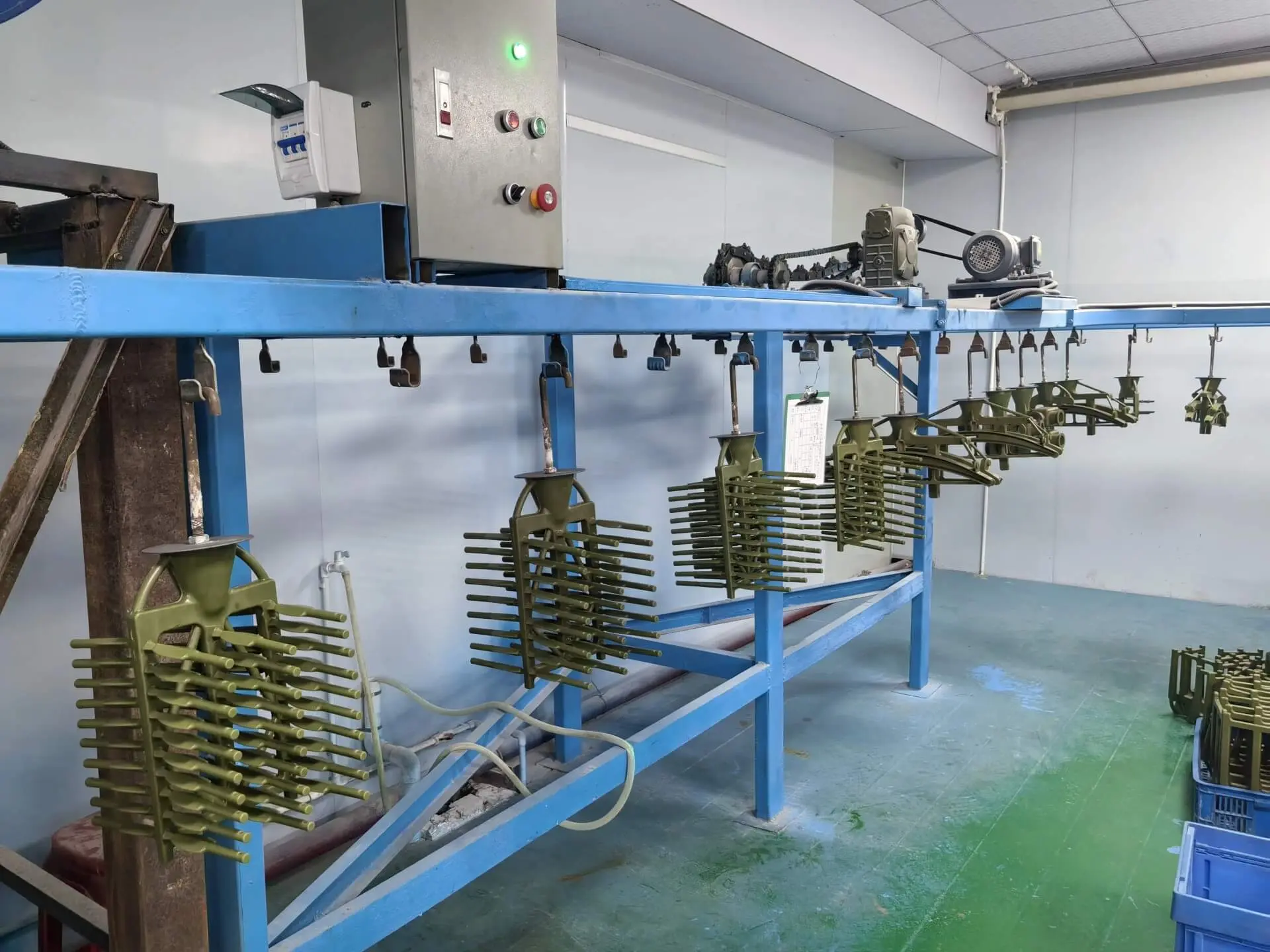
The production of custom brass components at SX Technology is governed by strict stage-gate processes, ensuring each step minimizes material defects such as gas porosity, shrinkage cavities, and structural misalignment.
Linear Tolerances: CT4 to CT6 for investment casting; down to ±0.005mm post-CNC machining.
Surface Roughness (As Cast): Ra 3.2 to Ra 6.3 μm.
Post-Machining Finish: Ra 0.8 μm or higher depending on customer specification.
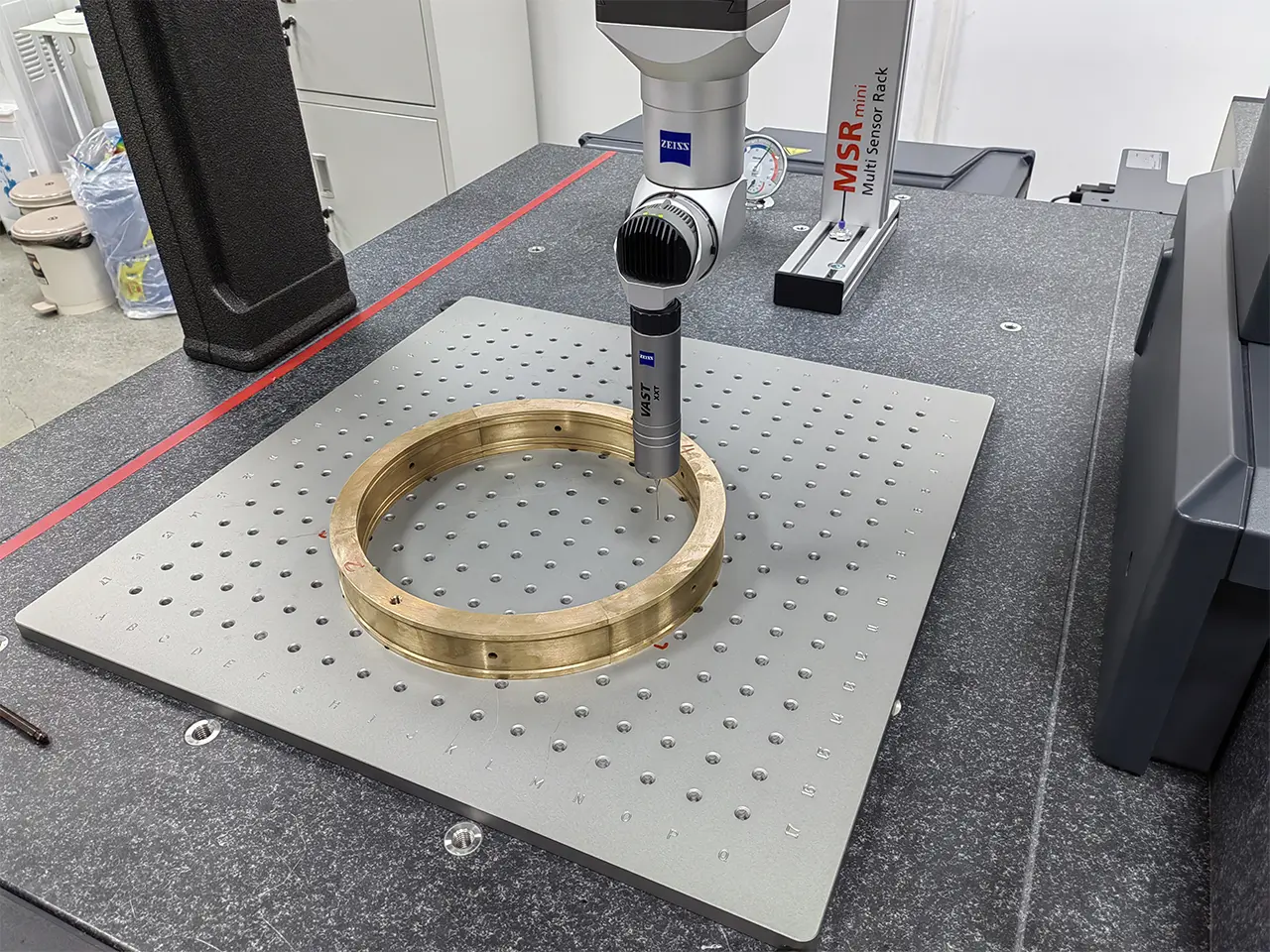
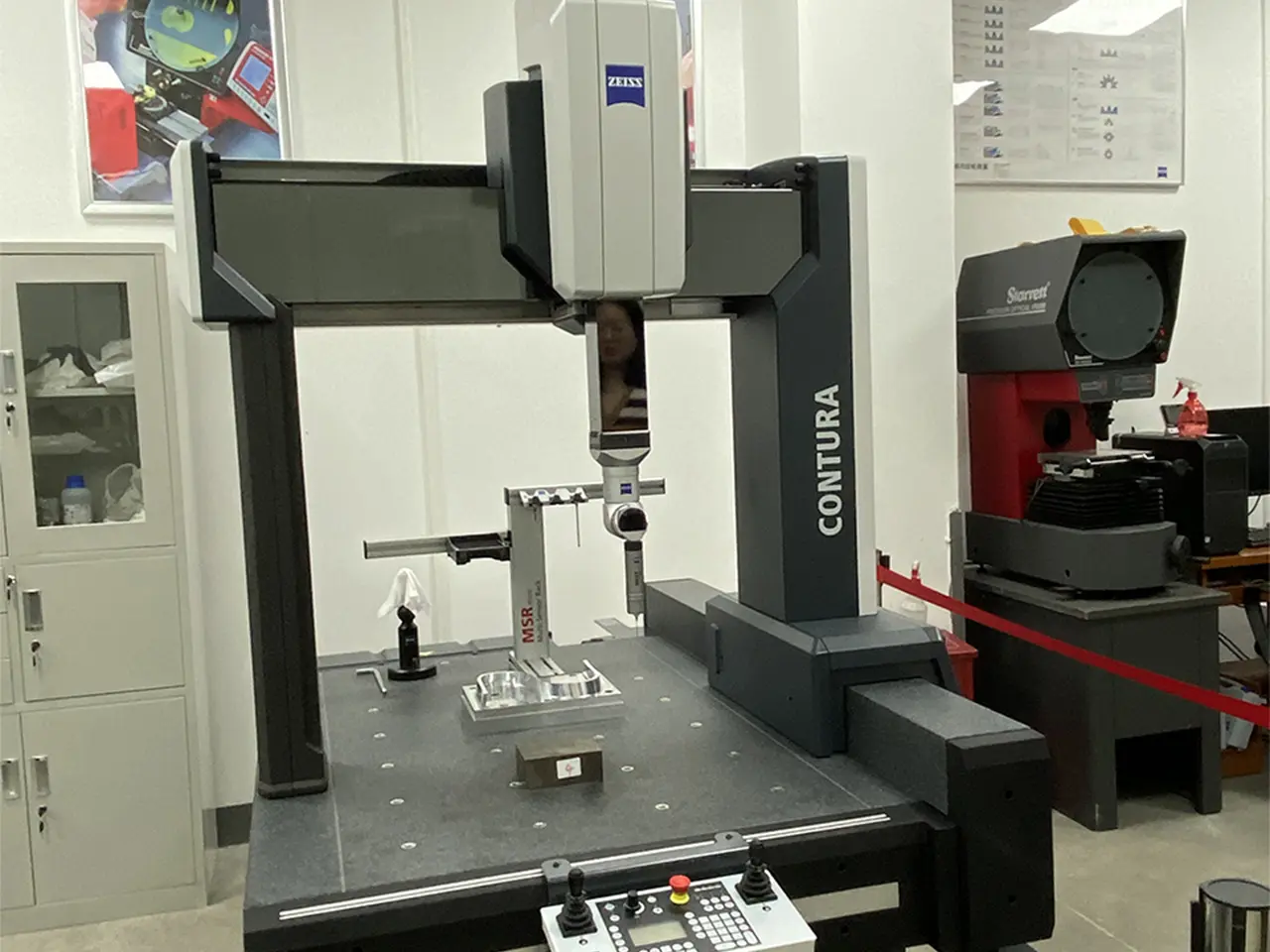
Quality is the definitive foundation of the precision manufacturing industry. We firmly believe that only by executing strict quality verification protocols can our factory survive, scale, and establish sustainable global partnerships. To achieve this, we have operated continuously since 2014, constantly investing in our metrology equipment and expanding our technical staff.
Every product batch manufactured at Dongguan SX Technology Co.,Ltd undergoes a multi-layer verification chain:
The global brass casting landscape is experiencing a paradigm shift driven by environmental mandates, resource pricing dynamics, and smart automation requirements. Advanced factories in Europe, Asia, and North America are focusing heavily on lead reduction. Historically, lead was added to brass to improve machinability and seal porosity. However, regulations like the US Safe Drinking Water Act and Europe's REACH directive demand virtually lead-free copper-based alloys.
Additionally, modern foundries are adopting Casting 4.0 practices. By integrating real-time temperature sensing, computer-controlled slurry thickness monitors, and automated robotic shell handling, modern manufacturers achieve unprecedented repeatability.
Lost wax casting relies on expendable ceramic shells, allowing for internal undercut geometries, complex curves, and variable wall thicknesses without drafts. Gravity die casting uses permanent steel molds, which require draft angles and struggle with internal shapes unless costly sand cores are used.
We cast silicon brass (C87500 / C87600 / C87800) and bismuth brass alloys. These materials replace lead with silicon or bismuth to maintain machinability and pressure-tightness while complying with RoHS, REACH, and NSF/ANSI 372 standards.
Directly from casting, we achieve tolerances within the ISO 8062 CT4-CT6 range (typically ±0.13mm to ±0.25mm depending on geometry and size). For tighter interfaces, we utilize post-casting CNC machining to hit tolerances of ±0.005mm.
We use finite element method (FEM) solidification software to optimize gating design. In addition, we apply atmospheric protection during induction melting and utilize degasifying agents to remove dissolved hydrogen before pouring.
 SX Machining