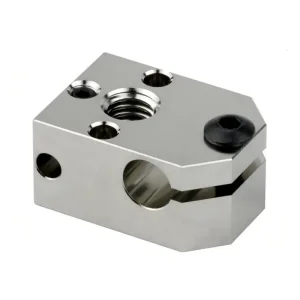
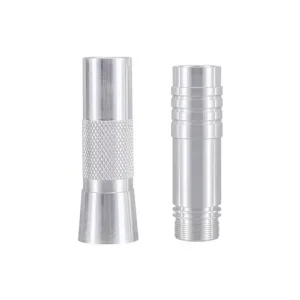
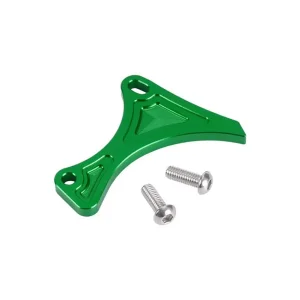
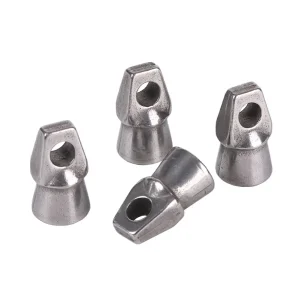
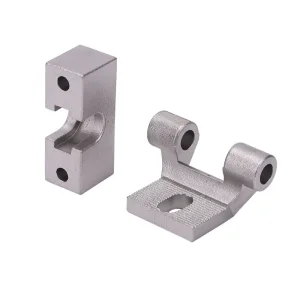
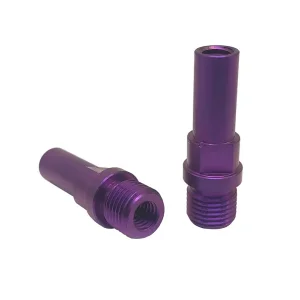
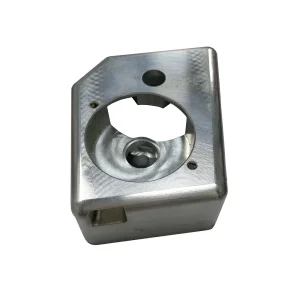
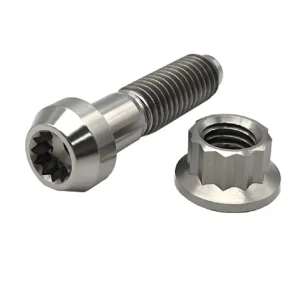
Explore our elite engineering products designed to withstand extreme pressures, cryogenic temperatures, and corrosive industrial environments.
Analyzing structural shifts, standard compliance, and fluid dynamics requirements in global processing pipelines.
Modern industrial systems—ranging from offshore LNG pipelines and cryogenic logistics terminals to nuclear energy facilities—require valve architectures that can endure massive cyclic stresses. As companies globally drive toward ultra-low fugitive emissions and high system reliability, the requirement for zero-defect valve body castings has escalated. Forged valves, while mechanically sound, are limited by geometry and cost when addressing complex internal flow profiles. Consequently, custom casting has emerged as the preferred methodology for optimizing fluid kinetics.
By leveraging advanced metallurgical techniques, manufacturers can mold complex interior passages that reduce turbulence, pressure drops, and abrasive wear within the system. This directly correlates to lower operational energy expenditure and extended mean time between failures (MTBF) for modern processing facilities.
Under severe service conditions, such as high-temperature gasification or super-critical carbon capture pipelines, common valve castings fail due to micro-porosity, alloy segregation, or carbide precipitation at grain boundaries. To mitigate these failure mechanisms, the selection of the correct valve casting manufacturer is paramount. Custom casting facilities must possess in-depth knowledge of physical metallurgy, heat treatment processes, and non-destructive testing (NDT).
Advanced foundries rely on fluid simulation software (such as MAGMAsoft) to model the molten metal's solidification behavior, ensuring that riser placement and pouring speeds are precisely configured to eliminate shrinkage cavities and maintain structural homogeneity throughout the valve body.
Comprehensive review of material groups, tensile ratings, and standards compliance for valve casting.
| Material Group | Common Standard Equivalent | Primary Application Context | Distinct Properties & Capabilities |
|---|---|---|---|
| Stainless Steel | ASTM A351 (CF8M, CF3M, CF8) | Chemical processing, marine, cryogenic systems | Exceptional corrosion resistance, excellent low-temperature toughness. |
| Carbon Steel | ASTM A216 (WCB, WCC, LCB) | Power generation, steam piping, oil & gas | High mechanical strength, cost-effective for general high-pressure use. |
| Titanium Alloys | ASTM B367 (Gr. C2, C5) | Deep-sea exploration, desalination, aerospace | Extreme strength-to-weight ratio, impervious to seawater pitting. |
| Duplex Stainless | ASTM A995 (Gr. 4A, 5A, 6A) | Acid gas environments, high chloride environments | High yield strength, superior resistance to stress corrosion cracking. |
| Aluminum Alloys | ASTM B26 (A356, A380) | Electronics housing, lightweight control manifolds | Excellent thermal conductivity, low weight, good machinability. |
Precision spectrometry measures carbon content down to 0.03% (L-grades) to prevent sensitization during post-casting welding operations, ensuring no loss in corrosion resistance around heat-affected zones.
Our facility conducts in-house solution annealing, tempering, and aging processes to dissolve intermetallic phases and normalize the microstructure, enhancing the mechanical reliability of all cast valves.
With valve leakage accounting for a high percentage of industrial emissions, our casting and CNC processing match the tight tolerances required by international standards such as ISO 15848-1.
Understanding the engineering behind lost-wax investment processes and CNC post-casting machining.
For complex valve geometries like globe valve bodies, control valve plugs, and multi-port ball valves, traditional sand casting falls short due to coarse surface finishes and dimensional deviation. Investment casting (utilizing the silica sol binder process) provides high dimensional accuracy (typically within ISO 8062-3 DCTG4 to DCTG6 range) and a superior surface finish (Ra 3.2 to 6.3 μm).
This process begins with the creation of a high-precision wax pattern via aluminum injection molds. These patterns are assembled onto a gating system tree, dipped in refractory ceramic slurry, and coated with stucco. Once the shell is cured, the wax is steam-autoclaved out, leaving a detailed cavity. Pre-heating the ceramic shell to temperatures between 900°C and 1100°C prior to metal pouring prevents thermal shock and allows for thinner walls, reducing overall component weight without sacrificing strength.
A raw casting is only the starting point for high-performance valve equipment. Critical sealing faces, threads, stems, and bonnet mating surfaces require tolerances that only advanced CNC machining can deliver. Dongguan SX Technology Co.,Ltd integrates both disciplines under one roof.
By using multi-axis CNC milling, precision lathe turning, and 5-axis machining complexes, we can transition a cast part to a finished assembly with tolerances as tight as ±0.005mm. This integrated approach minimizes the risk of dimensional misalignment between third-party casting and machining facilities, reducing scrap rates and accelerating production schedules.
Every casting run undergoes systematic analysis. We conduct Optical Emission Spectrometry (OES) before pouring to verify the chemical makeup of the melt. Hardness testing, tensile tests, and Charpy impact testing at low temperatures (-196°C for cryogenic valves) are completed to ensure compliance. We provide EN 10204 3.1 material certificates with all shipments, giving customers complete visibility into the manufacturing process.
A decade of engineering expertise in precision casting, CNC machining, and comprehensive assemblies.
Dongguan SX Technology Co.,Ltd has very rich experience in precision casting, CNC machining and assembly. Our products are used in machinery, automobiles, marine, ships, equipment, valves and pumps, electronic appliances, packaging, watches, construction, chemical industry and other industries.
The most commonly used materials for investment casting are stainless steel and carbon steel. And the most commonly used materials for CNC machining include titanium alloy, stainless steel, carbon steel, aluminum alloy, copper alloy, cemented carbide, etc. We have advanced manufacturing equipment and technology and are able to respond quickly to your needs.
Quality is the cornerstone of the manufacturing industry. We firmly believe that only by controlling quality well can we survive, develop, and get better and better. Therefore, we have been working in this industry unremittingly since 2014 and continue to improve the company's team and improve the company's production capacity.
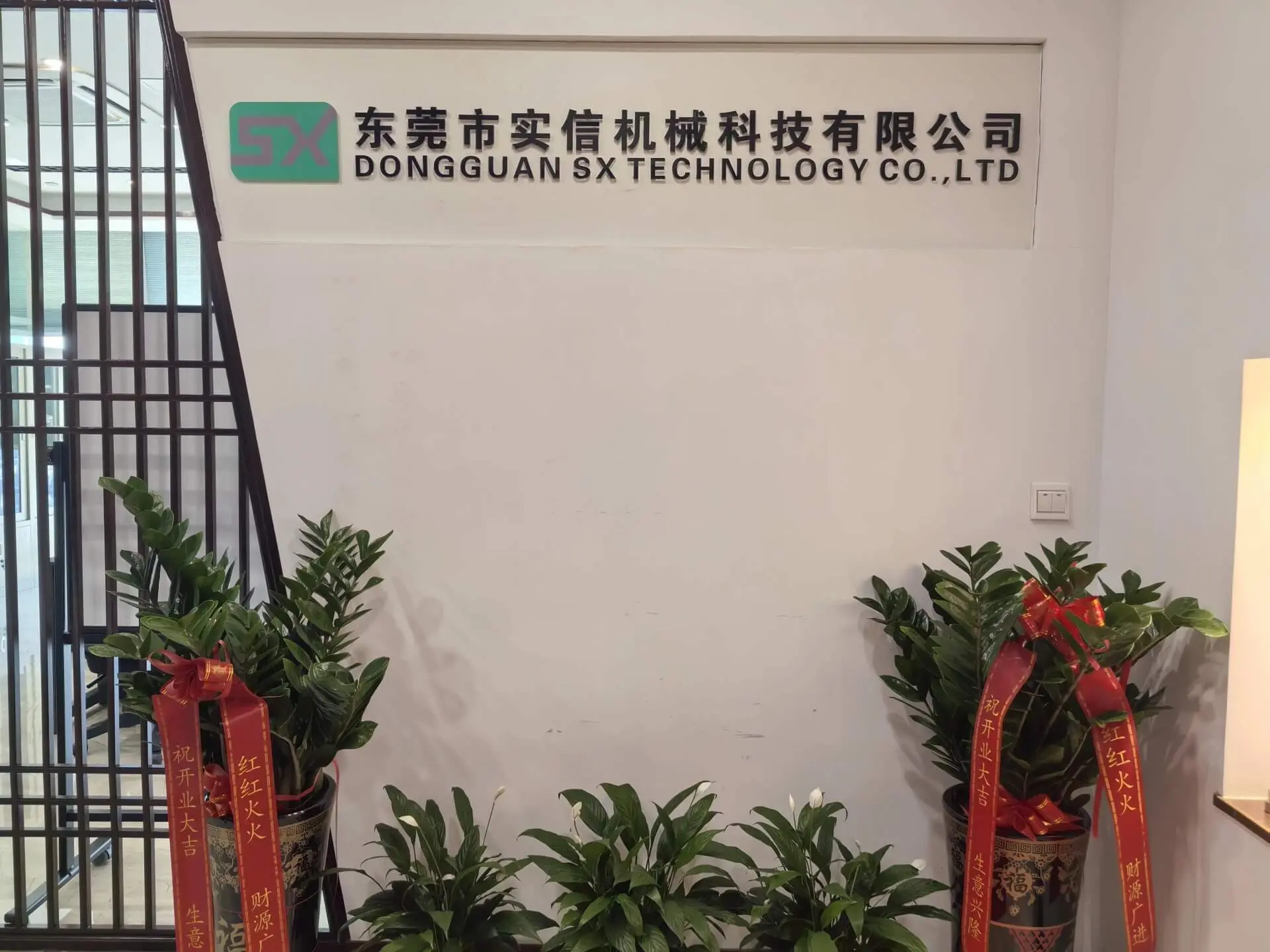
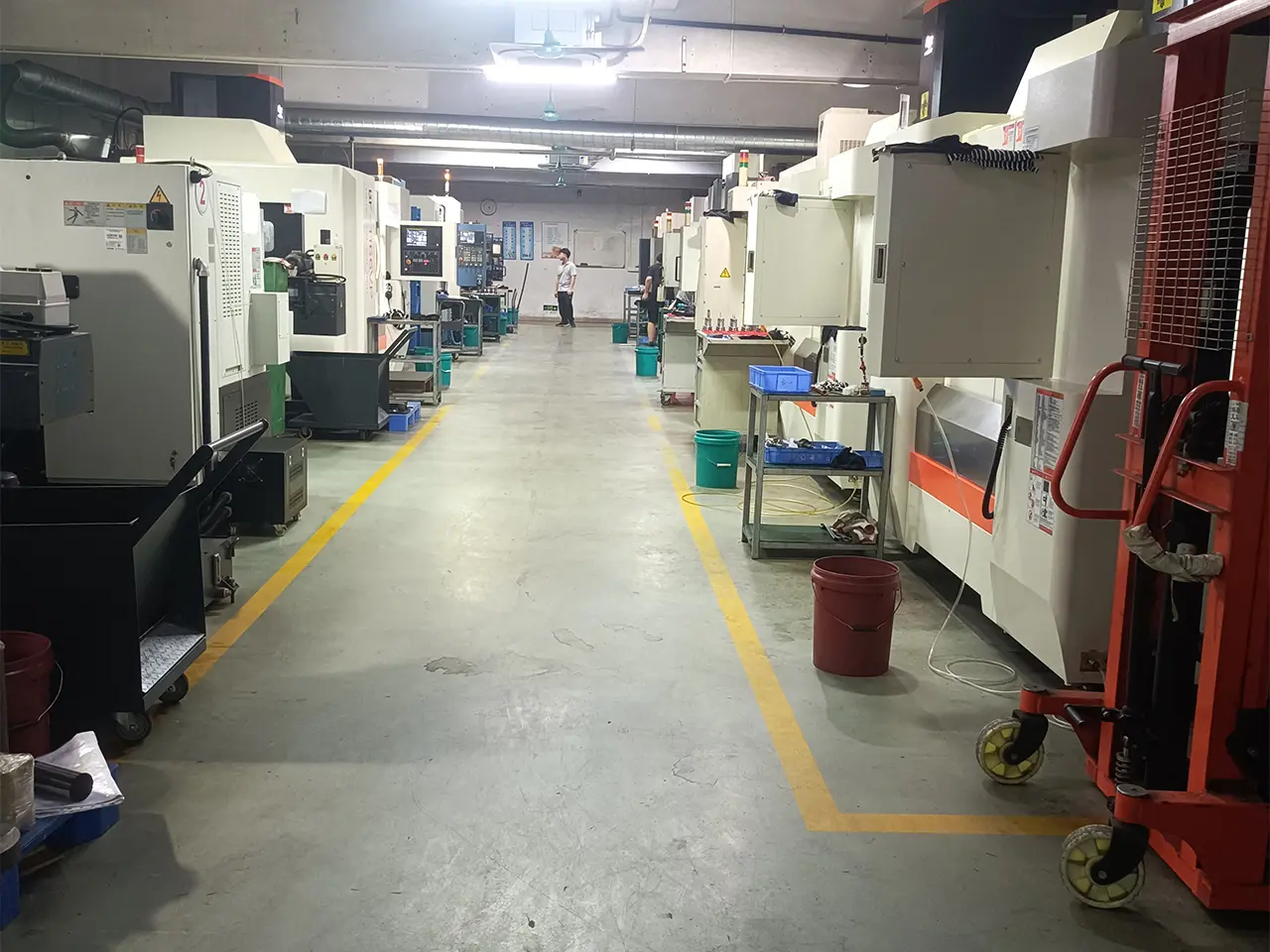
Our workshop utilizes automated wax injection lines, controlled-humidity shell building rooms, induction furnaces, and advanced CNC machining centers. This enables us to maintain batch-to-batch consistency and fast turnaround times for customized industrial parts.
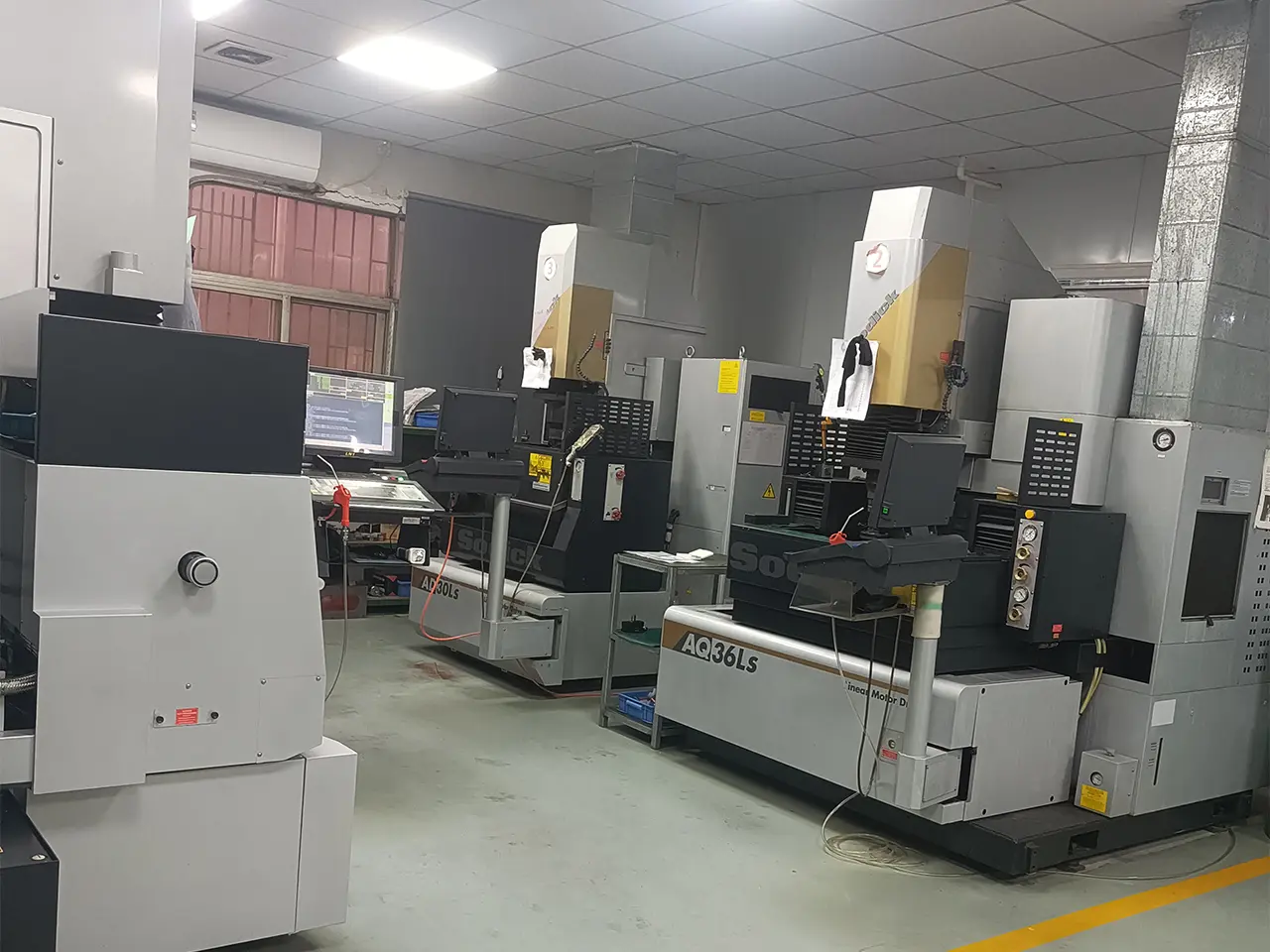
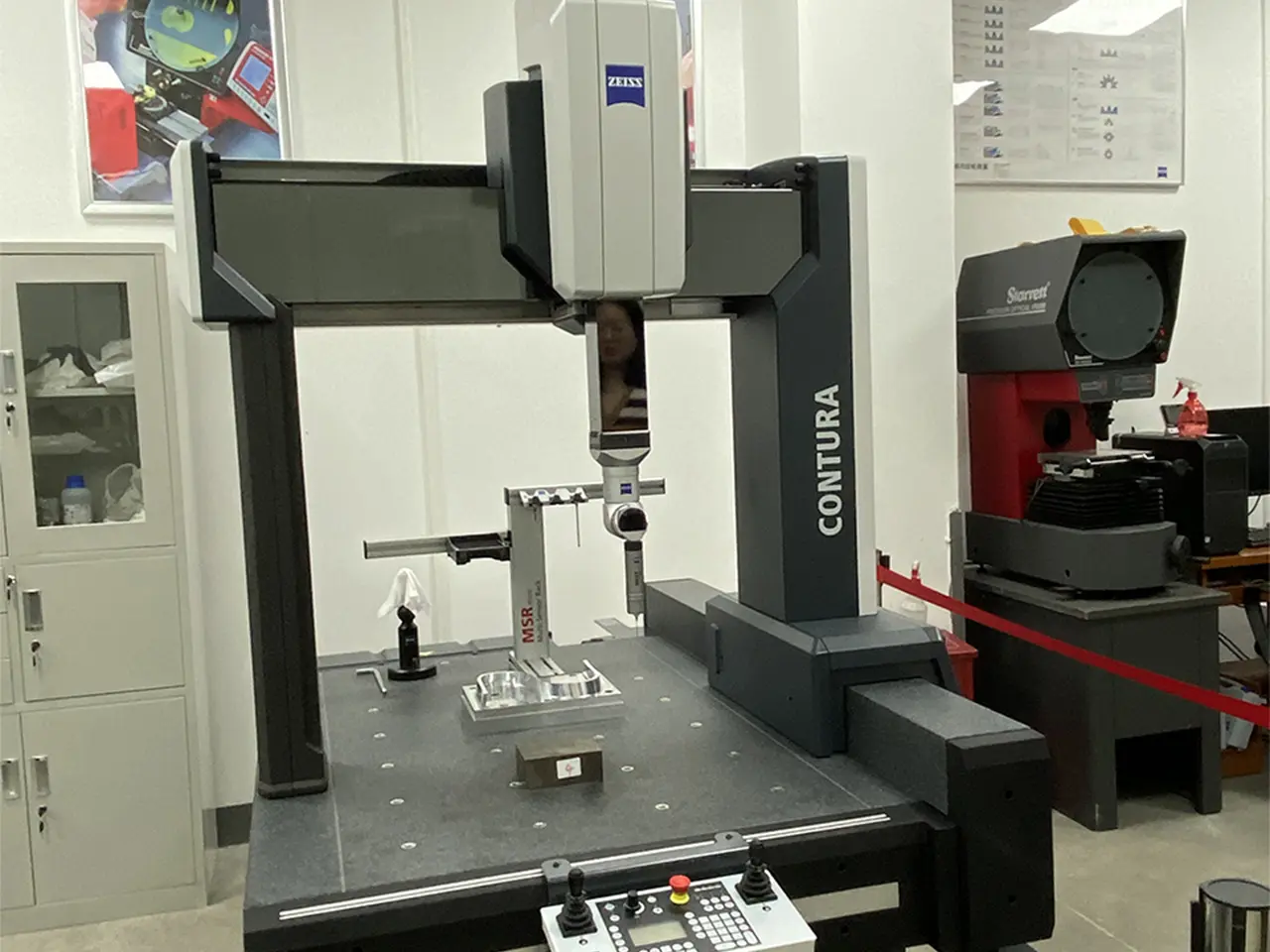
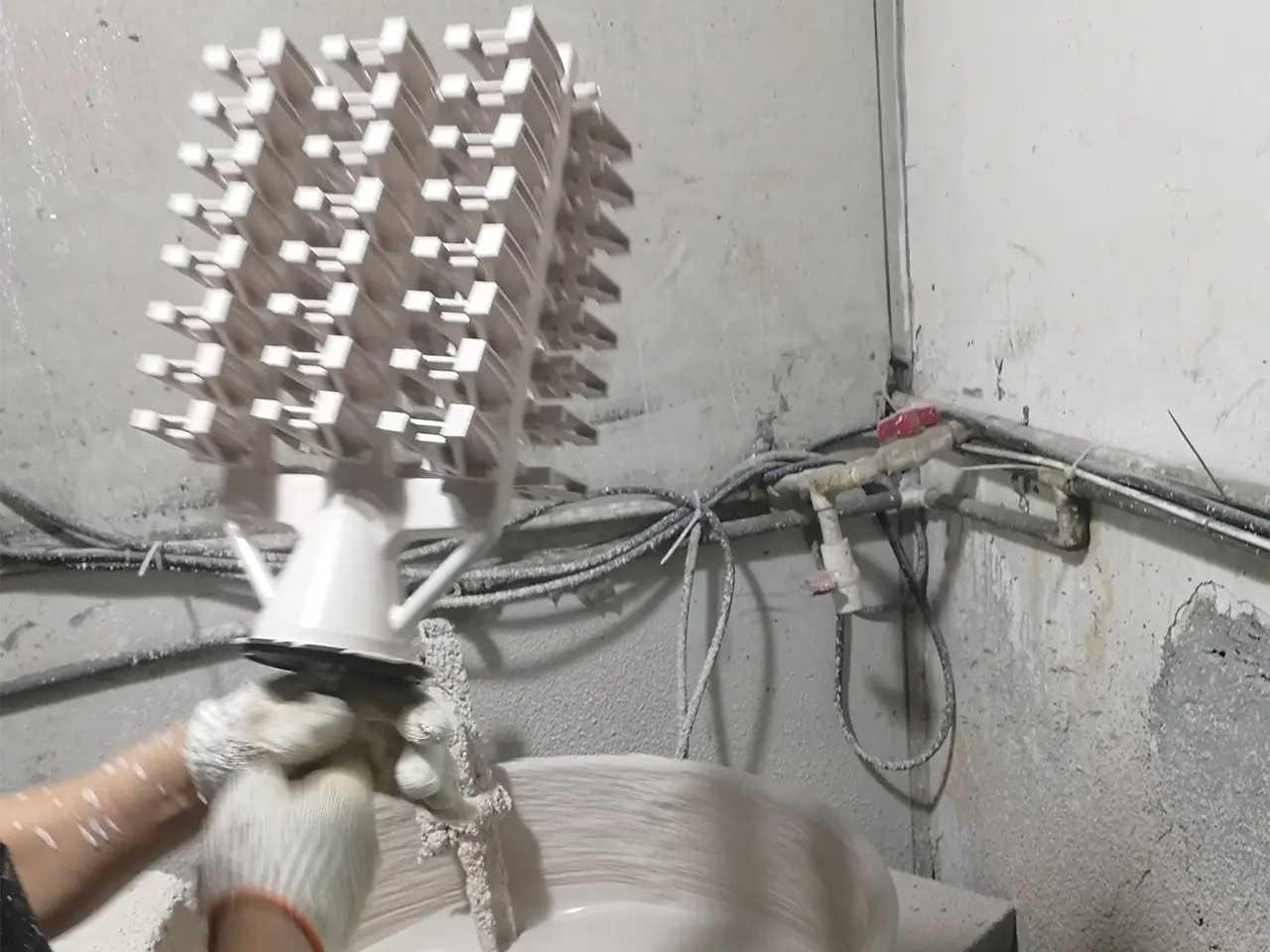
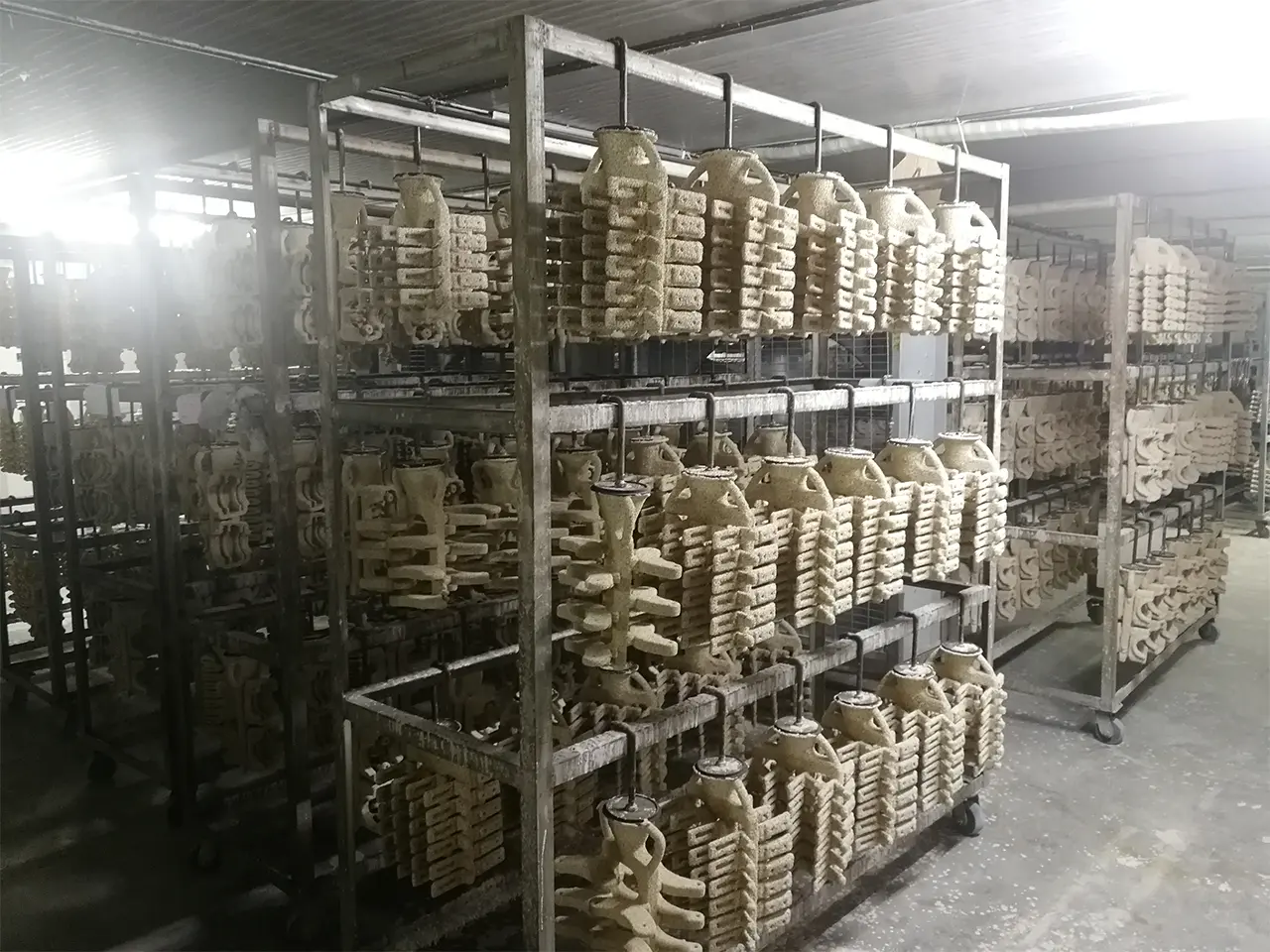
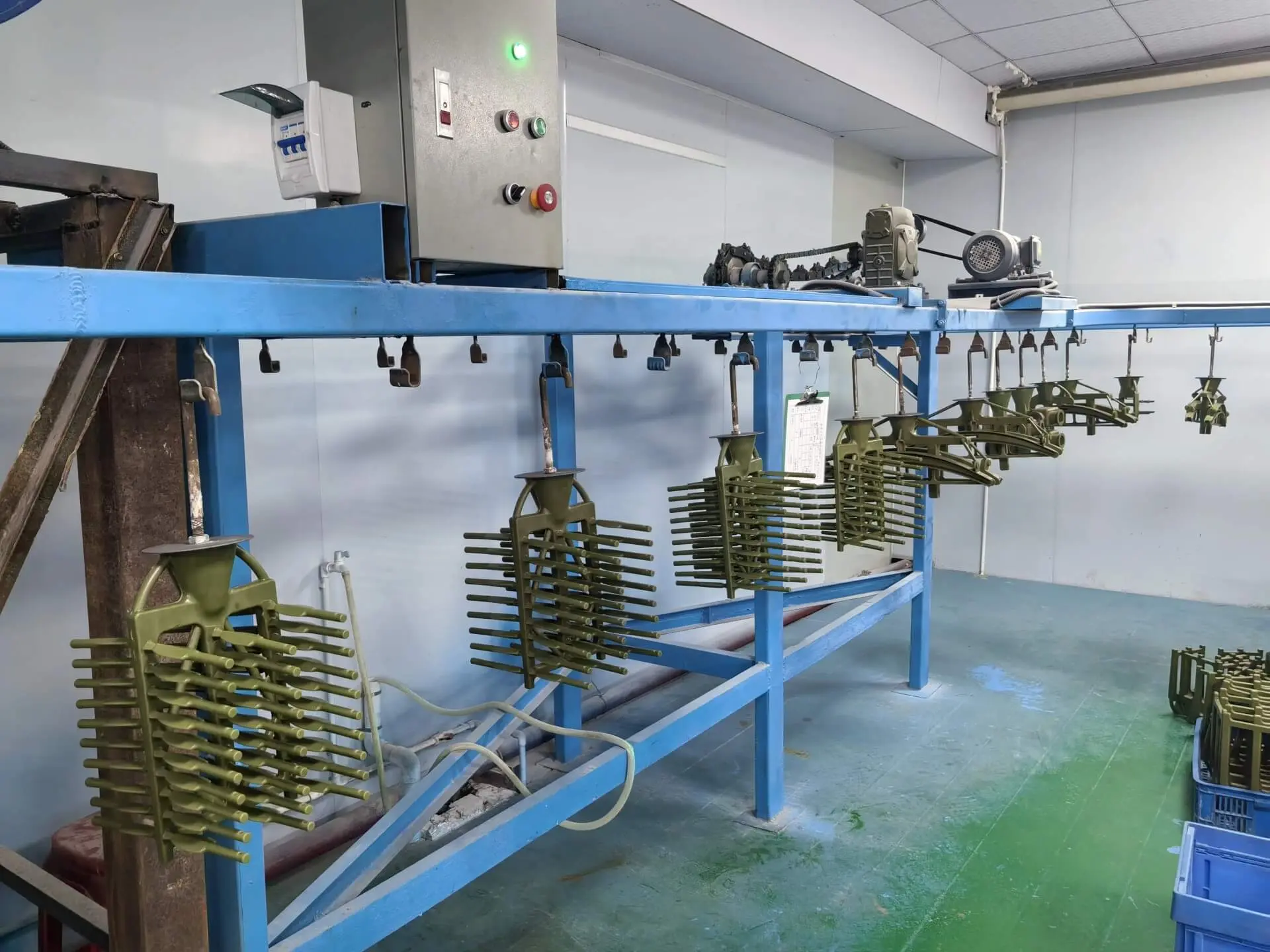
We have professional testing equipment and professional QC personnel, and we adhere to strict tolerances and quality standards for the products we produce. Due to our insistence on strict quality requirements, we have been praised by many customers.
Our quality protocols include Radiographic Testing (RT) to inspect for internal shrinkage, Ultrasonic Testing (UT) for sub-surface anomalies, Liquid Penetrant Testing (PT), and Magnetic Particle Testing (MT) for surface cracks. This guarantees that every custom valve housing can operate under its maximum rated pressure without risk of rupture.
Additionally, we utilize Coordinate Measuring Machines (CMM) to verify the geometric tolerances of critical parts. This ensures that threads, concentricity, and flatness align with the specified design blueprints.
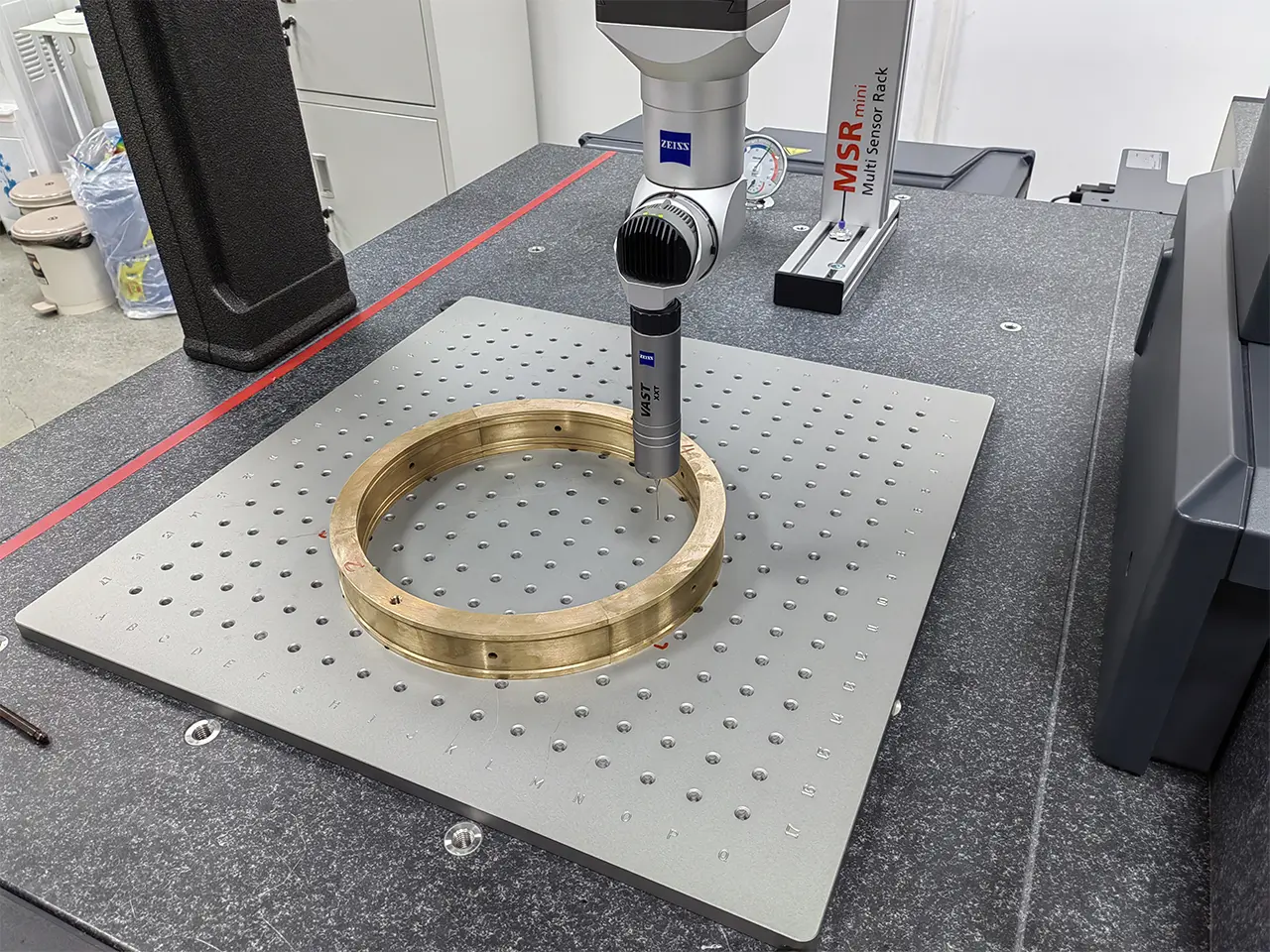 Advanced QC Lab and Material Verification Area
Meeting API, ASME, and European PED requirements for seamless system integration.
Our engineering division develops products to meet ASME B16.34 (Valves-Flanged, Threaded, and Welding End) requirements and API 6D specifications. This ensures compatibility with global petrochemical and energy pipeline networks.
We comply with the Pressure Equipment Directive (PED 2014/68/EU). All custom castings destined for pressurized applications in Europe undergo the necessary certifications, including Category II, III, and IV requirements.
We partner with localized engineering offices and third-party inspectors (such as SGS, TUV, and Lloyd's Register) to conduct pre-shipment witness tests, chemical analysis verifications, and custom packaging reviews.
How our custom castings are implemented across various demanding industrial applications.
Challenge: Components must withstand pressures up to 10,000 PSI and resist saltwater pitting in deep-sea deployments.
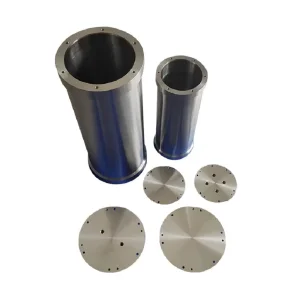
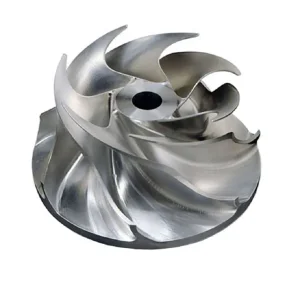
Solution: We manufacture customized Titanium alloy (Gr. 5) parts using advanced CNC machining and vacuum-assisted castings. These parts maintain low weight while offering high corrosion resistance in subsea equipment environments.
Challenge: High-stress mechanical components must meet tight weight budgets and offer long fatigue lives.
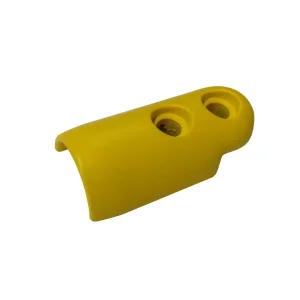
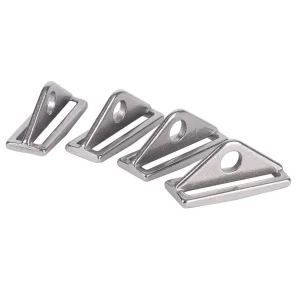
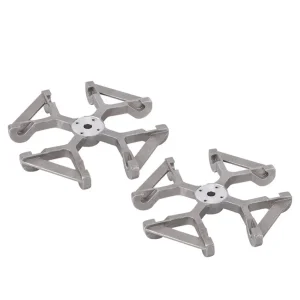
Solution: We manufacture custom automotive investment castings and OEM stainless steel armrest brackets for mass transit systems. These parts combine mechanical strength with a clean surface finish, requiring minimal post-processing.
Challenge: Electrical components require high heat dissipation and electromagnetic shielding.
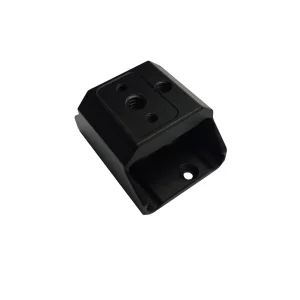
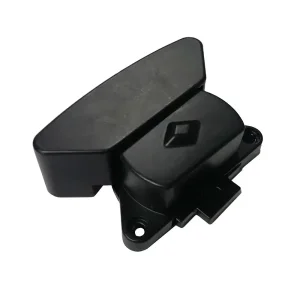
Solution: We provide non-standard aluminum components machined via high-speed CNC milling. These are tailored for outdoor telecom equipment and industrial power supply units.
Challenge: Fertilizer systems and chemical sprayers require affordable, corrosion-resistant manifolds.
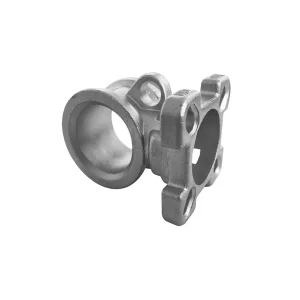
Solution: We supply OEM precision casting services using grade CF8M (316) stainless steel. This prevents corrosion from aggressive agricultural chemicals and prolongs equipment life.
Integrating Industry 4.0, smart manufacturing, and green metallurgy into our production lines.
We are incorporating 3D sand printing and 3D wax pattern printing directly into our rapid prototyping workflow. This reduces tool-up lead times for custom valve prototypes from 6 weeks to under 7 days.
Our quality control program is testing AI-assisted radiographic film scanning. By feeding X-ray scans into a neural network, we detect microscopic gas voids and slag inclusions with higher precision than manual evaluation alone.
By optimizing our induction furnace power schedules and using argon-oxygen decarburization (AOD) practices, we minimize energy use per ton of melted steel. This supports our clients' Scope 3 carbon reduction goals.
Answers to common technical, quality, and logistics questions from procurement and engineering managers.
Examine our broader range of custom manufacturing capabilities, including CNC titanium components, precision casting assemblies, and agricultural machinery parts.
 SX Machining