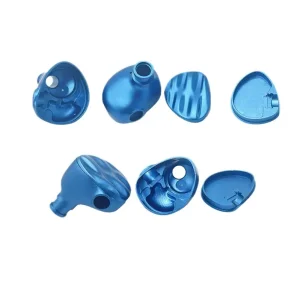
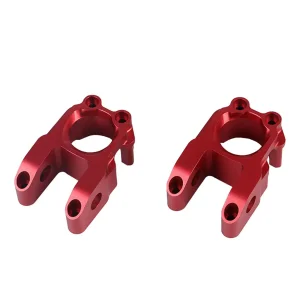
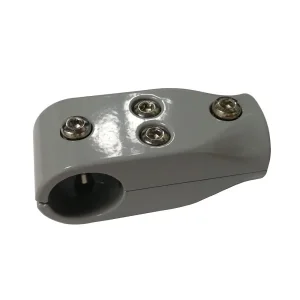
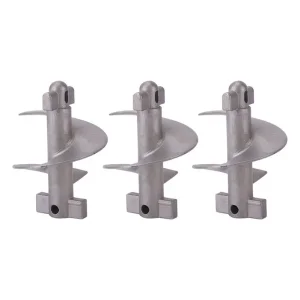
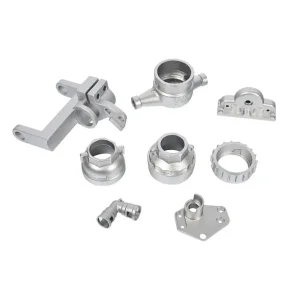
Explore our custom engineered components designed to meet strict industrial tolerances and harsh environment demands.
Deep engineering insights into the modern shift from metallurgy to high-performance polymers.
In the contemporary advanced manufacturing landscape, the strategic transition from metallic sub-assemblies to high-performance engineering plastics has accelerated. Modern industries no longer view plastics as cheap alternatives to metal; instead, they are engineered materials of choice. The demand for Custom CNC Plastic Machining Parts has seen substantial growth due to requirements for lightweighting, chemical corrosion resistance, electrical insulation, and reduced friction coefficients.
Historically, metals dominated structural and mechanical applications. However, with the development of ultra-polymers such as Polyetheretherketone (PEEK), Polytetrafluoroethylene (PTFE), Polyoxymethylene (POM/Delrin), and Polyimide (PI), components can now withstand extreme environments. CNC machining remains the premier fabrication method for these plastics when low-to-medium volumes are required, or when the geometries demand tolerances that traditional injection molding simply cannot achieve.
Advancements in high-speed spindle configurations allow for sub-micron accuracy, which is highly critical in medical implants and optoelectronic housings.
By optimizing nesting algorithms in multi-axis setups, suppliers dramatically reduce expensive plastic material scrap, bringing down unit economics.
Machining of medical-grade USP Class VI materials without cross-contamination has become a standard requirement for next-generation surgical devices.
Understanding the engineering criteria for selecting the optimal plastic polymer for CNC machining.
Global procurement teams must balance mechanical performance, chemical resistance, temperature limits, and cost. While metals have isotropic properties that are relatively easy to predict, polymers display distinct anisotropic behavior, high thermal expansion coefficients, and variable moisture absorption rates. Selecting the wrong material can lead to component failure, stress cracking, or dimensional deviations post-machining.
| Polymer Type | Key Properties | Primary Industrial Applications | Machining Challenge & Solutions |
|---|---|---|---|
| PEEK (Polyetheretherketone) | Exceptional thermal resistance (up to 250°C), low outgassing, high tensile strength. | Aerospace manifolds, semiconductor test sockets, orthopedic implants. | High tool wear. Requires sharp carbide or PCD (Diamond) tooling with optimized chip breaking. |
| PTFE (Teflon) | Extremely low coefficient of friction, universal chemical resistance, excellent dielectric. | Chemical pump diaphragms, high-frequency RF connectors, seals. | Elastomeric creep and deformation. Needs specialized clamping fixtures to prevent crushing during milling. |
| POM (Delrin / Acetal) | High dimensional stability, low moisture absorption, excellent machinability. | Precision gears, wear strips, fuel system parts, electrical insulation blocks. | Internal stress. Demands stress-relieved (annealed) raw stock to avoid post-machining warpage. |
| UHMW-PE | High impact strength, extreme wear resistance, self-lubricating. | Conveyor wear guides, food processing equipment components. | Difficult burr removal. Requires high shear-angle tools and clean-up passes to eliminate fuzzing. |
| Polycarbonate (PC) | Optical clarity, high impact strength, good dimensional hold. | Sight glasses, microfluidic chips, protective guards, medical housings. | Stress cracking from coolants. Must use air cooling or compatible water-soluble coolants. |
Our history, integrated capabilities, and production facility footprint.
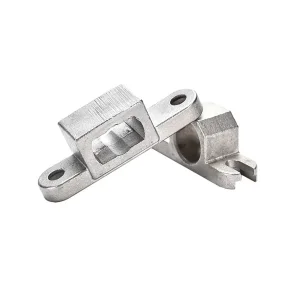
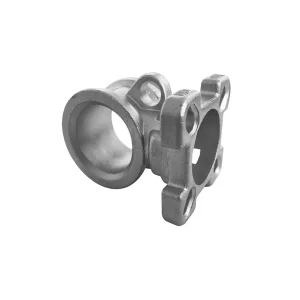
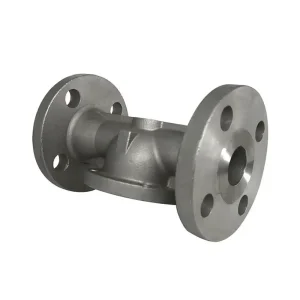
Dongguan SX Technology Co.,Ltd has very rich experience in precision casting, CNC machining and assembly. Our products are used in machinery, automobiles, marine, ships, equipment, valves and pumps, electronic appliances, packaging, watches, construction, chemical industry and other industries.
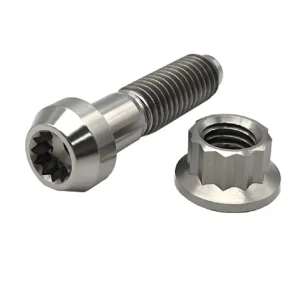
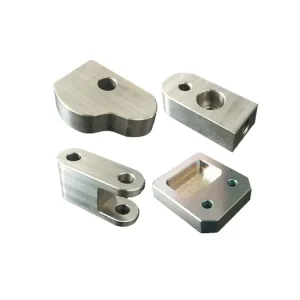
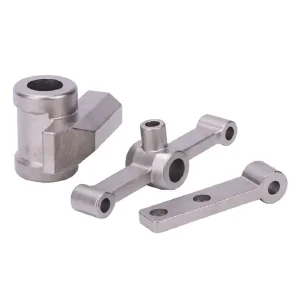
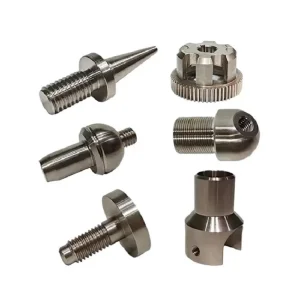
The most commonly used materials for investment casting are stainless steel and carbon steel. And the most commonly used materials for CNC machining include titanium alloy, stainless steel, carbon steel, aluminum alloy, copper alloy, cemented carbide, etc. We have advanced manufacturing equipment and technology and are able to respond quickly to your needs.
By combining our extensive metal casting and multi-axis CNC metal machining experience with modern polymer engineering, we provide global procurement managers with one-stop assembly sub-system fabrication.
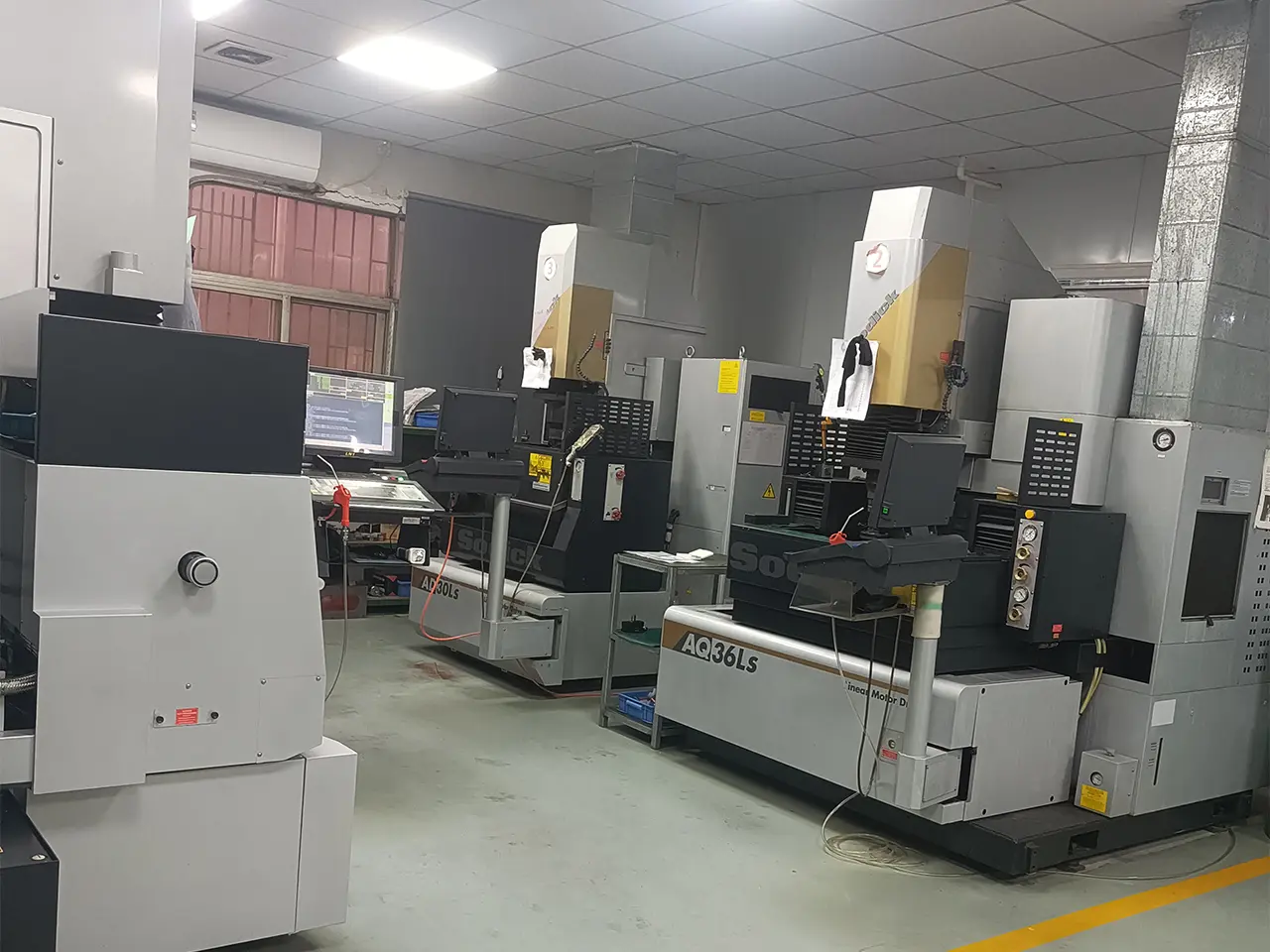
Our shop floor features state-of-the-art multi-axis CNC centers, Swiss-type lathe configurations, and specialized temperature-controlled zones to ensure precision when processing highly temperature-sensitive engineering polymers.
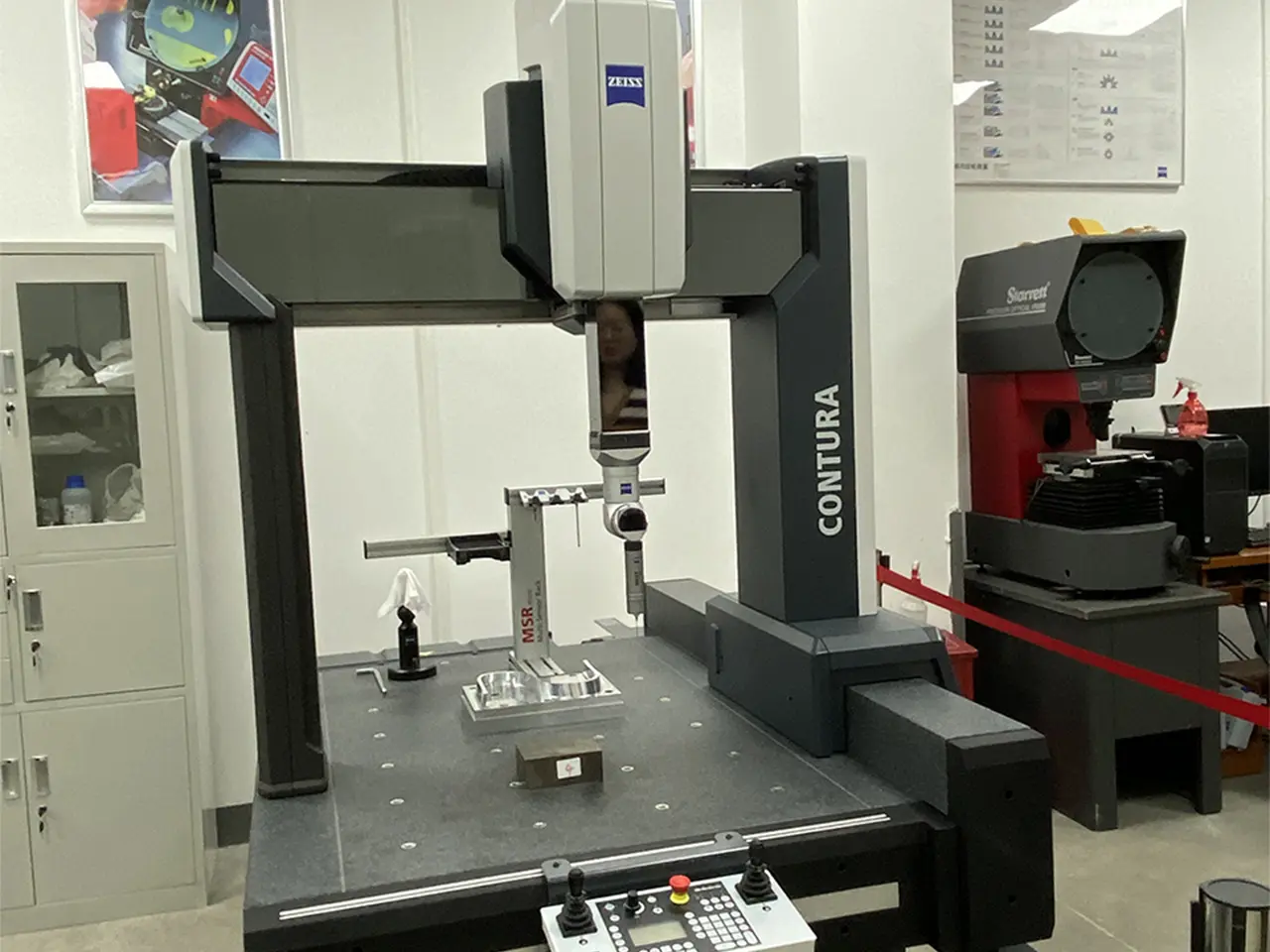
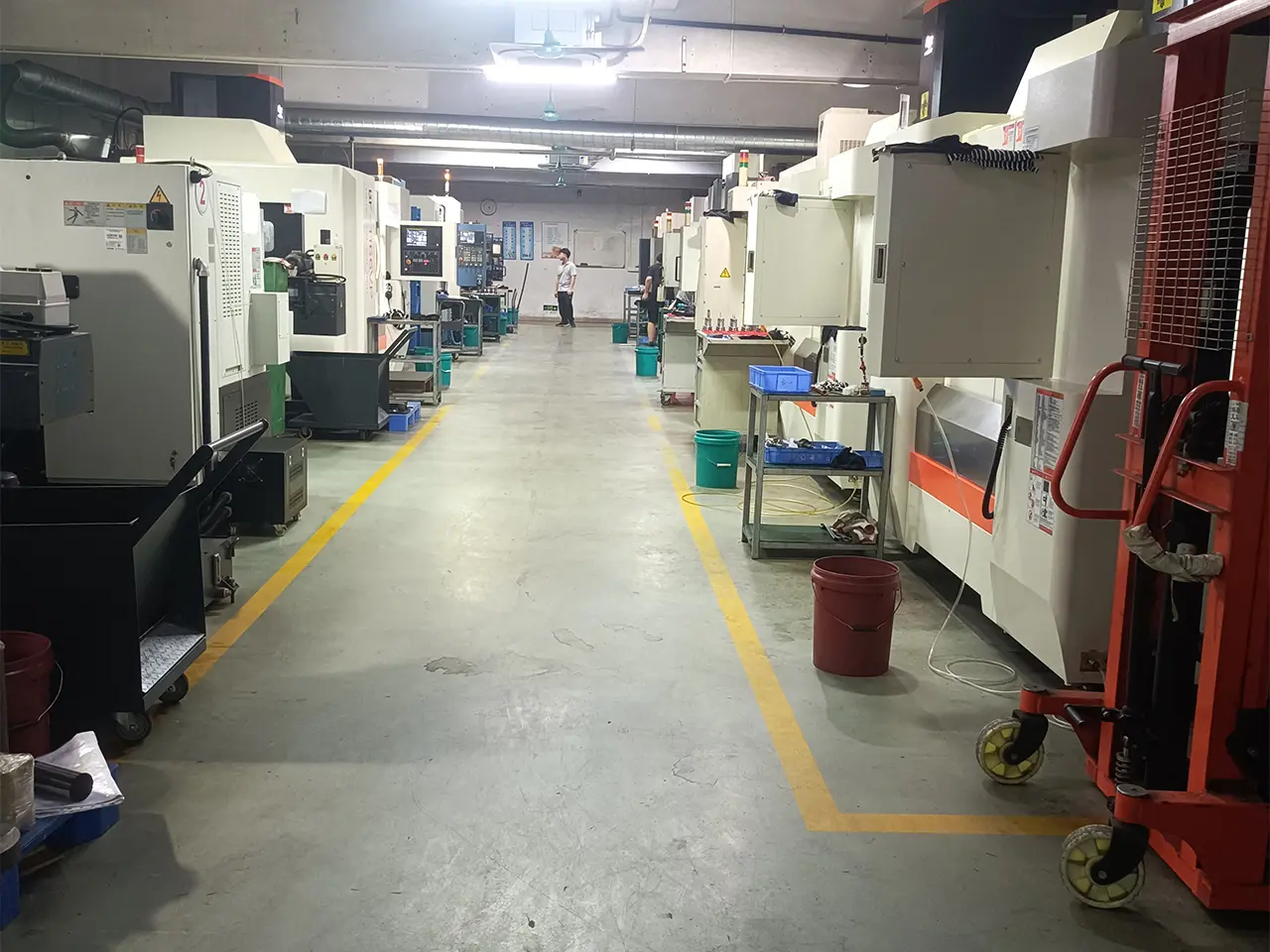
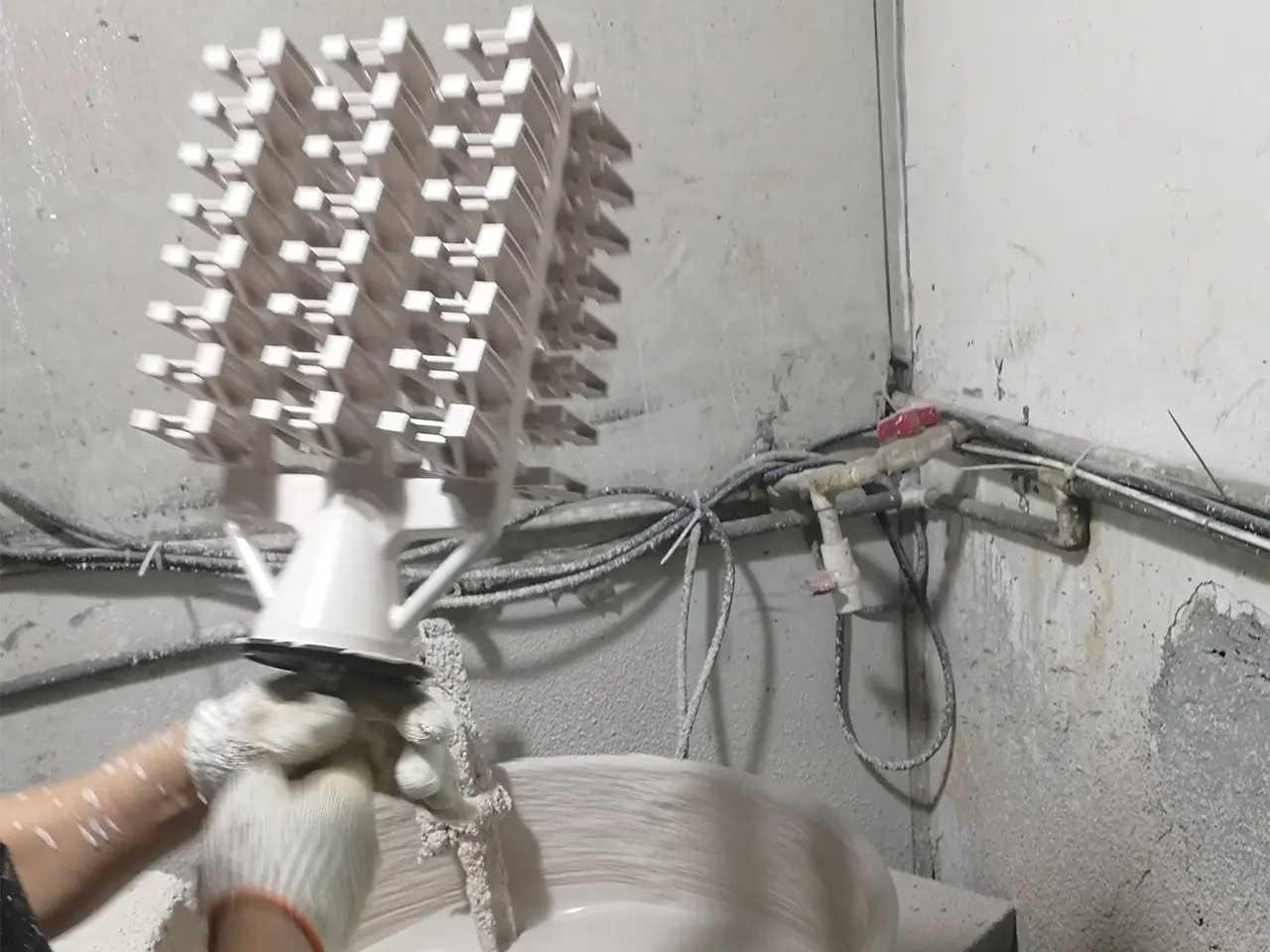
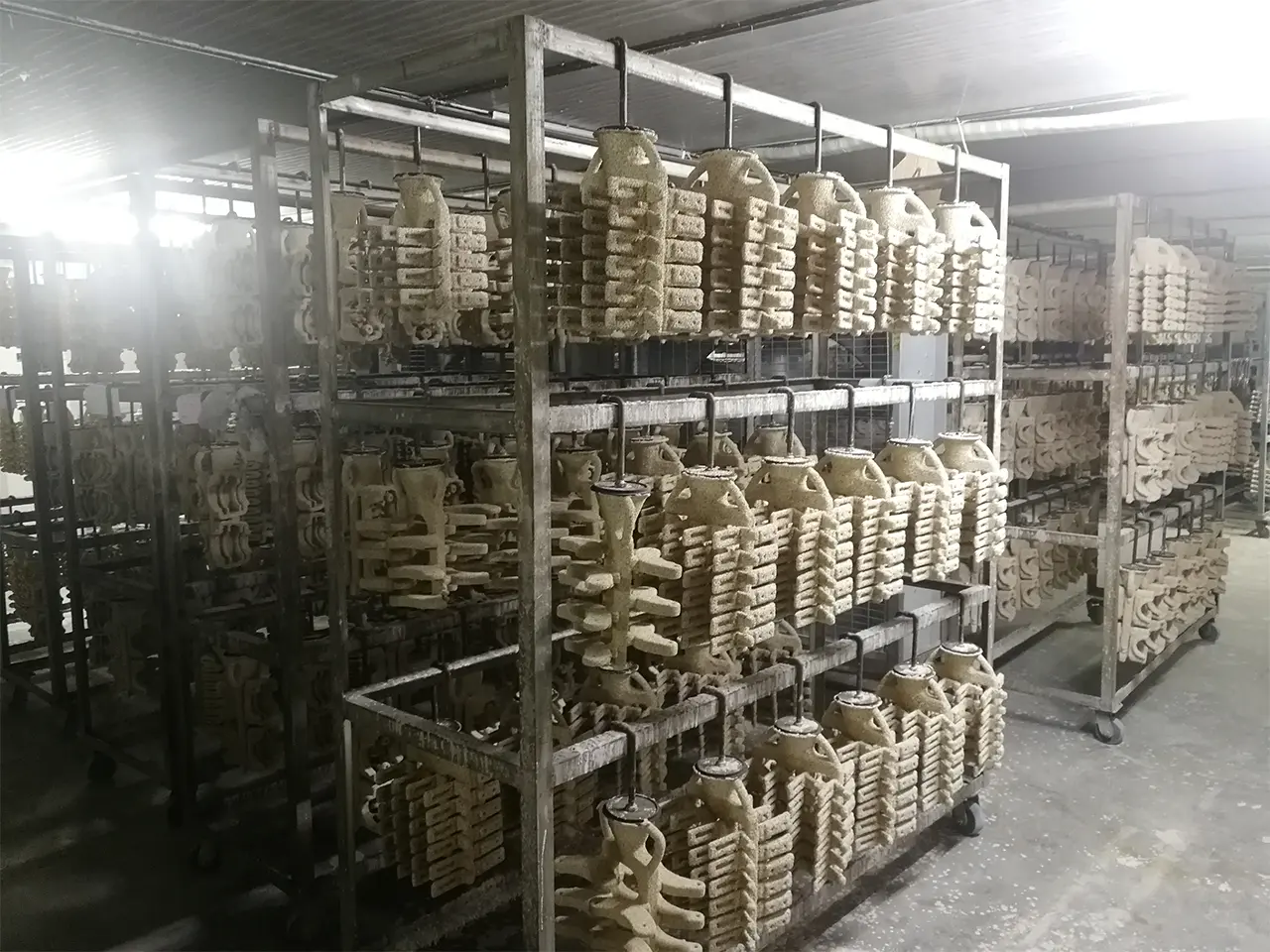
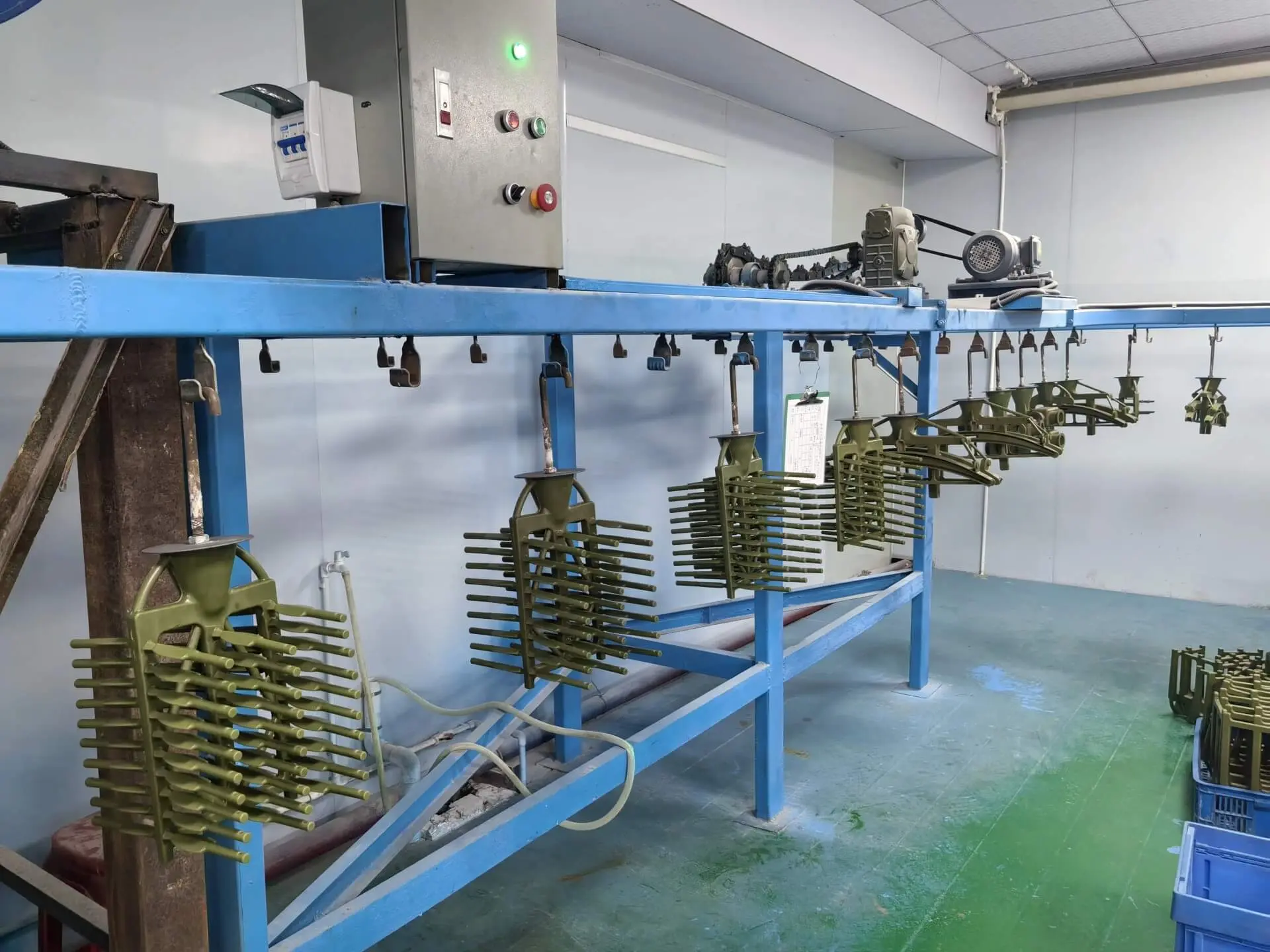
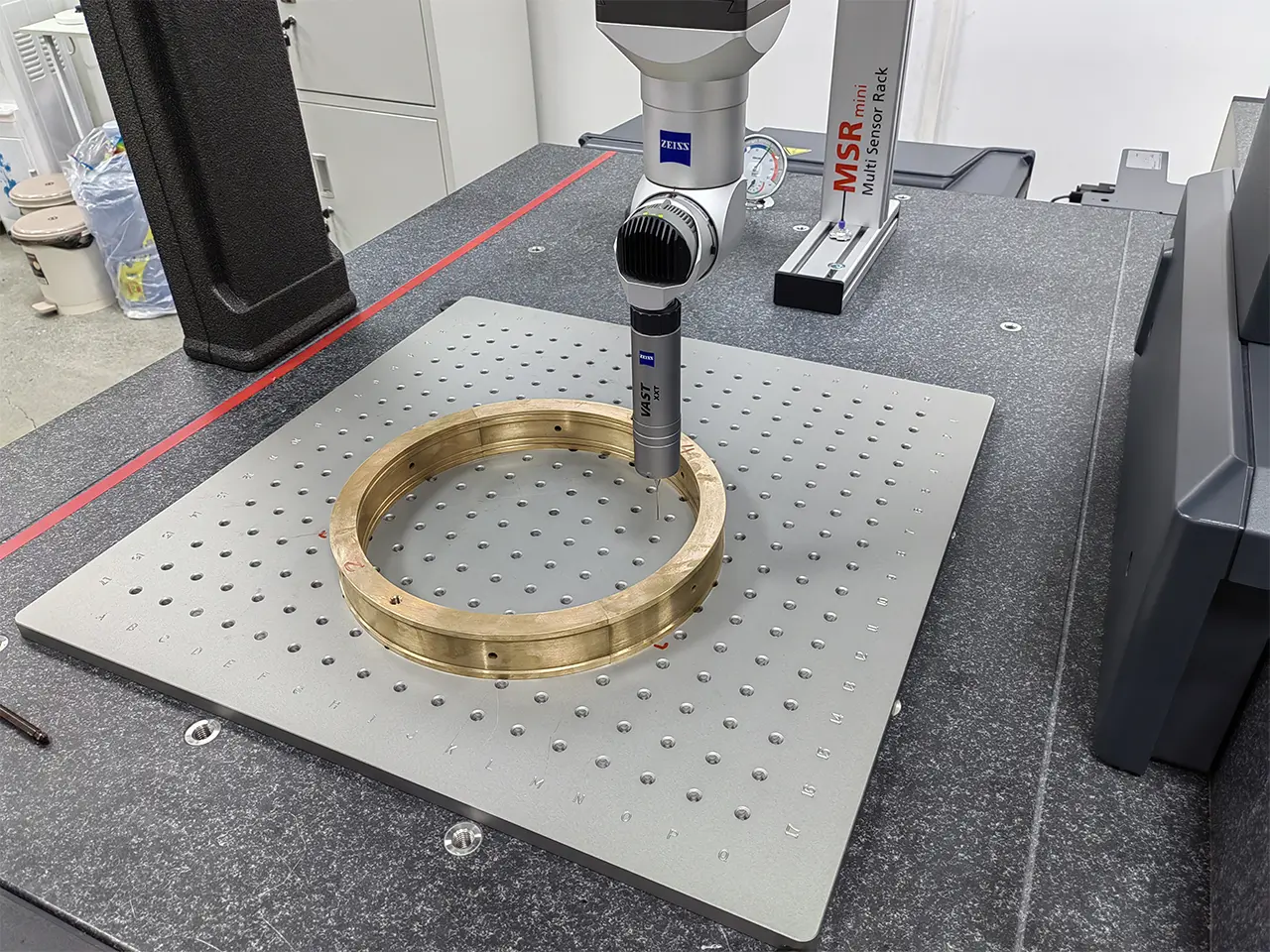
We have professional testing equipment and professional QC personnel, and we adhere to strict tolerances and quality standards for the products we produce. Due to our insistence on strict quality requirements, we have been praised by many customers.
Quality is the cornerstone of the manufacturing industry. We firmly believe that only by controlling quality well can we survive, develop, and get better and better. Therefore, we have been working in this industry unremittingly since 2014 and continue to improve the company's team and improve the company's production capacity.
To achieve micron-level accuracy for plastic polymers, our metrology lab implements environmental conditioning to measure parts at specified temperatures (usually 20°C). This is critical as polymers expand and contract significantly more than metal under temperature fluctuation.
Supporting our customers from design feasibility study to global supply chain optimization.
Our engineers inspect your CAD models to determine tool access, potential stress points, and recommend proper radii to prevent crack propagation during high-speed cutting cycles.
Full compliance with REACH, RoHS, FDA, and EU food contact requirements. Every order is shipped with a certified Certificate of Conformance (CoC).
Investing in AI-driven CAM software, online quality portals, and automated coordinate measuring machines to optimize cycle times and improve traceability.
Answering the core technical, logistical, and design-related inquiries from global procurement teams and lead mechanical engineers.
Complementary custom metal fabrication capabilities to support full system integration and assemblies.
 SX Machining