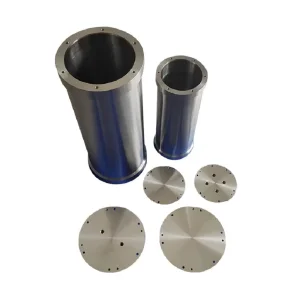
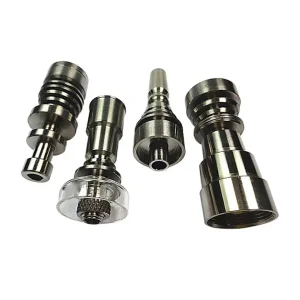
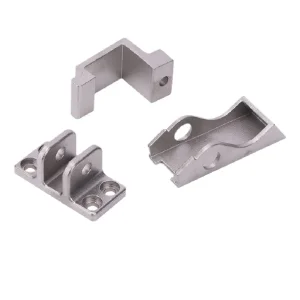
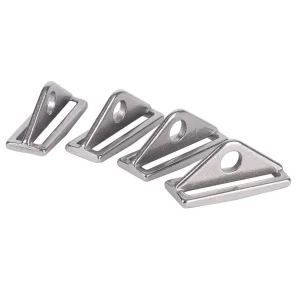
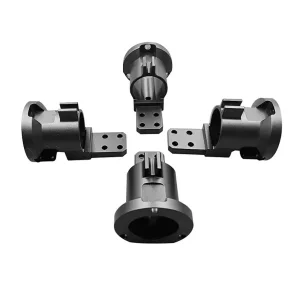
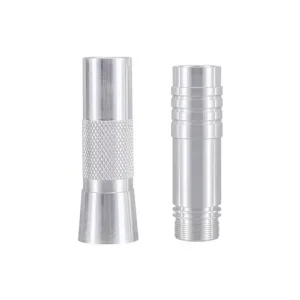
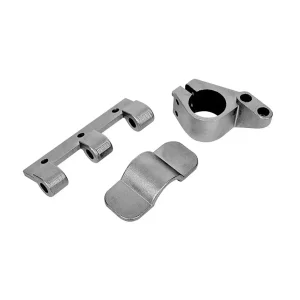
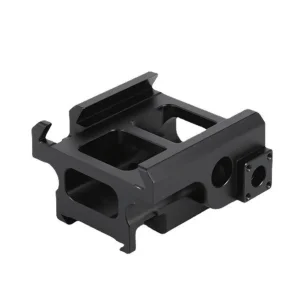
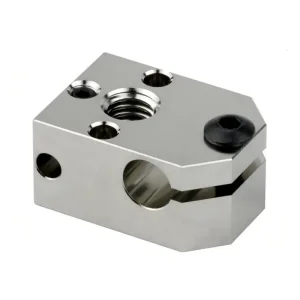
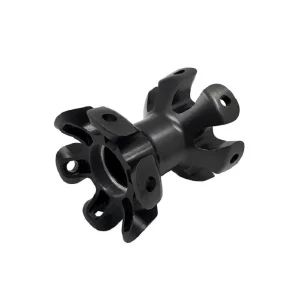
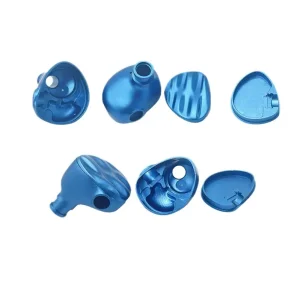
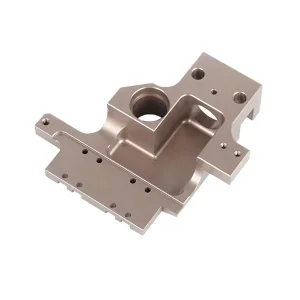
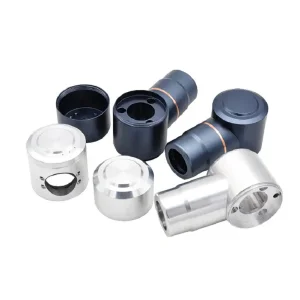
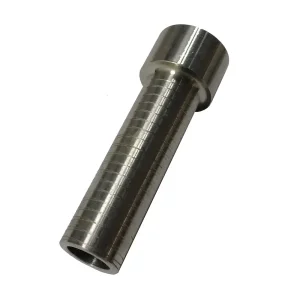
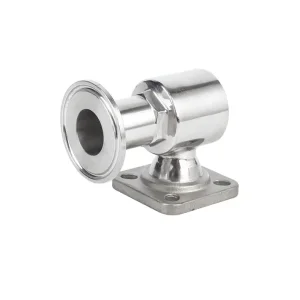
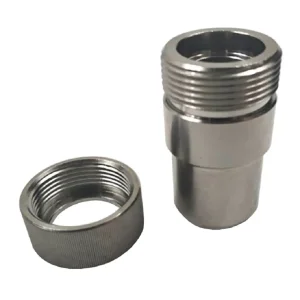
Explore our core manufacturing line featuring high-integrity castings, non-standard machining, and advanced subsea structural components.
Dongguan SX Technology Co.,Ltd has very rich experience in precision casting, CNC machining and assembly. Our products are used in machinery, automobiles, marine, ships, equipment, valves and pumps, electronic appliances, packaging, watches, construction, chemical industry and other industries. The most commonly used materials for investment casting are stainless steel and carbon steel. And the most commonly used materials for CNC machining include titanium alloy, stainless steel, carbon steel, aluminum alloy, copper alloy, cemented carbide, etc.
We have advanced manufacturing equipment and technology and are able to respond quickly to your needs. Established with a vision to deliver unparalleled structural integrity and mechanical efficiency, we merge classical lost wax expertise with digitized CNC machining pathways to satisfy zero-tolerance modern engineering parameters.
Understanding the engineering mechanics, material crystallization, and dimensional tolerances that govern near-net-shape manufacturing.
Investment casting, historically known as lost wax casting, has evolved from an ancient artisan method into a highly digitized, high-performance manufacturing pipeline. At its core, the technique allows for the production of geometrically complex components with exceptional surface finishes and near-perfect dimensional repeatability. This eliminates major post-processing workloads, saving both raw material costs and CNC machining hours.
The manufacturing progression at Dongguan SX Technology Co.,Ltd leverages modern computer-aided design (CAD) to engineer wax patterns via 3D modeling and precision tool making. The sequential operations include:
Our material capabilities encompass a vast array of high-grade alloy groups designed to meet chemical, mechanical, and thermal performance demands:
CF8M (316), CF8 (304), 17-4 PH, and Duplex alloys. Best for high-corrosion environments, marine structures, and sanitary valves.
Ti-6Al-4V, Grade 2, and Custom Titanium grades. Offers excellent strength-to-weight ratios, crucial for deep-sea nodes and aerospace structures.
WCB, LCB, 4130, 4140, 8620. Ideal for structural brackets, automotive suspension, gears, and mining machinery where cost-efficiency and toughness must match.
How custom lost wax castings solve tough engineering problems in real-world environments.
We cast and CNC machine titanium alloy and duplex stainless components for deep-sea submersibles, drilling nodes, and offshore structures. These parts withstand high pressure and salty environments.
Our biocompatible titanium casting and milling support surgical tools and implants. We meet strict health standards, offering low roughness and high dimensional stability.
Using non-standard precision machining, we build electronics chassis, heat sinks, and wave-guides that require tight tolerances and thin wall thicknesses.
Our complex brackets and corrosion-resistant impellers support chemical processing and pipeline fluid control systems, helping prevent system failures.
Dongguan Shixin: Balancing advanced automation, material ecosystems, and fast logistics.
Located in Dongguan's manufacturing hub, Dongguan SX Technology Co.,Ltd uses local materials, rapid mold making, and advanced tooling to optimize production times. Our supply chain is structured to resist global market fluctuations:
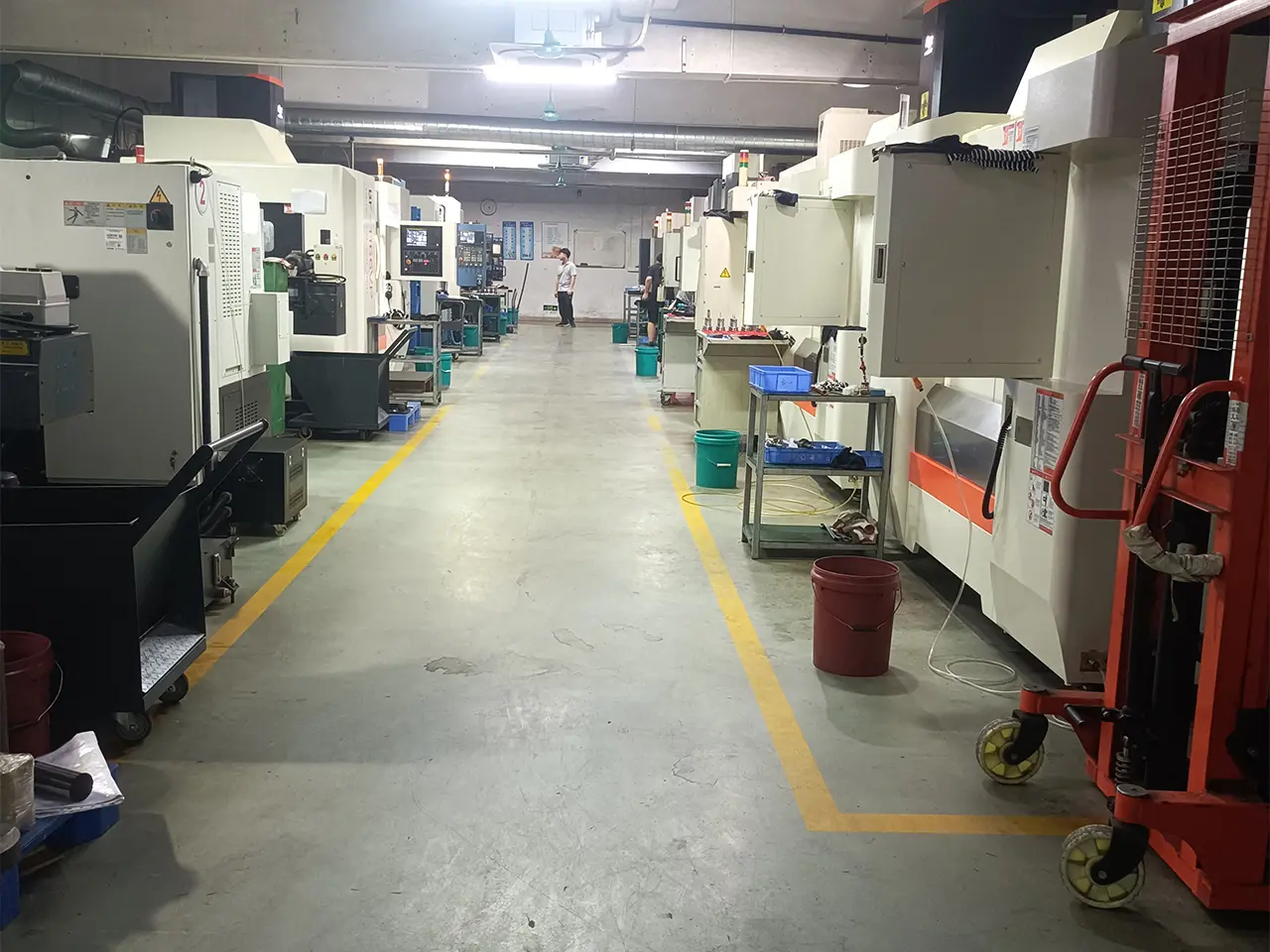
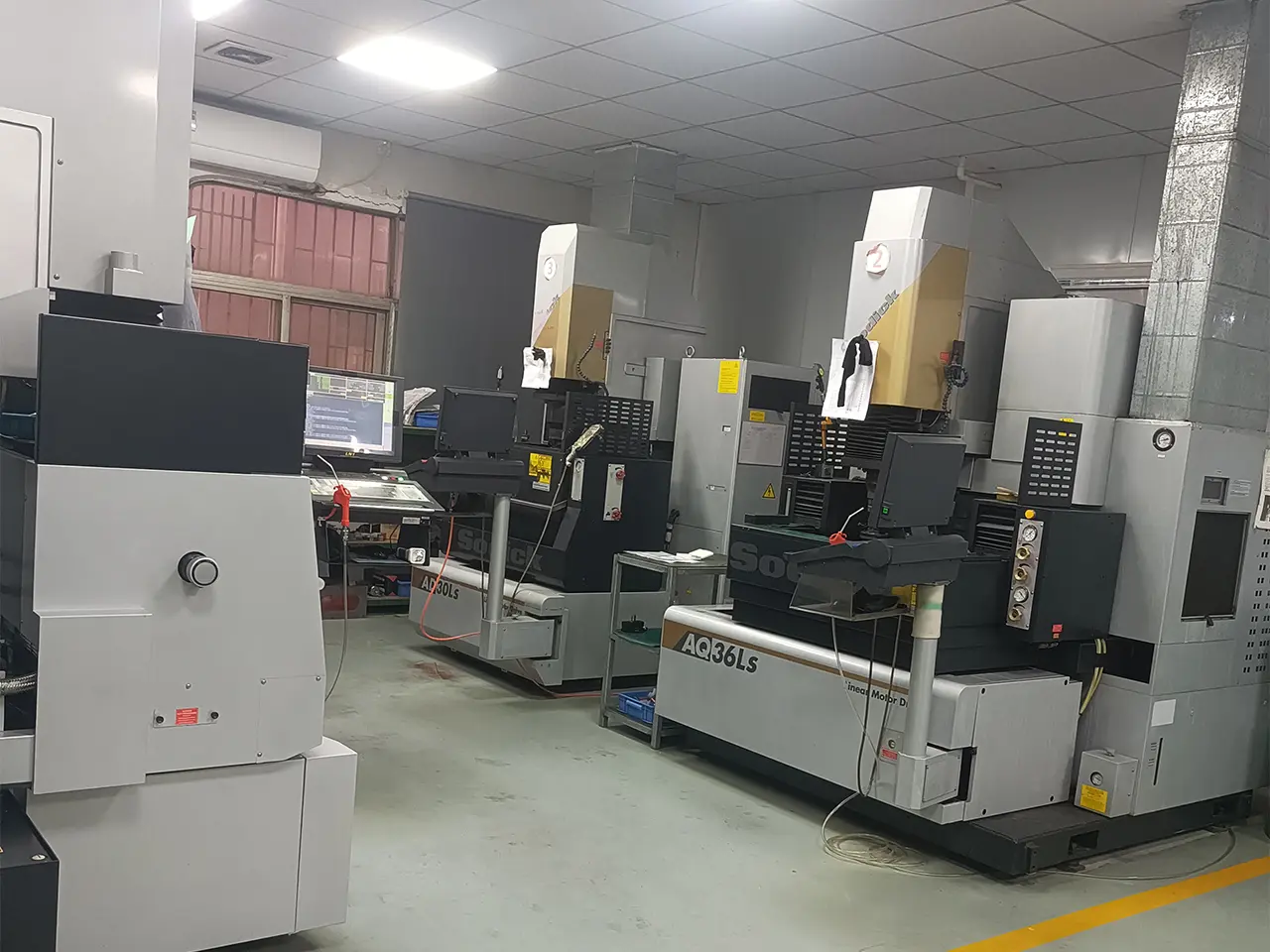
Step inside our facilities, featuring advanced wax injection, shell mold drying, casting lines, and CNC machining centers.
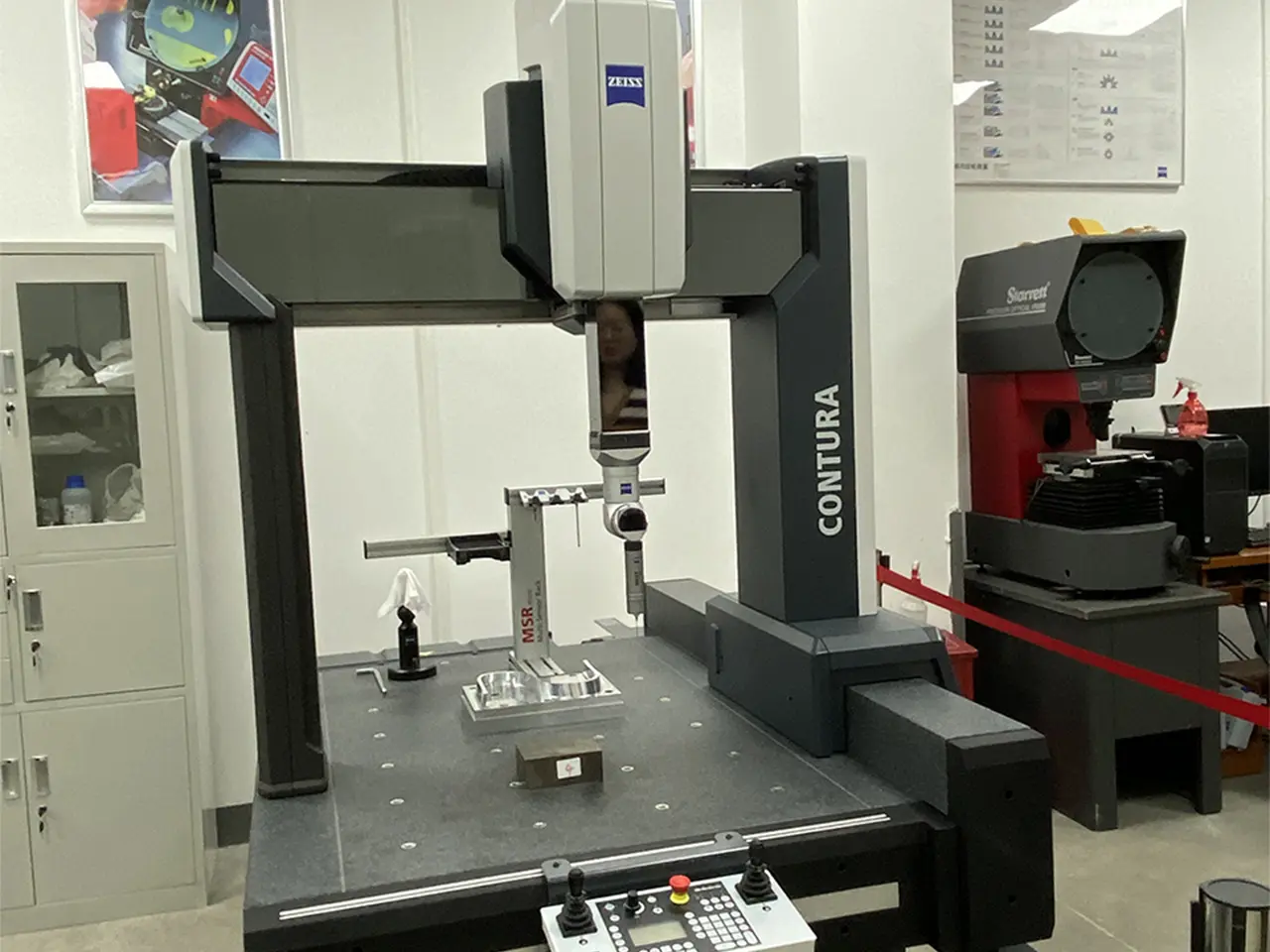
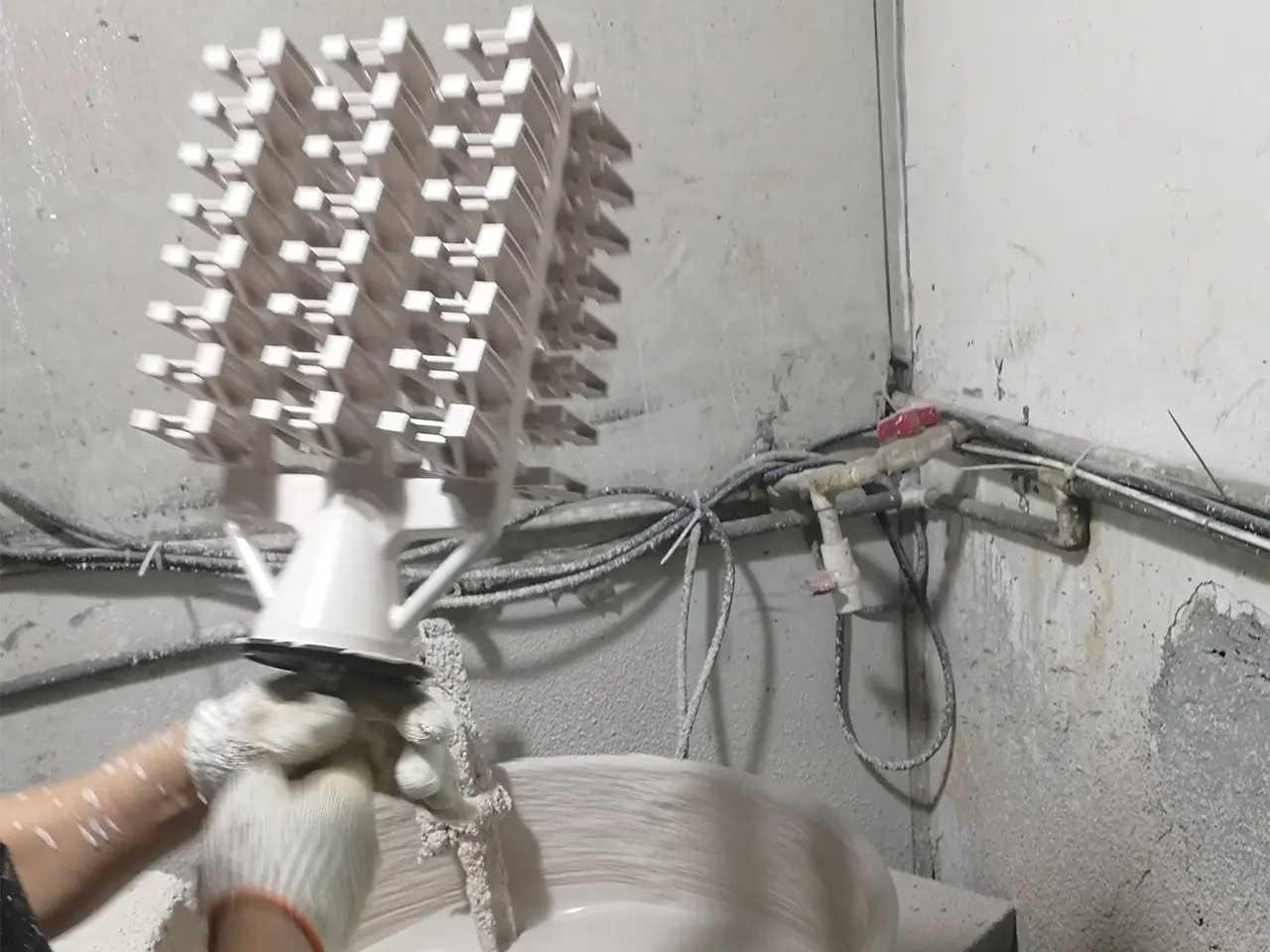
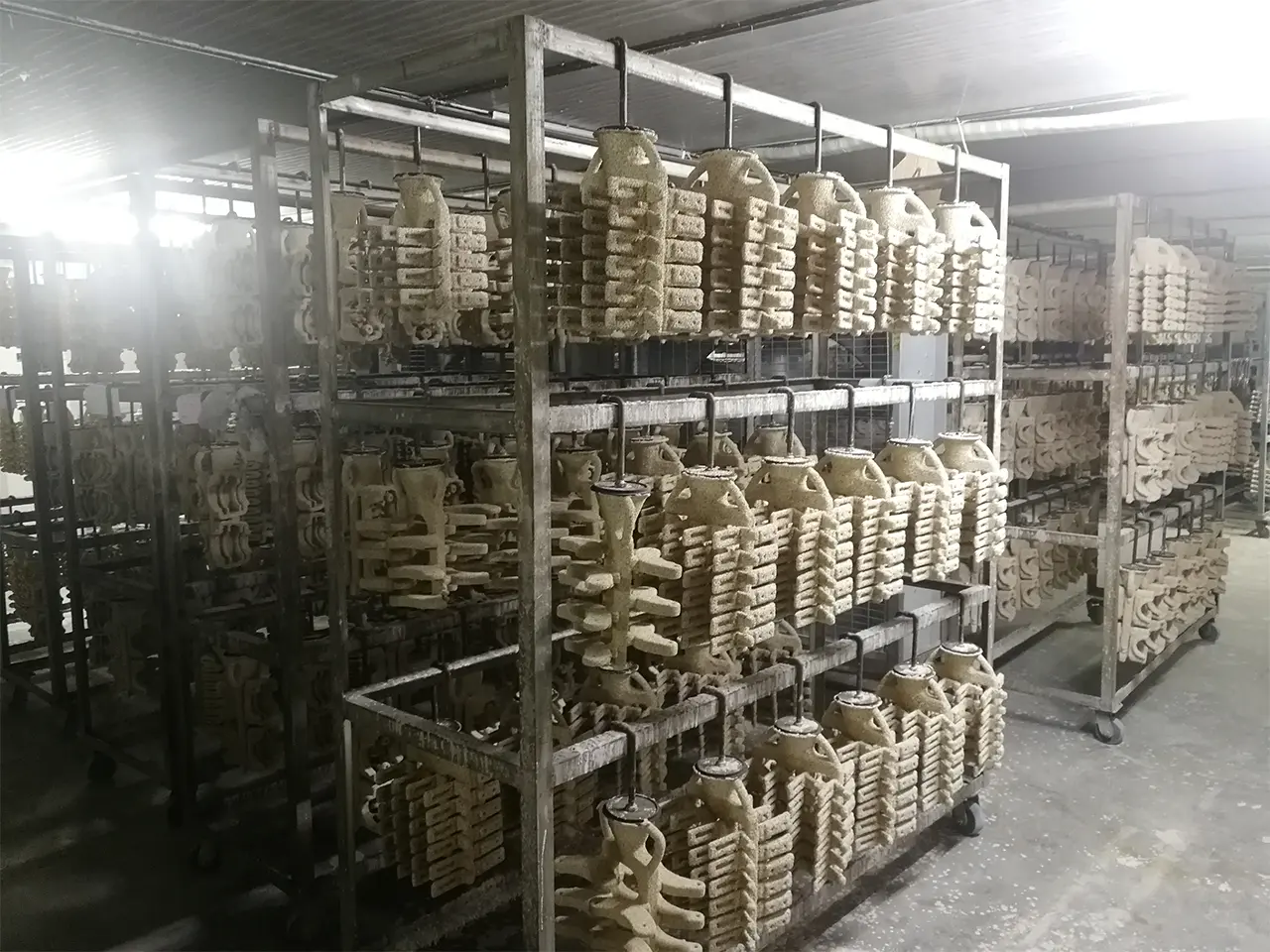
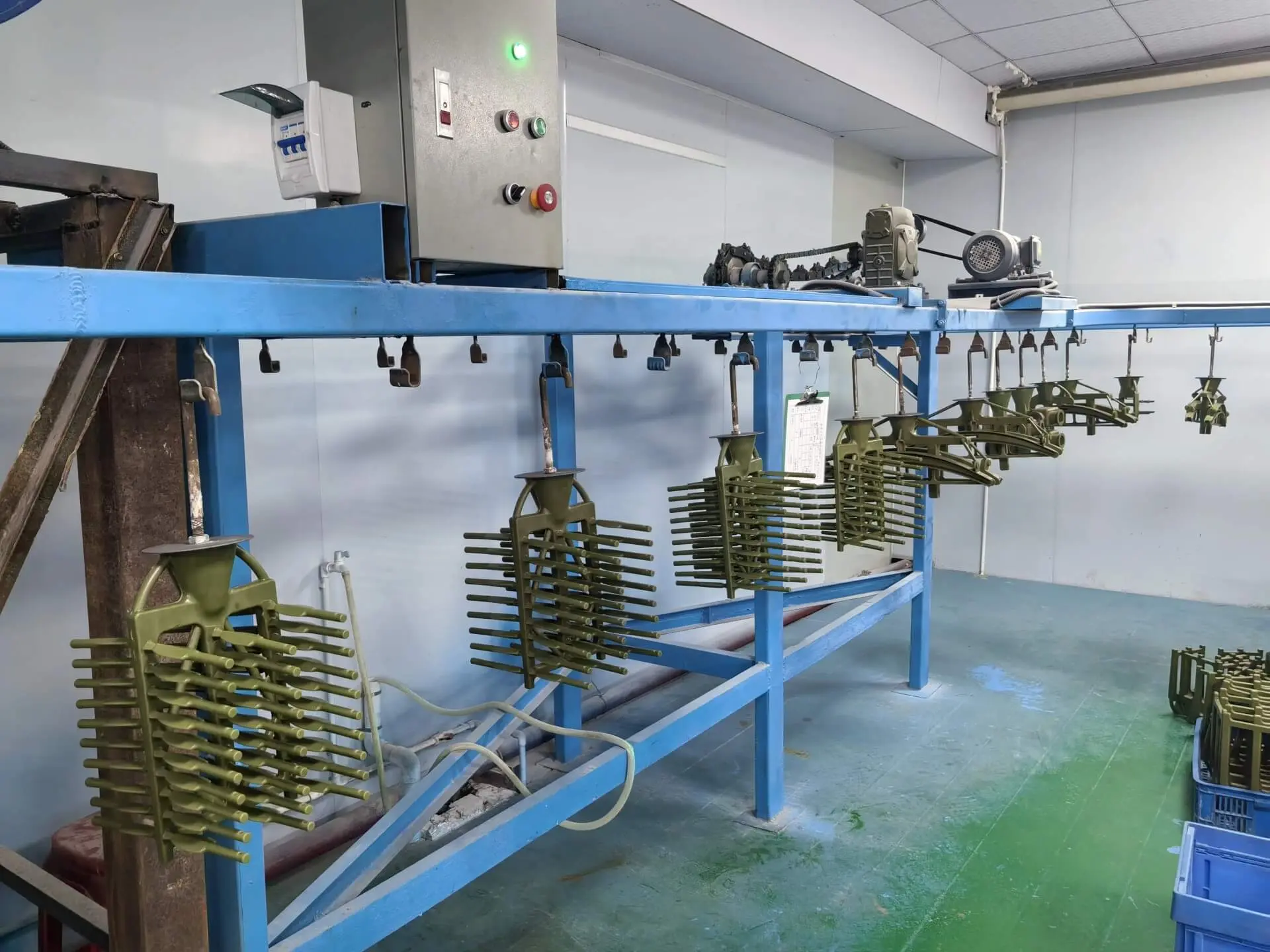
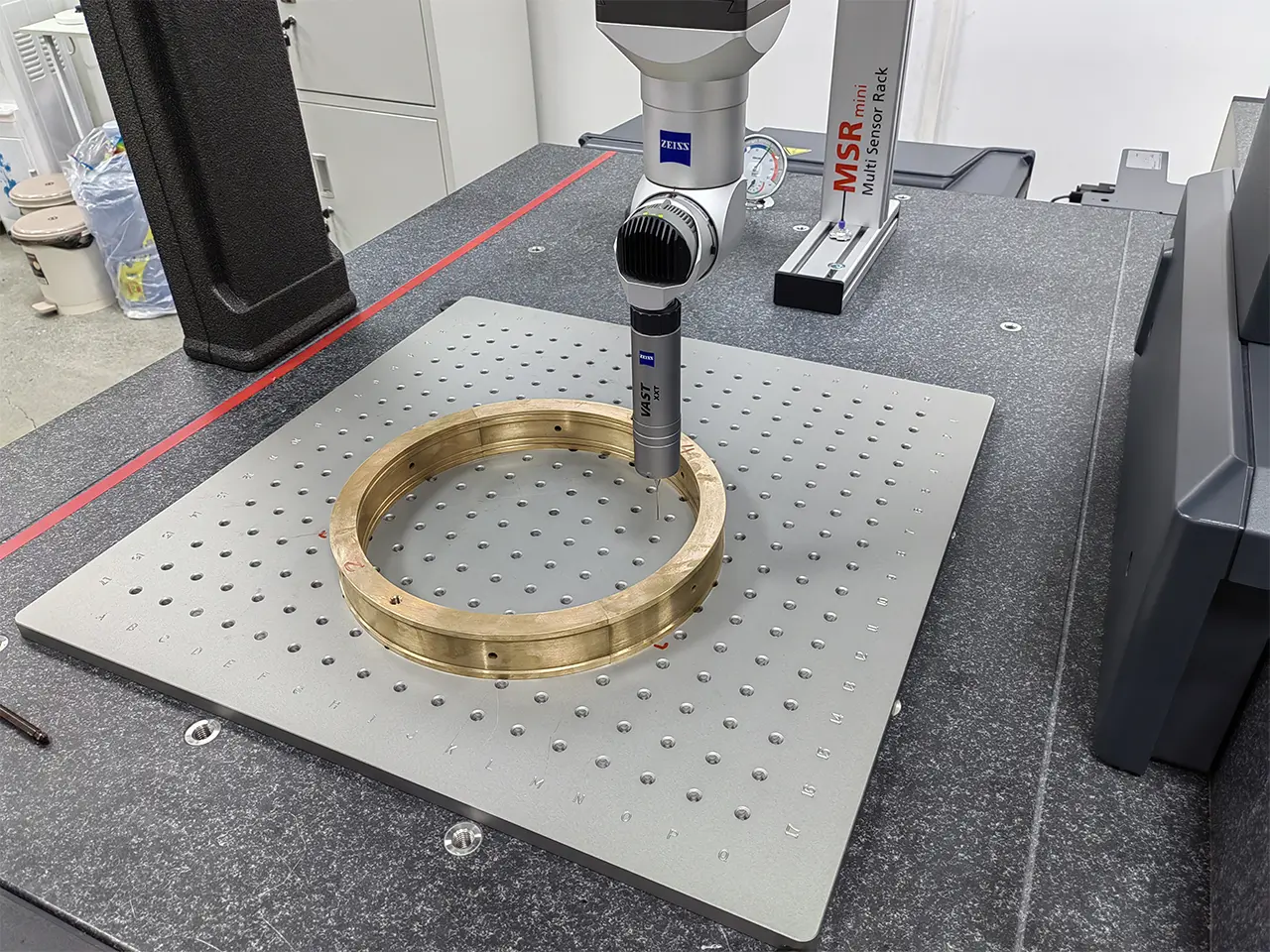
Maintaining tight tolerances and structural integrity through strict inspection protocols.
We have professional testing equipment and professional QC personnel, and we adhere to strict tolerances and quality standards for the products we produce. Due to our insistence on strict quality requirements, we have been praised by many customers. Quality is the cornerstone of the manufacturing industry. We firmly believe that only by controlling quality well can we survive, develop, and get better and better. Therefore, we have been working in this industry unremittingly since 2014 and continue to Improve the company's team and improve the company's production capacity.
The future of investment casting: merging digital workflows, simulation software, and green manufacturing.
Industrial manufacturing is changing, and Dongguan SX Technology Co.,Ltd is adapting by integrating new technologies into our production lines:
We use solidification simulation software to predict heat transfer, fluid flow, and shrinkage behavior during cooling. Simulating the process beforehand helps us place runners and gates correctly, preventing porosity defects before mold production begins.
For custom low-volume parts and quick prototyping, we use SLA (Stereolithography) and SLS (Selective Laser Sintering) 3D printing to create PMMA or wax-like patterns. This avoids the cost and lead time of metal tooling, allowing clients to test parts in weeks rather than months.
We work to reduce waste by recycling wax and sand, reusing ceramic materials, and capturing exhaust heat. Modern dust filtration and environmental controls help us comply with local and global manufacturing regulations.
How we support global clients through design help, logistics coordination, and international standards.
We work with ASTM, DIN, JIS, and ISO specifications. Full material traceability reports (EN 10204 3.1) and certificates of conformance are provided with every shipment.
Our engineering team reviews your drawings to optimize wall thickness, draft angles, and pocket depths. This helps lower overall casting costs and makes machining more efficient.
We handle customs clearances, export compliance, and shipping documentation for sea, air, and express delivery. This ensures smooth door-to-door delivery worldwide.
Answers to common questions about our custom lost wax casting and CNC machining services.
From custom turning and milling to specialized titanium alloy structures, explore our additional capabilities.
 SX Machining