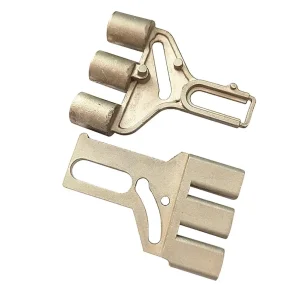
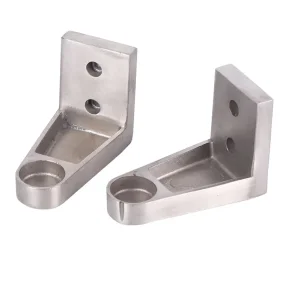
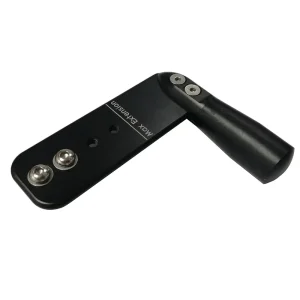
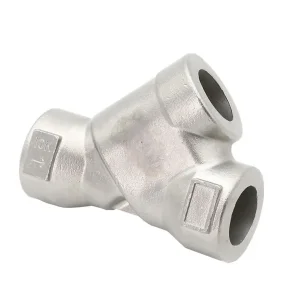
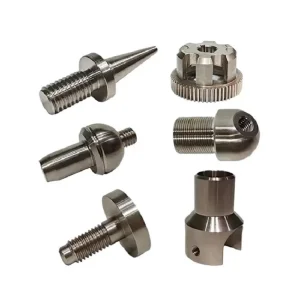
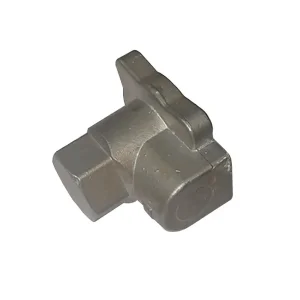
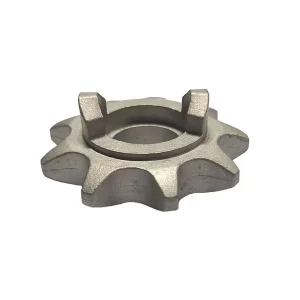
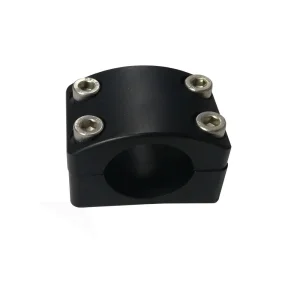
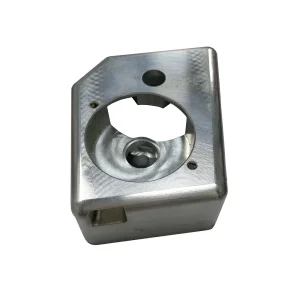
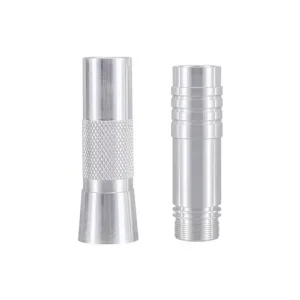
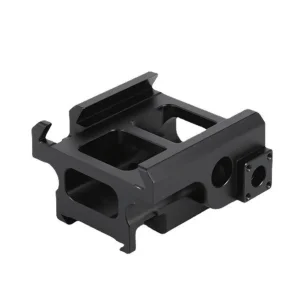
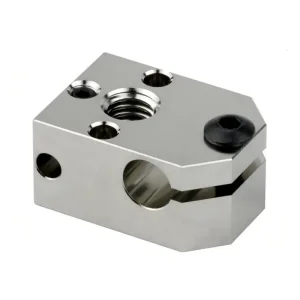
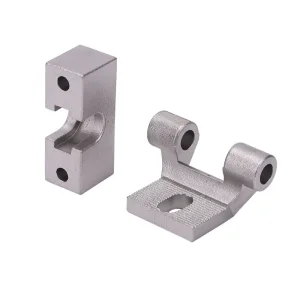
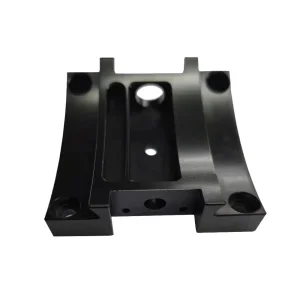
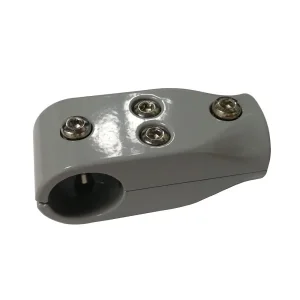
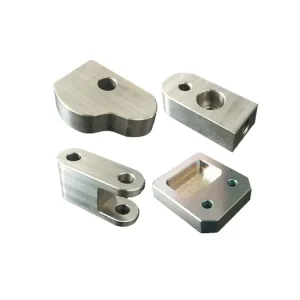
Explore our premium grade manufactured components, showcasing our mastery in custom geometry and advanced metallurgy.
In the modern manufacturing chain, the division between basic casting and precision machining has converged. Global industries no longer seek raw castings; they demand near-net-shape machined castings that combine the geometric versatility of sand or investment casting with the micro-precision tolerances of multi-axis CNC subtractive machining.
From heavy infrastructure components to complex interior parts for zero-emission buses, the need for components to perform reliably under extreme thermal, kinetic, and environmental stress is paramount. Developing these parts requires advanced metallurgical controls and tight CNC machining synchronization. This helps prevent internal porosity defects and structural cracking during production.
Dongguan SX Technology Co., Ltd. delivers high-precision components by combining advanced investment casting with state-of-the-art CNC machining.
Since 2014, Dongguan SX Technology Co., Ltd. has specialized in precision casting, CNC machining, and complex assembly processes. Our engineering teams work with a wide range of materials to meet demanding specifications:
By managing the entire production flow under one roof—from tool design and wax injection to CNC finish milling—we minimize thermal deformation risks and deliver components ready for final assembly.
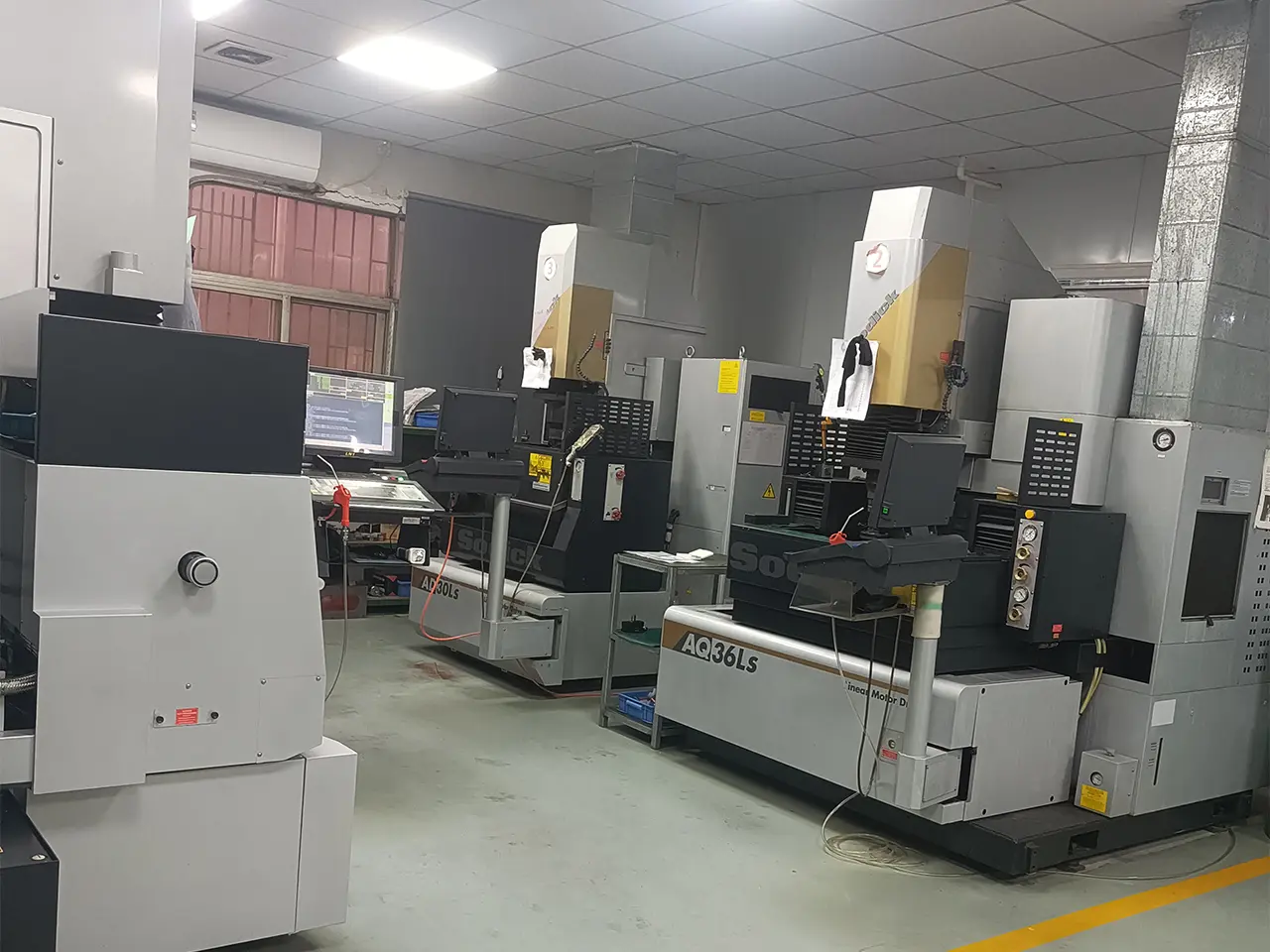
Our workshop houses high-precision equipment to process castings through multi-axis CNC milling, turning, and EDM.
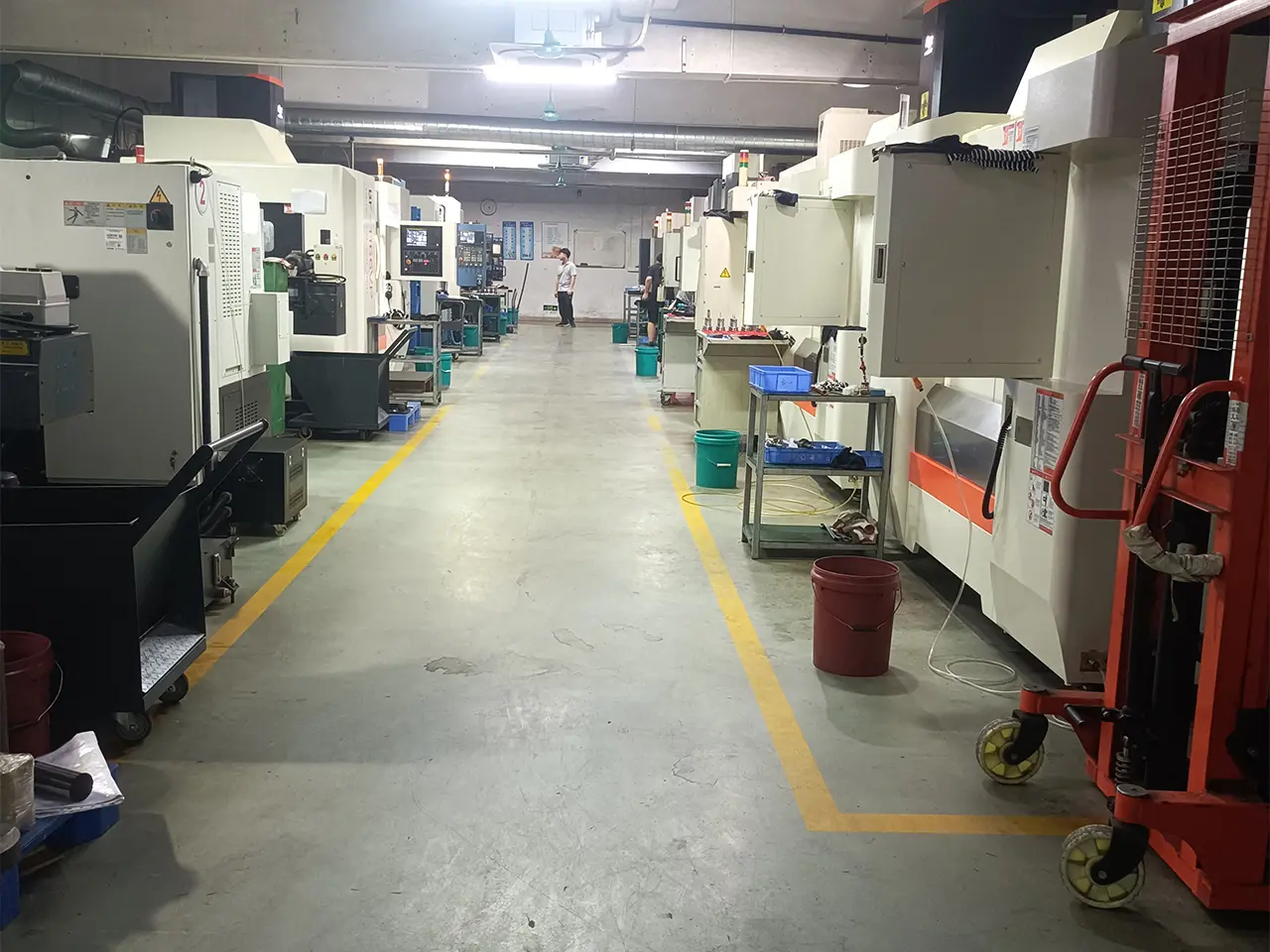
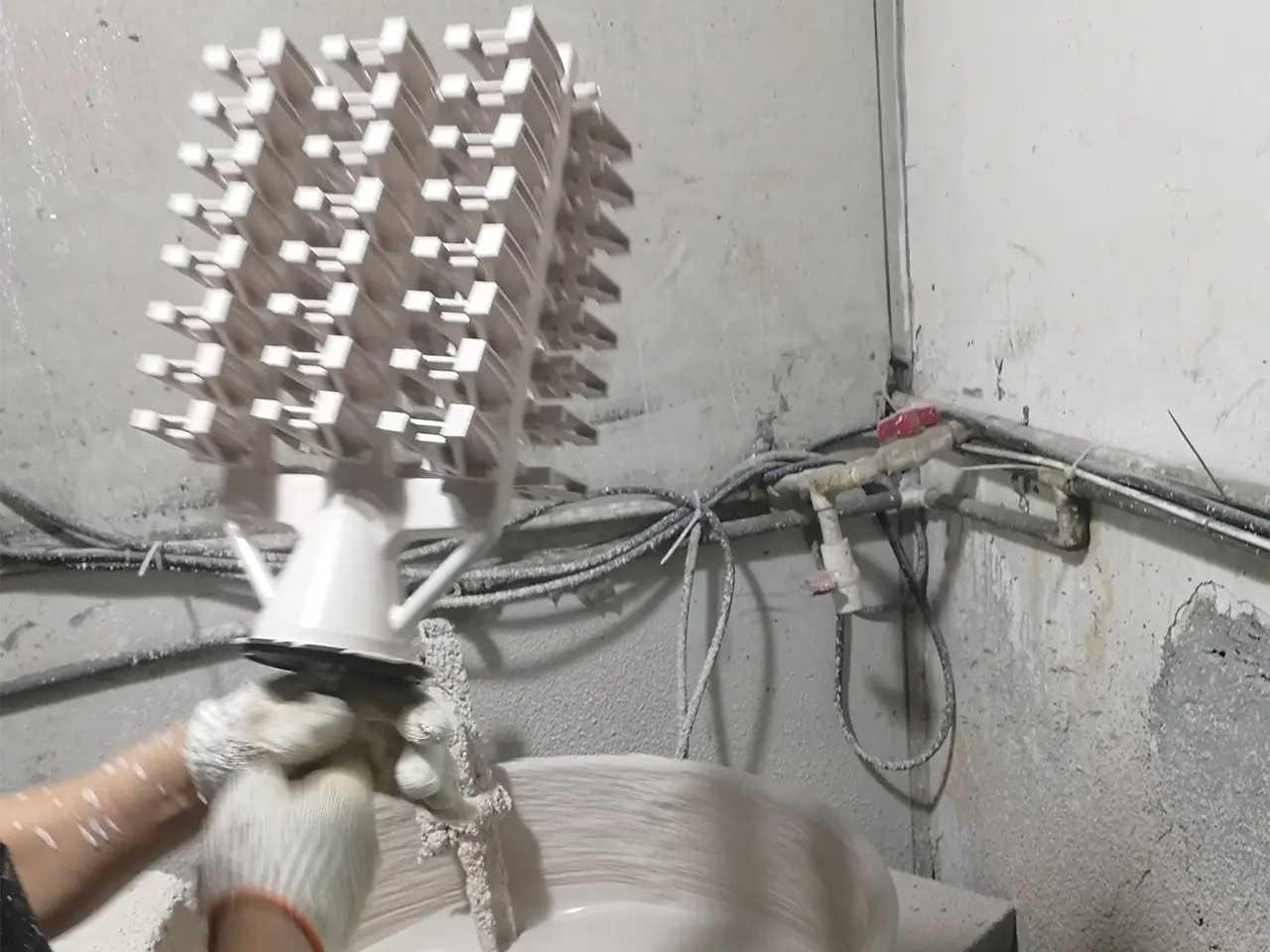
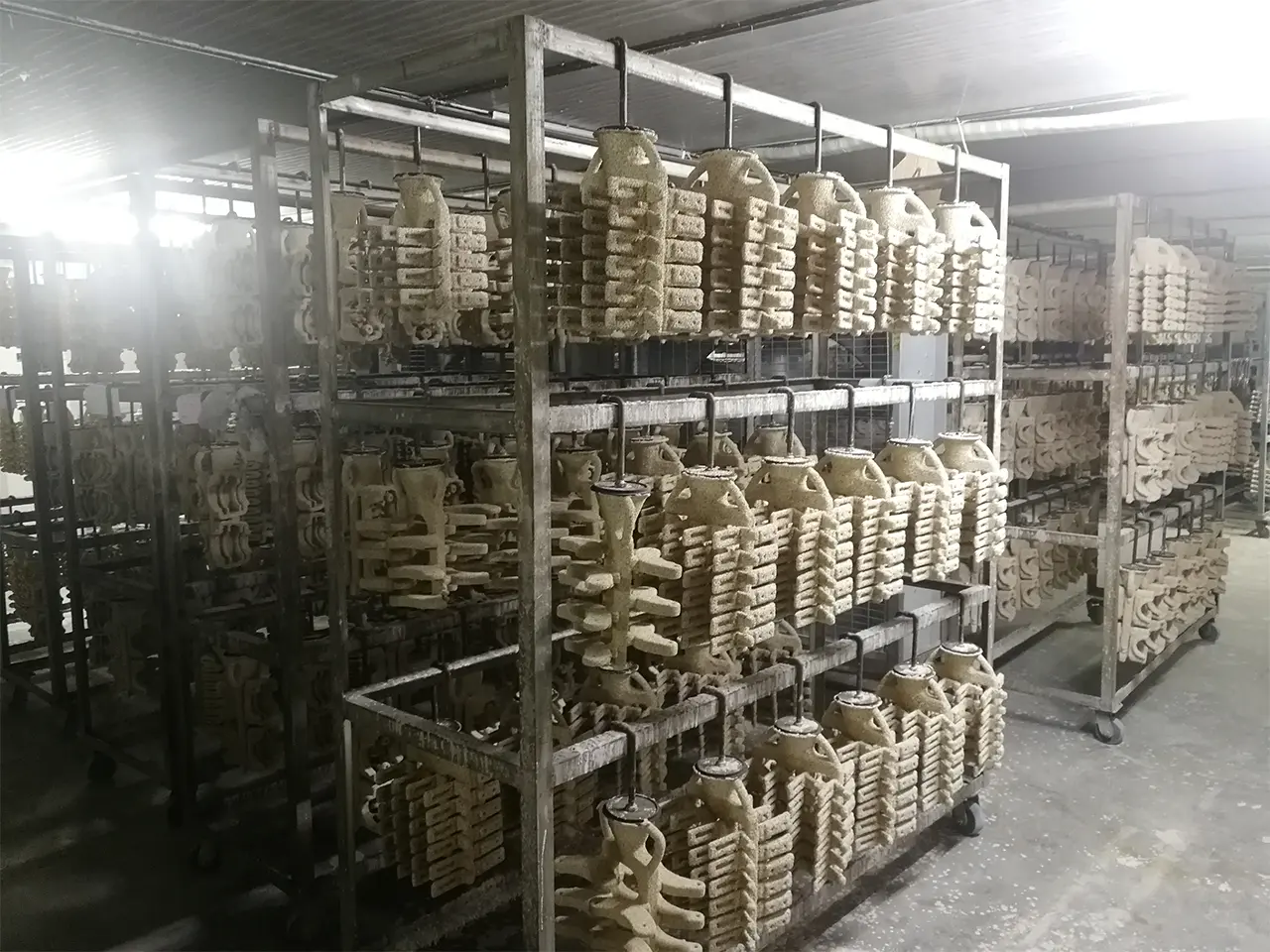
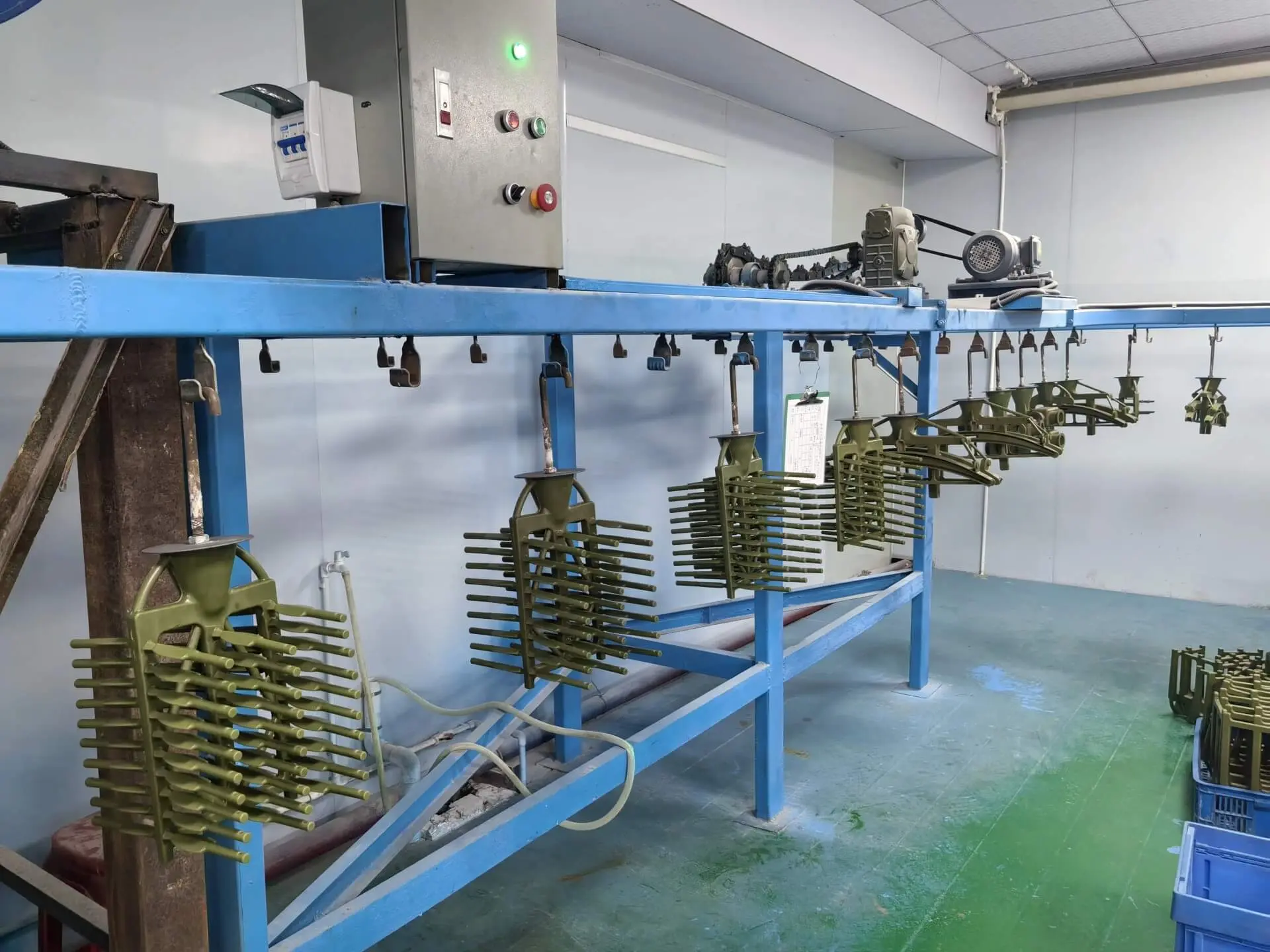
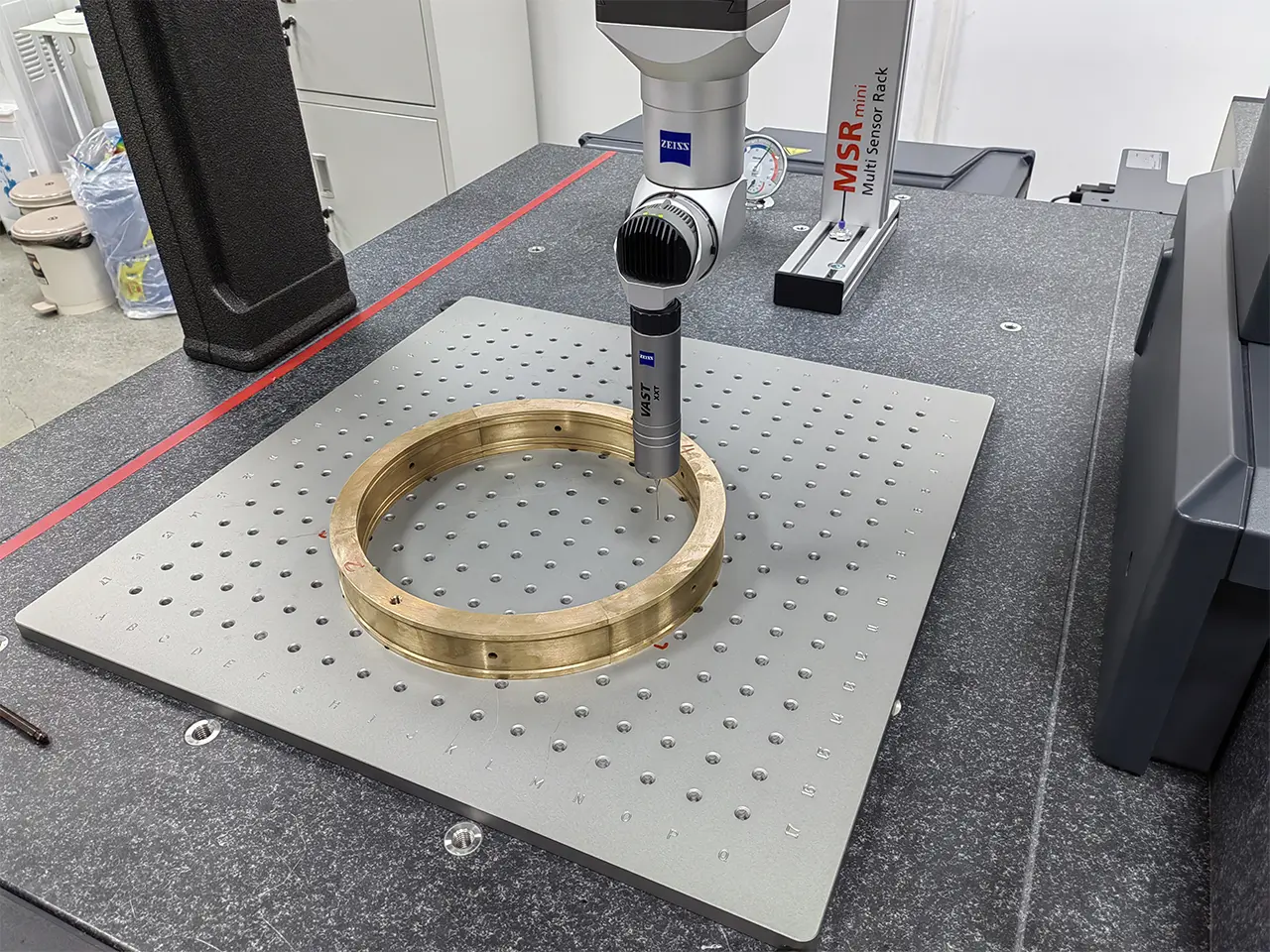
Unlike traditional casting foundries that rely on third-party machine shops, our in-house engineering team bridges the gap. We design casting molds with optimal machining allowances (typically 1.5mm to 3.0mm) to minimize tool wear and cycle times. This design integration reduces tooling costs and speeds up delivery times for our customers.
Delivering engineering solutions engineered for specific operating conditions across global industrial sectors.
Whether manufacturing high-strength mechanical gears or bus components, our casting and CNC processes provide the wear resistance needed for high-mileage commercial operations.
We manufacture stainless steel valve bodies and pressure-rated pump housings. Our CNC post-machining ensures precise O-ring seating surfaces to prevent leaks under high pressures.
From wheelchair components to orthotic parts, we turn and mill biocompatible titanium and high-strength aluminum to strict dimensional specifications.
Our systematic workflow integrates quality checks at every stage, from raw design to finished component delivery.
We perform solidification modeling to identify potential shrinkage or porosity issues before cutting mold steel, ensuring robust casting geometry.
Wax patterns are coated in high-durability ceramic slurries. Decarburization and precise alloy pouring take place in a temperature-controlled foundry.
Castings undergo normalizing, annealing, or tempering to relieve internal stresses and stabilize the material's grain structure for subsequent machining.
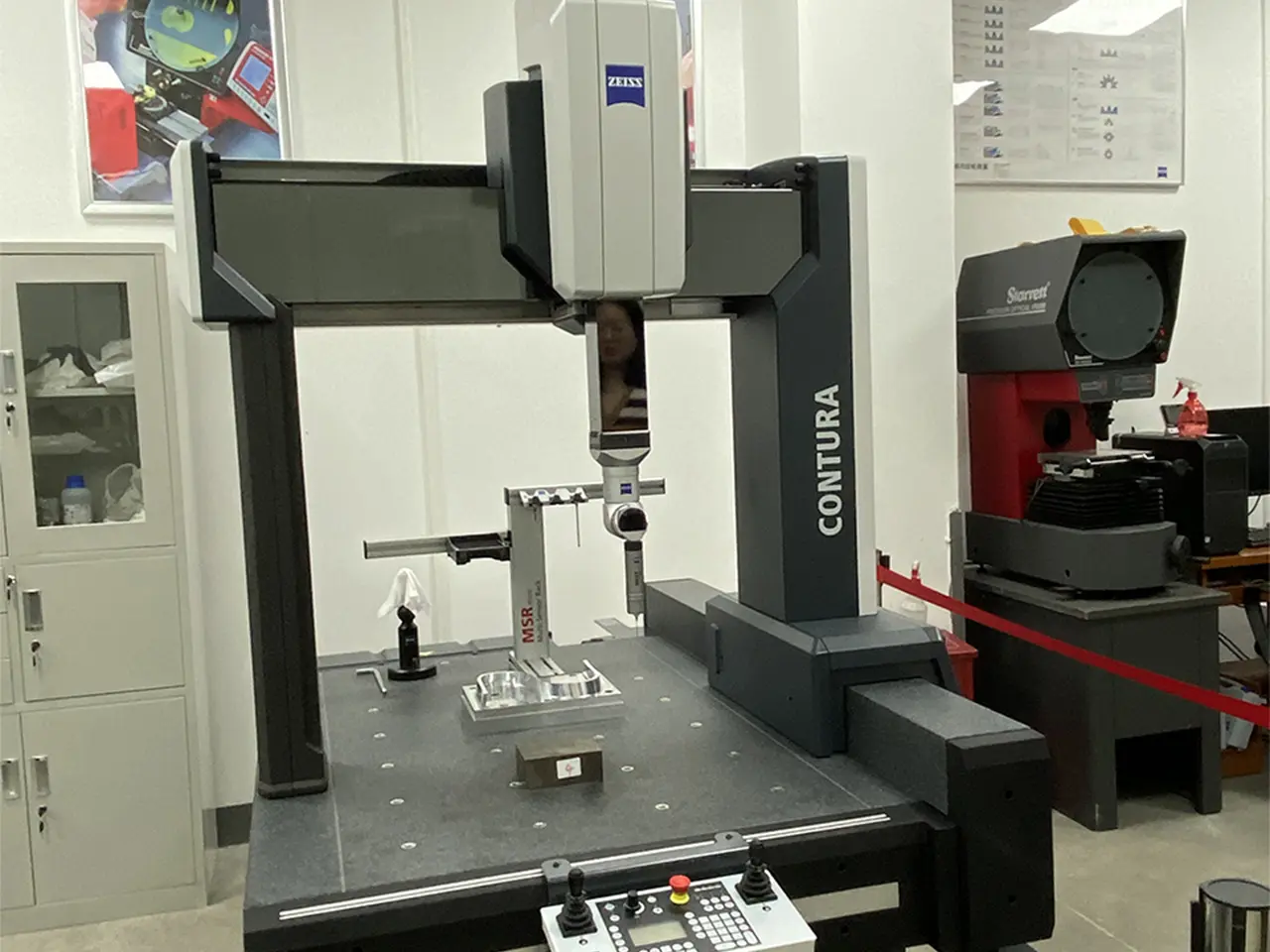
Precision turning, milling, and thread cutting are completed on high-precision CNC centers, followed by CMM inspection to verify tight tolerances.
Quality is the foundation of reliable manufacturing. At Dongguan SX Technology Co., Ltd., we utilize dedicated testing equipment and experienced QC inspectors to enforce strict dimensional tolerances and material standards.
Through continuous investments in our production facilities and staff training since 2014, we deliver parts that meet or exceed customer specifications. Our inspections cover chemical composition verification, hardness testing, non-destructive testing (NDT), and 3D coordinate metrology.
Technical insights into our custom casting processes, machining capabilities, and quality controls.
Custom machined castings and CNC turned parts built for durability and demanding operations.
 SX Machining