High-Precision Investment Casting & CNC Machining Solutions for Mission-Critical Global Applications
In modern heavy industry and high-technology manufacturing, custom machinery castings represent the foundational framework of mechanical reliability.
As global industries pivot toward automation, increased operating pressures, and extreme environmental challenges, the demand for highly specialized, structurally optimized metal castings is at an all-time high. Traditional casting processes are no longer sufficient to meet the strict structural tolerances required by aerospace, deep-sea marine engineering, and modern construction applications.
This whitepaper explores the critical integration of precision investment casting (lost wax casting) and advanced post-cast CNC machining. By combining computational design, chemical metallurgy, and rigorous multi-stage quality control, manufacturers are now able to produce components with complex geometries, thinner walls, and exceptional surface finishes without compromising mechanical properties.
The global trend toward industrial decarbonization requires machinery components to offer higher strength-to-weight ratios. The integration of high-grade alloy elements and optimized geometry in lost-wax casting reduces raw material usage by up to 25% while maintaining structural integrity.
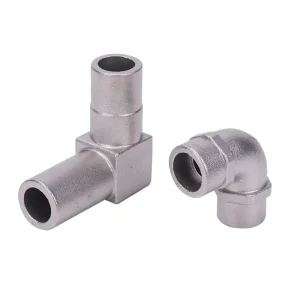
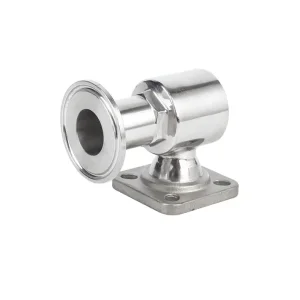
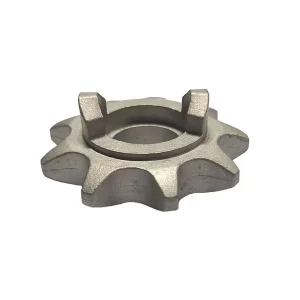
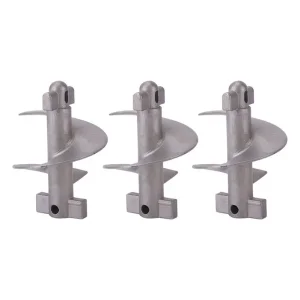
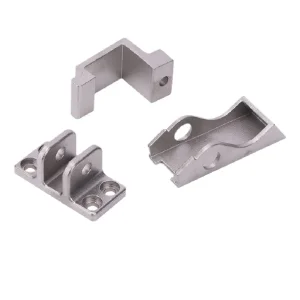
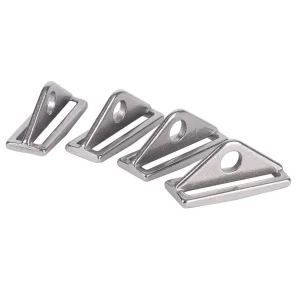
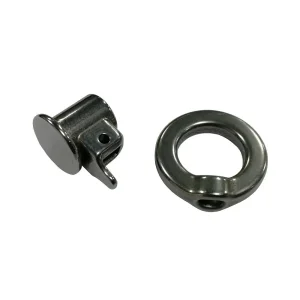
Dongguan SX Technology Co., Ltd. possesses extensive experience in precision casting, CNC machining, and complex assembly processes. Our versatile component lineup serves critical industries worldwide, including heavy machinery, automotive systems, marine and shipbuilding engineering, valve and pump systems, electronic devices, packaging hardware, precision horology, civil construction, and chemical processing.
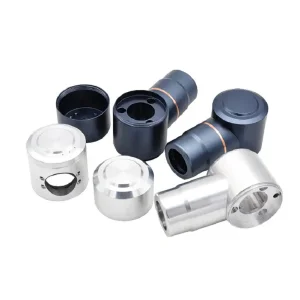
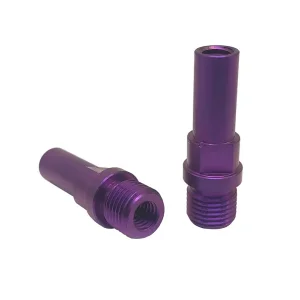
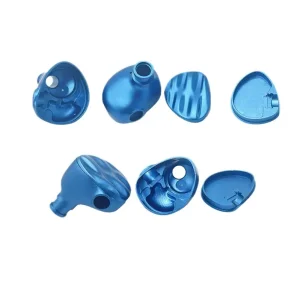
We specialize in working with a wide range of advanced metals. The most commonly used materials for our investment casting include high-grade stainless steel and carbon steel. In our CNC machining division, we process titanium alloys, stainless steel, carbon steel, aluminum alloys, copper alloys, and cemented carbides.
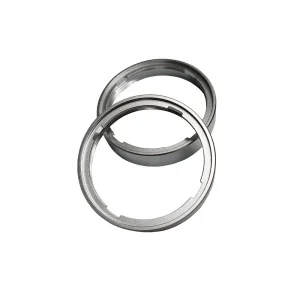
Utilizing high-grade silica sol lost wax casting procedures to achieve excellent dimensional tolerances and surface finishes, reducing the need for extensive secondary machining operations.
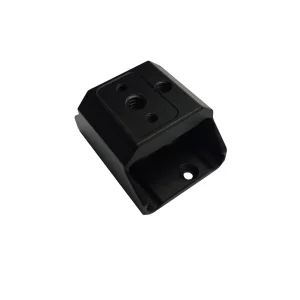
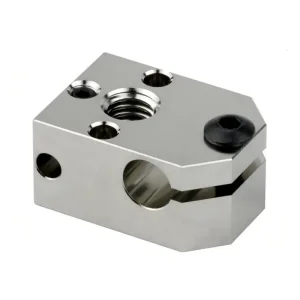
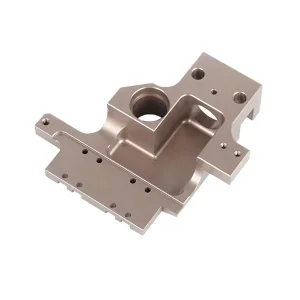
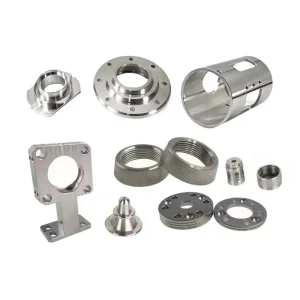
Equipped with multi-axis CNC milling, turning, and grinding centers, enabling us to post-process cast parts down to sub-millimeter tolerances for complex assemblies.
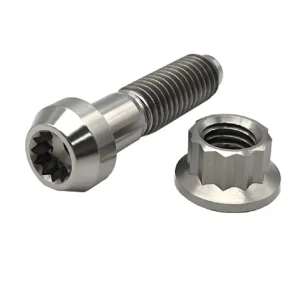
Expertise in handling specialty metals such as Titanium Alloy, Stainless Steel (304/316/Duplex), Carbon Steel, and Aluminum Alloy to suit specific applications.
Global procurement directors faces challenges involving supply chain risk management, strict regulatory compliance, and consistent quality standards. In mechanical castings, failure is not an option. Marine environments require high corrosion resistance, while construction applications require exceptional structural load capacities.
Our engineering expertise enables us to adapt casting structures and metallurgical compositions to meet specific operational demands:
"Our engineering teams work closely with client design departments to optimize geometries for manufacturability, reducing component mass while maintaining structural integrity."
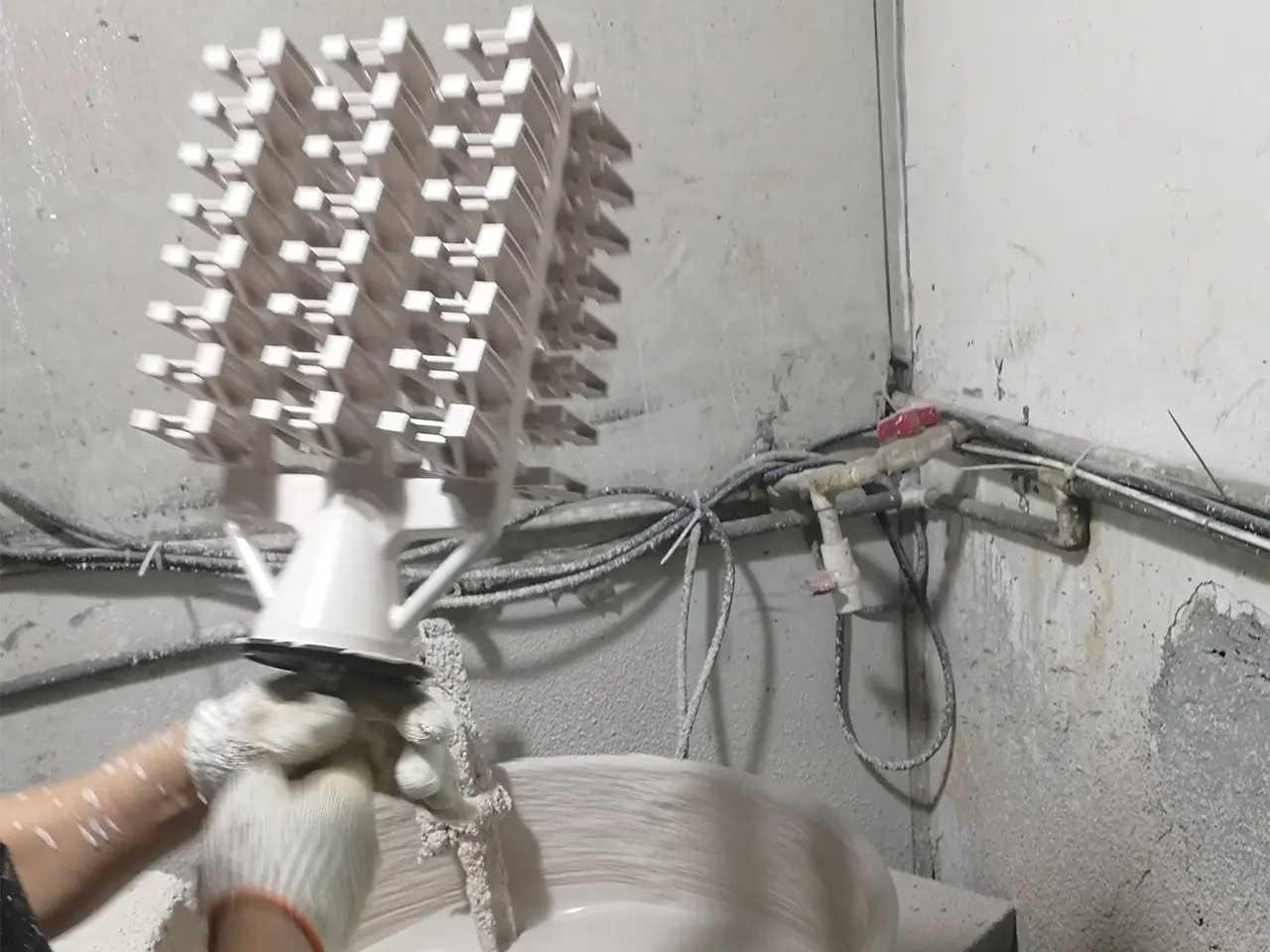
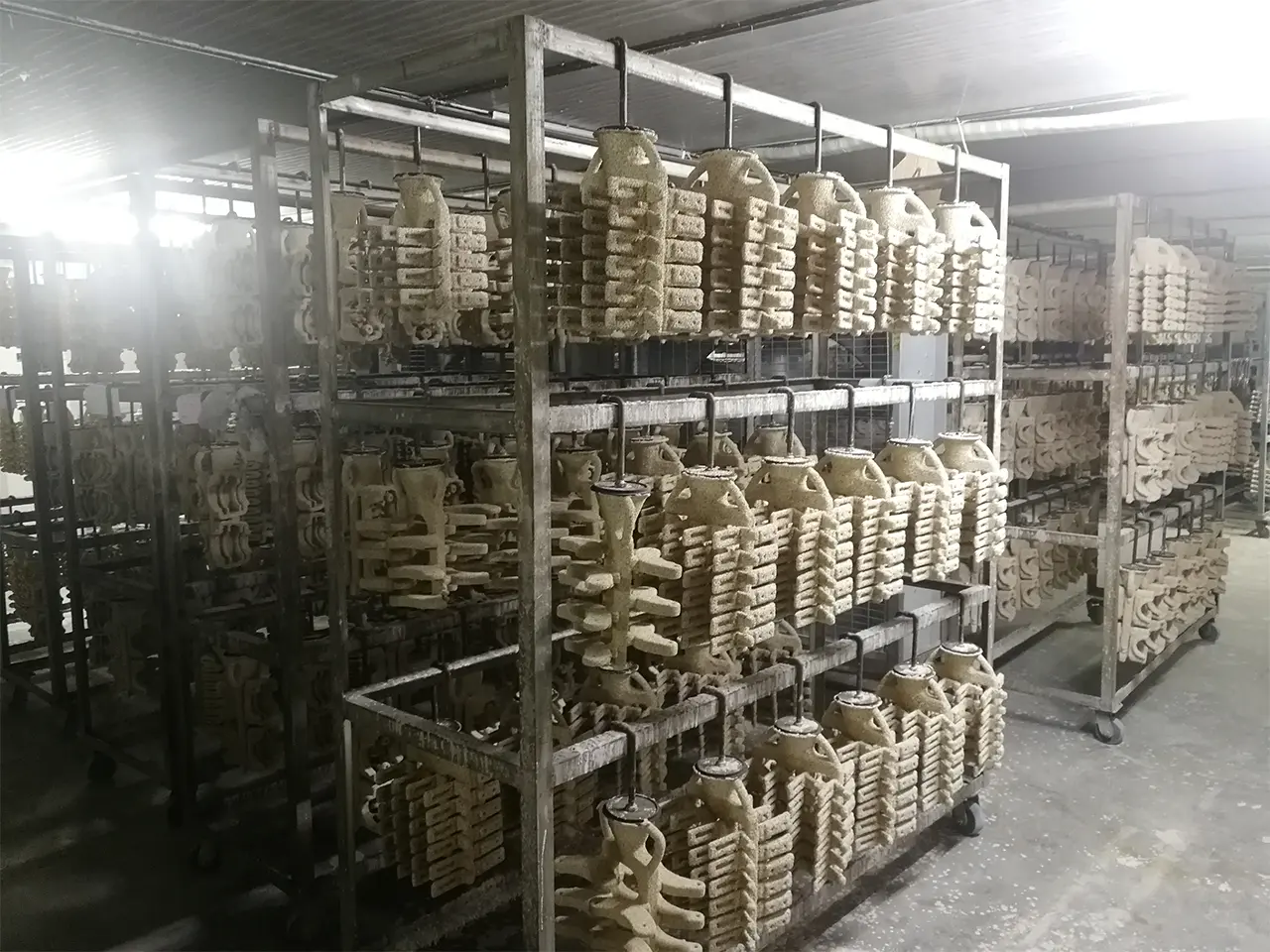
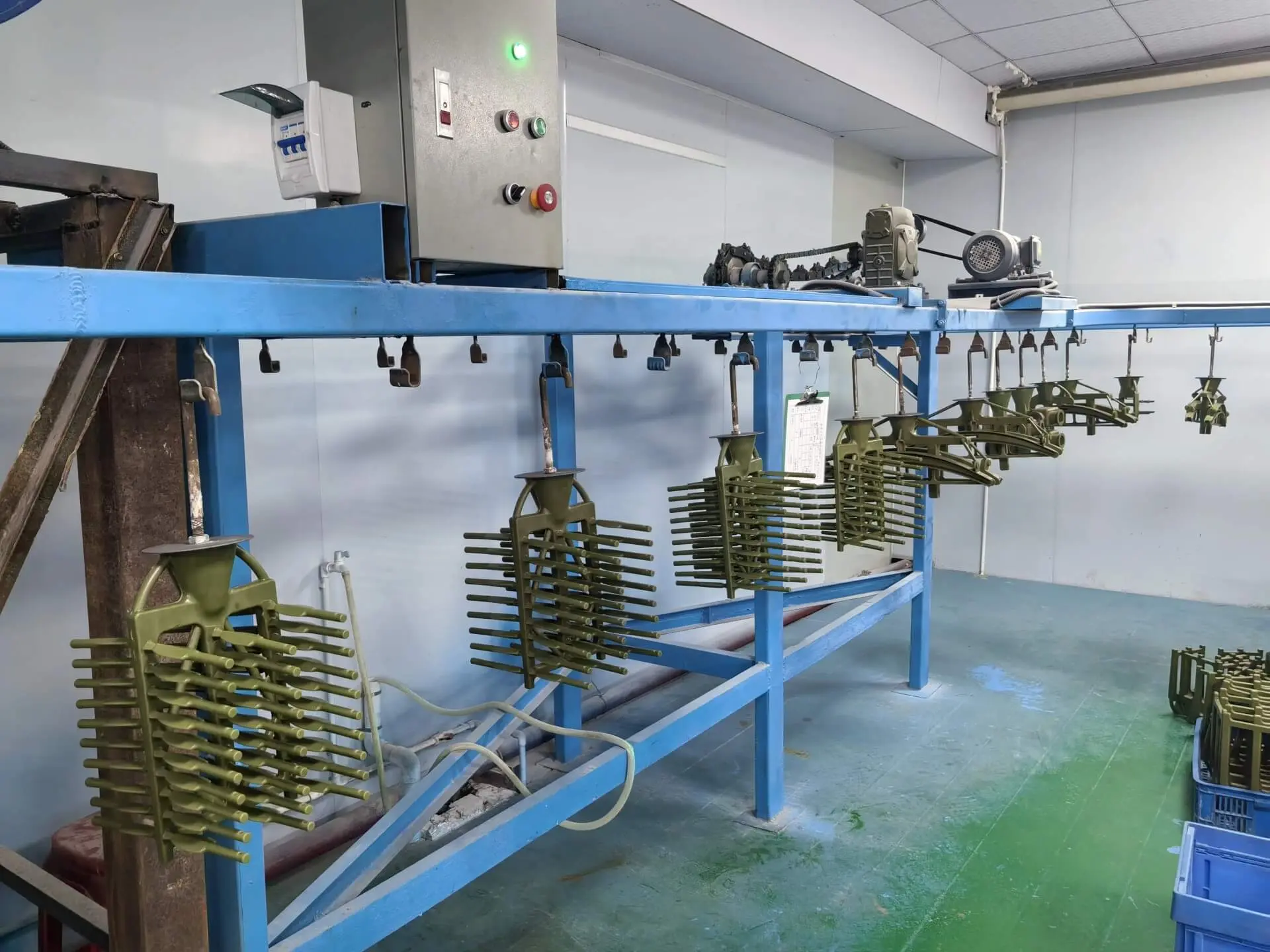
Our manufacturing facilities are equipped with precision casting lines, advanced CNC milling machines, multi-axis lathes, and secondary surface finishing stations. The images below showcase our production environment and testing capabilities.
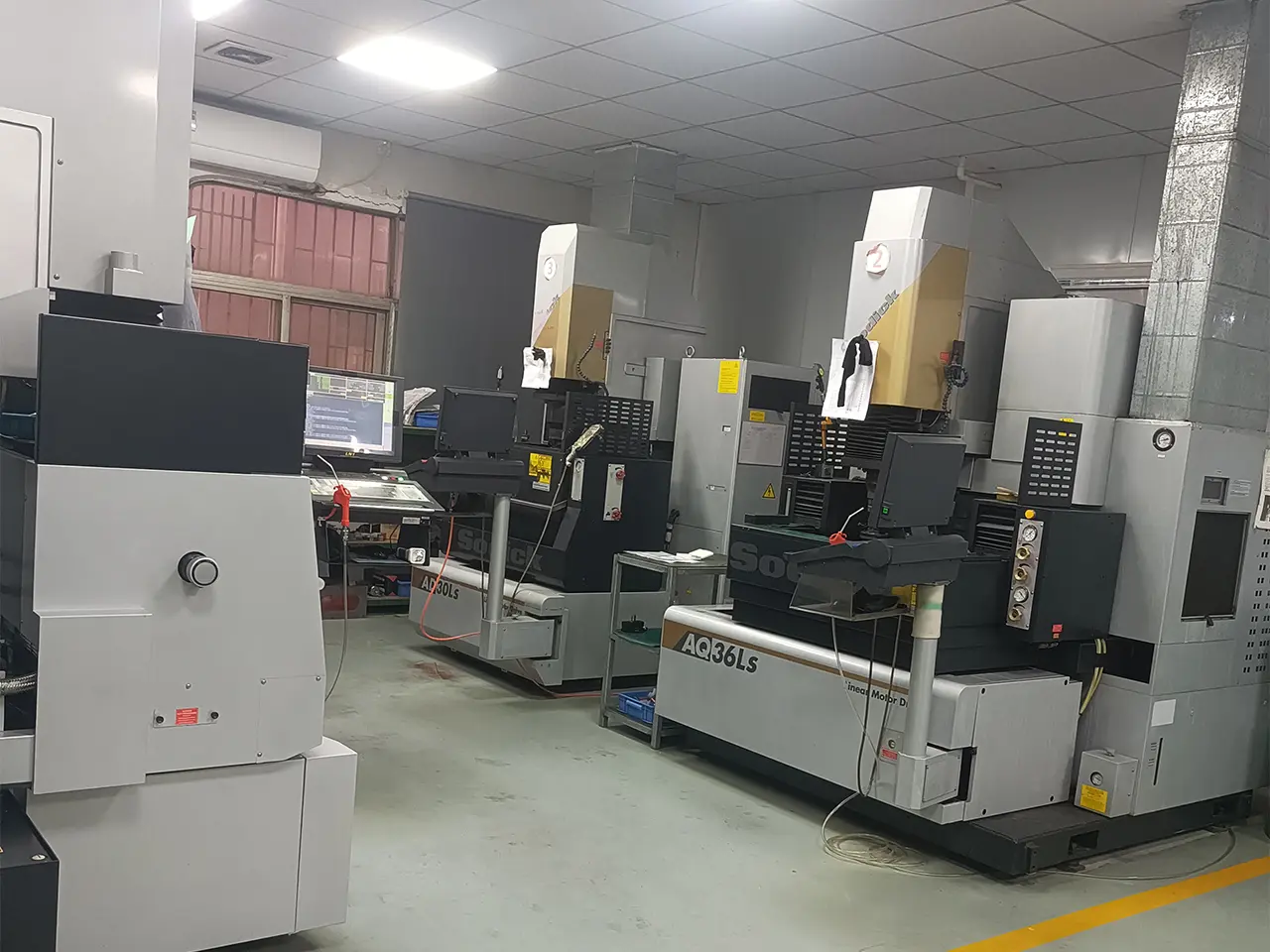
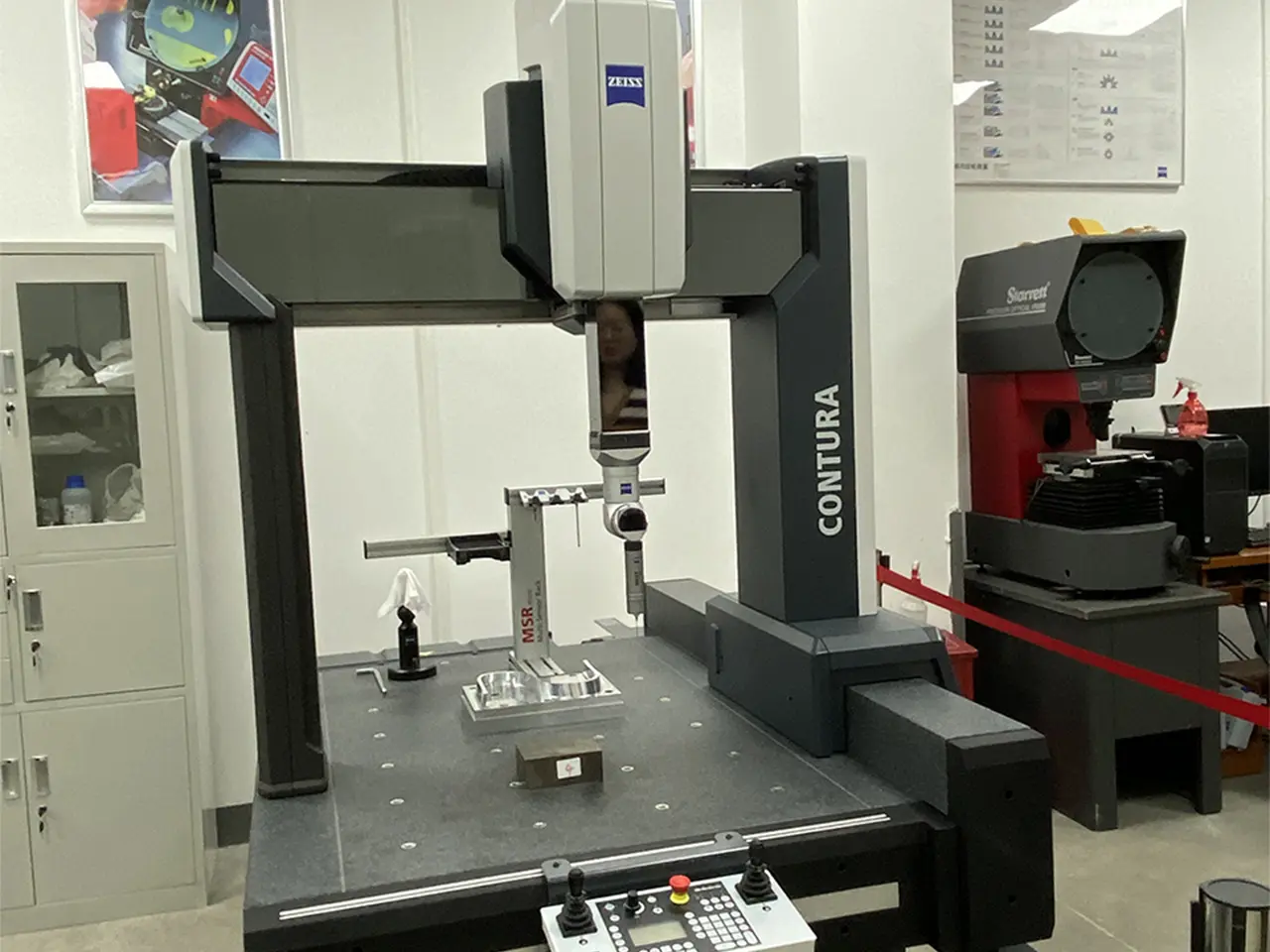
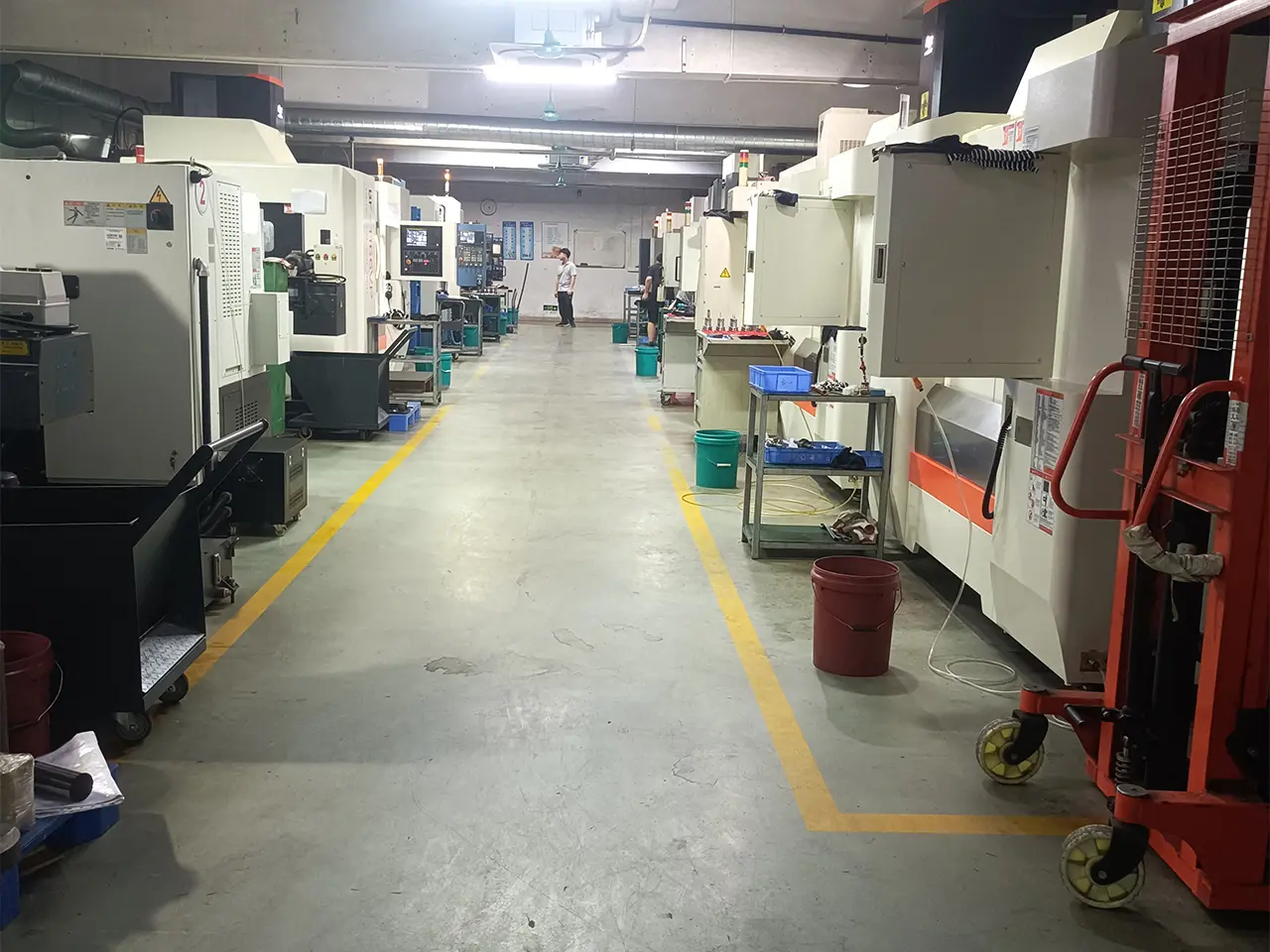
Quality is the foundation of the manufacturing industry. We firmly believe that only by controlling quality effectively can we grow and build lasting partnerships with our clients.
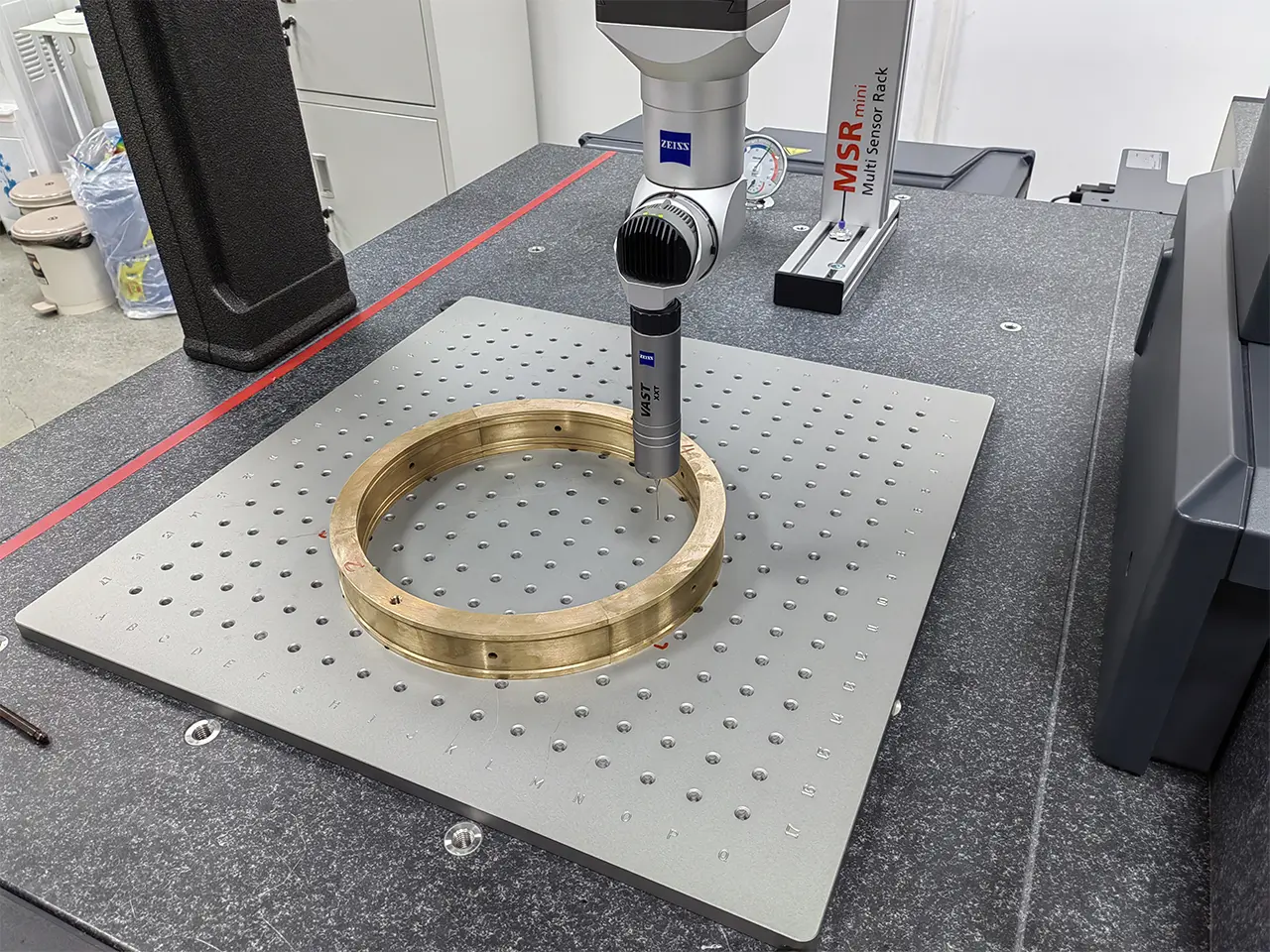
We employ dedicated QC personnel and professional testing equipment, maintaining strict tolerances and quality standards for all manufactured parts. We have worked in this industry continuously since 2014, consistently upgrading our team's capabilities and expanding our production capacity to meet growing global demand.
Applying finite element analysis (FEA) to simulate metal solidification patterns, predicting gas porosity and shrinking defects before the casting process begins.
Integrating the surface qualities of lost-wax casting with ultra-precision CNC post-processing to support rapid prototyping and low-volume production.
Development of specialized alloys, including duplex stainless steels and titanium alloys, optimized for weight reduction, thermal cycling, and wear resistance.
 SX Machining