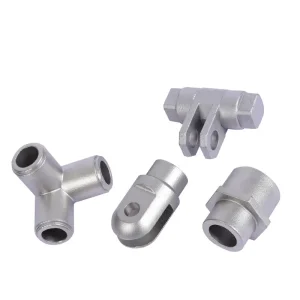
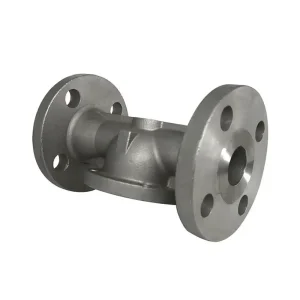
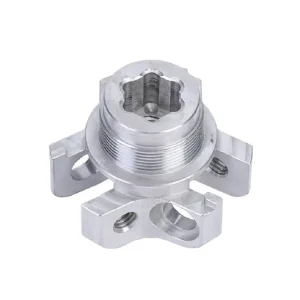
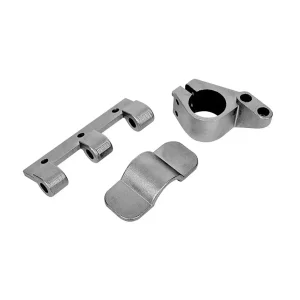
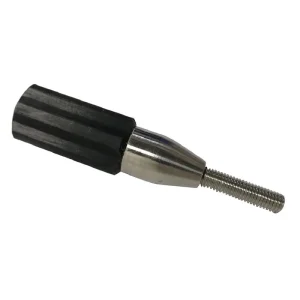
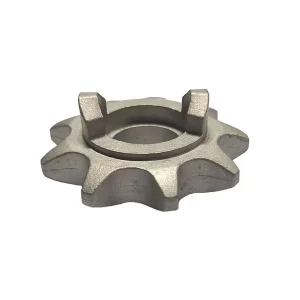
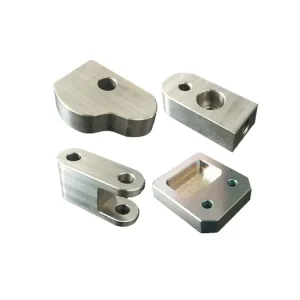
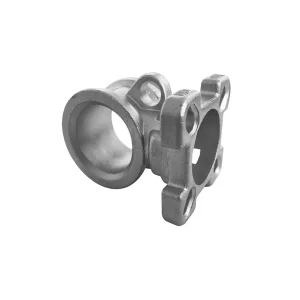
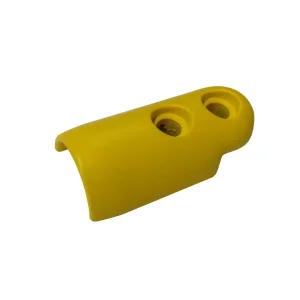
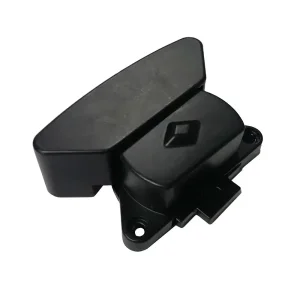
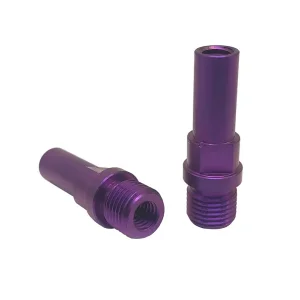
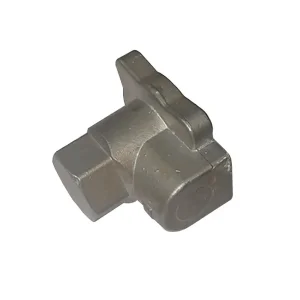
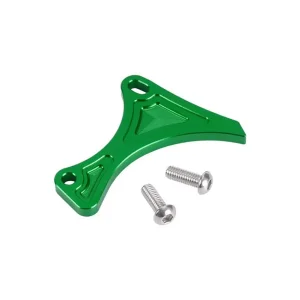
Dongguan SX Technology Co.,Ltd holds rich experience in precision casting, CNC machining, and high-level industrial assembly. Originally rooted in high-end metallurgy, we have organically expanded our material matrix to meet modern global demand. Our production lines supply critical components to sectors including machinery, automobiles, marine, ships, advanced equipment, valves and pumps, electronic appliances, high-precision packaging, horology, construction, and the chemical industry.
While our casting operations commonly utilize structural stainless steel and carbon steel, our comprehensive CNC machining facilities process complex substrates. These range from titanium alloys, stainless steels, and tool steels to performance-critical polymers. By bridging the gap between metallurgy and plastic engineering, we provide comprehensive multi-material assembly services tailored to the highest engineering tolerances.
Engineers are replacing heavy brass, steel, and aluminum components with lightweight engineering polymers (like PEEK and PEI). This reduces weight by up to 50% without sacrificing mechanical integrity or thermal thresholds.
The limits of precision plastic fabrication have tightened. Specialized high-speed tooling geometries and temperature-controlled facilities allow us to turn and mill fluoropolymers to micro-level tolerances.
Sectors like medical diagnostics and food packaging require strict regulatory compliance. Traceable materials that meet FDA, RoHS, REACH, and USP Class VI specifications are now standard requirements.
Today's industrial buyers expect suppliers to deliver engineering expertise rather than just fabrication. Selecting the right polymer involves balancing mechanical stress, thermal limits, wear characteristics, and cost constraints. For example, replacing stainless steel with PEEK in a subsea valve body requires analyzing anisotropic shrink rates, thermal expansion coefficients, and chemical compatibility.
Choosing the right polymer for your application is essential for performance and cost-efficiency. Our engineering team assists procurement managers in selecting the ideal grade for their specific requirements.
| Polymer Family | Common Trade Names | Key Properties & Application Focus | Primary Industrial Use Cases |
|---|---|---|---|
| PEEK (Polyetheretherketone) | Victrex, Ketron | Exceptional thermal resistance (250°C+), chemical resistance, high mechanical strength. | Aerospace, semiconductor nests, oil & gas seals. |
| POM (Polyoxymethylene / Acetal) | Delrin, Celcon | High stiffness, low friction, dimensional stability, low moisture absorption. | Precision gears, wear strips, fuel system components. |
| PTFE (Polytetrafluoroethylene) | Teflon, Algoflon | Ultra-low coefficient of friction, hydrophobic, broad chemical inertness. | Chemical pump diaphragms, valve seats, gaskets. |
| PEI (Polyetherimide) | Ultem | High dielectric strength, flame-retardant, hydrolytic stability. | Electrical connectors, medical manifolds, autoclaved tools. |
| PA66 (Polyamide / Nylon) | Zytel, Ertalon | High wear resistance, impact strength, mechanical damping. | Structural bushings, sheaves, rollers, automotive housings. |
We machine medical manifolds, surgical guide housings, and diagnostic testing components. Using USP Class VI certified polymers like PEEK and Ultem, we provide high-precision sterilization-safe components that match OEM expectations.
For cleanroom environments, we supply components with low outgassing and high ESD-safety profiles. Typical applications include wafer handlers, electrical insulator shields, and connector blocks machined from PPS or antistatic POM.
We specialize in lightweighting solutions that replace structural brackets and fluid routing connectors. These components feature tight tolerances and consistent performance across thermal cycles.
Our facility features CNC milling machinery, precision lathes, and metal-casting capabilities. This equipment allows us to maintain tight tolerances and a smooth surface finish.
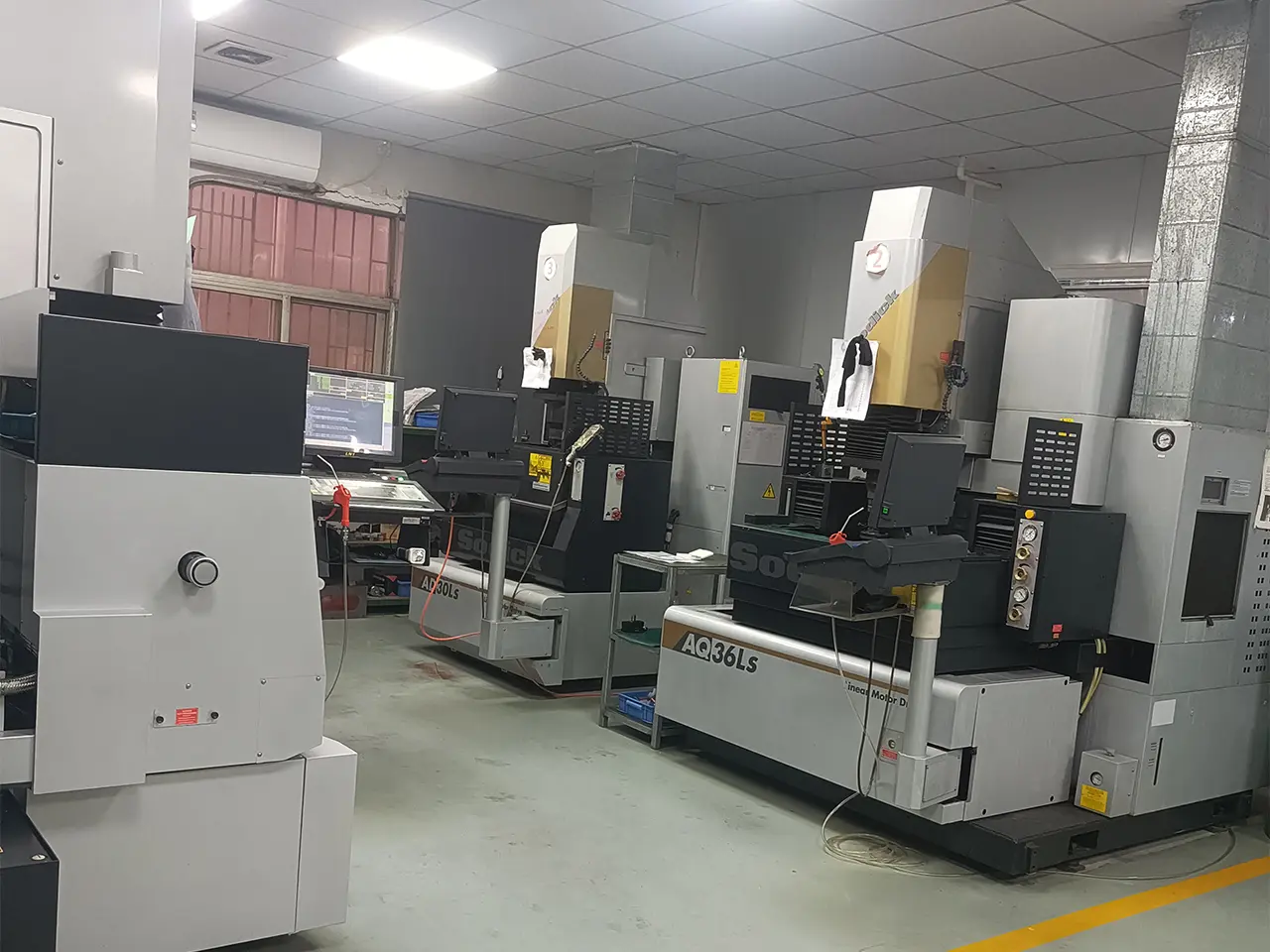
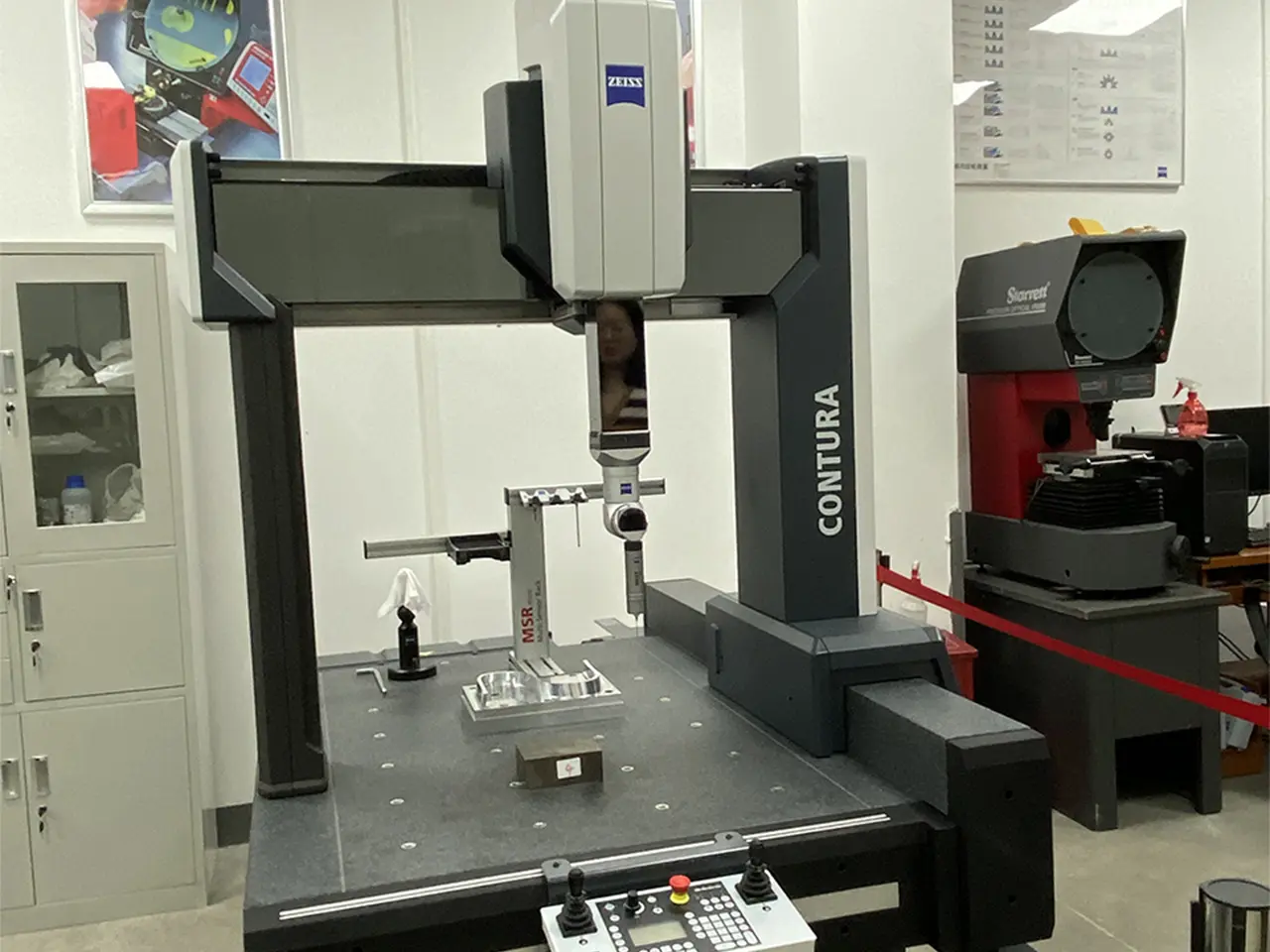
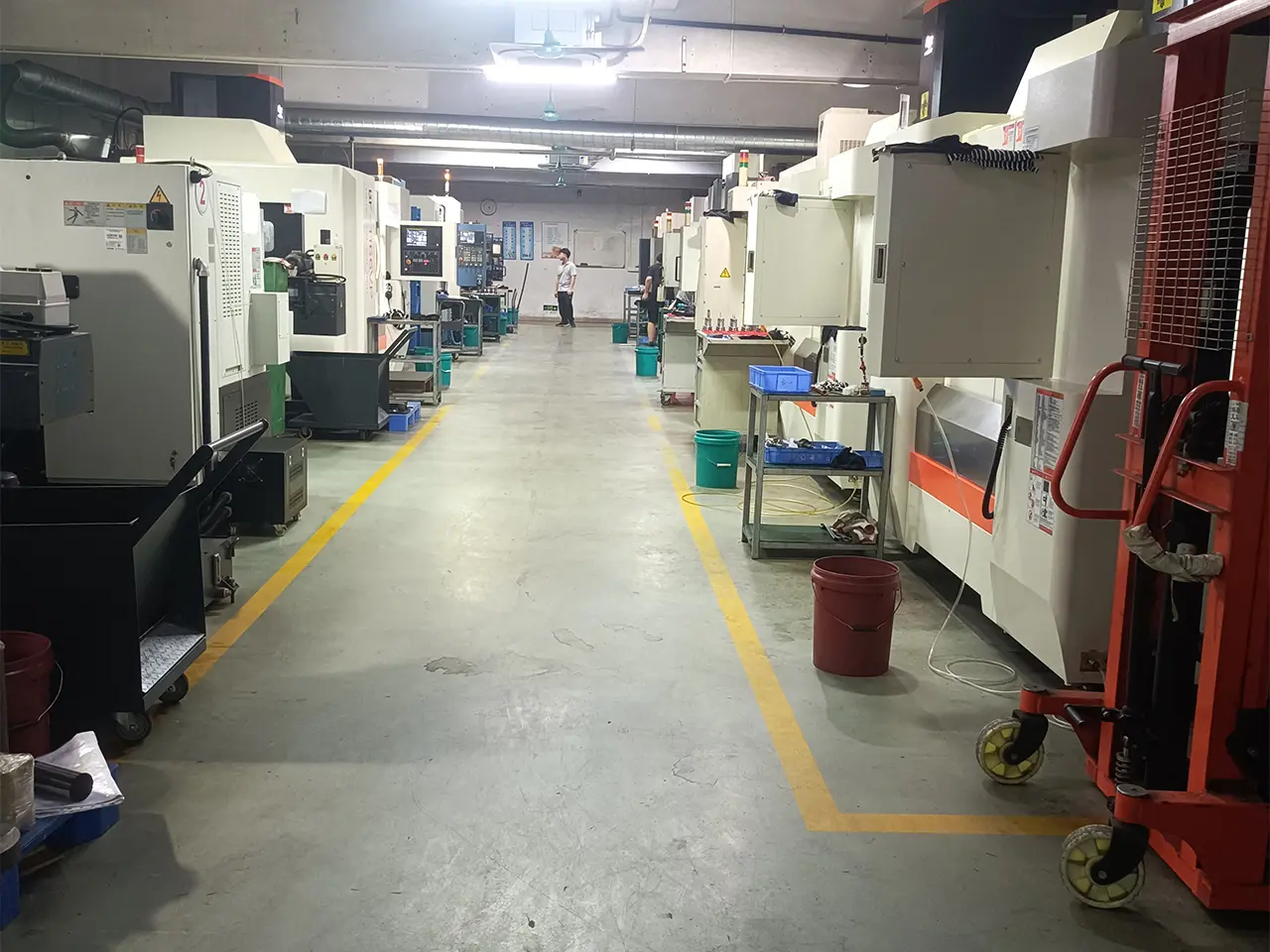
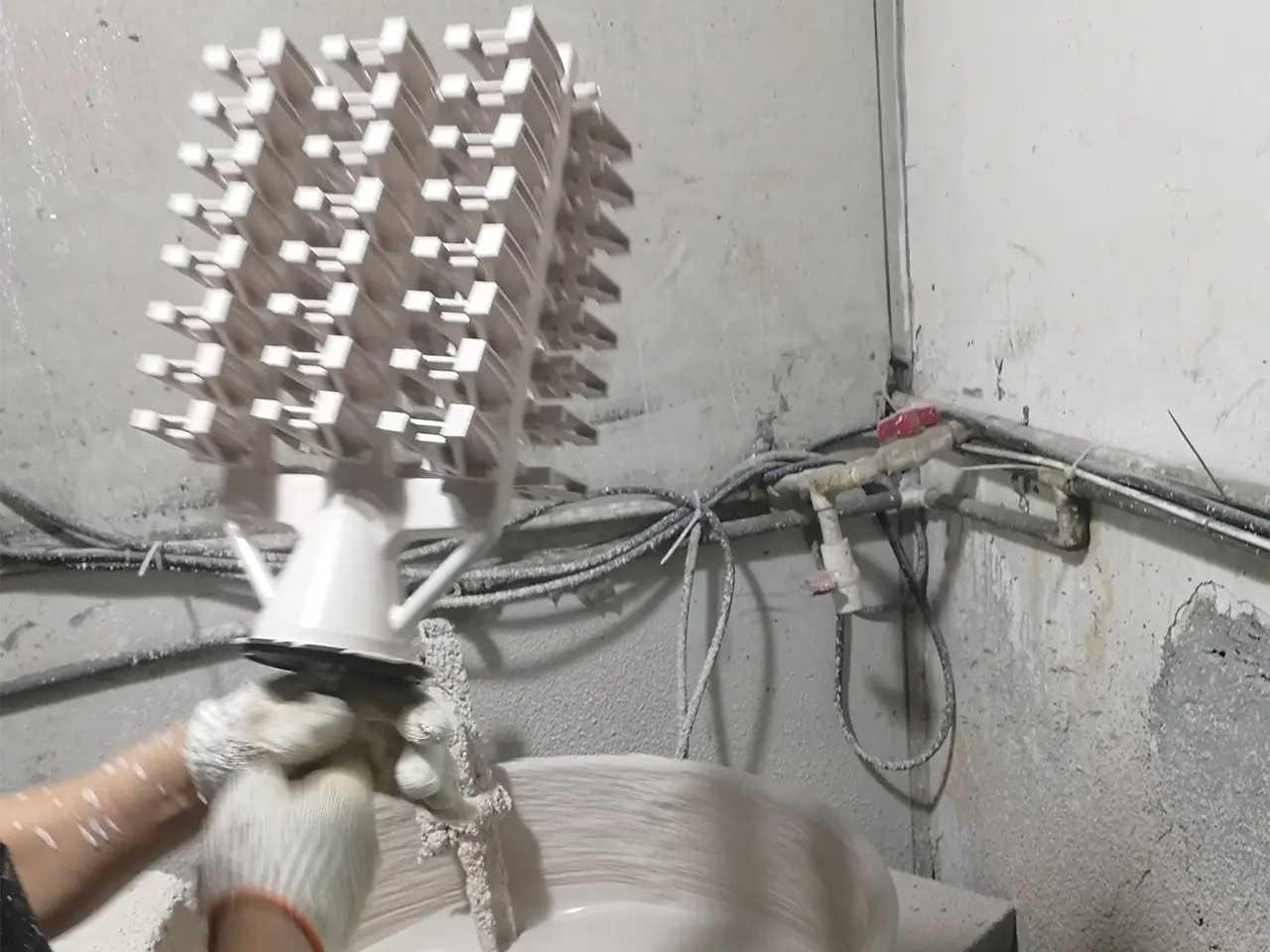
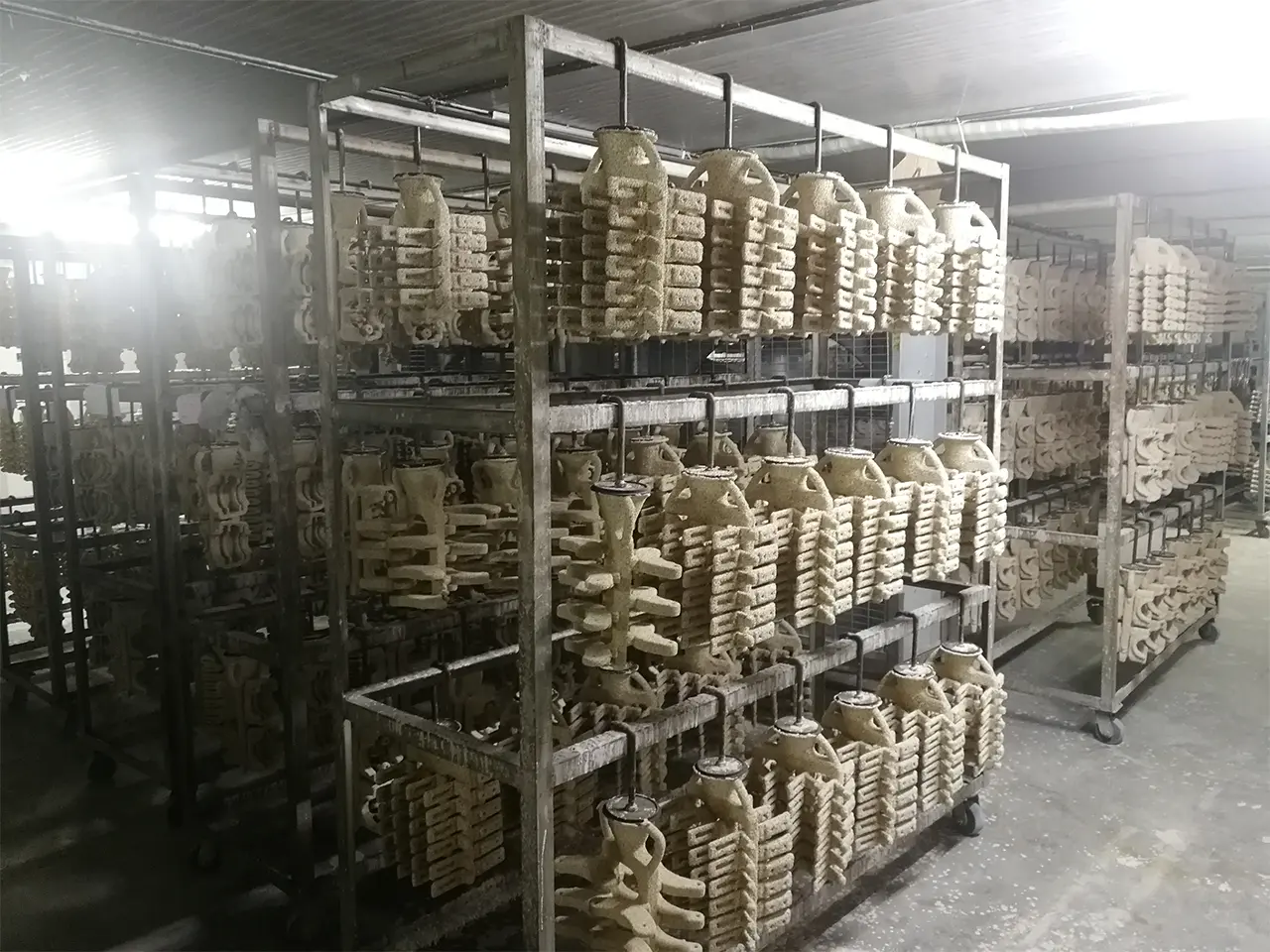
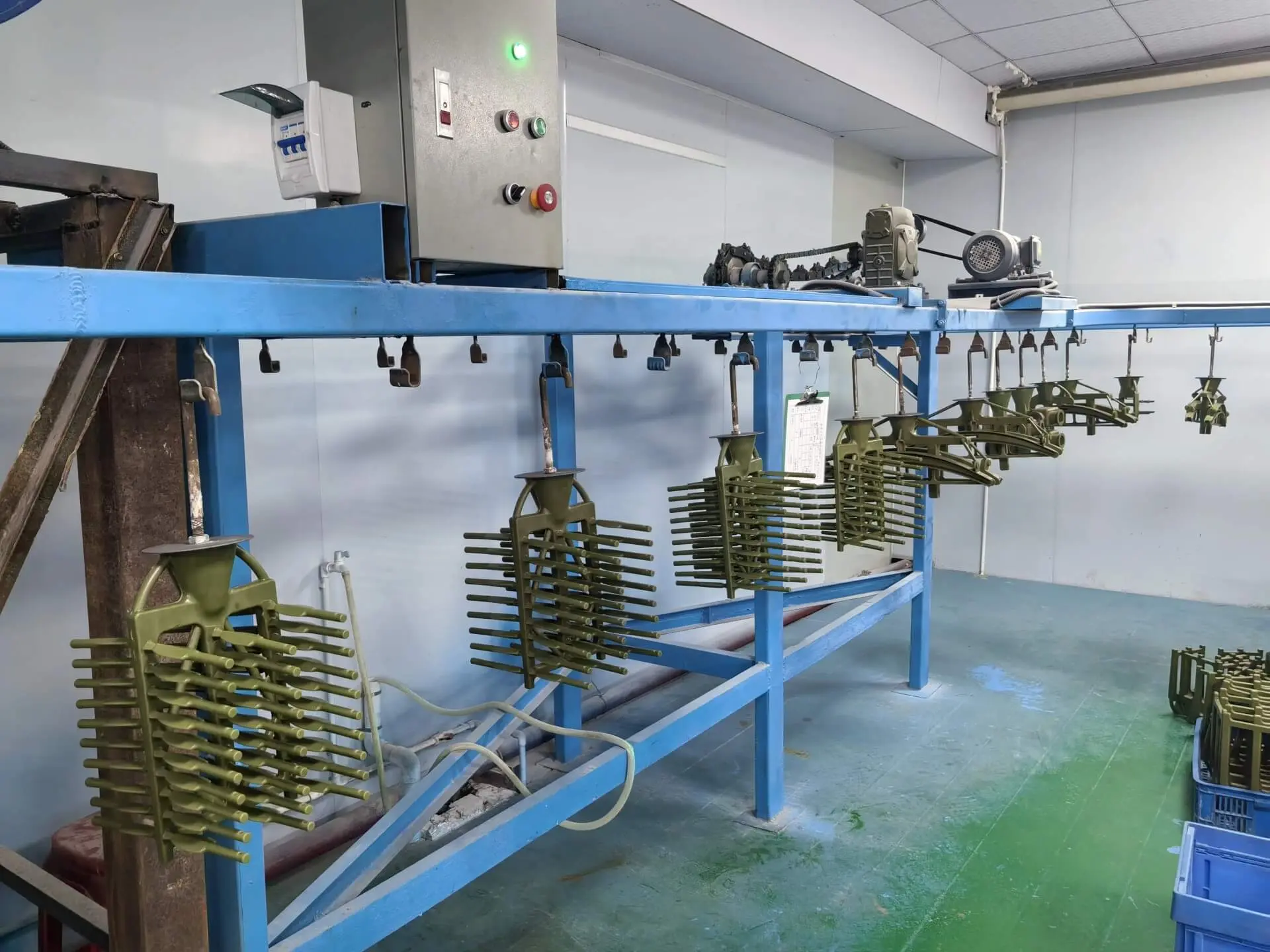
At Dongguan SX Technology Co.,Ltd, quality is the core of our manufacturing process. We maintain professional testing equipment and a team of certified QC personnel. This allows us to work to tight tolerances and meet consistent quality standards.
Our quality control department is equipped with Coordinate Measuring Machines (CMM), optical comparators, digital micrometers, surface roughness testers, and ultrasonic thickness gauges. This metrology equipment allows us to verify:
Operating since 2014, our team works to improve our production capacity and quality assurance protocols. This structure helps ensure that every component matches your engineering specifications.
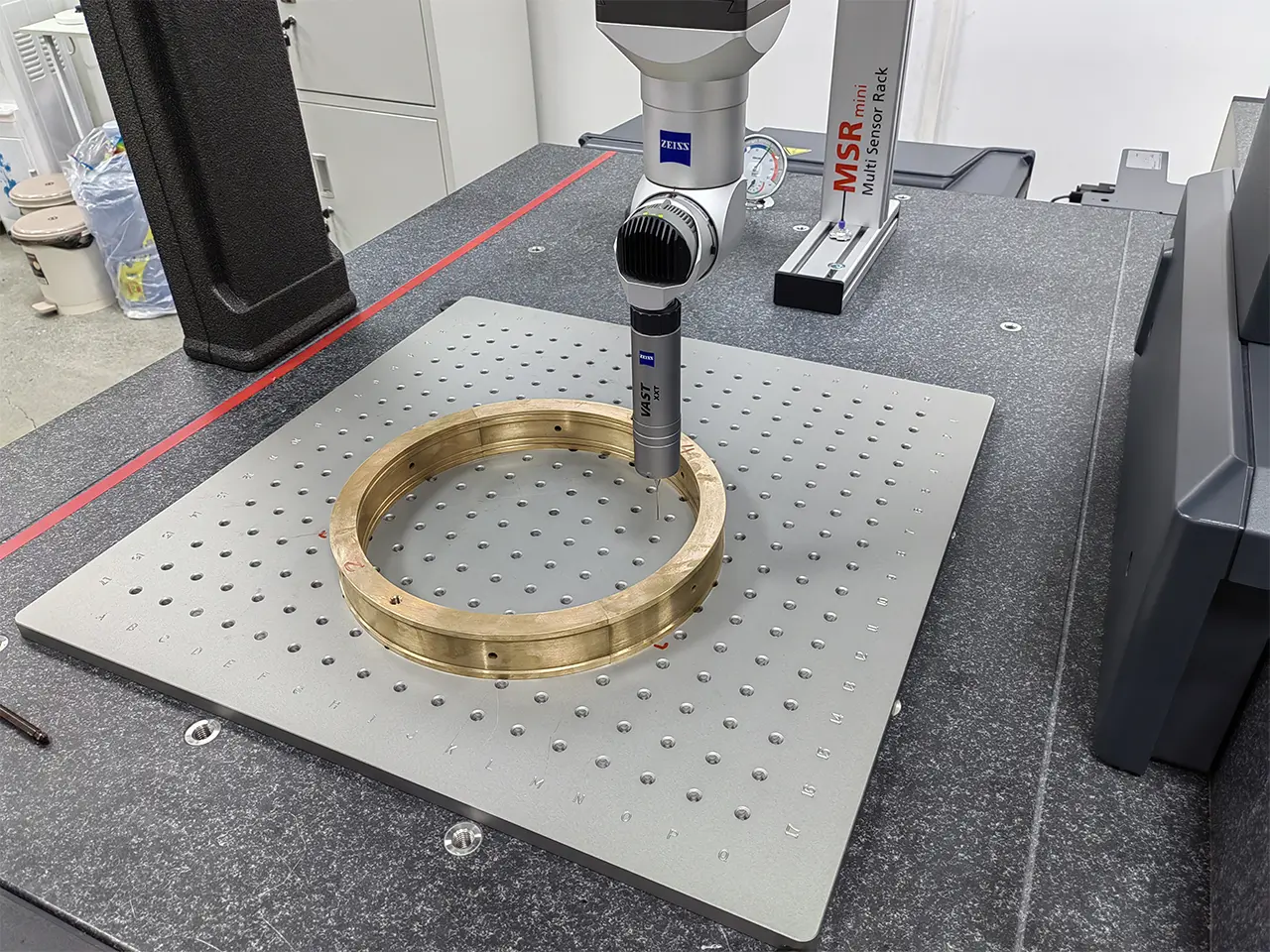
Our engineering roadmap addresses the challenges of high-precision component fabrication.
Machining polymers requires custom tooling geometries. We use high-rake, polished cutting tools to limit heat generation. Vacuum workholding fixtures are deployed to prevent part deflection during high-speed milling.
We align our material sourcing with RoHS, REACH, and FDA regulations. Every raw polymer slab or pellet batch is accompanied by material test reports (MTR) to ensure traceability.
For stable polymers like PEEK and POM (Delrin), we routinely hold tolerances of ±0.01mm. For elastomer-based materials, tolerances generally range from ±0.05mm to ±0.1mm, depending on the part geometry and environmental factors.
Polymers have higher coefficients of thermal expansion (CTE) than metals. We program our toolpaths with customized feeds and speeds, use sharp cutting profiles to limit frictional heat, and verify dimensions in temperature-controlled inspection rooms.
Yes. We machine materials reinforced with glass or carbon fiber, such as PEEK-GF30 or Nylon-GF30. Because these materials are abrasive, we use diamond-coated or carbide tooling to maintain edge sharpness and deliver clean cuts.
Yes. We supply material certifications, including physical properties, chemical composition records, and certificates of compliance (CoC) confirming regulatory alignment with FDA, USP Class VI, RoHS, or REACH standards.
We provide surface finishes ranging from as-machined (typically Ra 1.6-3.2) to polished finishes (Ra 0.4-0.8). Additional processing options include vapor polishing, flame polishing, bead blasting, and textured surface treatments.
For continuous temperatures above 150°C, we typically recommend PEEK or PEI (Ultem). PEEK maintains its mechanical properties up to 250°C, while PEI is a suitable alternative for electrical isolation tasks up to 170°C.
 SX Machining