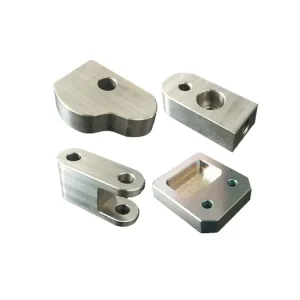
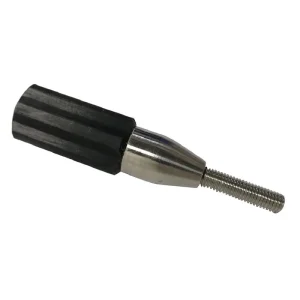
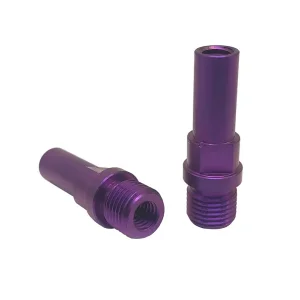
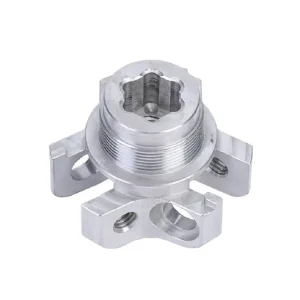
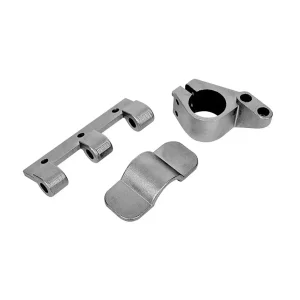
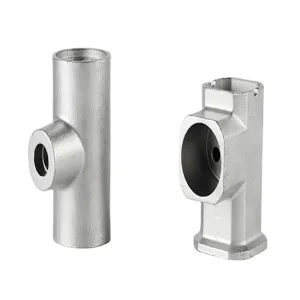
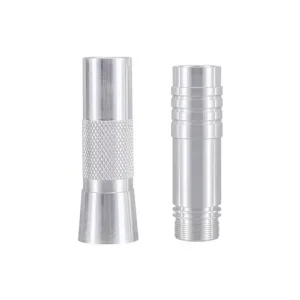
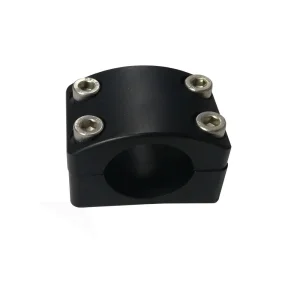
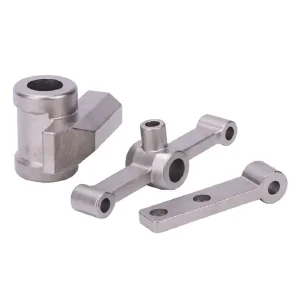
Explore our high-precision custom cast products, meticulously designed to meet the rigorous specifications of global industries.
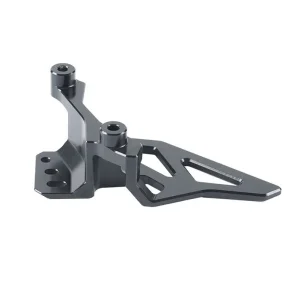
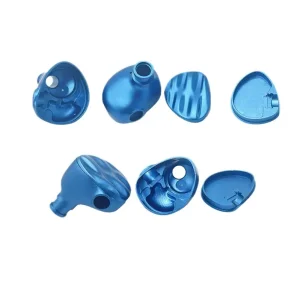
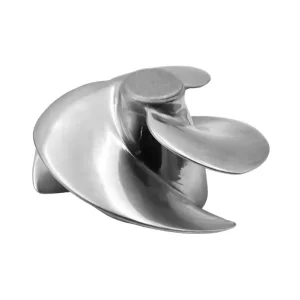
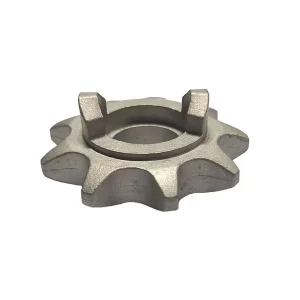
The strategic integration of investment casting and high-precision CNC machining in modern manufacturing ecosystems.
Industrial operations in the 21st century require components that can survive harsh operating environments—ranging from deep-sea offshore exploration to high-velocity aerospace engines. Custom quality castings act as the structural backbone of these high-stress sectors. By transitioning from rough structural castings to high-integrity near-net-shape parts, manufacturers can reduce raw material waste, decrease post-machining time, and improve structural uniformity.
Traditional manufacturing models often struggled with internal voids, shrinkage porosity, and weak grain boundaries. However, contemporary advancements in automated melt control, vacuum induction melting (VIM), and simulation modeling (such as finite element analysis of mold-fill patterns) allow modern foundries to manufacture parts with exceptional structural integrity and mechanical properties.
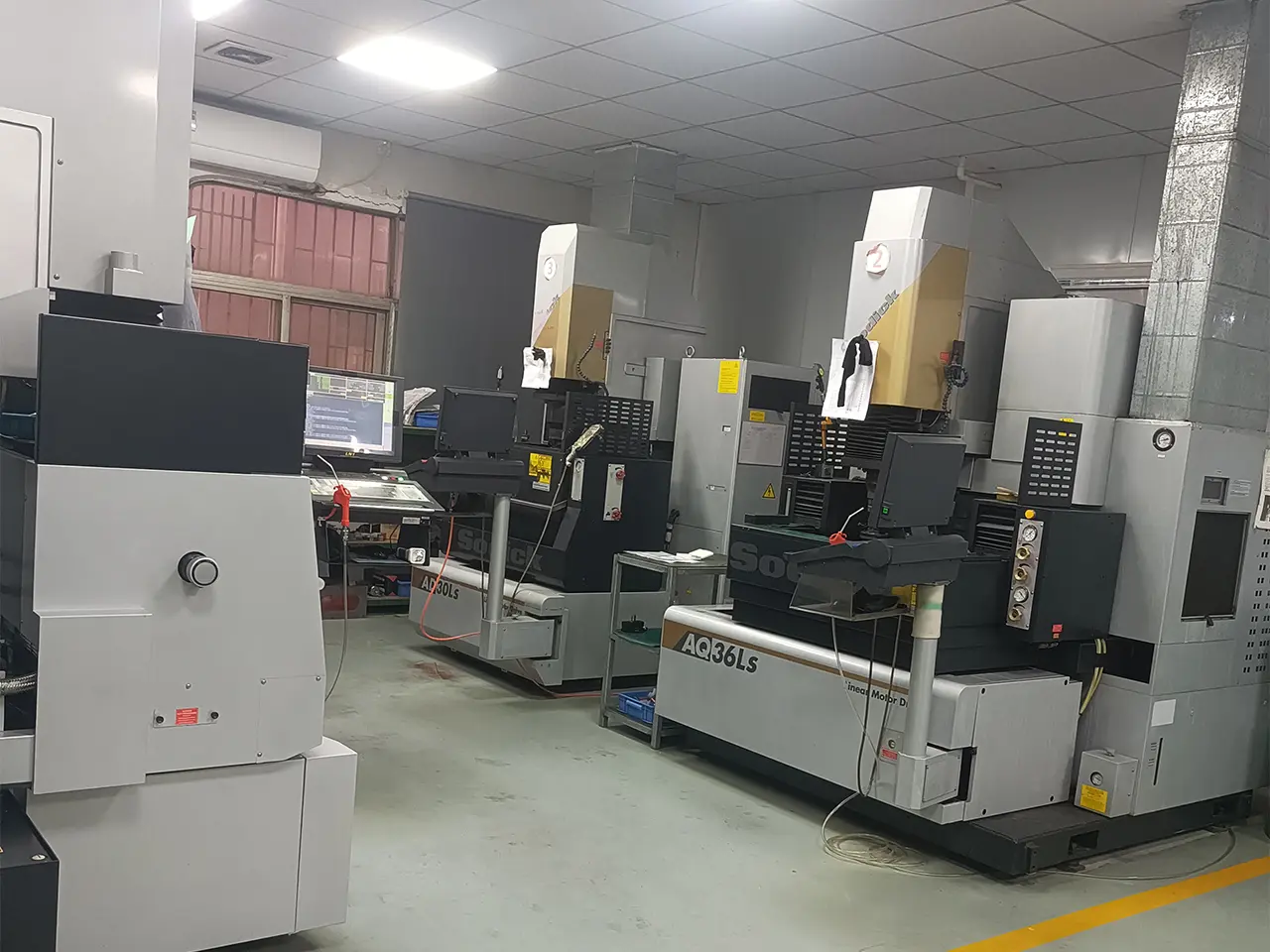
Discover how Dongguan SX Technology Co., Ltd. balances raw metallurgical power with micrometric CNC machining.
Established in 2014, Dongguan SX Technology Co., Ltd. has developed extensive manufacturing capabilities in precision investment casting, multi-axis CNC machining, and complex assembly. We specialize in transforming engineering ideas into functional, high-precision components that meet demanding industrial standards.
We work with a wide range of materials to meet the specific requirements of our clients. For investment casting (lost wax method), we mainly focus on stainless steel and carbon steel. For post-casting refining and standalone precision machining, we process materials such as titanium alloys, stainless steel, carbon steel, aluminum alloys, copper alloys, and cemented carbides.
Our production facilities integrate raw metal casting processes with sub-micron CNC finishing. This approach allows us to serve critical industries, including automotive systems, marine hardware, chemical equipment, valve and pump systems, packaging systems, aerospace components, consumer electronics, and high-strength outdoor sports gear.
Selecting the correct material is critical for ensuring part durability, corrosion resistance, and structural strength. We maintain full traceability and provide material certification for all alloys we process:
Stainless Steel: CF8, CF8M, 304, 316, 316L, 17-4 PH. Provides excellent oxidation resistance and durability in chemical, marine, and food-processing environments.
Carbon Steel: WCB, LCB, WCC, 1020, 1045. A robust solution for high-stress applications in agricultural and structural machinery.
Titanium & Alloys: Grade 2, Grade 5 (Ti-6Al-4V) for high strength-to-weight ratios.
Aluminum Alloys: 6061-T6, 7075-T6, 2024. Ideal for lightweight structures and high heat-dissipation components.
Copper Alloys: Brass, Bronze, C11000 Copper. Chosen for electric conductivity and low friction.
A closer look at our machinery, processing units, and quality control systems.
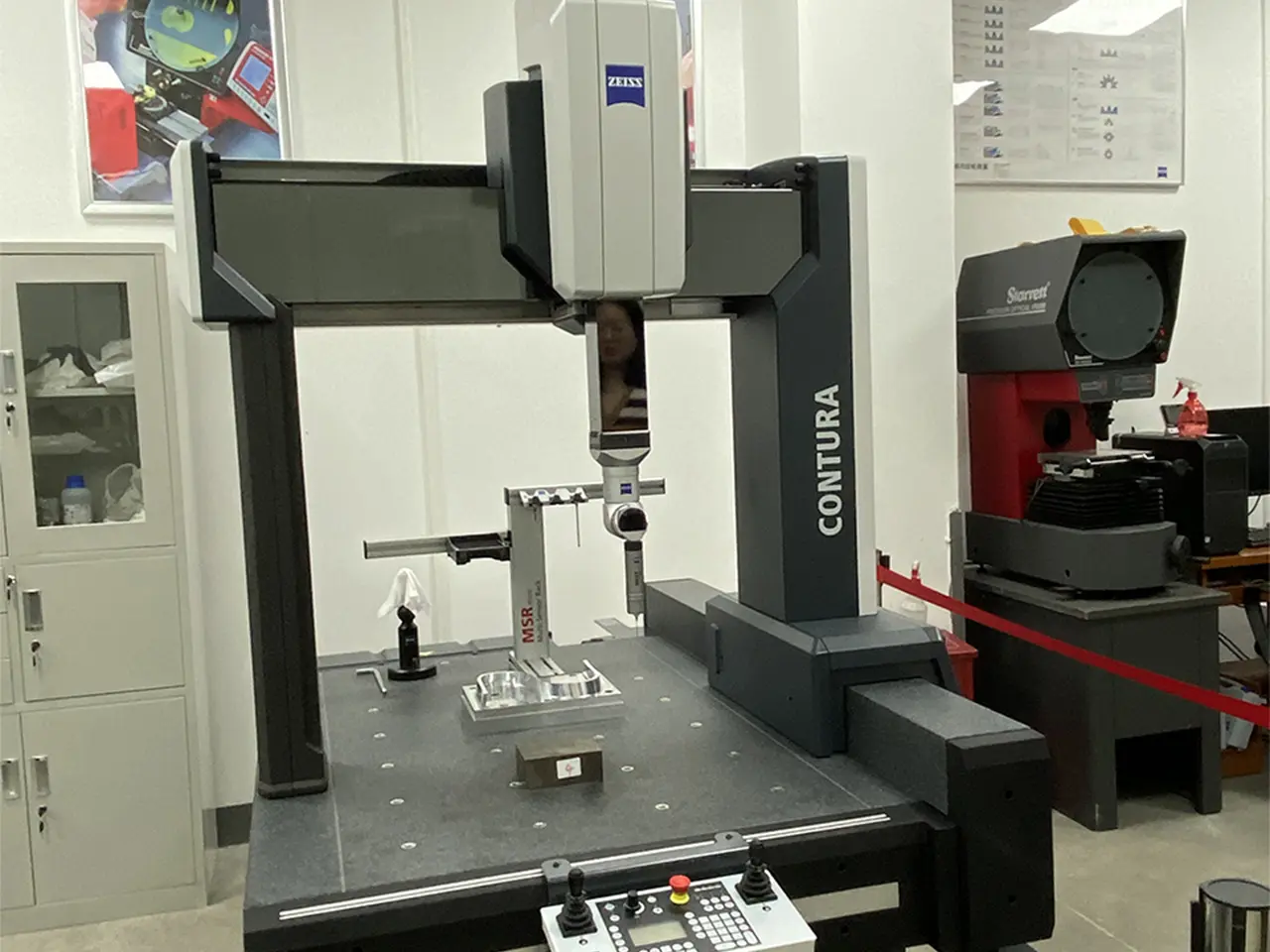
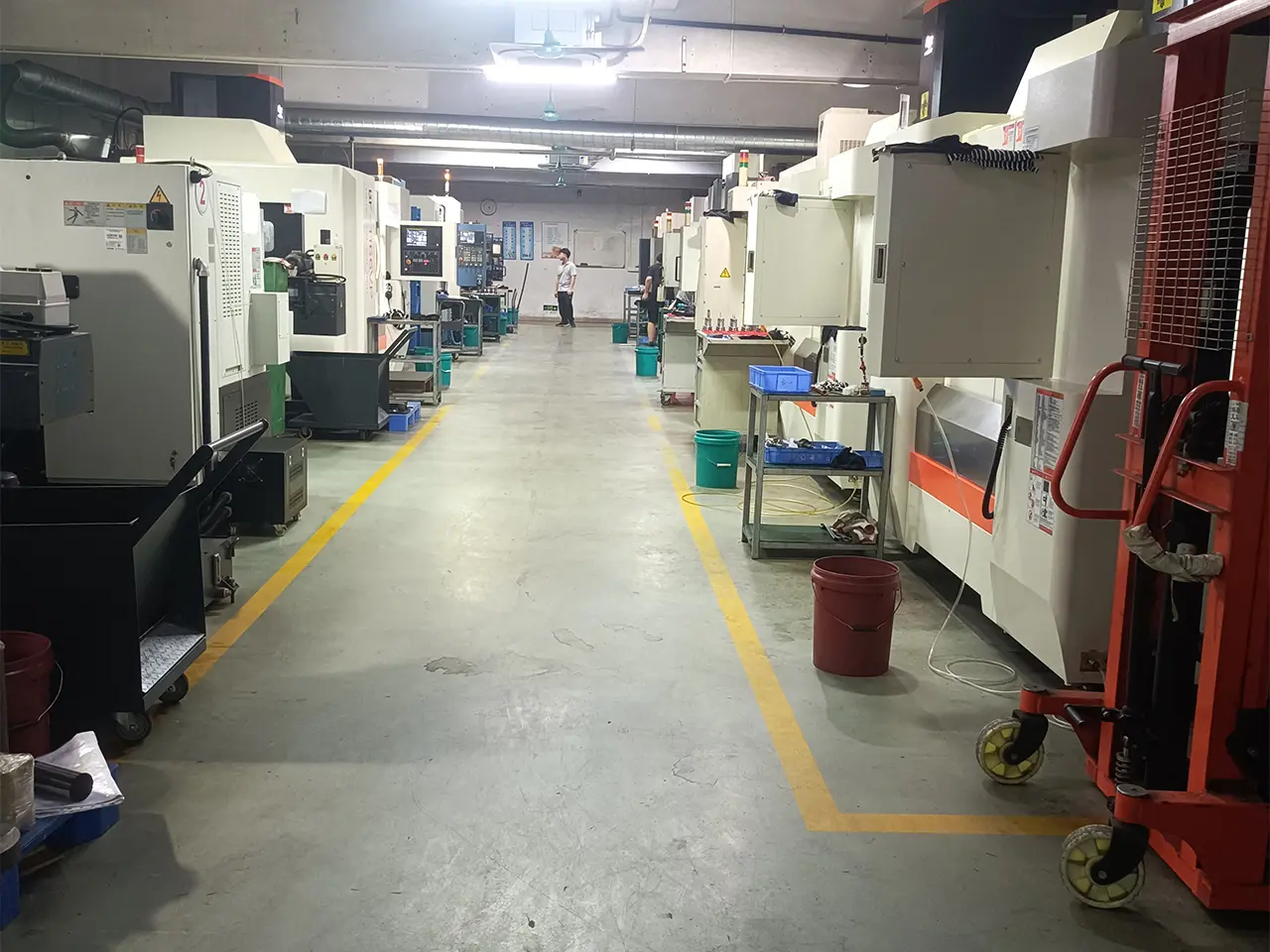
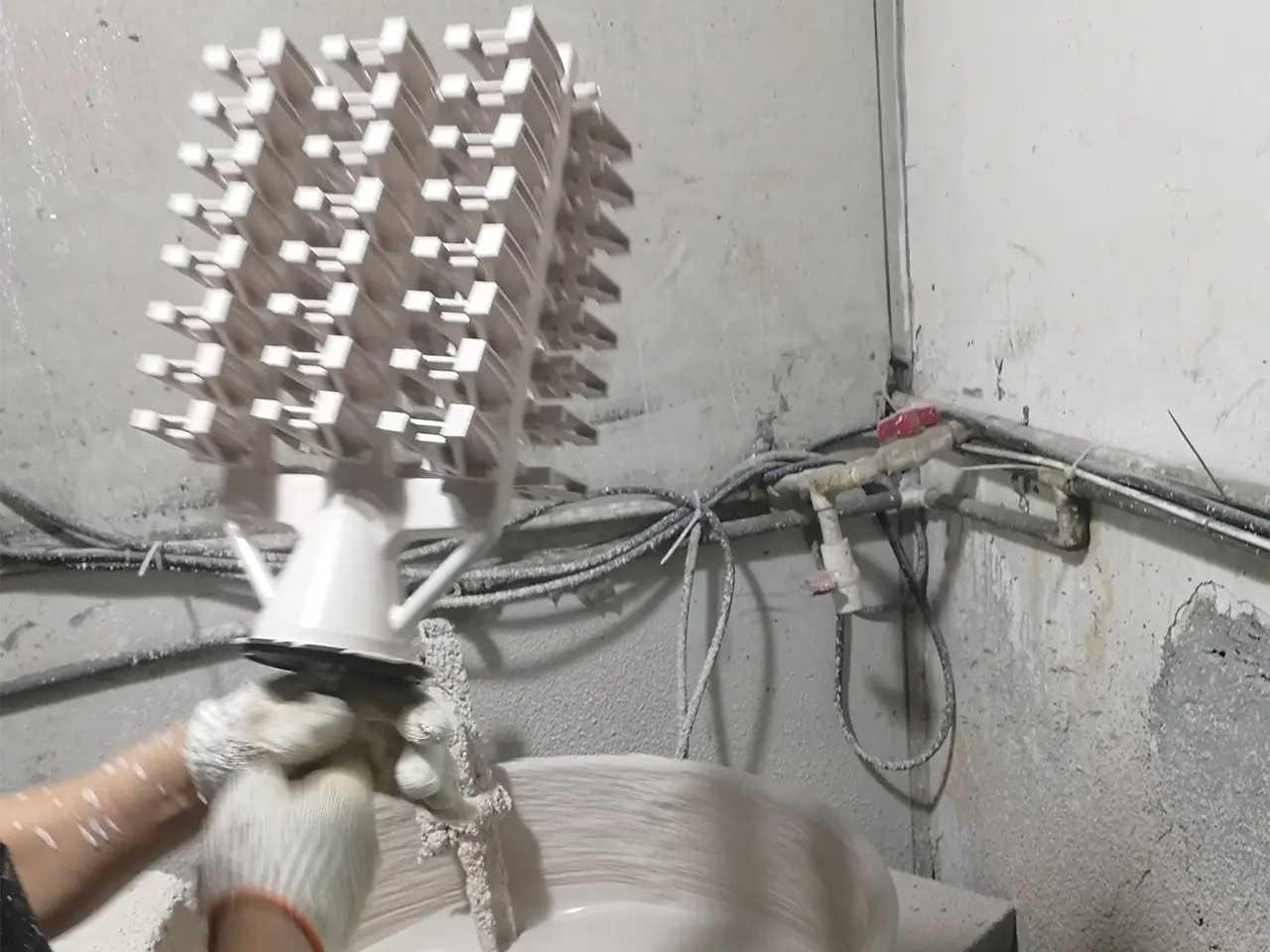
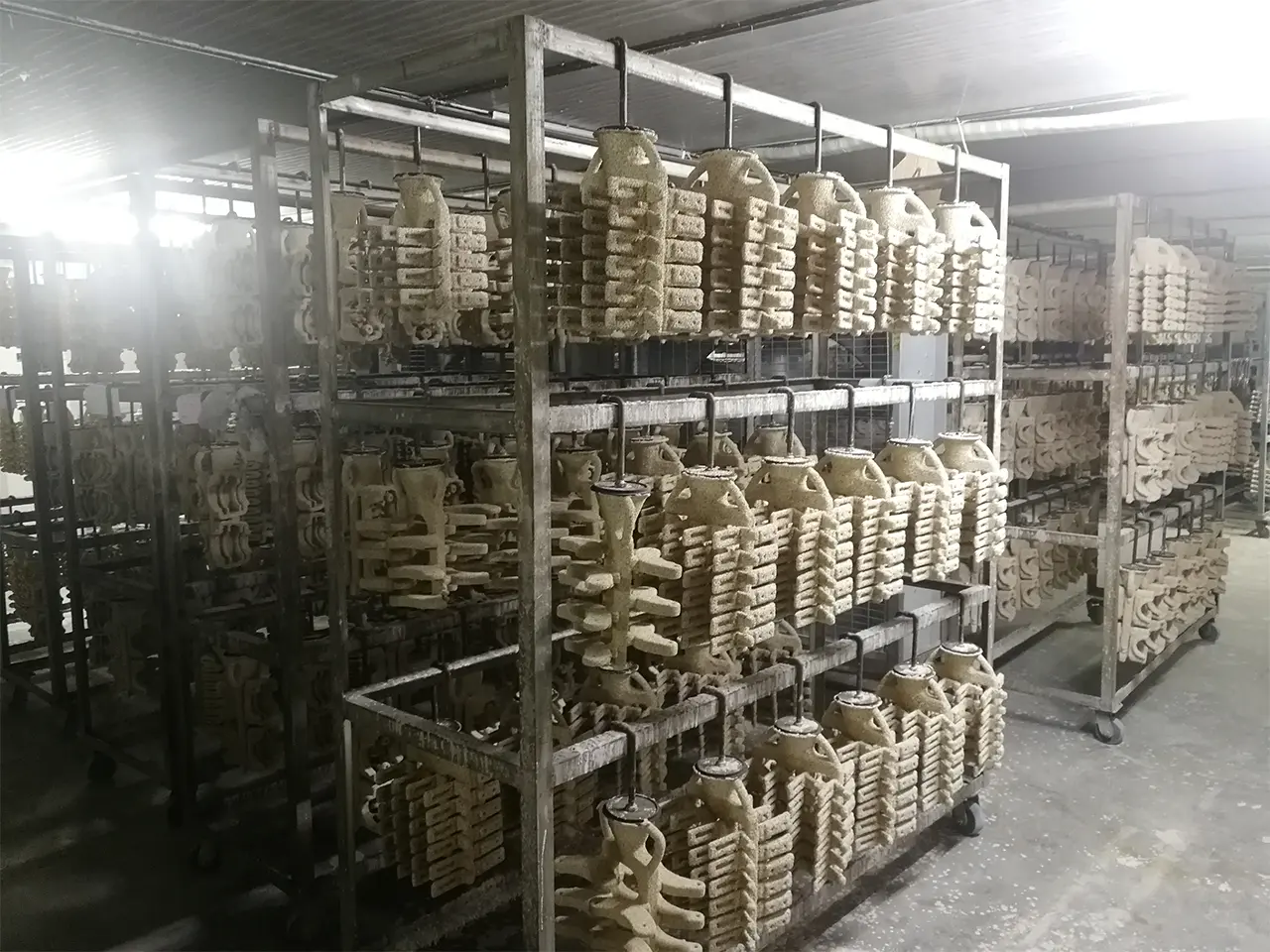
Quality control is fundamental to precision manufacturing. At Dongguan SX Technology Co., Ltd., we use advanced testing equipment and a dedicated quality control team to verify that every component complies with your exact design drawings and material specifications.
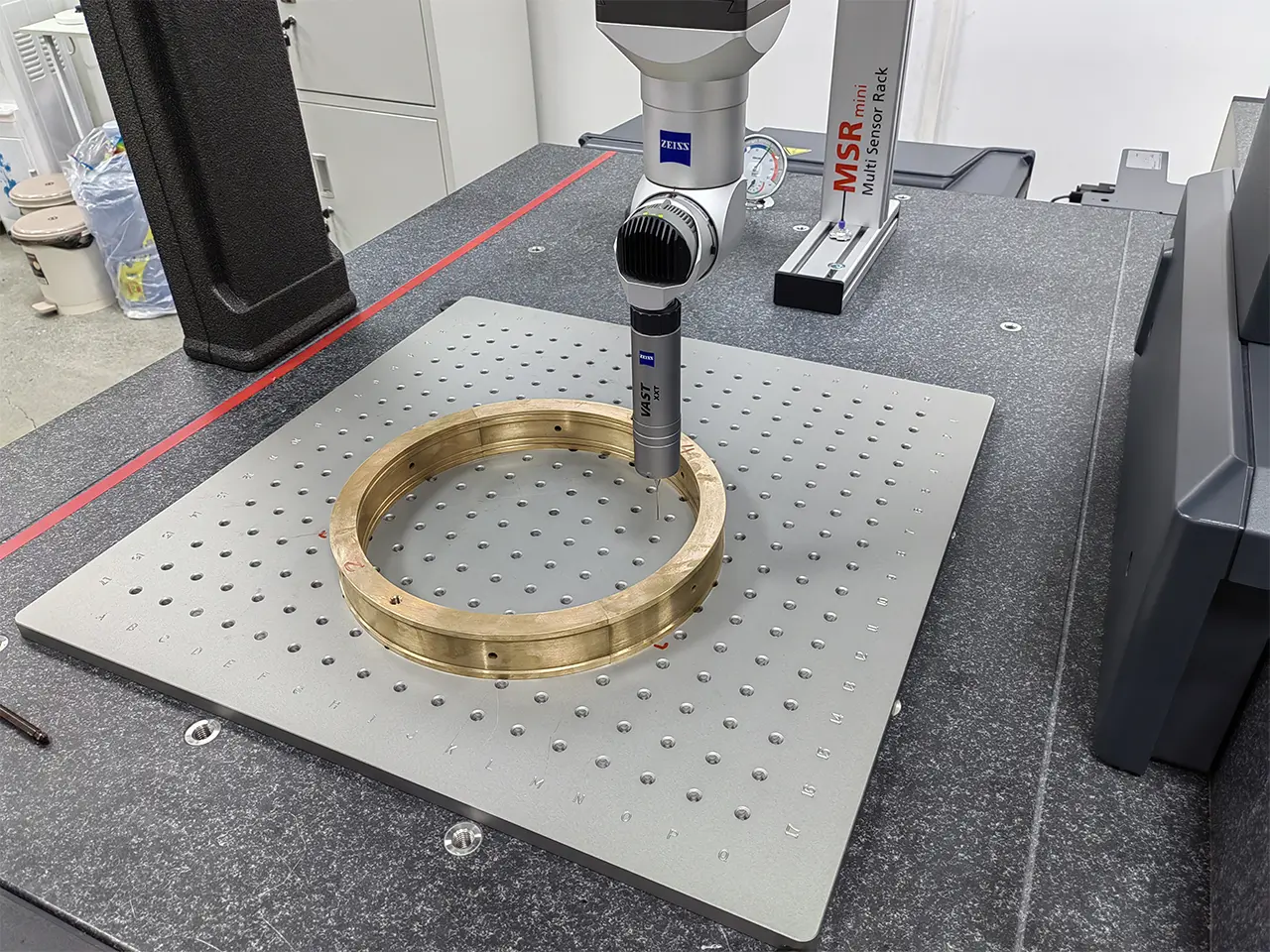
Our quality control workflow includes chemical composition analysis, dimensional inspection, and mechanical testing. We utilize coordinate measuring machines (CMM), optical spectrometers, non-destructive testing (NDT) methods like dye penetrant and magnetic particle inspection, and surface roughness gauges to monitor quality throughout production.
By enforcing strict tolerances and checking for microscopic internal porosity, we ensure that every batch of casting and CNC-machined components performs reliably in its end-use environment.
How the custom casting industry is adapting to digital workflows, automation, and green manufacturing.
Combining additive manufacturing (3D sand printing and stereolithography wax pattern printing) with traditional investment casting. This hybrid approach enables the rapid production of complex, thin-walled geometries without requiring expensive initial tooling.
Integrating real-time sensor monitoring during both the casting solidification and CNC machining processes. Automated optical inspections and AI-assisted X-ray radiography help identify internal shrinkage and tool wear anomalies quickly.
Optimizing energy use in melting systems, utilizing scrap metal recycling loops, and using advanced mold designs to minimize material waste. This focus supports global initiatives for sustainable and environmentally responsible manufacturing.
Custom-engineered components designed to perform in challenging environments.
Seawater environments require high corrosion resistance. We manufacture valve bodies, pump impellers, propellers, and deck fittings in 316L stainless steel and custom bronze alloys. These components are cast and machined to withstand pitting, crevice corrosion, and mechanical wear.
Modern vehicle engines, transmissions, and suspension assemblies rely on high mechanical strength. We produce precision gear blanks, brackets, link rods, and turbocharger housings. These parts are engineered to perform reliably under high vibration and thermal stress.
Handling high pressures, corrosive chemicals, and elevated temperatures requires robust castings. Our investment-cast valve bodies, disc gates, and pump housings offer smooth internal fluid passages and dense microstructures, helping to prevent leakage and pressure loss.
Get answers to common technical questions about our custom casting and precision machining processes.
Explore the second half of our high-precision product portfolio, engineered for reliability across complex industries.
 SX Machining