Explore our primary selection of lost-wax investment castings and high-tolerance CNC-machined metal components engineered for demanding industrial ecosystems.
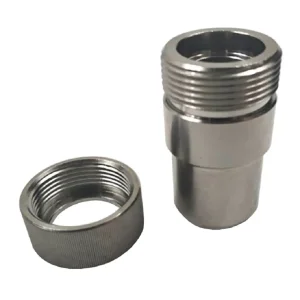
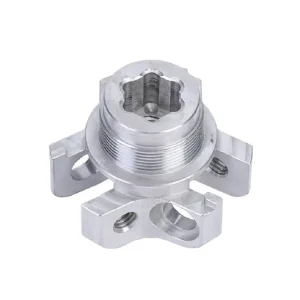
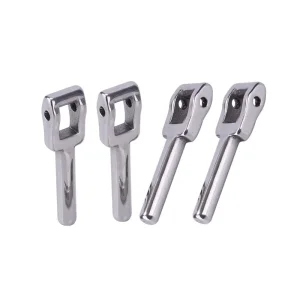
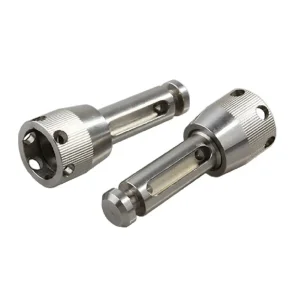
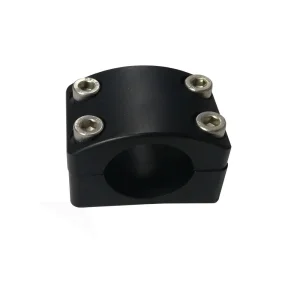
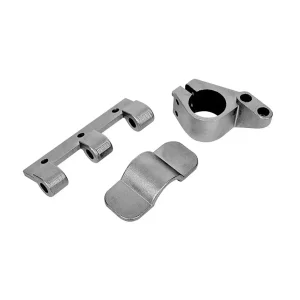
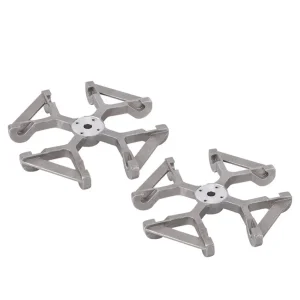
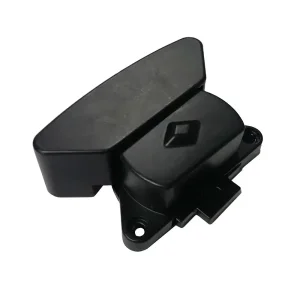
Established in 2014, Dongguan SX Technology Co., Ltd. has developed into a premier global manufacturing partner specializing in high-precision investment casting (lost wax process), state-of-the-art CNC machining, and comprehensive mechanical assemblies. Serving mission-critical industries including aerospace, medical devices, marine structures, automotive engineering, high-pressure valves, pumps, and structural building hardware, we combine deep metallurgical expertise with advanced manufacturing technologies.
Our core competency lies in handling advanced alloys and complex geometries. We work extensively with high-performance materials such as titanium alloys, medical-grade stainless steel (316L, 17-4 PH), carbon steel, engineering aluminum alloys, copper alloys, and cemented carbides. By bridging localized production agility with international quality benchmarks, we deliver end-to-end solutions that satisfy strict structural tolerances and mechanical requirements.
Operating from Dongguan, the world's leading advanced manufacturing cluster, we integrate supply-chain agility with advanced metallurgical processing to deliver unprecedented quality-cost dynamics.
Located in Dongguan's industrial heartland, we sit alongside raw-material refiners, specialized thermal processing plants, surface finishers, and logistics hubs. This geographical proximity reduces production lead times and logistical overheads, enabling rapid prototype turns and stable production scaling.
We combine traditional investment casting techniques (lost-wax process) with modern simulation tools. By deploying 3D mold-flow simulations, digital solidification modeling, and rapid 3D printing of wax patterns, we identify and eliminate shrinkage defects and gas porosity before physical casting begins.
Our facility maximizes resource utilization. Through highly automated CNC machinery, optimized scrap metal recovery systems, and high-density casting layout designs, we provide highly competitive pricing for high-integrity components, without compromising raw material certification or quality assurance.
Selecting the right material is essential to withstand corrosive environments, structural fatigue, and severe thermal stresses. Our capabilities cover a broad range of high-performance alloys.
Equipped with high-performance casting lines and precise multi-axis CNC machining centers, our facility guarantees repeatability across high-volume production and complex prototype batches.
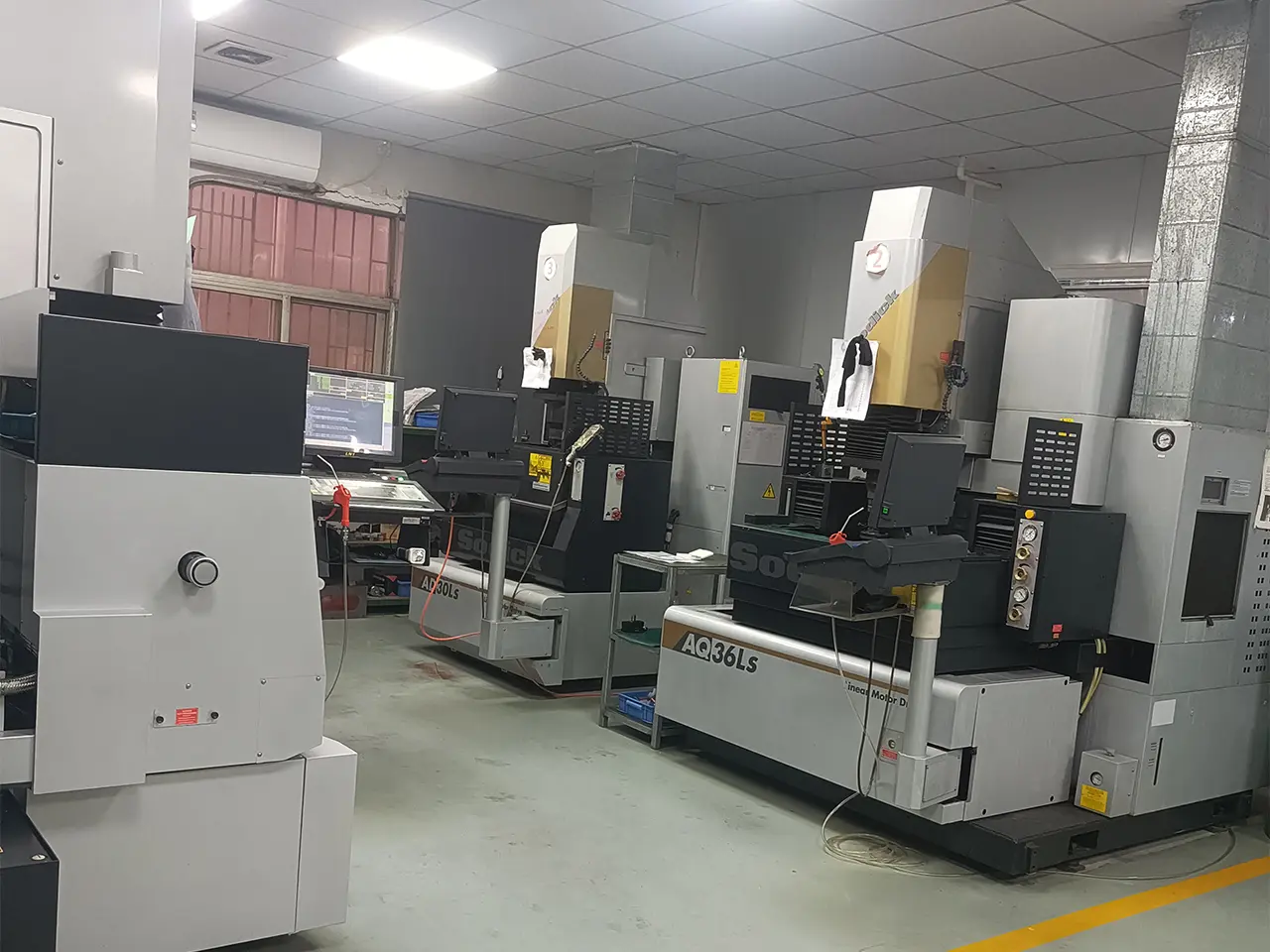
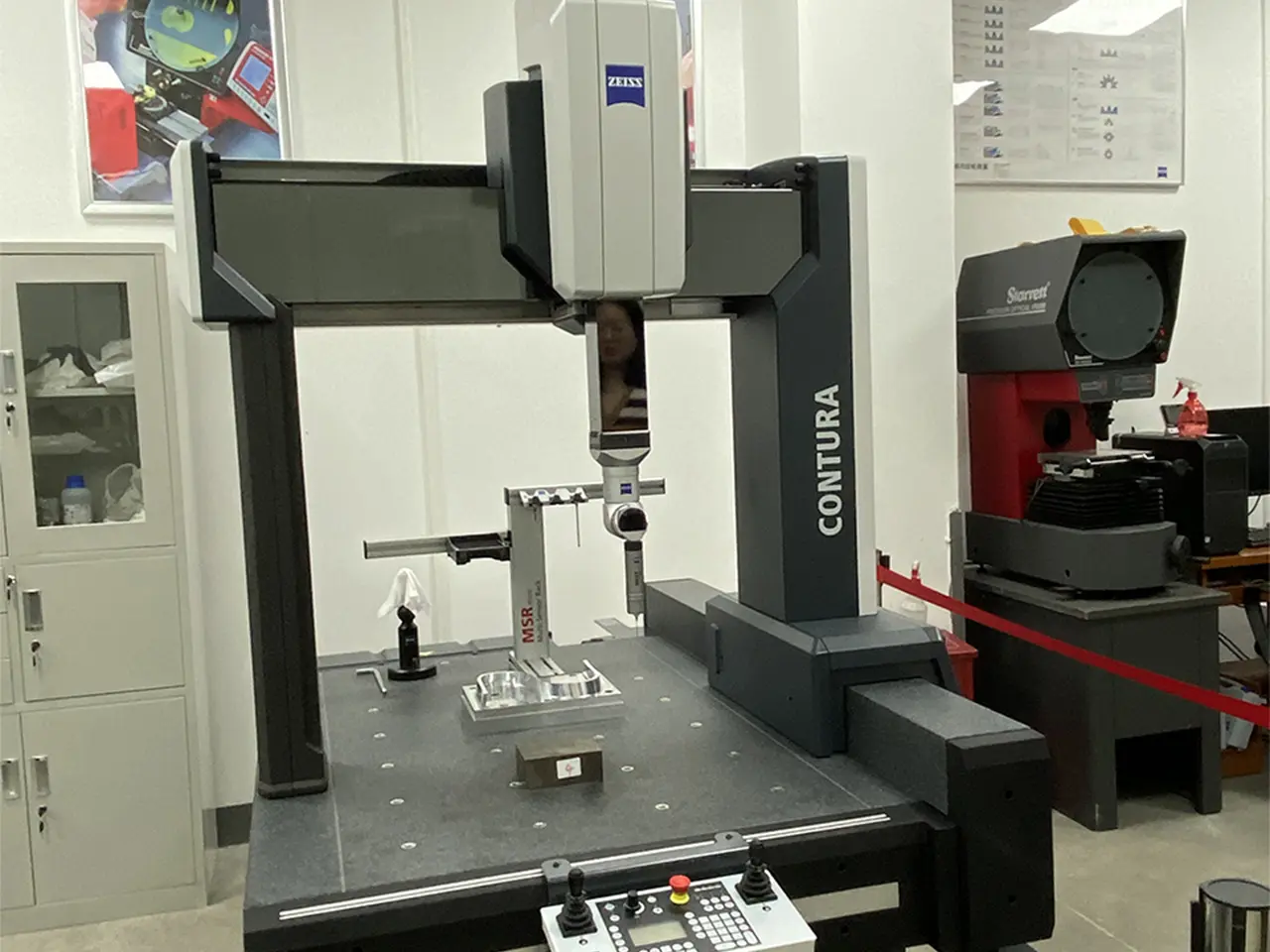
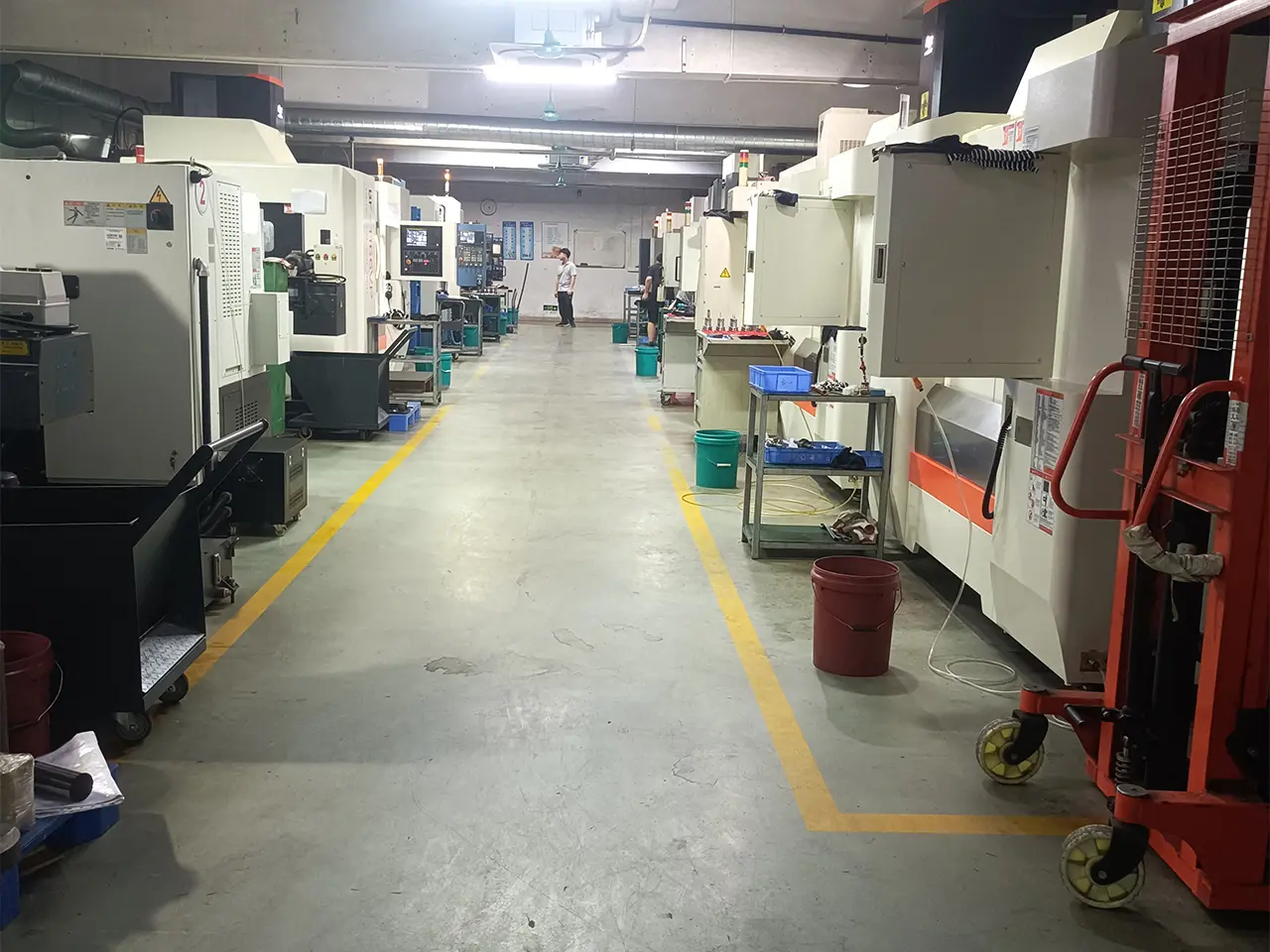
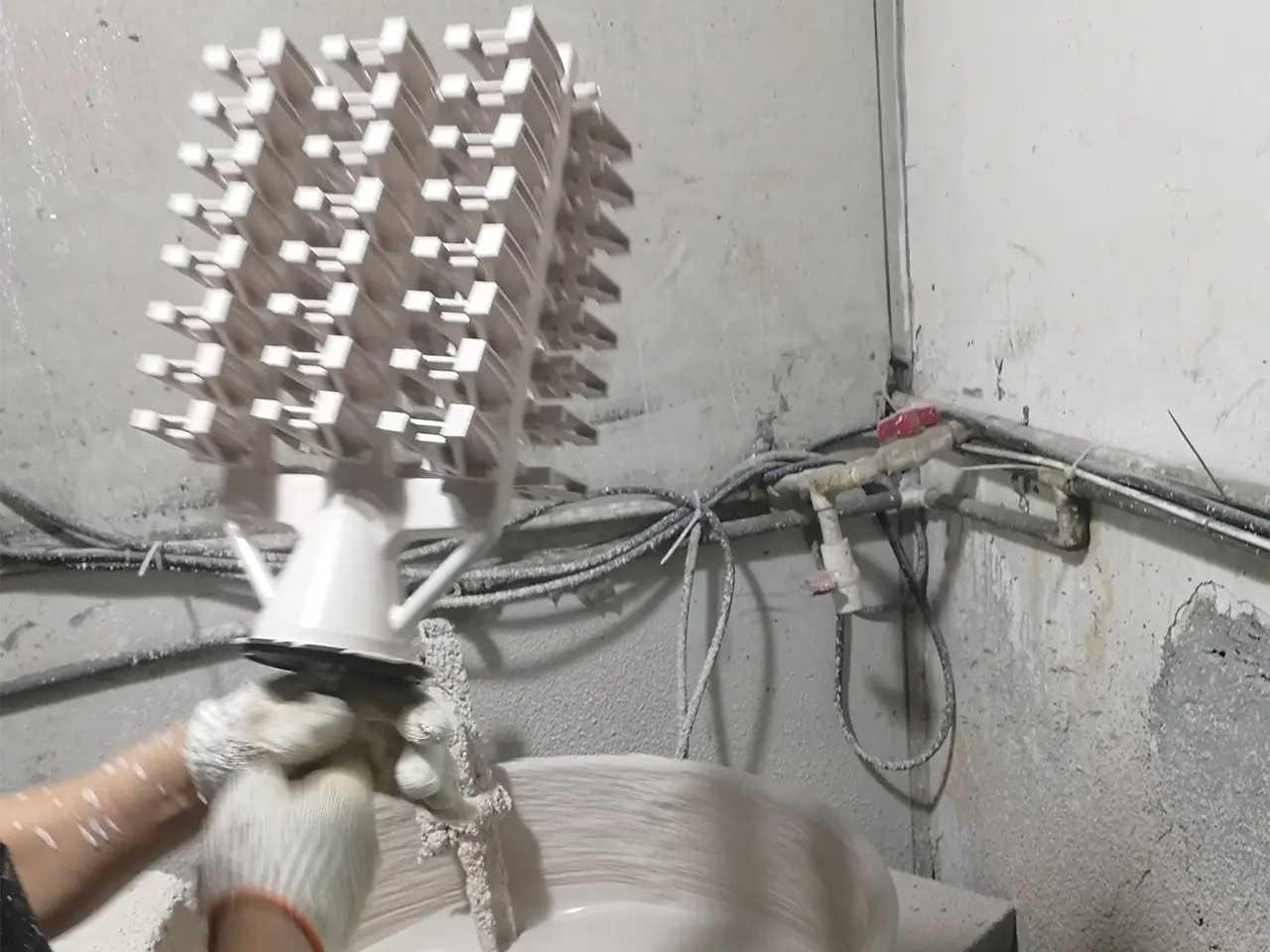
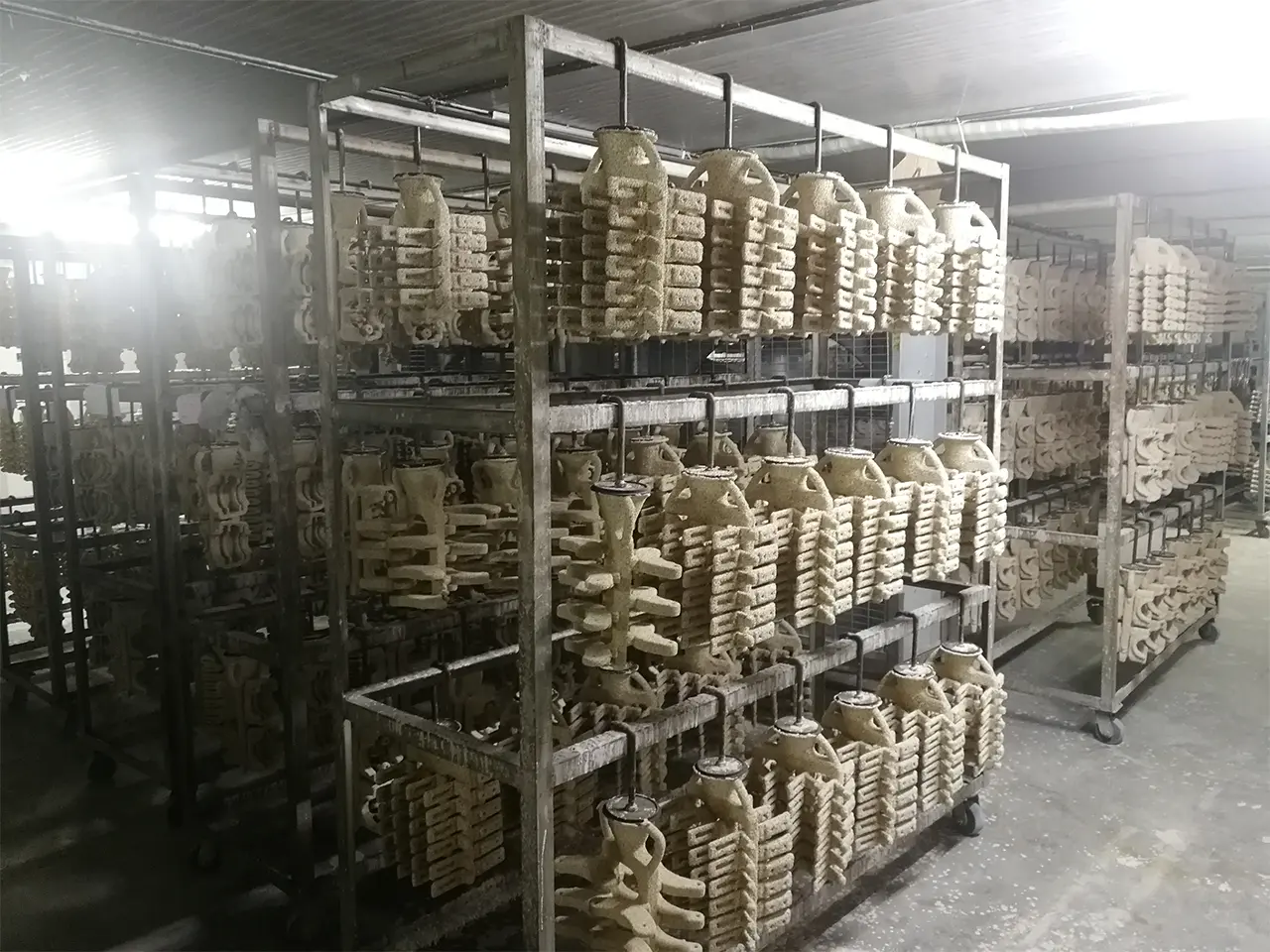
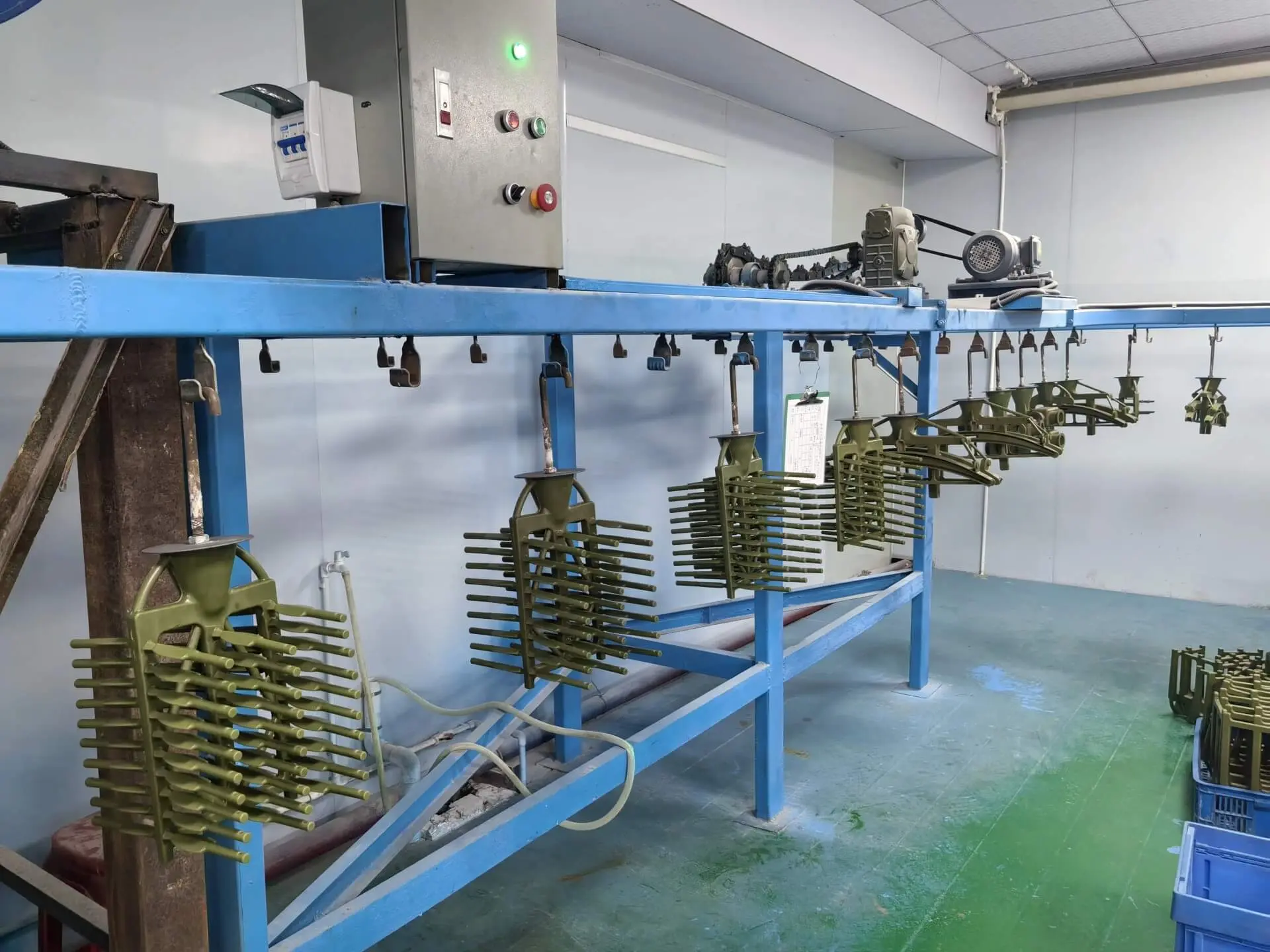
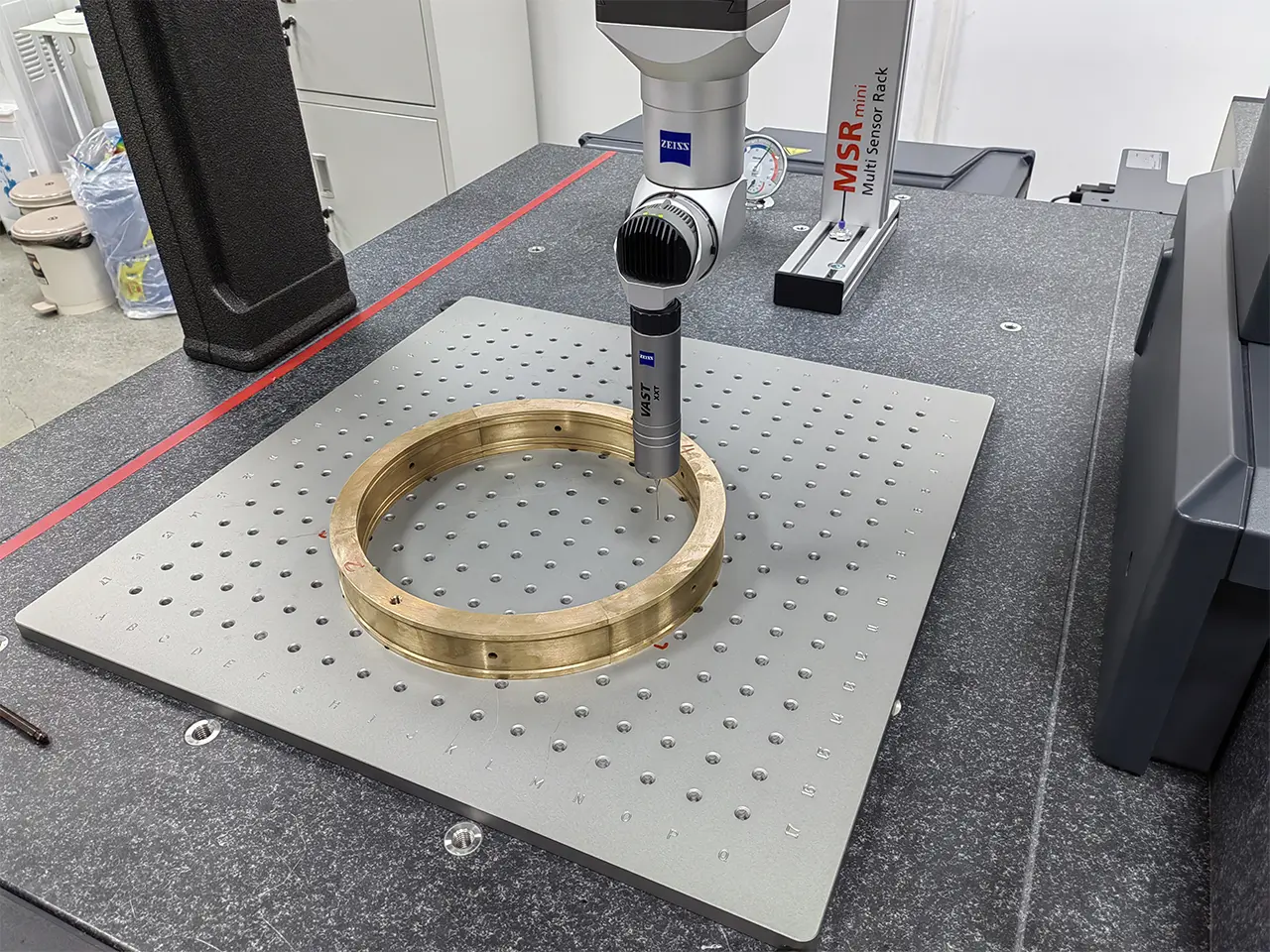
For safety-critical industrial applications, consistency is paramount. We maintain a zero-defect quality system designed to evaluate and verify material and dimensional conformance. Every batch of castings and machined parts undergoes strict inspections.
Our in-house quality inspection department is equipped with coordinate measuring machines (CMM), optical emission spectrometers for material grade verification, ultrasonic flaw detectors, dye penetrant inspection tools, and digital hardness testers. We adhere strictly to custom drawing specifications, raw material standards, and structural density criteria.
We supply finished castings and precision parts designed for localized service conditions and diverse international operating environments.
Utilizing high-purity titanium alloys and medical-grade stainless steel, we manufacture surgical fittings, orthopedic implant structures, and valve assemblies for clinical instrumentation, offering high strength-to-weight ratios and bio-inert performance.
Our marine engineering components, including impellers, subsea brackets, and structural piping joints, utilize lost-wax stainless steel and duplex alloys to withstand harsh chloride exposure and prevent pitting corrosion under high pressure.
For high-end architectural fixtures and smart home equipment, we deliver high-precision castings featuring fine surface textures. These parts undergo meticulous post-cast CNC machining to enable seamless mechanical integration and clean, modern aesthetics.
The precision casting and machining industry is modernizing rapidly. We are incorporating smart manufacturing processes to support sustainable, high-precision engineering.
Using 3D printed PMMA or wax patterns for complex parts allows us to skip tooling phases. This speeds up rapid prototyping and facilitates structural weight optimization without compromising structural integrity.
Before metal enters a ceramic shell mold, we model casting parameters using mold-flow simulation software. This approach minimizes porosity risks, stabilizes crystallization patterns, and ensures reliable material density.
We work to reduce emissions and power consumption by integrating energy-efficient induction furnaces, sand reclamation systems, closed-loop water cooling, and raw material recycling into our daily foundry operations.
Procuring custom metal castings and multi-axis machined parts requires rigorous quality gatekeeping. We support global sourcing directors by providing traceablity, technical compliance, and documented material certifications.
Our documentation packages include chemical composition sheets, mechanical testing metrics, Heat Treatment charts, and dimensional inspection records. By keeping clear records of raw material heats, casting yields, and final CNC steps, we ensure consistency across every production run.
Additionally, we coordinate international shipping logistics, providing customs clearing support, ocean freight configurations, and moisture-controlled packaging to protect machined tolerances during transit.
Answers to technical questions regarding dimensional tolerances, metallurgical control, and custom manufacturing solutions.
Investment casting (lost wax) typically yields linear tolerances of ±0.1% to ±0.2% of the nominal dimension (often conforming to ISO 8062 Grade CT4-CT6). CNC post-machining is applied to critical features, achieving tolerances as tight as ±0.005mm to accommodate bearing interfaces, seal channels, and threaded ports.
Silica sol binder provides superior surface finishes (typically Ra 3.2 to 6.3 μm) and tighter dimensional control. Unlike water glass, it prevents surface decarburization and minimizes dimensional deformation during firing, making it ideal for precision stainless steel and alloy castings.
Every melt batch undergoes Optical Emission Spectroscopy (OES) analysis before pouring. We verify alloying elements, like Aluminum and Vanadium in Grade 5 Titanium, to ensure they fall within nominal limits. Customers receive a certified material test report (MTR) tracing the heat code back to the ingot.
We use Non-Destructive Testing (NDT), including Ultrasonic Inspection and industrial Radiography (X-Ray), to find sub-surface porosity or shrinkage cavities. Additionally, we conduct pressure testing on valve and pump housings to verify their sealing performance.
Yes, our machining facility utilizes multi-axis CNC milling and turning centers to machine components from solid bar stock, extrusions, or raw billets. This is ideal for prototypes or low-volume runs where casting molds are not cost-effective.
We provide a wide range of surface finishes, including shot blasting, bead blasting, chemical passivation, electropolishing, anodizing (Type II and Type III), physical vapor deposition (PVD), powder coating, and chrome plating to meet specific corrosion resistance and cosmetic requirements.
We prioritize IP security. We sign Non-Disclosure Agreements (NDAs) before receiving customer CAD data and drawings. We use secure servers to manage data and restrict access to authorized engineering and QC staff.
New casting setups take 3 to 4 weeks for tooling design and pattern creation, followed by initial sample submission. Upon sample approval, production takes 4 to 6 weeks, depending on batch sizes and post-processing requirements.
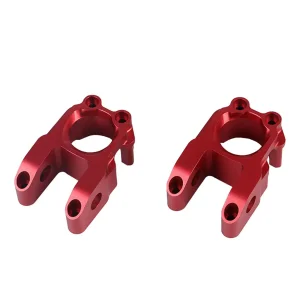
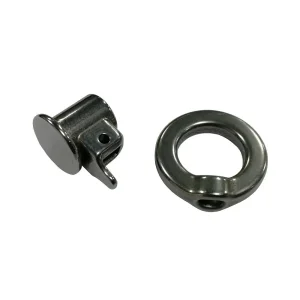
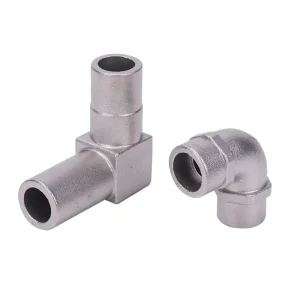
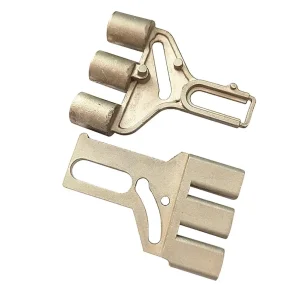
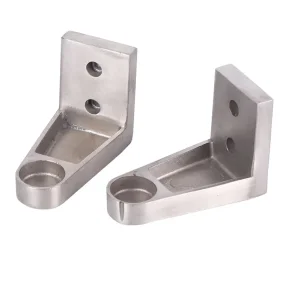
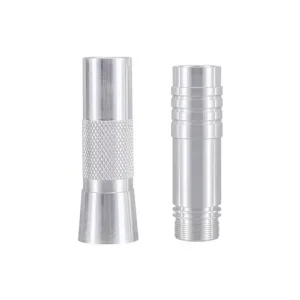
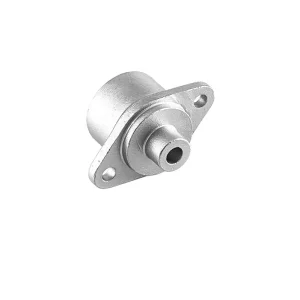
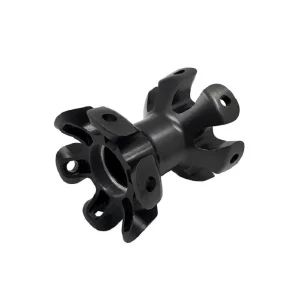
Select from our specialized line of automotive, marine structural, and smart housing castings manufactured to tight international specifications.
 SX Machining