Direct manufacturer output showing the integration of design complexity, material purity, and micron-level post-processing.
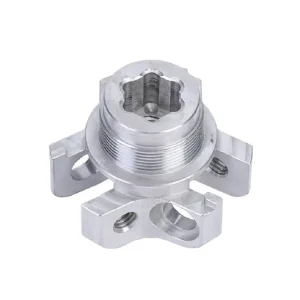
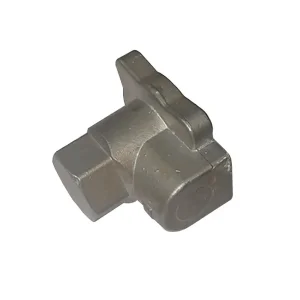
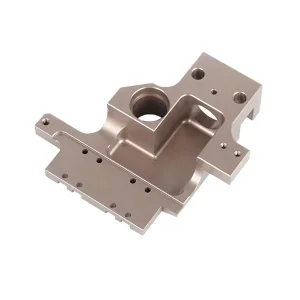
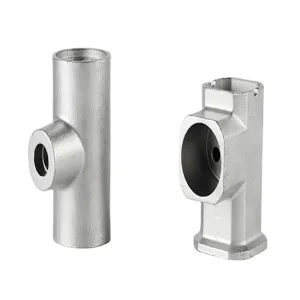
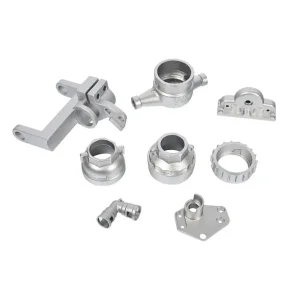
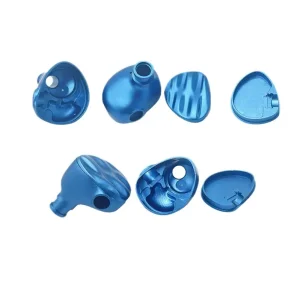
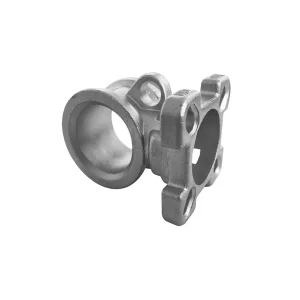
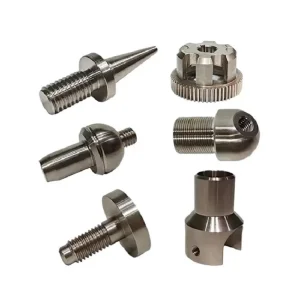
In modern industrial applications, the sourcing of casting iron parts is no longer just a transaction based on lowest-cost per kilogram. High-performance mechanical assemblies—ranging from hydraulic valves and turbine housings to automotive engine components and marine infrastructure—demand strict compliance with microstructural standards, precise geometric tolerances, and flawless structural integrity. Standard cast iron pieces face massive failure risks under dynamic loads if problems like internal shrinkage, gas porosity, or graphite configuration flaws slip past quality control.
For procurement directors and design engineers, identifying a factory that combines robust foundry processes with precision post-casting machining is vital. Quality castings depend on carefully managing raw materials, controlling cooling rates in the mold, and executing precise thermal treatments. A top-tier foundry must possess not only automated sand casting or investment casting (lost wax) tooling, but also advanced metrology equipment and high-end multi-axis CNC machines to transition the raw cast form into functional, ready-to-assemble components.
Dongguan SX Technology Co.,Ltd has very rich experience in precision casting, CNC machining and assembly. Our products are used in machinery, automobiles, marine, ships, equipment, valves and pumps, electronic appliances, packaging, watches, construction, chemical industry and other industries.
The most commonly used materials for investment casting are stainless steel and carbon steel. And the most commonly used materials for CNC machining include titanium alloy, stainless steel, carbon steel, aluminum alloy, copper alloy, cemented carbide, etc. We have advanced manufacturing equipment and technology and are able to respond quickly to your needs.
By unifying metallurgical expertise and CNC machining capabilities under a single roof, we eliminate intermediate supply chain delays and reduce quality discrepancy disputes between third-party cast suppliers and machine shops.
Why leading OEMs concentrate their custom casting and precision machining operations within Southern China's industrial corridor.
Southern Chinese industrial hubs integrate raw ore sourcing, complex foundry melting, secondary chemical heat treatment (annealing, tempering), and multi-axis CNC finishing within a 50km radius, reducing logistical transit times to absolute minimums.
Utilizing high-end CAD modeling combined with 3D-printed sand molds and rapid tooling processes, Chinese factories reduce standard pre-production mold prototyping phases from months to days, speeding up time-to-market for complex engineering builds.
Modern Chinese foundries employ real-time spectrometer assays, oxygen-nitrogen analyzers, and computer-controlled furnace chemistry tracking to adjust elements like carbon, silicon, manganese, phosphorus, and sulfur for optimized mechanical performance.
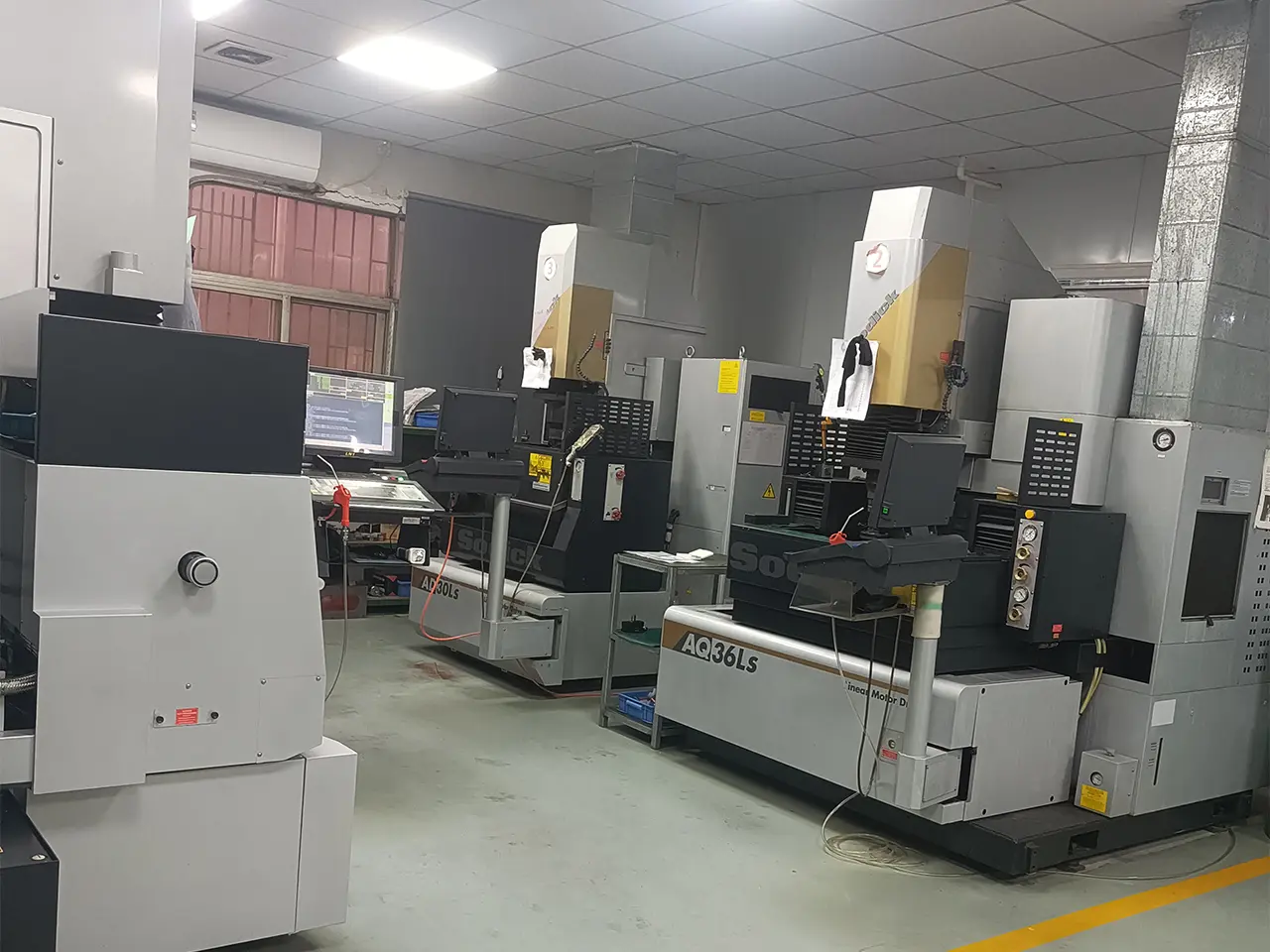
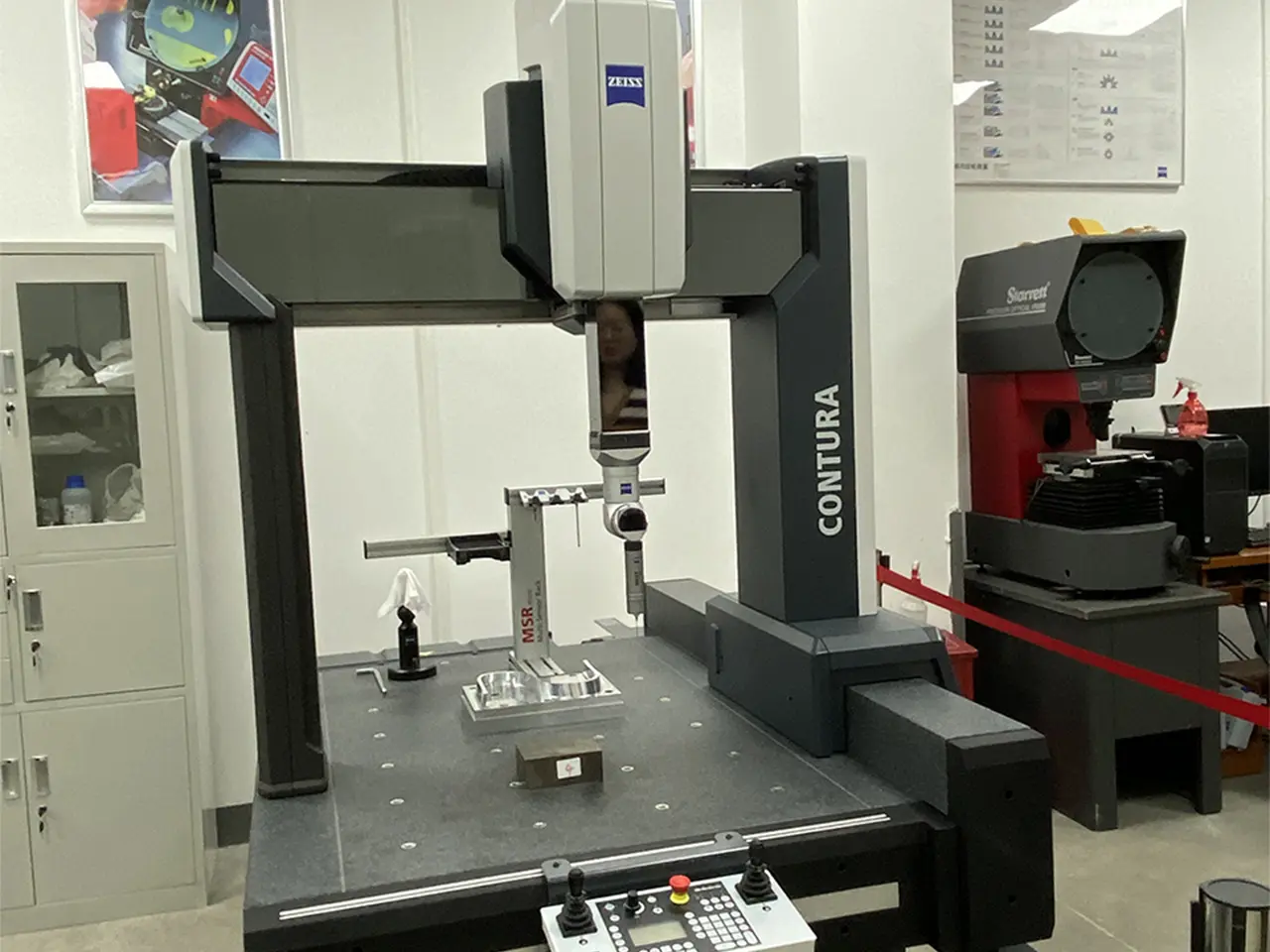
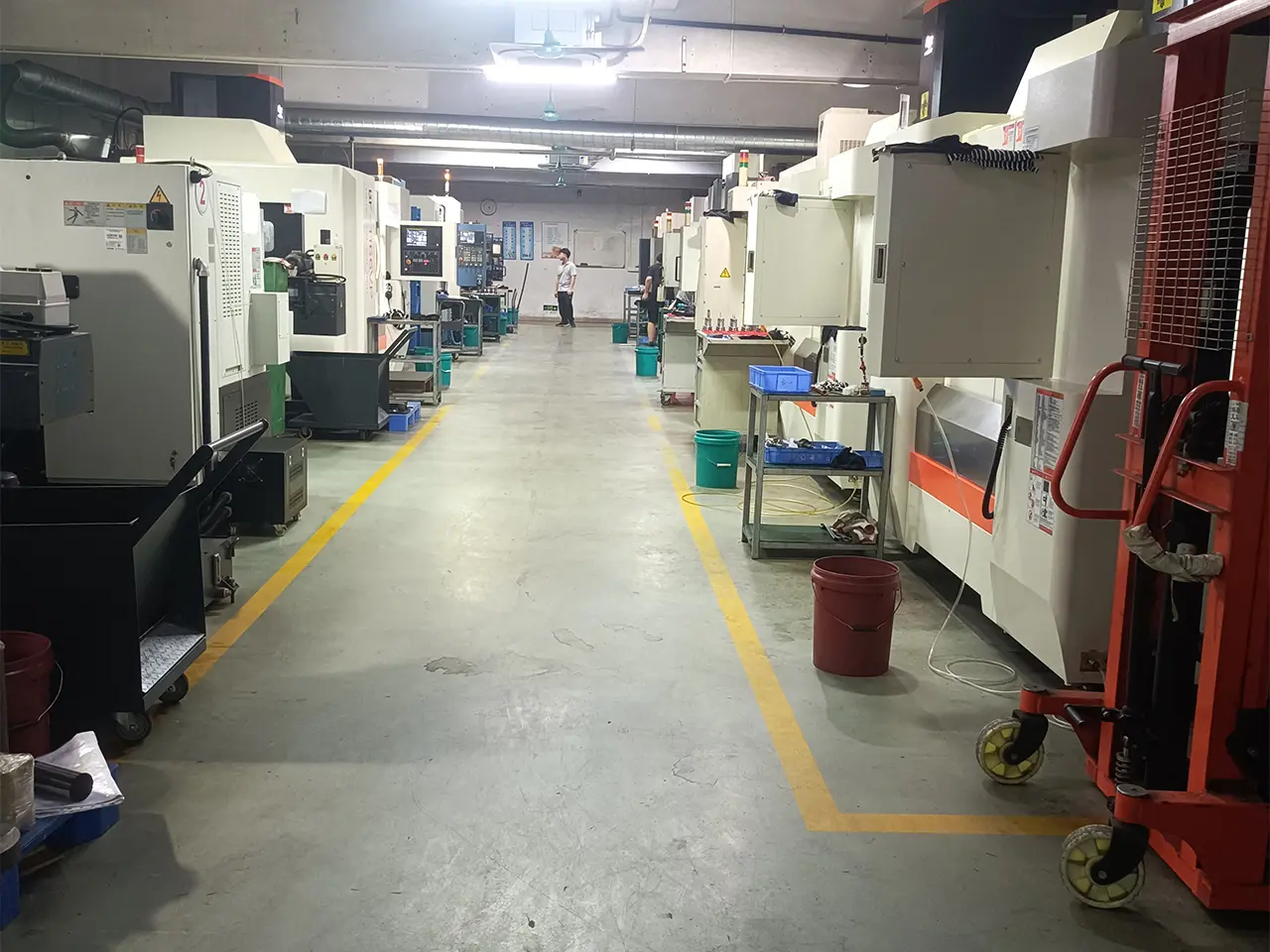
A visual walkthrough of our foundry and CNC machining areas, where raw metal transforms into precision-engineered parts.
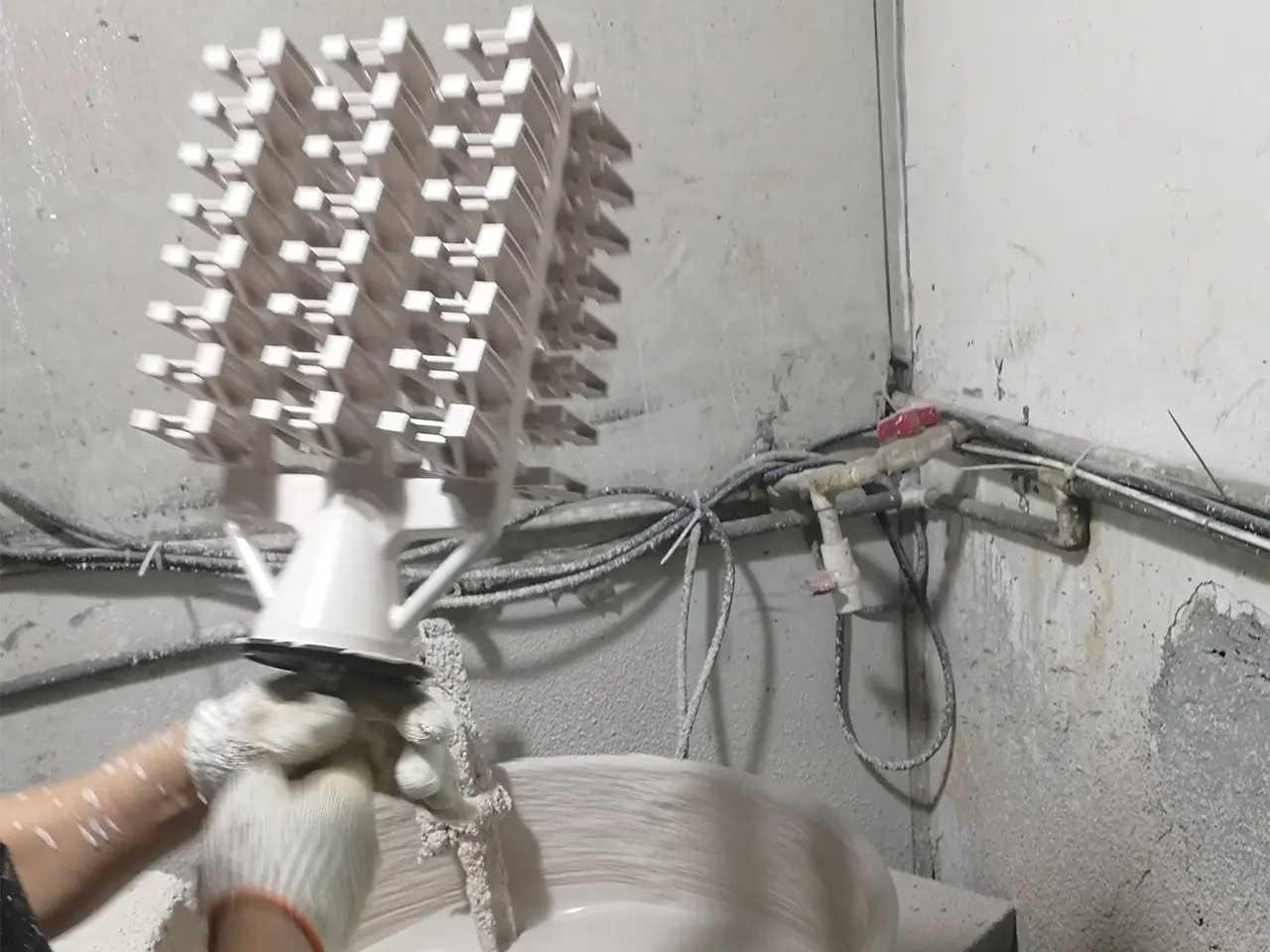
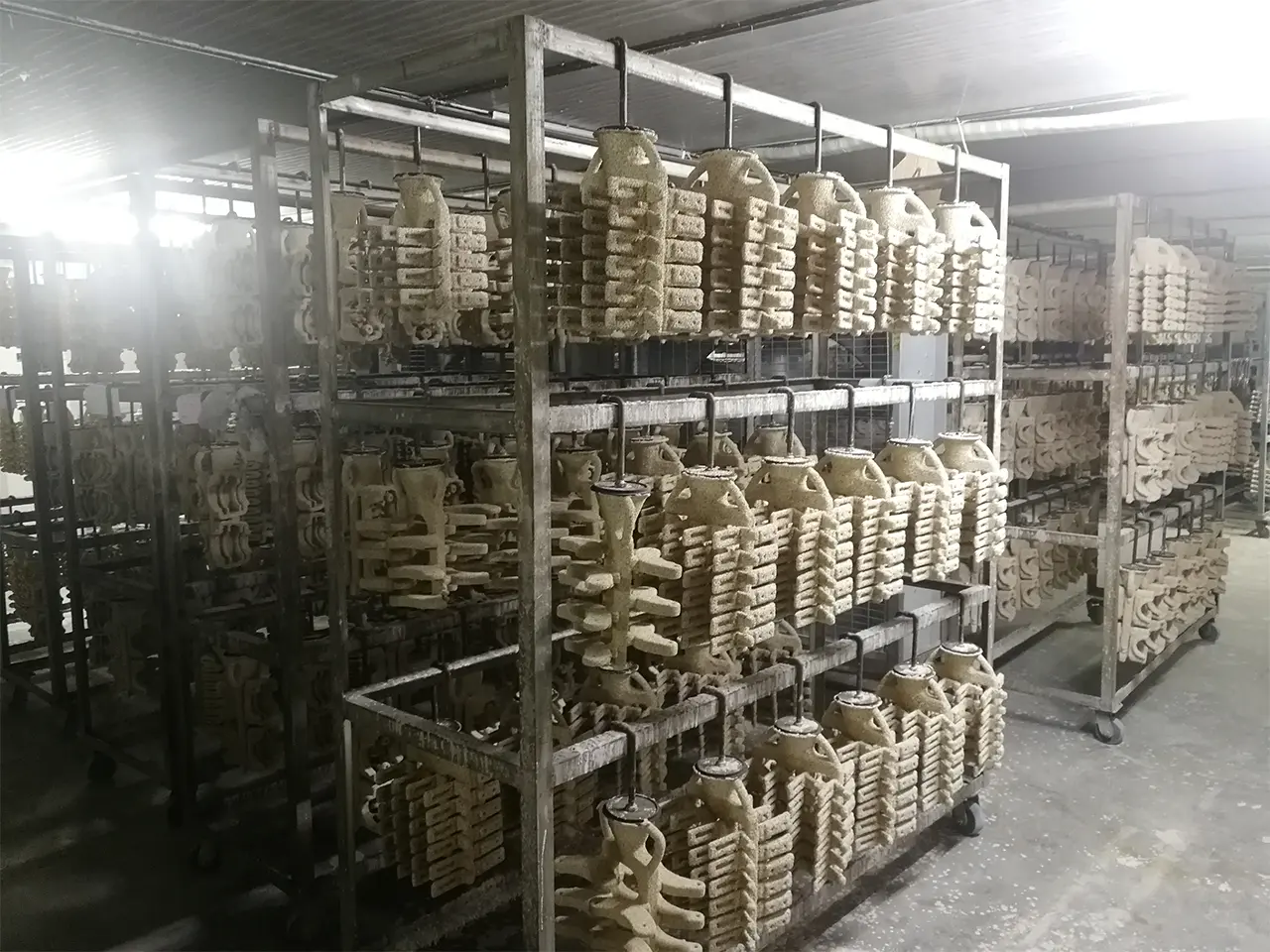
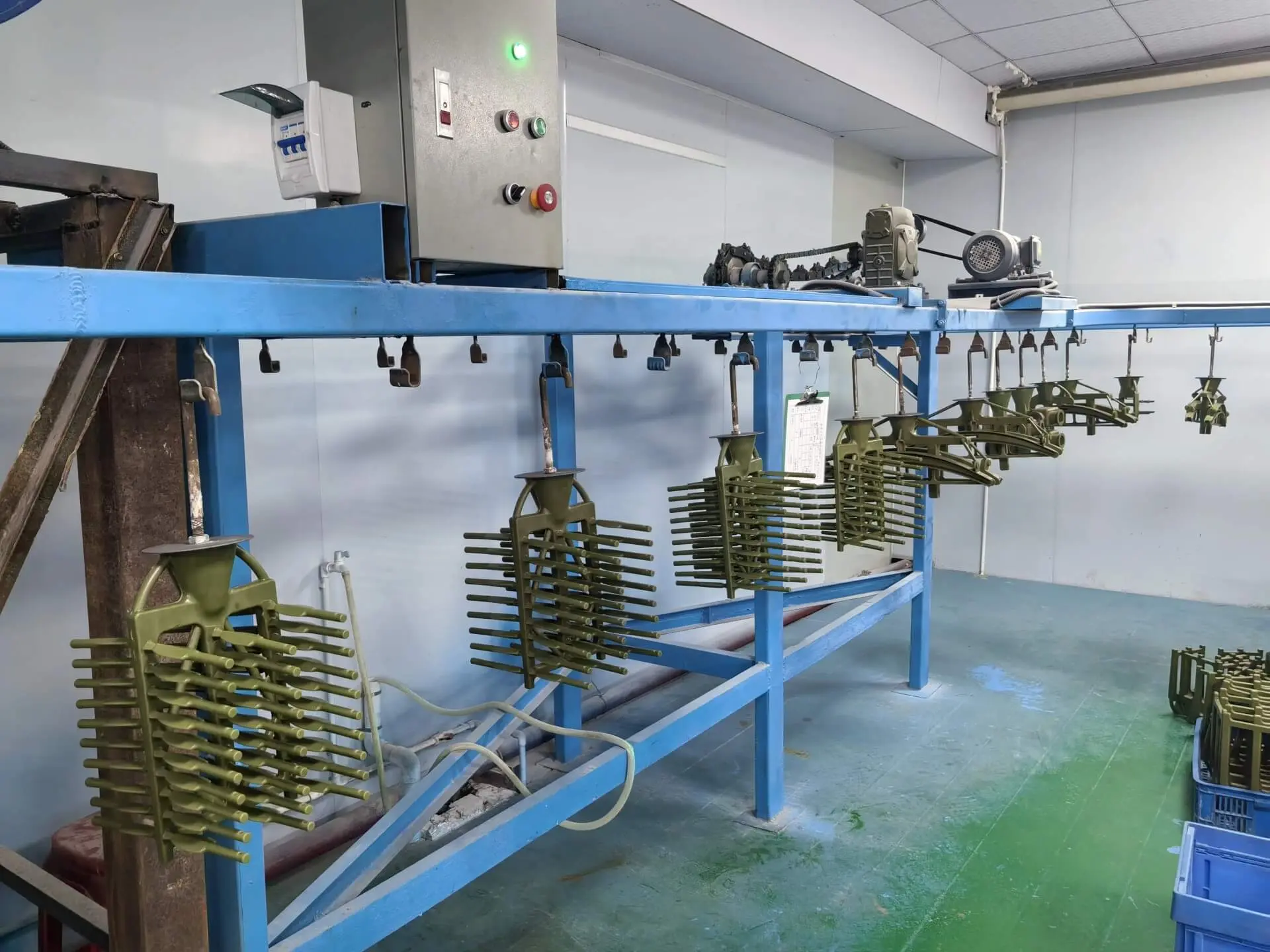
Selecting the correct metallurgical grade to meet your engineering demands. Use this matrix to guide your structural choices.
| Material Class | Common Industry Grades | Tensile Strength (MPa) | Yield Strength (MPa) | Primary Industrial Use Case |
|---|---|---|---|---|
| Gray Cast Iron | GG20, GG25, GG35, Class 30, Class 40 | 200 - 350 | 130 - 230 | Engine blocks, gearboxes, pump housings, heavy machine bases needing excellent vibration damping. |
| Ductile (Nodular) Iron | GGG40, GGG50, GGG60, Class 65-45-12 | 400 - 600 | 250 - 370 | Automotive suspension knuckles, heavy valve bodies, hydraulic cylinders, industrial crankshafts. |
| Carbon Steel | WCB, LCC, ASTM A216, 1020, 1045 | 480 - 650 | 250 - 400 | High-pressure valves, petrochemical fittings, mining components, structural heavy-duty fasteners. |
| Stainless Steel | 304, 316, CF8, CF8M, Duplex 2205 | 510 - 750 | 220 - 450 | Marine fittings, chemical processing impellers, sanitary pharmaceutical equipment, food processing gear. |
| Titanium Alloy | Ti-6Al-4V (Grade 5), Grade 2 | 860 - 950 | 800 - 880 | Aerospace structures, medical implants, high-velocity chemical reactors, high-end marine shafts. |
Gray Iron: Contain flake graphite arrays. These flakes act as micro-notches, reducing tensile strength but providing excellent thermal conductivity, castability, and industry-leading vibration damping.
Ductile Iron: Feature spherical nodular graphite arrays induced by magnesium inoculation. This nodular layout stops micro-cracks from propagating, providing high tensile strength and ductility similar to carbon steel, while retaining the corrosion resistance of cast iron.
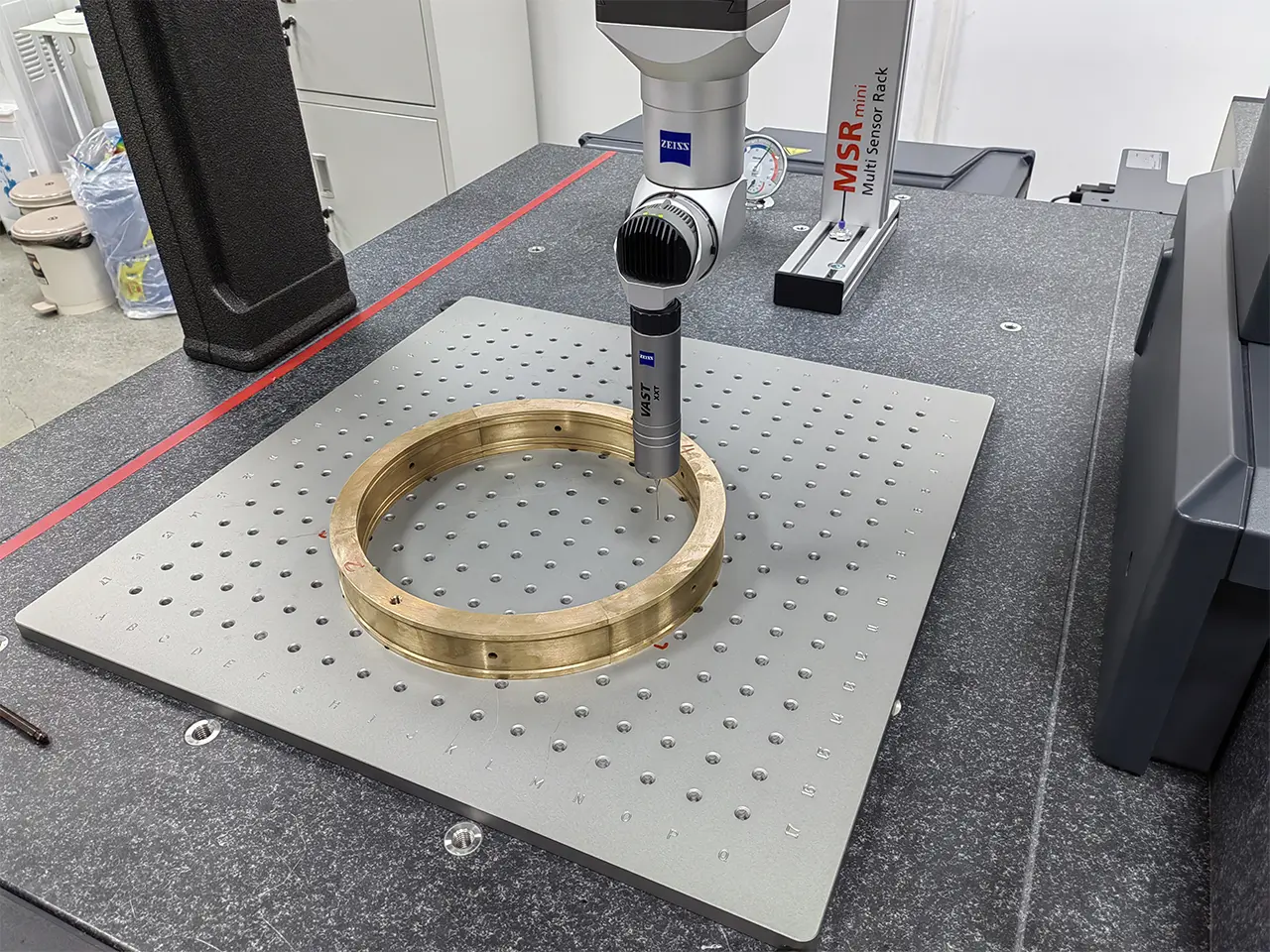
We have professional testing equipment and professional QC personnel, and we adhere to strict tolerances and quality standards for the products we produce. Due to our insistence on strict quality requirements, we have been praised by many customers.
Quality is the cornerstone of the manufacturing industry. We firmly believe that only by controlling quality well can we survive, develop, and get better and better. Therefore, we have been working in this industry unremittingly since 2014 and continue to improve the company's team and improve the company's production capacity.
Our Metrological Laboratory Equipment Includes:
Customized material formulations and precise machining services engineered for global industries.
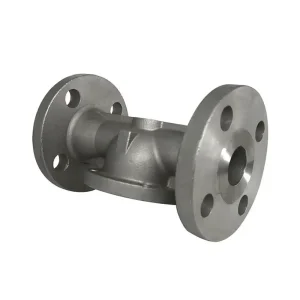
High-pressure fluid control parts demand defect-free internal channels. We offer precision castings for valve bodies, impellers, and pump housings in stainless steel, carbon steel, and gray iron. Our processes minimize internal cavitation and withstand high flow pressures.
Heavy machinery structures must absorb high vibrations and constant stresses. Using high-class gray iron (GG35) and custom ductile iron grades, we manufacture robust structural beds, gear boxes, and linkage brackets that prolong tool life and ensure operational stability.
Saltwater environments demand superior corrosion resistance and high yield strength. Our stainless steel investment castings and customized titanium CNC components are designed to withstand aggressive marine atmospheres and meet strict certification requirements.
Ensuring clear communication, cost-efficiency, and predictable lead times across global supply chains.
Purchasing engineered castings globally requires balancing per-unit cost against total cost of ownership (TCO). Procurement managers must navigate risks like un-machined raw scrap rates, shipping delays, customs clearances, and design-for-manufacturability (DFM) adjustments. Partnering with a supplier that understands these challenges is critical to project success.
Keys to Sourcing Optimization:
Key engineering and procurement questions answered by our technical foundry staff.
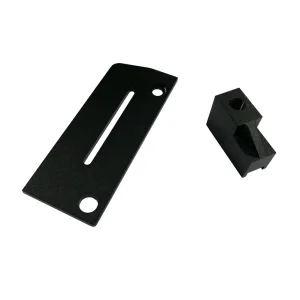
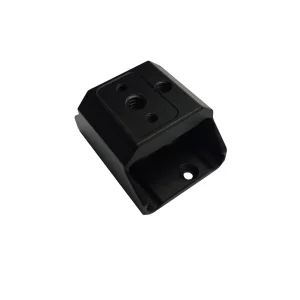
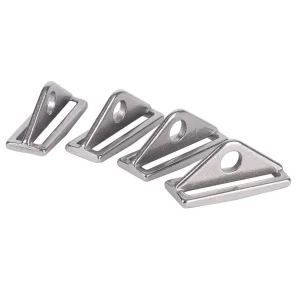
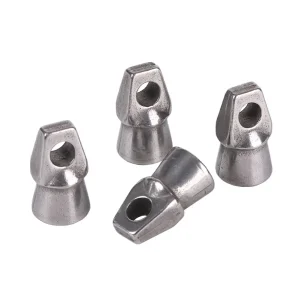
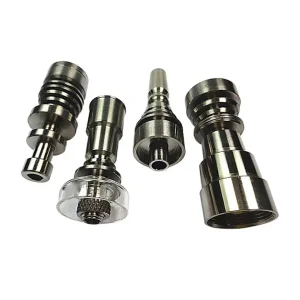
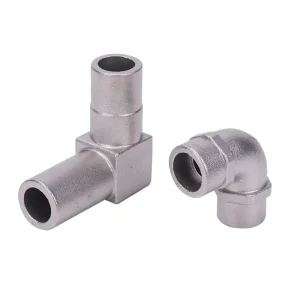
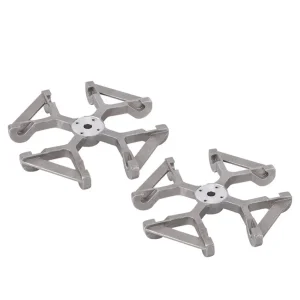
A range of precision components engineered for industries including electronics, aerospace, agriculture, and sports equipment.
 SX Machining