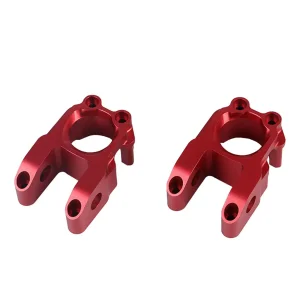
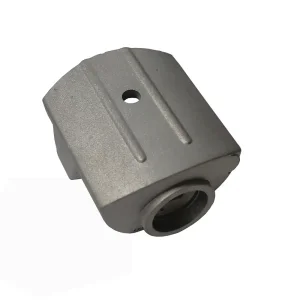
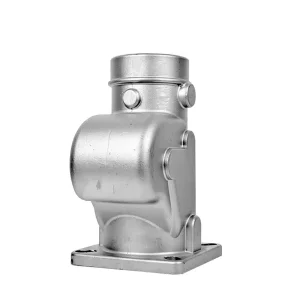
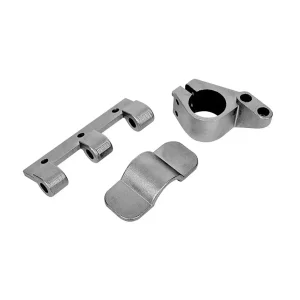
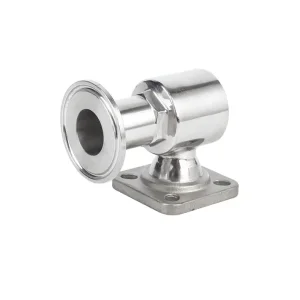
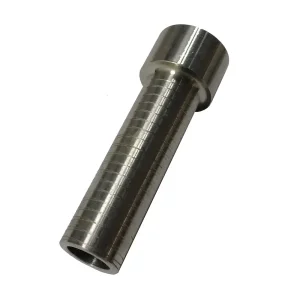
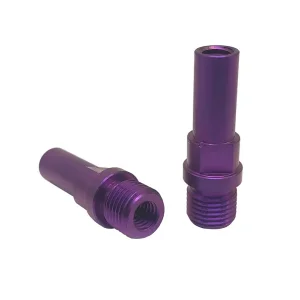
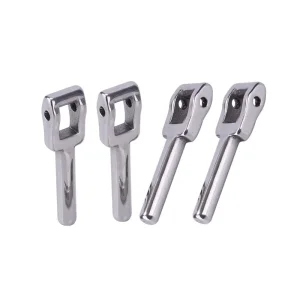
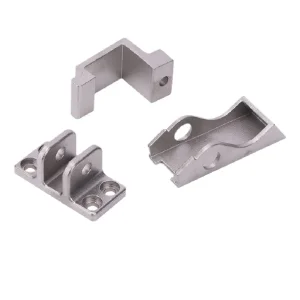
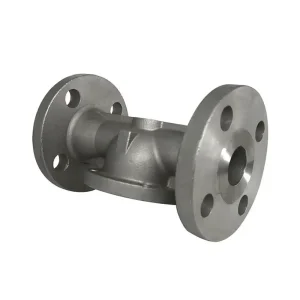
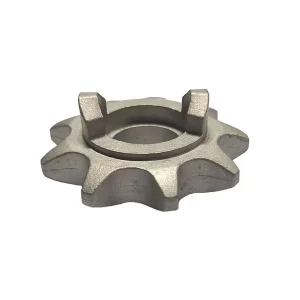
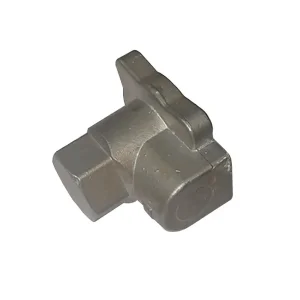
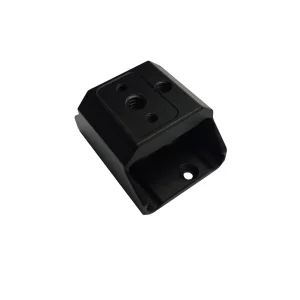
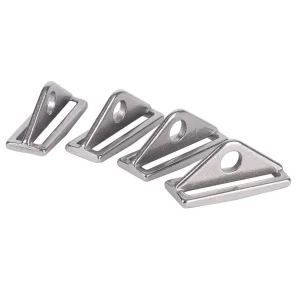
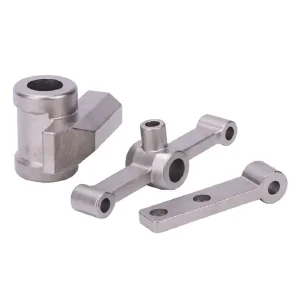
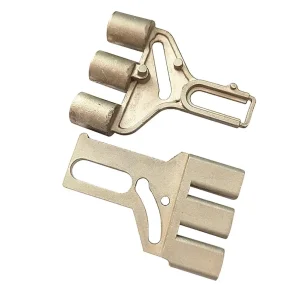
The global industrial manufacturing landscape is currently undergoing a massive evolution, driven by the demands of high-performance operating conditions, light-weighting requirements, and extreme material durability. At the core of this transition lies the reliance on Customized Precision Investment Casting Components (often referred to as the lost-wax casting process). Globally, industries such as aerospace, automotive drivetrain development, deep-sea marine engineering, and oil/gas fluid dynamics are continuously pushing the structural boundaries of custom-engineered metal assemblies.
Unlike traditional sand casting or die-casting techniques, precision investment casting delivers unmatched near-net-shape components. It achieves tolerances of exceptional precision, minimizing the need for extensive secondary machining. In today's commercial framework, purchasing managers and engineering executives must balance the trade-offs of metallurgical integrity, chemical homogeneity, and unit costs. The demand for alloy optimization, including high-grade stainless steels, carbon steels, and advanced titanium compositions, has transitioned investment casting from a traditional foundry process to an advanced, engineering-heavy manufacturing science.
With global supply chains demanding shorter lead times, the role of specialized factories has expanded. Foundries are no longer merely suppliers; they function as integrated co-design partners capable of conducting finite element analysis (FEA), mold flow simulations, and rapid physical prototyping to assure component yield rates remain optimized.
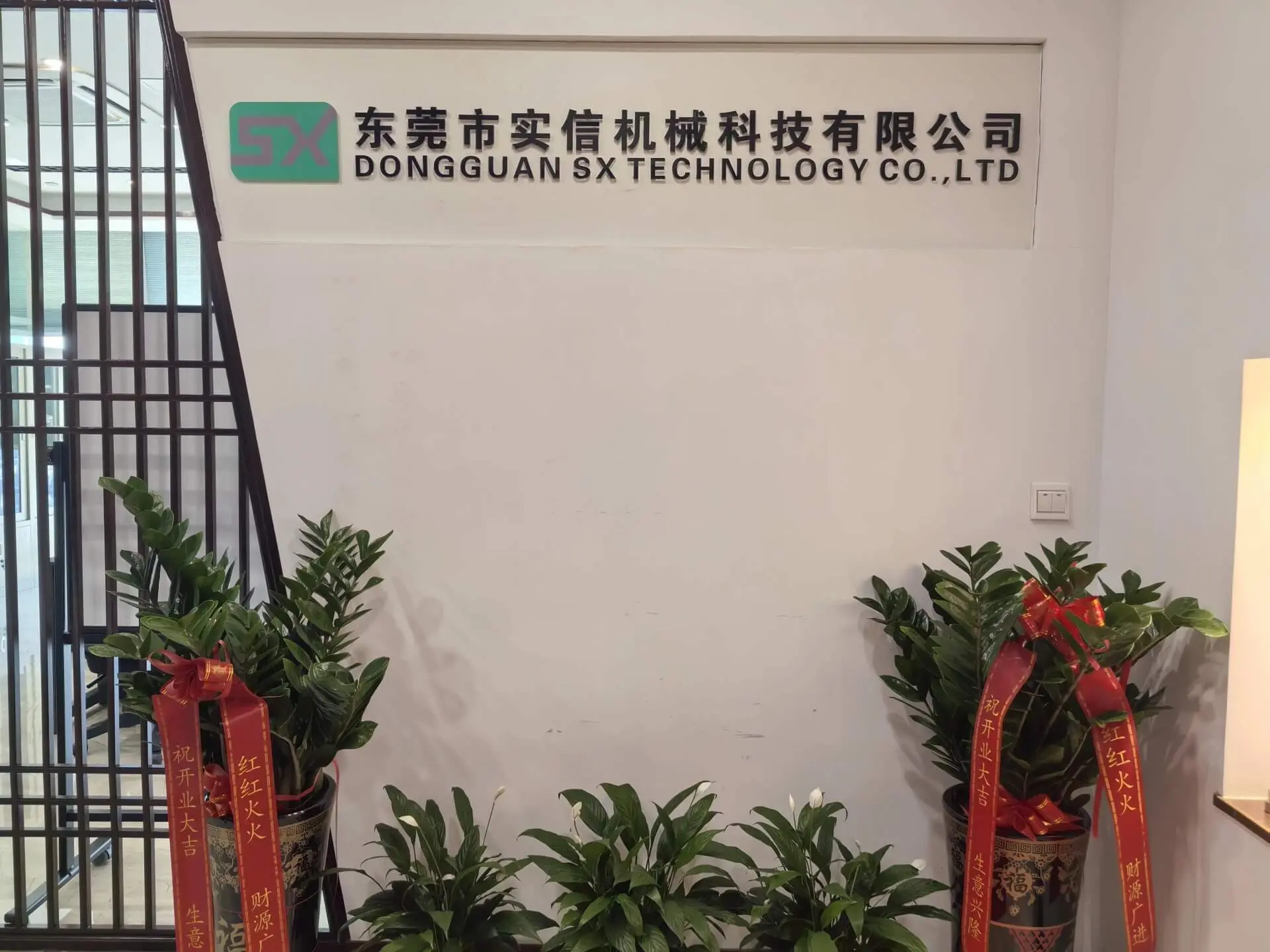
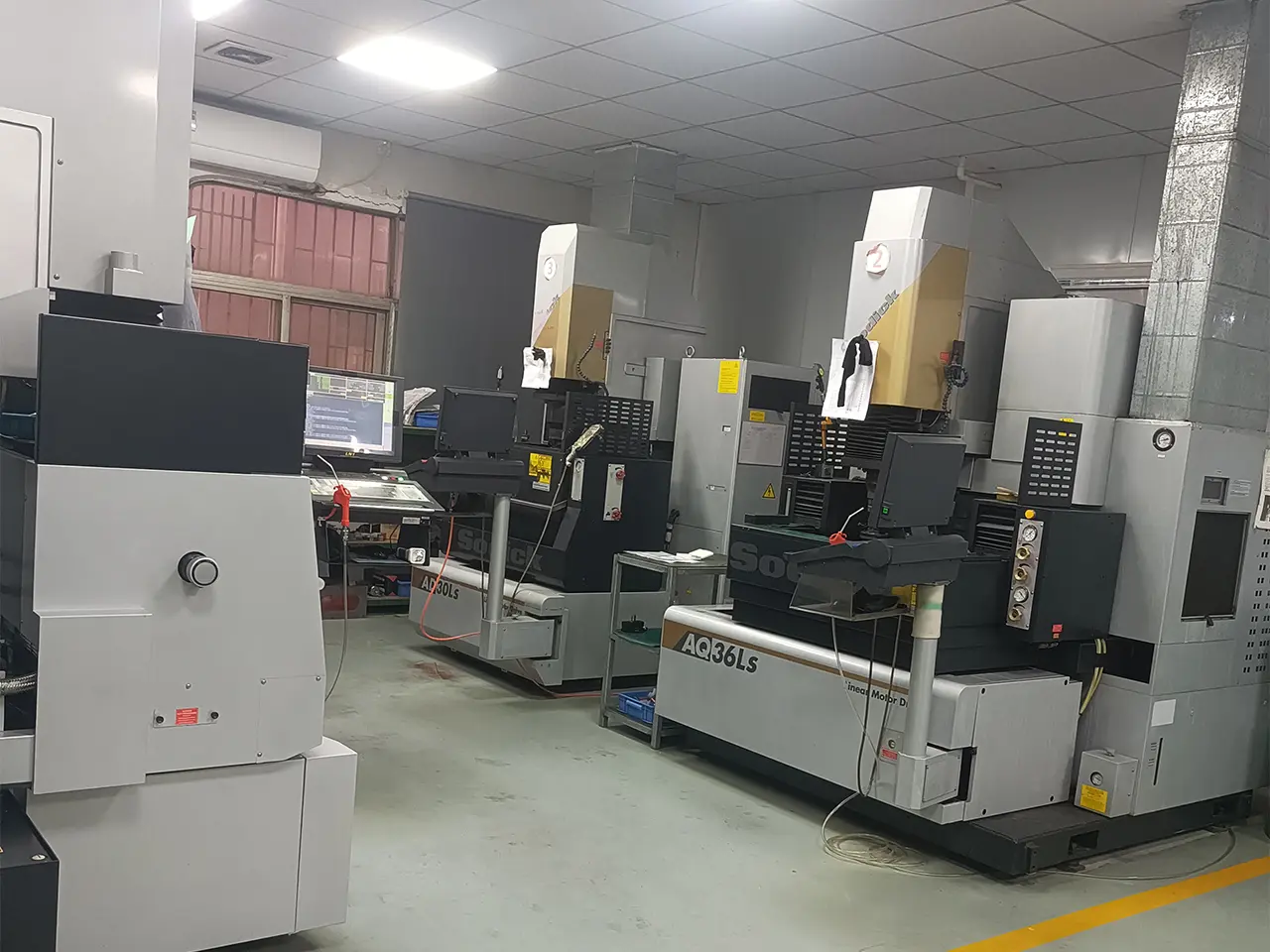
Dongguan SX Technology Co.,Ltd has very rich experience in precision casting, CNC machining and assembly. Our products are used in machinery, automobiles, marine, ships, equipment, valves and pumps, electronic appliances, packaging, watches, construction, chemical industry and other industries. The most commonly used materials for investment casting are stainless steel and carbon steel. And the most commonly used materials for CNC machining include titanium alloy, stainless steel, carbon steel, aluminum alloy, copper alloy, cemented carbide, etc. We have advanced manufacturing equipment and technology and are able to respond quickly to your needs.
By positioning our manufacturing operations in Dongguan, one of the world's most dynamic industrial manufacturing hubs, we leverage a robust local supply network and engineering talent pool. Our engineers combine traditional lost-wax precision casting with sub-micron precision post-CNC machining to deliver components that satisfy rigorous industrial standards. This seamless integration of processes reduces logistical latency, enhances structural accountability, and delivers significant cost savings to our international clientele.
Chinese manufacturers have shifted from low-cost scale suppliers to high-precision engineering hubs. By utilizing highly integrated automation in wax pattern creation, slurry coating robots, and rapid dewaxing autoclaves, factories like Dongguan SX Technology Co.,Ltd minimize human-introduced variables. This structural evolution delivers multiple advantages for global supply chains:
Our local engineering ecosystem allows us to design, cut, and validate custom molds in a fraction of the time required by traditional Western foundries. This significantly shortens product development cycles.
Strategic access to primary metal refineries ensures we cast with verified, pure raw materials, supplying complete spectral analysis reports with each production batch.
From chemical mold analysis to automated investment casting, high-precision CNC machining, heat treatment, and surface finishing, all steps are completed under one manufacturing domain.
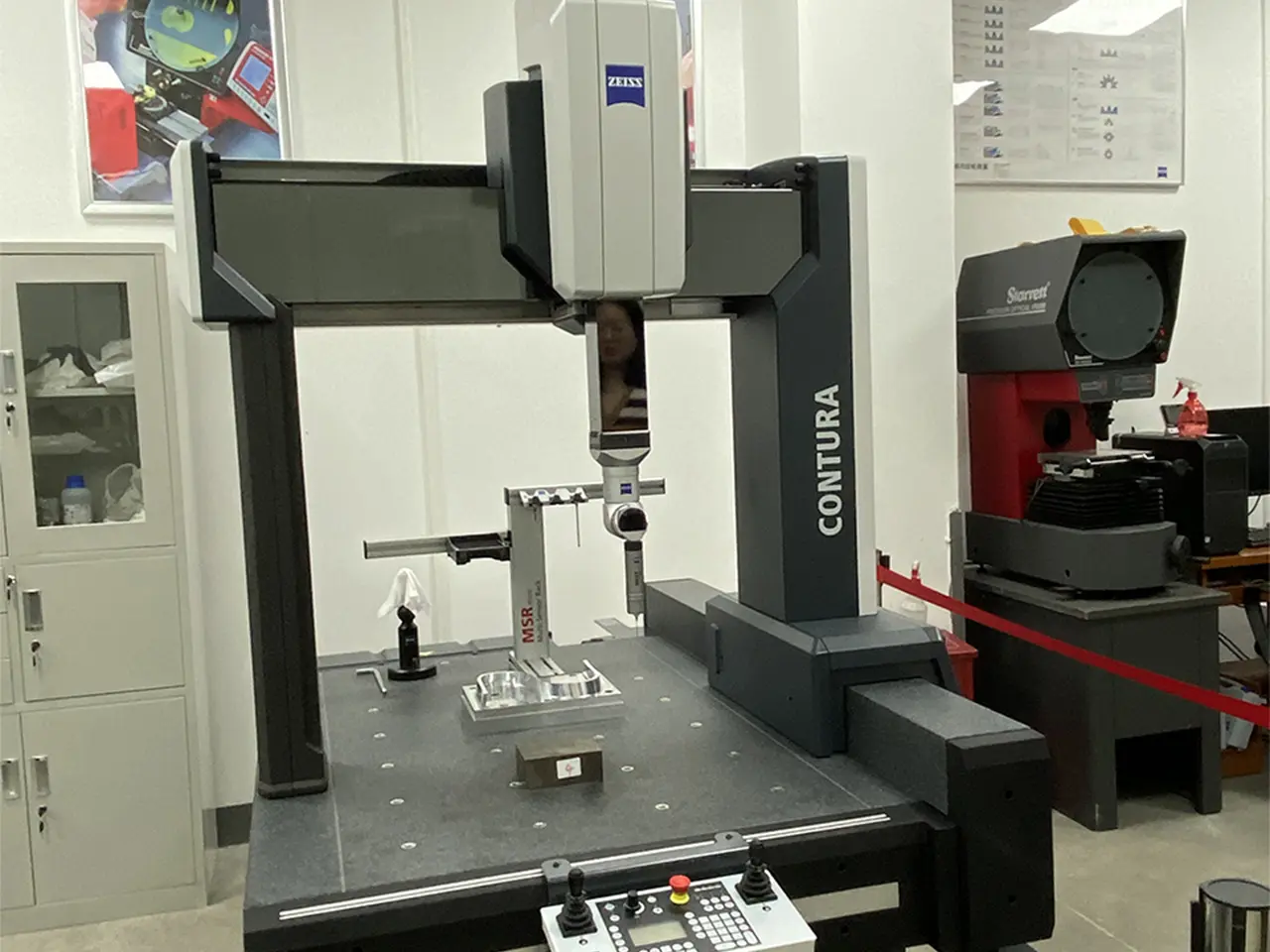
Take a closer look at our casting and machining facilities. We utilize a range of precision tools and automated systems to maintain micro-scale tolerances and dimensional stability across production batches.
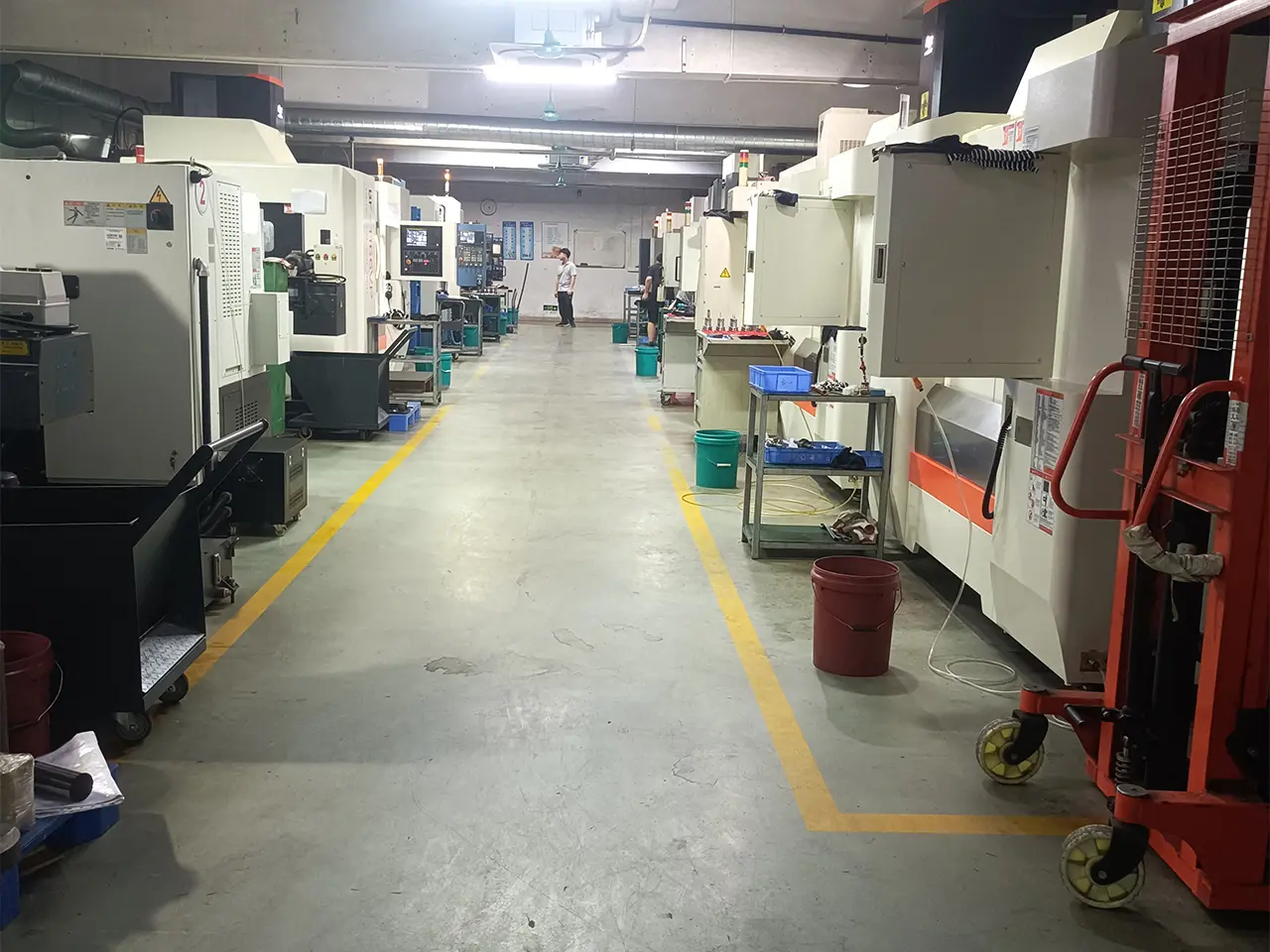
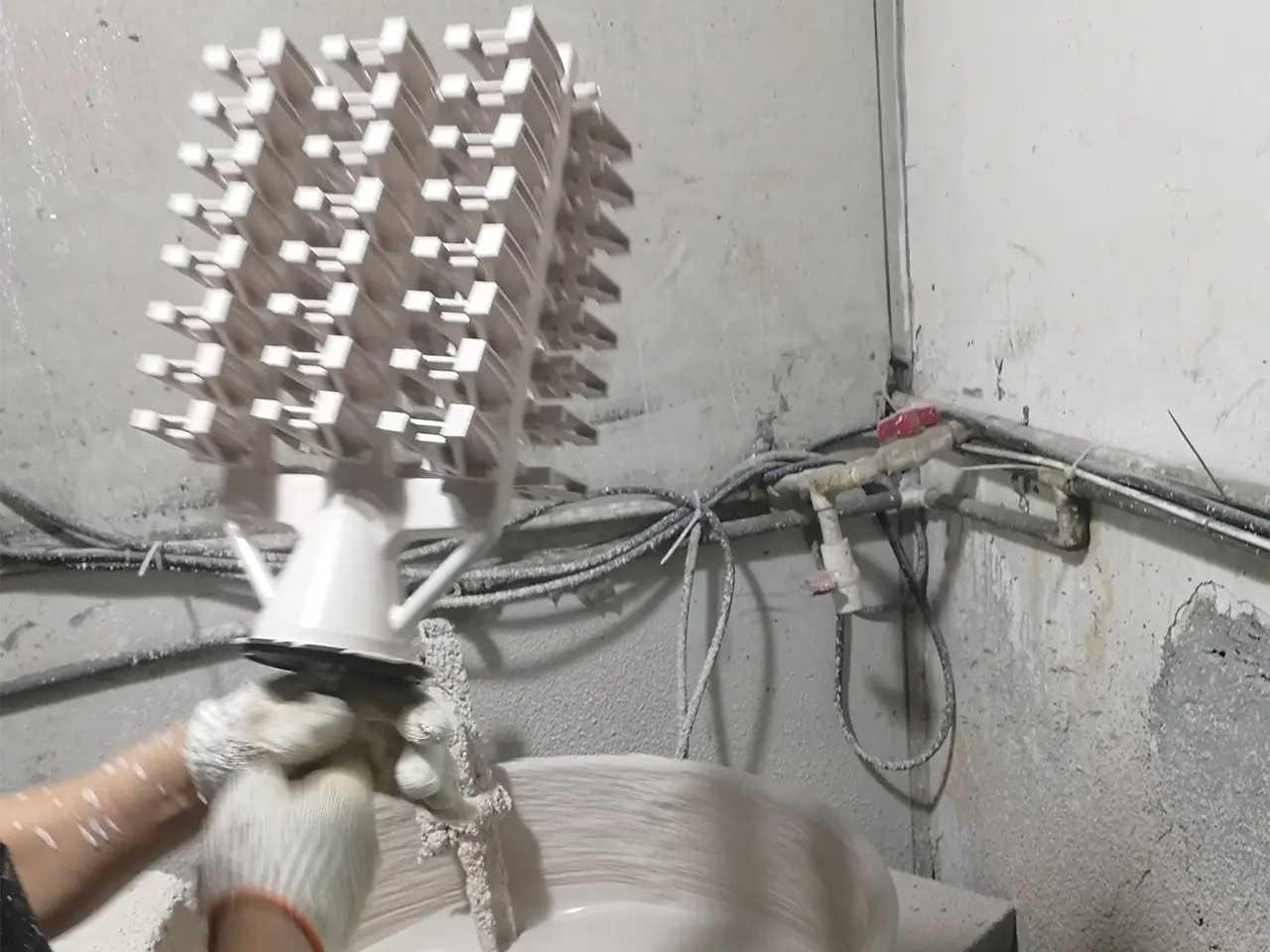
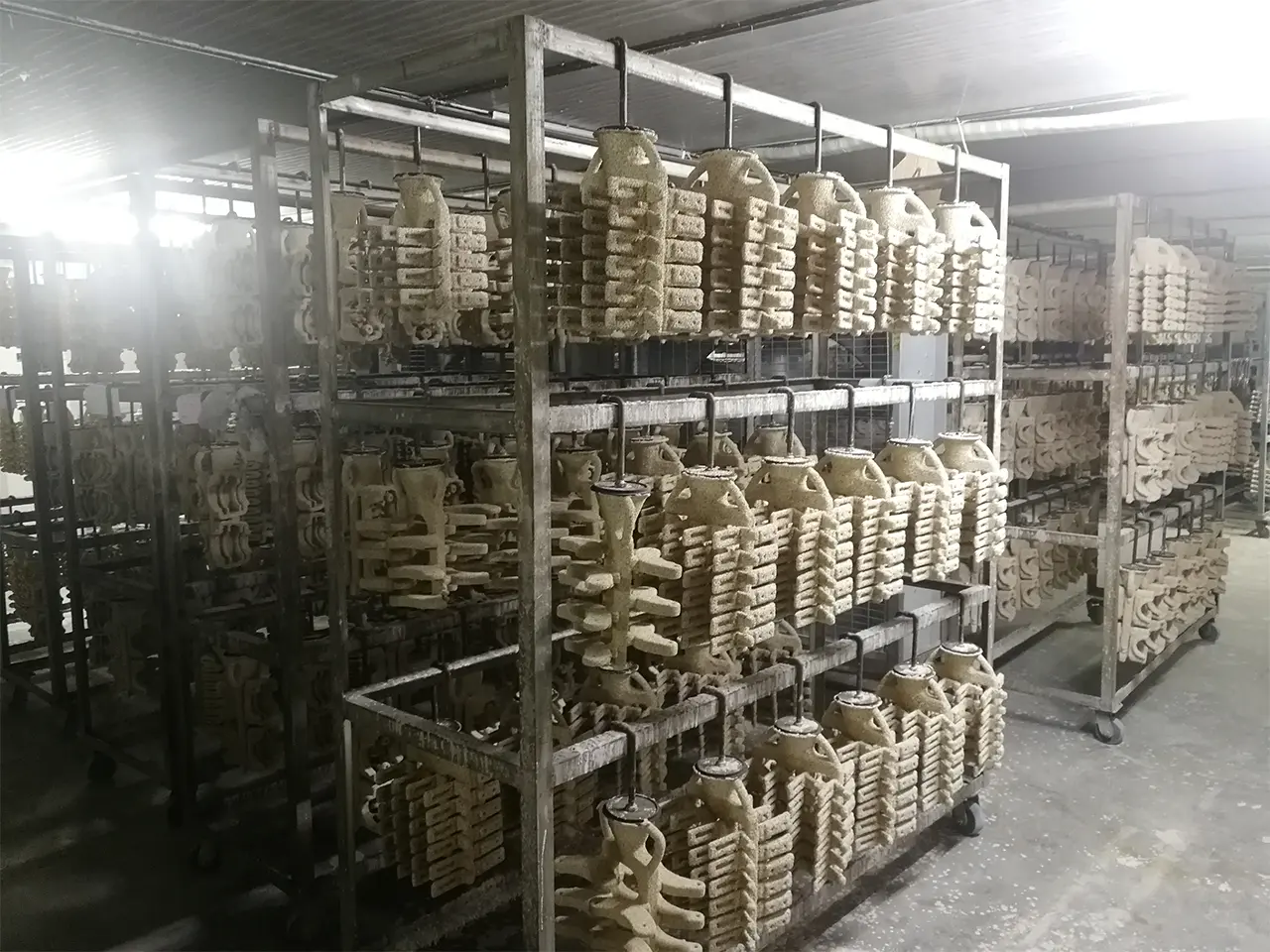
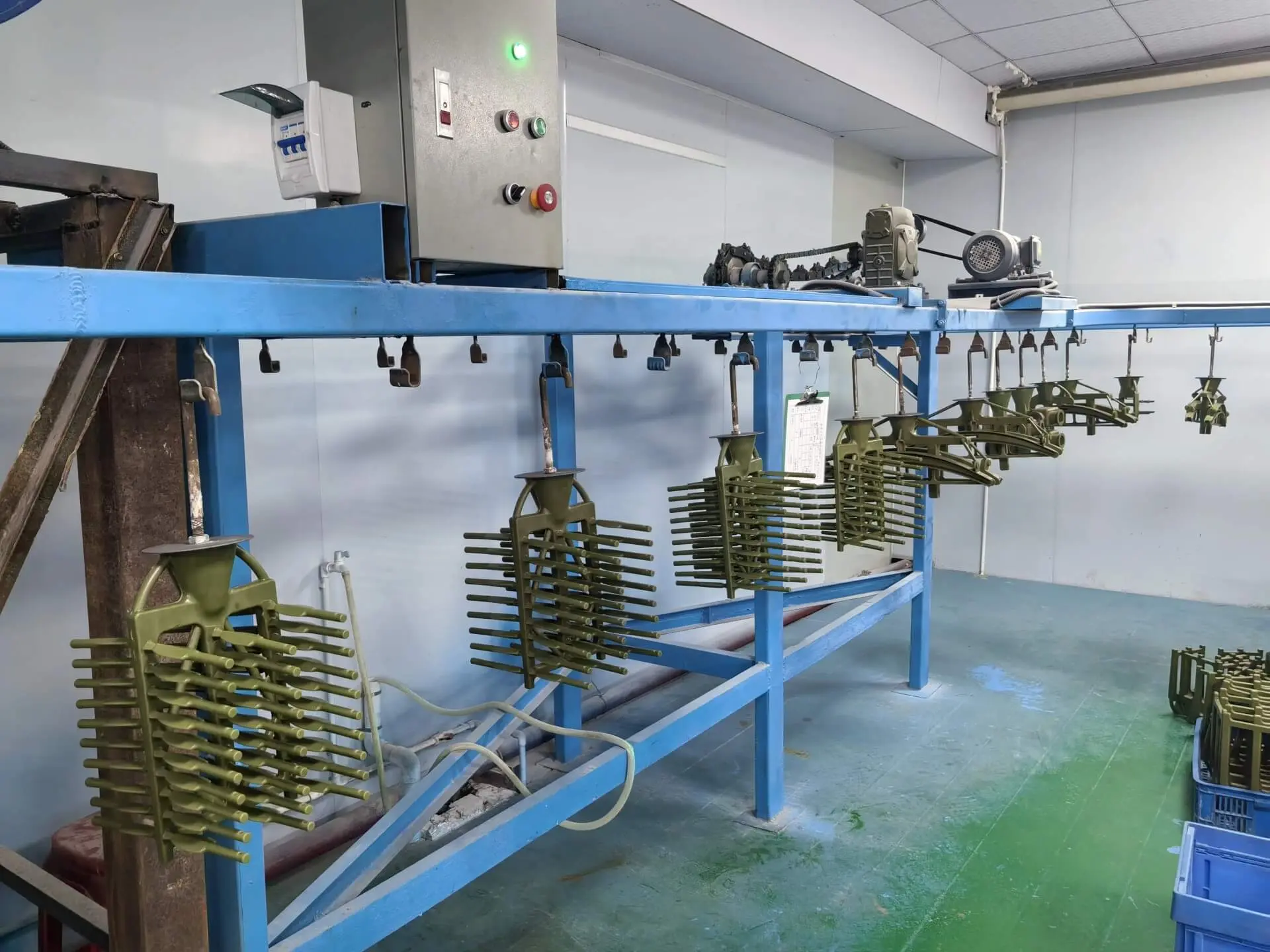
One of the primary roadblocks in precision component acquisition is the choice between casting and machining. Casting delivers complex, organic profiles with excellent internal configurations, while CNC machining achieves tight dimensional tolerances. Dongguan SX Technology Co.,Ltd bridges this divide by providing a unified, hybrid manufacturing service.
By casting the component close to its final dimensions (near-net-shape) and utilizing advanced CNC milling and turning for critical mating surfaces, threads, and tight tolerances, we optimize both efficiency and quality. This dual capability allows for the processing of challenging raw materials:
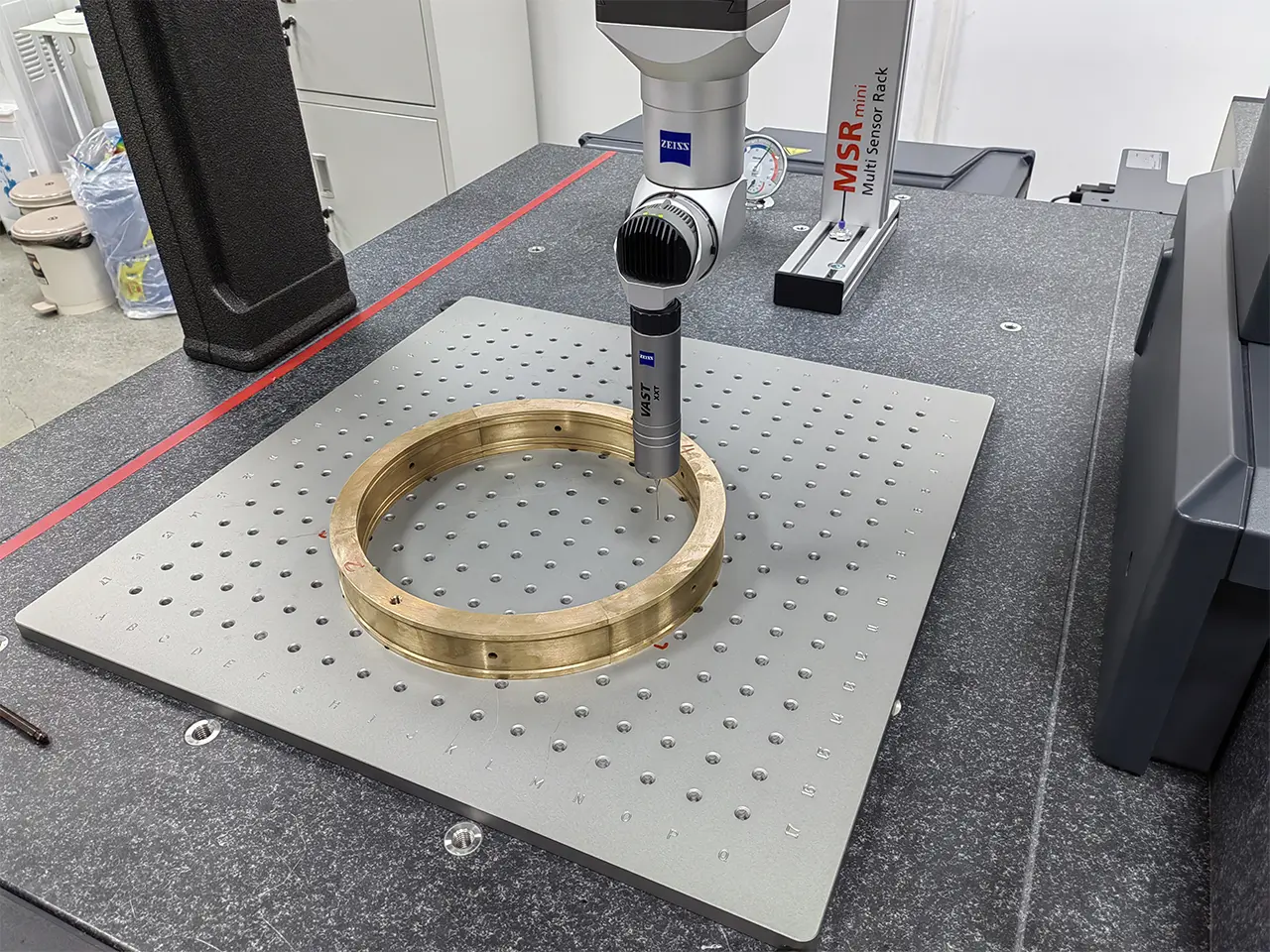
We have professional testing equipment and professional QC personnel, and we adhere to strict tolerances and quality standards for the products we produce. Due to our insistence on strict quality requirements, we have been praised by many customers.
Quality is the cornerstone of the manufacturing industry. We firmly believe that only by controlling quality well can we survive, develop, and get better and better. Therefore, we have been working in this industry unremittingly since 2014 and continue to Improve the company's team and improve the company's production capacity.
Our quality verification processes include:
With the transition to electric vehicles (EVs), there is an increasing demand for lightweight aluminum structures and customized motor mounting brackets. Integrated CNC machining allows for close fitting with minimal assembly tolerances.
For components exposed to high salinity and mechanical stress, we utilize investment-cast duplex stainless steel and titanium alloys. These materials prevent crevice corrosion in marine and offshore equipment.
Precision cast impeller profiles, non-standard valve bodies, and pump housings require smooth internal pathways. Our investment casting process reduces fluid turbulence and friction losses, improving pump operating efficiency.
Purchasing managers and industrial procurement specialists face complex challenges when sourcing custom-cast parts. The process goes beyond identifying the lowest per-unit cost. True optimization requires evaluating the **Total Cost of Ownership (TCO)**, which encompasses tooling lifespan, post-cast rework, quality inspection overhead, and transit lead times.
By engineering casting shapes to closely match final specifications, you reduce raw material waste and lower secondary machining cycle times. When sourcing, look for casting providers that offer both casting and precision CNC machining, allowing for unified tolerance accountability under a single supplier contract.
Before partnering with a casting supplier, verify their capability profile against the following criteria:
The precision casting sector is adopting digital prototyping workflows. The integration of 3D wax printing technologies allows for casting prototypes without cutting metal tool dies, accelerating design iterations. Additionally, there is a growing focus on sustainability; high-efficiency electric induction melting systems are replacing fuel-fired furnaces to reduce carbon footprints and support green supply chains.
Typically, standard investment casting achieves dimensional tolerances within ±0.1mm to ±0.2mm per 25mm of component length, in accordance with CT4 to CT6 standards (ISO 8062). For critical dimensions requiring tighter tolerances (such as bearing housings or thread patterns), we perform secondary CNC machining to achieve tolerances as tight as ±0.005mm.
We provide a single point of accountability by integrating both casting and precision CNC machining under one roof. Our experienced team, operating since 2014, works with a wide range of materials—from standard stainless steels and carbon steels to specialized alloys like titanium and copper—ensuring design integrity and material traceablity.
Initially, our engineering department reviews your 3D CAD files to optimize mold design. We then machine precision tool dies from high-grade aluminum or steel. Once the tools are ready, we run a pre-production trial batch. We verify these sample components with CMM scanning before starting full production runs.
We use mold flow analysis software to design optimal gating systems, which helps prevent structural defects. Vacuum induction melting and controlled cooling cycles minimize gas absorption. Additionally, we conduct dye penetrant and ultrasonic inspections to verify internal structural integrity.
Standard investment casting delivers a surface finish of Ra 3.2µm to 6.3µm. To achieve smoother surfaces, we offer secondary finishing options such as media blasting, electro-polishing, chemical etching, or mechanical grinding and buffing, which can reduce surface roughness down to Ra 0.4µm or better.
 SX Machining