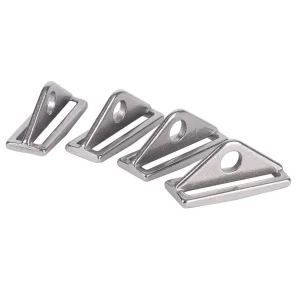
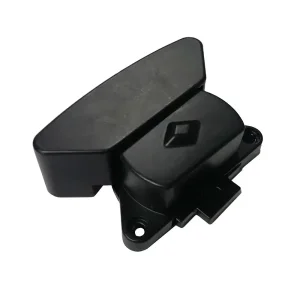
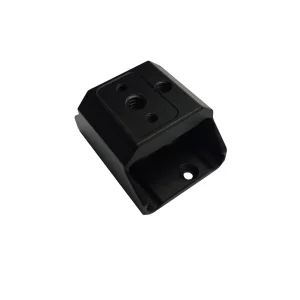
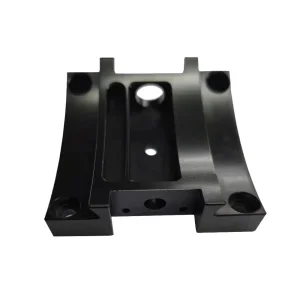
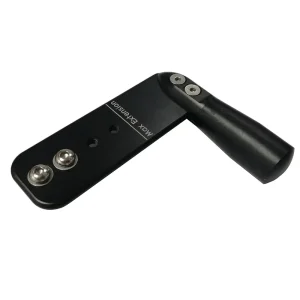
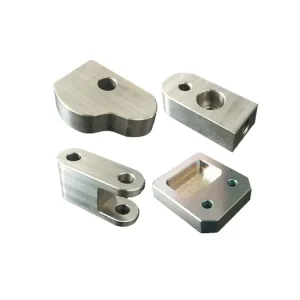
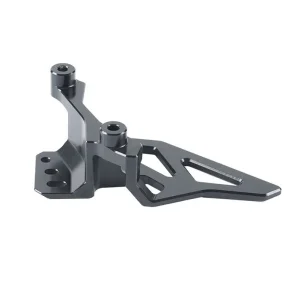
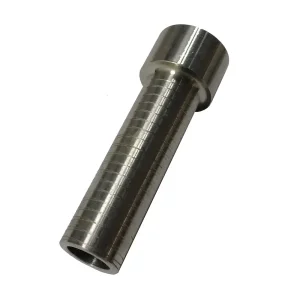
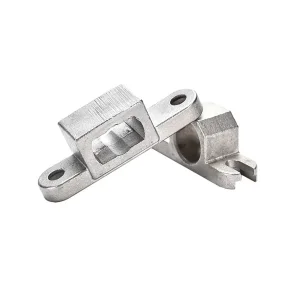
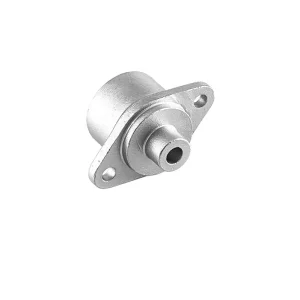
Explore our industrial components designed to meet strict dimensional tolerances and mechanical integrity requirements.
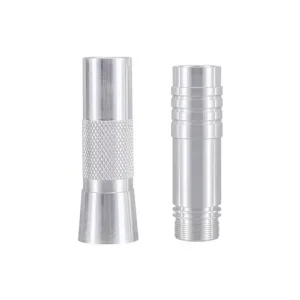
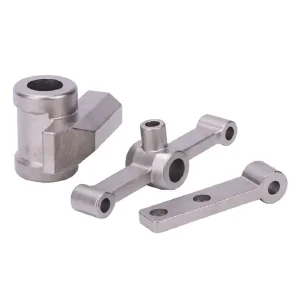
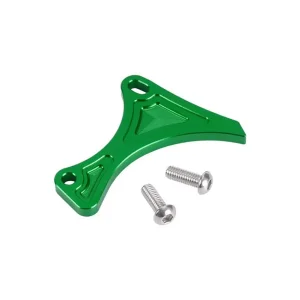
In modern high-performance industrial applications, the sourcing of custom metallic elements is no longer merely a procurement task, but a vital engineering partnership. Global industrial paradigms demand components that exhibit exceptional metallurgical density, minimal internal structural porosity, precise dimensional tolerances, and high-quality structural finishes. This whitepaper analyzes the manufacturing landscape of investment casting (also known as the lost-wax casting process) in conjunction with multi-axis CNC post-precision machining, mapping out an optimized workflow designed for engineering procurement directors worldwide.
Through close control of alloy formulation, ceramic mold properties, and thermal curing rates, Dongguan SX Technology Co.,Ltd produces components that minimize machining steps, accelerate product development cycles, and reduce overall total cost of ownership (TCO) across complex, highly regulated supply chains.
Pioneering high-precision casting and subtractive manufacturing methodologies for international market sectors.
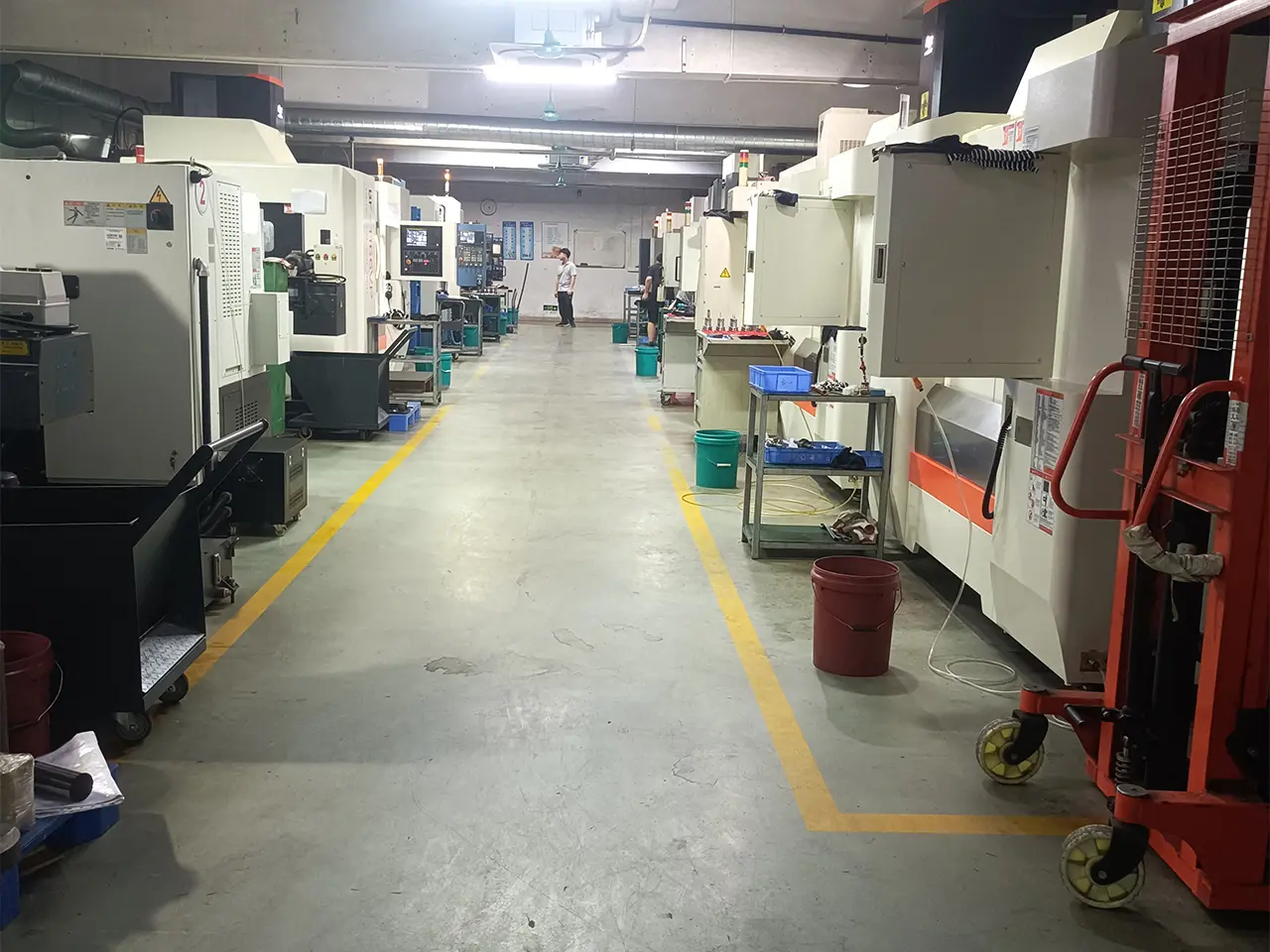
Dongguan SX Technology Co.,Ltd has very rich experience in precision casting, CNC machining and assembly. Our products are used in machinery, automobiles, marine, ships, equipment, valves and pumps, electronic appliances, packaging, watches, construction, chemical industry and other industries. The most commonly used materials for investment casting are stainless steel and carbon steel. And the most commonly used materials for CNC machining include titanium alloy, stainless steel, carbon steel, aluminum alloy, copper alloy, cemented carbide, etc. We have advanced manufacturing equipment and technology and are able to respond quickly to your needs.
Operating from our modern facility in South China, our strategic integration of an in-house foundry with specialized CNC machining centers allows us to maintain tight controls on quality and scheduling. By coordinating both raw casting solidification and finish machining on one platform, we eliminate typical communication gaps between independent foundries and machine shops. This structural synergy reduces material scrap rates, simplifies logistics, and ensures our customers receive components built to precise blueprints.
Navigating the complex technical, economic, and logistical landscapes of international component sourcing.
Modern global logistics require procurement networks to manage several key challenges: material quality assurance, environmental compliance, tariff variations, and lead-time stability. In high-value sectors such as automotive manufacturing, offshore maritime development, and semiconductor capital equipment, component failure can lead to significant operational downtime. Consequently, sourcing strategies are shifting toward suppliers that offer both raw foundry capabilities and precision finish machining under a single, integrated quality system.
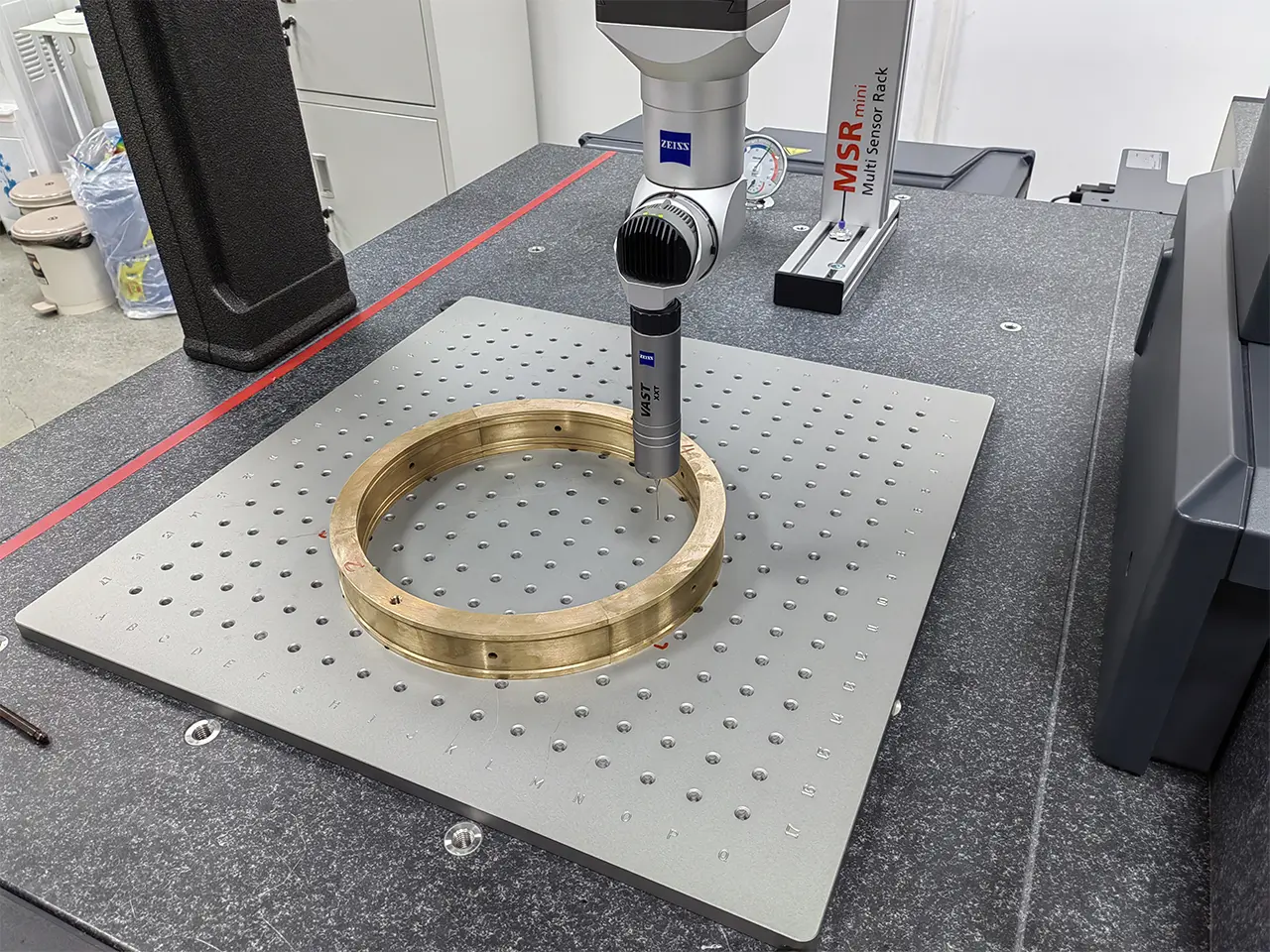
International sourcing departments often face challenges in communication, testing alignment, and metallurgical evaluation. A typical pain point is the disconnect between chemical analysis of raw cast structures and final component tolerances after stress relief. By implementing a standardized documentation system that includes chemical melt analysis, ultrasonic non-destructive testing (NDT), and Coordinate Measuring Machine (CMM) dimensional verification, we address these challenges early in the production cycle. This systematic approach ensures all compliance requirements are met prior to international transit.
Tailored component development strategies designed to address the specific performance demands of major industrial sectors.
Producing critical powertrain elements, chassis mounts, and custom turbocharger fittings designed to withstand high thermal loads and vibration stress.
Corrosion-resistant stainless steel pumps, impellers, and valve bodies designed to minimize fluid turbulence and resist cavitation damage.
Heavy-duty structural components, gears, and brackets cast from high-tensile carbon steel to handle dynamic mechanical stresses.
Exploring the detailed engineering steps, metallurgical inspections, and post-casting finishing procedures in our workshop.
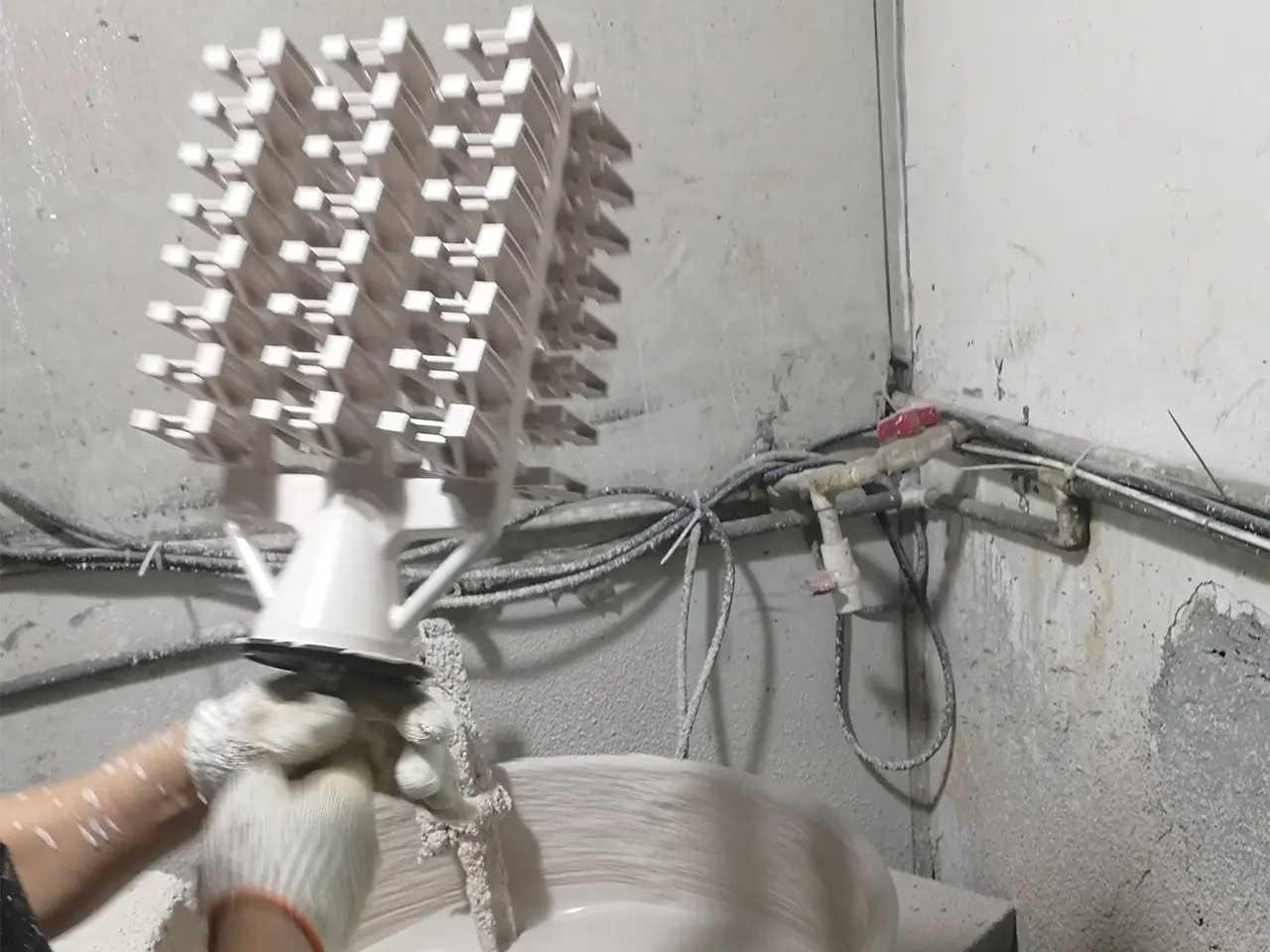
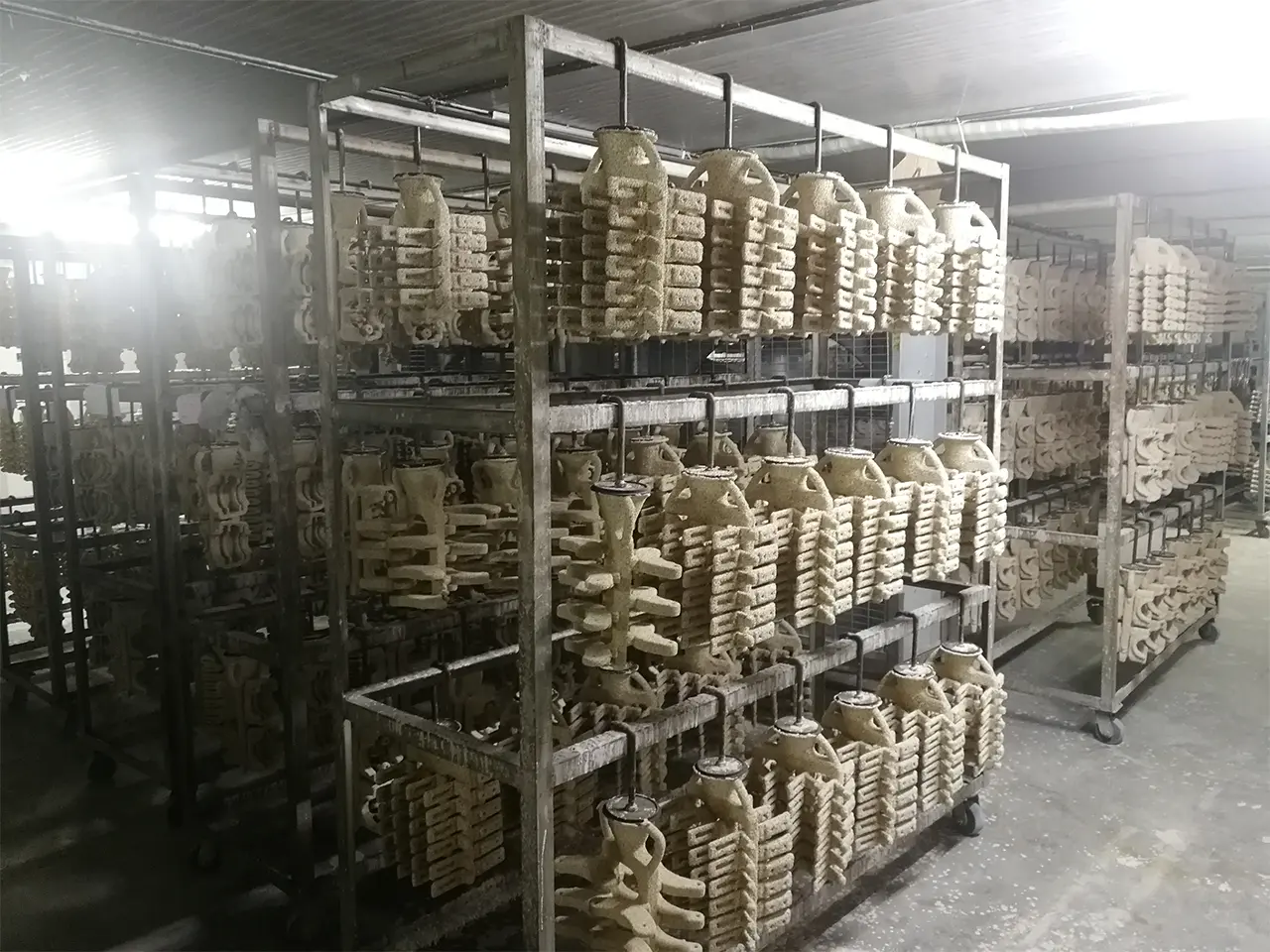
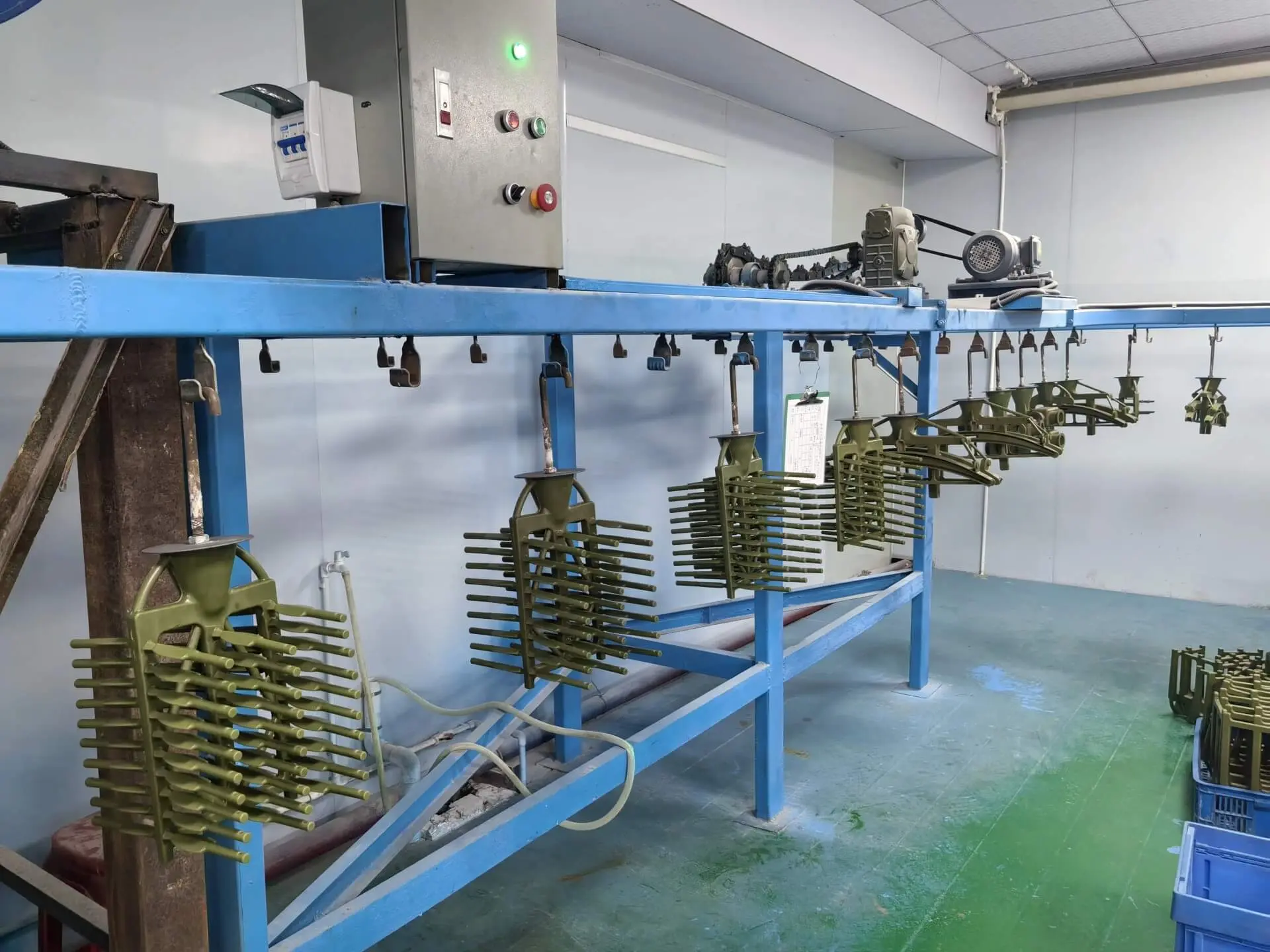
Investment casting relies on several key metallurgical principles. The process begins with the creation of a high-precision aluminum injection die, which forms the sacrificial wax patterns. These patterns are assembled onto a central sprue to form a casting tree. The tree is then alternately dipped into high-purity ceramic slurries and coated with fine silica sand, building a robust, multi-layered refractory shell. Once the mold has cured, it is steam-dewaxed and fired at temperatures exceeding 1000°C to vitrify the ceramic, creating a clean, hollow cavity.
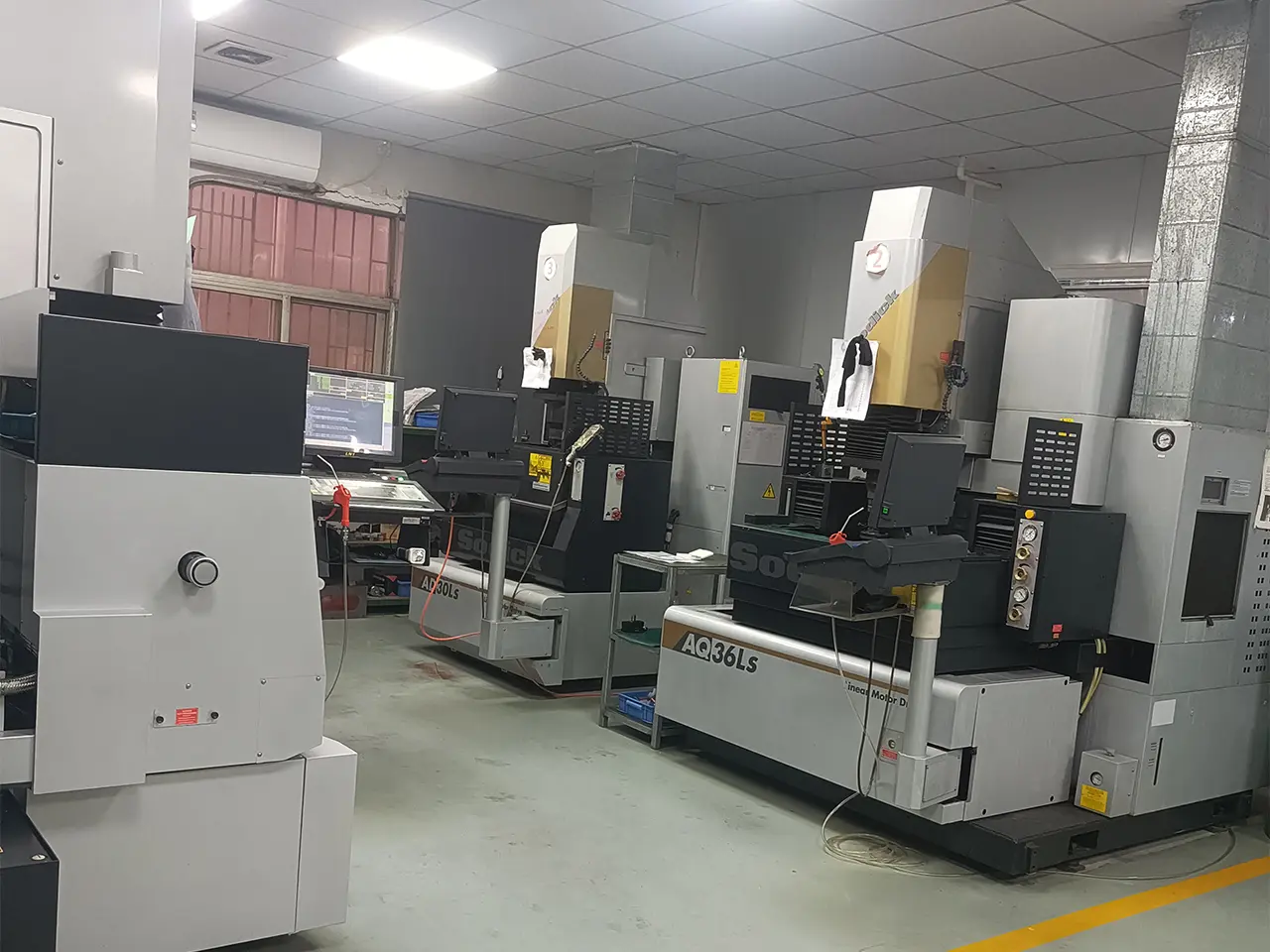
Molten alloy is poured under monitored conditions. We use optical emission spectrometers to verify the chemical profile of the melt before pouring. After cooling and shell removal, the raw castings undergo heat treatment to optimize mechanical properties like tensile strength and elongation. This process prepares the castings for precise CNC finishing operations, ensuring the final parts align with design specifications.
A reference guide to the mechanical capabilities, structural performance, and applications of our cast alloys.
Selecting the right alloy is essential for optimizing mechanical strength, corrosion resistance, and post-machining efficiency. For corrosion-resistant components, we utilize martensitic, austenitic, and precipitation-hardening stainless steels, such as Grade 304, Grade 316, and 17-4 PH. Grade 316 stainless steel contains molybdenum, which enhances resistance to pitting corrosion in chloride-rich environments like marine systems. For high-strength structural parts, carbon steels like 1020, 1045, and various low-alloy options provide durable performance when paired with specific heat treatments.
Additionally, our production capabilities extend to titanium alloys, copper-based alloys, and specialized cemented carbides. These materials are processed using high-precision CNC setups to ensure close dimensional accuracy on critical interface surfaces.
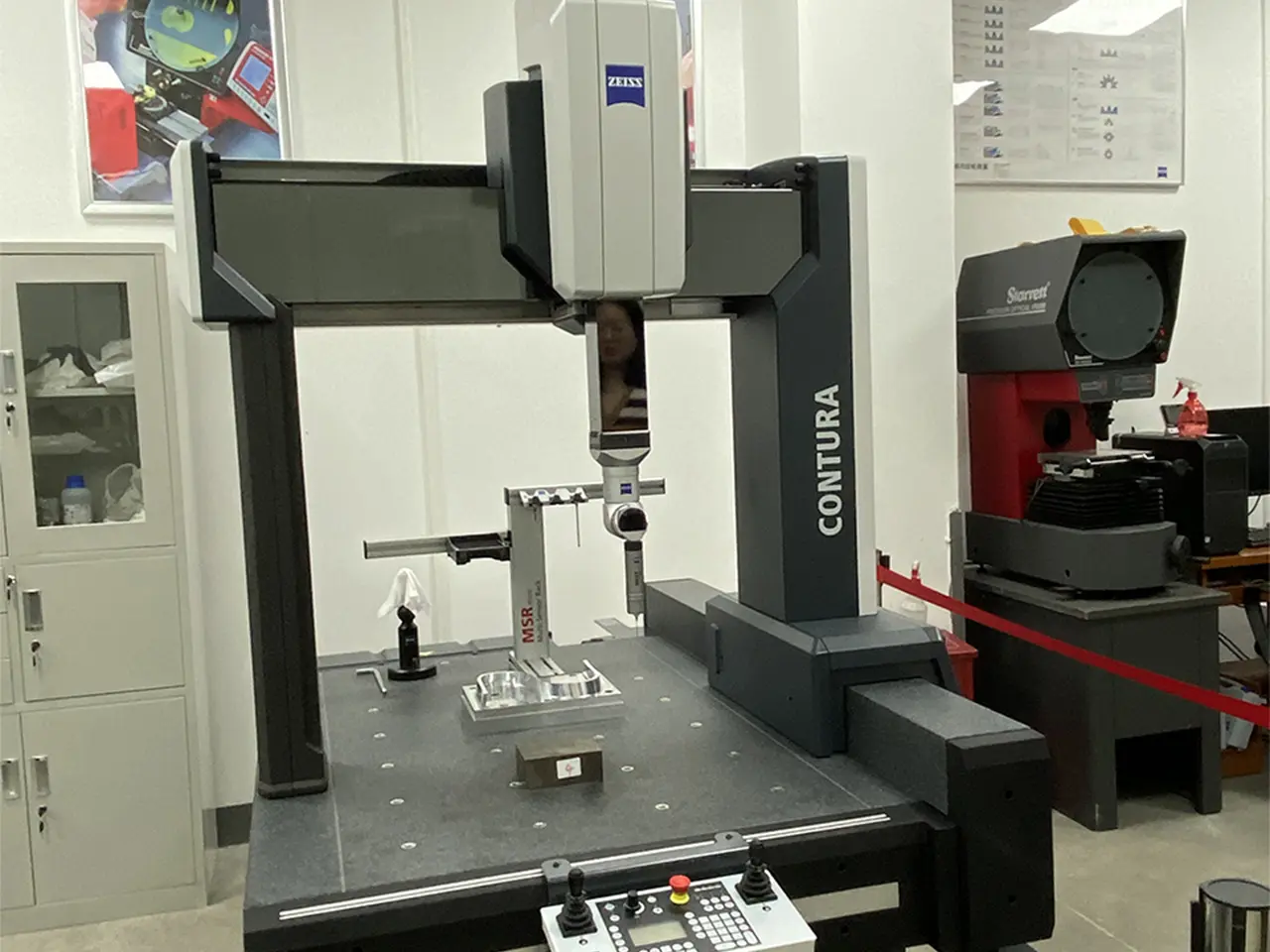
We have professional testing equipment and professional QC personnel, and we adhere to strict tolerances and quality standards for the products we produce. Due to our insistence on strict quality requirements, we have been praised by many customers. Quality is the cornerstone of the manufacturing industry. We firmly believe that only by controlling quality well can we survive, develop, and get better and better. Therefore, we have been working in this industry unremittingly since 2014 and continue to Improve the company's team and improve the company's production capacity.
Our quality control protocol uses structured check-gates at key manufacturing stages: raw material selection, molten metal verification, rough casting inspection, and final metrology. Our testing laboratory features a coordinate measuring machine (CMM) for verification of complex 3D profiles. We also employ non-destructive testing (NDT) processes, including liquid penetrant and magnetic particle testing, to identify potential micro-surface defects. Optical emission spectrometers are used to confirm chemical composition, ensuring each part aligns with international ASTM, DIN, and ISO specifications.
Streamlined logistics and engineering support designed for global procurement operations.
We configure our shipping and logistics services to support the dynamic needs of global supply chains. Recognizing that transport costs and border clearance can impact total lead times, we coordinate with reliable customs agents and transport providers. We offer customized packaging solutions designed to protect precision-machined interfaces during sea and air transit, ensuring parts arrive ready for assembly.
We maintain full compliance with environmental and material safety regulations, including RoHS, REACH, and Conflict Minerals requirements. Additionally, our engineering support team assists clients with direct material conversions, design reviews, and geometric optimization. This collaborative process ensures designs are refined for efficient manufacturability before production begins.
Technical answers to common questions about our investment casting and CNC machining capabilities.
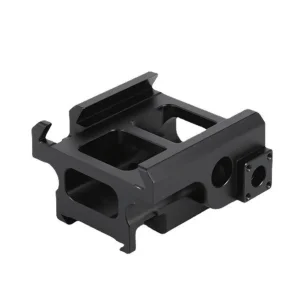
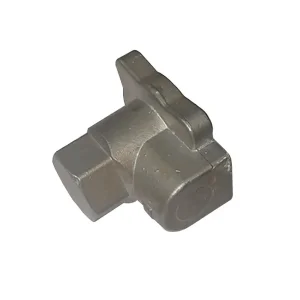
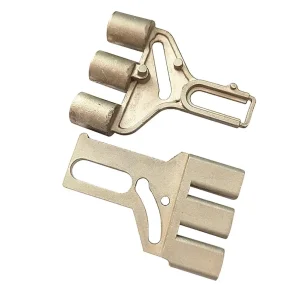
A selection of custom-engineered components manufactured for demanding applications.
 SX Machining