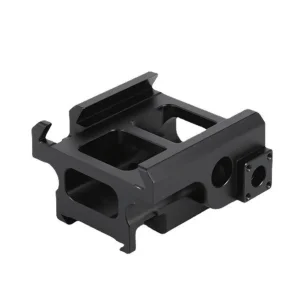
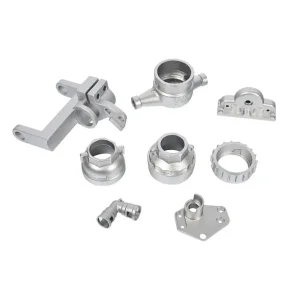
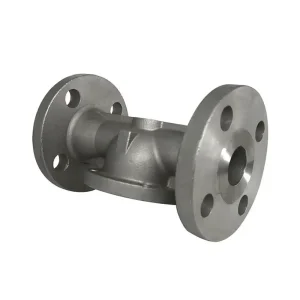
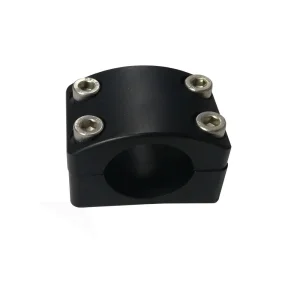
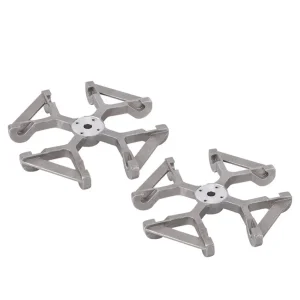
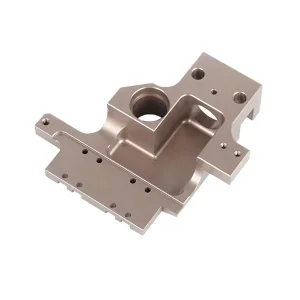
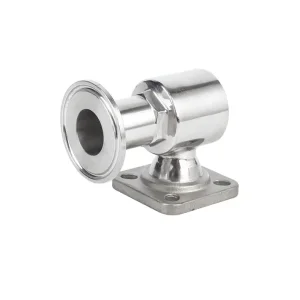
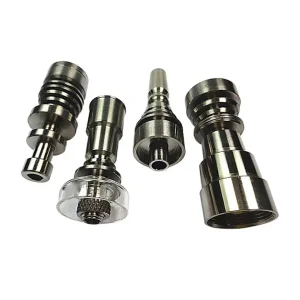
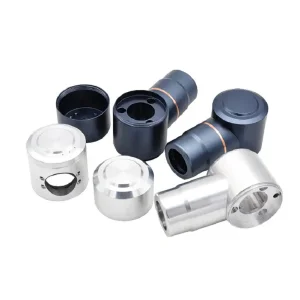
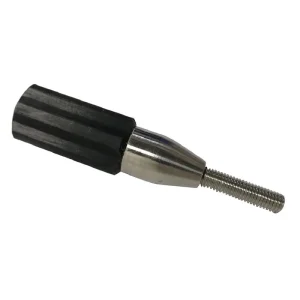
Discover our engineering capabilities through high-performance casting designs tailored to survive hostile environments, extreme wear, and demanding regulatory compliance.
In modern high-performance manufacturing, the demands placed on mechanical parts are increasingly rigorous. From aerospace propulsion systems and deep-sea drilling platforms to agricultural mechanisms and precision medical instruments, engineered components must maintain structural integrity under high pressure, corrosive atmospheres, and intensive friction. Dongguan SX Technology Co., Ltd. addresses these requirements by integrating lost wax investment casting with multi-axis precision CNC machining, providing near-net-shape metal parts with tight tolerances.
Our precision investment casting utilizes the silica sol technique rather than traditional water glass systems. This distinction allows us to achieve surface finishes of Ra 3.2 to 6.3 μm and dimensional accuracy meeting the CT4 to CT6 standard (under ISO 8062). By casting complex internal structures and utilizing high-precision post-cast CNC machining, we eliminate excessive material waste and reduce cycle times for complex custom components.
We produce specialized metal components tailored to the requirements of critical global industries.
Marine environments present persistent corrosion risks. We produce marine-grade stainless steel parts (such as Duplex 2205 and austenitic grades 316 and 316L) to withstand chloride-induced pitting, stress corrosion cracking, and mechanical fatigue under marine conditions.
Our lost wax investment casting process generates dense, pressure-retaining housings, impellers, and valve body parts. These castings are free from internal shrinkage voids and micro-porosity, ensuring reliable seal performance at elevated operating pressures.
High-frequency communication hardware requires light, EMI-shielded chassis structures. By pairing cast aluminum alloy components with high-speed CNC milling, we manufacture thin-walled, heat-dissipating enclosures and complex internal geometries for electronic hardware.
Agricultural gearboxes, structural brackets, and earth-moving linkages operate under continuous abrasive wear. We process carbon steels and wear-resistant alloy steels using precision heat treatments to provide the surface hardness and core toughness required for these applications.
Titanium and stainless steel medical apparatus parts require precise manufacturing. Our CNC machining facilities process surgical-grade alloys, titanium implants, and diagnostic system parts, adhering to tight tolerances and maintaining surface finishes that prevent bacterial adhesion.
We provide critical safety components, turbocharger impellers, fuel delivery rails, and steering knuckle housings. These parts are designed to support weight-reduction initiatives while maintaining high mechanical strength and fatigue resistance.
At Dongguan SX Technology Co., Ltd., quality control is central to our manufacturing process. We maintain testing facilities and employ QC personnel to monitor our production lines, verifying that finished parts comply with client tolerances and international standards.
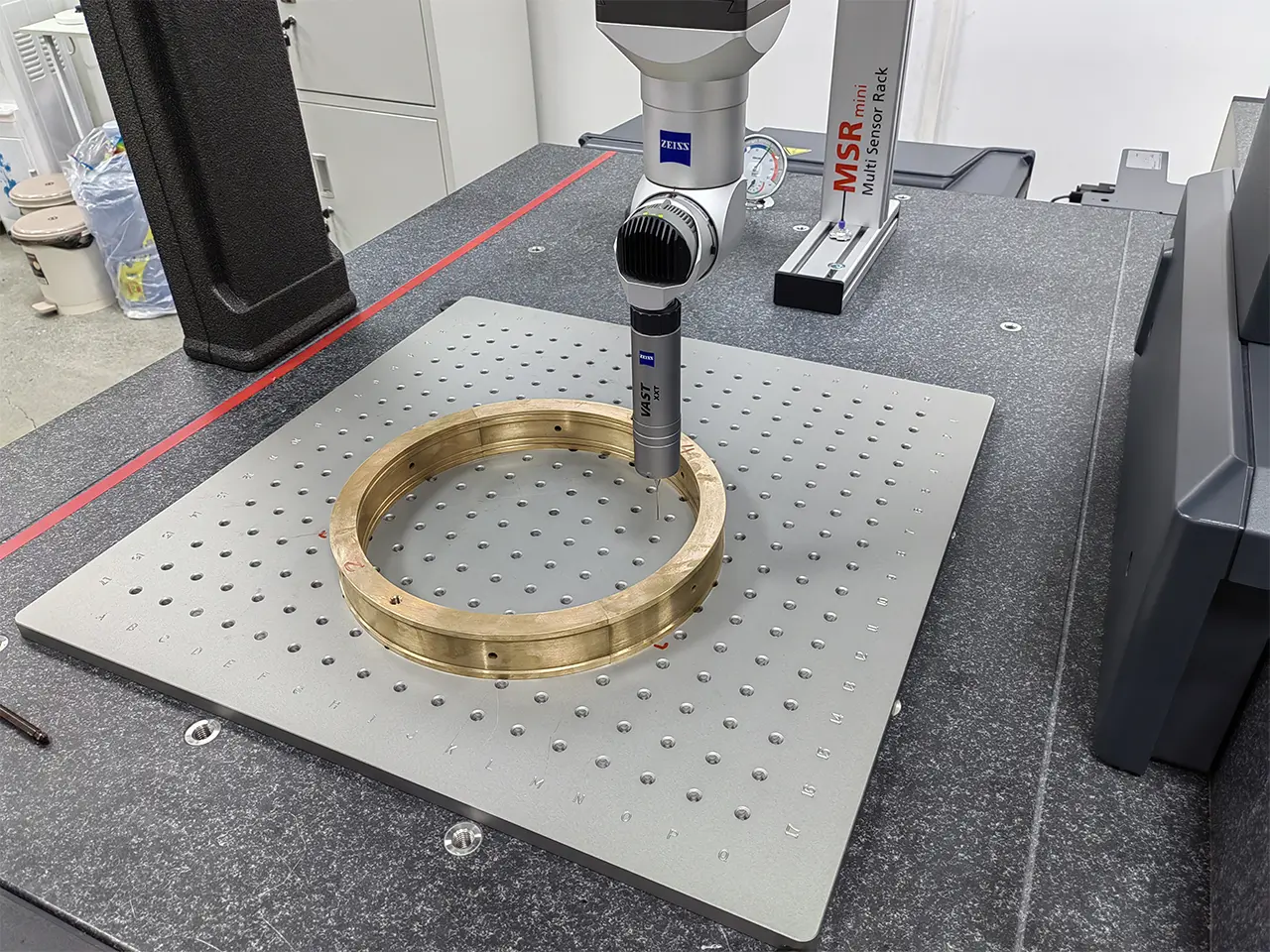
Our quality control protocol begins with raw material verification. We analyze chemical compositions using an Optical Emission Spectrometer (OES) to check every batch of stainless steel, carbon steel, titanium, aluminum, and copper alloy before casting or machining. In our temperature-controlled metrology laboratory, we verify dimensional accuracy using Coordinate Measuring Machines (CMM), optical profile projectors, and digital height gauges. For marine and valve parts, we conduct non-destructive testing (NDT), including dye penetrant inspection and hydrostatic pressure testing, to identify potential surface defects or micro-porosities before delivery.
Establishing our operations in 2014, we have updated our equipment and refined our manufacturing workflows. This history of testing and validation supports the long-term reliability of our products in demanding environments.
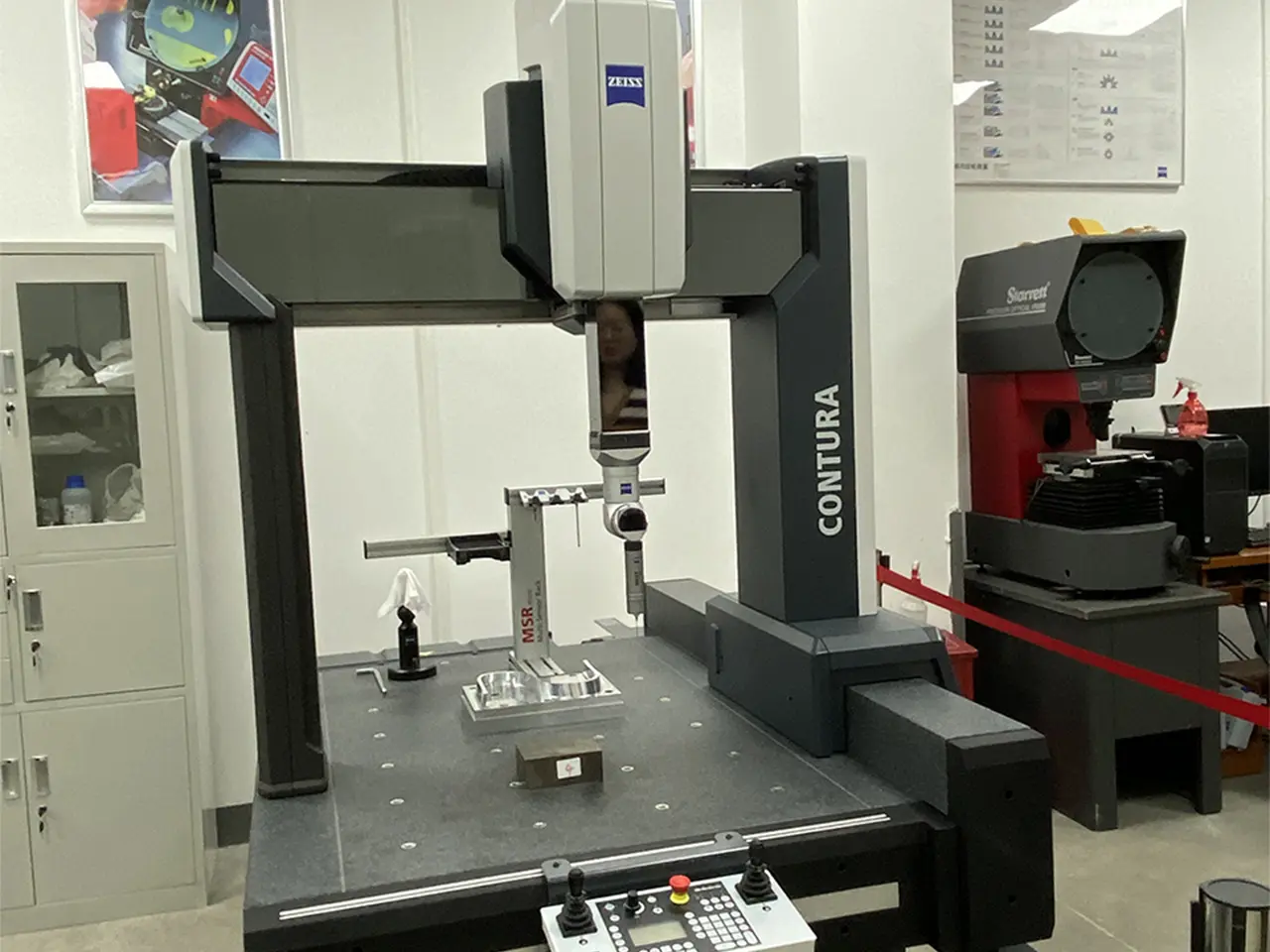
Our manufacturing facilities integrate automation, materials management, and process control systems to support continuous production and reliable logistics.
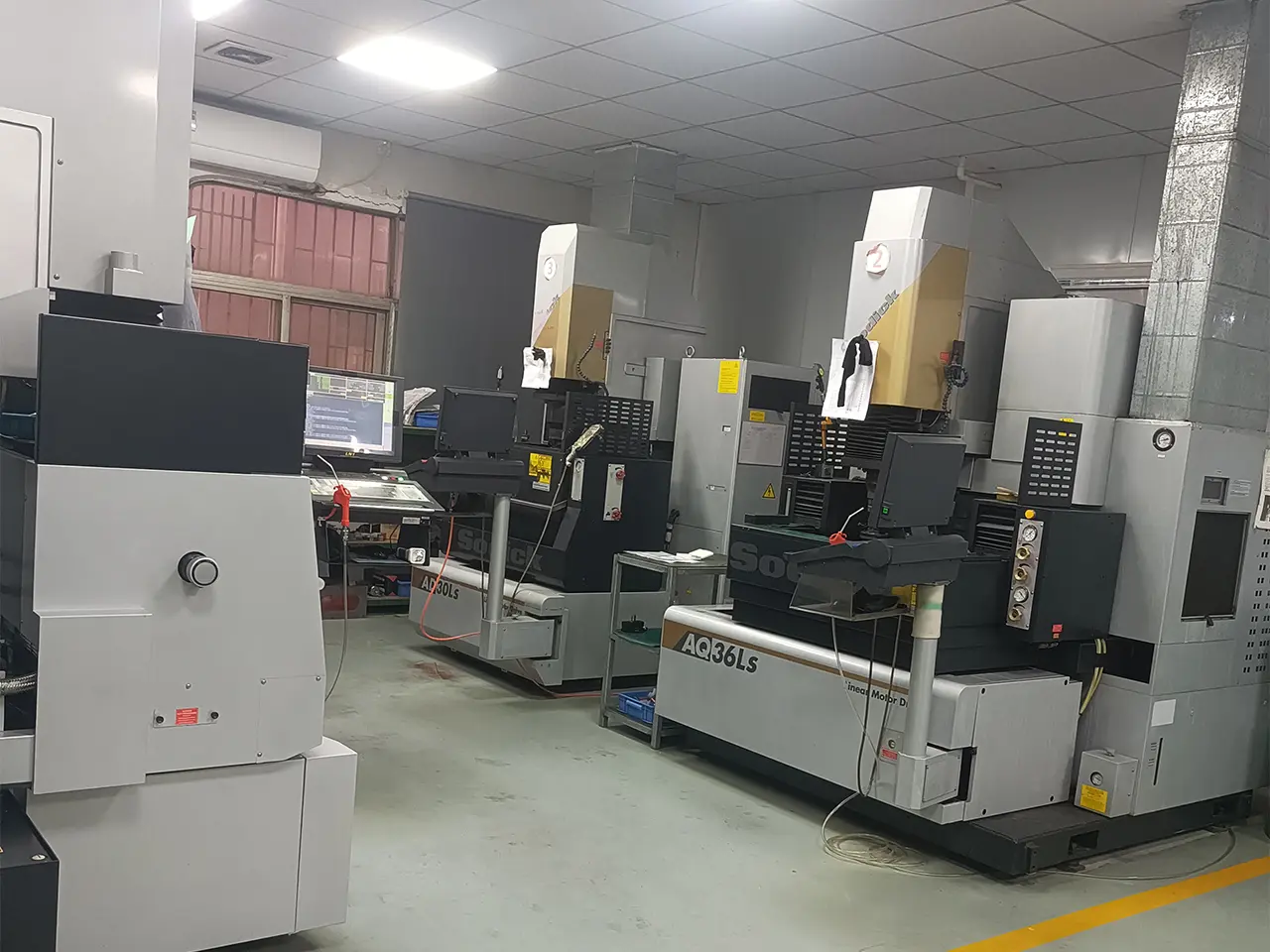
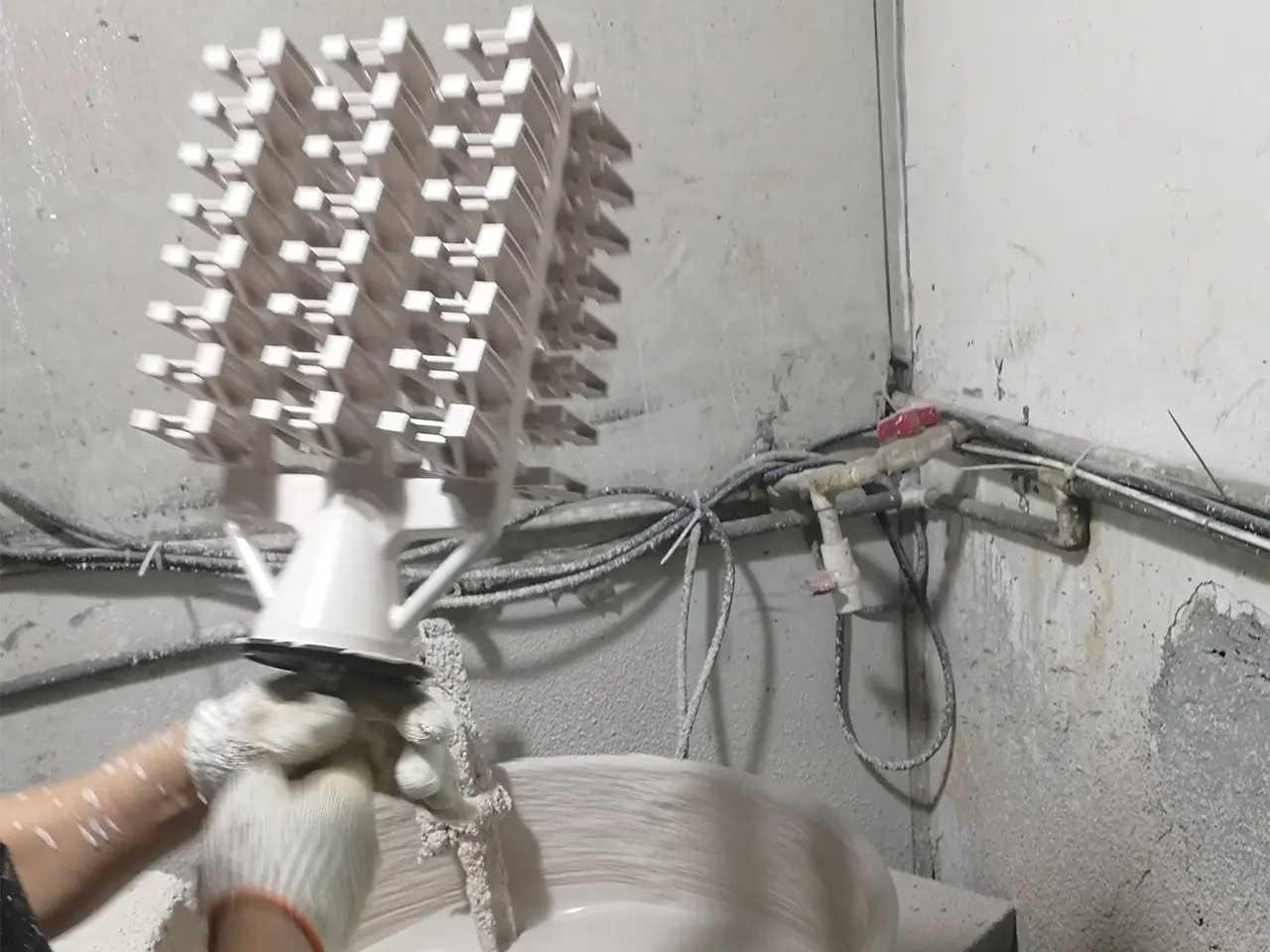
Our automated wax preparation and climate-controlled drying rooms ensure consistency across all ceramic shell layers, reducing dimensional drift in our casting runs.
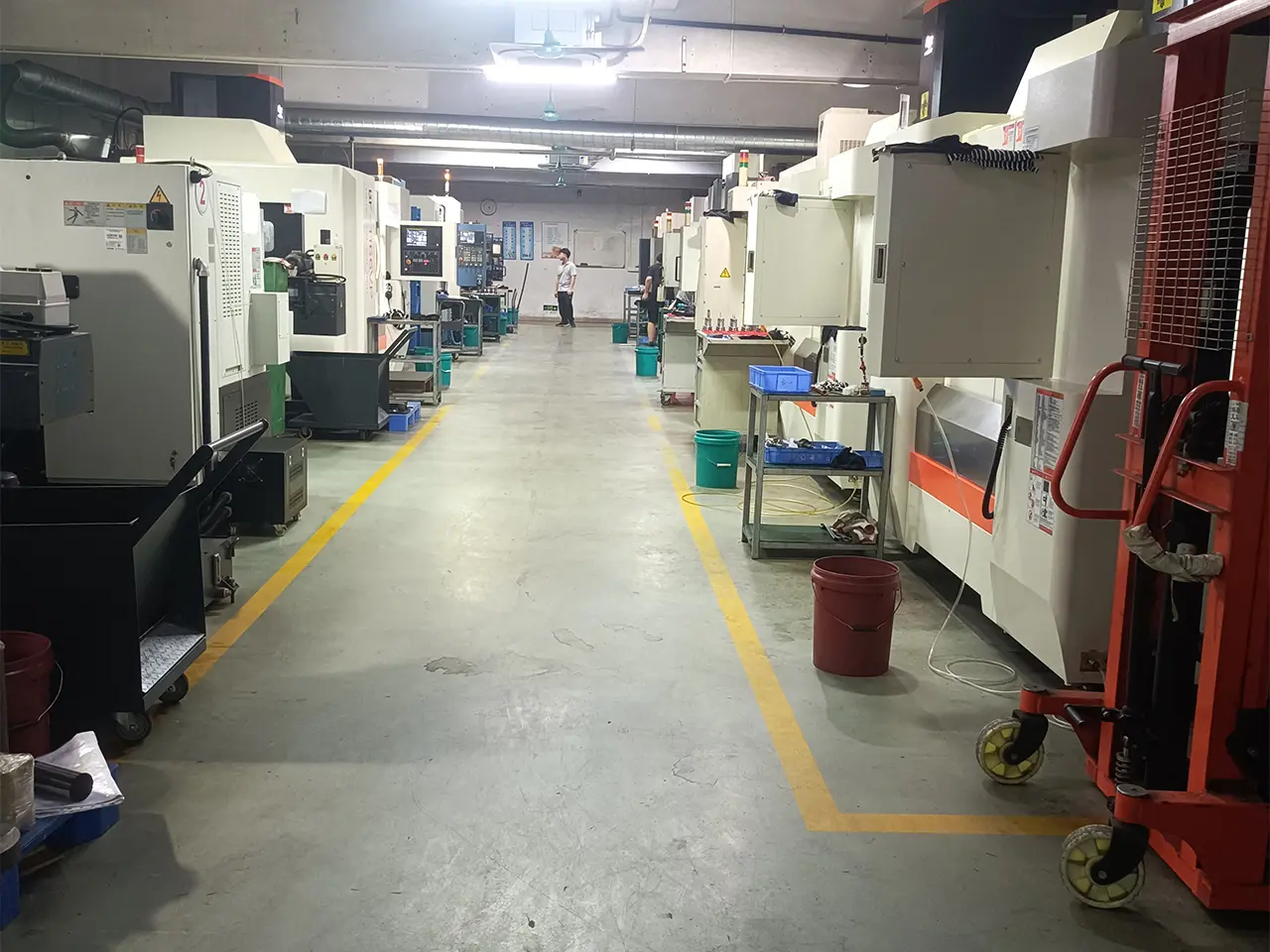
High-precision vertical machining centers and CNC turning-milling centers process cast parts directly, finishing complex geometries to tolerances of ±0.005mm.
Our controlled-atmosphere furnaces perform annealing, normalizing, tempering, and solid solution treatments, optimizing the grain structure of our parts for target mechanical performance.
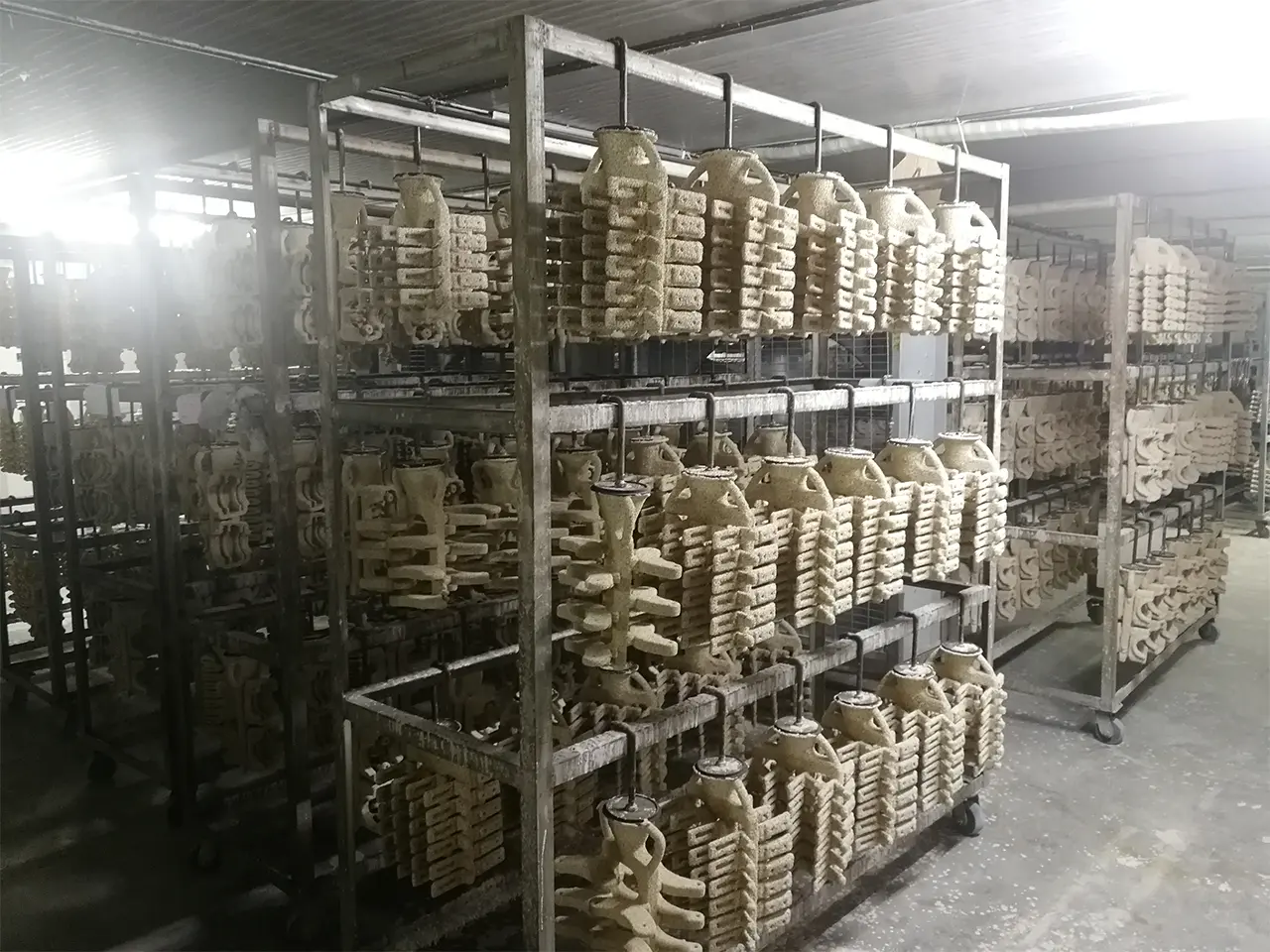
We deploy high-speed rotary lathes and multi-axis mill-turn centers. This setups enable machining of complex rotational parts and non-standard custom components in a single setup.
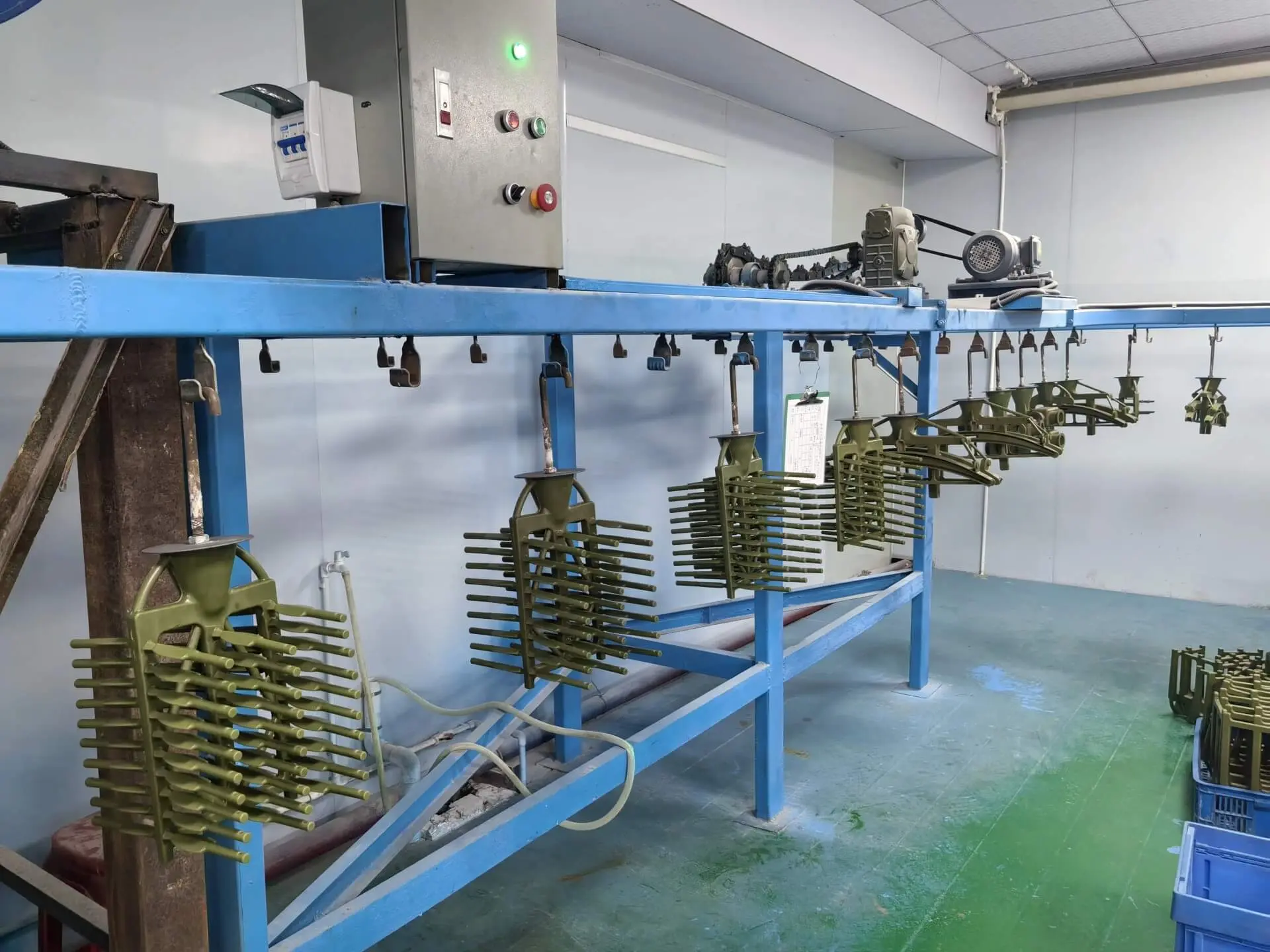
Our finishing lines handle shot-blasting, electropolishing, powder coating, and passivation treatments to provide custom parts with wear resistance and clean aesthetics.
Located in the industrial manufacturing hub of Dongguan, we maintain access to raw material ecosystems, specialized tooling providers, and deepwater ports (Shenzhen and Guangzhou). This logistics footprint protects our global clients from supply interruptions, supporting delivery schedules even during market fluctuations.
The investment casting sector is shifting toward digital and automated processes. Dongguan SX Technology aligns with these industry directions, adapting our methodologies to match modern manufacturing requirements.
By using SLA and SLS additive manufacturing to print wax patterns, we bypass the lead times and costs of hard tooling. This allows us to produce functional prototypes and short-run production parts in days rather than weeks.
We use casting simulation software to analyze gating designs, thermal behavior, and solidification patterns. This predictive analysis identifies hot spots and potential shrinkage defects before pouring begins, improving yield rates for complex valve and gear designs.
We continue to integrate high-precision CNC toolpaths with near-net castings, reducing tool wear, cycle times, and raw material waste when working with difficult-to-machine alloys like titanium and nickel-based superalloys.
As industrial equipment operates at higher temperatures and pressures, we are expanding our casting capabilities for advanced materials:
"Developing lighter, stronger, and more resilient components through metallurgical control."
Global B2B procurement requires strict adherence to international material standards and regulatory frameworks. Dongguan SX Technology aligns its manufacturing processes with international specifications to simplify compliance for engineering and purchasing departments.
Our products comply with relevant material standards, including ASTM (American Society for Testing and Materials), DIN (Deutsches Institut für Normung), JIS (Japanese Industrial Standards), and BS (British Standards). We provide EN 10204 3.1 material certificates with all shipments, which detail chemical compositions and mechanical testing data (tensile strength, yield strength, elongation, and impact toughness) to verify compliance.
To support environmental and safety compliance, our facility manages production lines in accordance with RoHS (Restriction of Hazardous Substances) and REACH (Registration, Evaluation, Authorisation and Restriction of Chemicals) regulations. Additionally, we provide Design for Manufacturing (DFM) support, collaborating with clients' local engineering teams during the design phase. This collaboration helps optimize part geometry for the casting process, which can reduce production defects and lower overall component costs.
| Standard | Scope & Relevance |
|---|---|
| ISO 9001:2015 | Quality Management System Certification |
| ASTM / DIN / JIS | Material Grade and Dimensional Conformity |
| RoHS & REACH | Environmental Safety and Non-Hazardous Materials |
| EN 10204 3.1 | Traceable Melt and Casting Analysis Certification |
For procurement managers, purchasing cast components involves balancing unit cost, tool life, quality yields, and shipping lead times.
While CNC machining has lower upfront tooling costs, casting becomes more cost-effective at scale. We analyze production volumes to help you choose the best tooling strategy, amortizing mold costs over production runs to lower per-part costs.
Through our relationships with regional metal refineries, we secure raw alloys in bulk. These purchasing agreements help insulate our clients from sudden increases in the spot prices of nickel, chromium, and titanium.
Managing separate casting, machining, heat treatment, and surface finishing vendors can introduce supply chain risks. We consolidate these steps in-house, reducing transit times and simplifying quality assurance tracking.
Answers to common engineering and purchasing questions regarding our casting and machining processes.
Our silica sol investment casting processes conform to the ISO 8062 CT4 to CT6 standard. For geometries requiring tighter dimensions, we use post-cast CNC machining to achieve tolerances as close as ±0.005mm.
For investment casting, we work primarily with stainless steel (including 304, 316, 316L, and 17-4 PH) and carbon steel. In our CNC machining division, we process titanium alloys, aluminum alloys, copper alloys, cemented carbides, and carbon and stainless steels.
We use NDT techniques, including dye penetrant testing, magnetic particle testing, and hydrostatic pressure testing for valve and pump housings. We also partner with certified laboratories to perform X-ray imaging for critical structural castings.
Using the silica sol lost wax method, we produce parts ranging from a few grams up to approximately 50 kilograms. For larger, heavier structures, we assess the design's geometry and mold feasibility to determine if it is suitable for our casting lines.
Yes, we provide Design for Manufacturing (DFM) feedback on all RFQs. Our engineering team reviews parting lines, draft angles, wall thicknesses, and gate locations to improve casting yields and reduce machining steps.
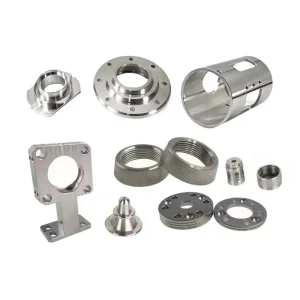
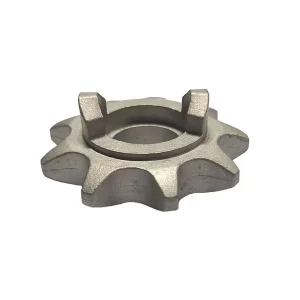
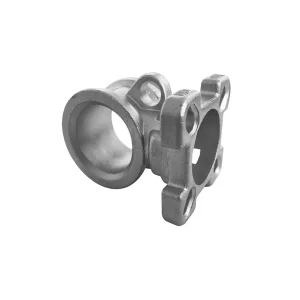
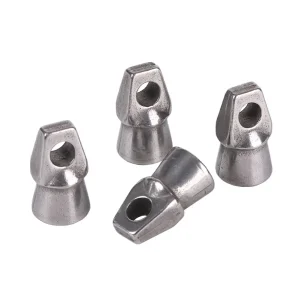
View our secondary selection of custom CNC parts, titanium milled components, and high-performance casting systems.
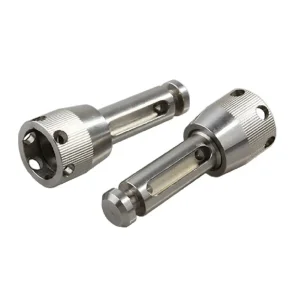
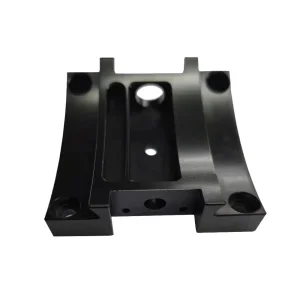
 SX Machining