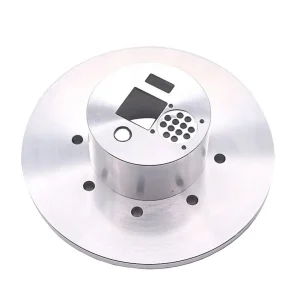
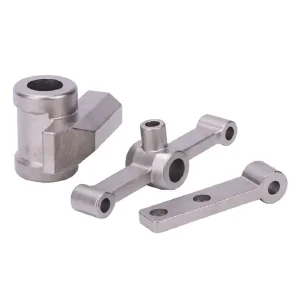
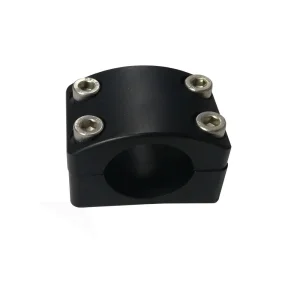
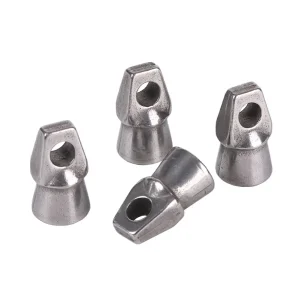
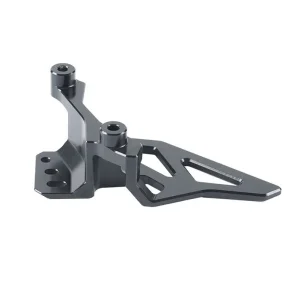
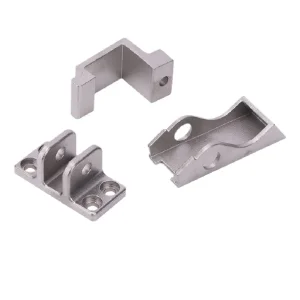
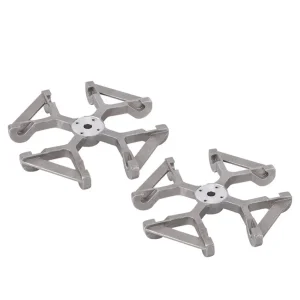
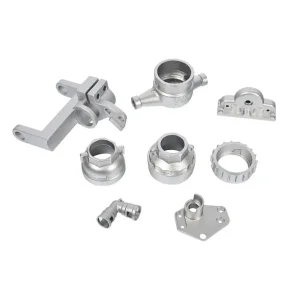
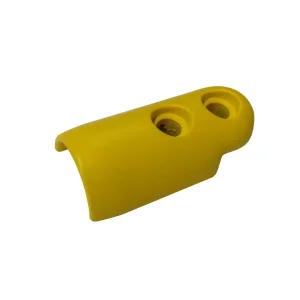
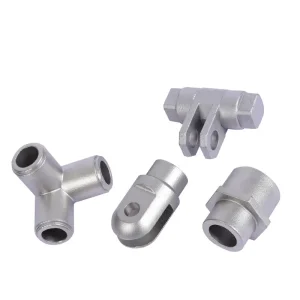
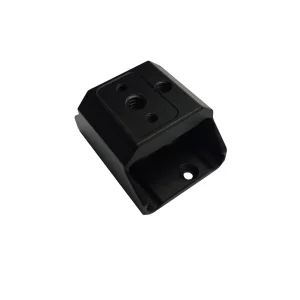
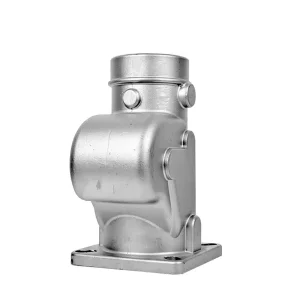
Explore our high-tolerance metal castings engineered for marine, industrial, medical, and commercial applications.
Understanding the intricacies of industrial-grade investment casting and how design parameters impact production scalability.
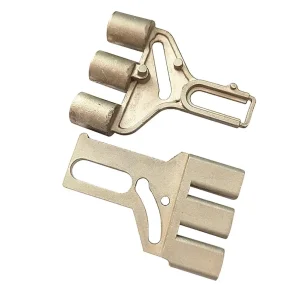
Investment casting, historically known as lost wax casting, stands as one of the most reliable and sophisticated manufacturing processes for creating near-net-shape components with complex geometries, thin walls, and exceptional surface finishes. By utilizing high-fidelity wax replicas coated with engineered ceramic slurries, modern foundries can cast materials ranging from stainless steel and carbon steel to specialized titanium alloys with remarkable dimensional repeatability.
For global procurement teams, sourcing components that combine structural integrity with minimal secondary machining is a core strategic objective. Our manufacturing process excels in achieving this balance. Whether producing structural stainless steel brackets, complex titanium medical fittings, or heavy-duty components for agricultural machinery, the combination of advanced thermodynamics in casting and multi-axis CNC finishing ensures that every dimension satisfies strict engineering tolerances.
By leveraging computational flow analysis, automated wax injection molding, and highly controlled atmospheric baking, we minimize gas porosity, dendritic shrinkage, and surface scale. The result is a structural component that delivers superior tensile strength, durability, and corrosion resistance under the most demanding field conditions.
We deploy high-capacity medium-frequency induction furnaces, automated shell drying rooms, high-precision vertical machining centers (VMCs), and advanced CNC turning and milling machinery to guarantee high production yields and speed to market.
Handling diverse metallurgy including SS304, SS316, 17-4PH, Carbon Steel WCB, Low Alloy Steel, Titanium Grade 5, Aluminum 6061/7075, and specialized copper alloys.
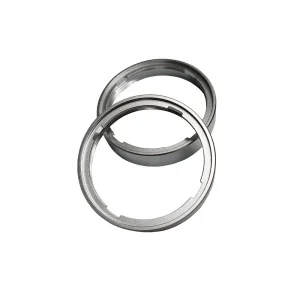
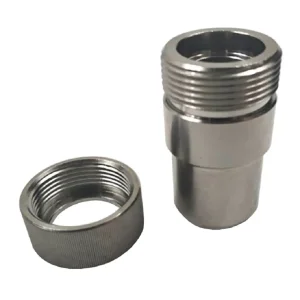
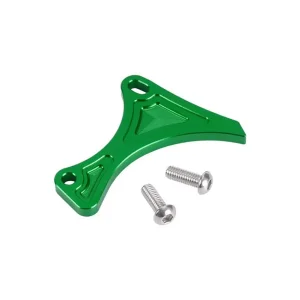
Dongguan SX Technology Co.,Ltd has very rich experience in precision casting, CNC machining and assembly. Our products are used in machinery, automobiles, marine, ships, equipment, valves and pumps, electronic appliances, packaging, watches, construction, chemical industry and other industries. The most commonly used materials for investment casting are stainless steel and carbon steel. And the most commonly used materials for CNC machining include titanium alloy, stainless steel, carbon steel, aluminum alloy, copper alloy, cemented carbide, etc. We have advanced manufacturing equipment and technology and are able to respond quickly to your needs.
By positioning our manufacturing hub in Dongguan, the global epicenter of industrial hardware and precision technology, we leverage local sub-tier supply networks, specialized surface treatment operations, and convenient logistics channels. This operational synergy enables us to transition seamless raw castings into high-precision, fully finished parts, ready for assembly lines globally.
Why modern global enterprises choose our integrated casting and machining solutions to optimize total cost of ownership (TCO).
Unlike standard casting foundries that export rough blanks, we offer in-house multi-axis CNC turn-mill setups. This eliminates mid-stage logistics, reduces cumulative tolerances, and yields parts ready for assembly.
Our engineers utilize CAD/CAM simulation toolsets to optimize gating and riser systems. This proactive analysis dramatically decreases tool modifications, reducing development costs and shortening lead times.
Through long-term partnerships with certified local smelters, we secure high-purity raw metals at competitive prices, insulating our clients from global commodity volatility.
| Evaluation Parameter | SX Technology Integrated Solutions | Traditional Sand/Investment Casting | Direct Machining from Solid Billet |
|---|---|---|---|
| Dimensional Precision | Excellent (Casting + CNC precision finishing to < 0.01mm) | Moderate (Requires extensive secondary processing) | Exceptional (High accuracy but limited geometry complexity) |
| Material Utilization | High (Near-net shape minimizes swarf/scrap rate) | High (Rough shapes with significant riser scrap) | Very Low (Up to 80% material waste for complex pockets) |
| Initial Tooling Cost | Moderate (Highly reusable tooling, fast amortisation) | Low (Sand molds) to High (Standard die tooling) | Zero Tooling Cost (CNC fixtures only) |
| Suitability for Scale | Excellent (Highly efficient for mid to high-volume runs) | High (Slow cycle times for manual molds) | Low (Scale increases unit cost linearly) |
A closer look at our state-of-the-art foundry facilities, CNC milling bays, and auxiliary finishing machinery.
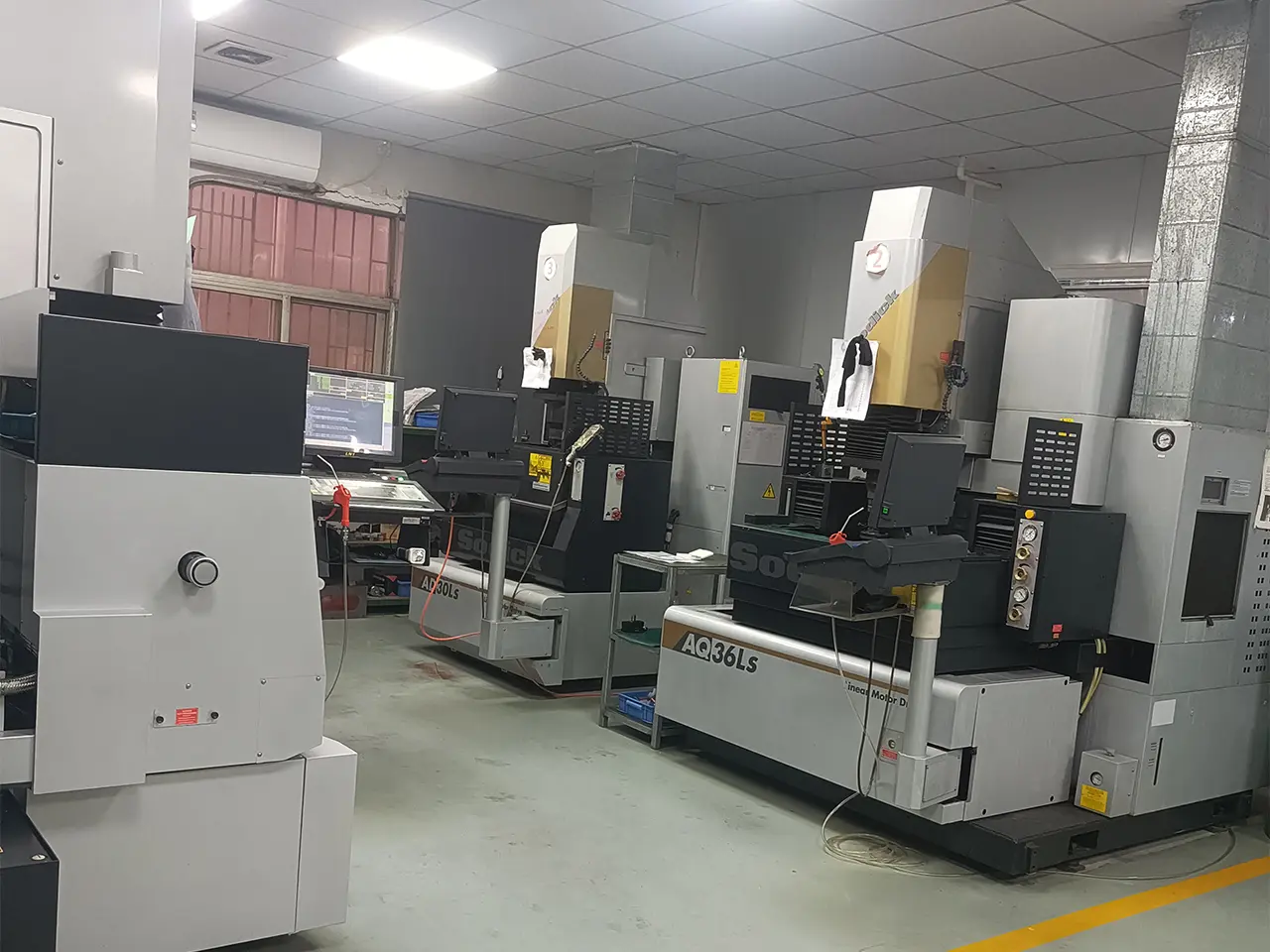
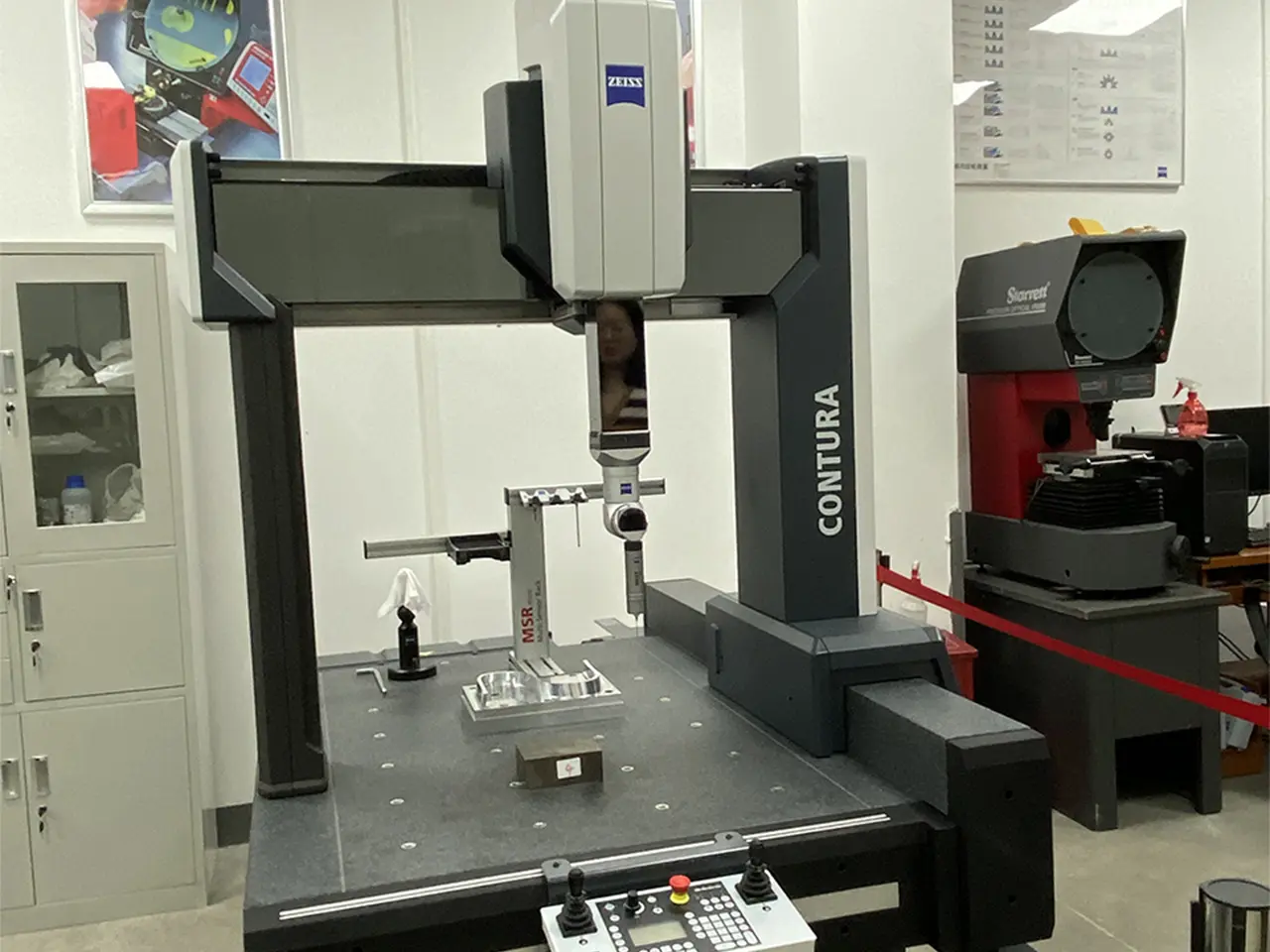
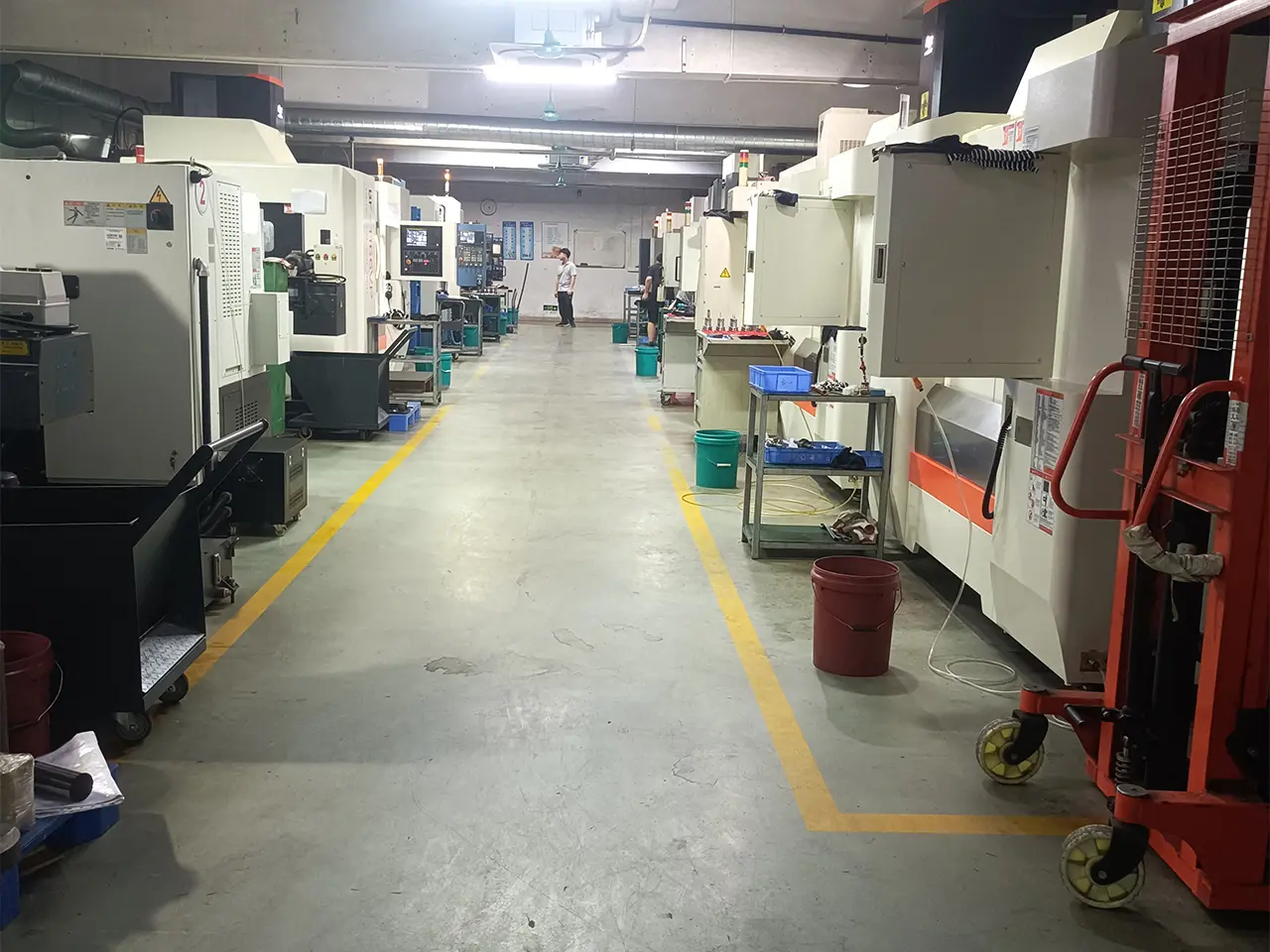
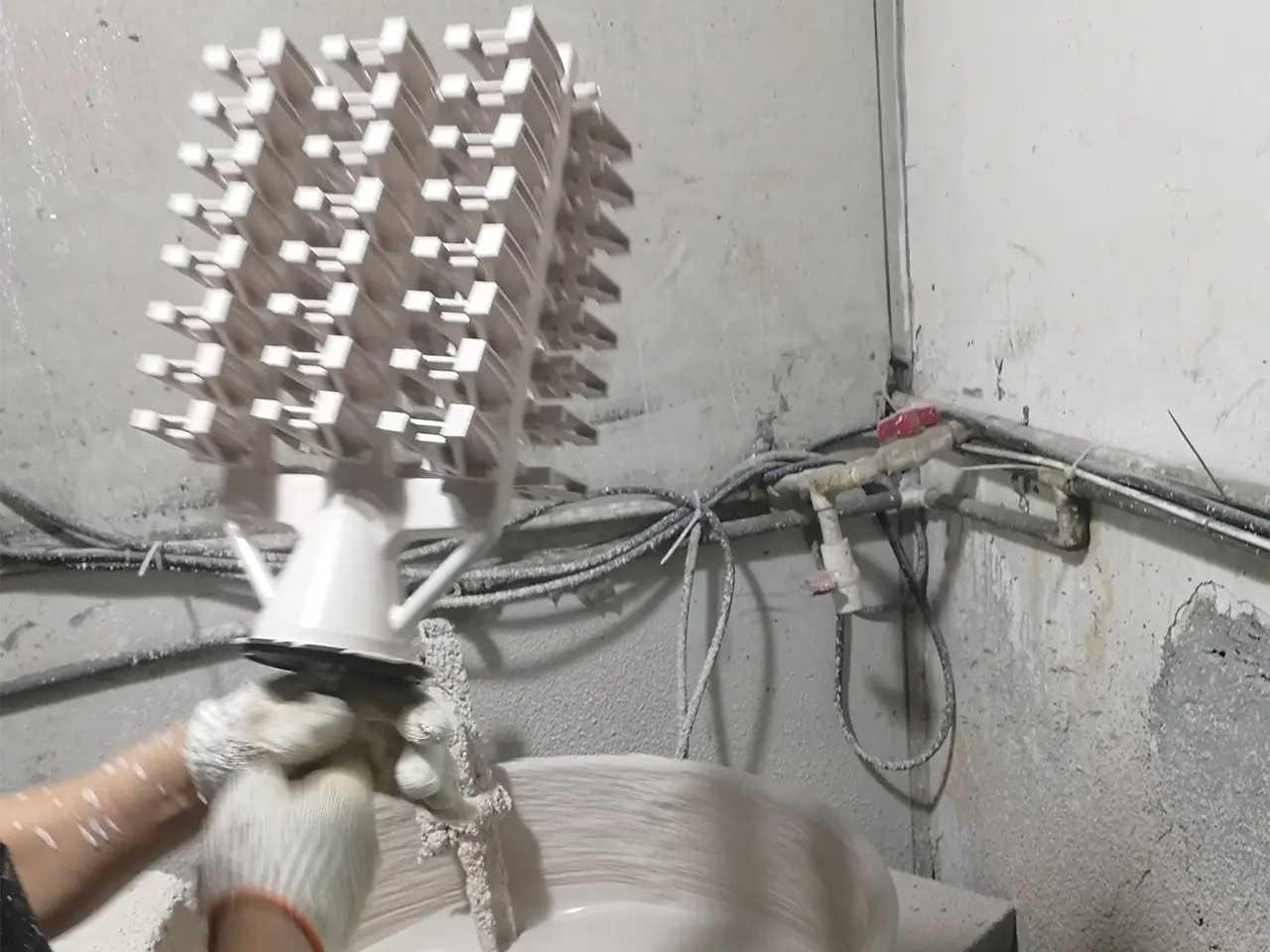
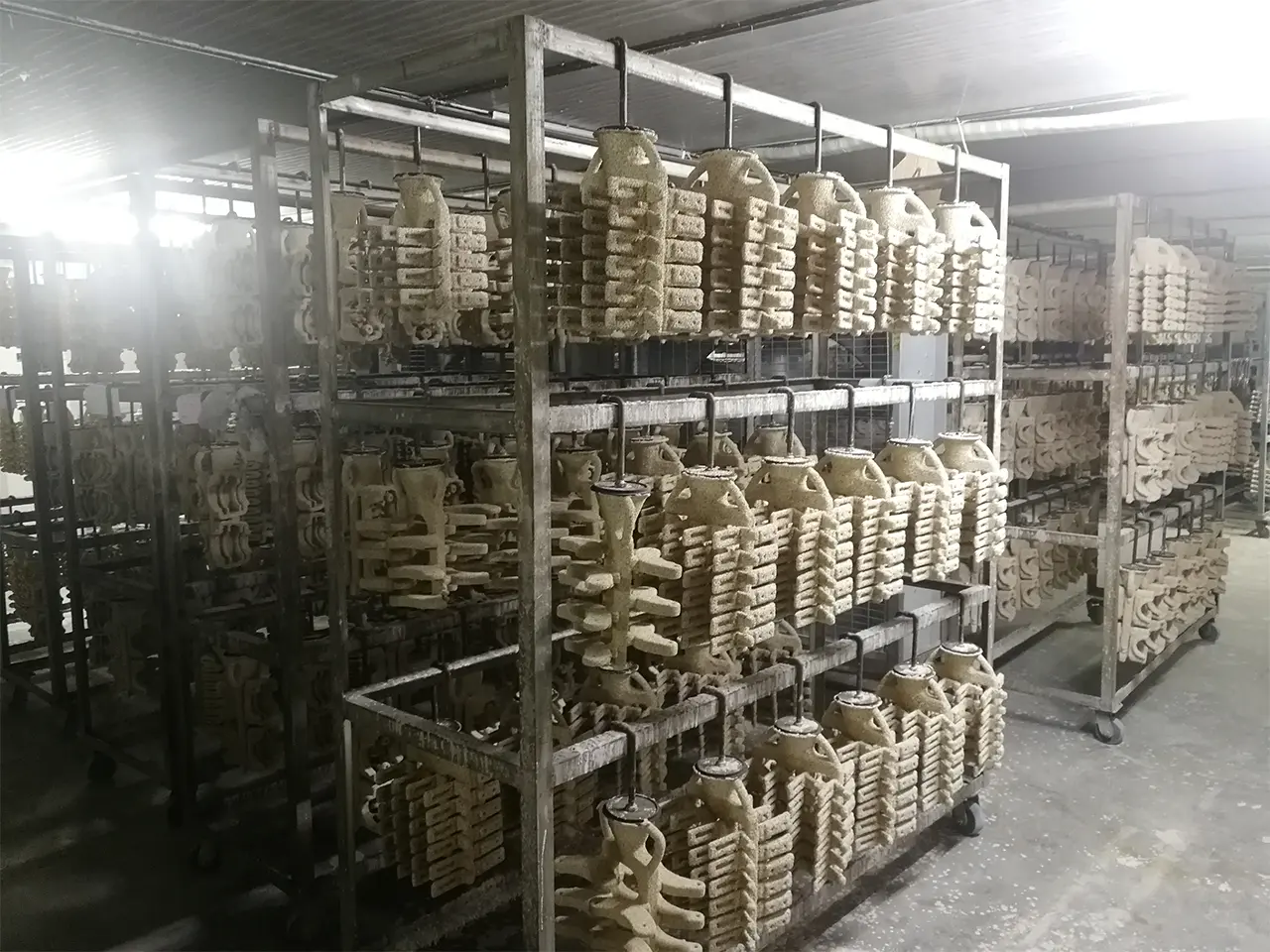
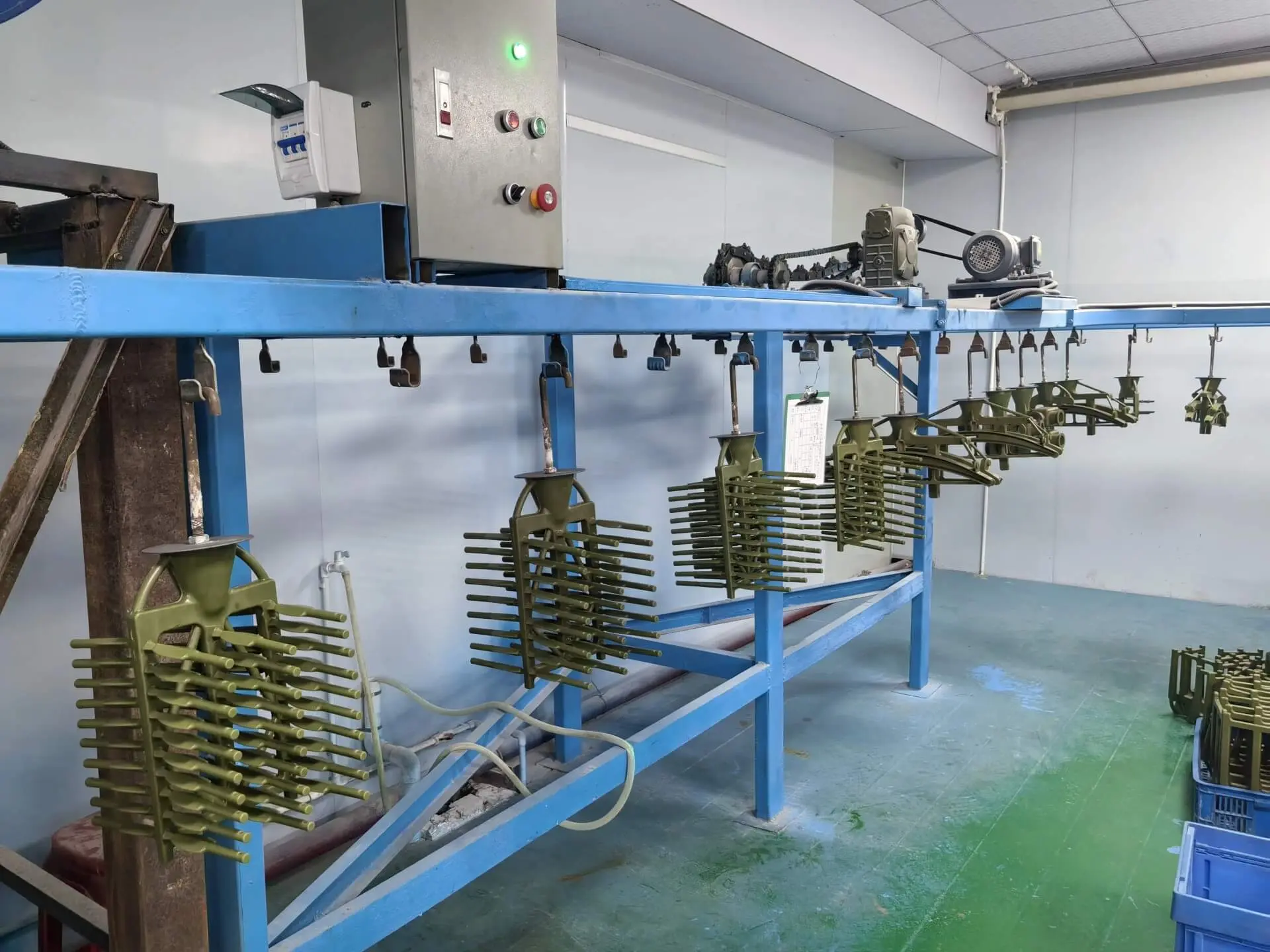
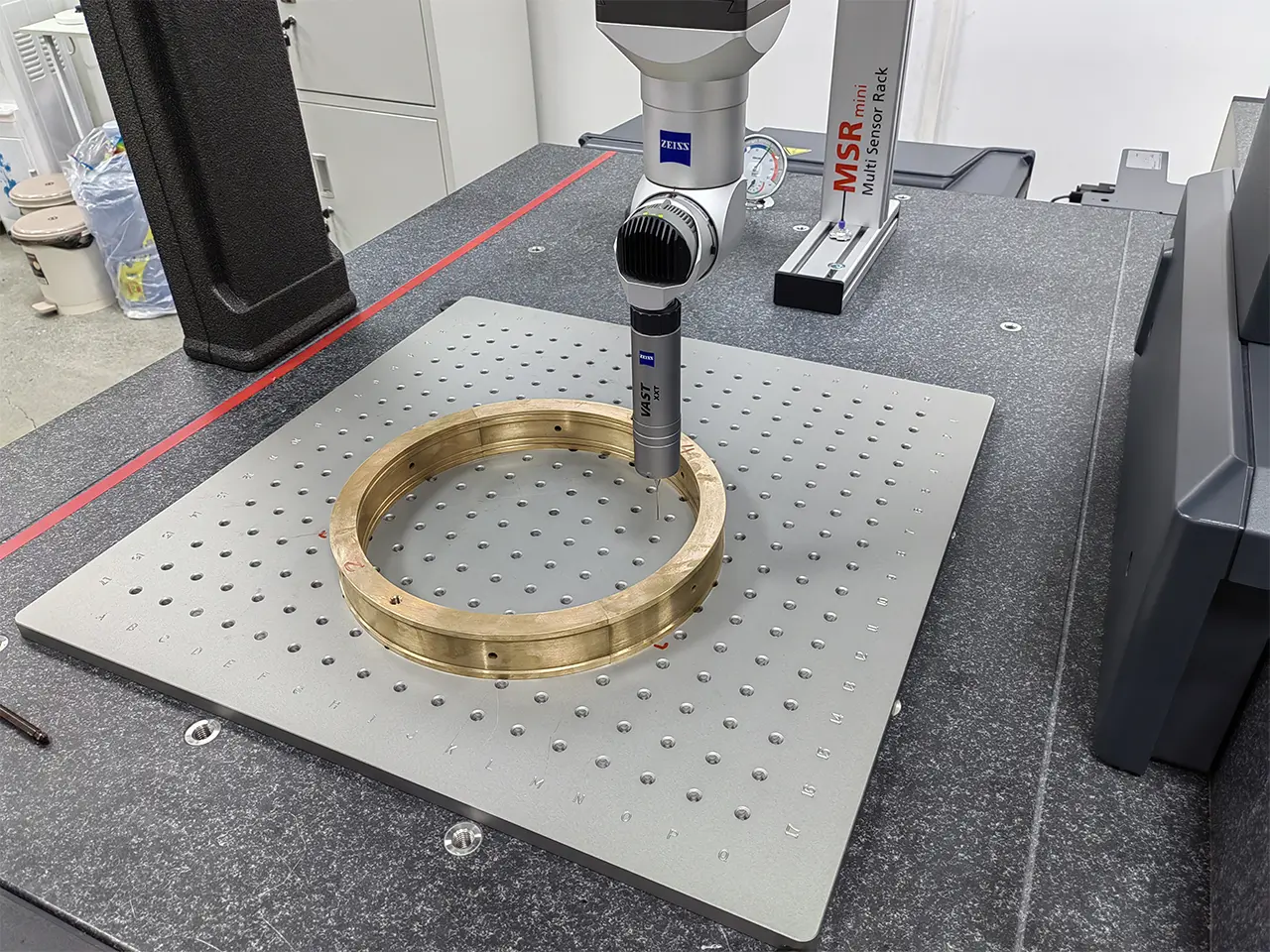
We have professional testing equipment and professional QC personnel, and we adhere to strict tolerances and quality standards for the products we produce. Due to our insistence on strict quality requirements, we have been praised by many customers. Quality is the cornerstone of the manufacturing industry. We firmly believe that only by controlling quality well can we survive, develop, and get better and better. Therefore, we have been working in this industry unremittingly since 2014 and continue to Improve the company's team and improve the company's production capacity.
Ensuring compliance, localized design support, and rapid customs transit for our international clientele.
All raw materials and post-treatments are fully RoHS and REACH compliant, supporting your environmental footprint and legal compliance targets in the EU and NA regions.
We work with regional third-party logistics (3PL) providers to coordinate Just-In-Time (JIT) delivery, supporting blanket orders with scheduled safety stock releases.
Our dedicated global engineering desk reviews your design files (STEP, IGES) within 24 hours, offering actionable Design for Manufacturability (DFM) feedback.
From deep-sea marine environments to high-stress agricultural applications, our castings perform where it matters most.
Utilizing high-chromium duplex stainless steels to produce impellers, brackets, and deck hardware that resist pitting, crevice corrosion, and chloride-induced stress cracking.
Casting titanium and specialized surgical steel alloys into orthopedic instruments and structural equipment frames demanding tight dimensional tolerances and biocompatibility.
Manufacturing engine brackets, suspension linkages, and interior components (e.g. armrest brackets) that require weight optimization alongside reliable yield strengths.
Get quick answers to common questions about our casting tolerances, tooling lead times, material capabilities, and order processes.
Typically, tool design and manufacture takes 15 to 25 days, depending on geometry complexity. Once tooling is validated, initial samples (First Article Inspection - FAI) are completed, inspected, and shipped for customer approval within 7 to 10 days.
We use casting flow simulation software to design runners and gates, predicting hot spots and shrinkage. Post-casting, we run non-destructive testing (such as ultrasonic or radiographic testing) when specified to verify internal structural density.
Yes. In addition to CNC machining, we offer a range of surface treatment operations through our audited partners, including electropolishing, passivation, hot-dip galvanizing, powder coating, anodizing, and custom plating configurations.
We cast standard carbon and stainless steel equivalent grades, including ASTM A743 (CF8, CF8M, CF3, CF3M), EN 10283 (1.4308, 1.4408), and carbon steel grades like ASTM A216 WCB. You will receive certified material testing reports (MTRs) with each shipment.
Broadening your design options with specialized marine brackets, agricultural castings, and electronics hardware.
 SX Machining